Problem-solving abilities Worksheets for Ages 3-8 - Page 2
65 filtered results
-
From - To

Adding at the Hospital Worksheet
 Assign to My Students
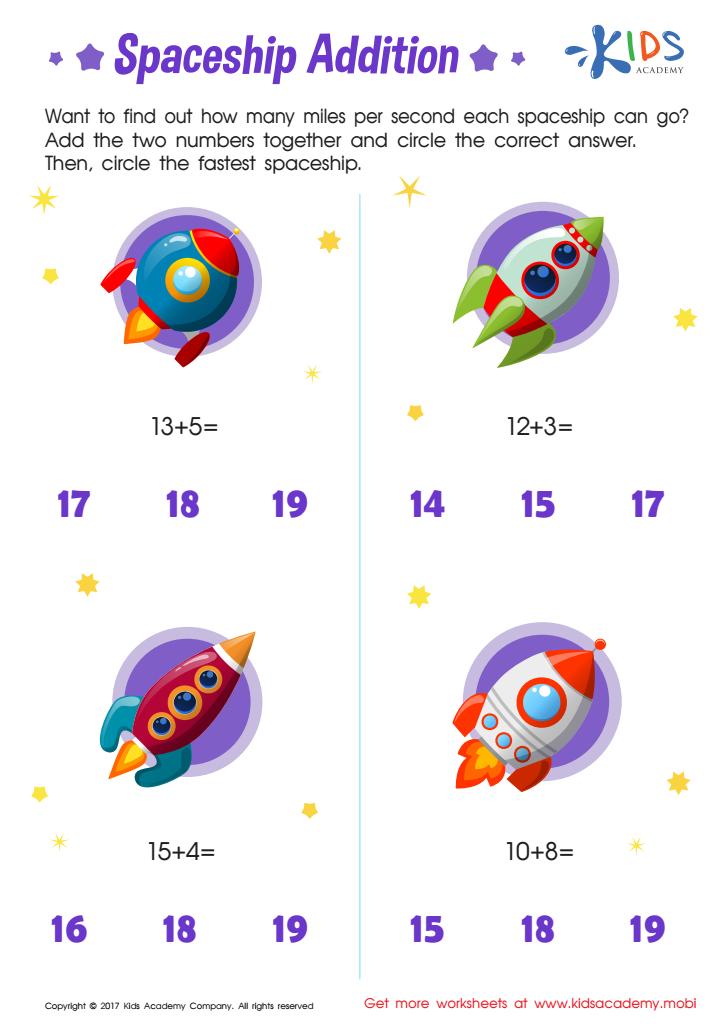
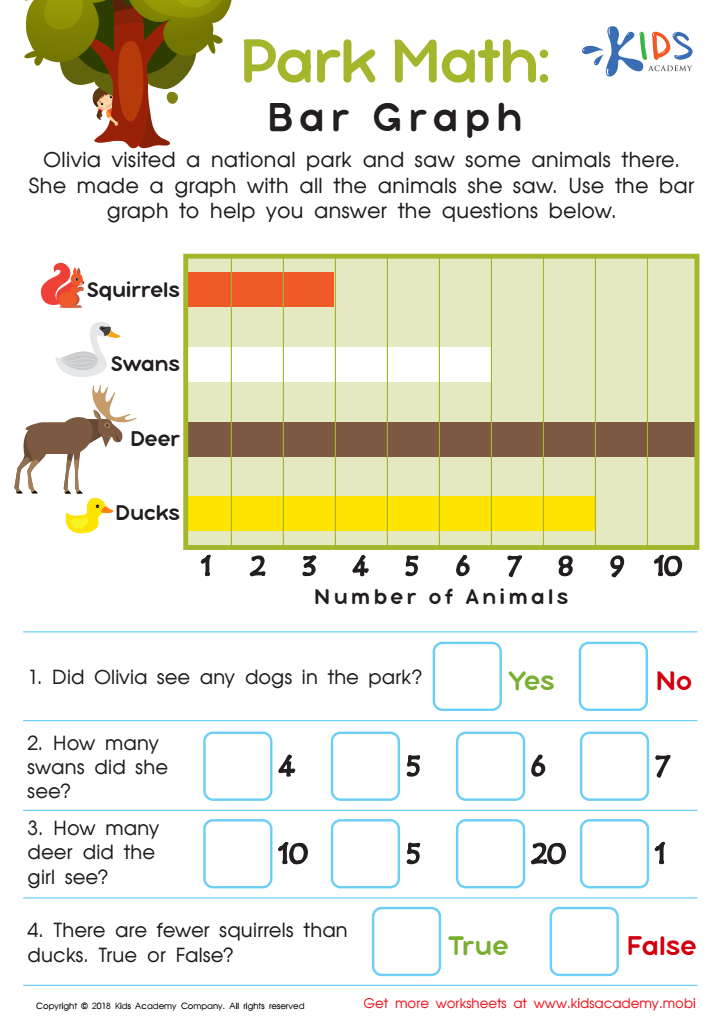
Park Math: Bar Graph Worksheet
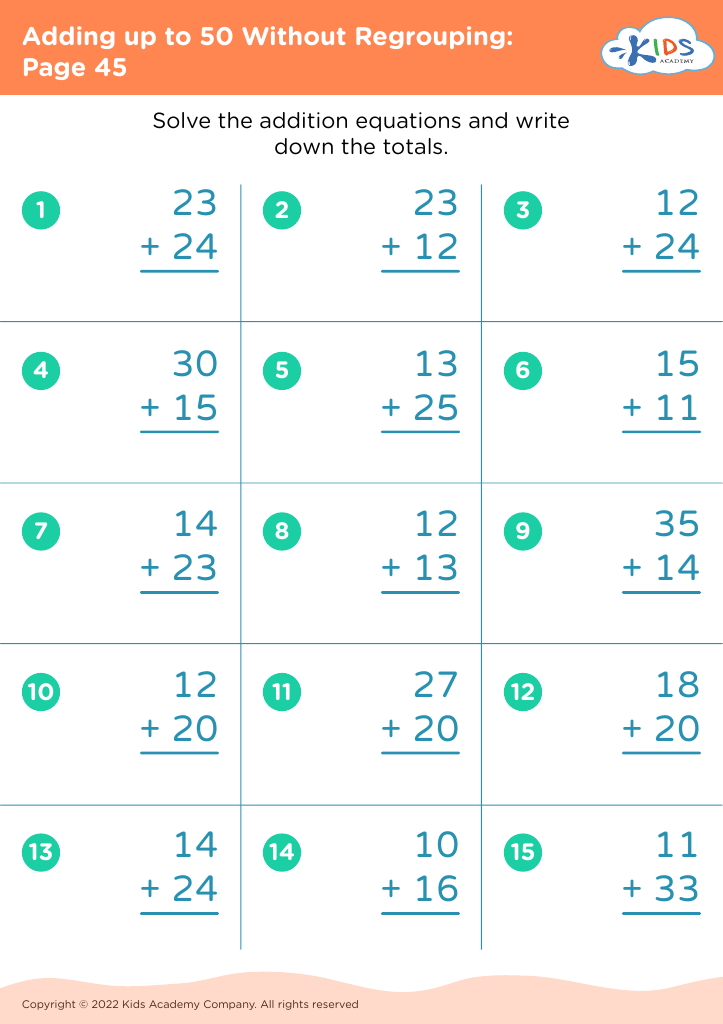
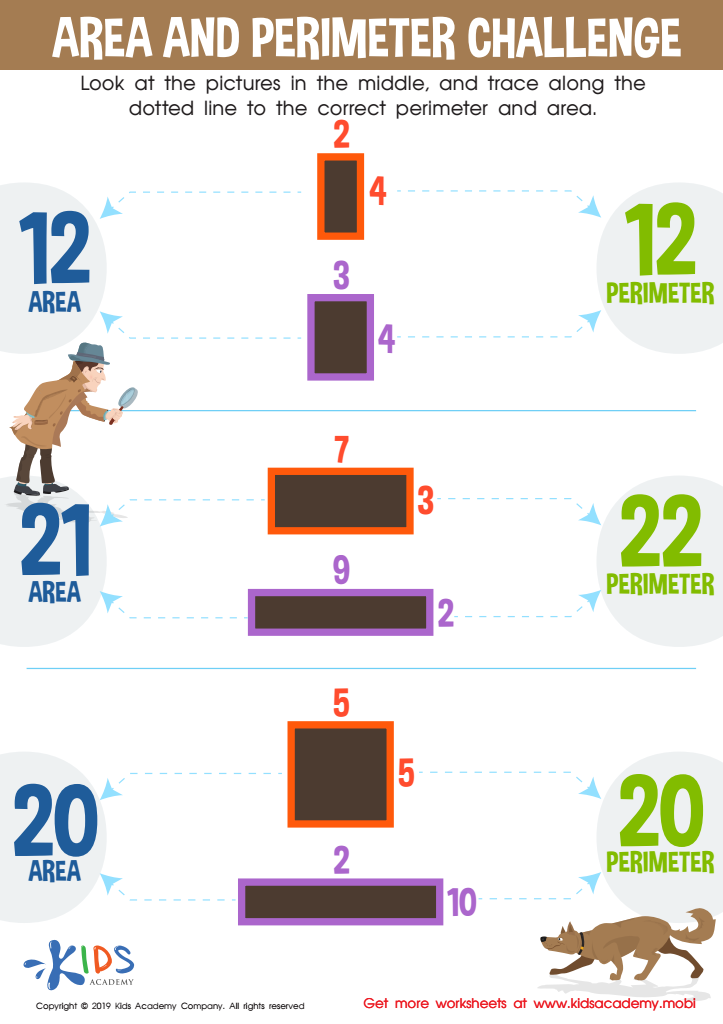
Area and Perimeter Challenge Worksheet
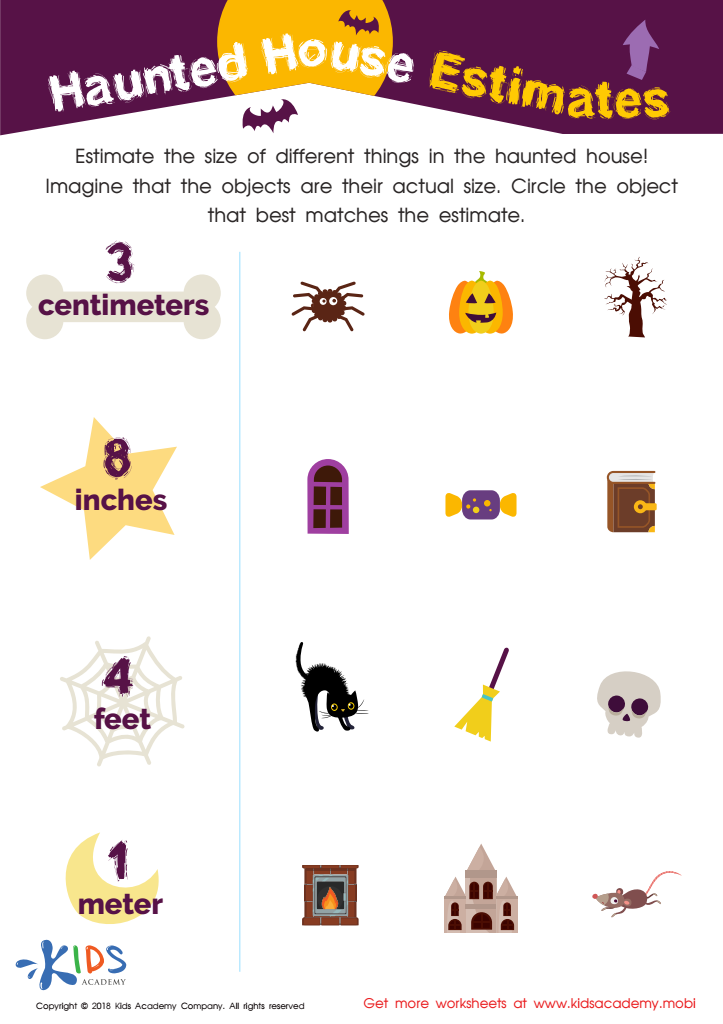
Haunted House Estimates Worksheet
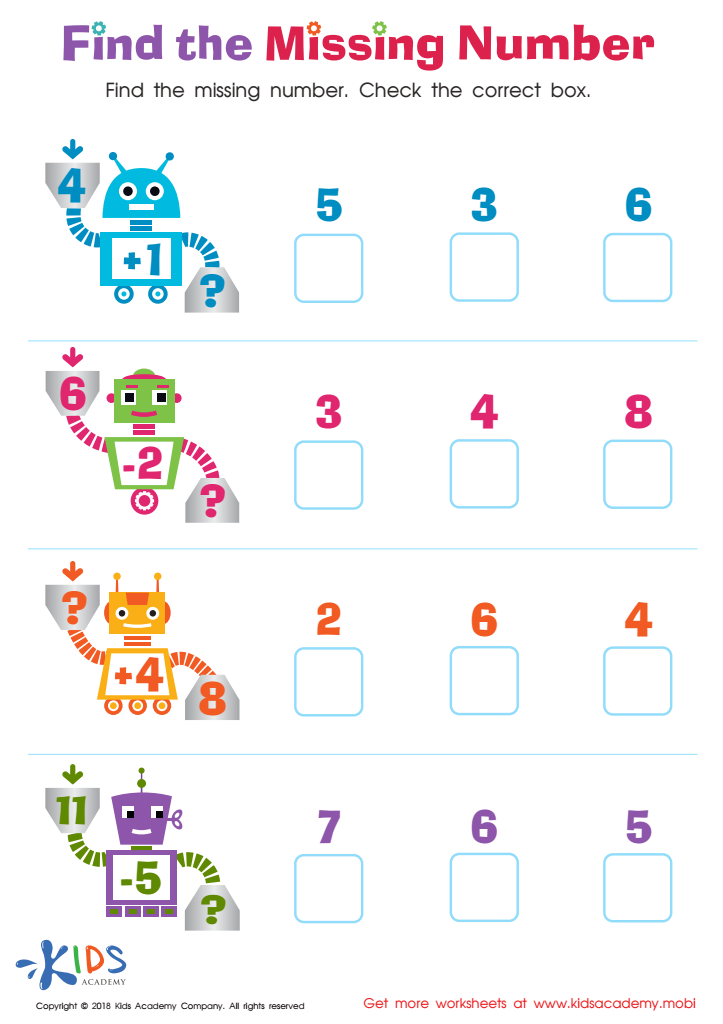
Find the Missing Number Worksheet
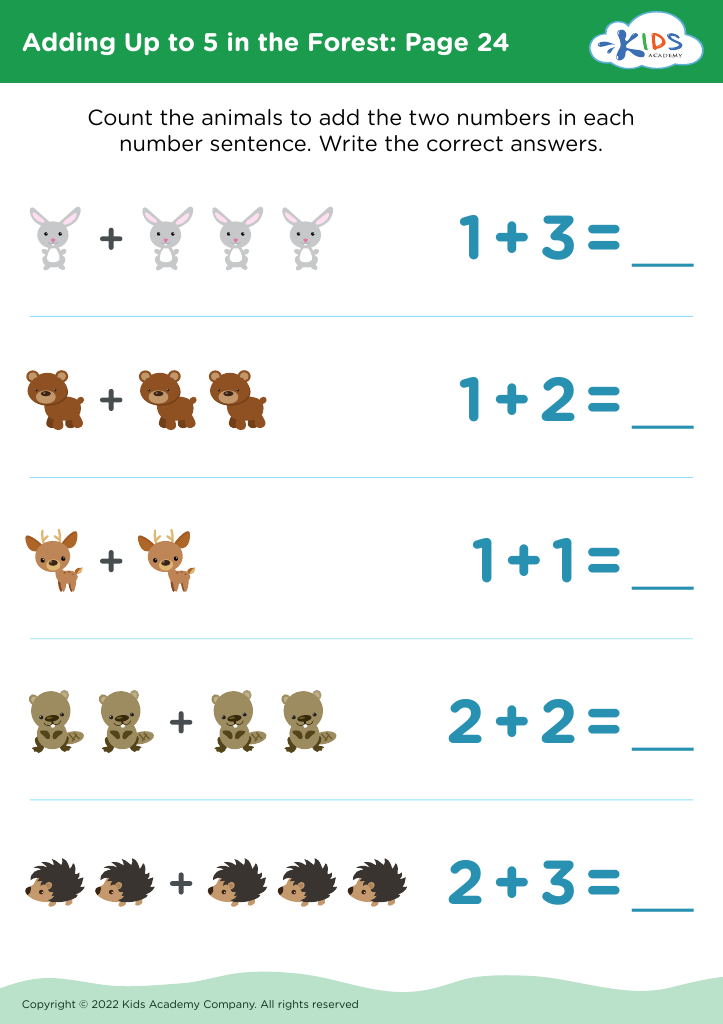
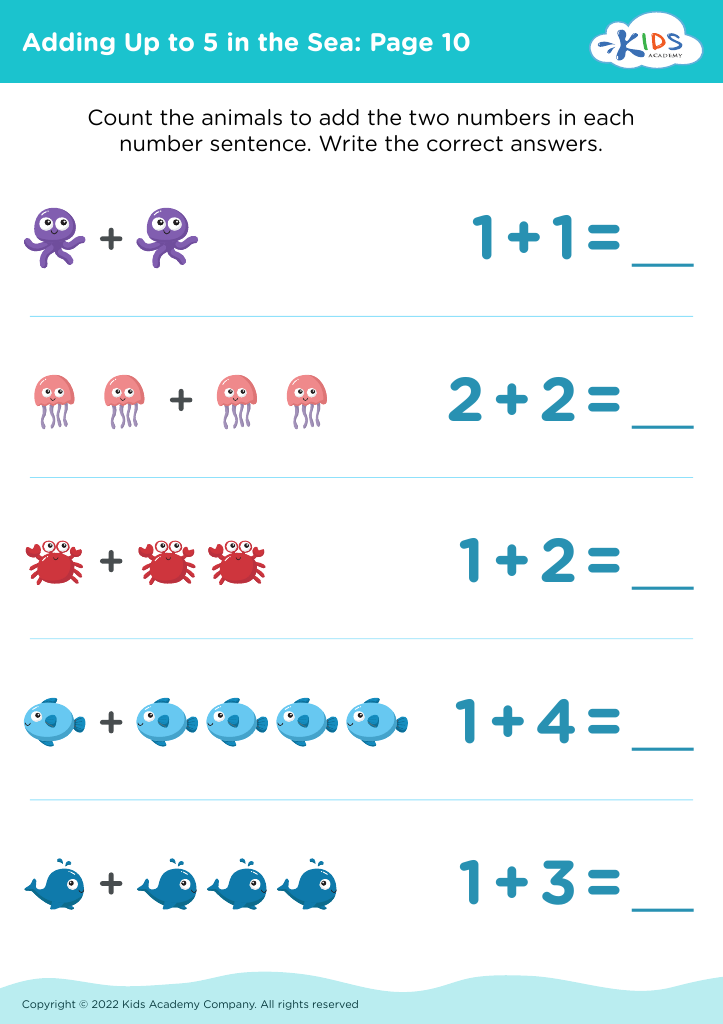
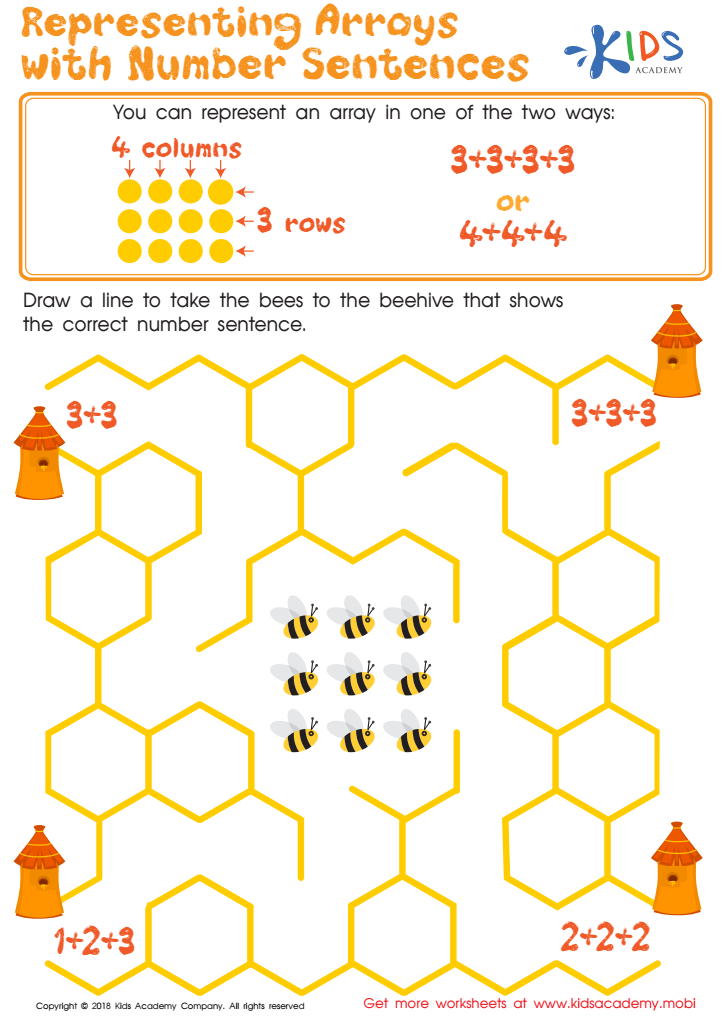
Representing Arrays with Number Sentences Worksheet
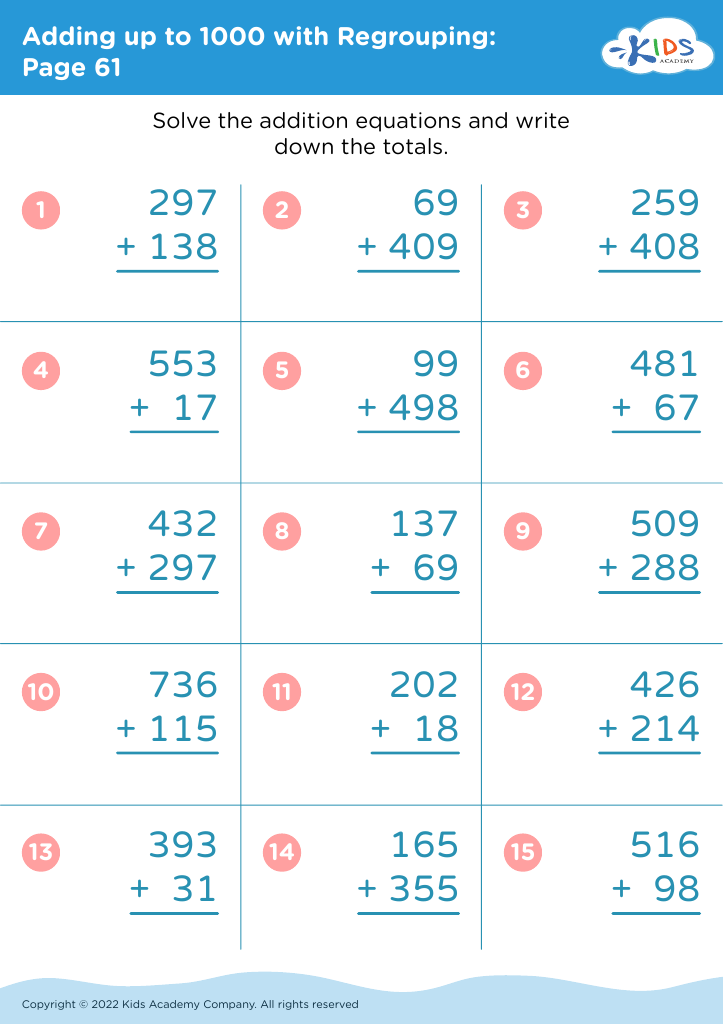
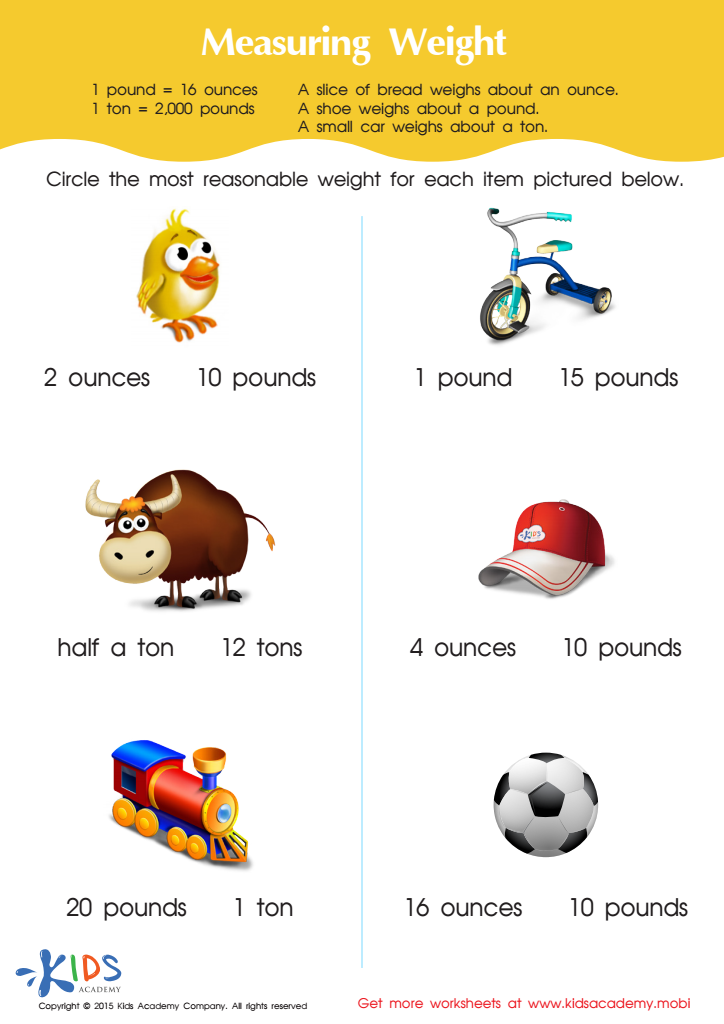
Measuring Weight in Ounces, Pounds and Tons (Part 2) Worksheet
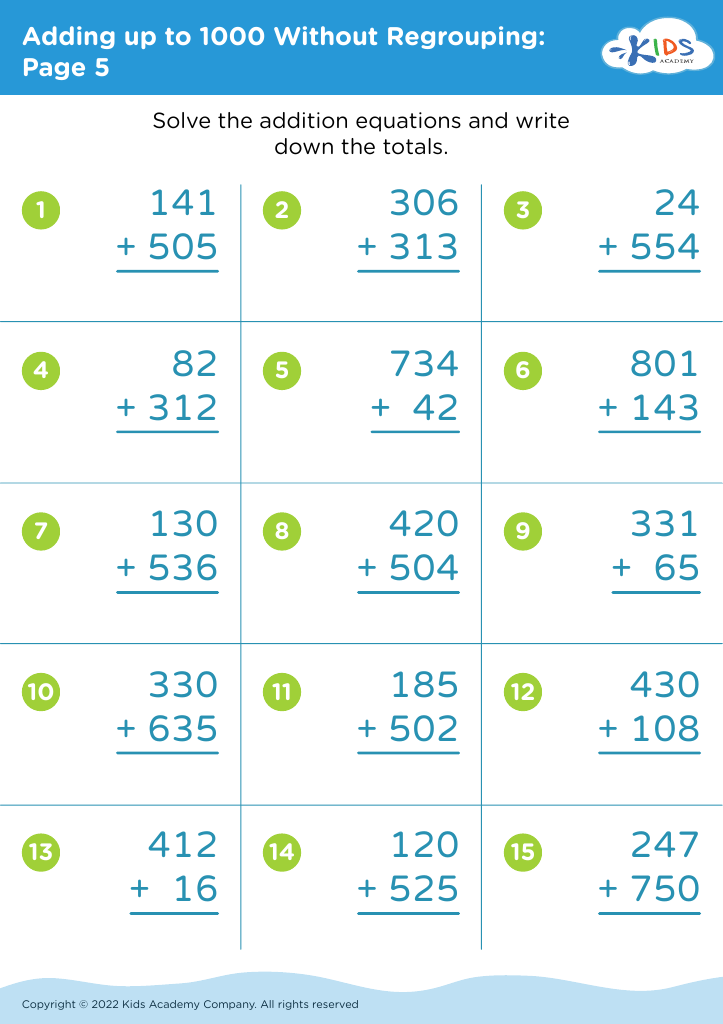
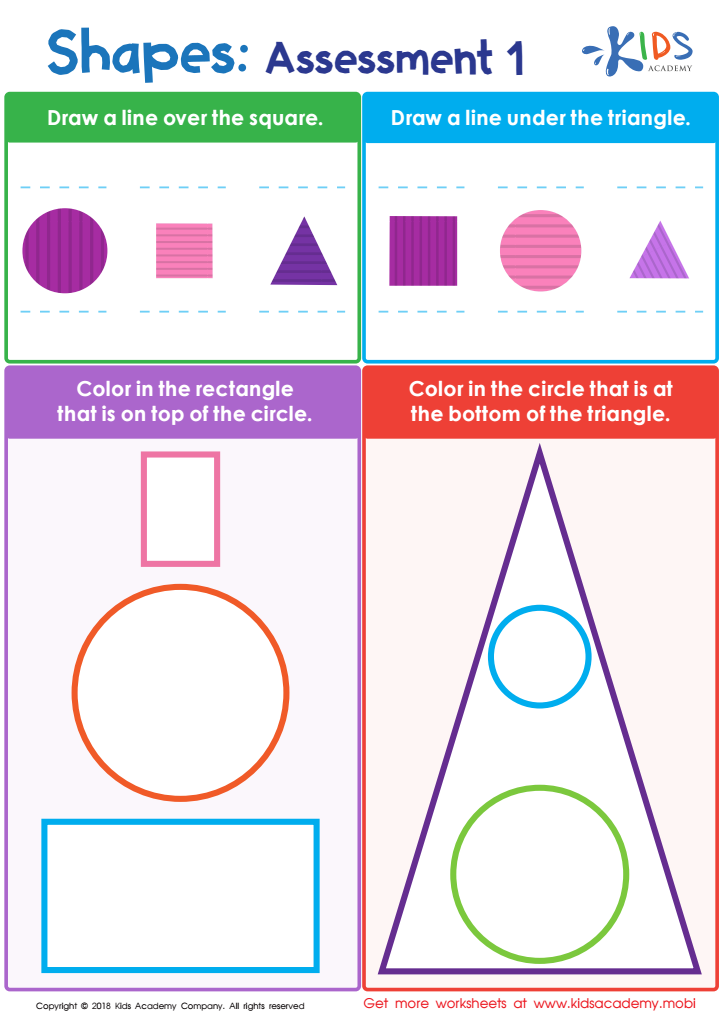
Shapes: Assessment 1 Worksheet
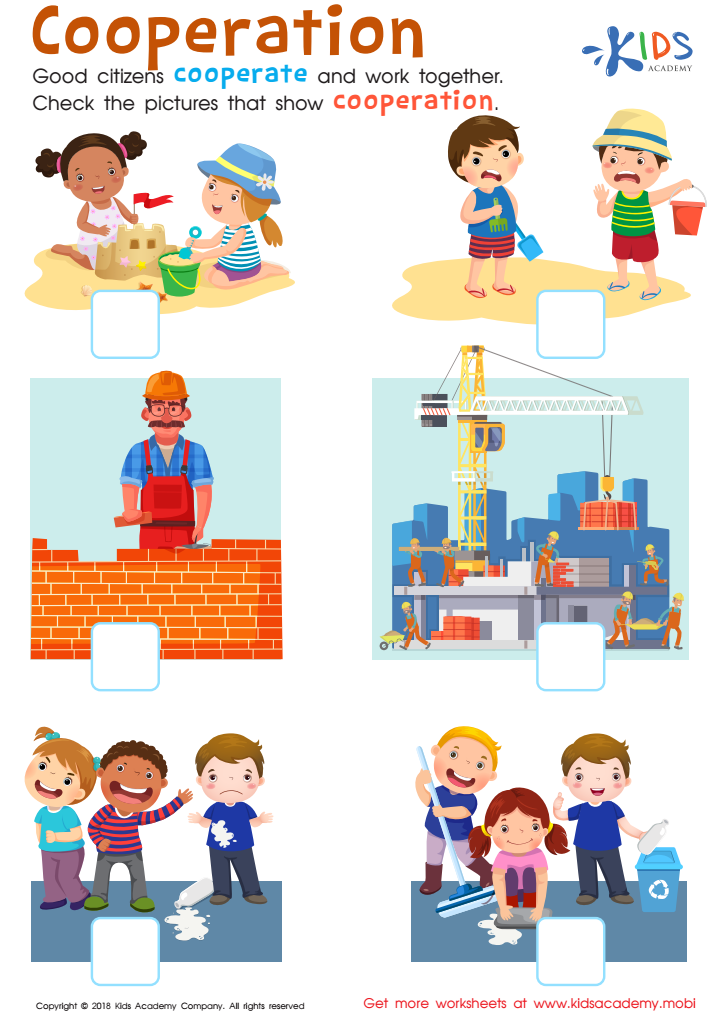
Cooperation Worksheet

Fourth of July Maze Printable
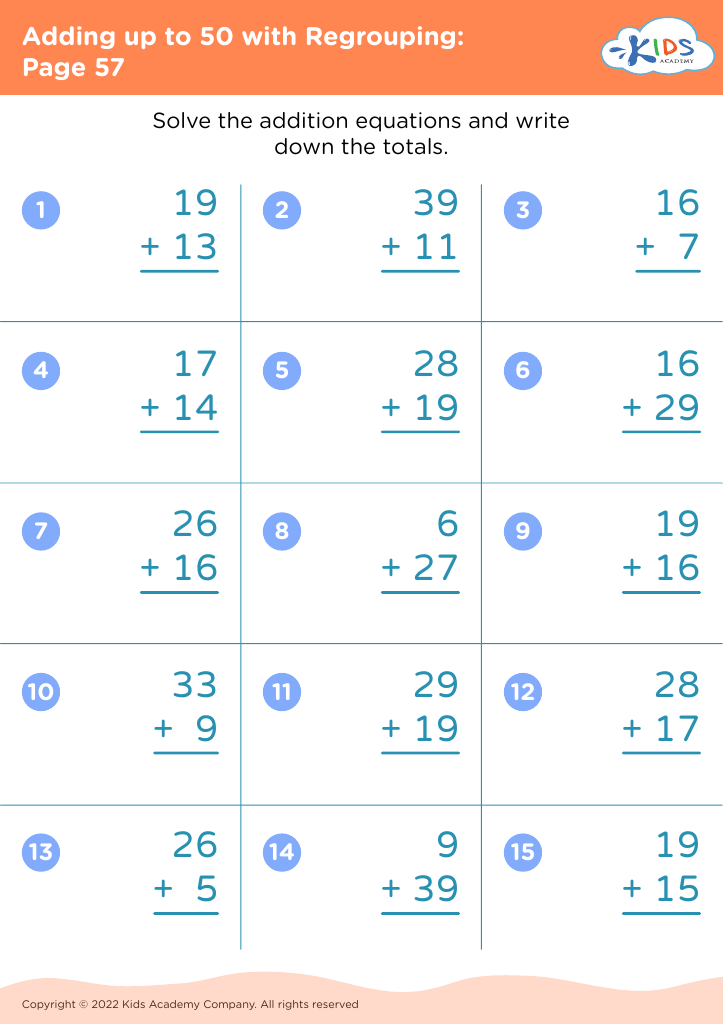
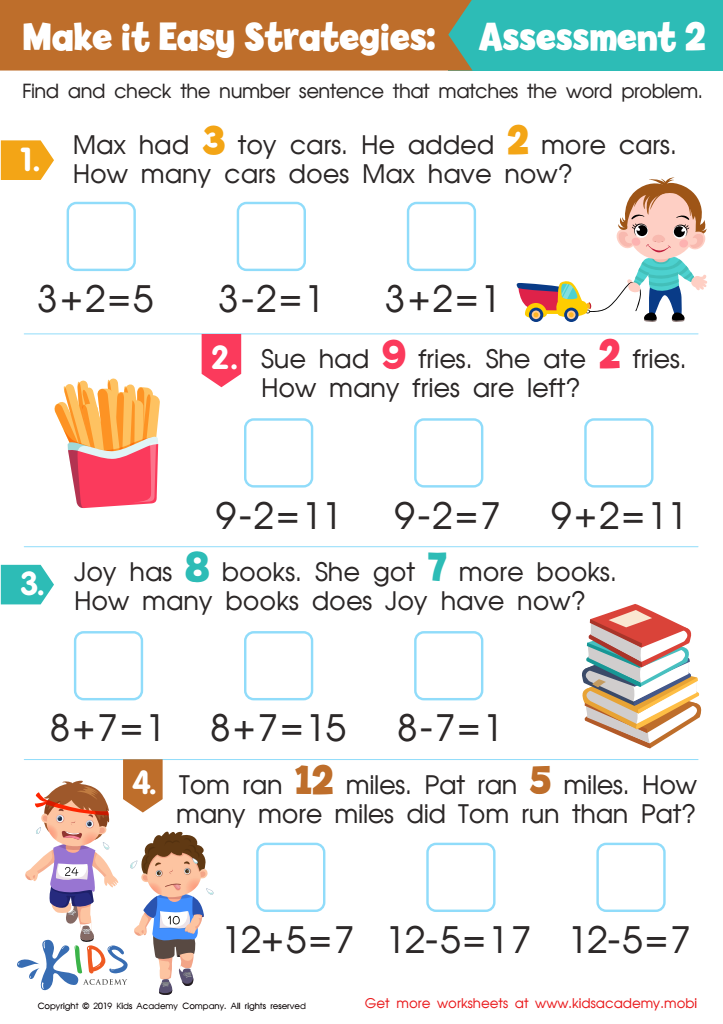
Make it Easy Strategies: Assessment 2 Worksheet
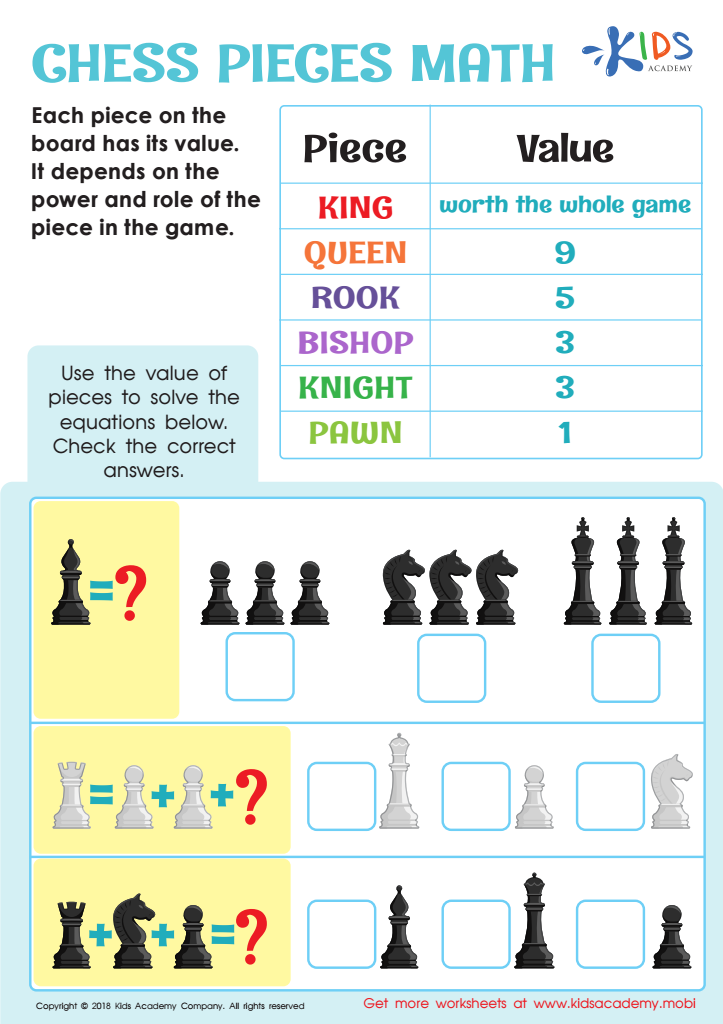
Chess Pieces Math Worksheet
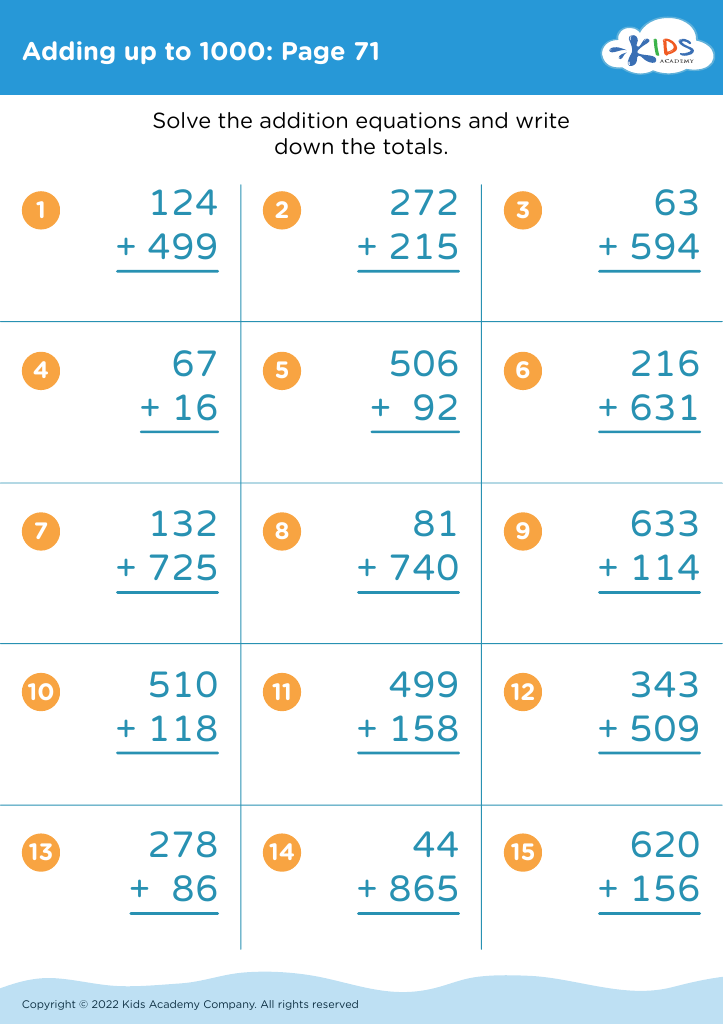
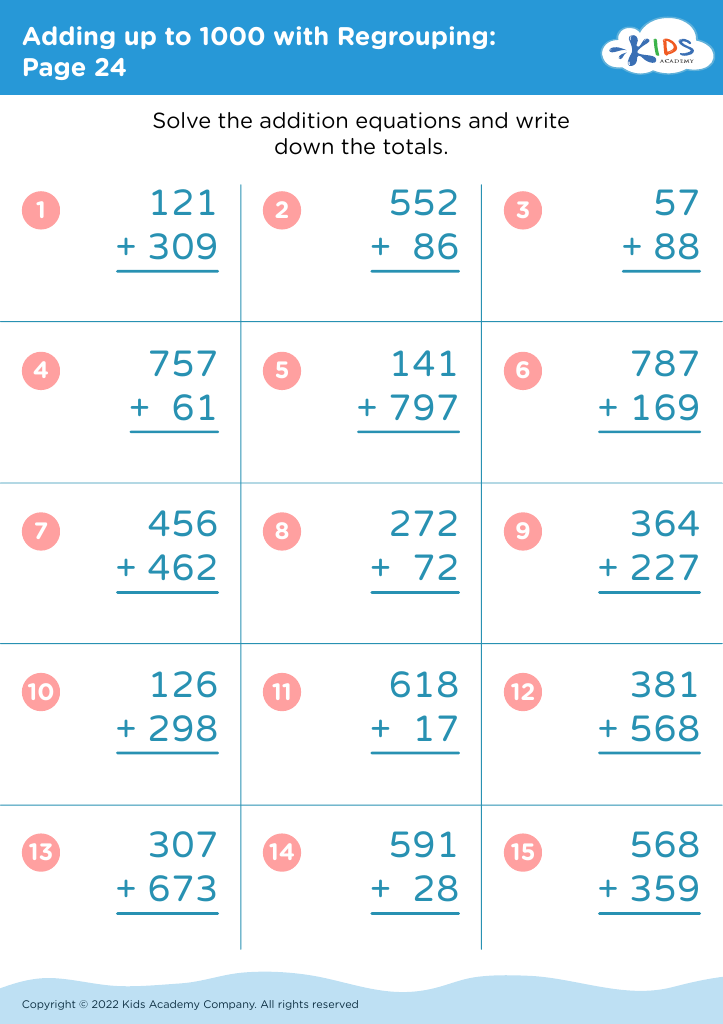
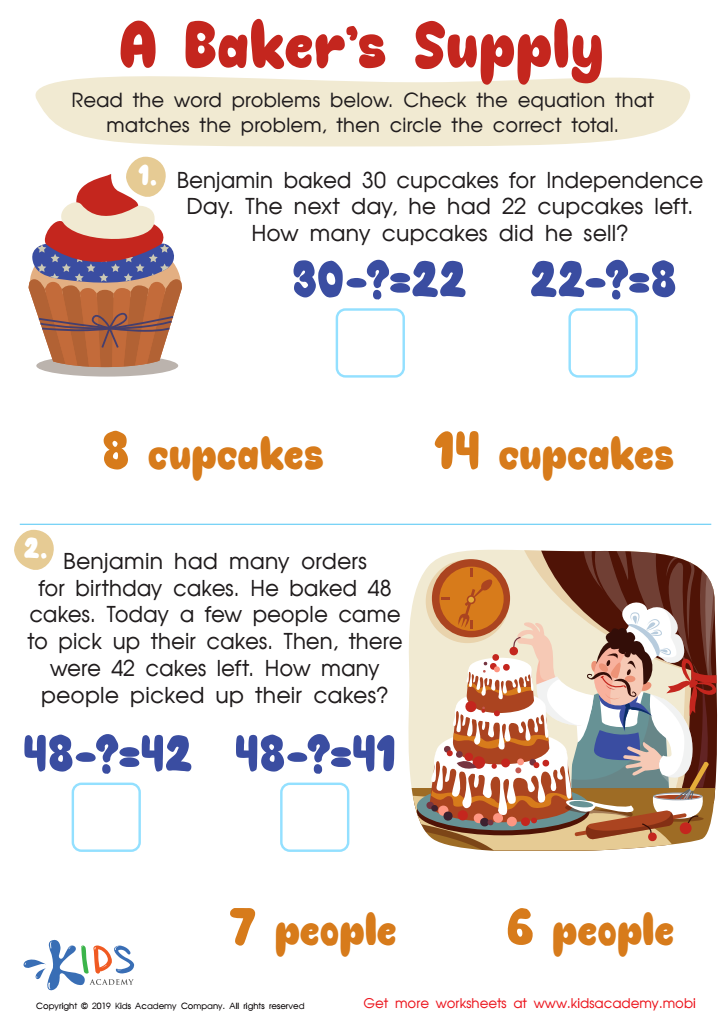
A Baker's Supply Worksheet
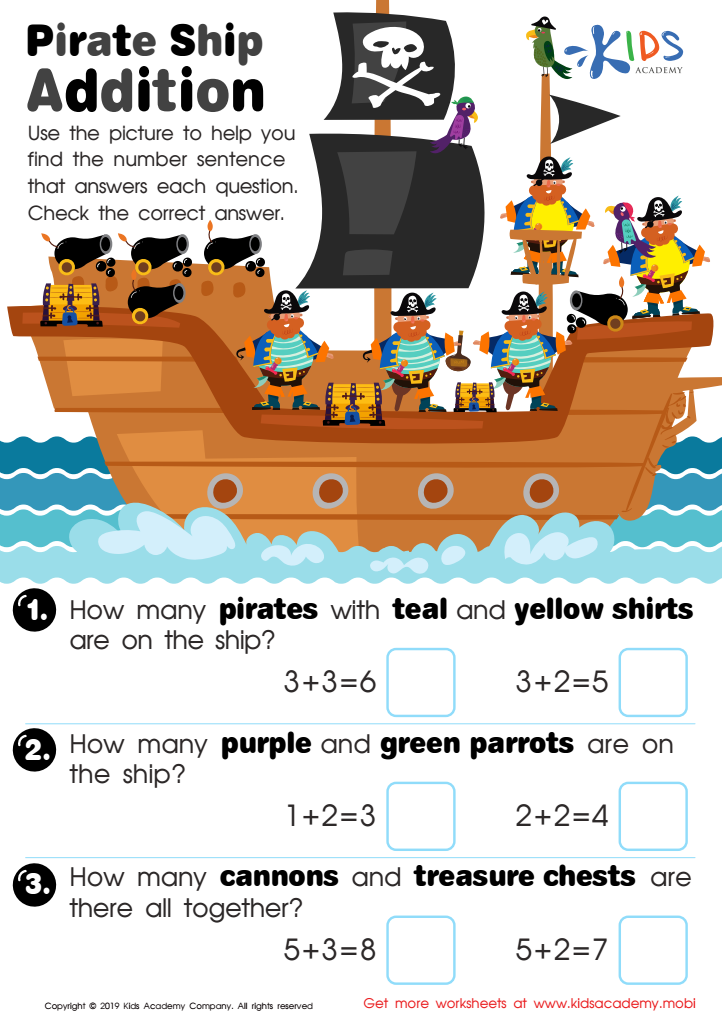
Pirate Ship Addition Worksheet
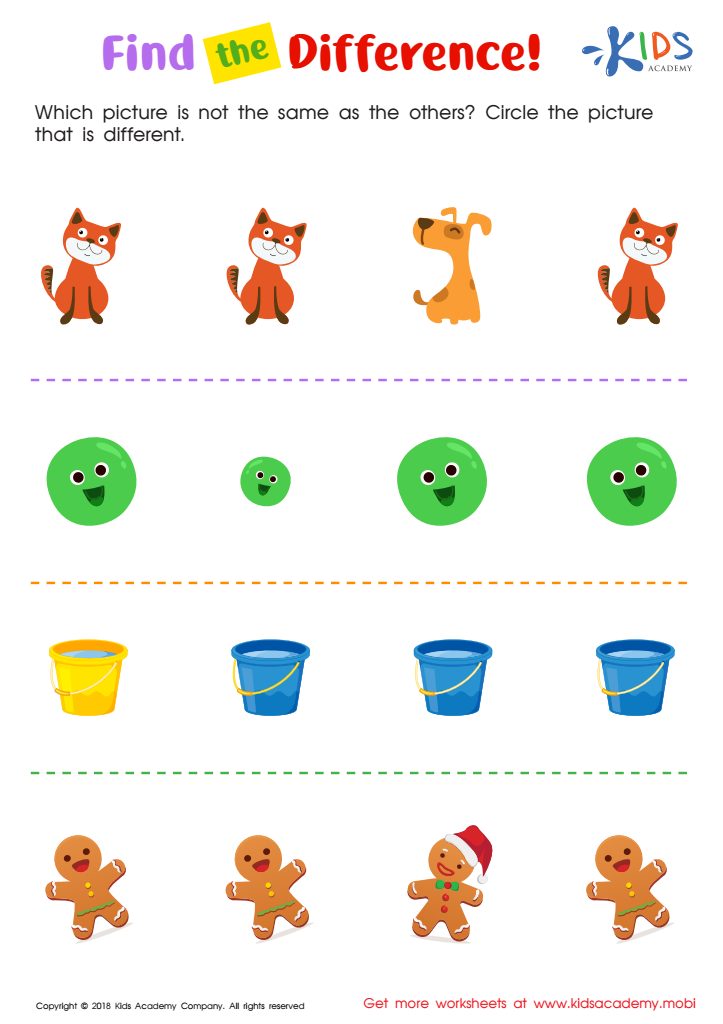
Find the Difference Worksheet




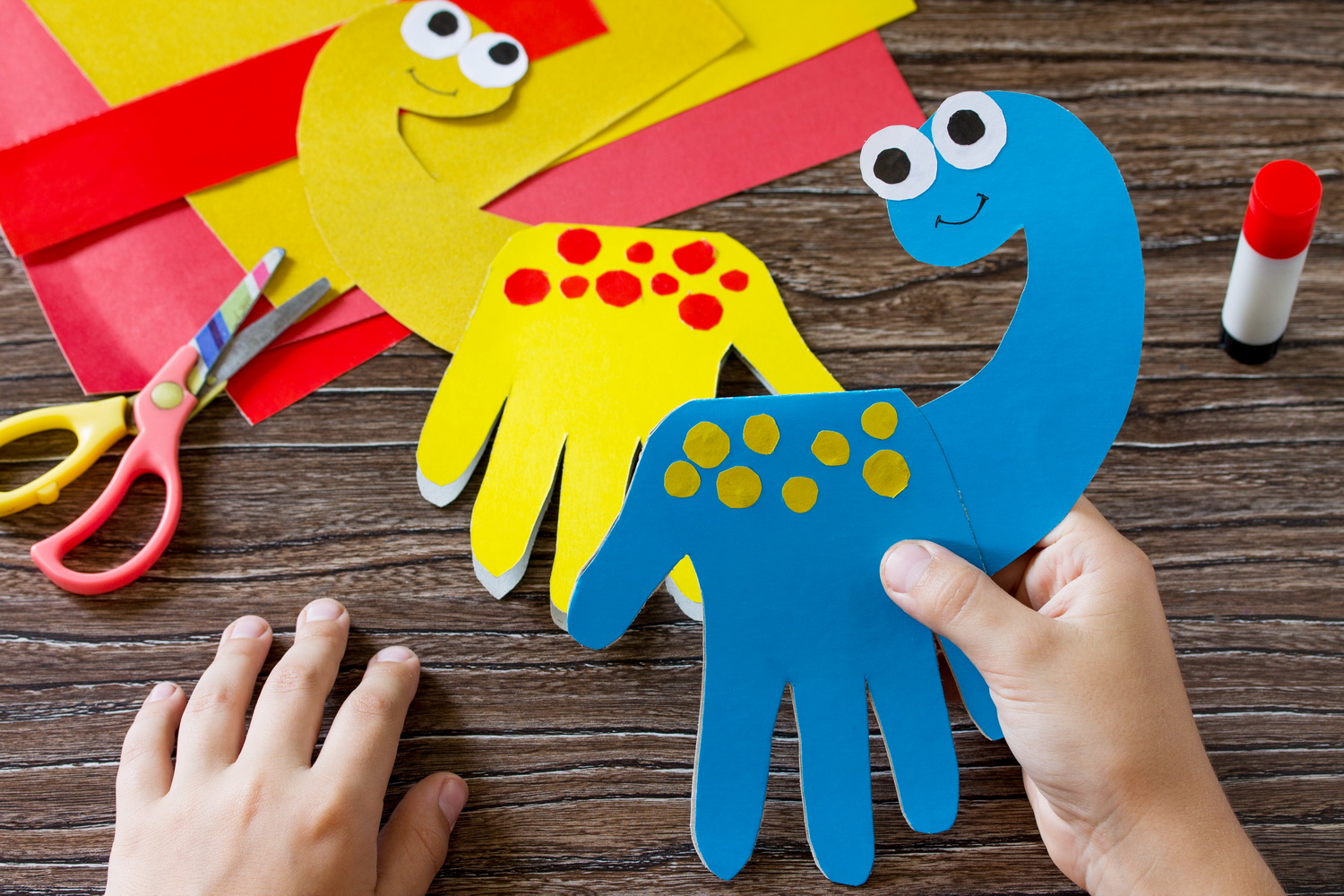



Problem-solving abilities for children ages 3-8 are crucial for their overall development and future success, both academically and in life. At this formative stage, children develop cognitive skills, emotional regulation, and social understanding—all of which are impacted by their problem-solving experiences.
When young children tackle problems, they learn to think critically and make decisions, fostering cognitive development. This helps them understand cause and effect, enhance their memory, and build resilience in facing challenges. Emotional growth is also facilitated; children learn patience, persistence, and the importance of managing frustration when they encounter difficulties.
Socially, problem-solving teaches valuable lessons in cooperation, negotiation, and empathy. Whether sharing toys or working in a group, children learn to consider different perspectives and find solutions that benefit everyone, building stronger interpersonal skills.
Problem-solving sets a foundation for later academic endeavors by fostering a growth mindset. Children who perceive challenges as opportunities become more motivated and engaged learners. This readiness to tackle difficulties smooths the transition to more complex academic tasks in future years.
Therefore, parents and teachers should prioritize nurturing problem-solving abilities. Through interactive play, curiosity-driven exploration, and supportive guidance, they can create enriching environments that encourage children to think independently, build confidence, and develop the critical life skills necessary for well-rounded development.








