Shape Recognition Worksheets for Ages 3-8 - Page 2
142 filtered results
-
From - To
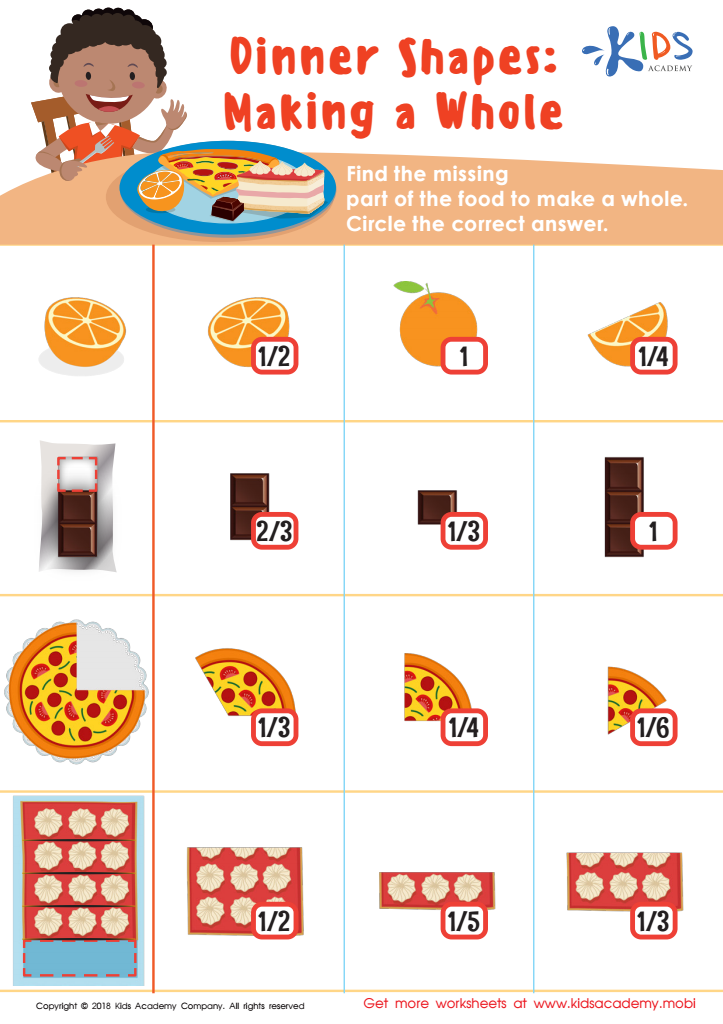
Dinner Shapes: Making a Whole Worksheet
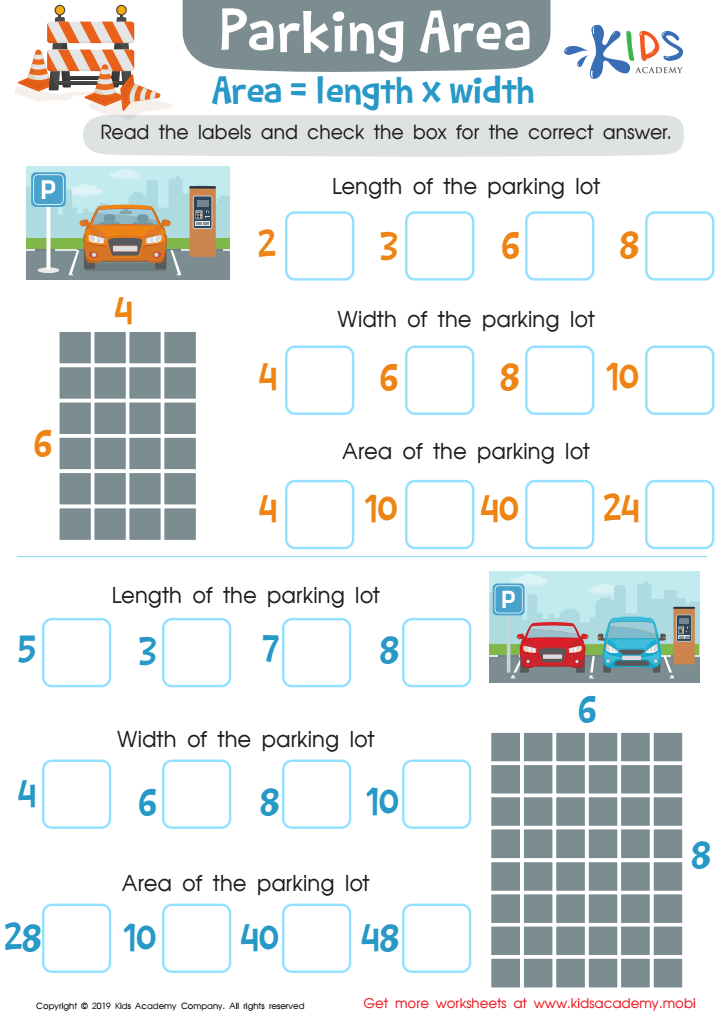
Parking Area Worksheet
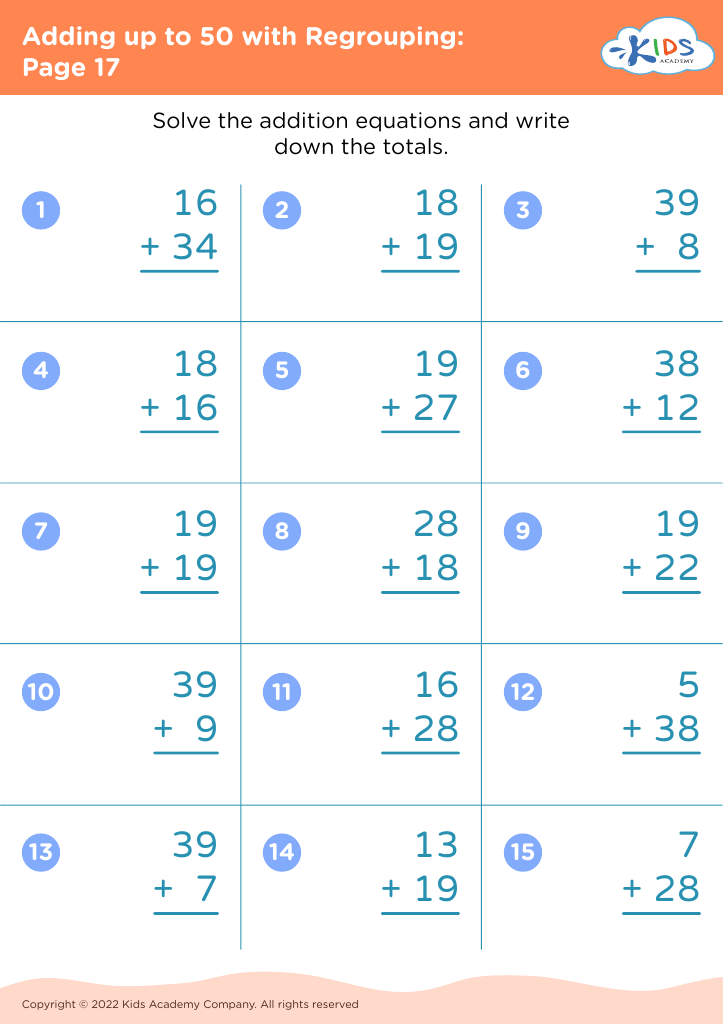
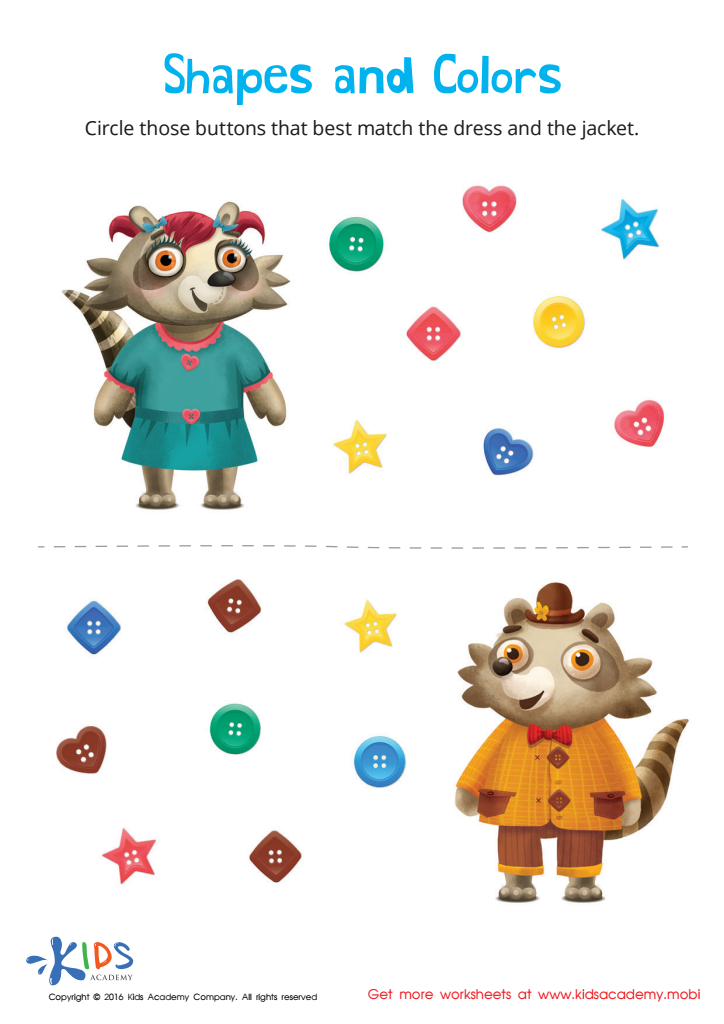
Matching: Shapes and Colors Worksheet
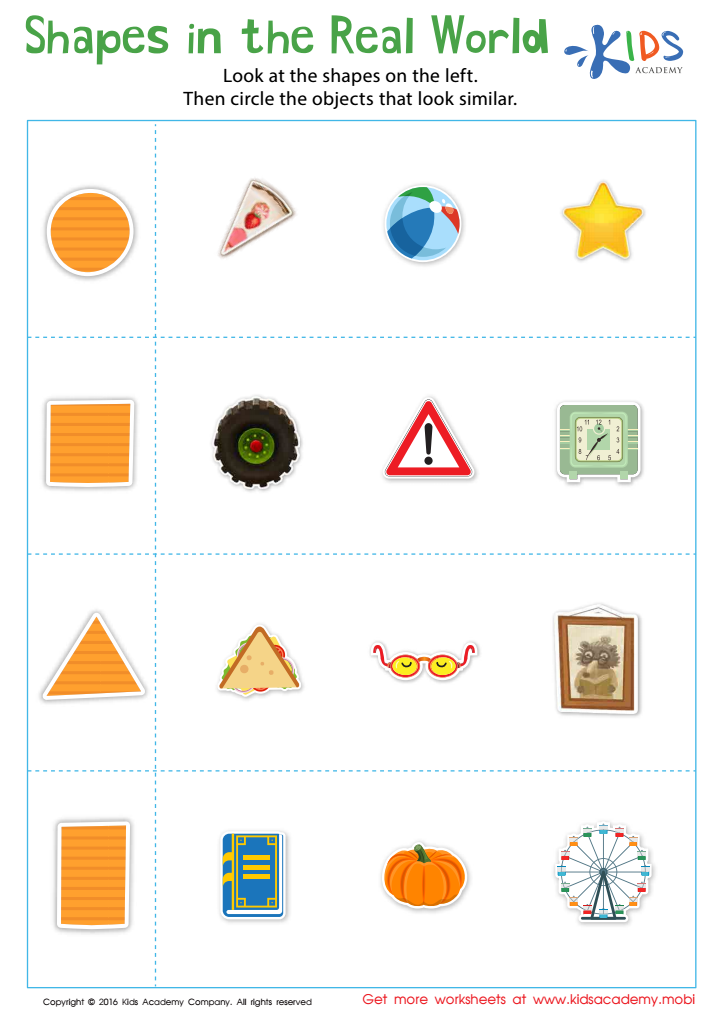
Shapes in the Real World Worksheet
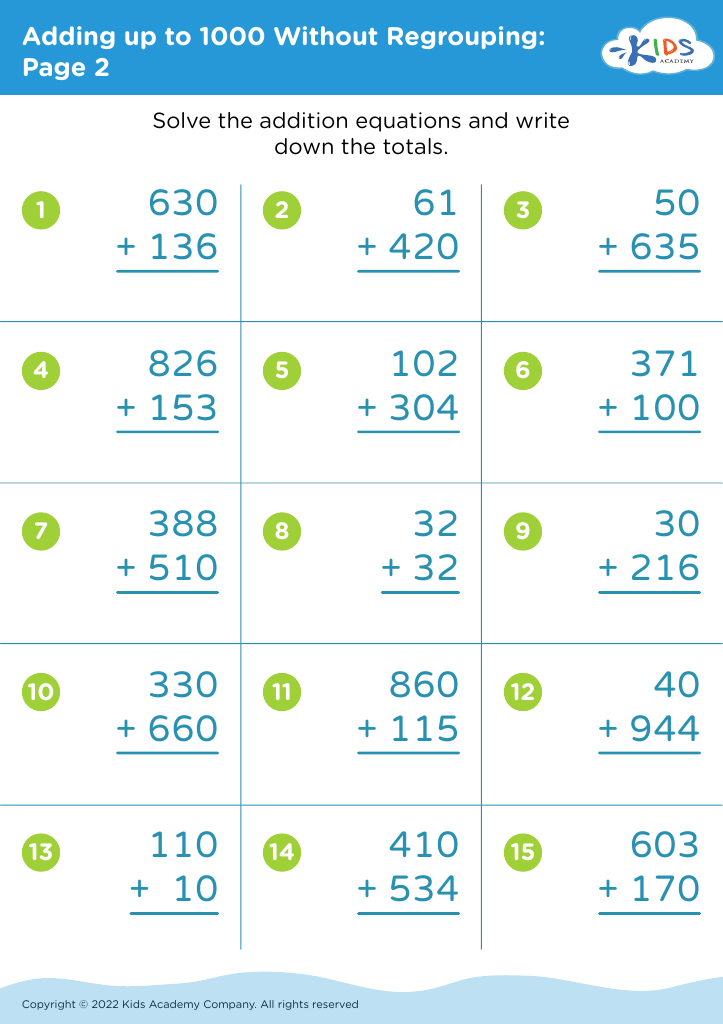
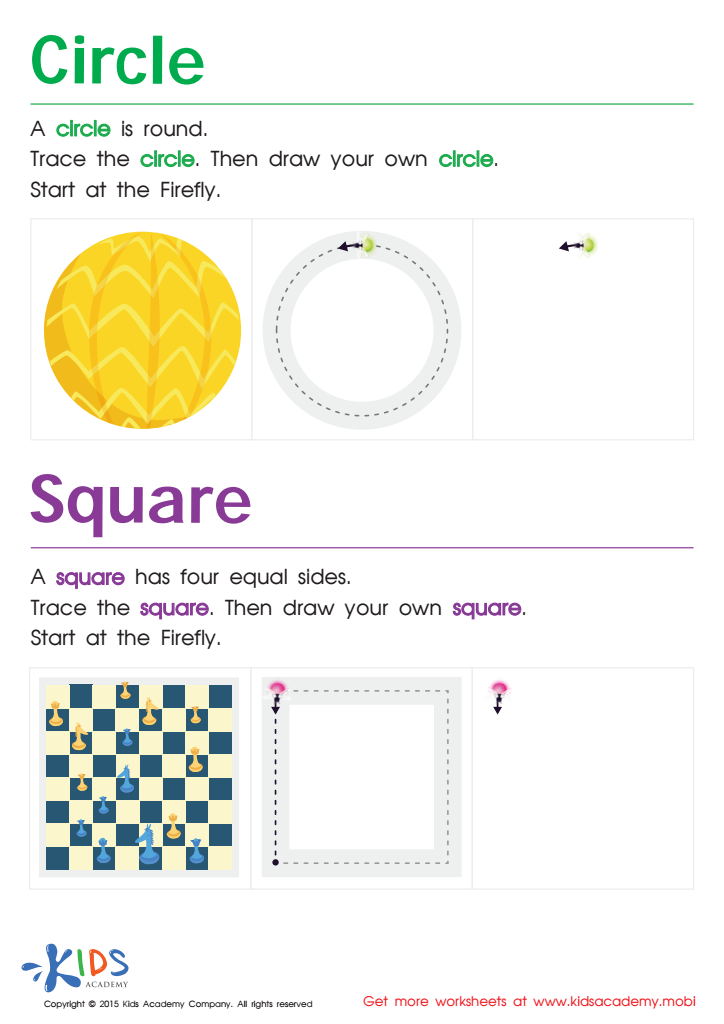
Trace And Draw a Circle And a Square Worksheet
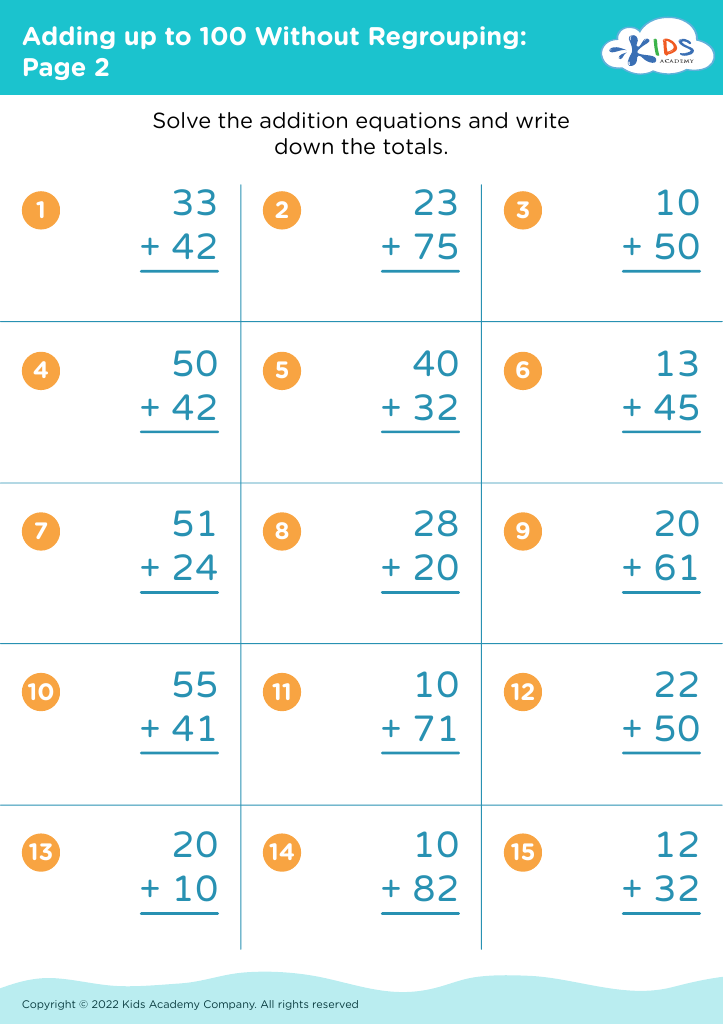
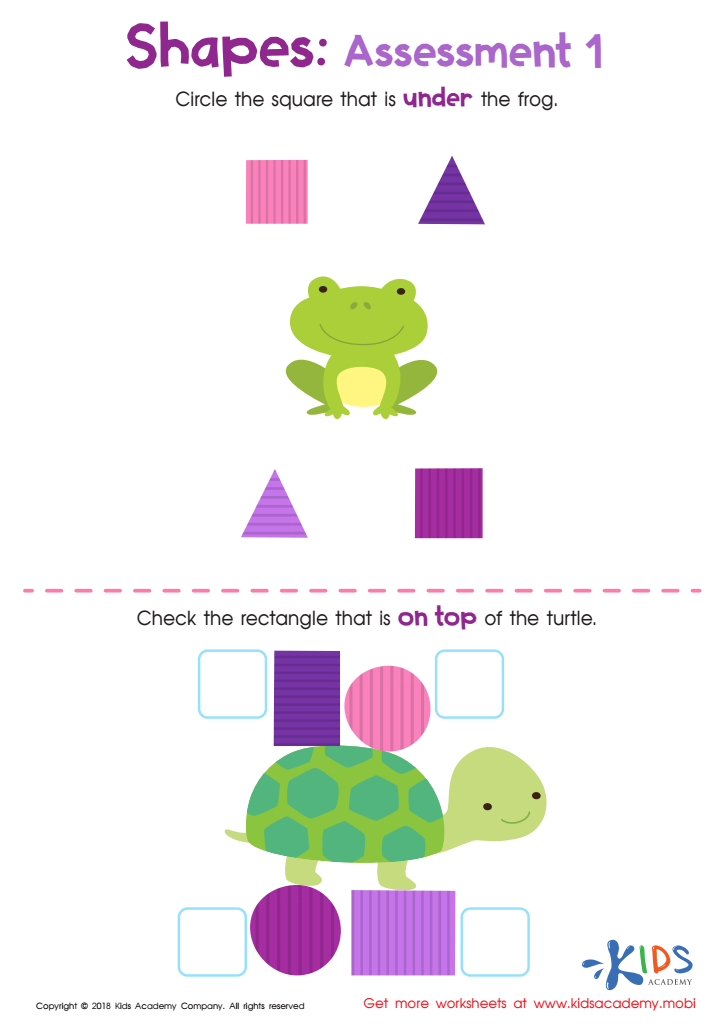
Geometry – Assessment 1 Worksheet
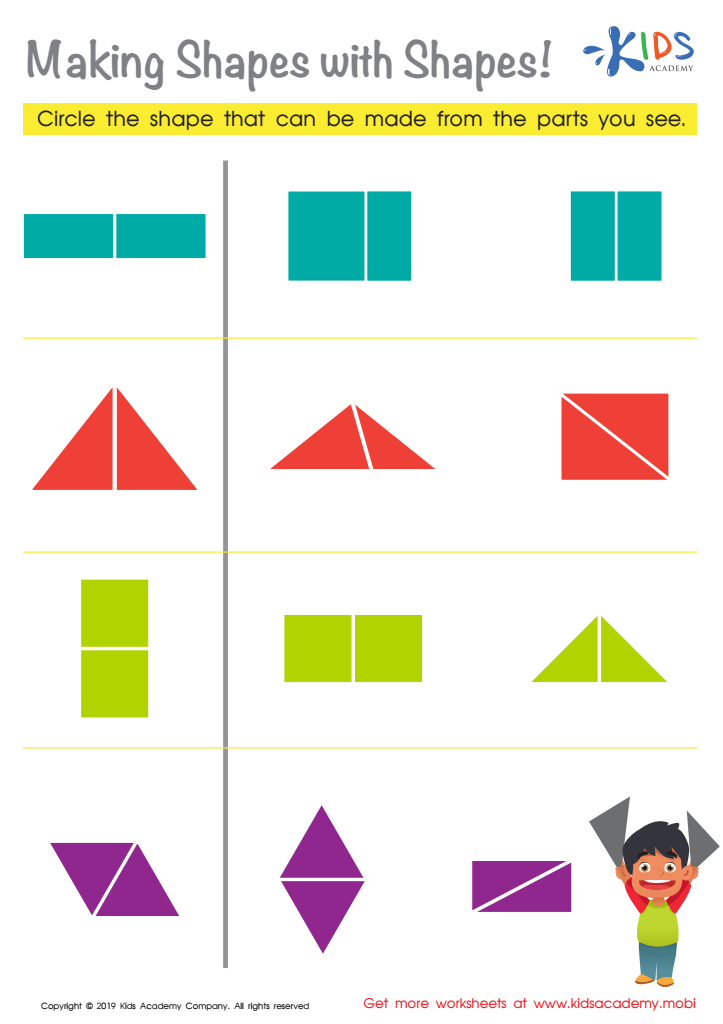
Making Shapes with Shapes Worksheet
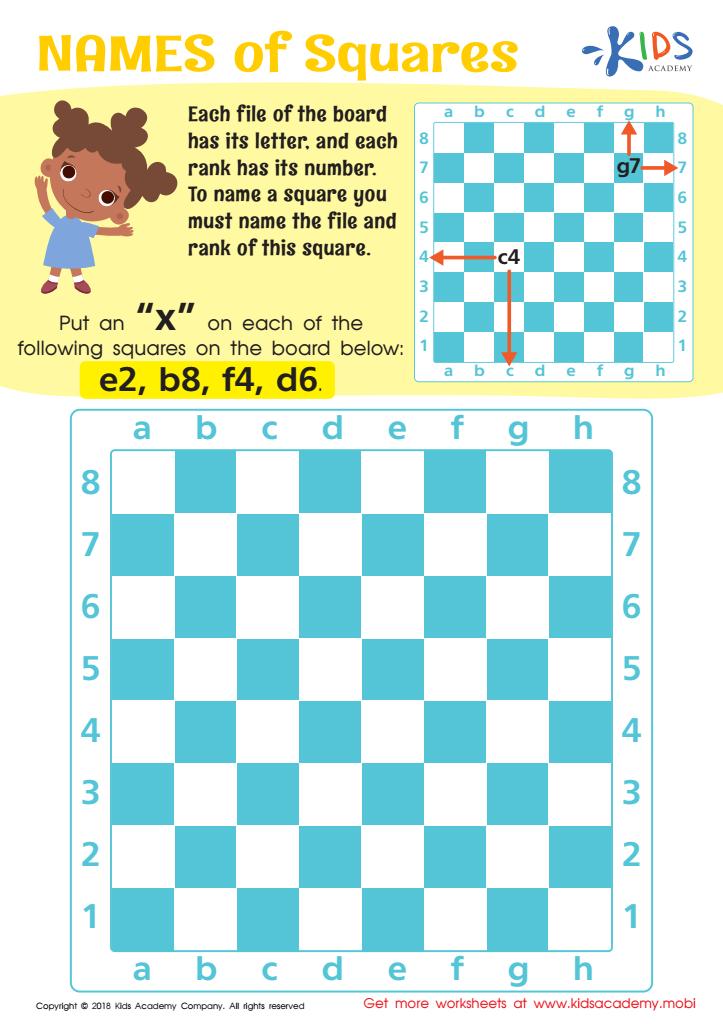
Names of Squares Worksheet
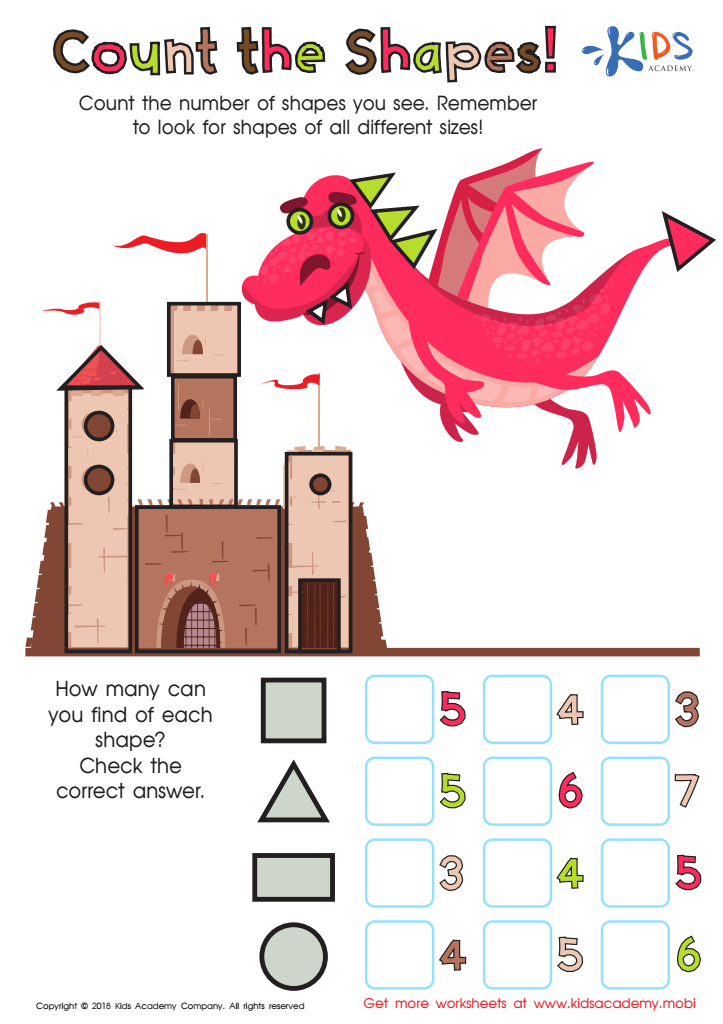
Count the Shapes Worksheet
Halloween: A Funny Monster Worksheet
 Assign to My Students
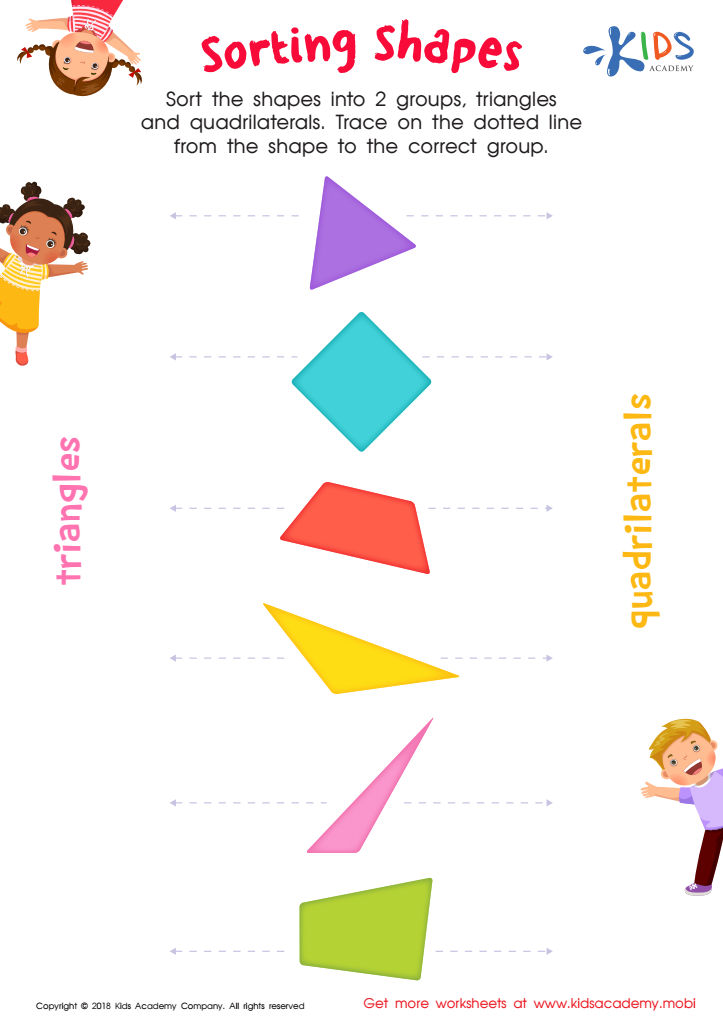
Sorting Shapes Worksheet
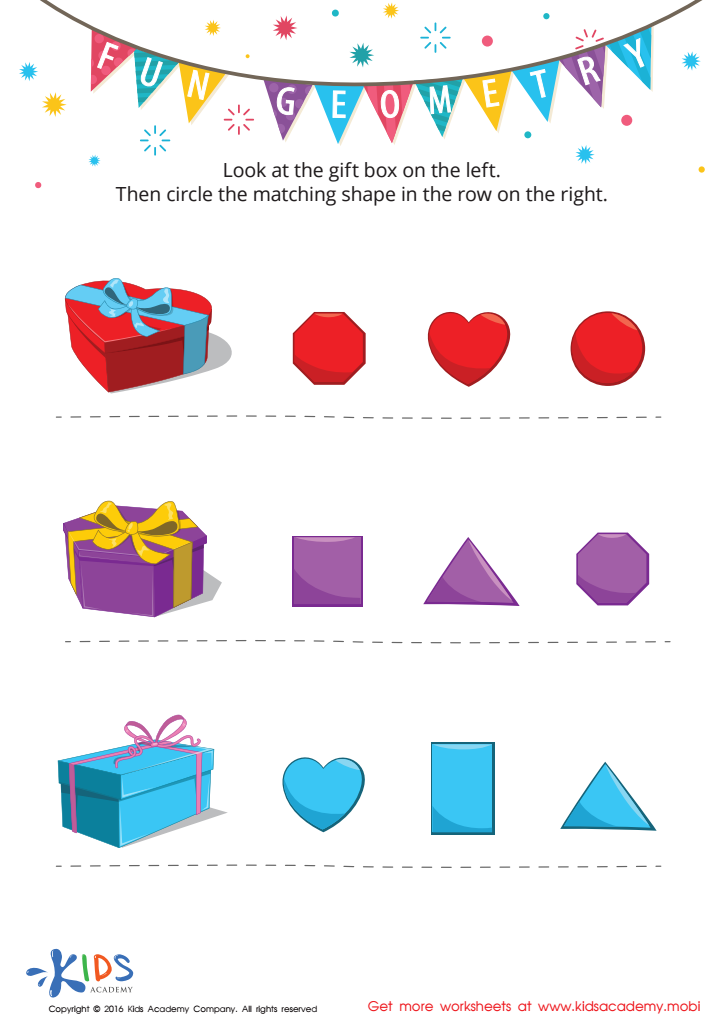
Fun Geometry Worksheet
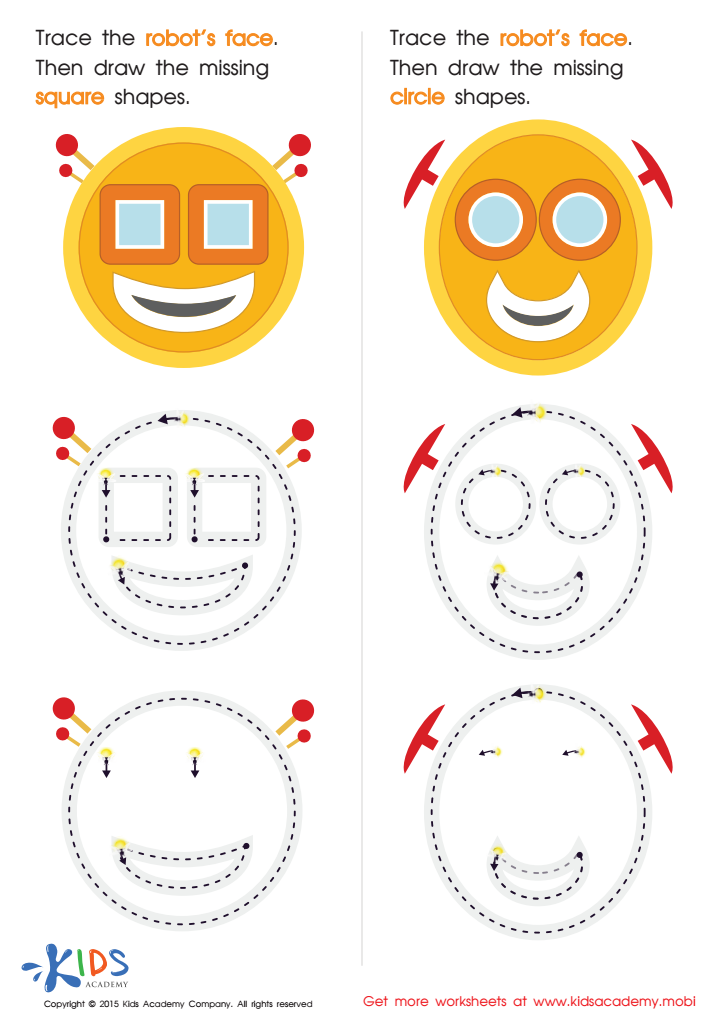
Practicing to Draw Circles And Squares Printable
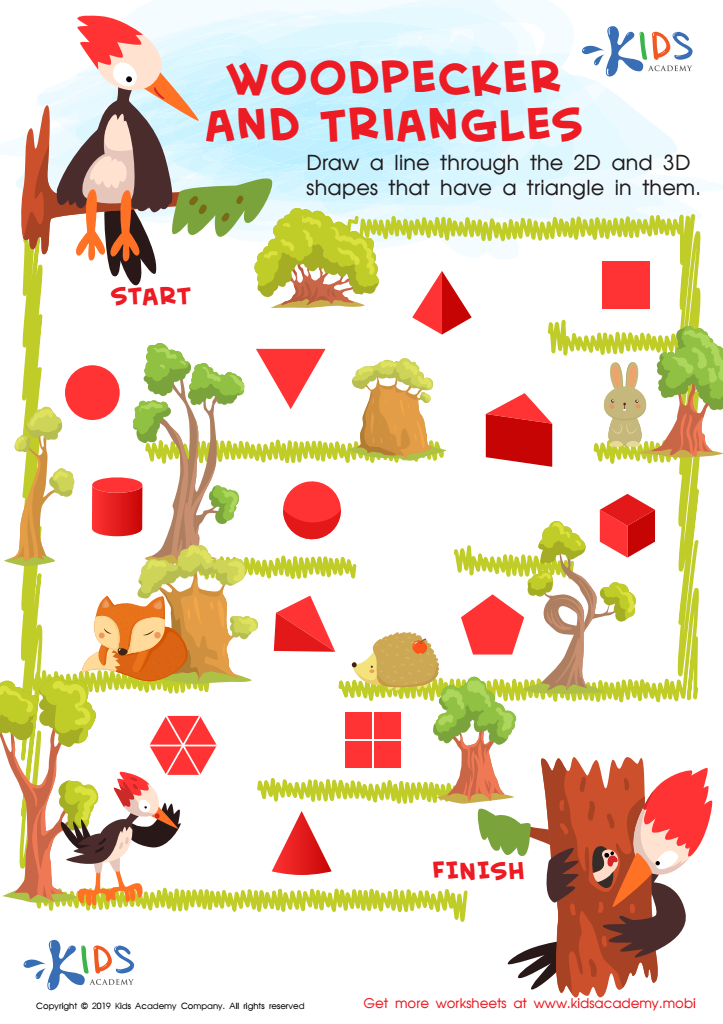
Woodpecker and Triangles Worksheet
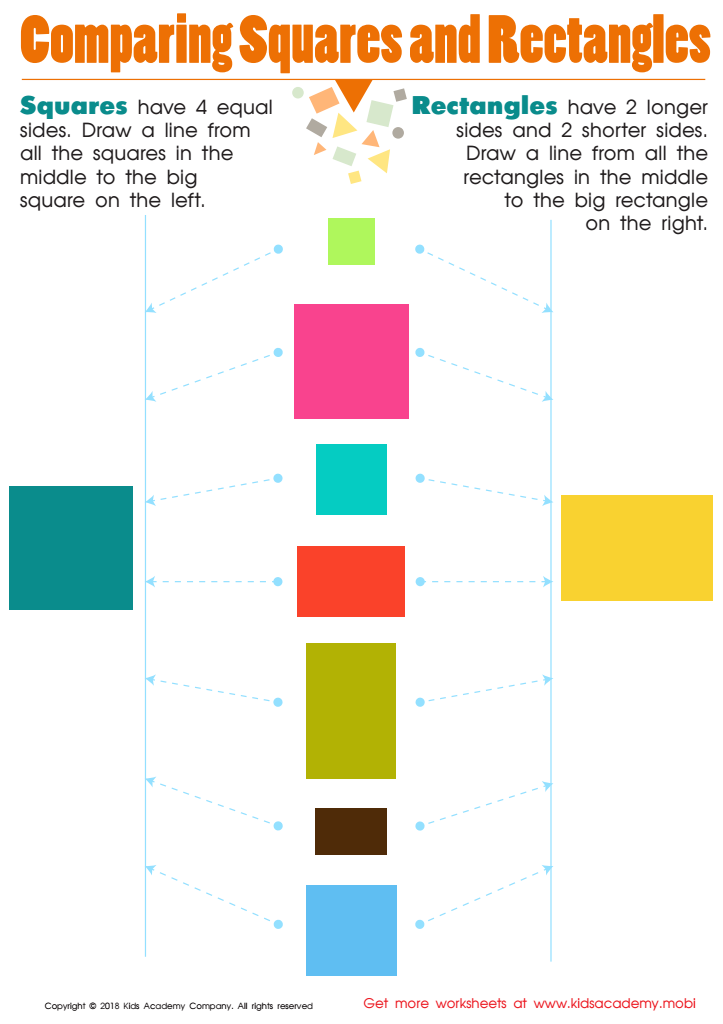
Comparing Squares Rectangles Worksheet
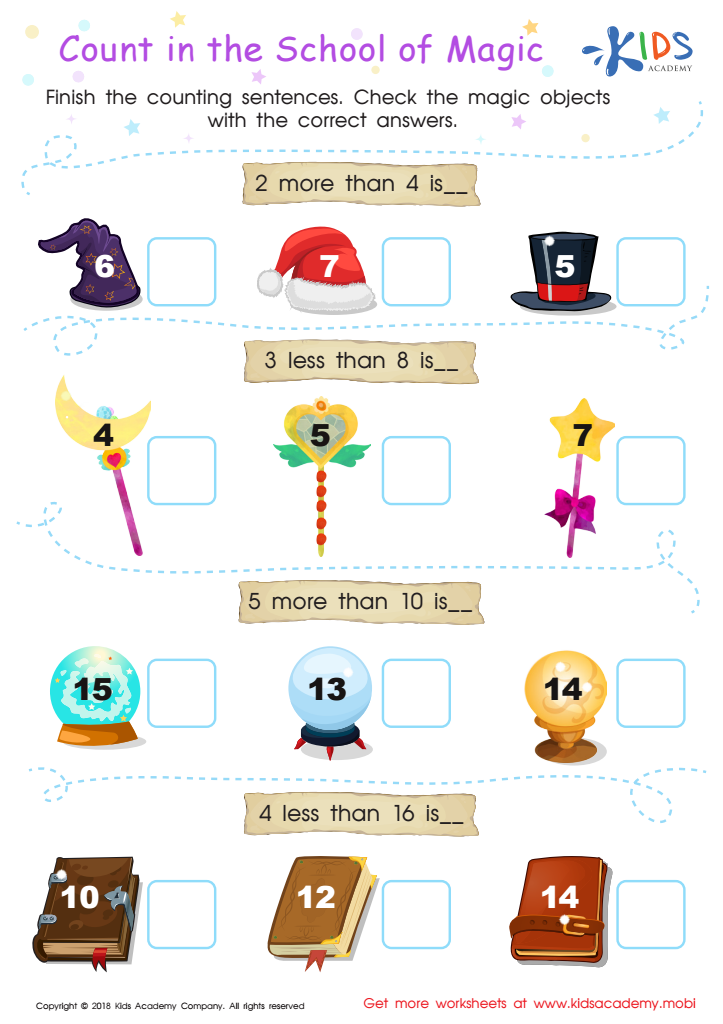
Count in the School of Magic Worksheet
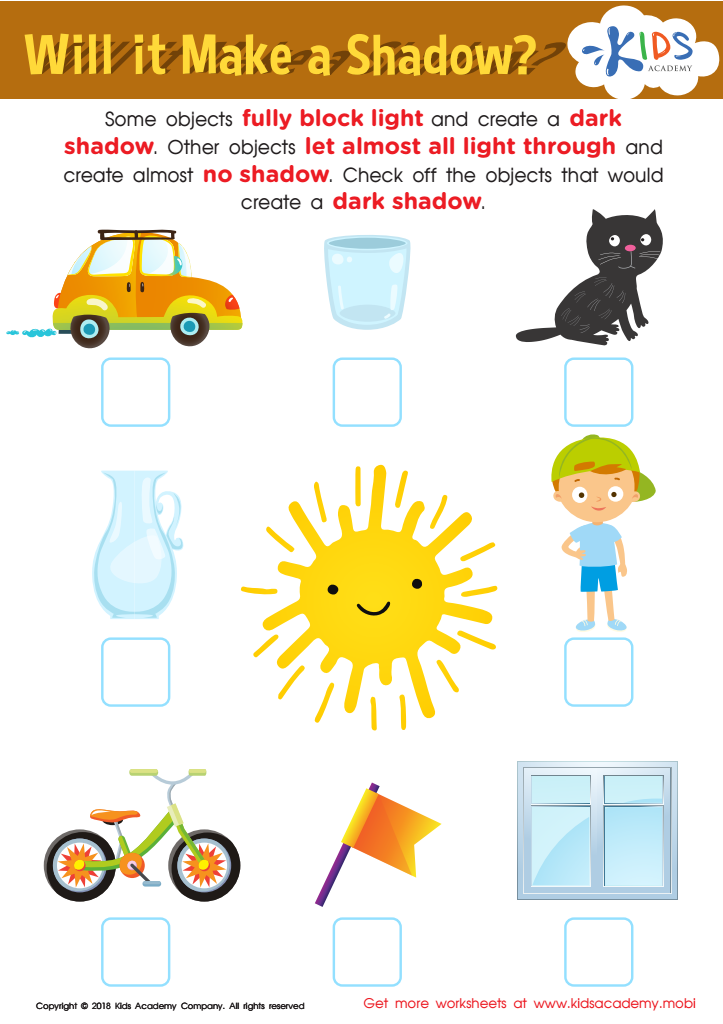
Will It Make a Shadow? Worksheet
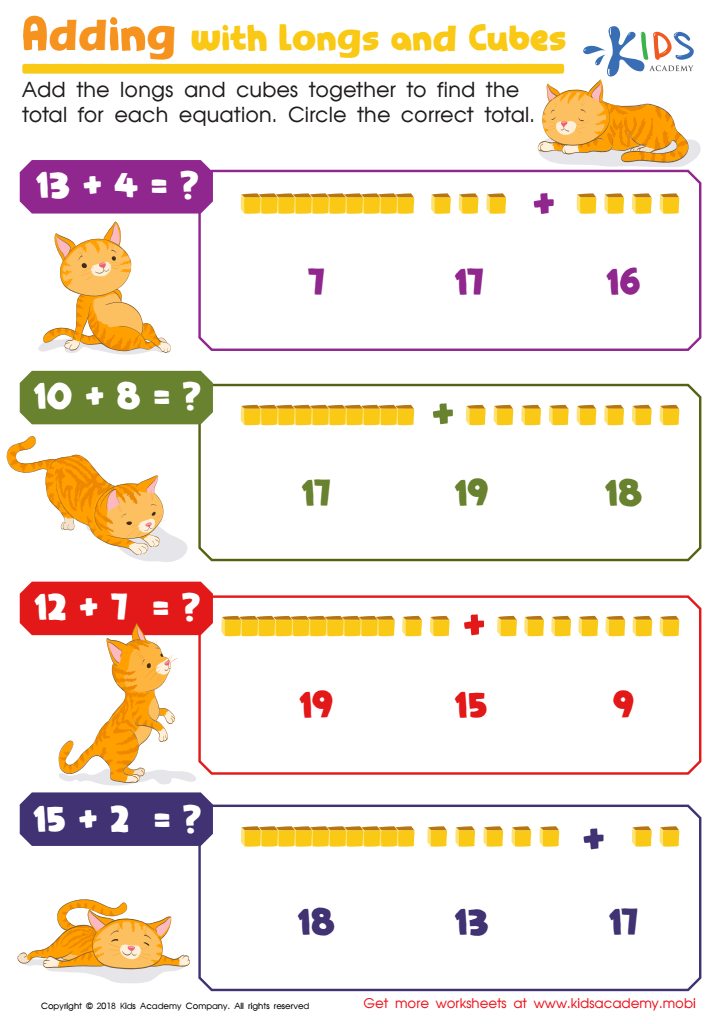
Adding With Longs and Cubes Worksheet
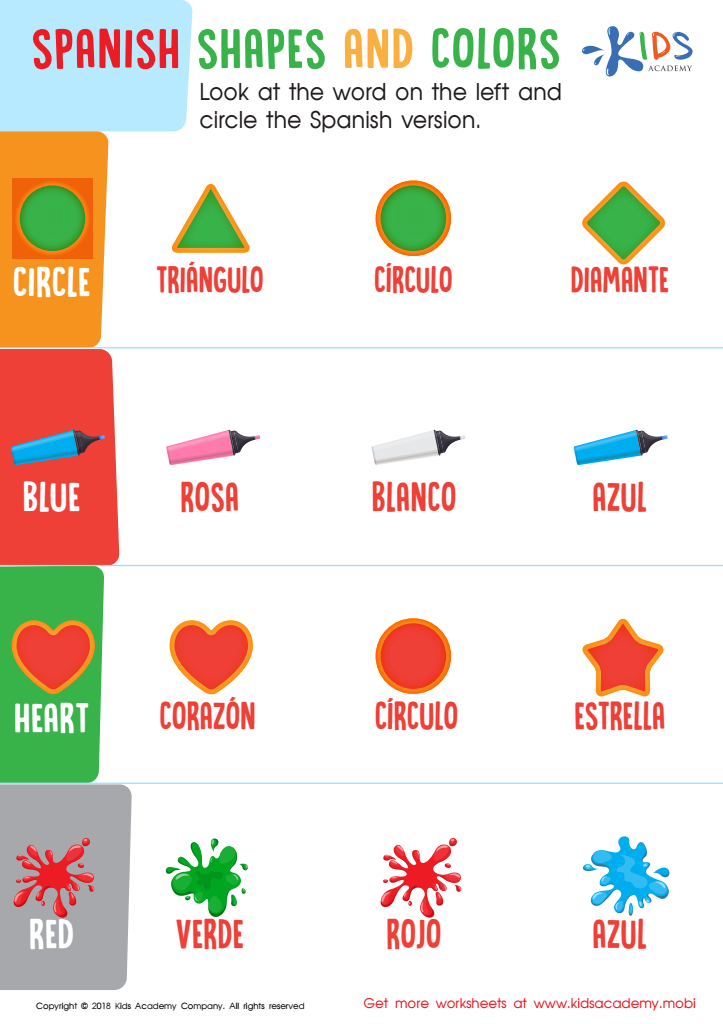
Spanish Shapes and Colors Worksheet
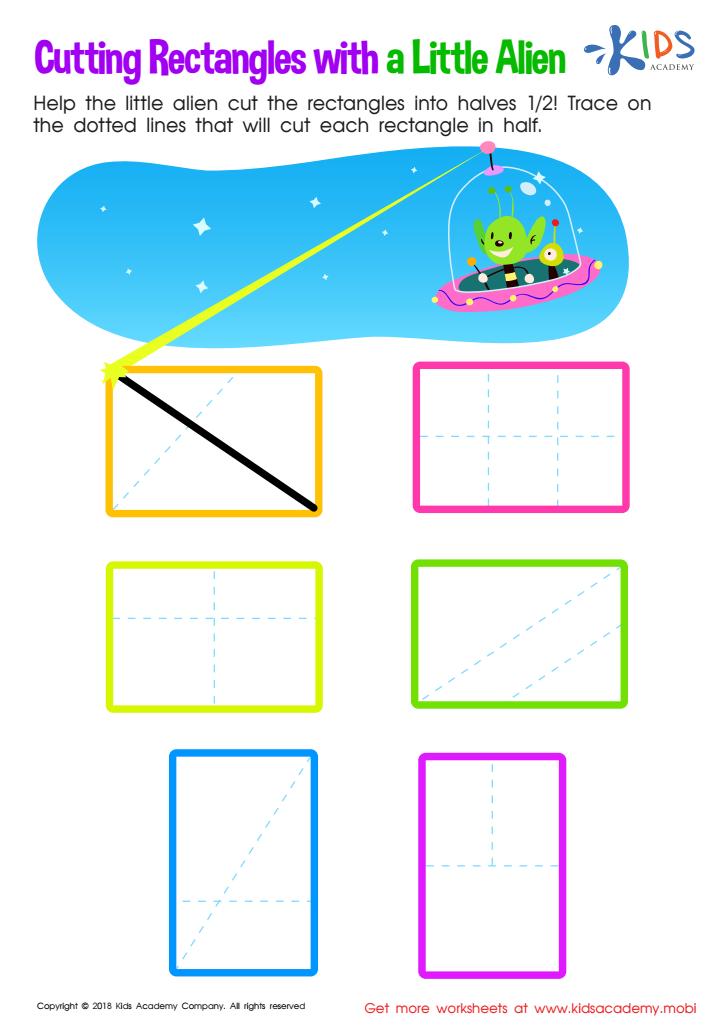
Cutting Rectangles with Alien Worksheet


.jpg)





Shape recognition is a foundational skill crucial for children's cognitive development and understanding of the world around them. For ages 3-8, engaging in shape recognition sets the stage for essential mathematical thinking. Learning to identify and differentiate shapes aids children in other academic areas, including reading and writing, as many letters and numbers comprise various shapes. For instance, recognizing circles, triangles, and squares can improve their ability to recognize letters like "o," "v," and "a."
Incorporating shape recognition enhances visual-spatial intelligence, which is vital for more complex tasks as children grow, such as problem-solving, reasoning, and decision-making. It enables them to better interpret visual information and navigate spatial surroundings. Beyond academics, shape recognition skills impart important life skills. It helps in everyday tasks such as categorizing objects, following patterns, and understanding signs and symbols.
Moreover, learning shapes nurtures creativity, as children use different shapes to draw, paint, and build various objects, aiding their fine motor skills. Engaging with shapes through play enhances cognitive connections and keeps learning enjoyable and dynamic. By prioritizing shape recognition, parents and teachers lay a critical foundation for holistic child development, fostering skills that will benefit them throughout their educational journey.








