Vowel Recognition Worksheets for Ages 3-8
25 filtered results
-
From - To
Enhance your child's literacy skills with our engaging Vowel Recognition Worksheets, specifically designed for ages 3-8. These worksheets provide a fun and interactive way for young learners to identify and differentiate vowels in words. Activities include colorful illustrations, matching games, and tracing exercises that make learning enjoyable. By practicing vowel recognition, children will build a strong foundation for reading and phonics. Perfect for both home and classroom use, our worksheets support developmental milestones while catering to diverse learning styles. Empower your child’s educational journey with these essential learning tools, fostering confidence and competence in early reading skills. Download today and watch their skills soar!
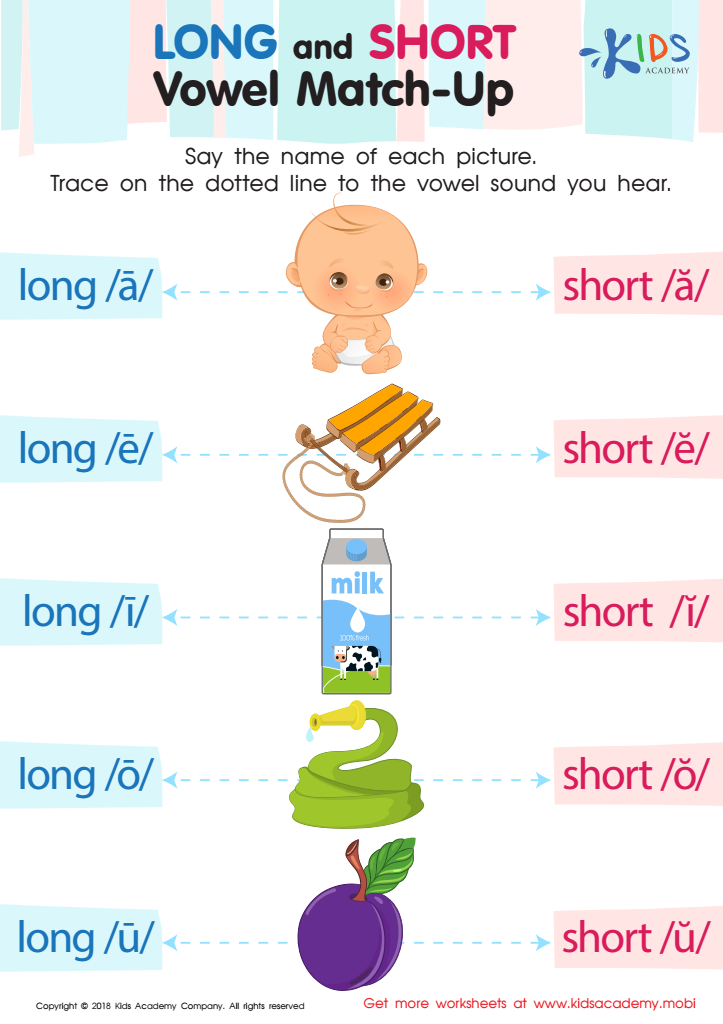
Long and Short Vowel Match up Reading Worksheet
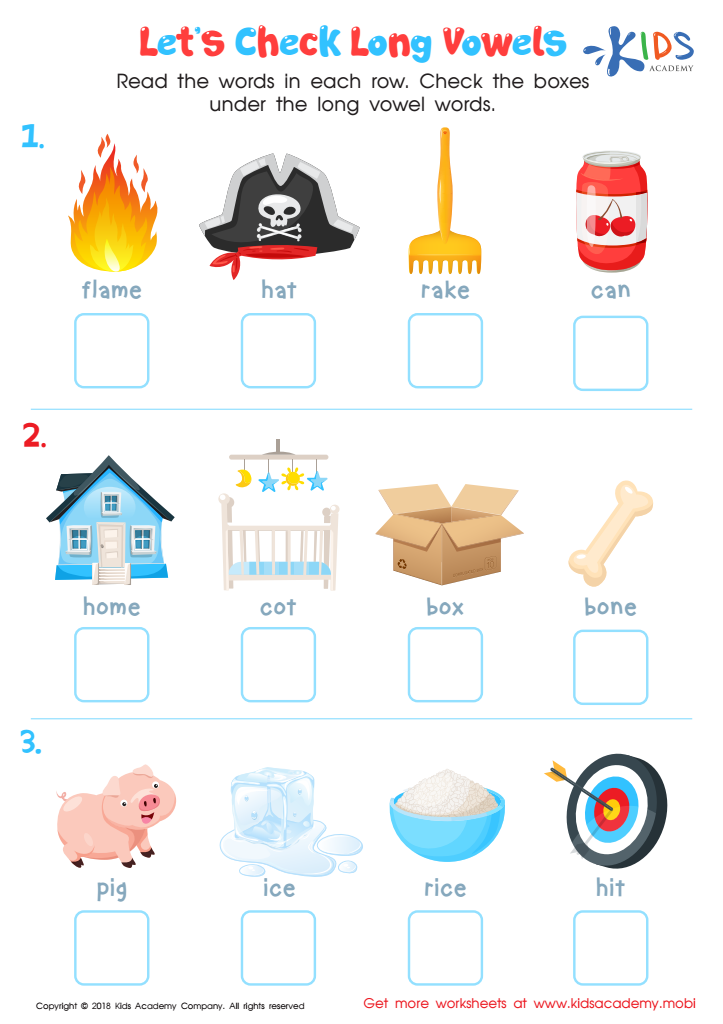
Let's Check Long Vowels: Assessment Worksheet
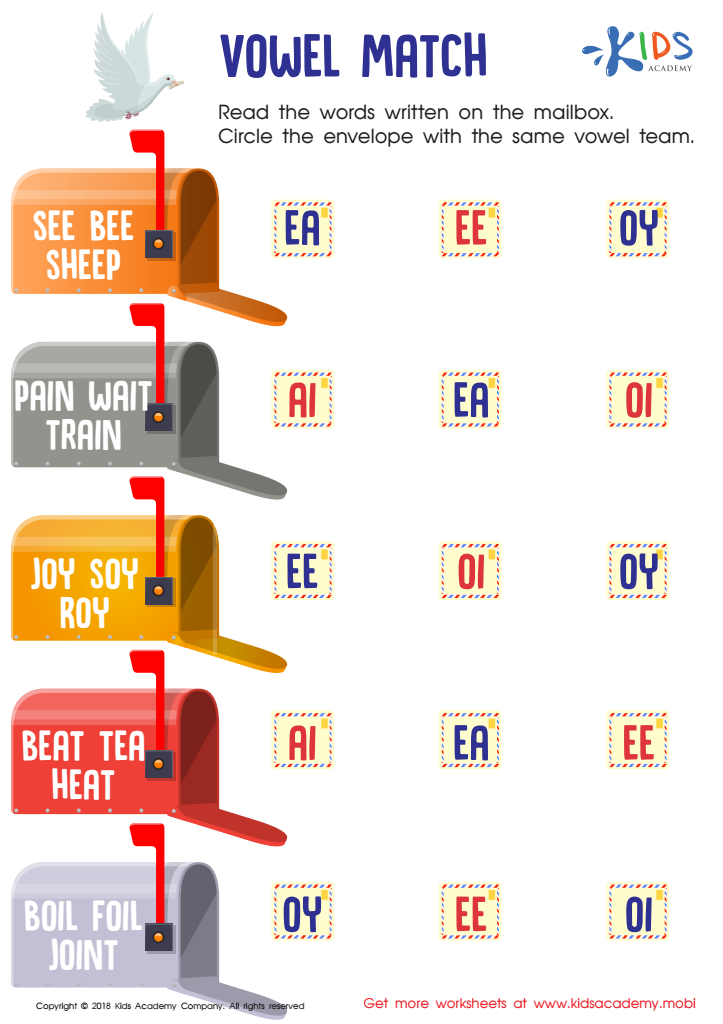
Vowel match Worksheet
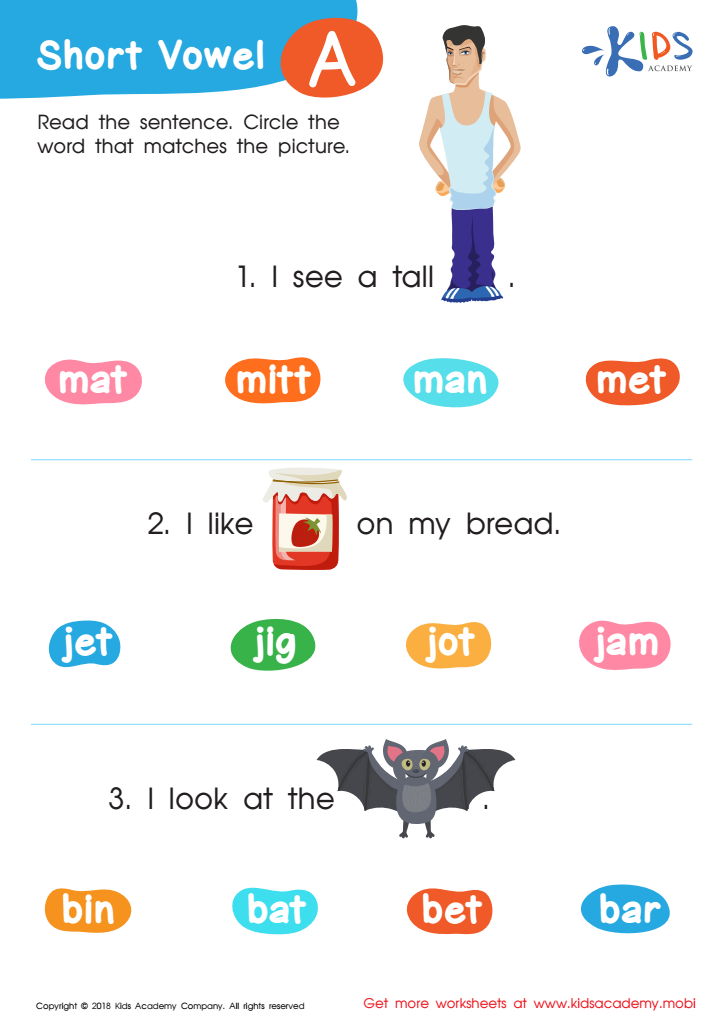
Short Vowel /a/ Worksheet
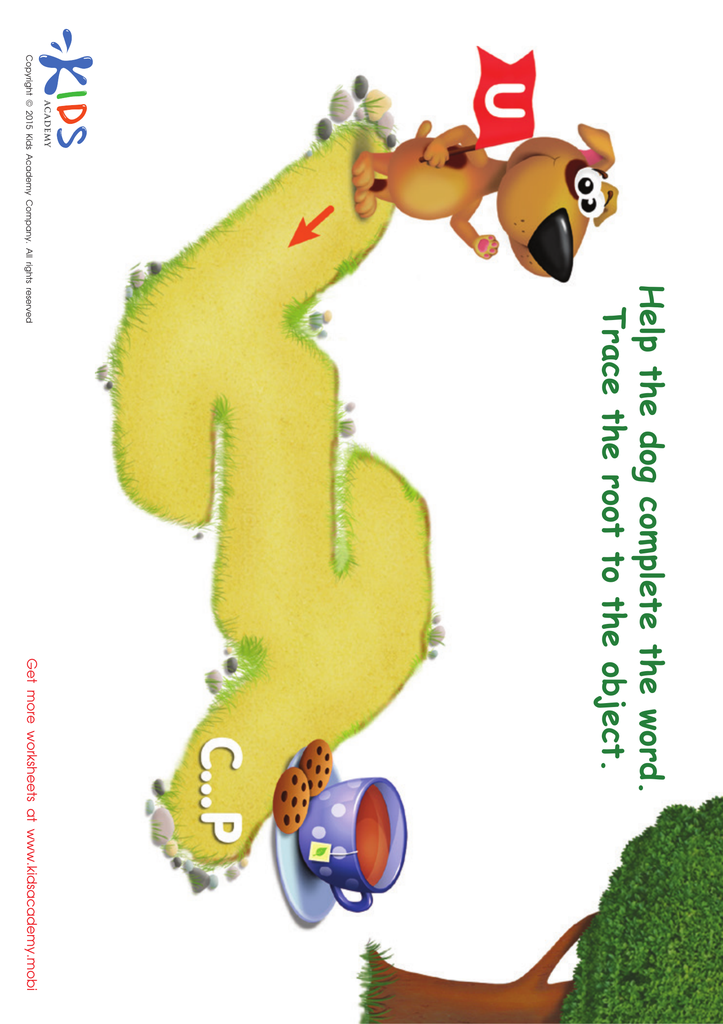
Short Vowel Sound U Worksheet Worksheet
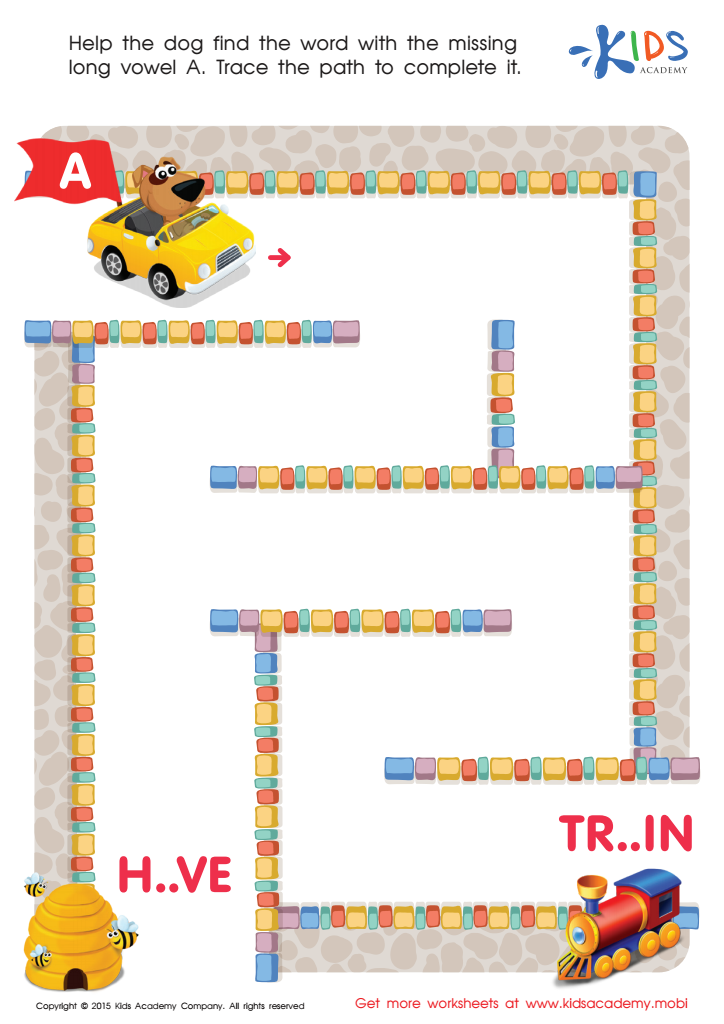
Long Vowel Sound A Worksheet
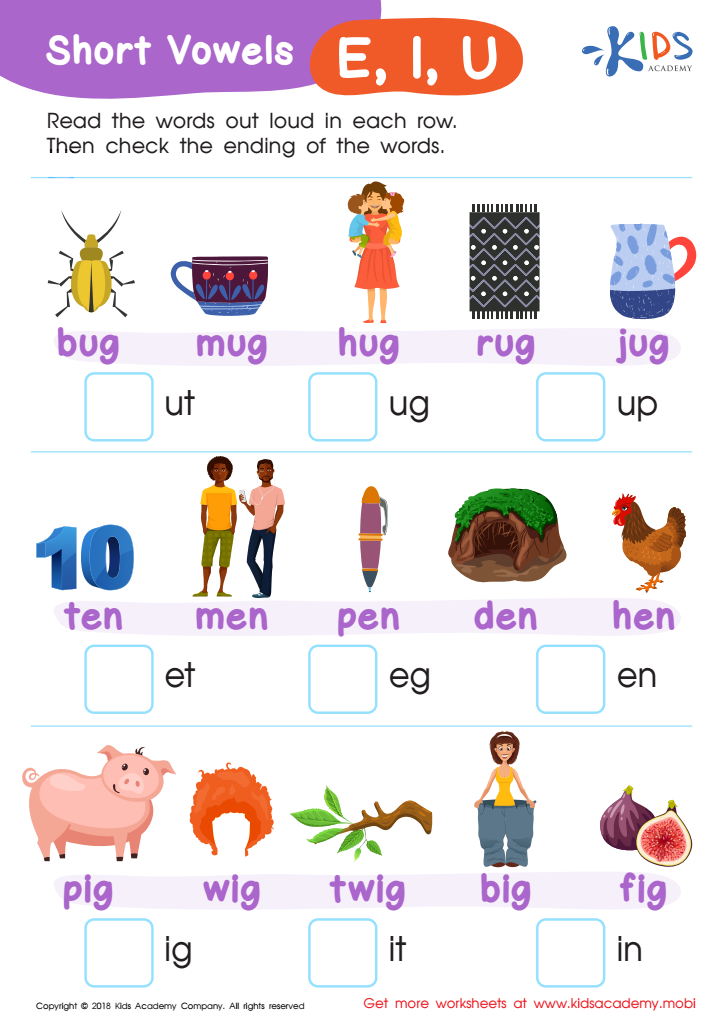
Short Vowels /e/, /i/, and /u/ Worksheet
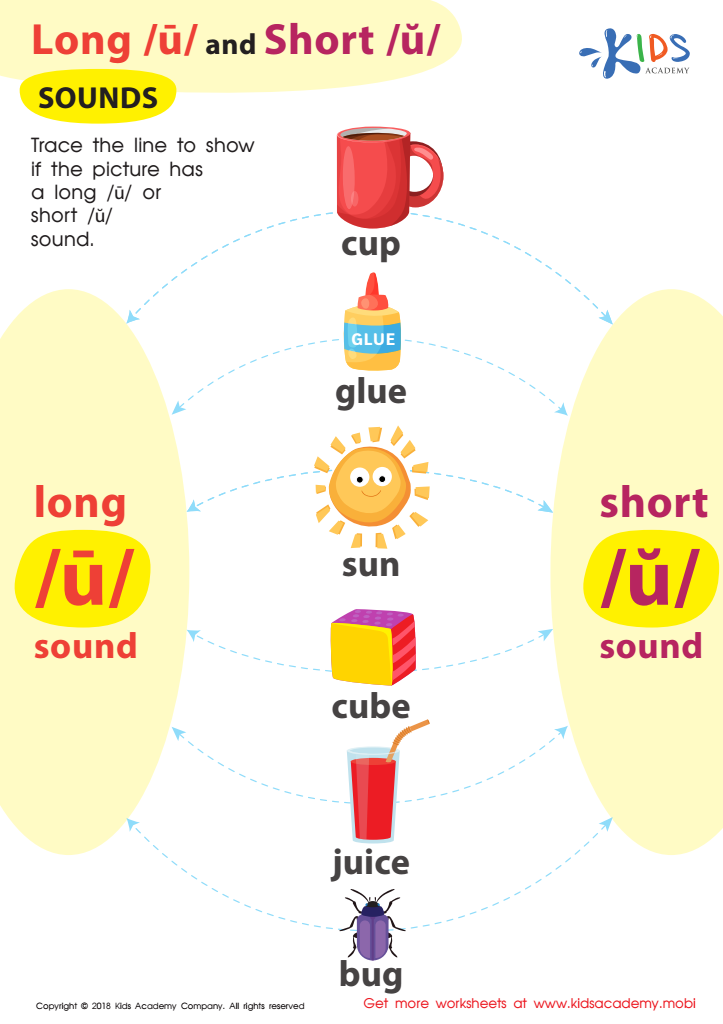
Reading: Long U and Short U Sounds Worksheet
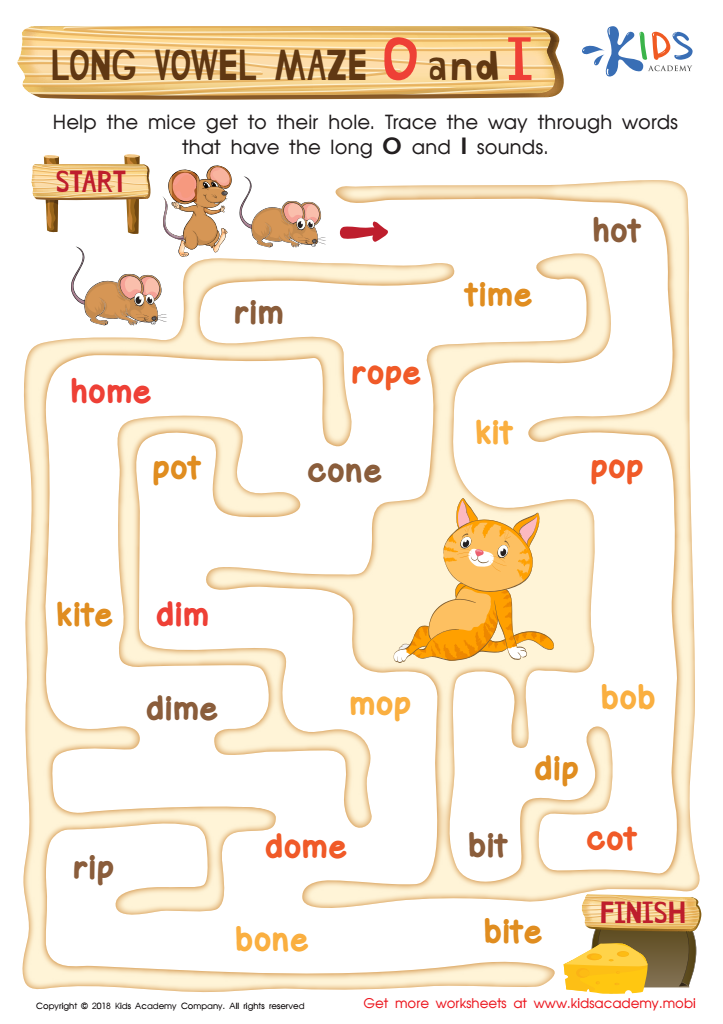
Long Vowel Maze /o/ and /i/ Worksheet
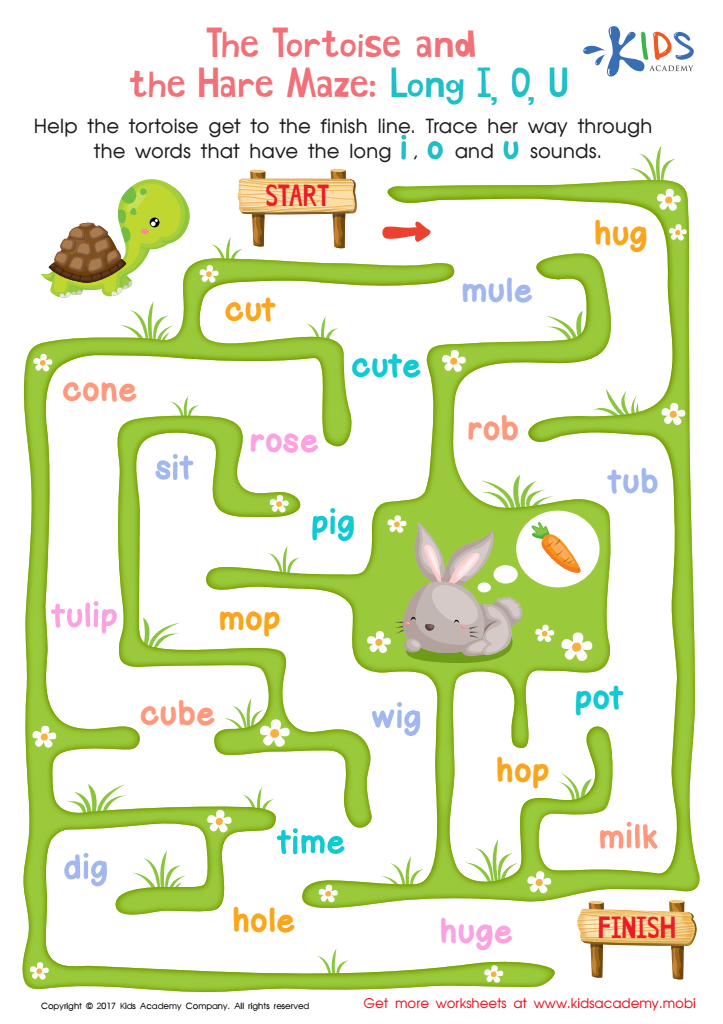
Long I, O, U Words Worksheet
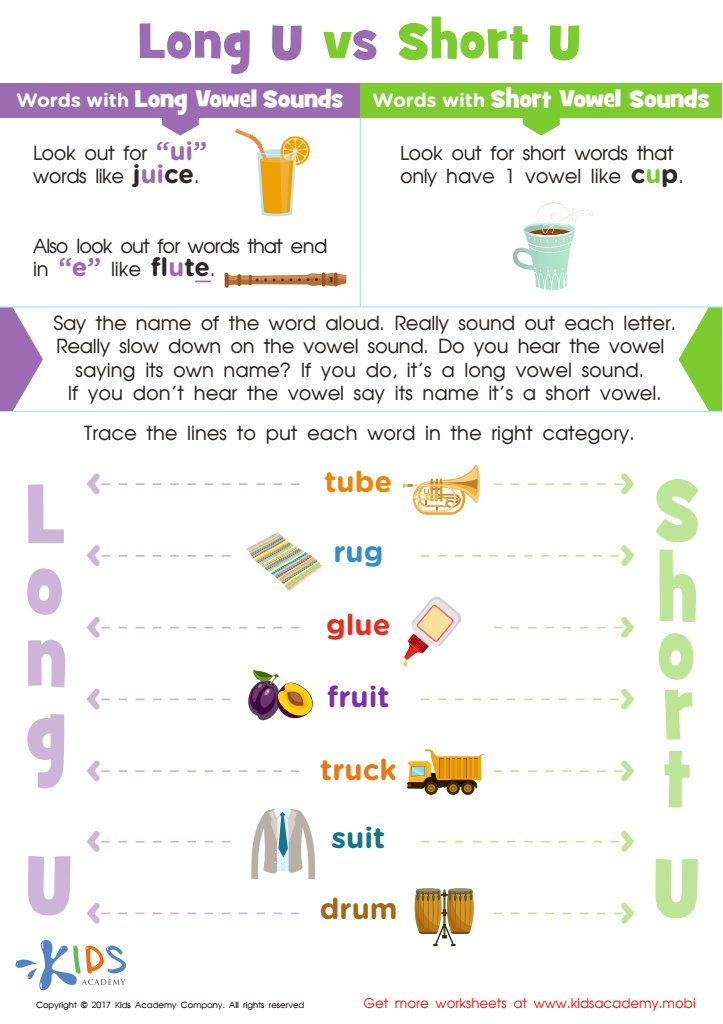
Long and Short Vowel U Spelling Worksheet
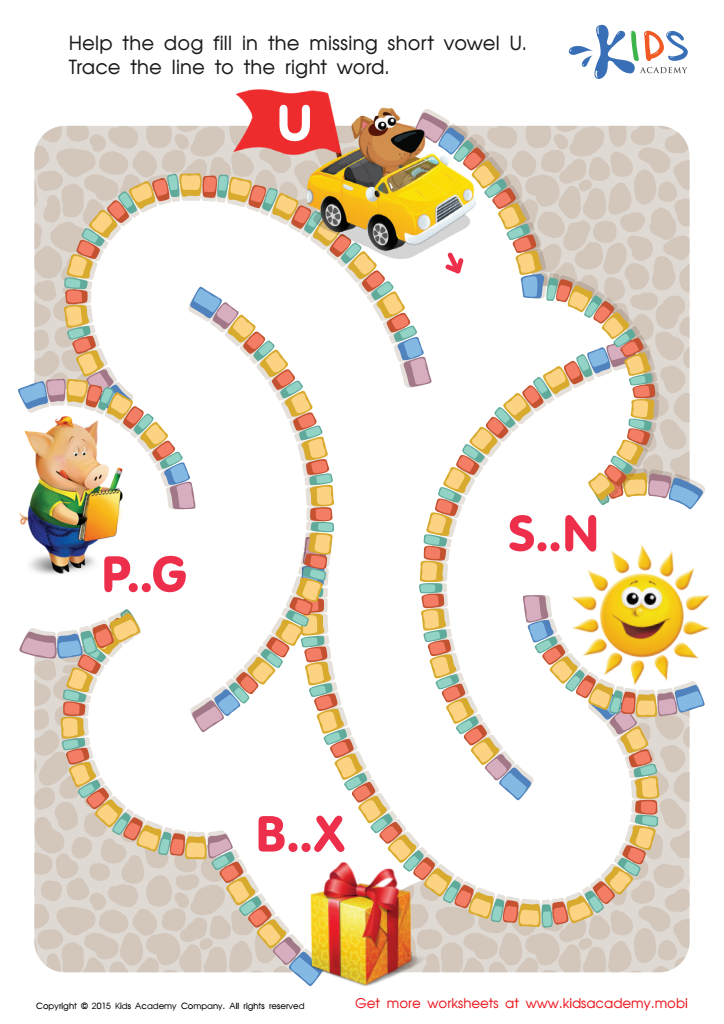
Short Vowel Sound U Worksheet
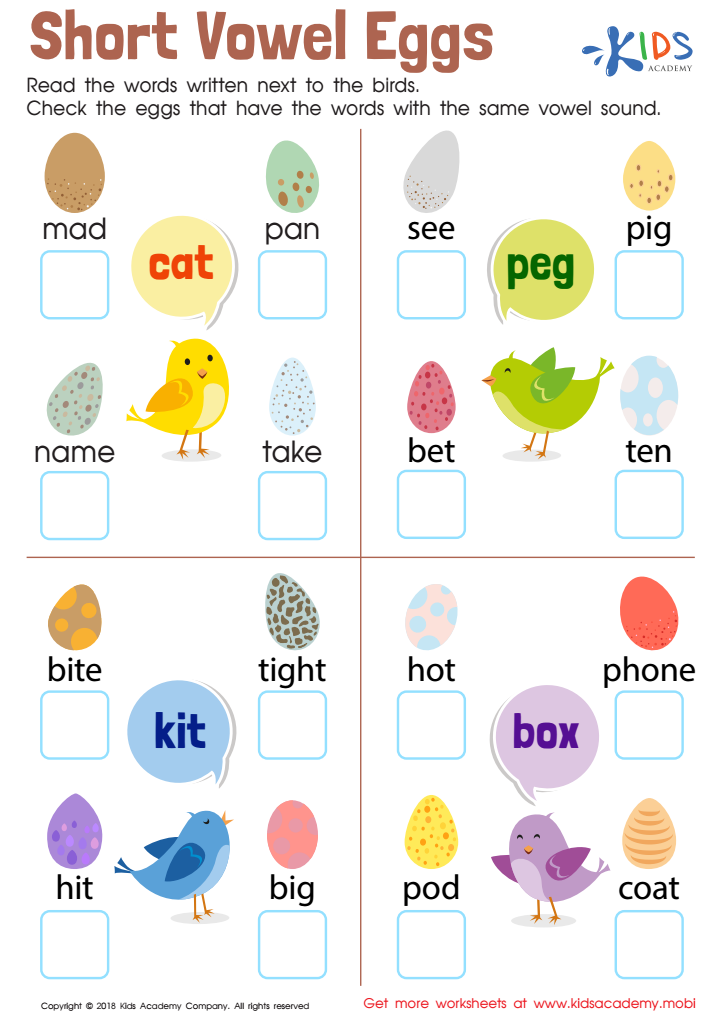
Short Vowel Eggs Worksheet
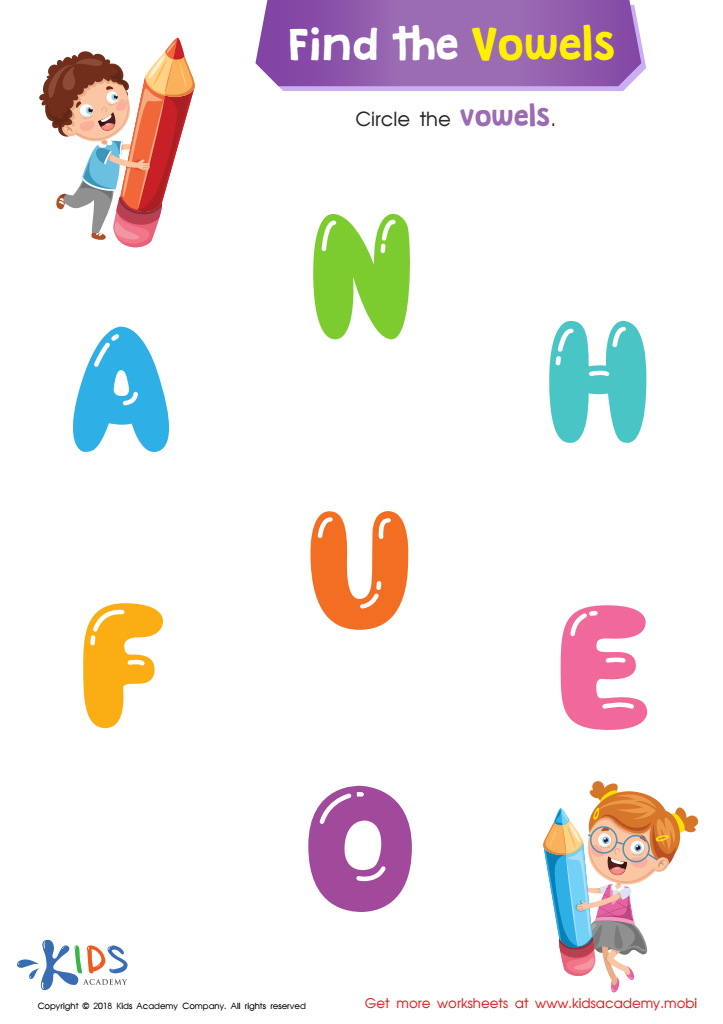
Find the Vowels Reading Worksheet
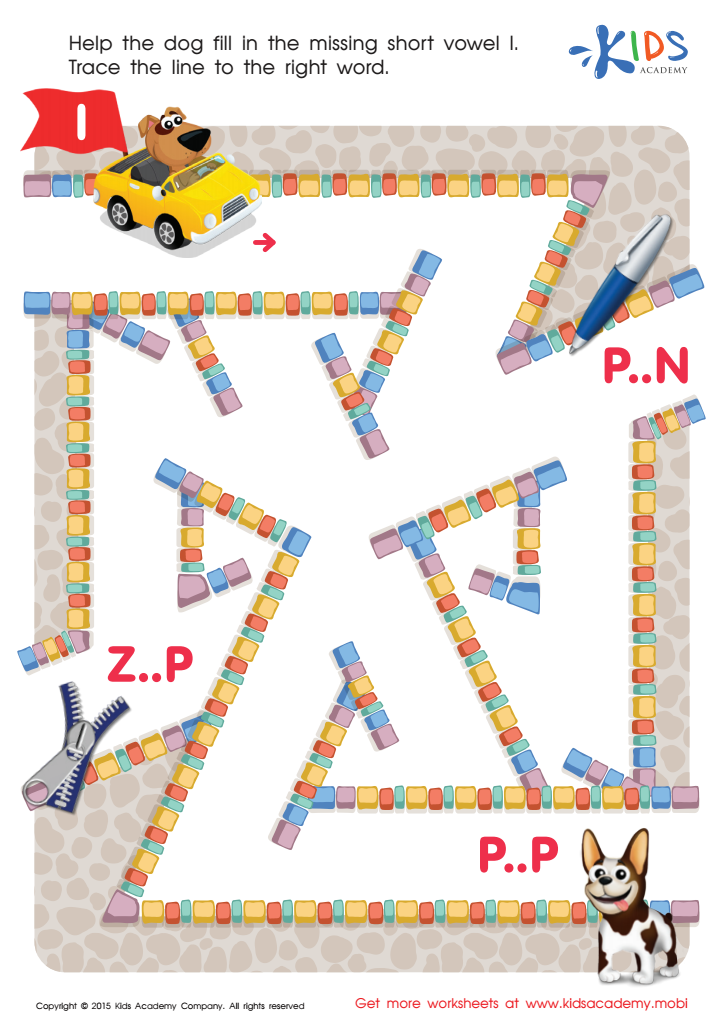
Short Vowel Sound I Worksheet
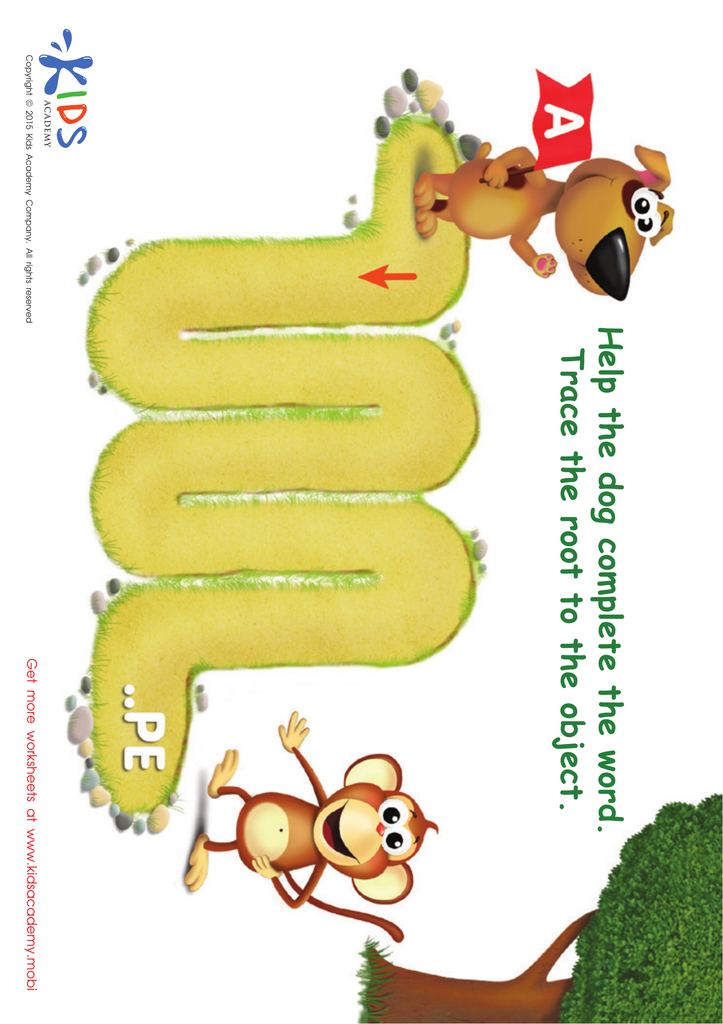
Long Vowel Sound A Worksheet Worksheet
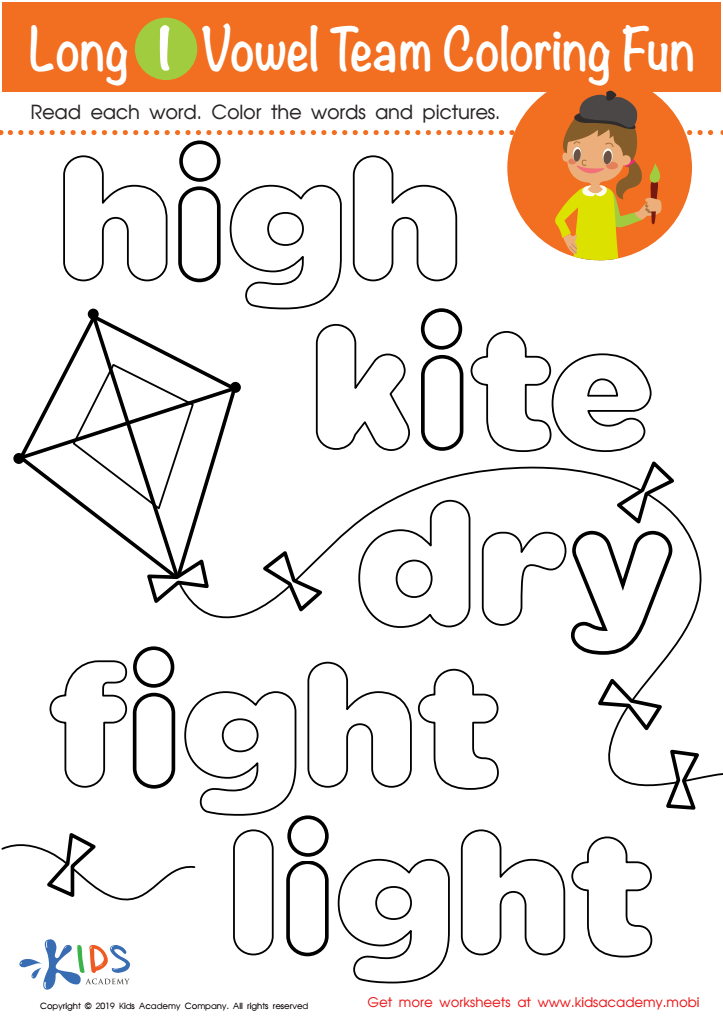
Long I Vowel Team Coloring Worksheet
 Assign to My Students
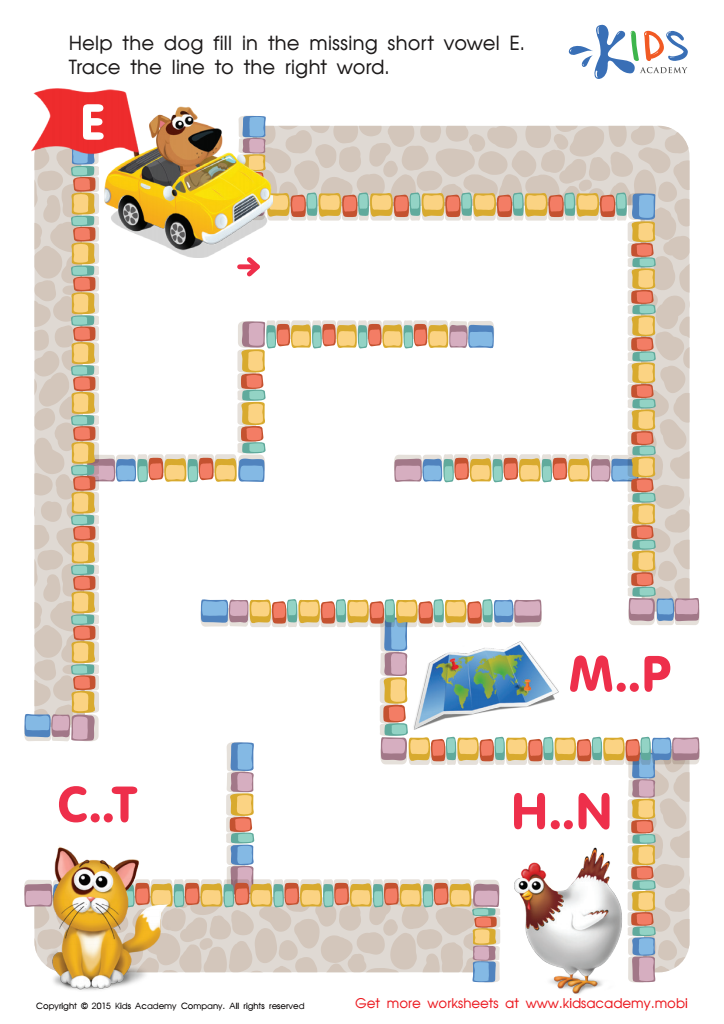
Short Vowel Sound E Worksheet
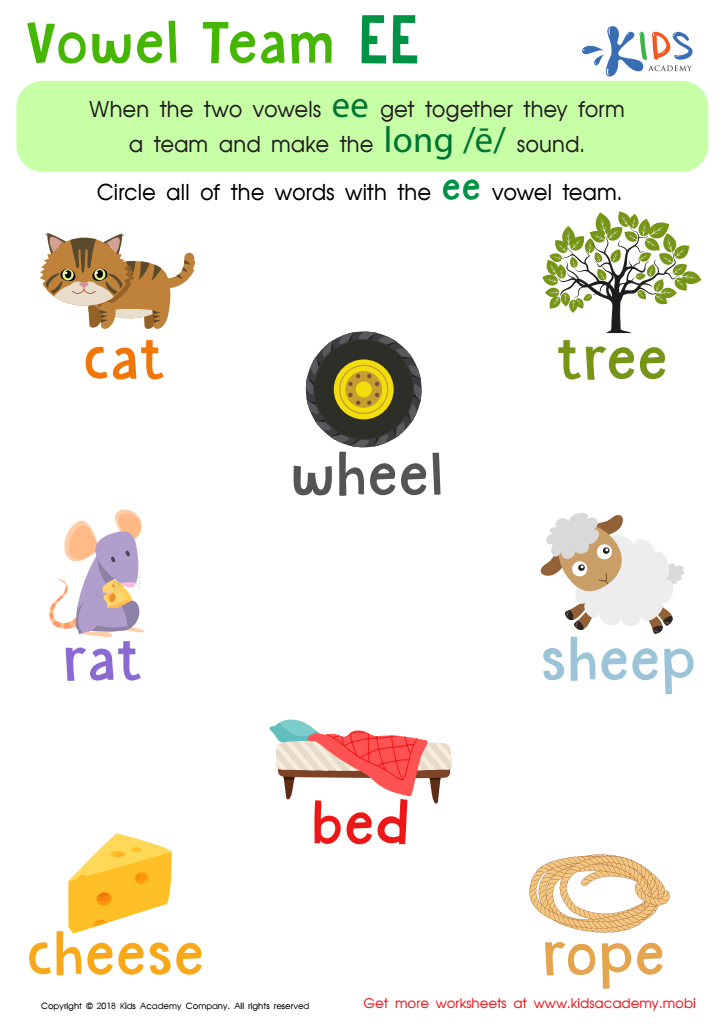
Reading: Vowel Team EE Worksheet
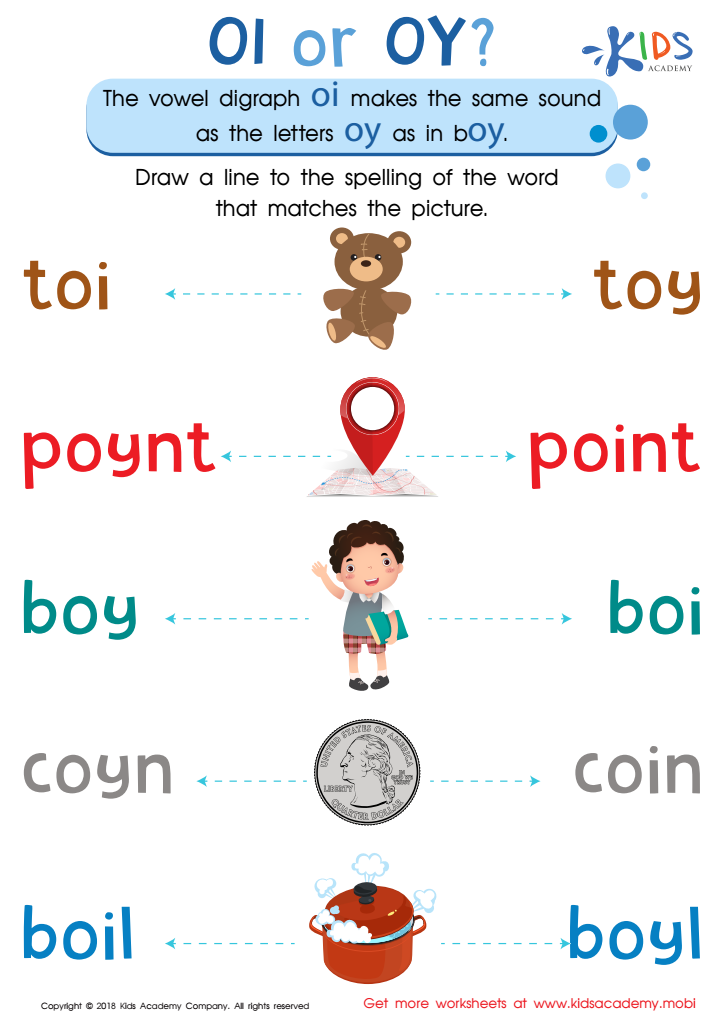
Reading: OI and OY Worksheet
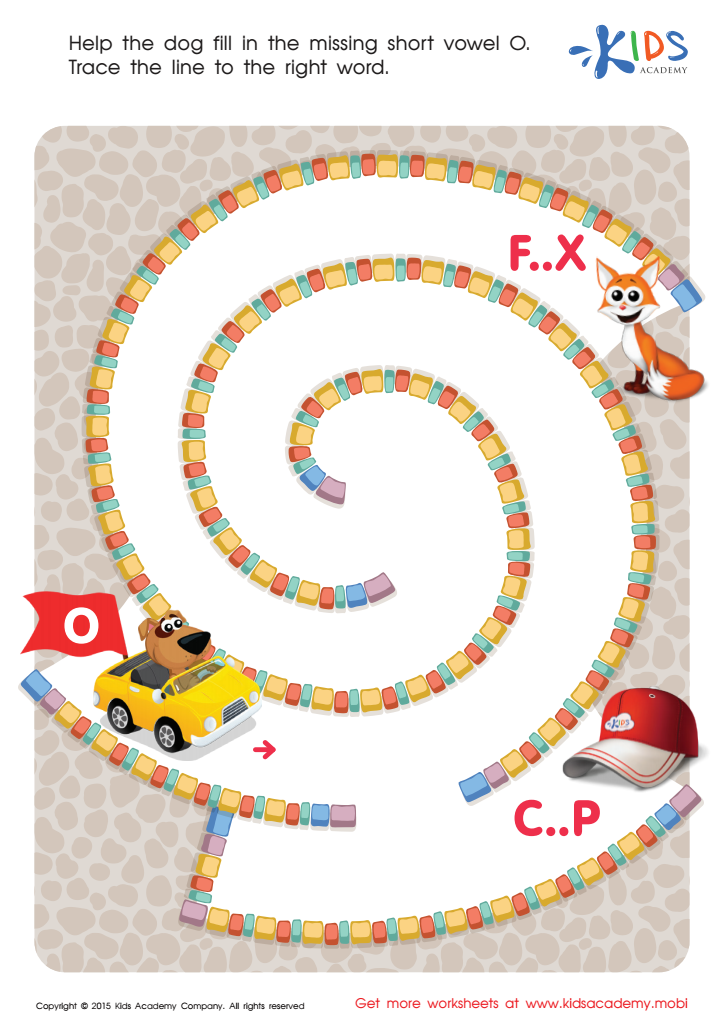
Short Vowel Sound O Worksheet
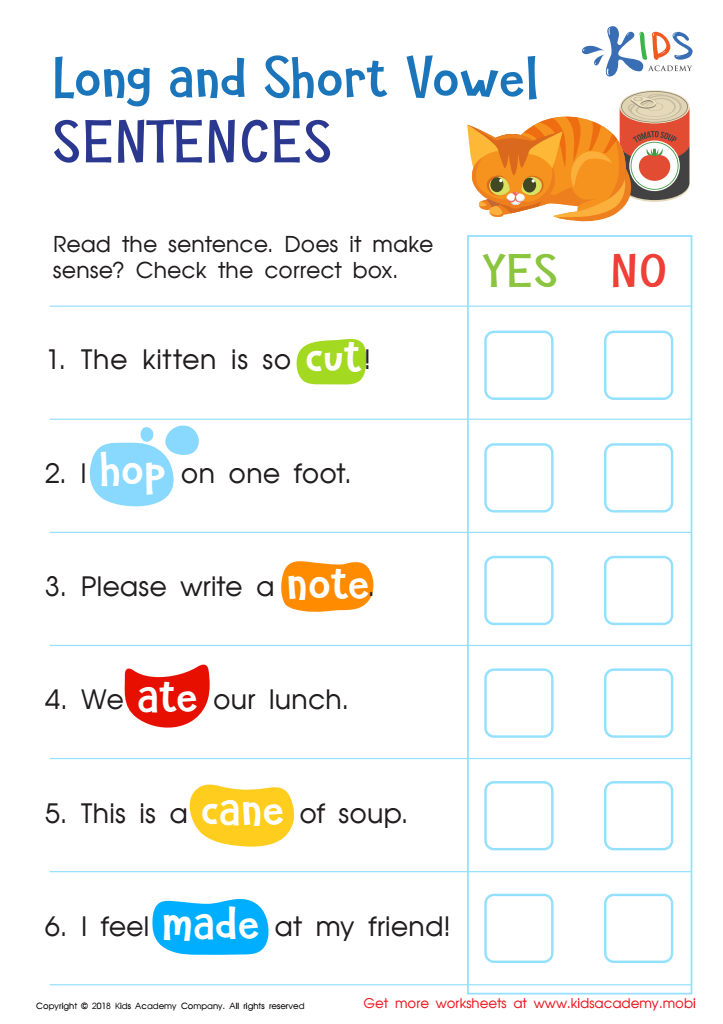
Long and Short Vowel Sentences: Assessment Worksheet
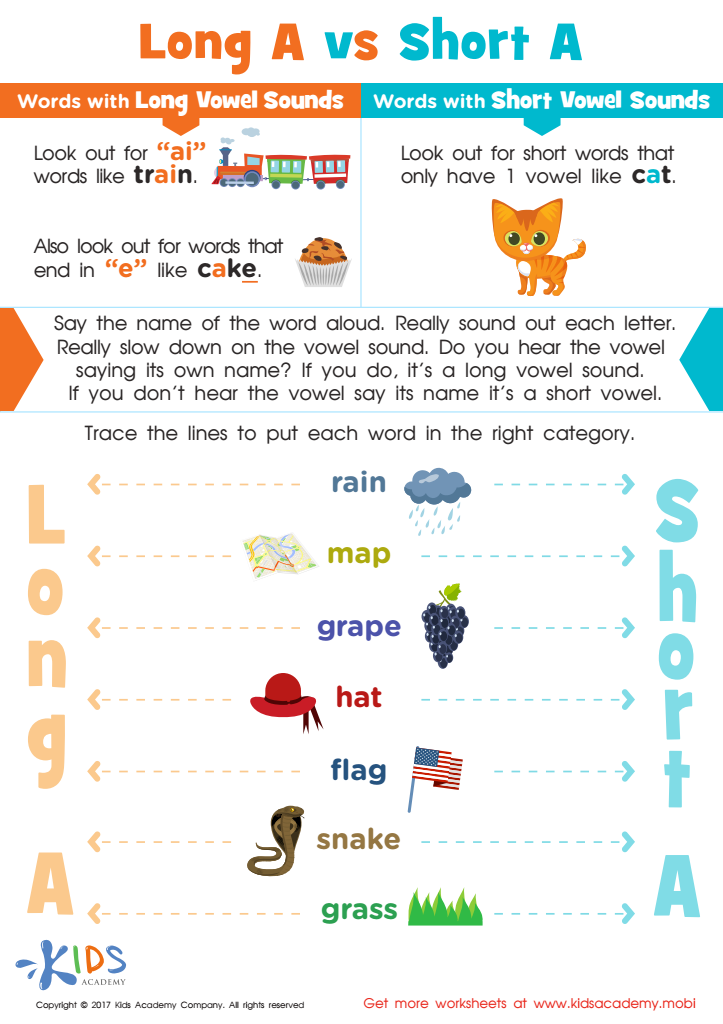
Long and Short Vowel A Spelling Worksheet
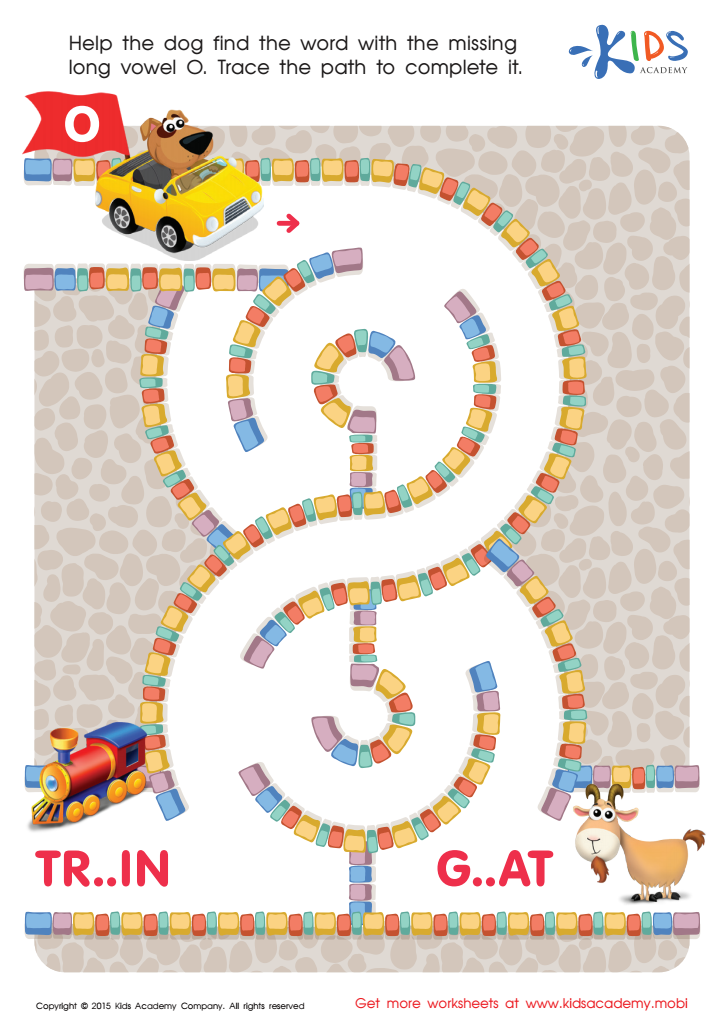
Long Vowel Sound O Worksheet







Vowel recognition is a fundamental skill for children ages 3-8 that serves as a cornerstone for their reading and writing development. As vowels are essential to word formation, understanding their sounds and roles within words paves the way for children to decode language more effectively. When children recognize vowels, they can interact with written text more confidently, leading to a stronger grasp of phonetics and syllabication.
For parents and teachers, prioritizing vowel recognition can foster a positive learning environment and encourage early literacy. It enhances phonemic awareness—an essential skill for reading proficiency—allowing children to blend and segment sounds with greater ease. Strong early vowel recognition also diminishes the chances of reading difficulties later on, providing a solid foundation for language comprehension.
Furthermore, by integrating fun and engaging activities focused on vowels, educators and caregivers can cultivate an enthusiasm for learning, setting the stage for lifelong literacy habits. As children from 3-8 years old are naturally curious, actively teaching them about vowels ignites their interest in words and ultimately supports their success in school and beyond. Investing time into vowel recognition will benefit not just their academic achievements but also boost their confidence and communication skills.








