Filters

219 filtered results

Clear all filters
Favorites
With answer key
Interactive

219 filtered results

Difficulty Level

Grade


Subject

    Check out this FREE Trial Lesson on Adding up to 100 for age 3-8!

    L

    Favorites
    With answer key
    Interactive
    • 3-8
    • Adding up to 100
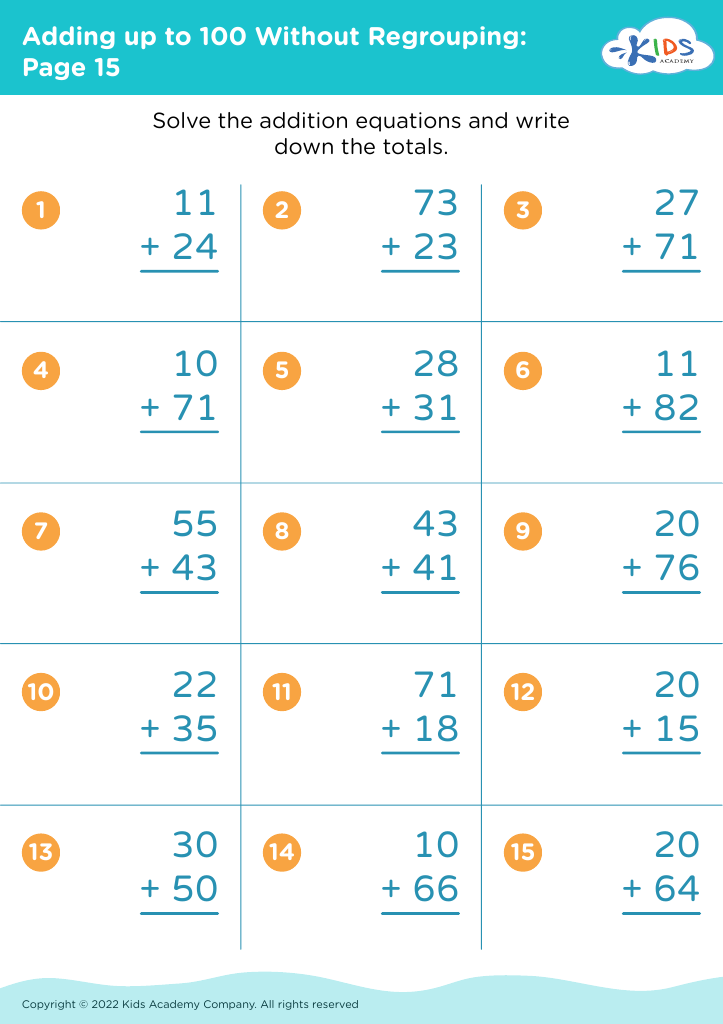
    Adding up to 100 Without Regrouping: Page 15
    Adding up to 100 Without Regrouping: Page 15
    Adding up to 100 Without Regrouping: Page 15
    Worksheet
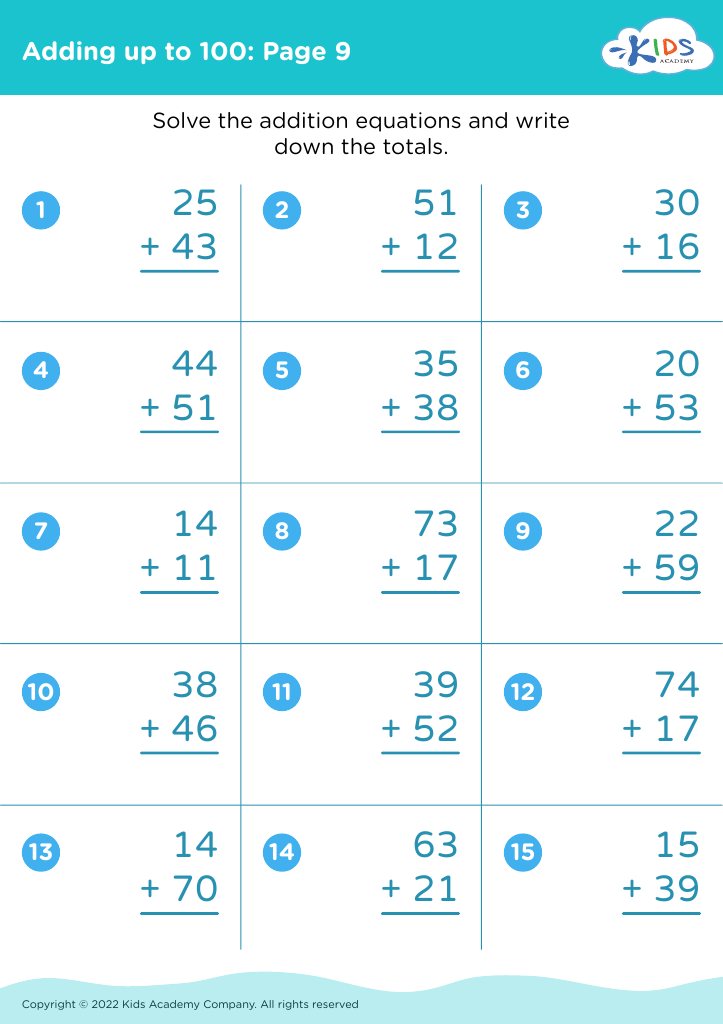
    Adding up to 100: Page 9
    Adding up to 100: Page 9

    Adding up to 100: Page 9

    Adding up to 100: Page 9
    Worksheet
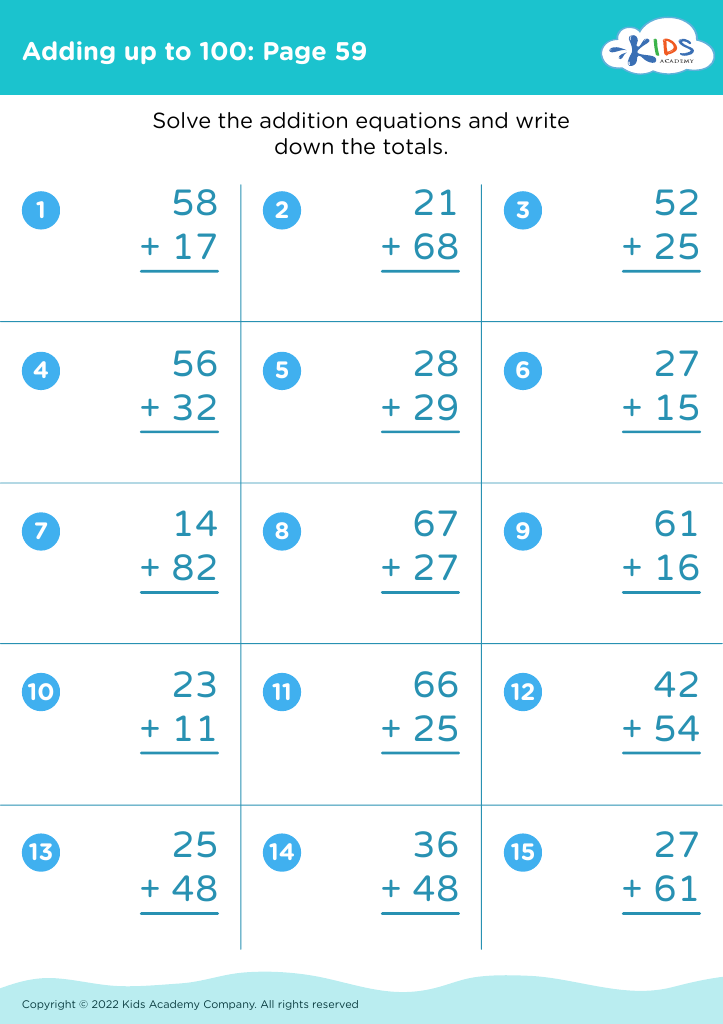
    Adding up to 100: Page 59
    Adding up to 100: Page 59

    Adding up to 100: Page 59

    Adding up to 100: Page 59
    Worksheet
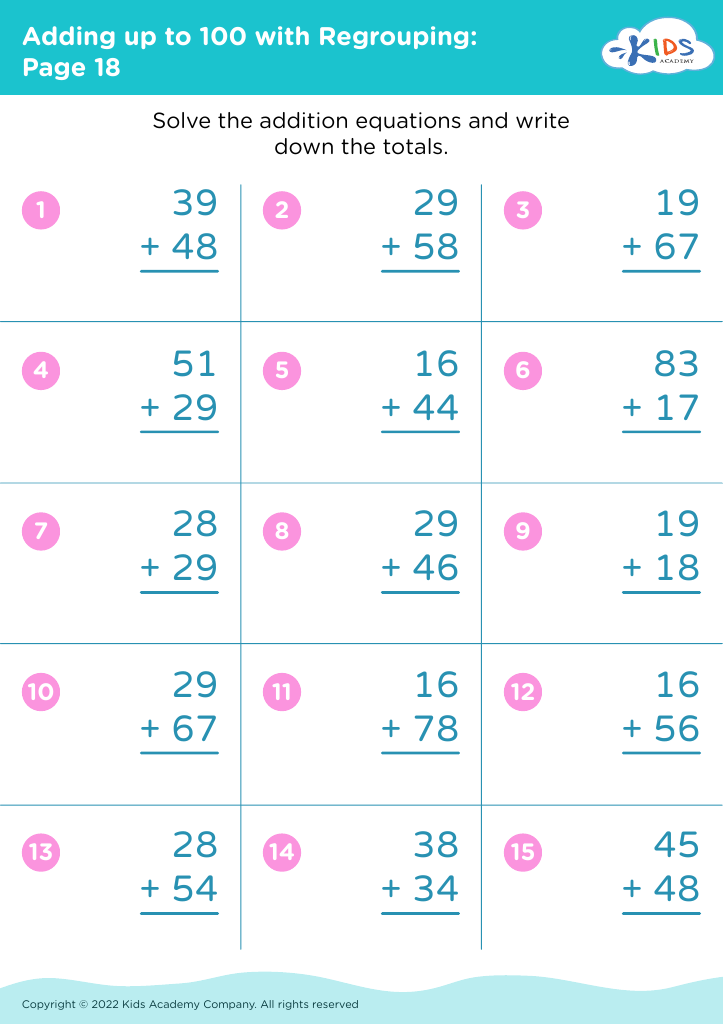
    Adding up to 100 with Regrouping: Page 18
    Adding up to 100 with Regrouping: Page 18
    Adding up to 100 with Regrouping: Page 18
    Worksheet
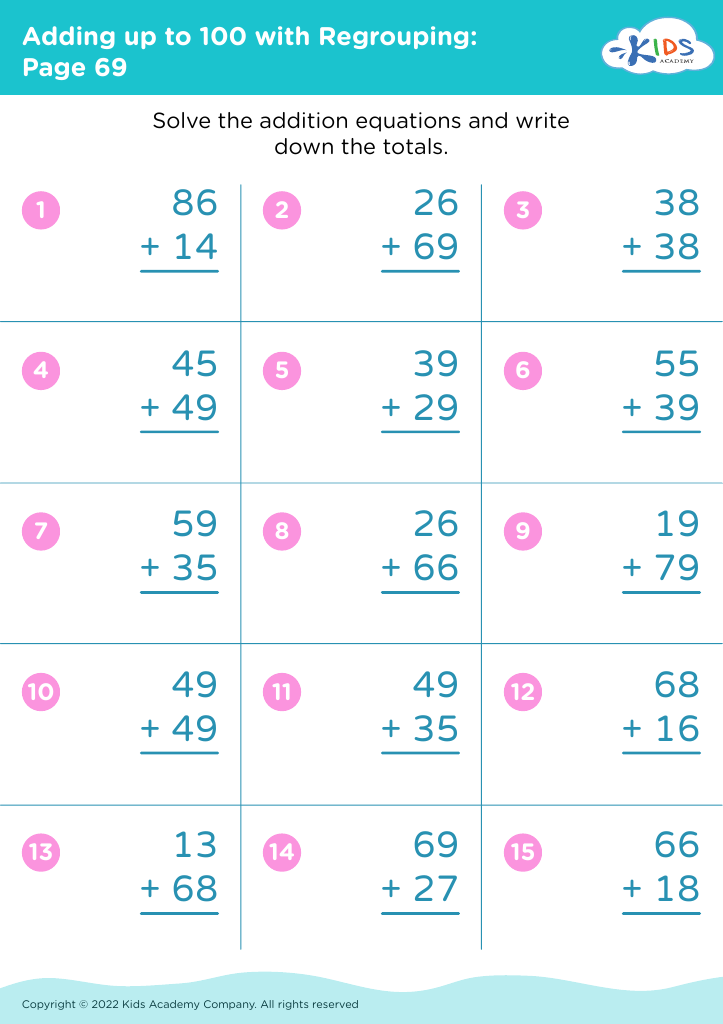
    Adding up to 100 with Regrouping: Page 69
    Adding up to 100 with Regrouping: Page 69
    Adding up to 100 with Regrouping: Page 69
    Worksheet
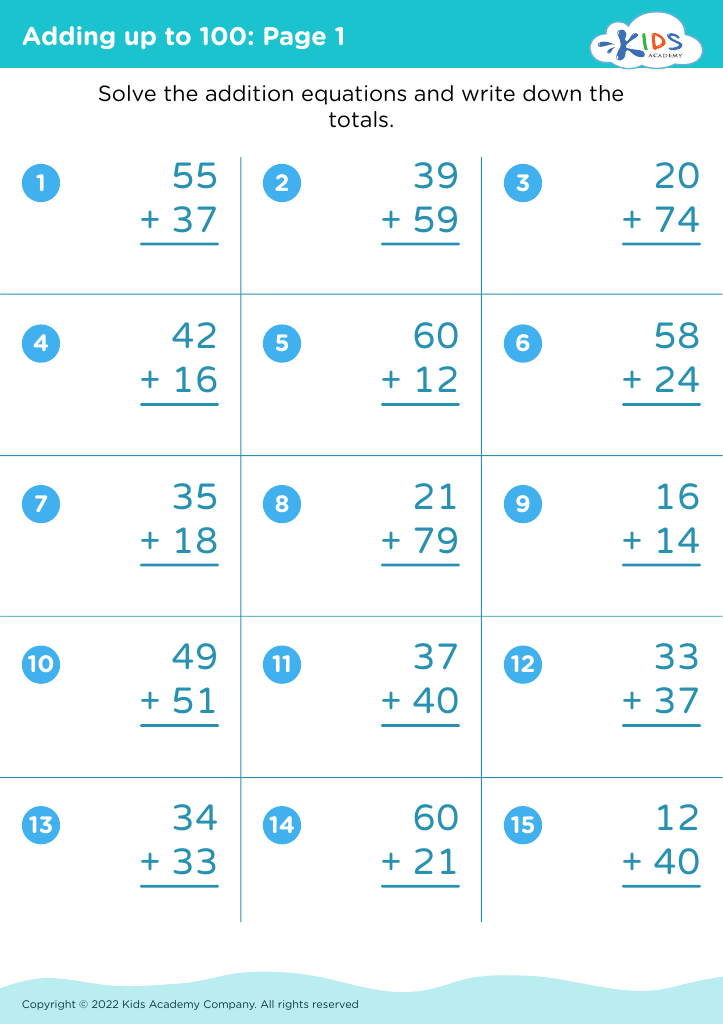
    Adding up to 100: Page 1
    Adding up to 100: Page 1

    Adding up to 100: Page 1

    Adding up to 100: Page 1
    Worksheet
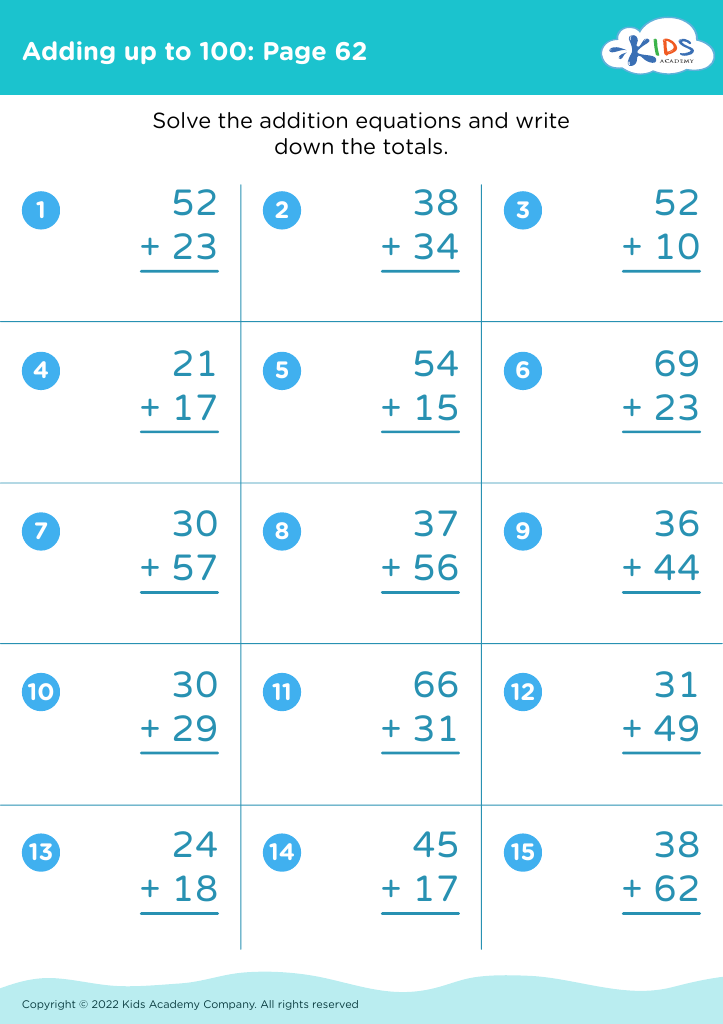
    Adding up to 100: Page 62
    Adding up to 100: Page 62

    Adding up to 100: Page 62

    Adding up to 100: Page 62
    Worksheet
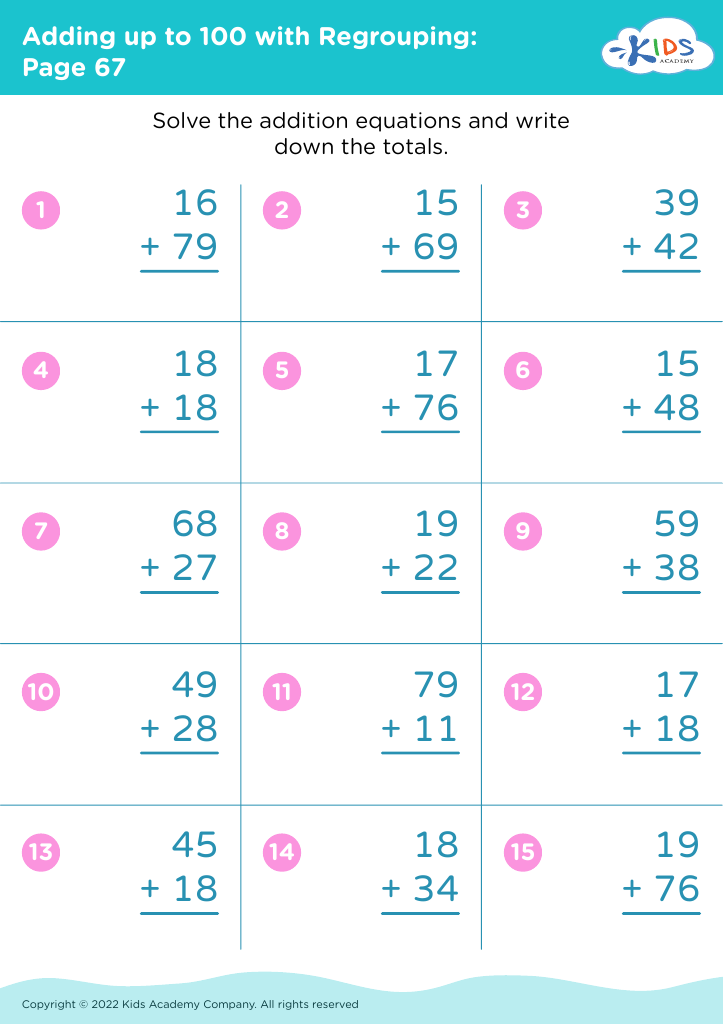
    Adding up to 100 with Regrouping: Page 67
    Adding up to 100 with Regrouping: Page 67
    Adding up to 100 with Regrouping: Page 67
    Worksheet
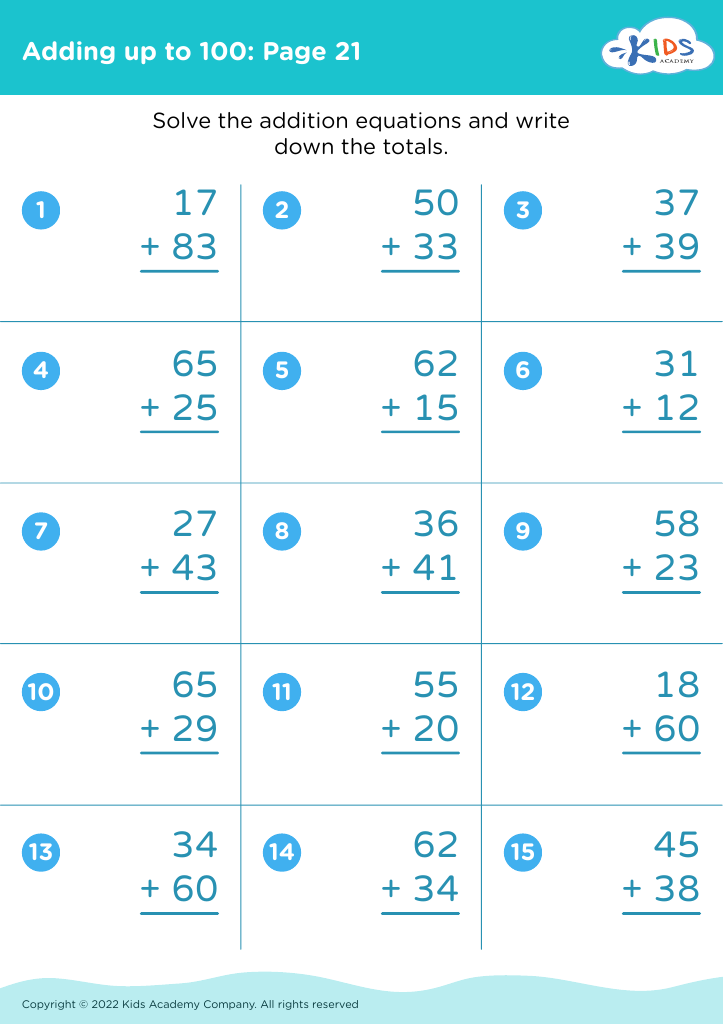
    Adding up to 100: Page 21
    Adding up to 100: Page 21

    Adding up to 100: Page 21

    Adding up to 100: Page 21
    Worksheet
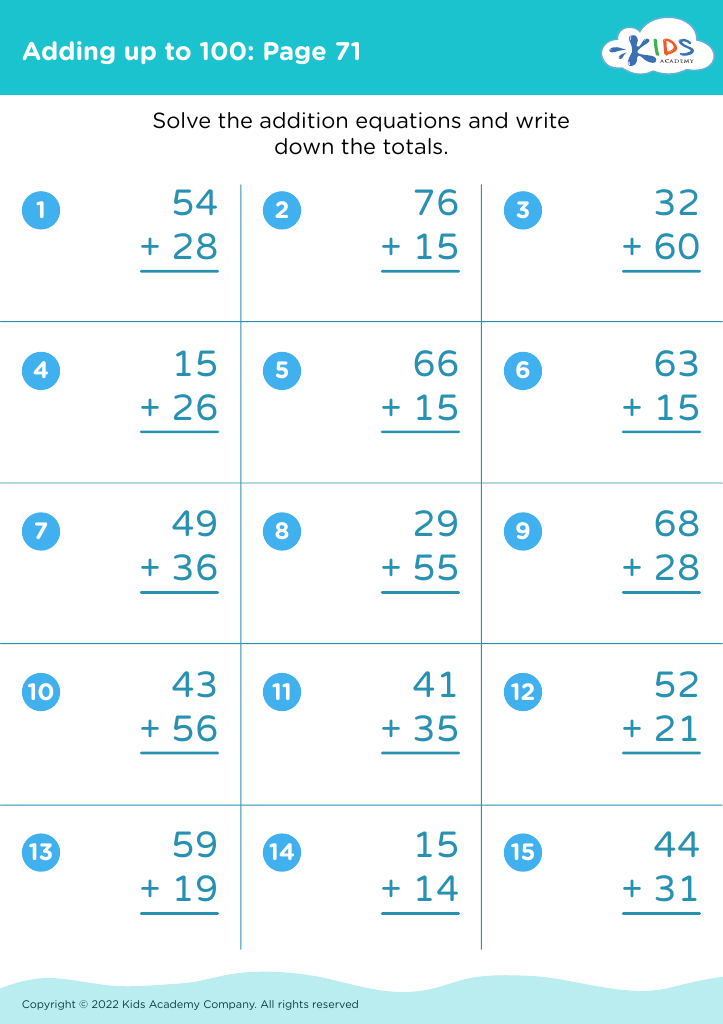
    Adding up to 100: Page 71
    Adding up to 100: Page 71

    Adding up to 100: Page 71

    Adding up to 100: Page 71
    Worksheet
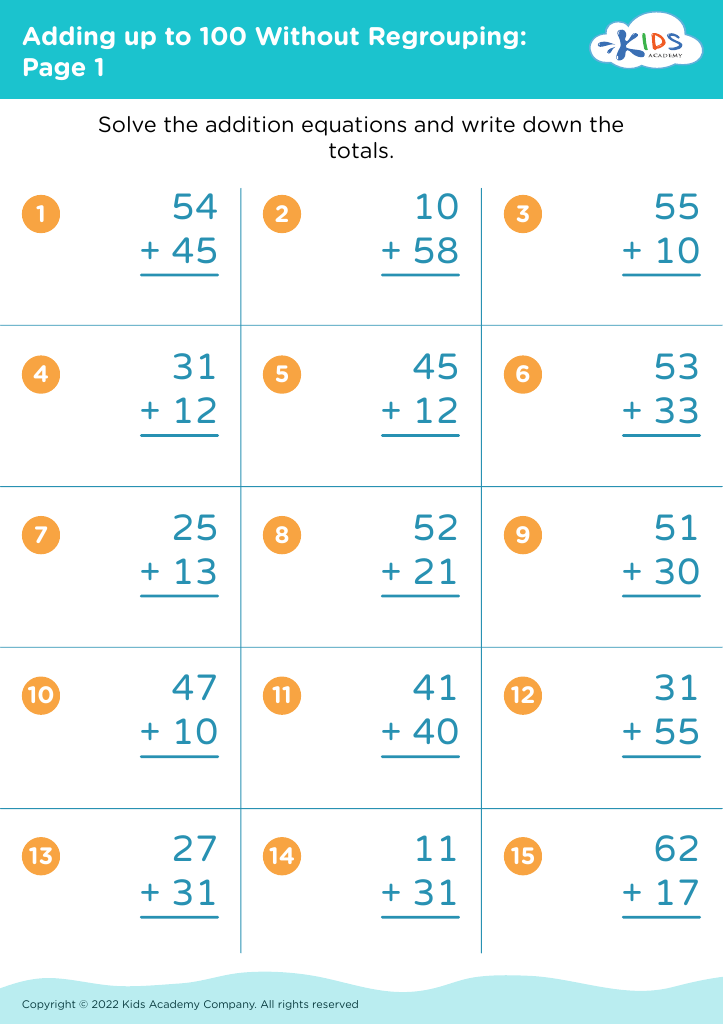
    Adding up to 100 Without Regrouping: Page 1
    Adding up to 100 Without Regrouping: Page 1
    Adding up to 100 Without Regrouping: Page 1
    Worksheet
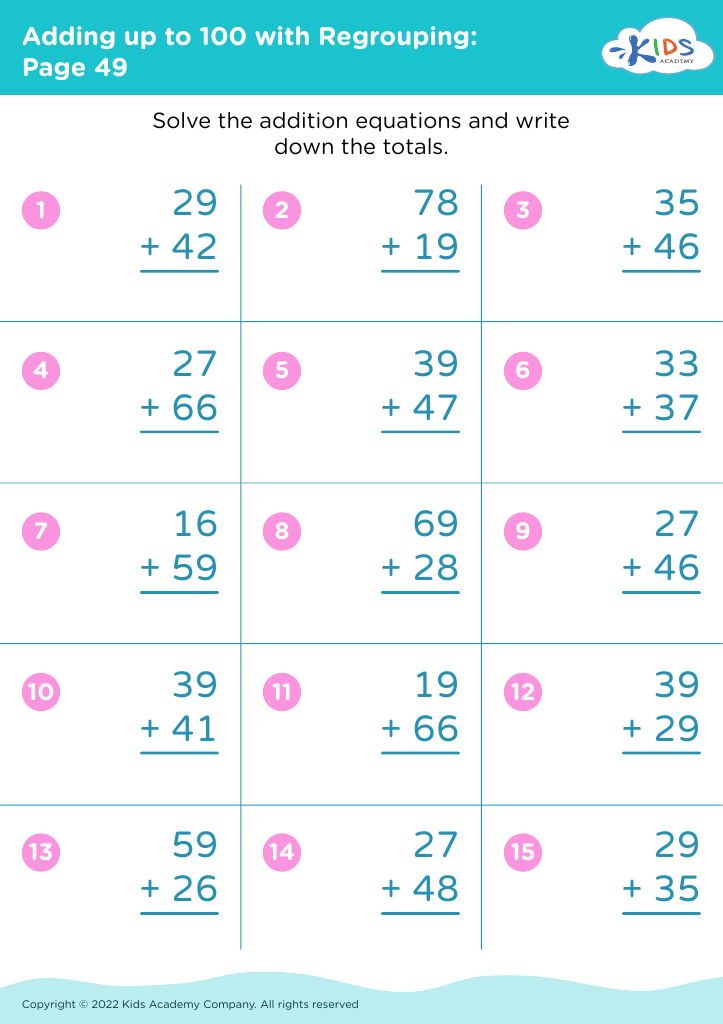
    Adding up to 100 with Regrouping: Page 49
    Adding up to 100 with Regrouping: Page 49
    Adding up to 100 with Regrouping: Page 49
    Worksheet
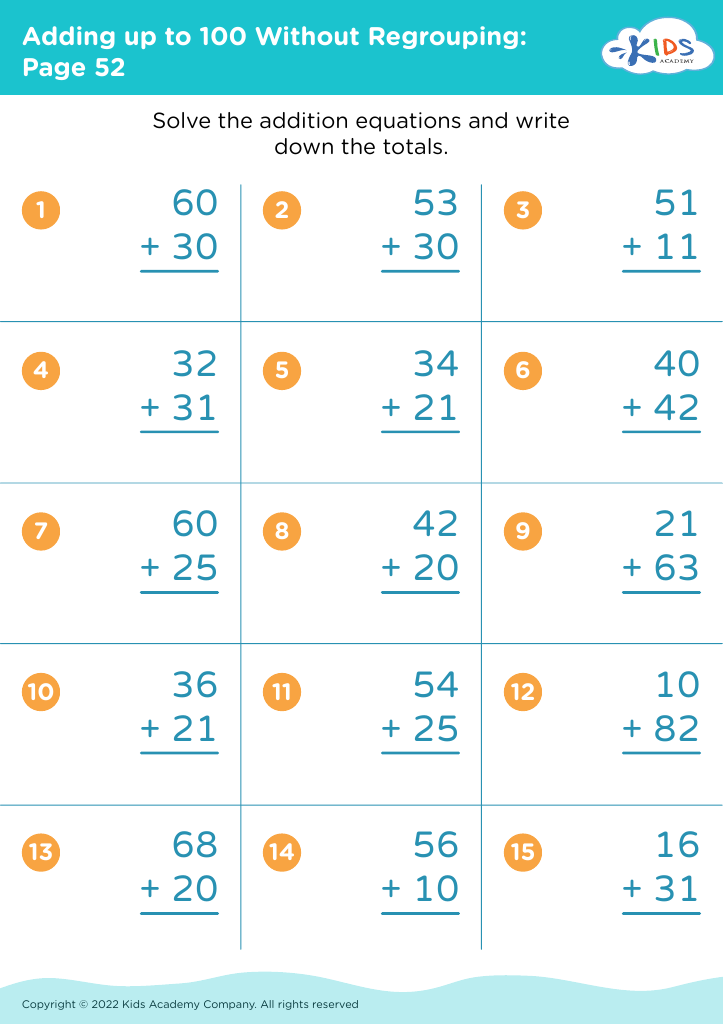
    Adding up to 100 Without Regrouping: Page 52
    Adding up to 100 Without Regrouping: Page 52
    Adding up to 100 Without Regrouping: Page 52
    Worksheet
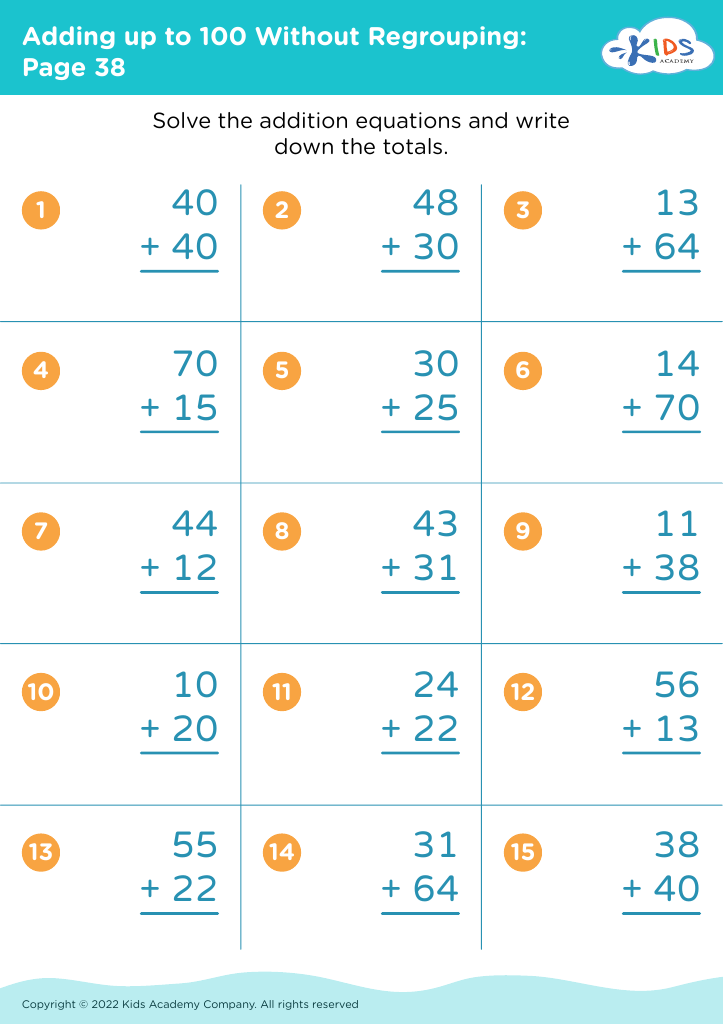
    Adding up to 100 Without Regrouping: Page 38
    Adding up to 100 Without Regrouping: Page 38
    Adding up to 100 Without Regrouping: Page 38
    Worksheet
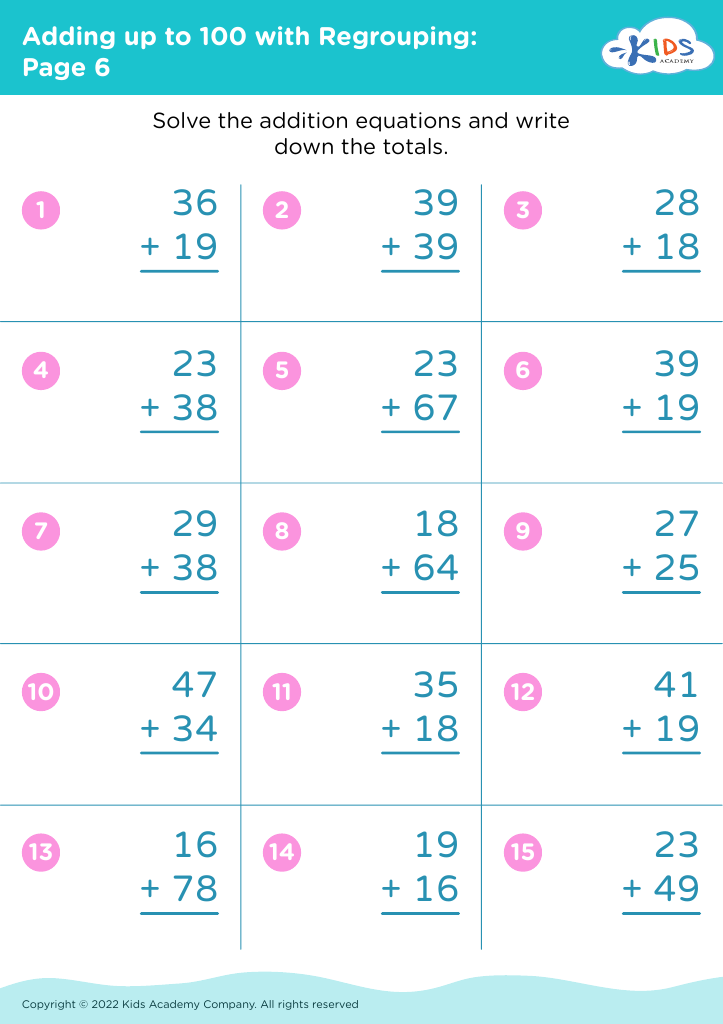
    Adding up to 100 with Regrouping: Page 6
    Adding up to 100 with Regrouping: Page 6
    Adding up to 100 with Regrouping: Page 6
    Worksheet
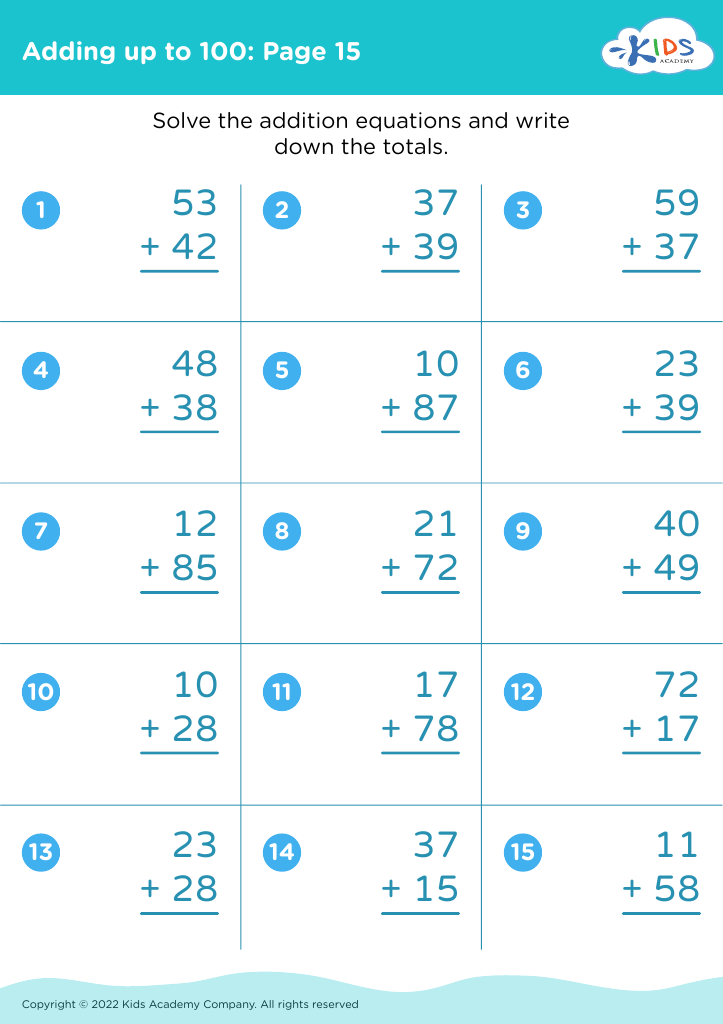
    Adding up to 100: Page 15
    Adding up to 100: Page 15

    Adding up to 100: Page 15

    Adding up to 100: Page 15
    Worksheet
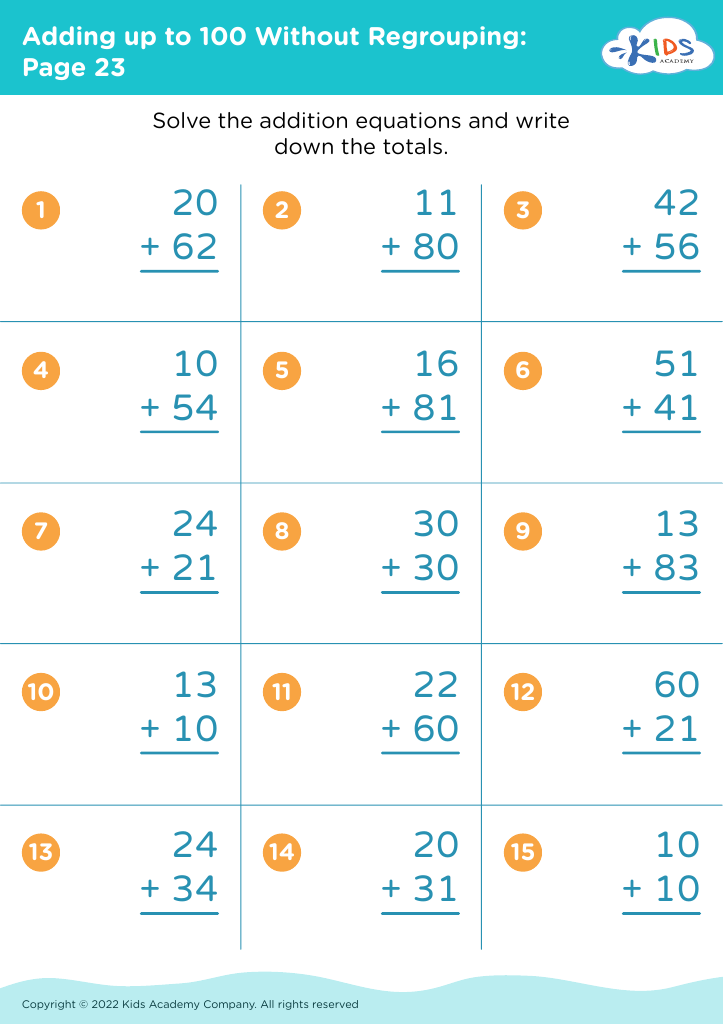
    Adding up to 100 Without Regrouping: Page 23
    Adding up to 100 Without Regrouping: Page 23
    Adding up to 100 Without Regrouping: Page 23
    Worksheet
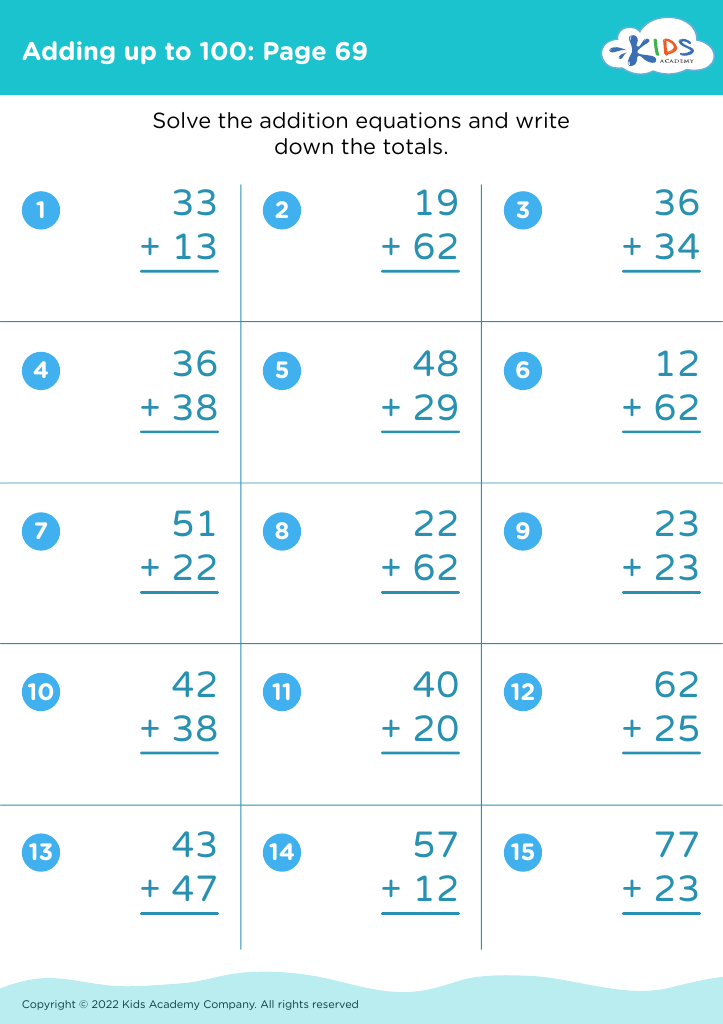
    Adding up to 100: Page 69
    Adding up to 100: Page 69

    Adding up to 100: Page 69

    Adding up to 100: Page 69
    Worksheet
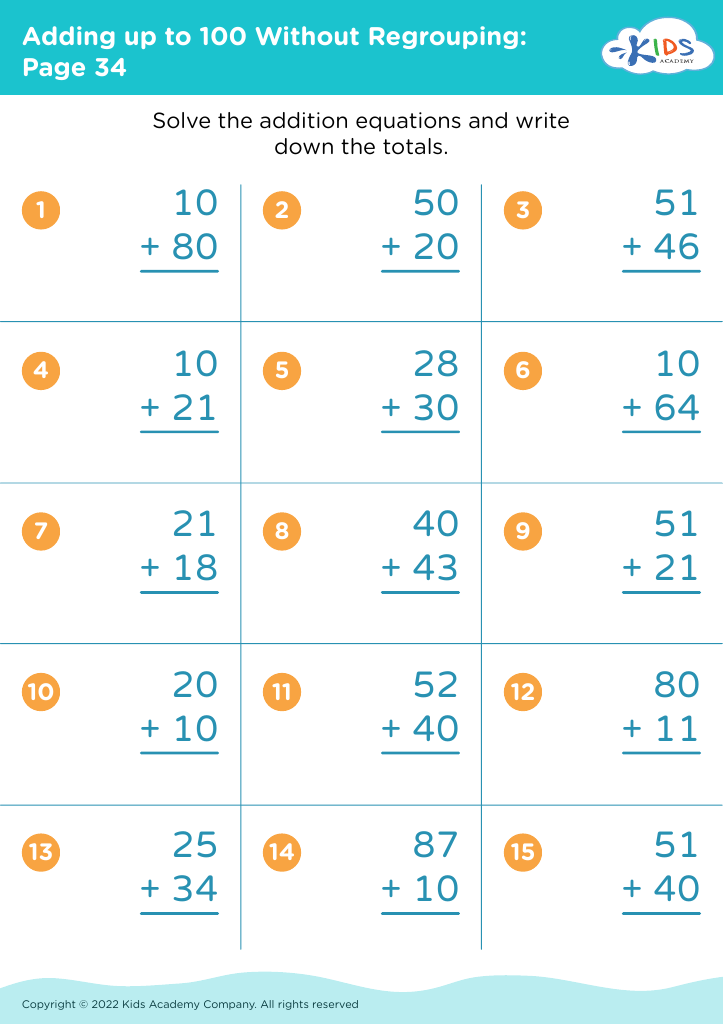
    Adding up to 100 Without Regrouping: Page 34
    Adding up to 100 Without Regrouping: Page 34
    Adding up to 100 Without Regrouping: Page 34
    Worksheet
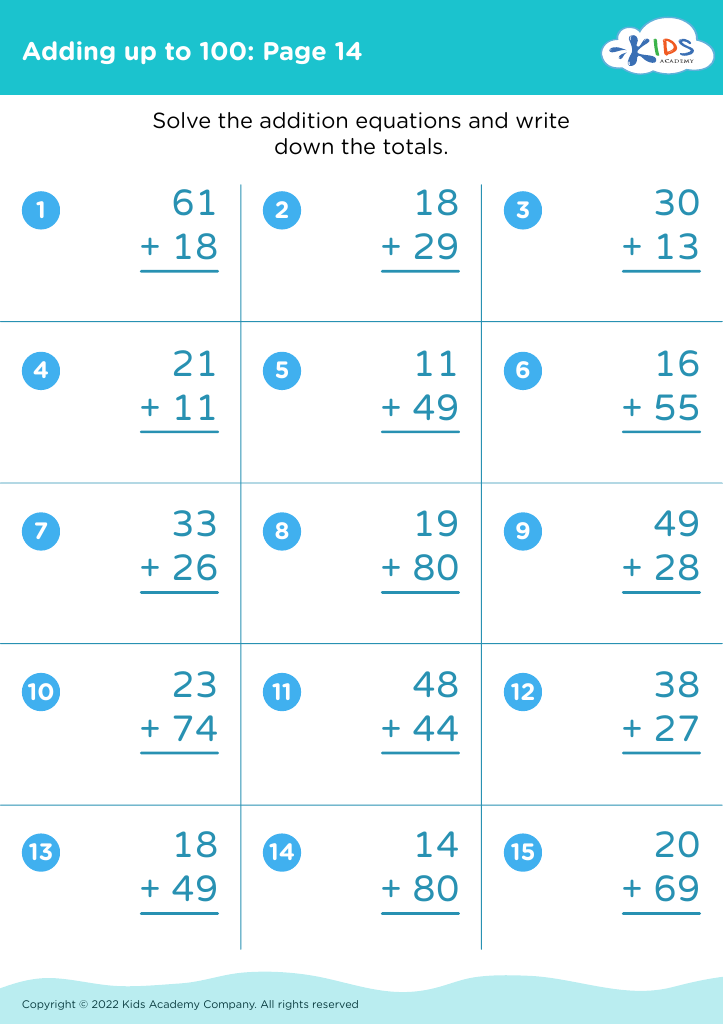
    Adding up to 100: Page 14
    Adding up to 100: Page 14

    Adding up to 100: Page 14

    Adding up to 100: Page 14
    Worksheet
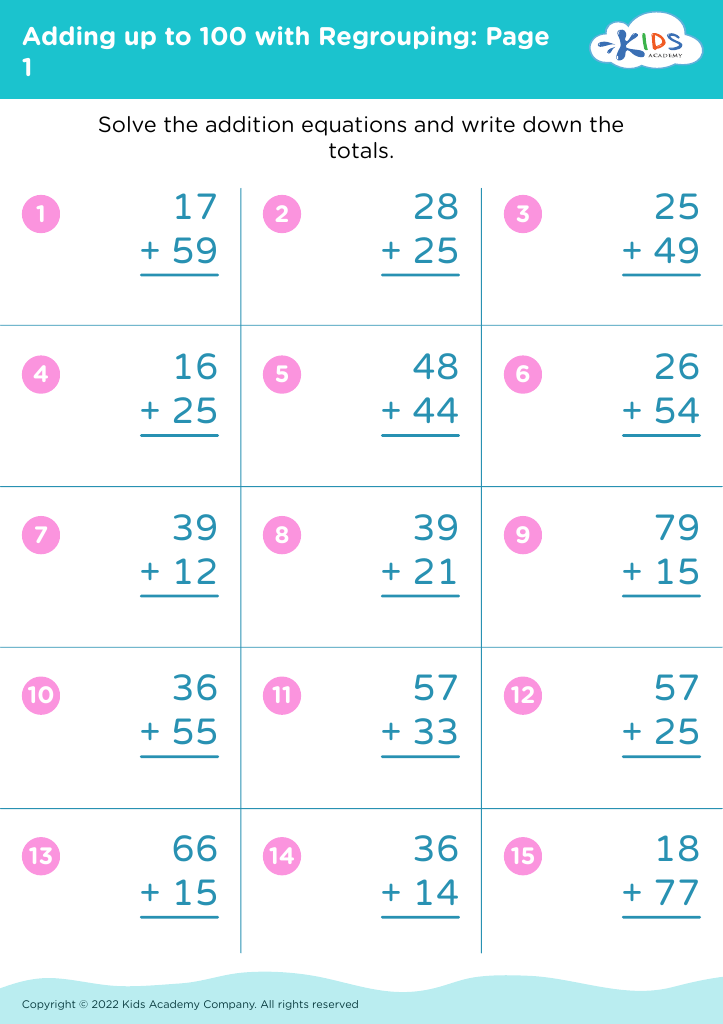
    Adding up to 100 with Regrouping: Page 1
    Adding up to 100 with Regrouping: Page 1
    Adding up to 100 with Regrouping: Page 1
    Worksheet
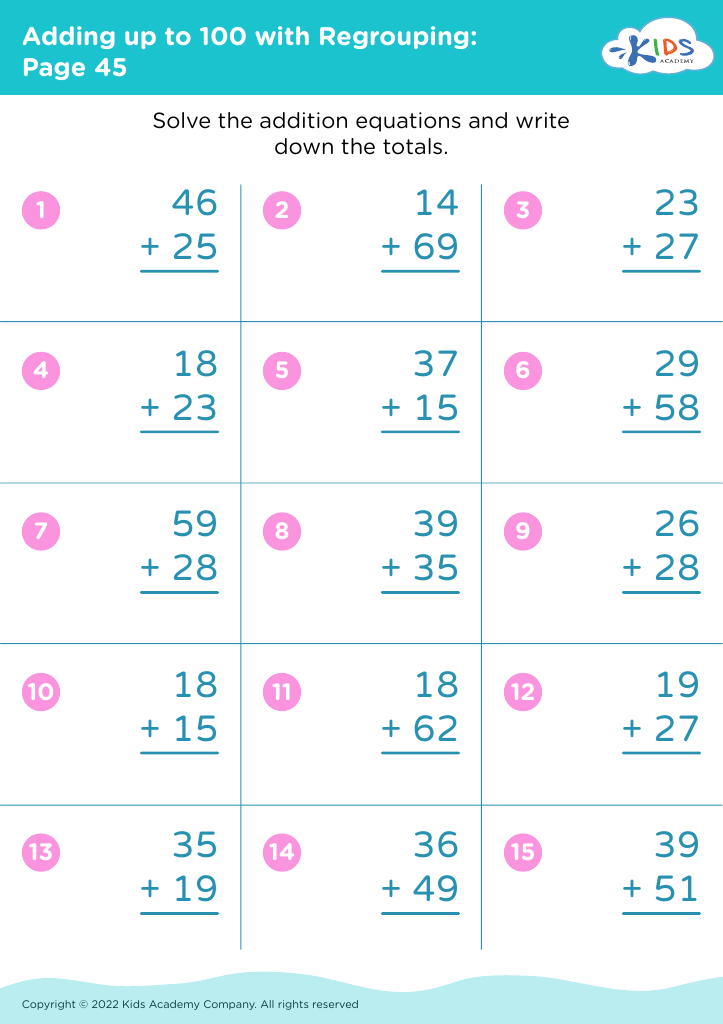
    Adding up to 100 with Regrouping: Page 45
    Adding up to 100 with Regrouping: Page 45
    Adding up to 100 with Regrouping: Page 45
    Worksheet
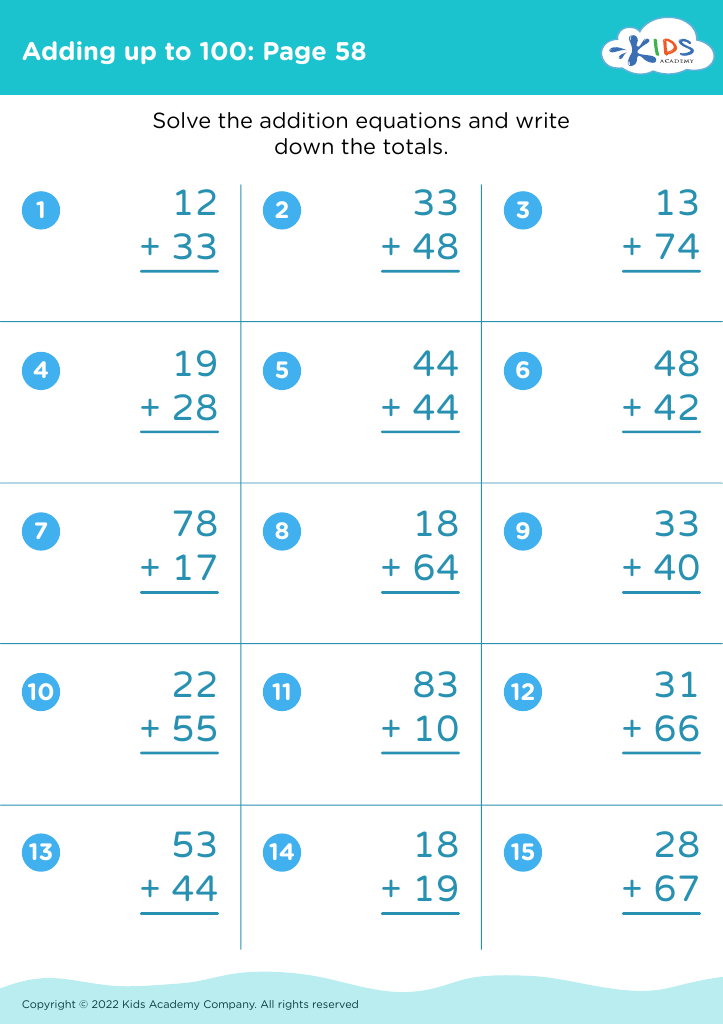
    Adding up to 100: Page 58
    Adding up to 100: Page 58

    Adding up to 100: Page 58

    Adding up to 100: Page 58
    Worksheet
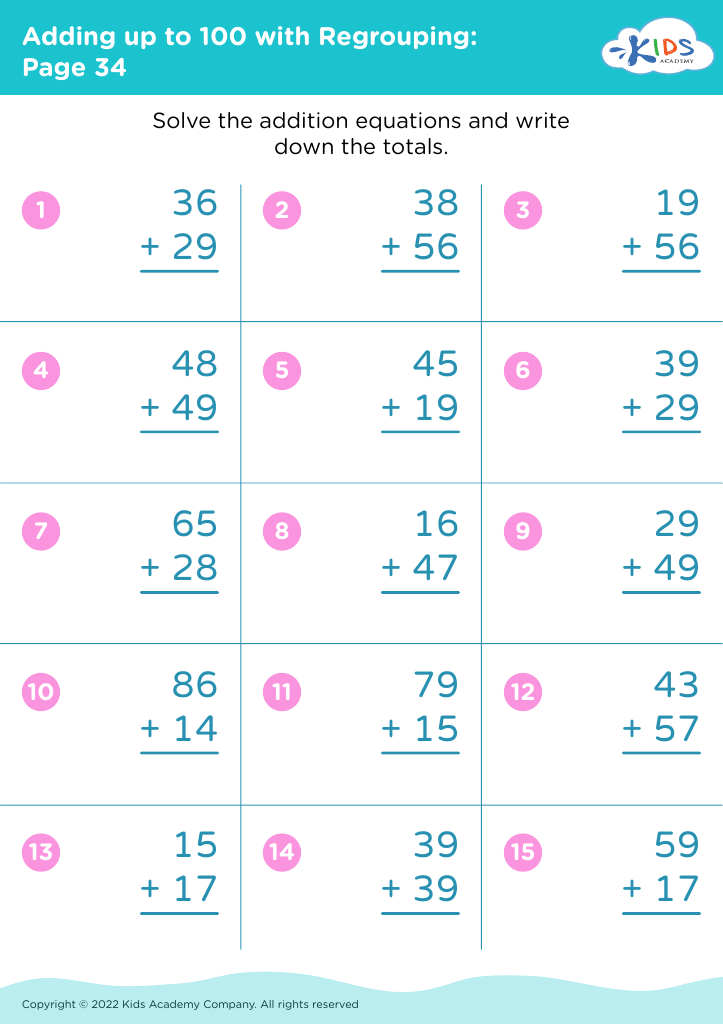
    Adding up to 100 with Regrouping: Page 34
    Adding up to 100 with Regrouping: Page 34
    Adding up to 100 with Regrouping: Page 34
    Worksheet


    Parents and teachers should care about teaching children aged 3-8 to add up to 100 because it lays a critical foundation for their future academic and life skills. At this developmental stage, children's brains are highly receptive to learning new concepts. Introducing them to adding up to 100 helps enhance their numerical literacy, giving them confidence and proficiency with numbers.

    Early mastery of addition sparks curiosity and a positive attitude toward math, turning it into a fun and engaging subject rather than something intimidating. This skill also bolsters problem-solving capabilities and logical thinking, which are essential not just in mathematics but also in daily decision-making and problem-resolution scenarios.

    On a practical level, understanding addition up to 100 aids children in everyday activities, such as time management, handling money, and recognizing patterns. These skills are directly applicable to real-world situations, building their self-reliance and independence. Furthermore, achieving this milestone prepares them for more advanced math concepts taught in higher grades, fostering a smoother academic progression.

    By prioritizing the development of early addition skills, parents and teachers set children on a path towards academic success and lifelong numeracy. This empowers them to approach more complex challenges with confidence and competence, setting them up for a stronger educational journey.