Filters

21 filtered results

Clear all filters
Favorites
With answer key
Interactive

21 filtered results

Difficulty Level

Grade


Our "Basic Addition & Subtraction Worksheets for Ages 3-8" are expertly crafted to make learning fun and engaging for young children. Designed to build fundamental math skills, these worksheets help kids master essential concepts like counting, addition, and subtraction through colorful illustrations and interactive exercises. Perfect for preschoolers to early elementary students, these resources boost confidence and enhance problem-solving abilities. Whether you're supplementing classroom learning or practicing at home, our worksheets provide the foundation for future math success. Explore a world of learning today and help your child develop critical thinking skills effortlessly!
Check out this FREE Trial Lesson on Addition & Subtraction for age 3-8!

A

Favorites
With answer key
Interactive
  • 3-8
  • Basic Addition
  • Addition & Subtraction
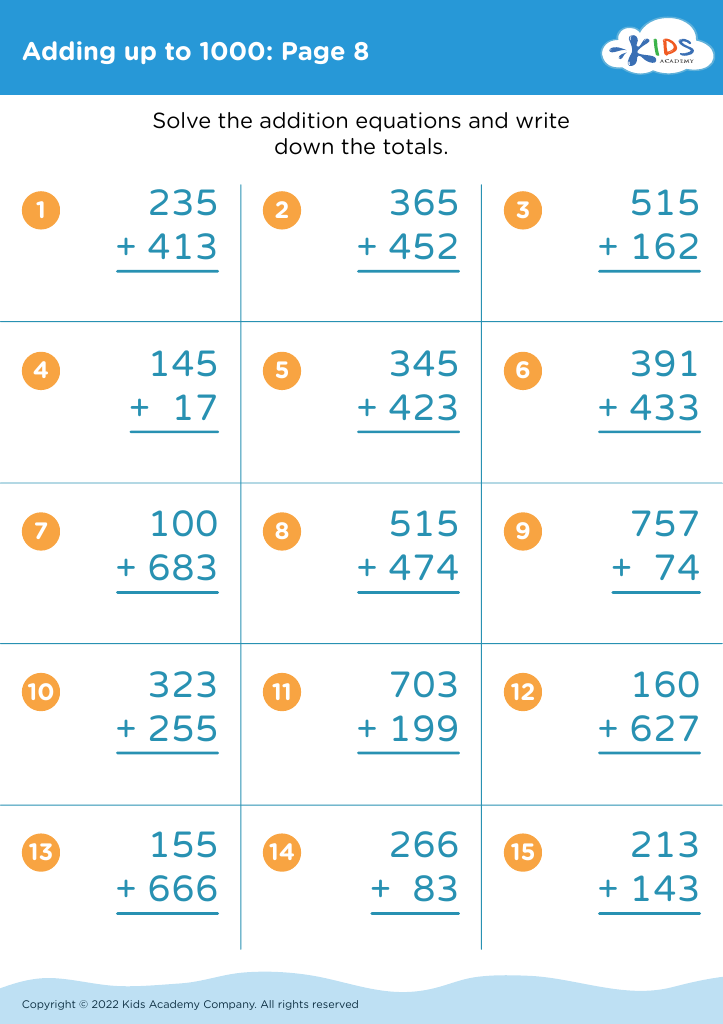
Adding up to 1000: Page 8

Adding up to 1000: Page 8

Adding up to 1000: Page 8
Worksheet
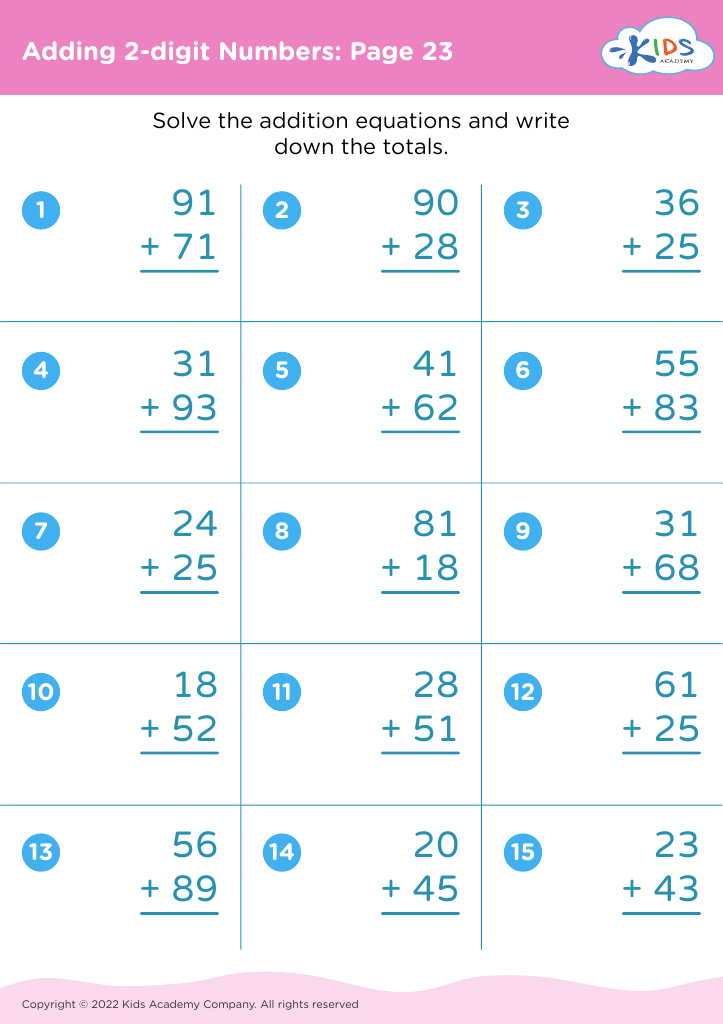
Adding 2-digit Numbers: Page 23

Adding 2-digit Numbers: Page 23

Adding 2-digit Numbers: Page 23
Worksheet
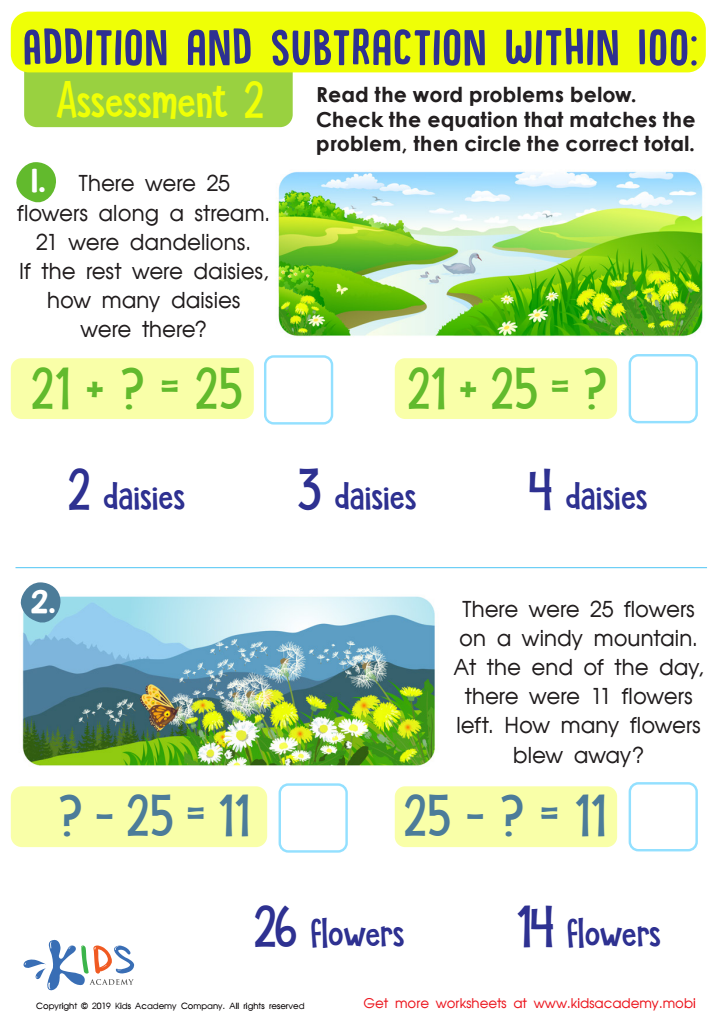
Assessment 2 Math Worksheet

Assessment 2 Math Worksheet

Using fun exercises and pictures, you can get kids excited about math. With practice and reminders of what they've learnt, they'll be solving simple addition and subtraction equations with ease. Read the word problems in the picture to them, then help them check the equation and choose the correct answer.
Assessment 2 Math Worksheet
Worksheet
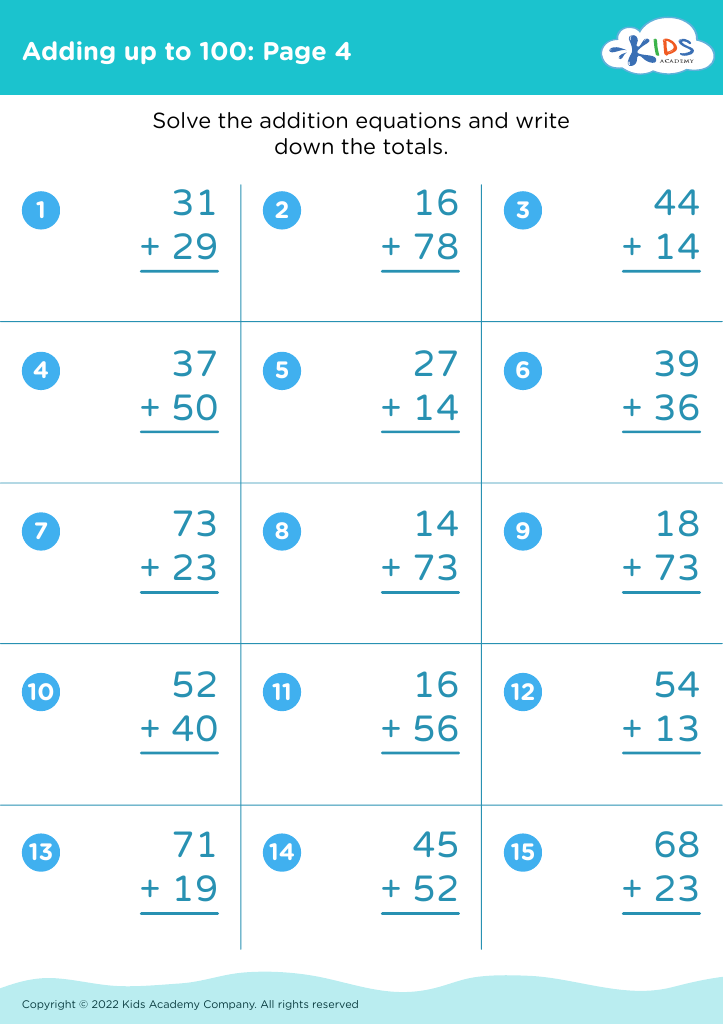
Adding up to 100: Page 4

Adding up to 100: Page 4

Adding up to 100: Page 4
Worksheet
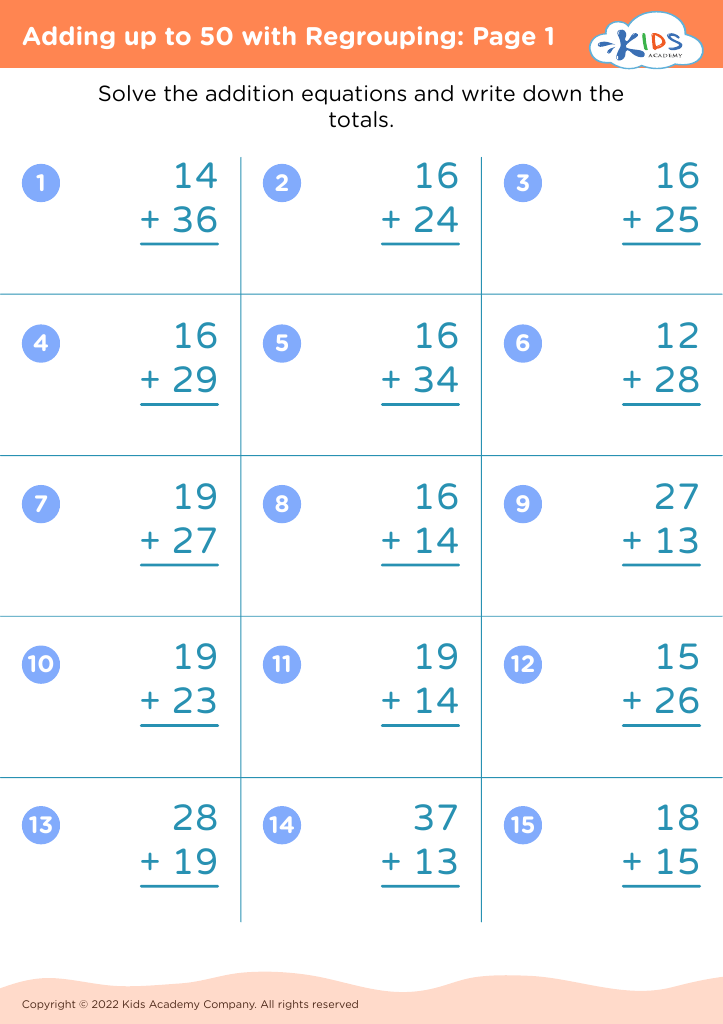
Adding up to 50 with Regrouping: Page 1
Worksheet
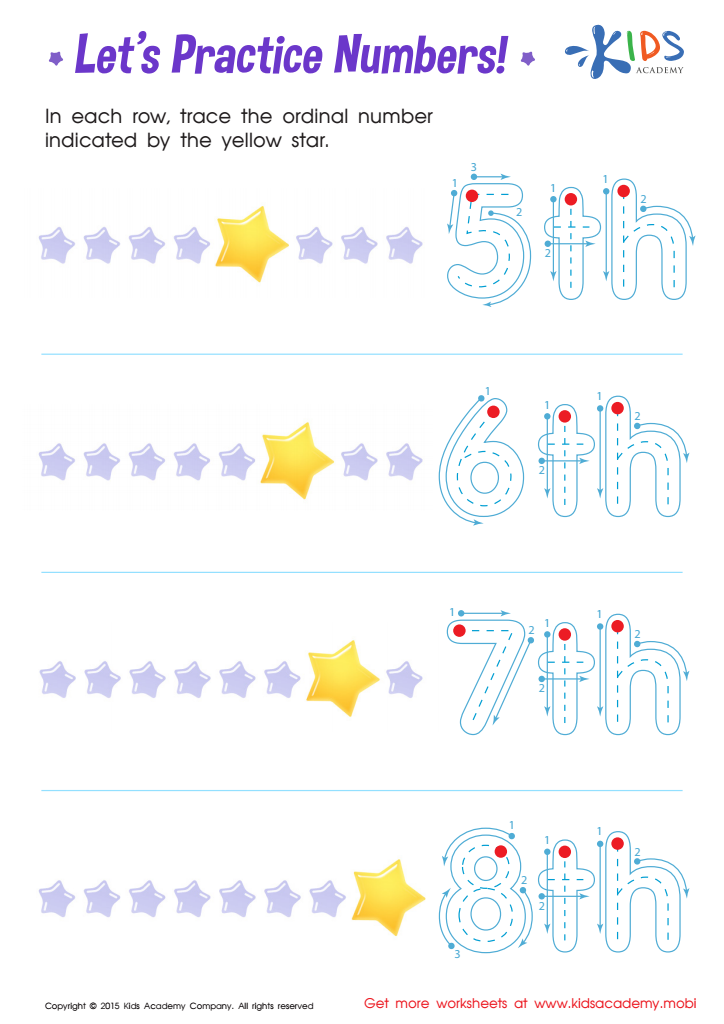
Practice Ordinal Numbers Worksheets PDF
Ordinal Numbers: Let's Practice Numbers Printable
Worksheet
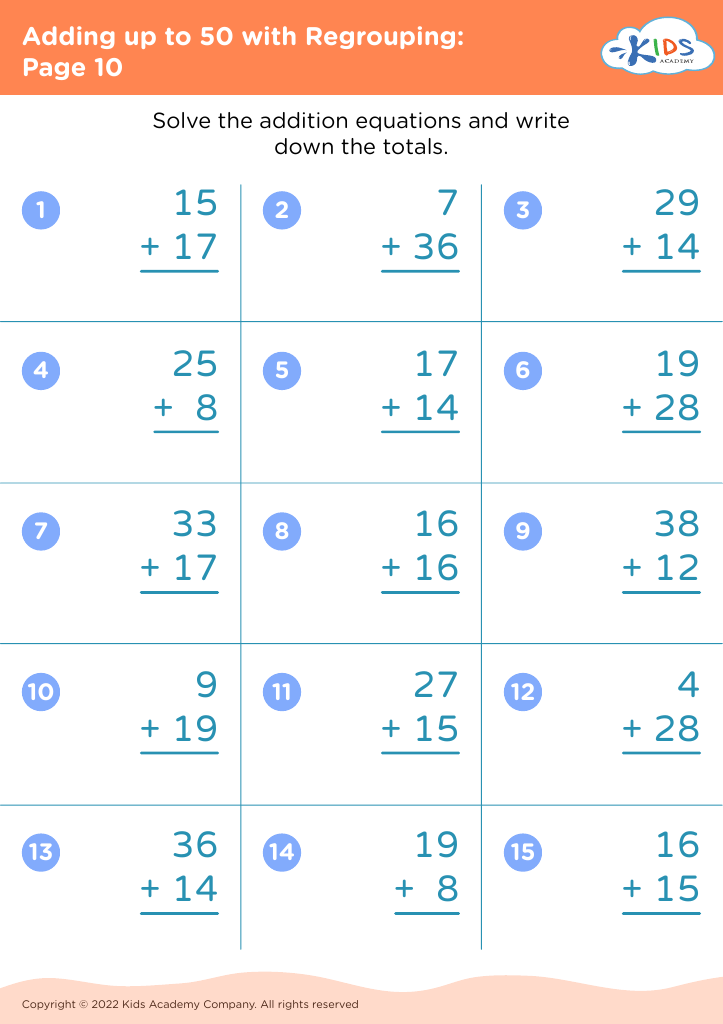
Adding up to 50 with Regrouping: Page 10
Worksheet
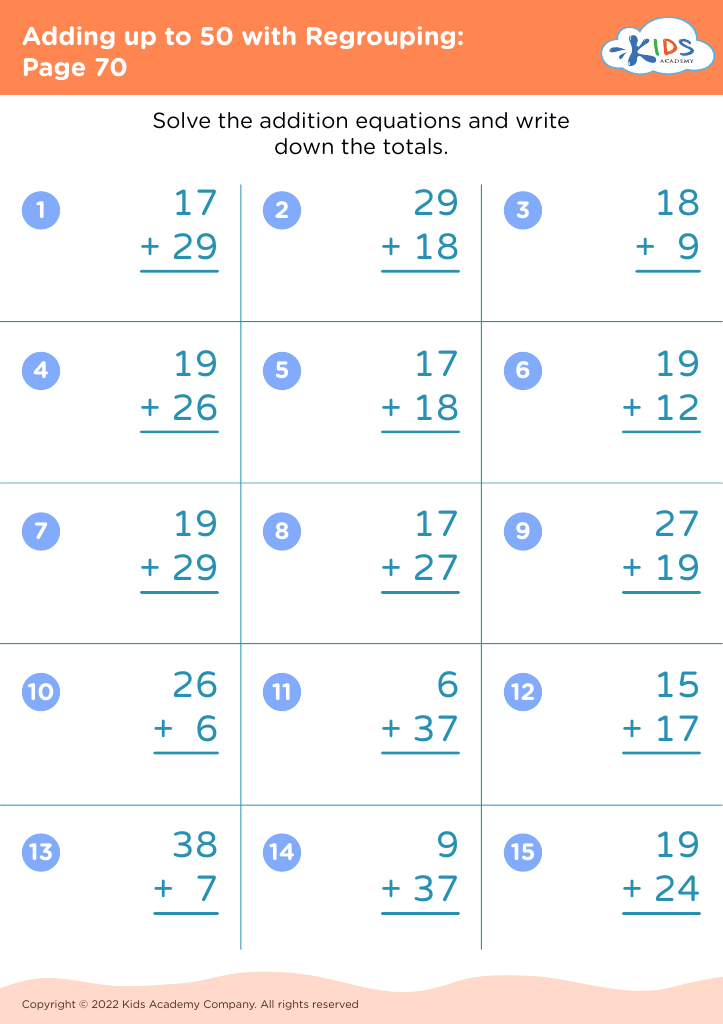
Adding up to 50 with Regrouping: Page 70
Worksheet
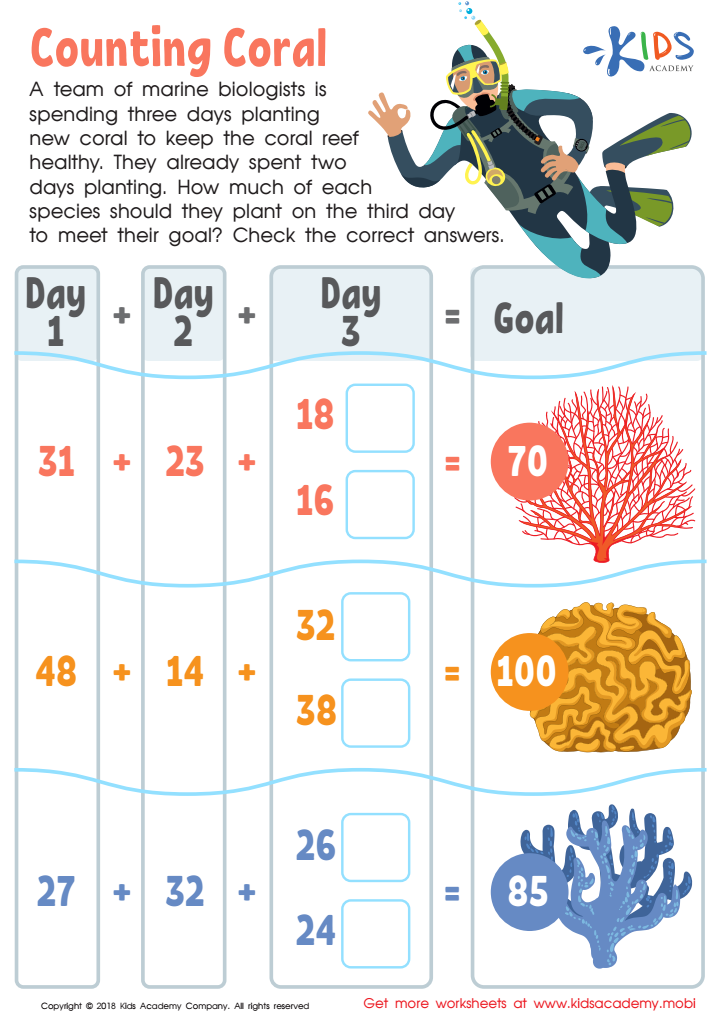
Counting Coral Worksheet

Counting Coral Worksheet

Introduce your child to the team of marine biologists planting coral to keep a reef healthy. They've planted for two days and need to figure out how much of each specie to plant on the third day to reach their goal. Help your child answer the questions on the printout and learn what it takes to be a marine biologist.
Counting Coral Worksheet
Worksheet
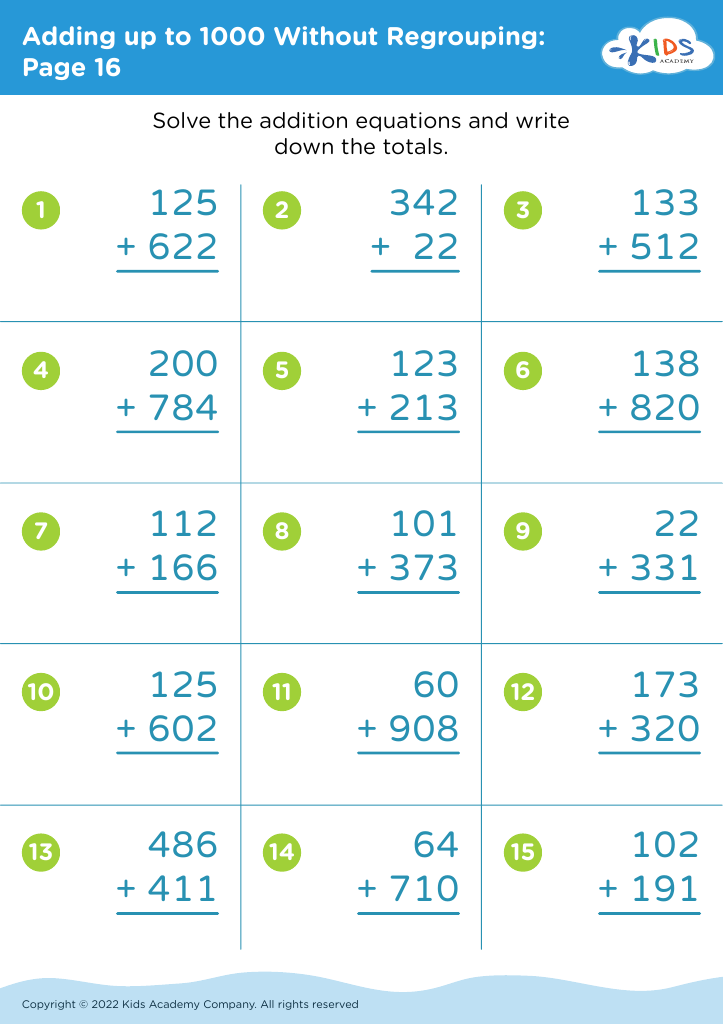
Adding up to 1000 Without Regrouping: Page 16
Worksheet
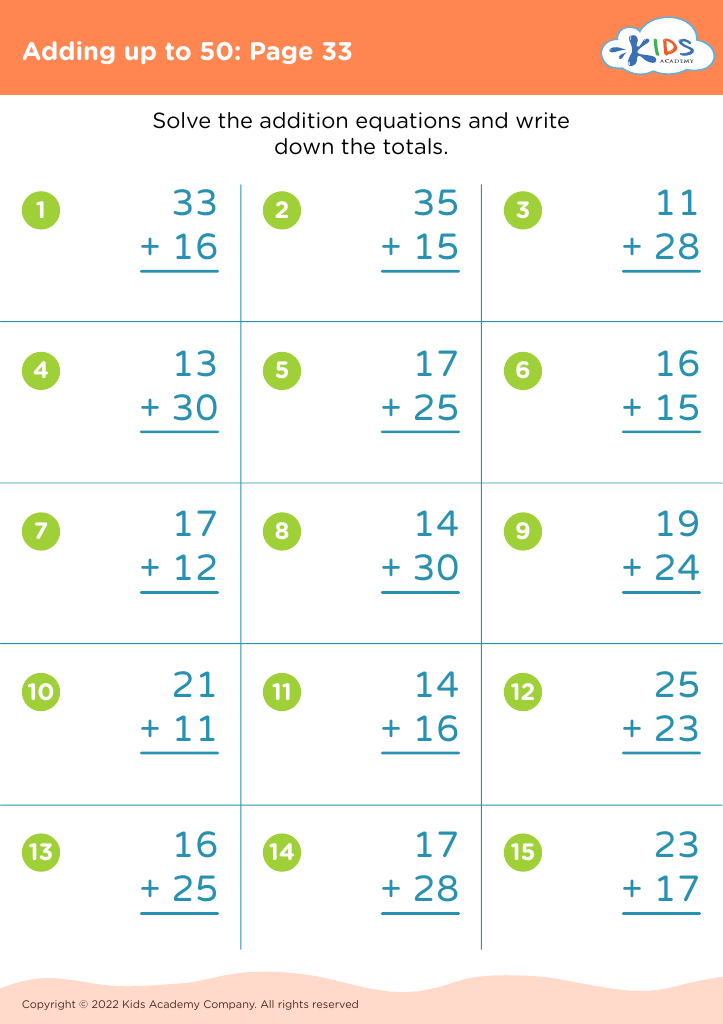
Adding up to 50: Page 33

Adding up to 50: Page 33

Adding up to 50: Page 33
Worksheet
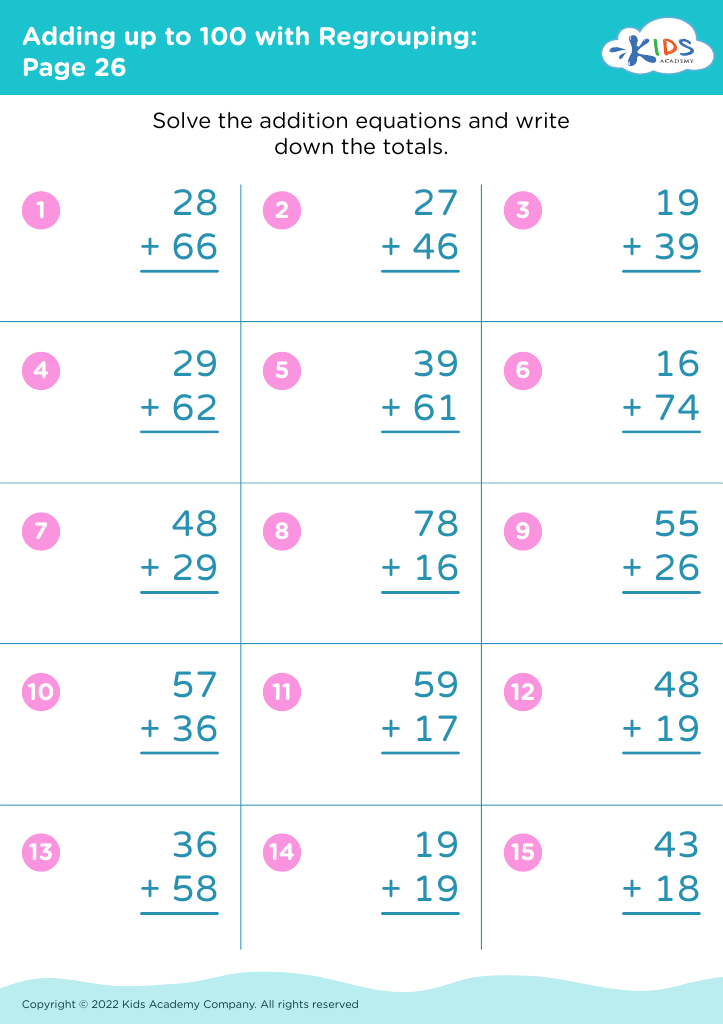
Adding up to 100 with Regrouping: Page 26
Worksheet
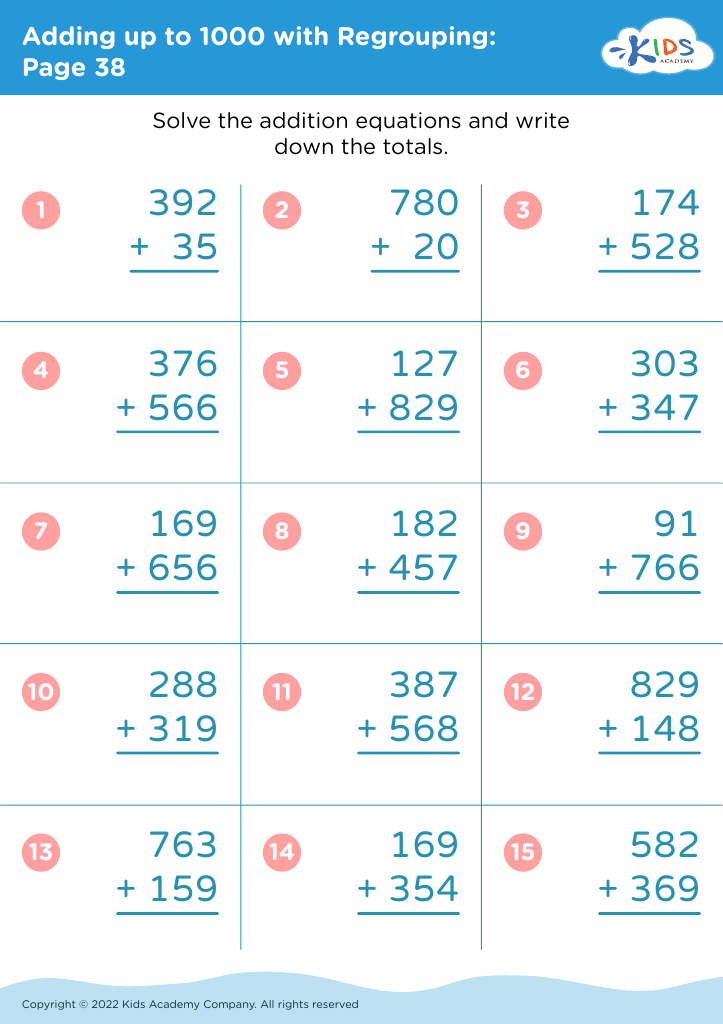
Adding up to 1000 with Regrouping: Page 38
Worksheet
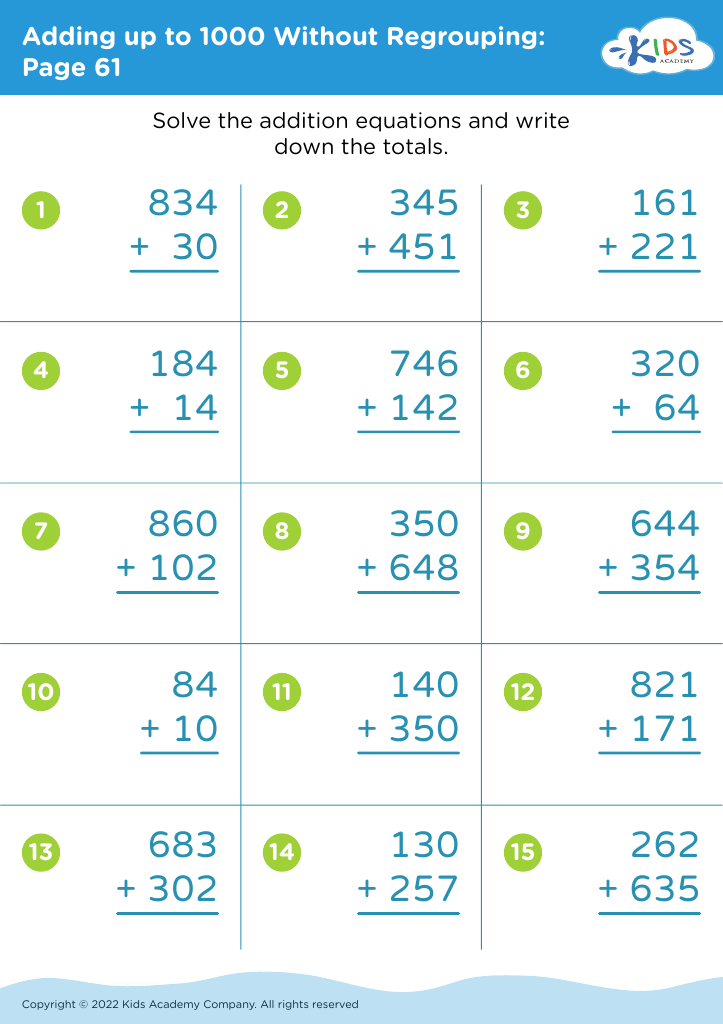
Adding up to 1000 Without Regrouping: Page 61
Worksheet
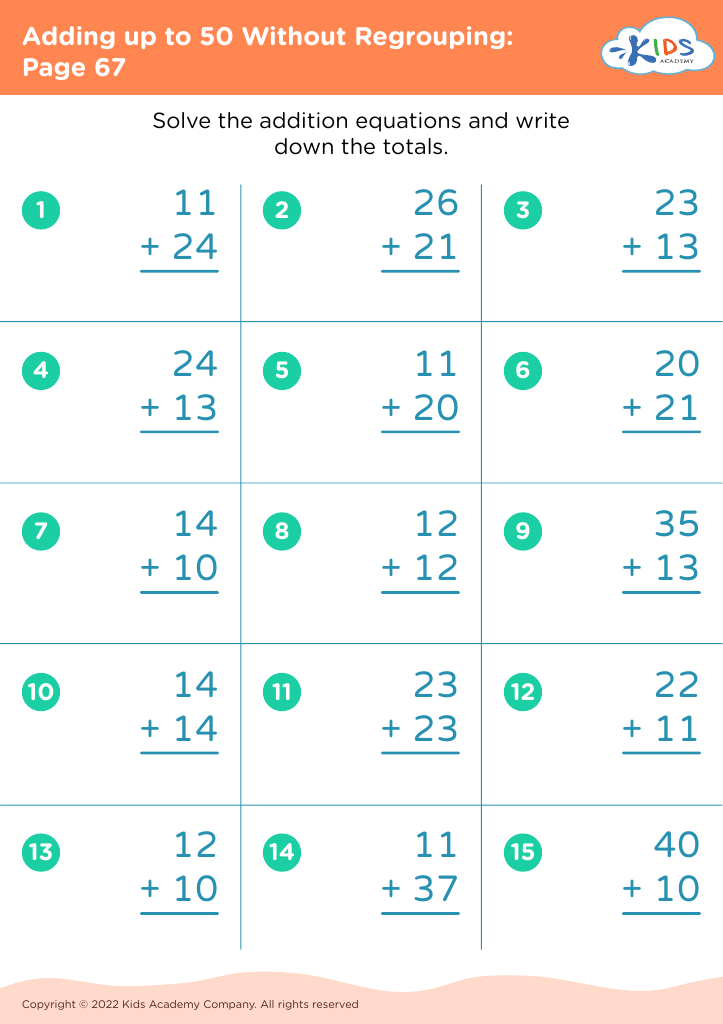
Adding up to 50 Without Regrouping: Page 67
Worksheet
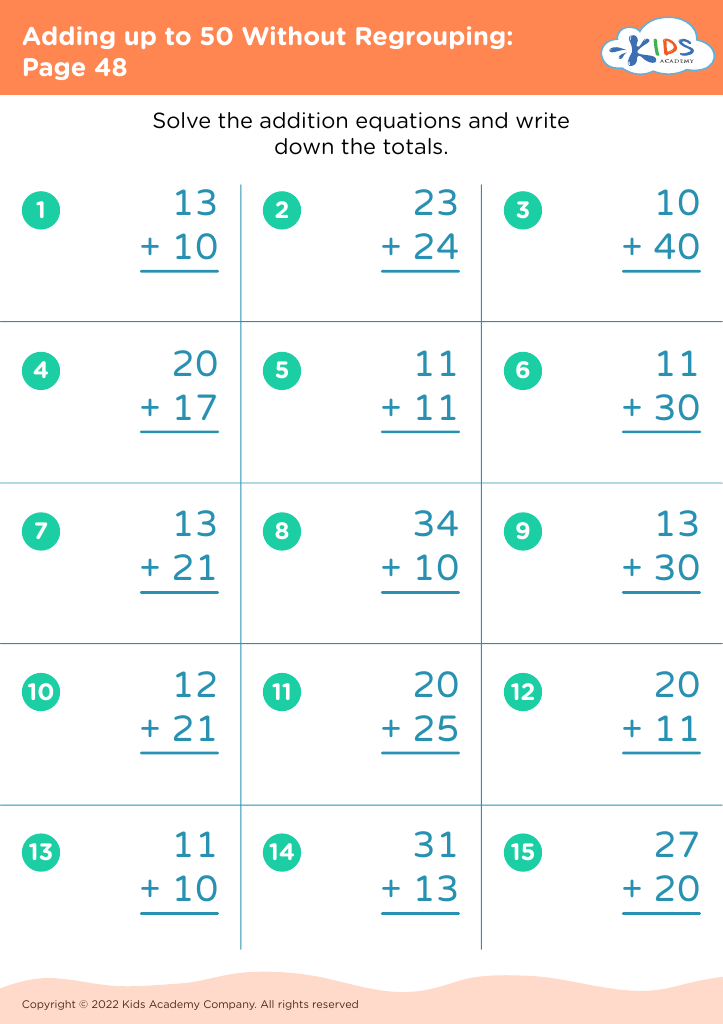
Adding up to 50 Without Regrouping: Page 48
Worksheet
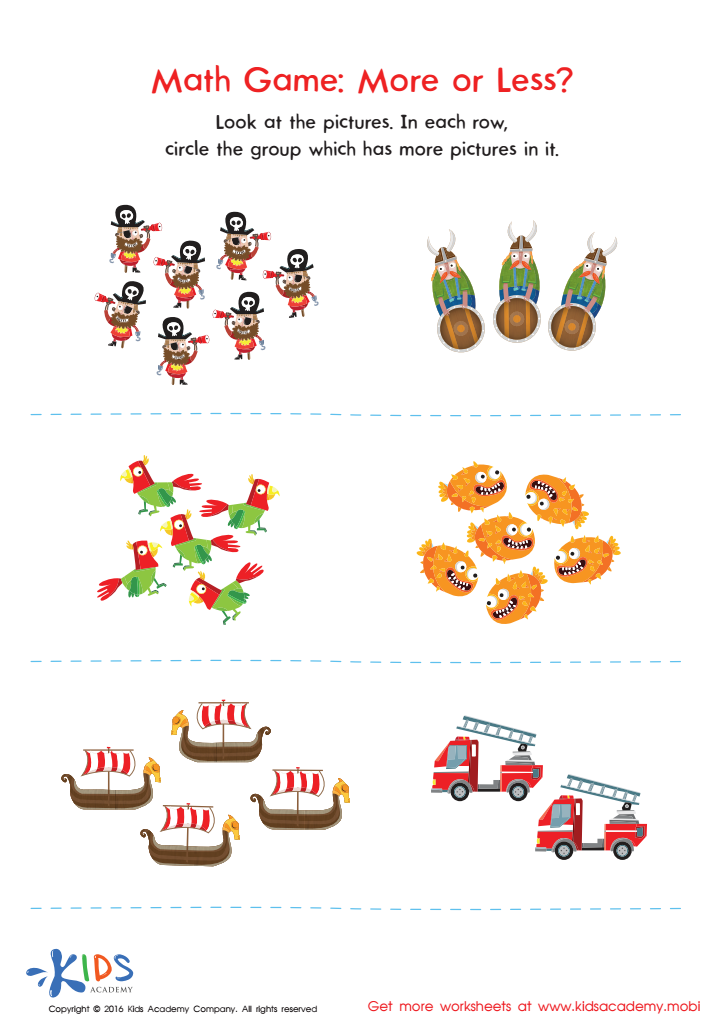
Free Printable More or Less Worksheets for Kindergarten

More or Less Worksheet

Counting and understanding quantity are essential skills for kindergarteners. Get your free printable more or less worksheet now!
More or Less Worksheet
Worksheet
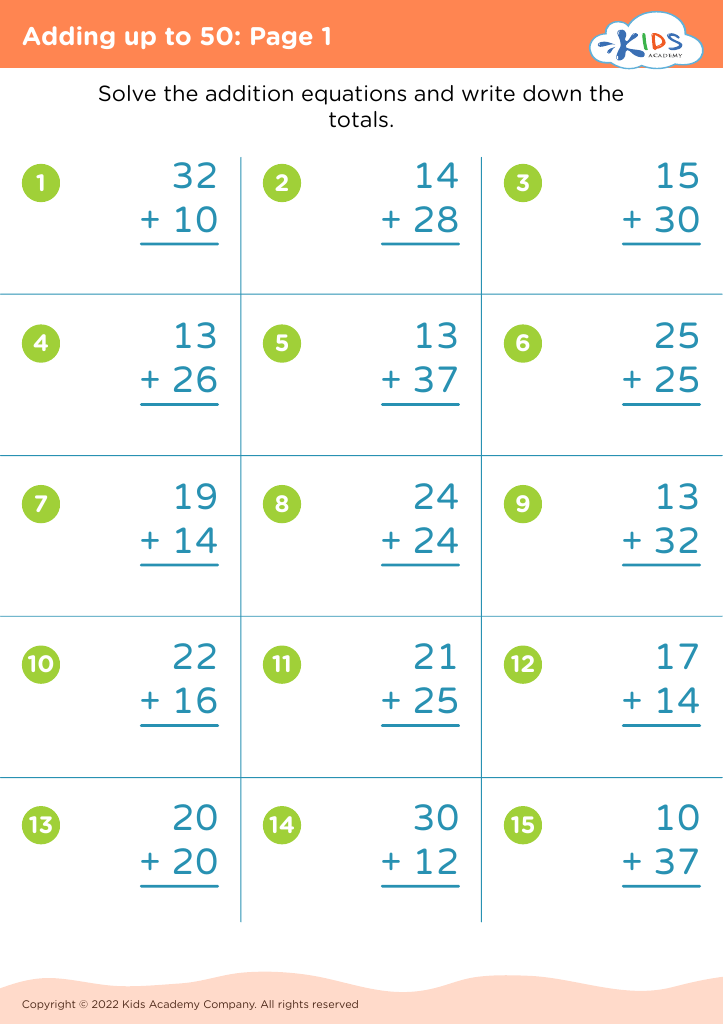
Adding up to 50: Page 1

Adding up to 50: Page 1

Adding up to 50: Page 1
Worksheet
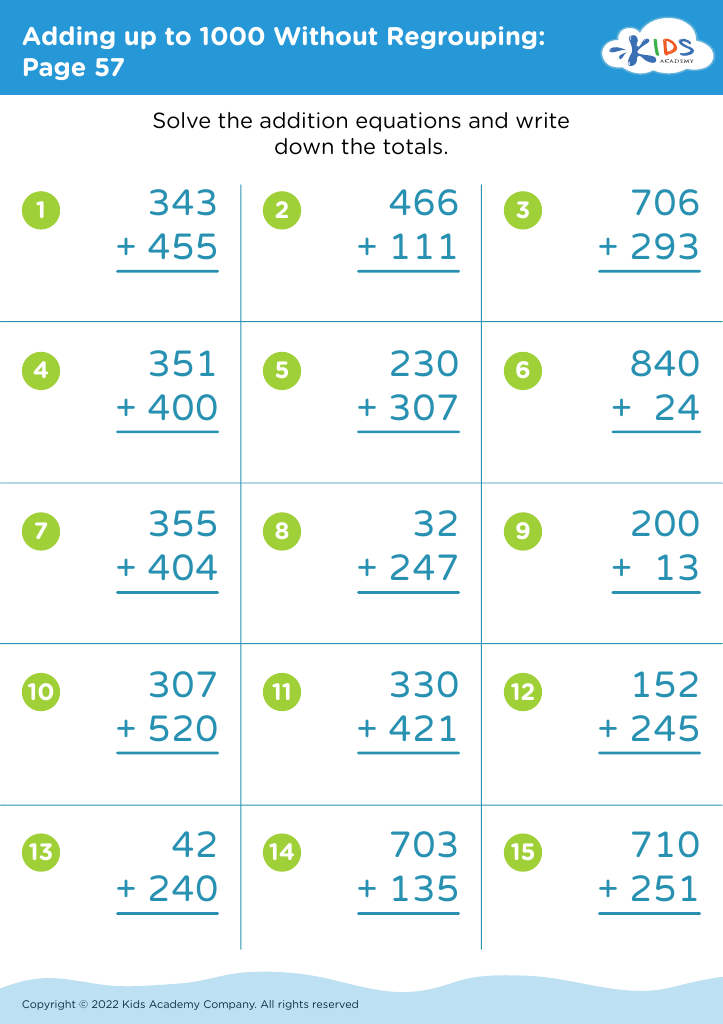
Adding up to 1000 Without Regrouping: Page 57
Worksheet
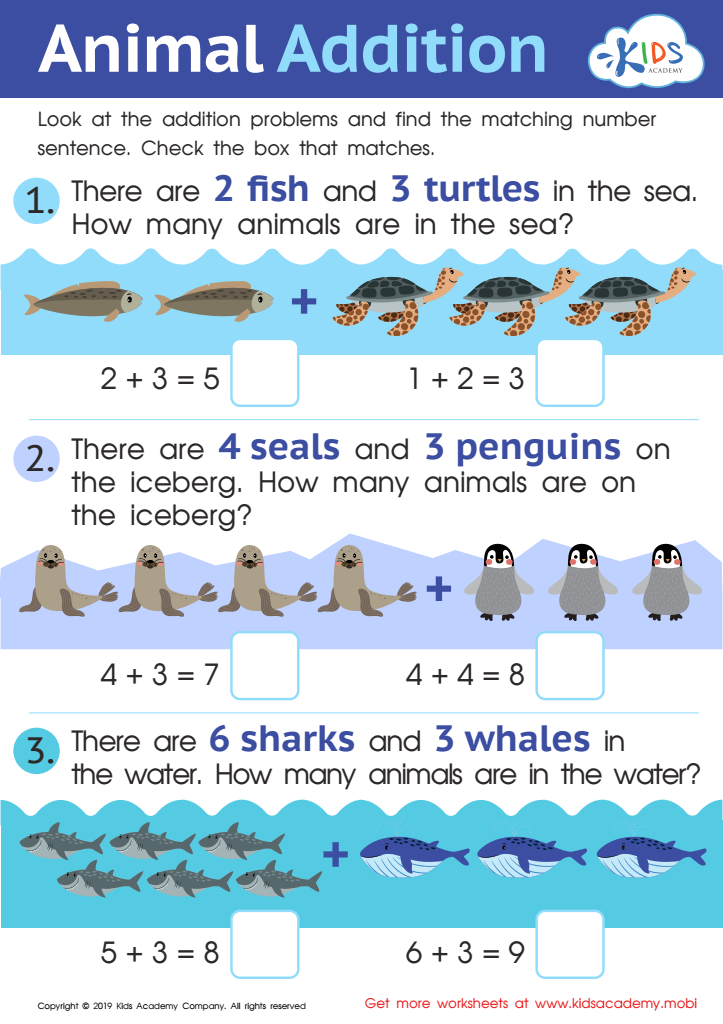
Animal Addition Worksheet

Animal Addition Worksheet

Get your kids learning addition and subtraction with this fun worksheet! Show them that solving equations can be enjoyable and help them match number sentences to the correct boxes. By doing this together, you'll create a positive learning experience that your kids won't forget.
Animal Addition Worksheet
Worksheet
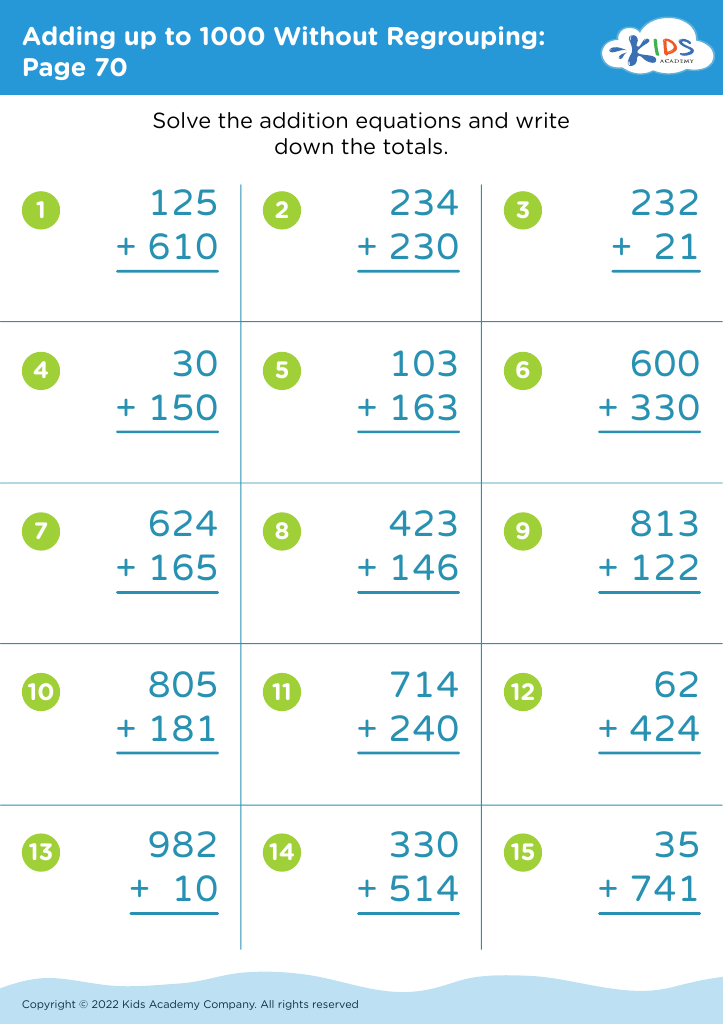
Adding up to 1000 Without Regrouping: Page 70
Worksheet


Parents and teachers should care about basic addition and subtraction for ages 3-8 because these fundamental skills form the cornerstone of early mathematical understanding. During this developmental period, children are highly receptive to new concepts and establishing a strong numerical foundation can significantly influence their future academic success.

Basic addition and subtraction are not just math skills; they foster critical thinking and problem-solving abilities. By mastering these operations, children learn to manipulate numbers, recognize patterns, and develop logical reasoning. These skills are crucial for understanding more advanced mathematical concepts later in their education.

Furthermore, developing early math skills boosts children's confidence and provides a sense of achievement. When young children can successfully solve basic math problems, it enhances their self-esteem and creates a positive attitude towards learning in general.

Engaging children in collaborative math activities can also foster social skills, such as taking turns, listening, and cooperating with peers. Learning math at a young age through playful and interactive methods encourages a love for the subject, laying a foundation for continuous learning.

By prioritizing basic addition and subtraction, parents and teachers ensure that children are well-prepared for future academic challenges, setting them on a path to success both in academics and in everyday life.