Fine Motor Skills Numbers Worksheets for Ages 3-8 - Page 3
86 filtered results
-
From - To
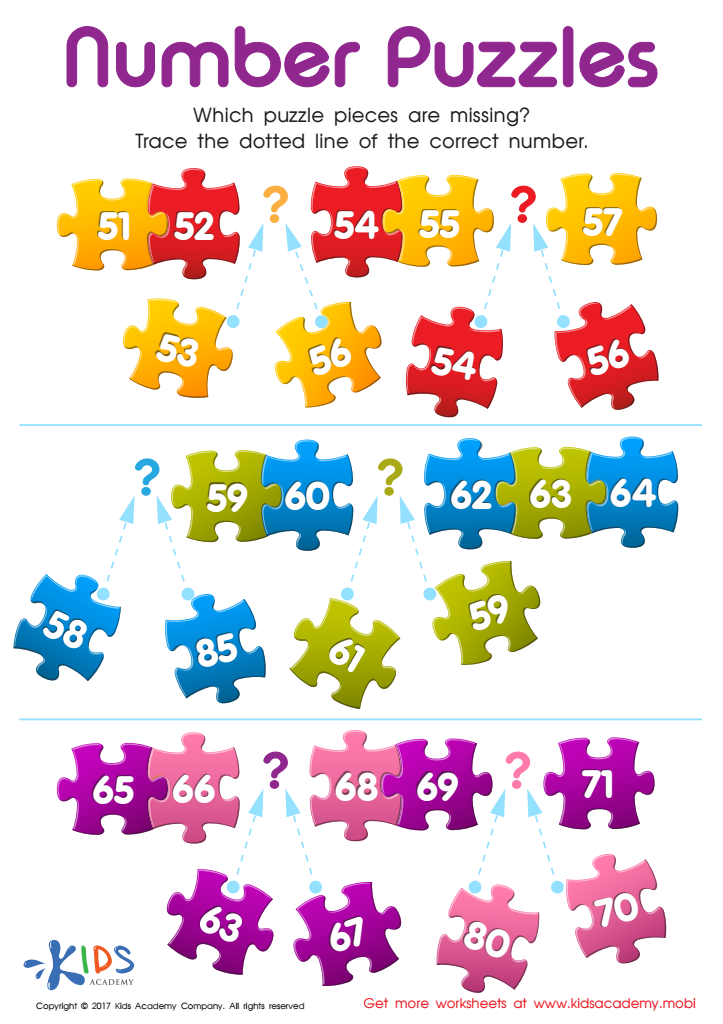
Number Puzzles Worksheet
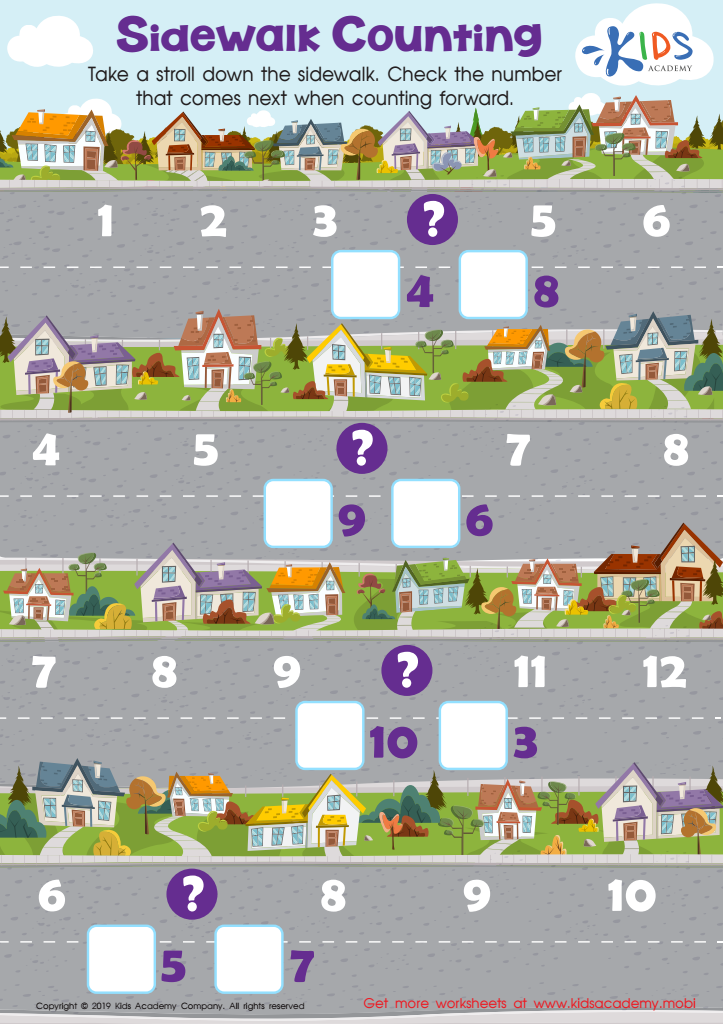
Sidewalk Counting Worksheet
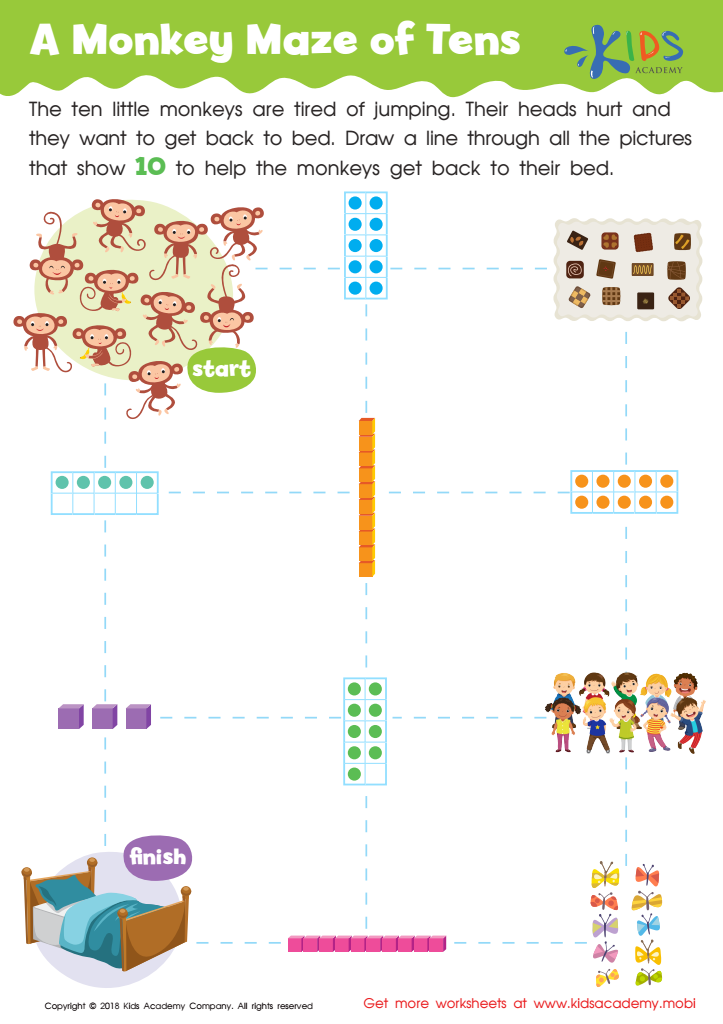
A Monkey Maze of Tens Worksheet
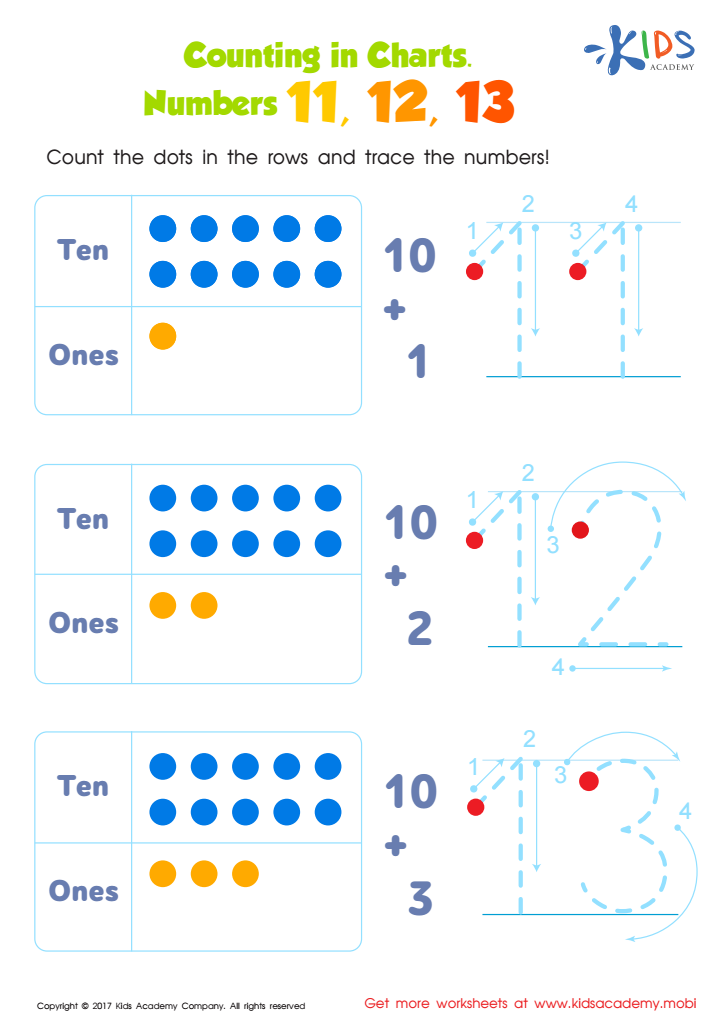
Number Tracing Worksheet For Kindergarten
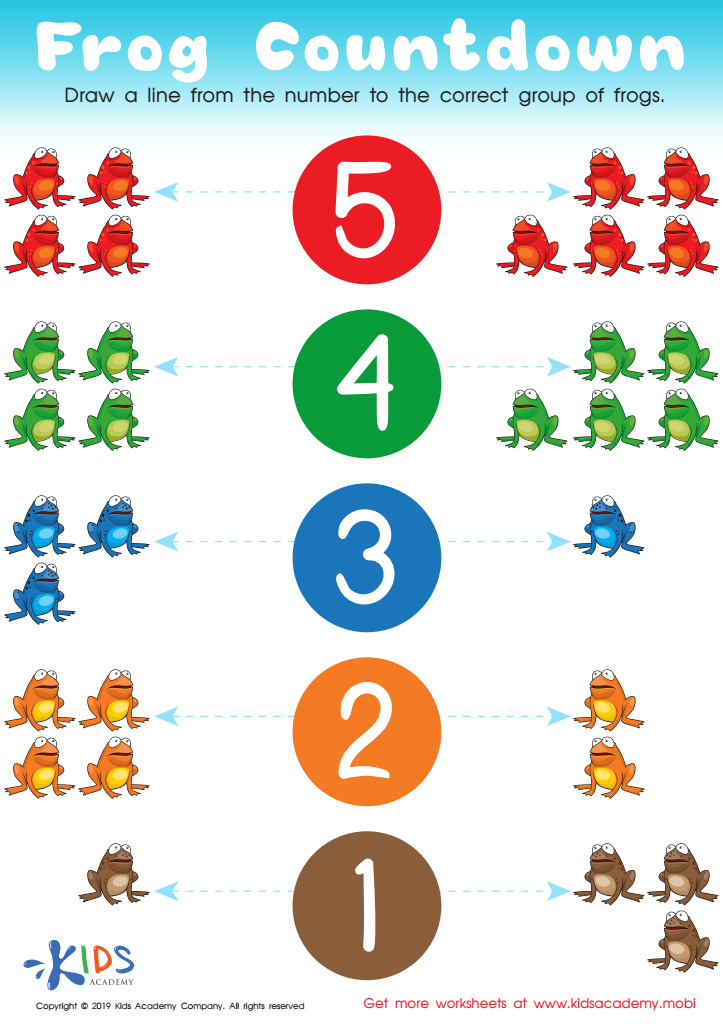
Frog Countdown Worksheet

Eight Geese Worksheet

Pirate Ship Connect Dots Worksheet
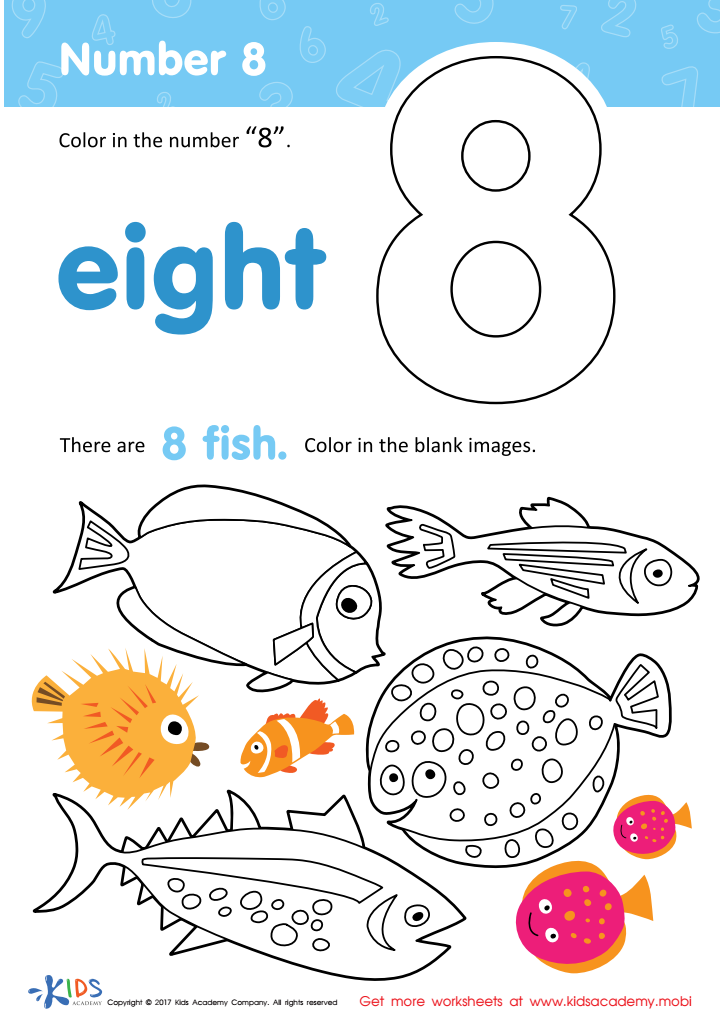
Number 8 Printable
 Assign to My Students
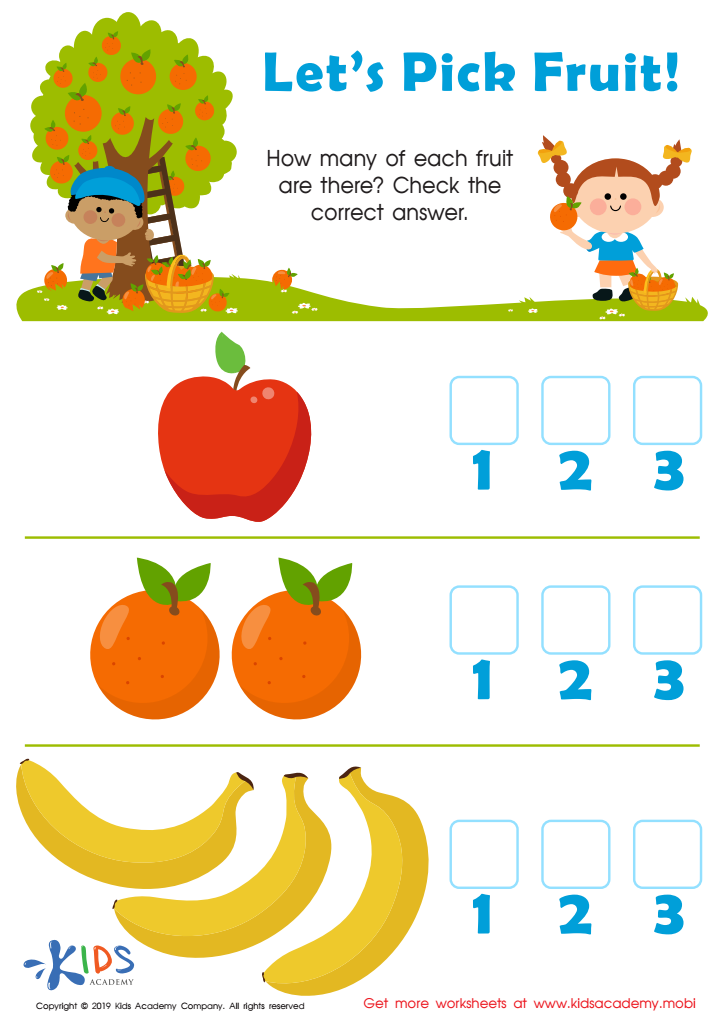
Let's Pick Fruit Worksheet
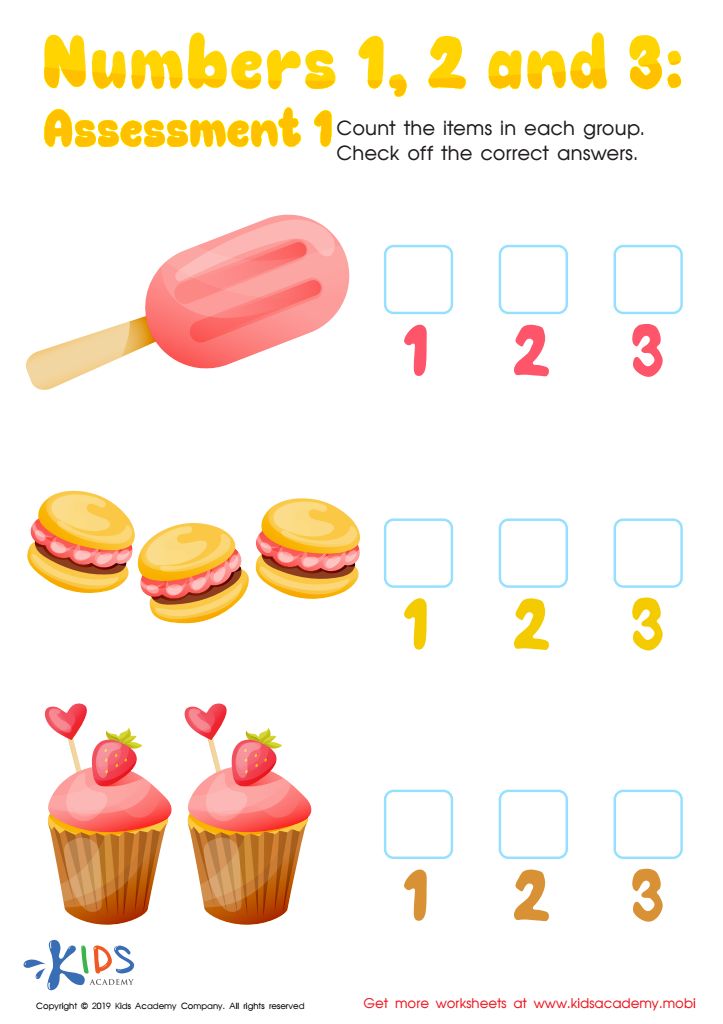
Numbers 1, 2 and 3: Assessment 1 Worksheet
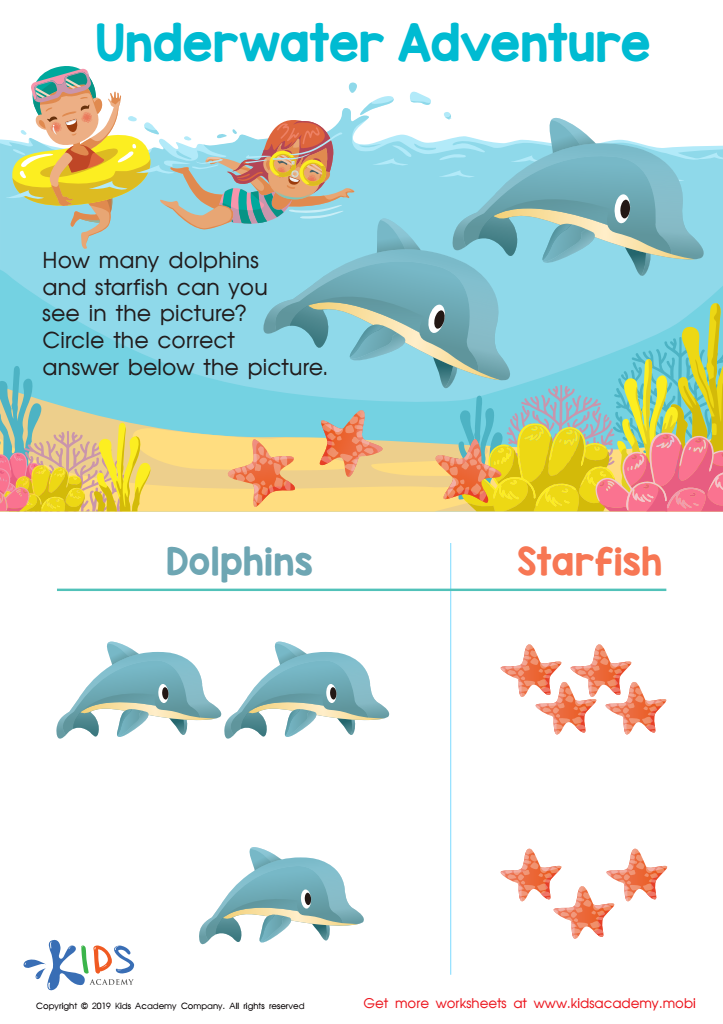
Underwater Adventure Worksheet
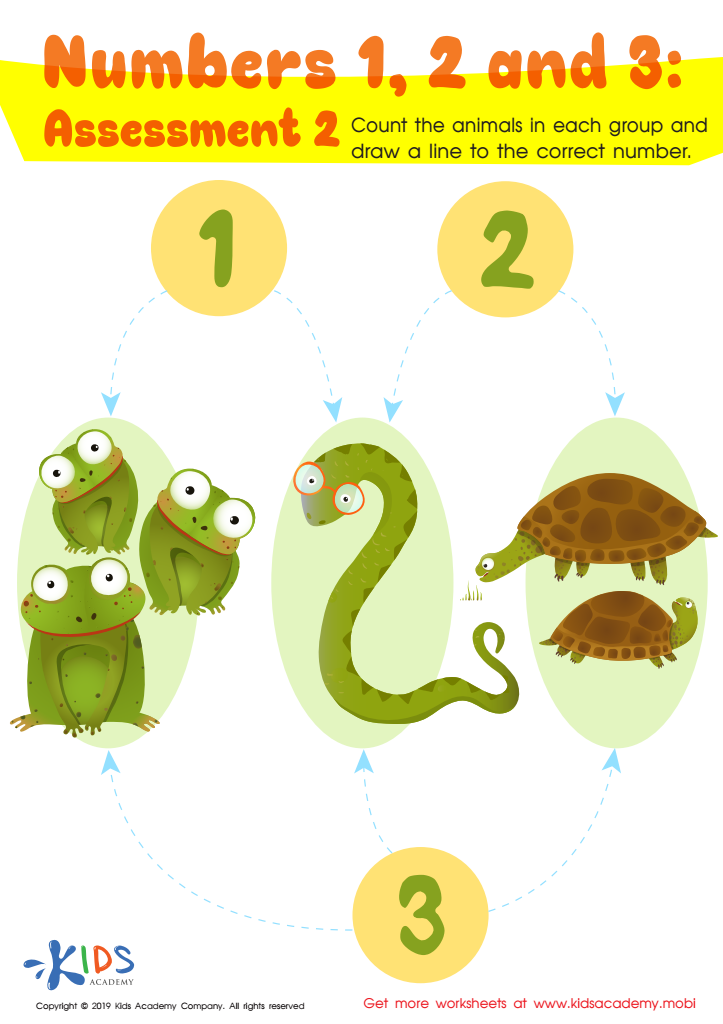
Numbers 1, 2 and 3: Assessment 2 Worksheet
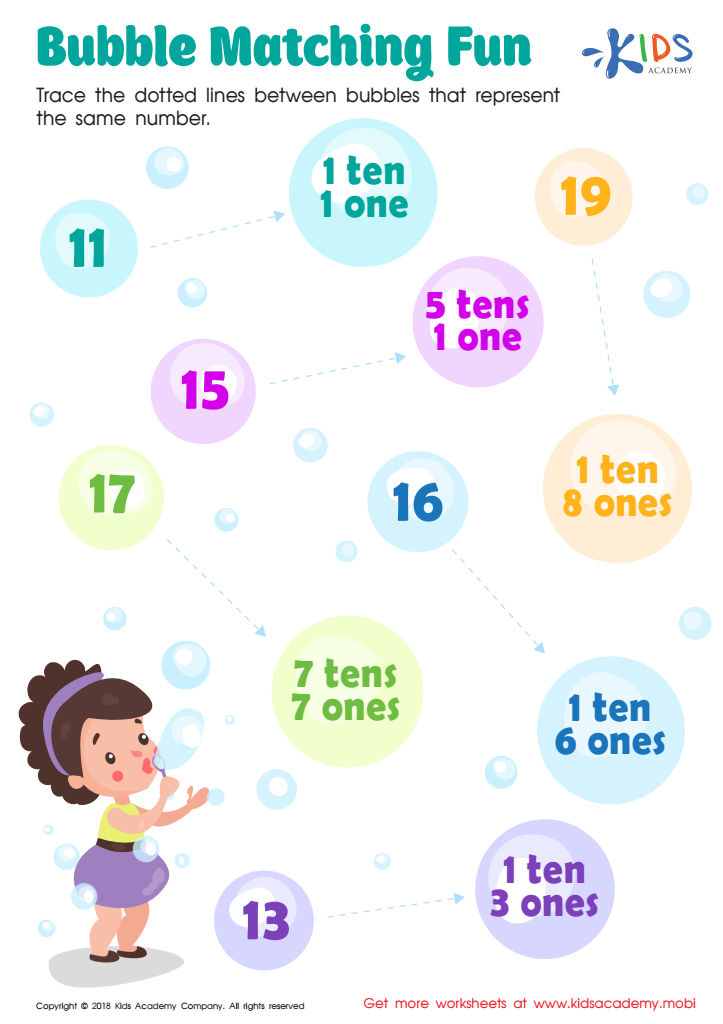
Bubble Matching Fun Worksheet
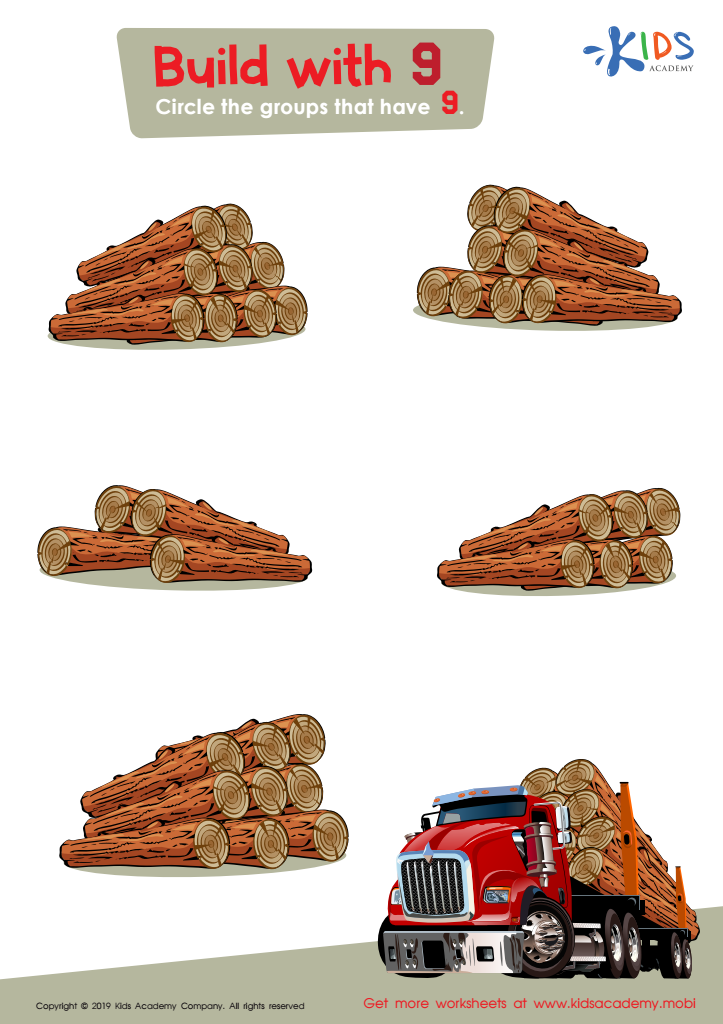
Build with 9 Worksheet
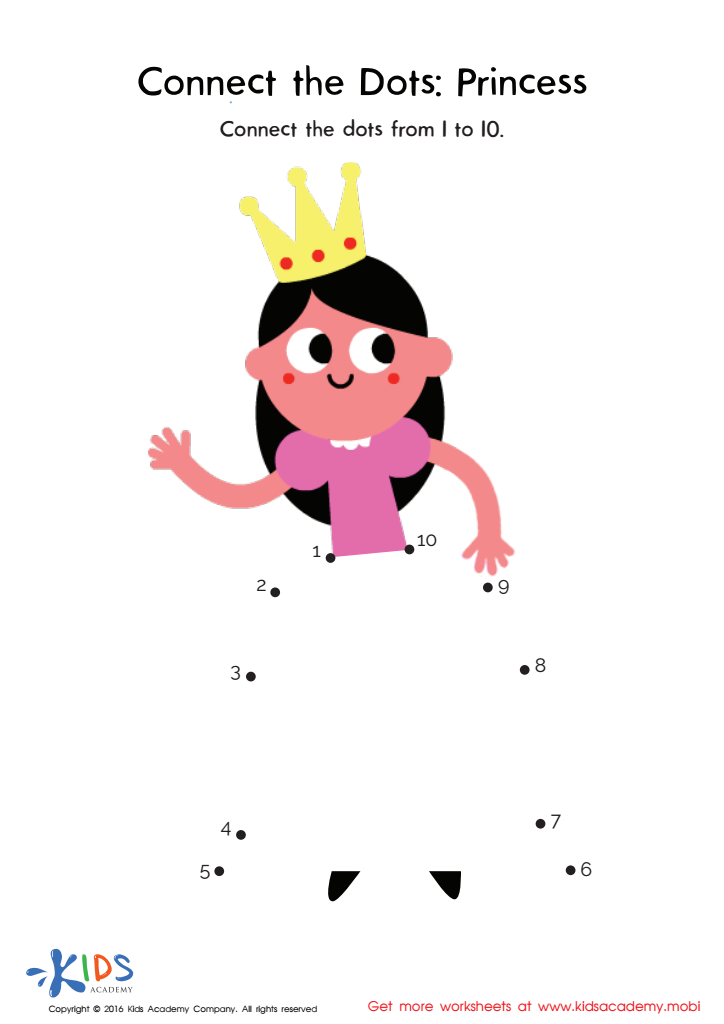
Princess Connect Dots Worksheet
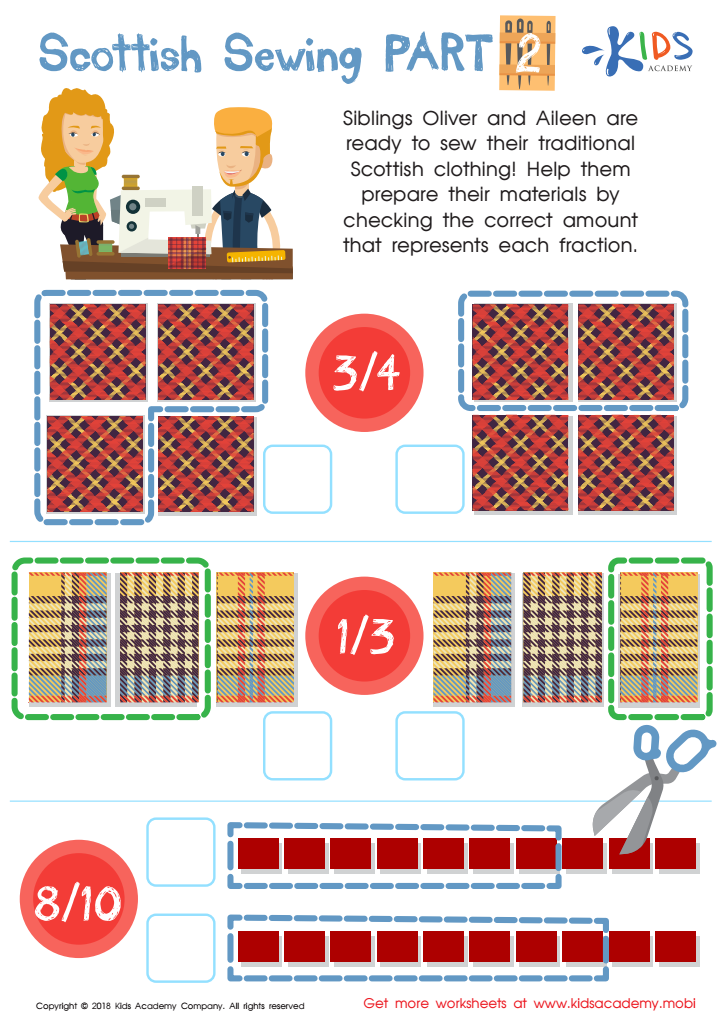
Scottish Sewing Part 2 Worksheet
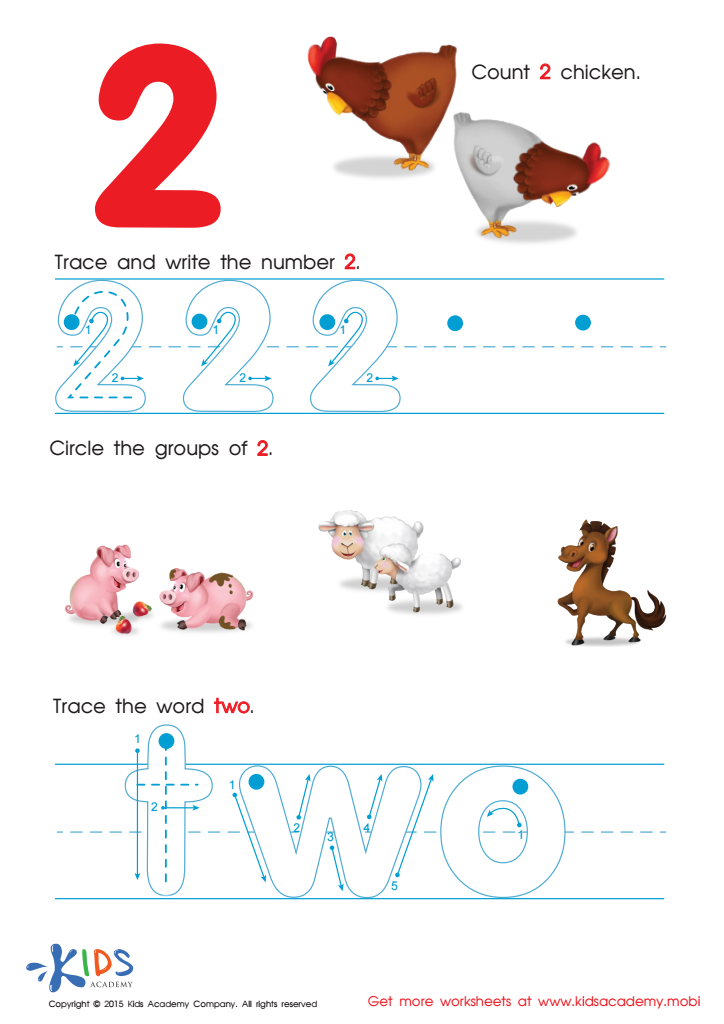
Learn to Write the Number 2 Worksheet
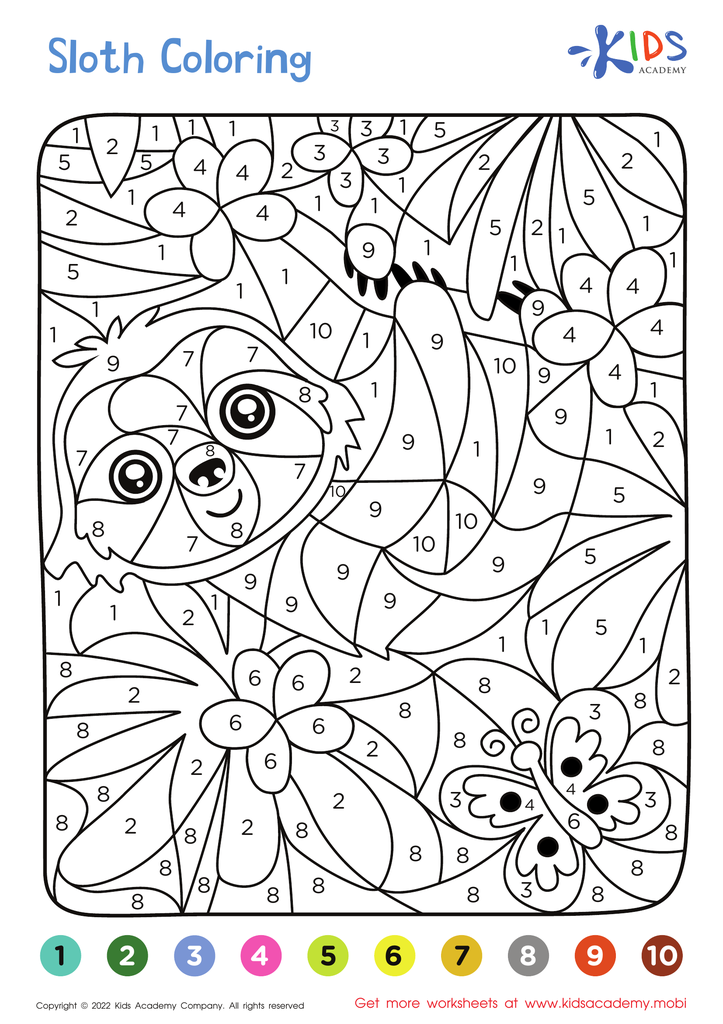
Sloth – Coloring by Numbers
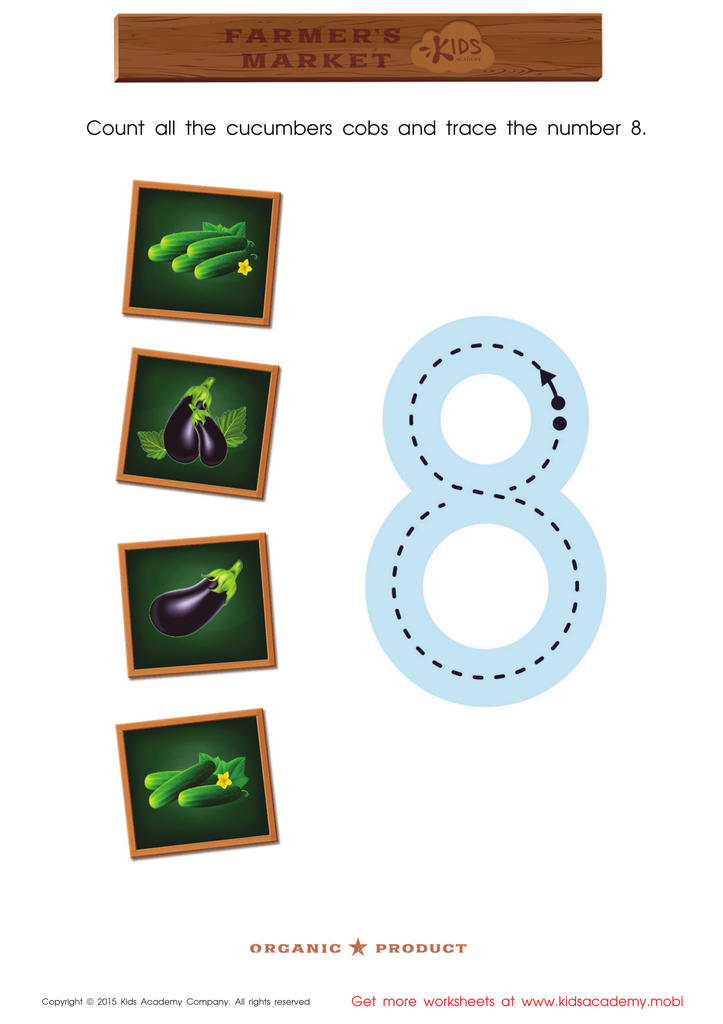
Count the Cucumbers and Trace the Number 8 Printable
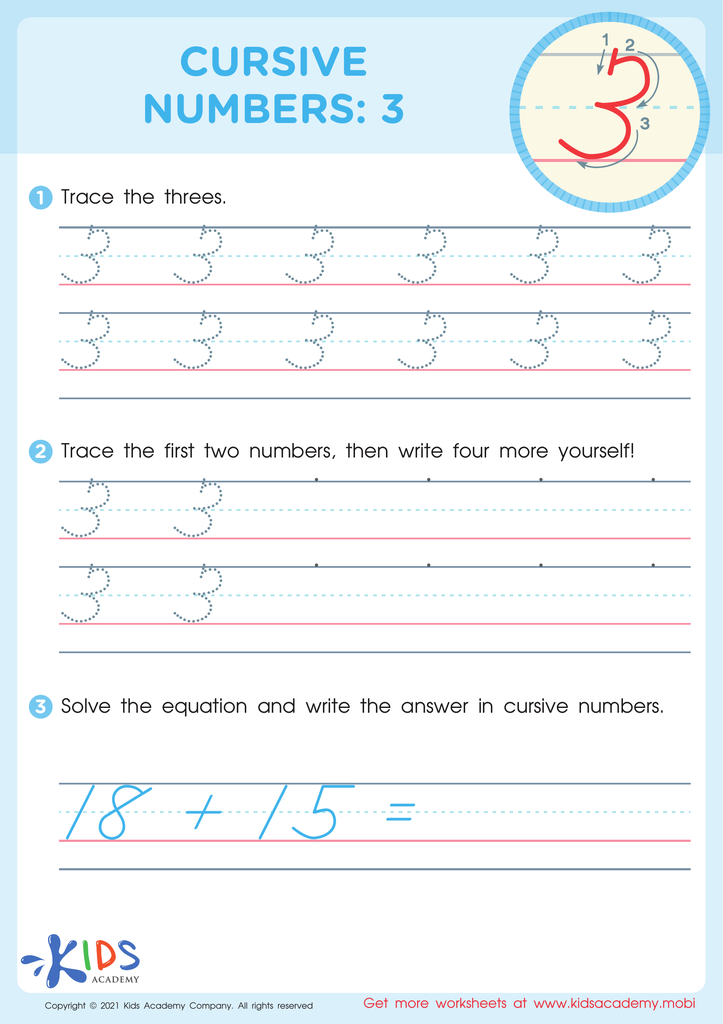
Cursive Numbers: 3 Worksheet
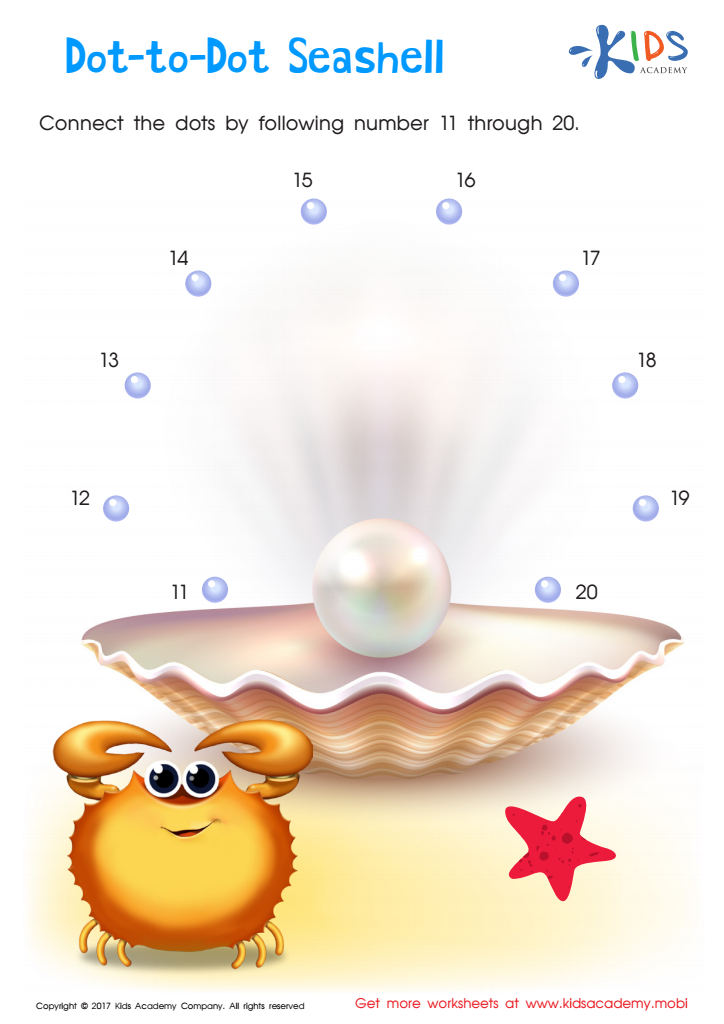
Ordering 11–20: Dot–to–dot Seashell Printable
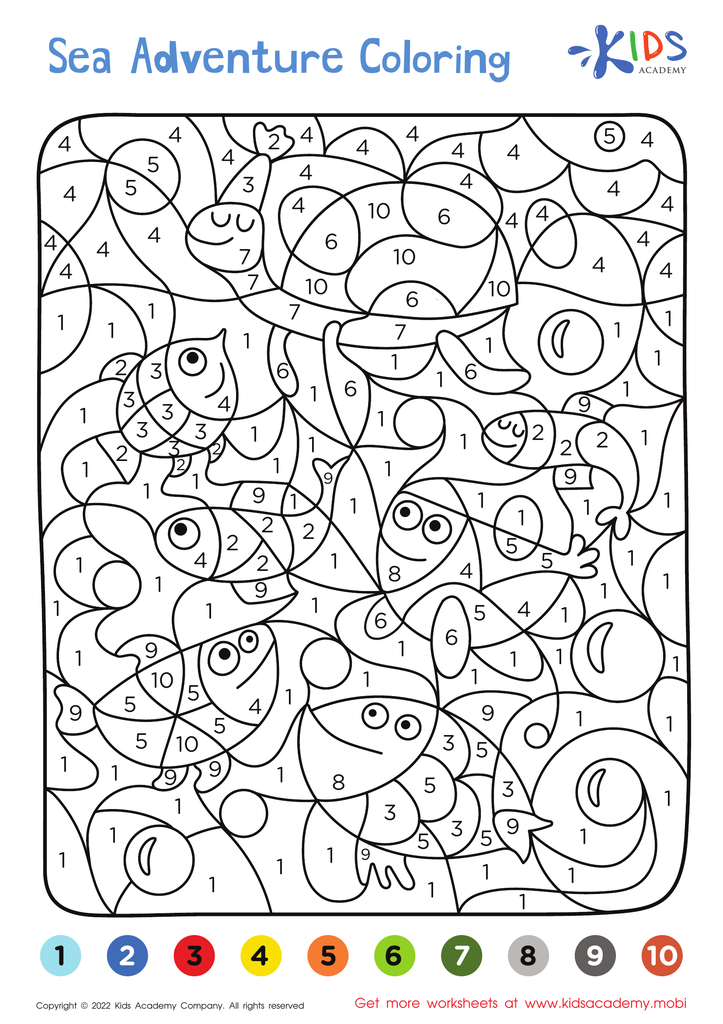
Sea Adventure – Coloring by Numbers
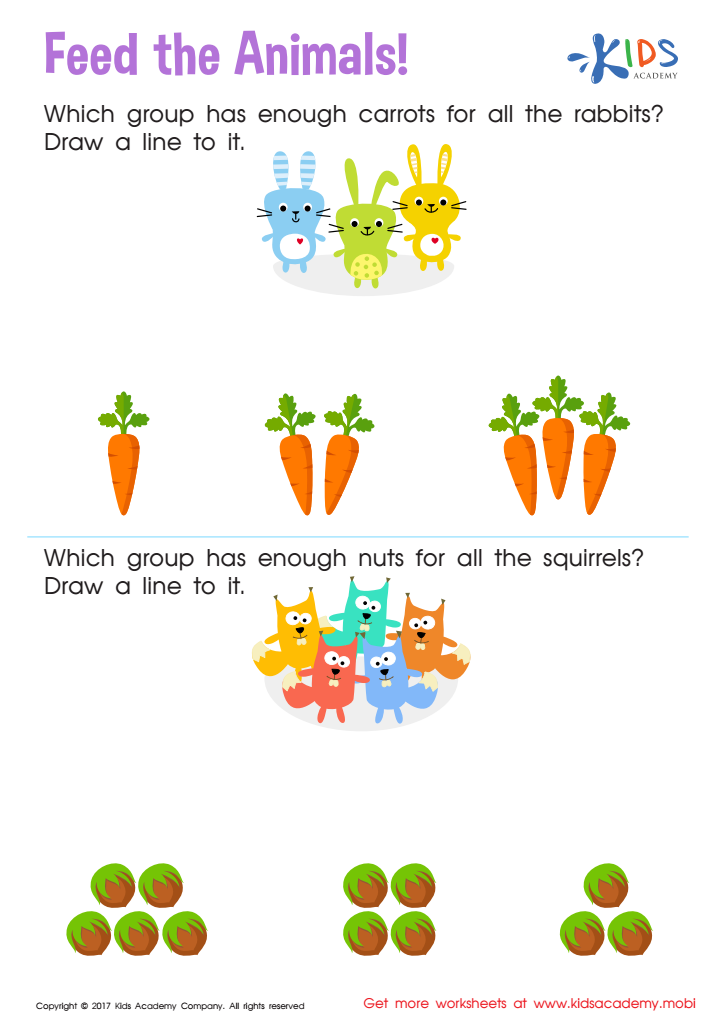
Count and Match: Feed the Animals Worksheet
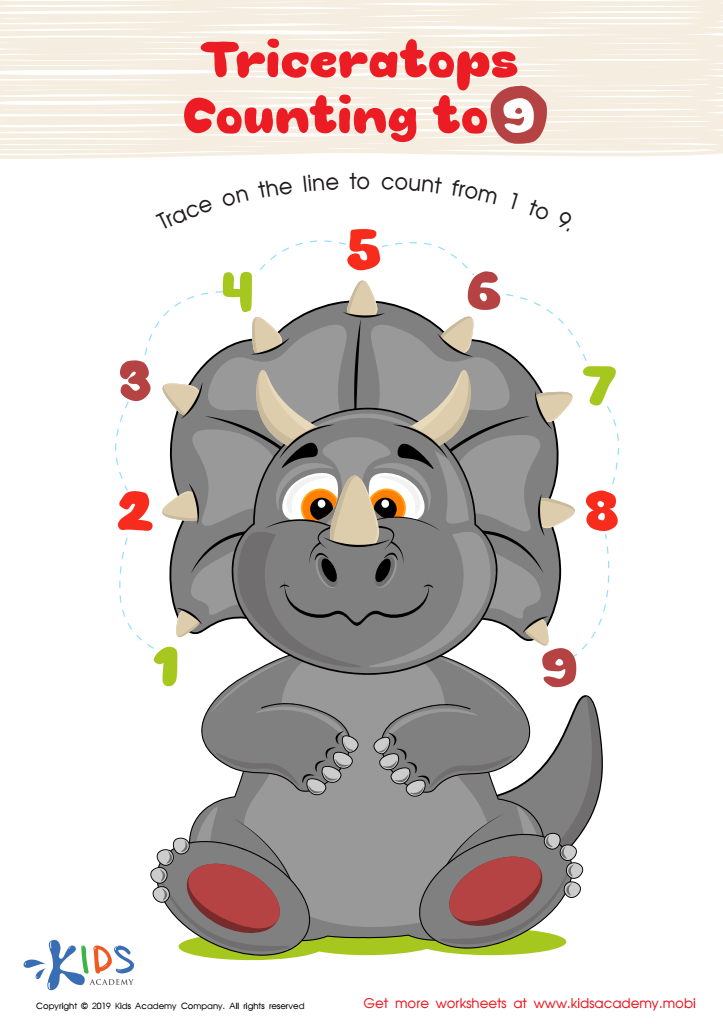
Triceratops Counting to 9 Worksheet







Fine motor skills involve the coordination of small muscles, like those in the hands and fingers, which are crucial for performing tasks such as writing, buttoning clothes, and using scissors. For children aged 3-8, the development of these skills is fundamental as they enter and progress through their formative educational years.
Firstly, strong fine motor skills are directly linked to success in academic activities. Learning to write letters and numbers clearly relies on the ability to hold and control a pencil. This forms the basis for literacy and numeracy skills, setting the foundation for future academic achievement. Children with well-developed fine motor skills can more easily manage tasks like cutting with scissors or pasting objects, which are often part of creative and practical class exercises.
Secondly, these skills promote independence. Children gain confidence as they master buttoning shirts, tying shoelaces, and taking care of personal belongings. This sense of independence is significant for boosting self-esteem and overall emotional development.
Lastly, fine motor skills development encourages cognitive growth. Activities that hone these skills often require following sequences, solving spatial problems, and developing hand-eye coordination, all of which stimulate the brain. For parents and teachers, paying attention to these skills means supporting a child’s holistic growth, ensuring they have the foundational tools required for lifelong learning and independence.








