Addition Practice Math Worksheets for Ages 3-8 - Page 2
182 filtered results
-
From - To
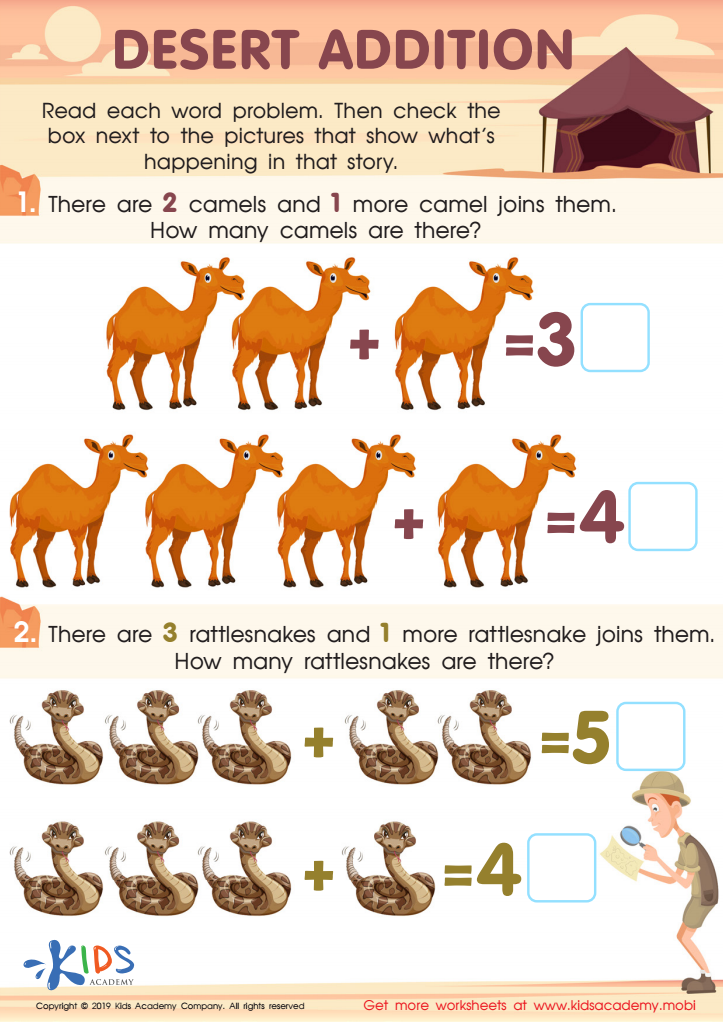
Desert Addition Worksheet
 Assign to My Students
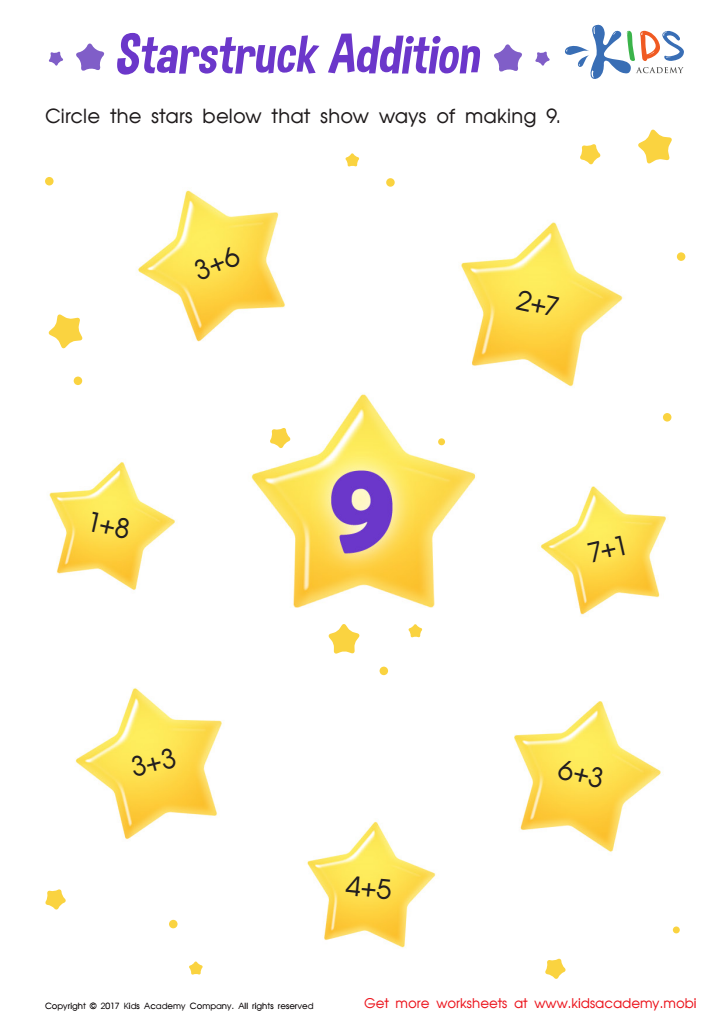
Starstruck Addition Printable
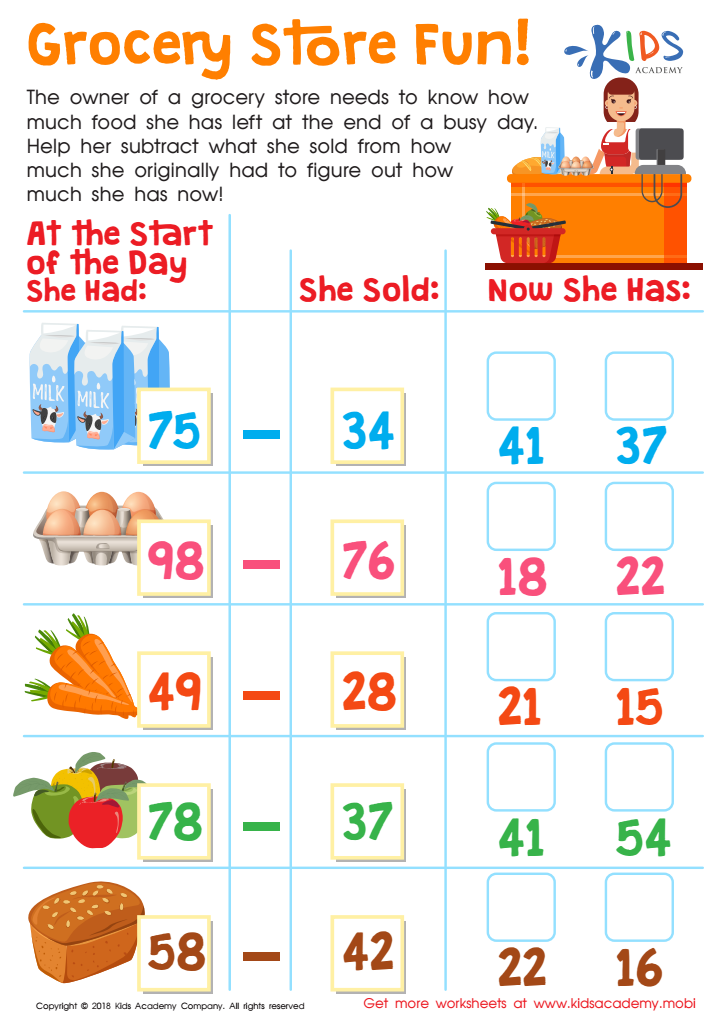
Grocery Store Fun! Worksheet
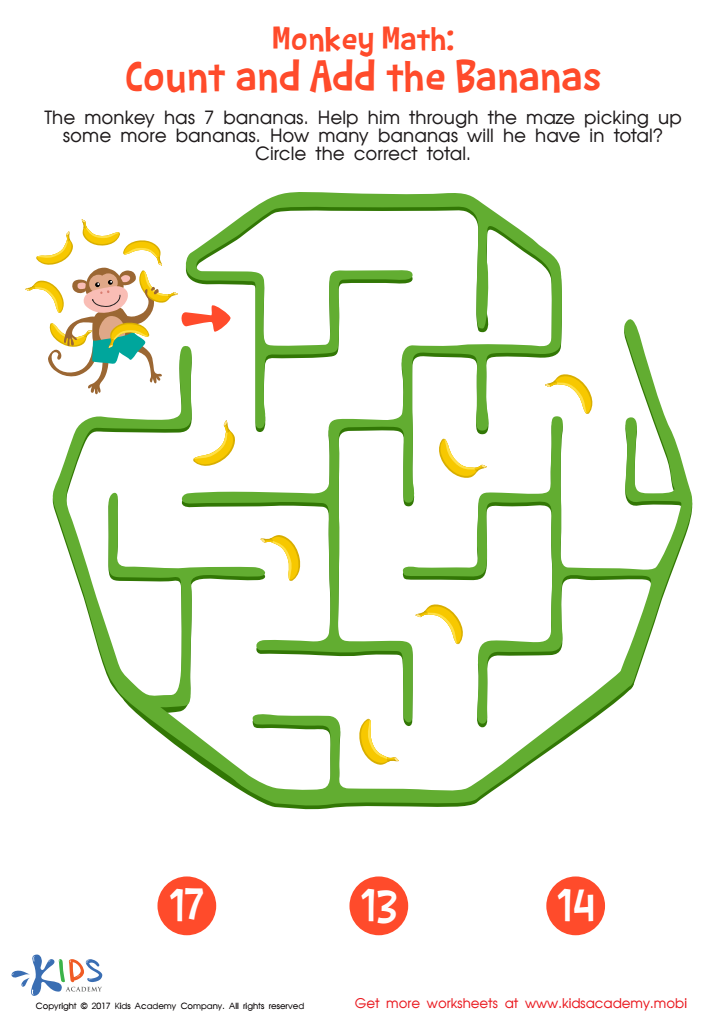
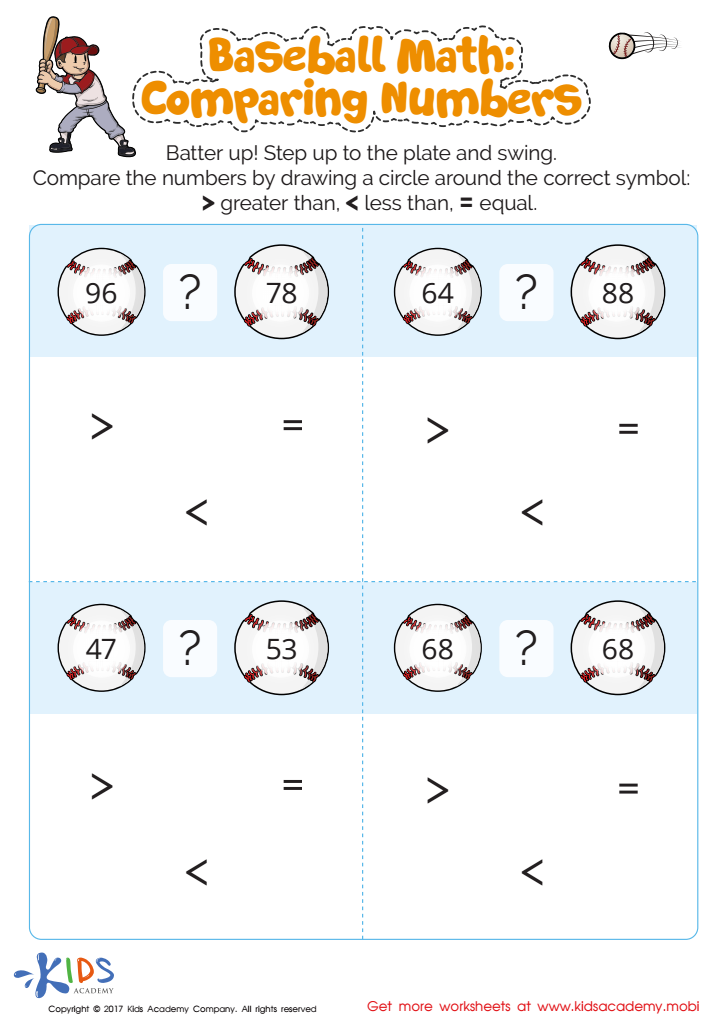
Compare Numbers Printable
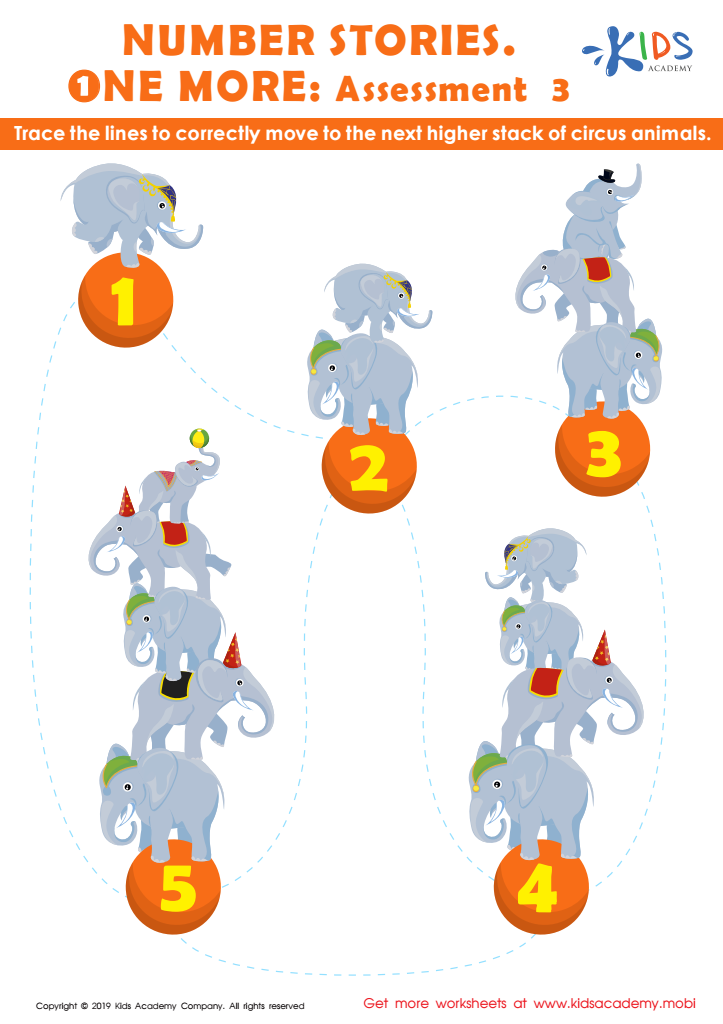
Number Stories One More: Assessment 3 Worksheet
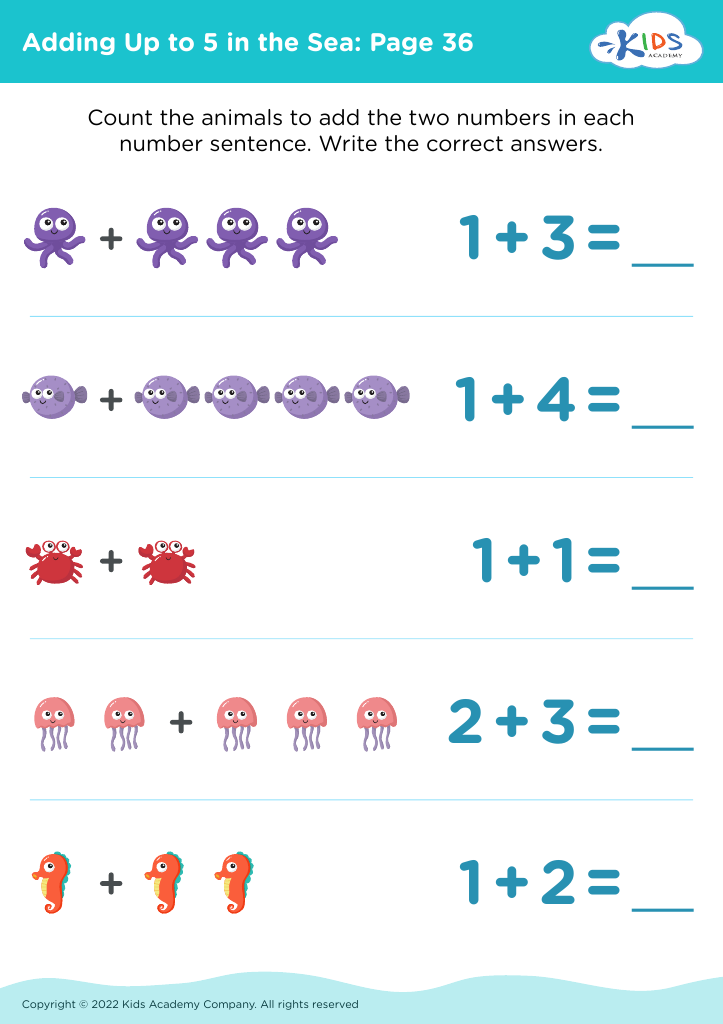
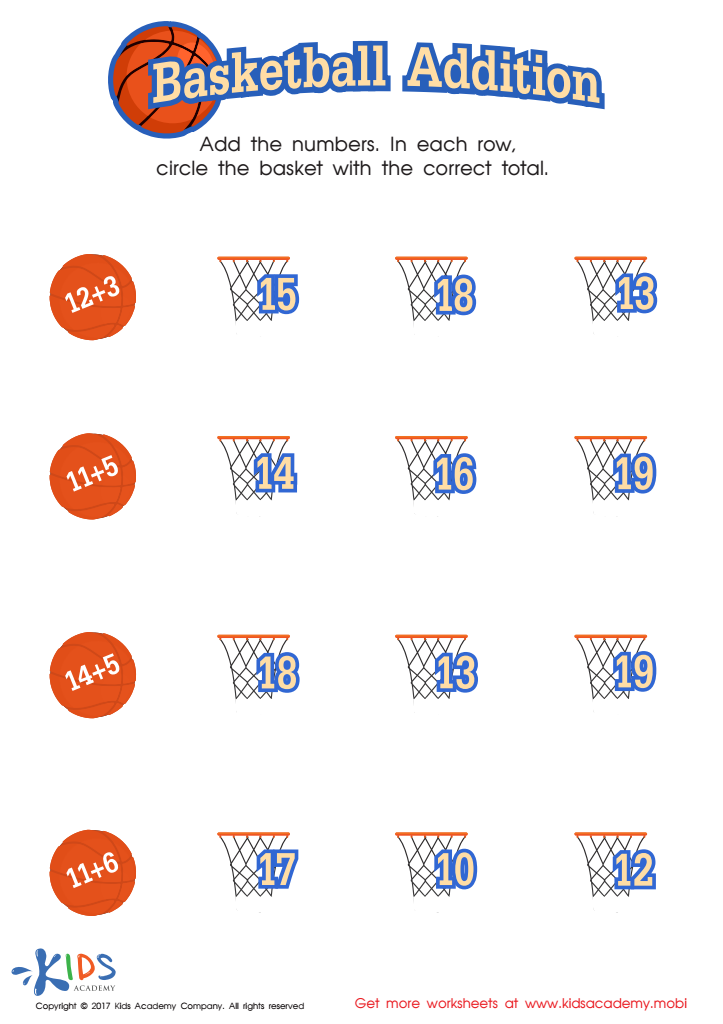
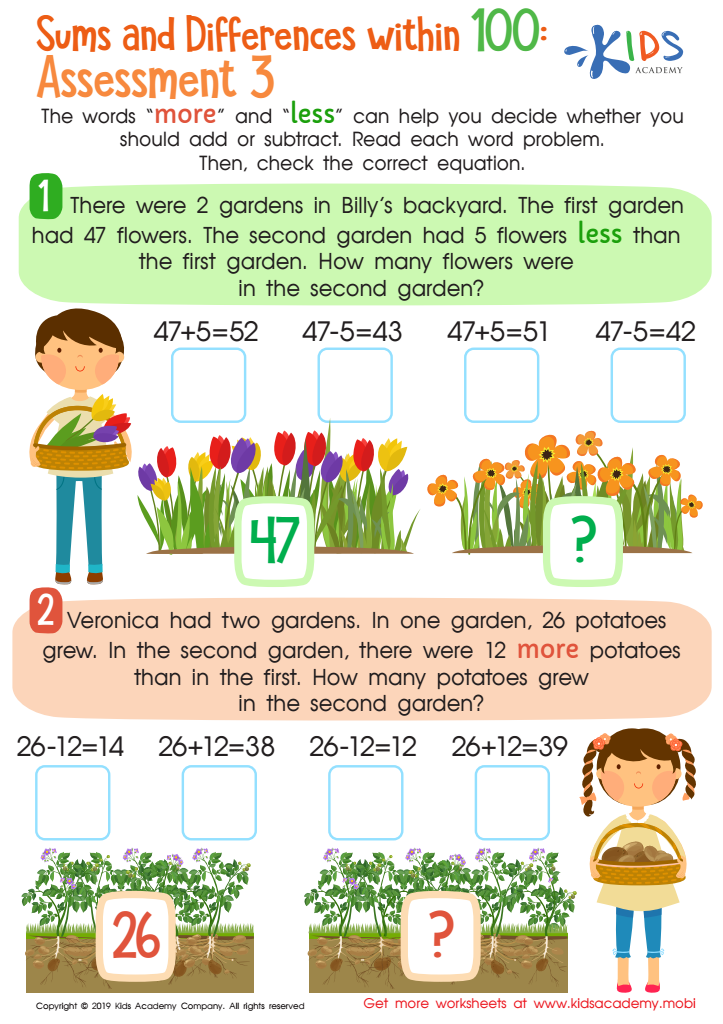
Sums and Differences Within 1 - Assessment 1 Worksheet
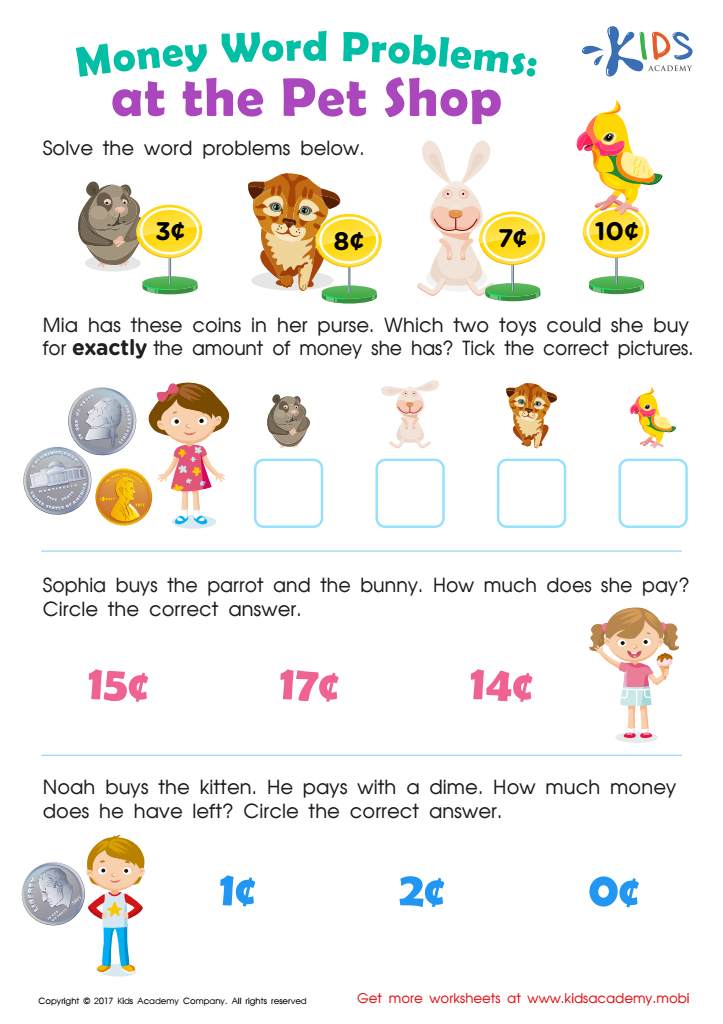
Pet Shop Worksheet
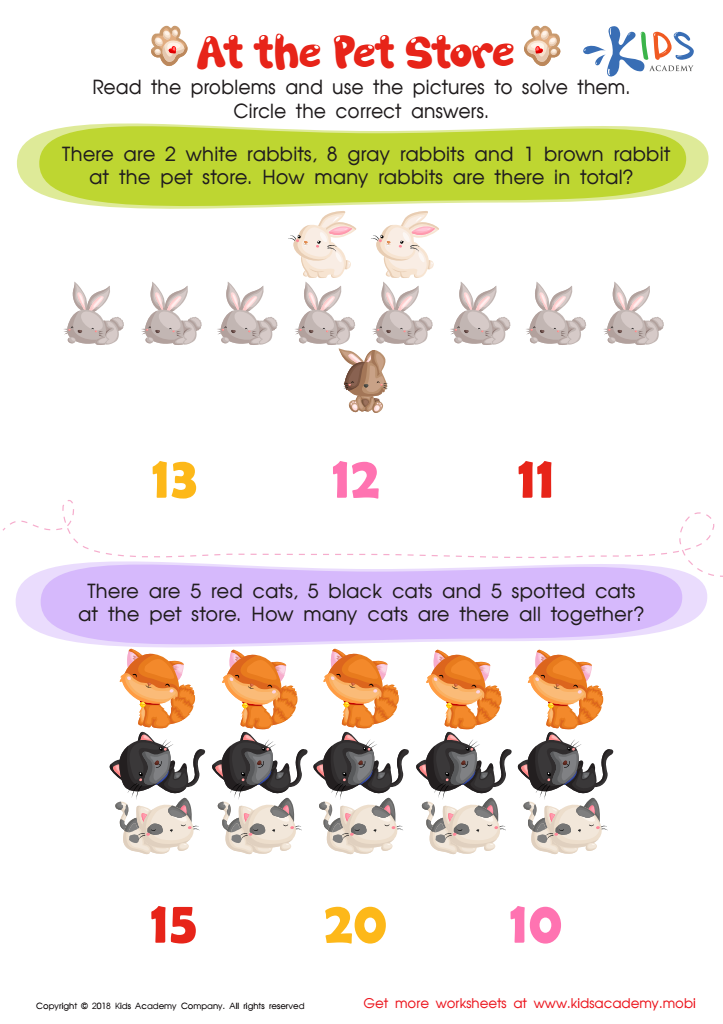
At the Pet Store Word Problems Worksheet
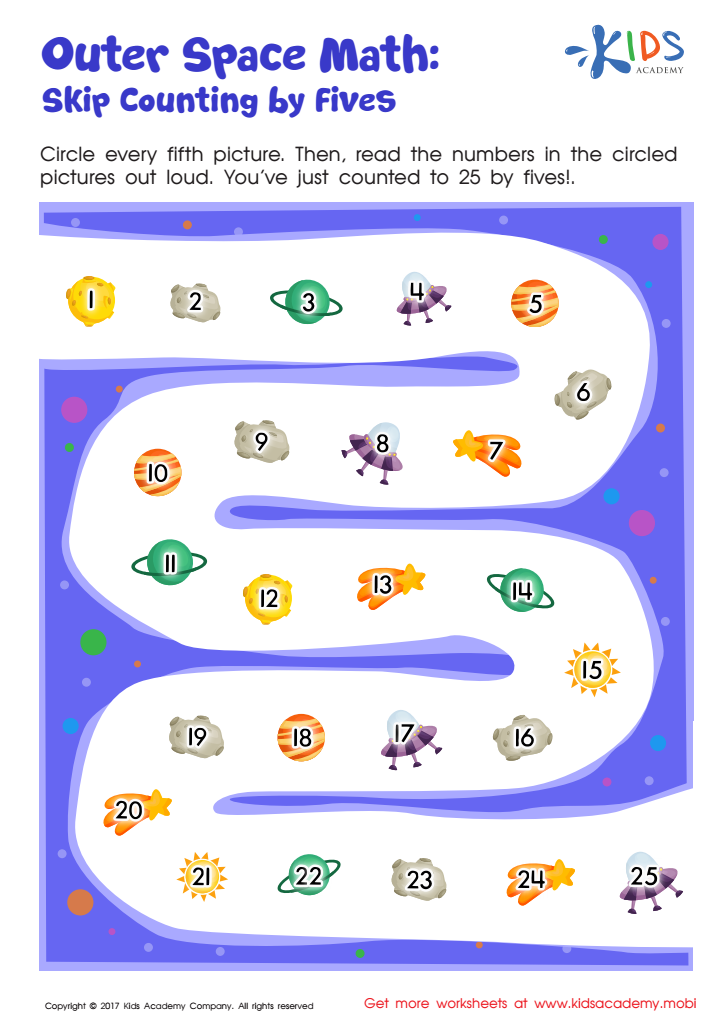
Skip Counting by 5s: Outer Space Math Printable
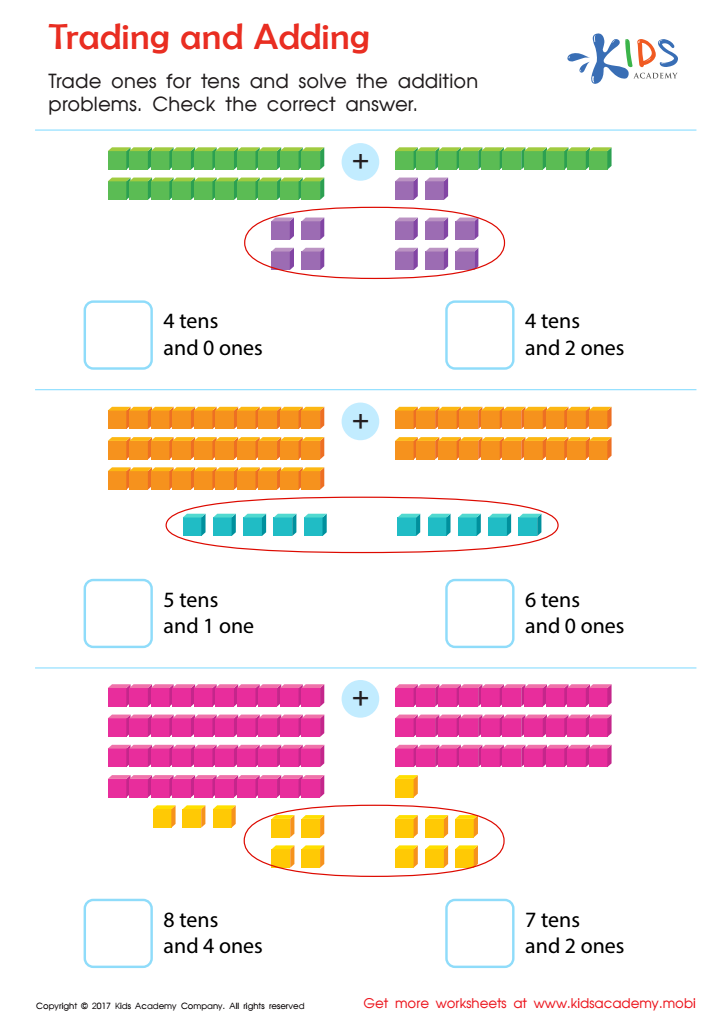
Trading and Adding Worksheet
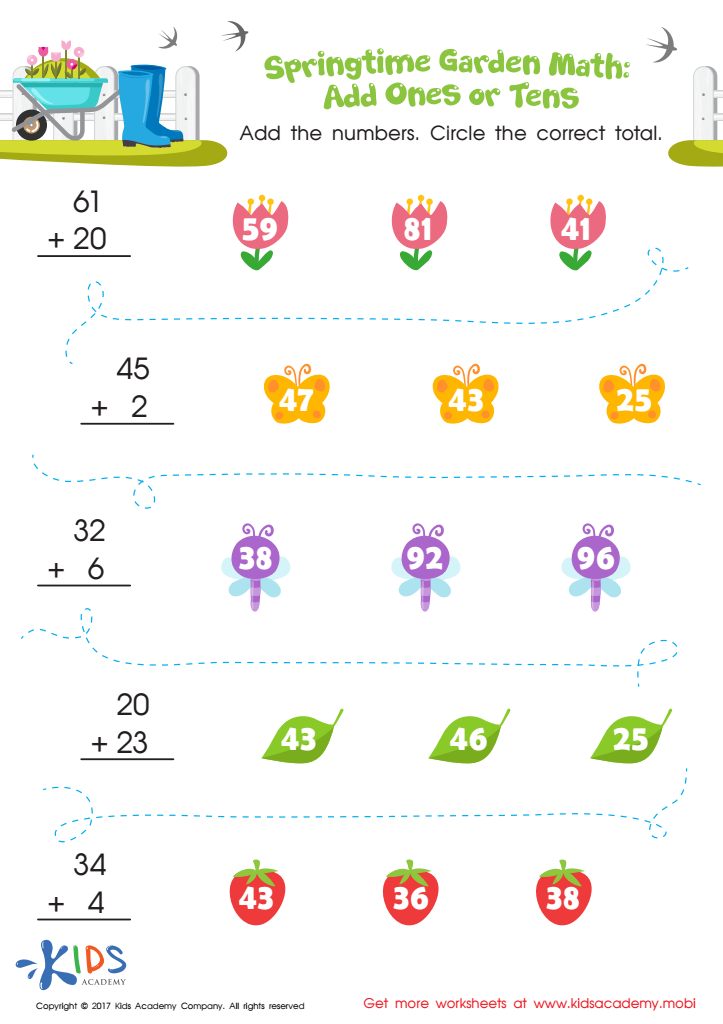
Springtime Garden Math Worksheet
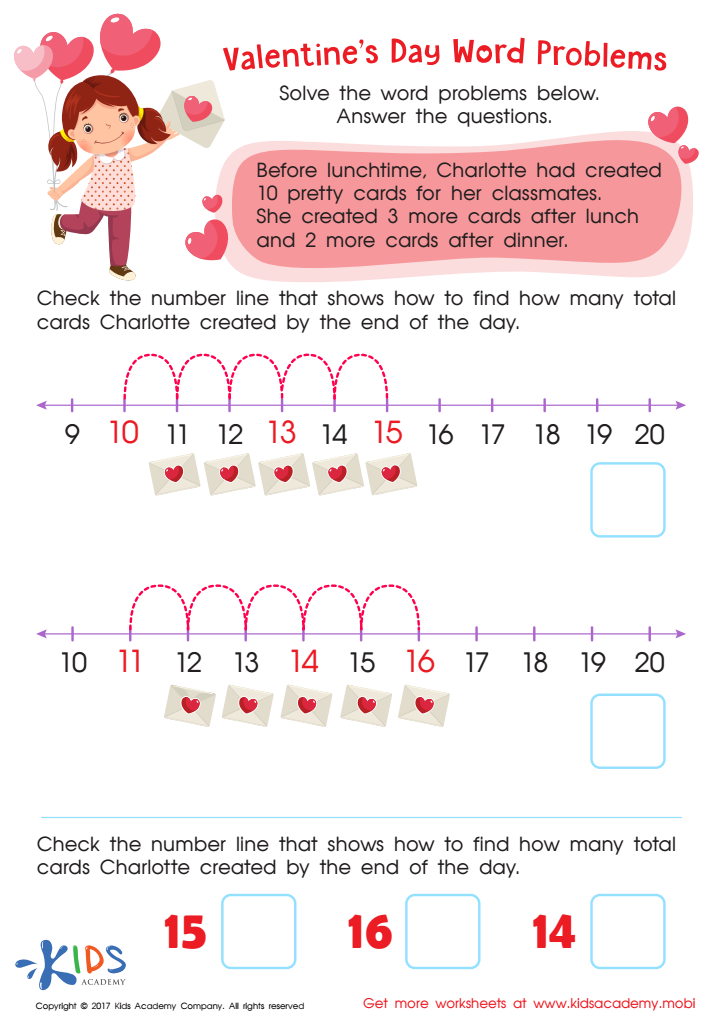
Valentines Day Word Problem Worksheet
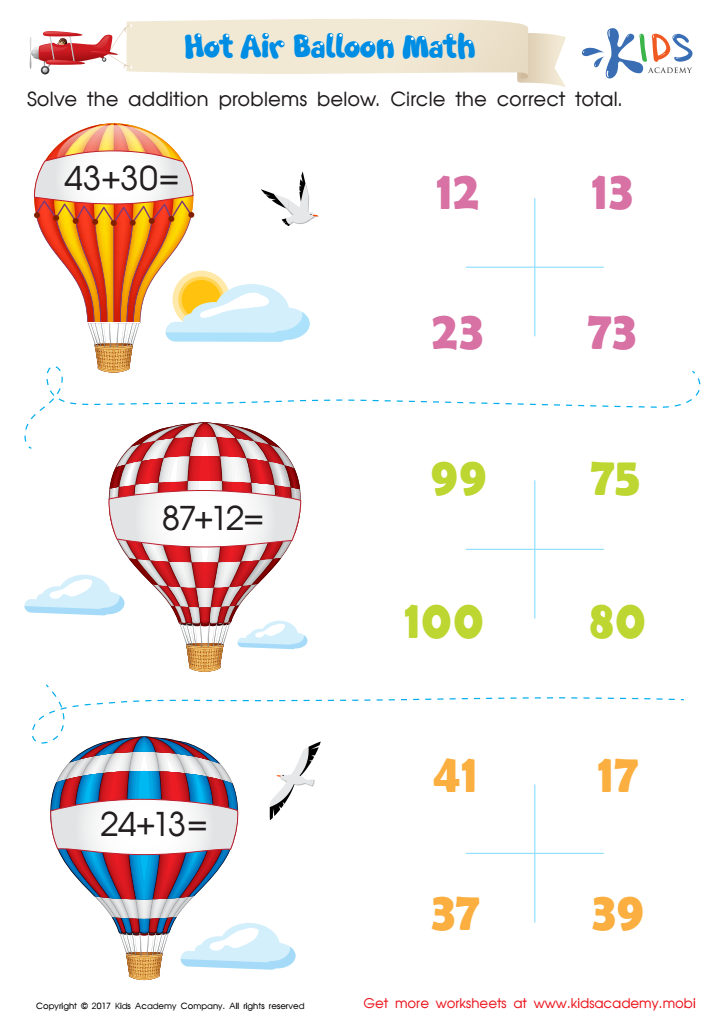
Hot Air Balloon Math Worksheet


.jpg)


Parents and teachers should prioritize addition practice for children aged 3-8 for several reasons. First, mastering basic math skills provides a strong foundation for future learning. Addition is one of the essential building blocks of mathematics and enhances critical thinking and problem-solving skills. Early exposure helps children grasp more complex concepts later in their education.
Second, addition practice fosters cognitive development. Engaging in math activities stimulates brain development, improves memory, and enhances analytical abilities. Activities like games and hands-on learning can make math enjoyable and encourage a positive attitude towards learning.
Moreover, early addition practice promotes confidence. As children successfully solve addition problems, they build self-esteem and a sense of accomplishment. This confidence can extend to other subjects and aspects of their lives.
Lastly, addition practice can support social skills. Group activities and team games encourage cooperation, communication, and teamwork while learning math, making it a multimodal experience.
In summary, emphasizing addition practice in early childhood education not only reinforces essential math skills but also supports cognitive growth, builds confidence, and fosters social interaction. Investing effort in this area will yield substantial benefits for children's overall academic journey.








