Visual discrimination Math Worksheets for Ages 3-8
21 filtered results
-
From - To
Enhance your child's learning with our Visual Discrimination Math Worksheets for Ages 3-8! These activities are designed to improve visual discrimination skills, including recognizing differences and similarities in shapes, sizes, and patterns, which are critical for developing math proficiency. Engaging and fun, these worksheets help young learners build a strong foundation in mathematics while stimulating cognitive development. Perfect for use at home or in the classroom, our resources make learning enjoyable and accessible. Download now to support your child’s educational journey with exciting and effective visual discrimination exercises. Ready to boost those math skills? Start exploring today!
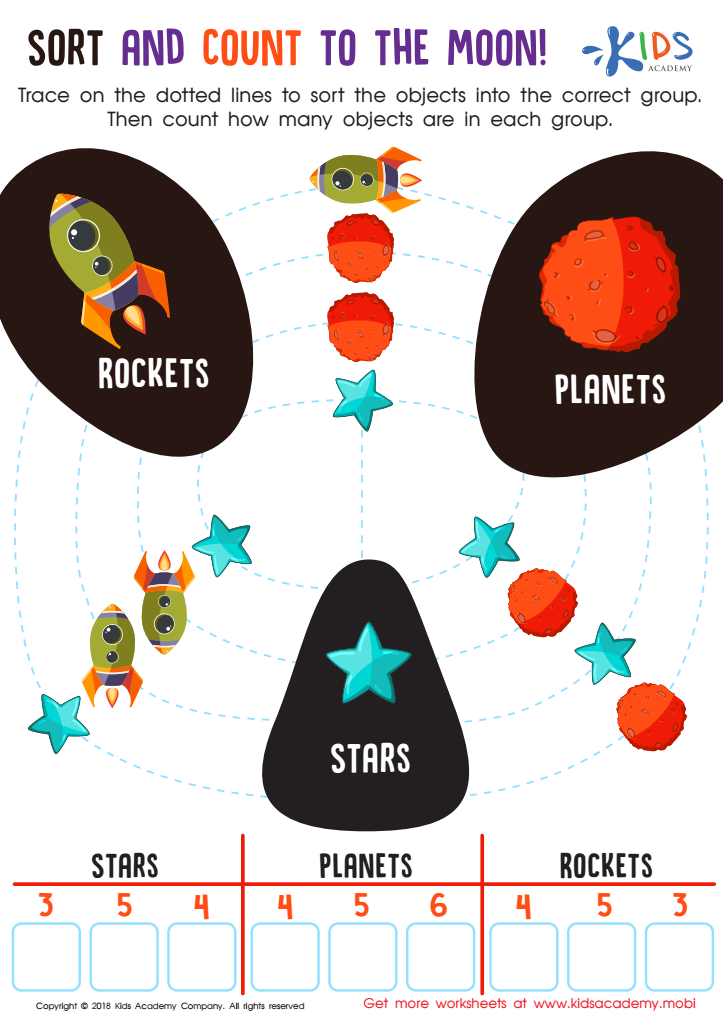
Sort and Count to the Moon Worksheet
 Assign to My Students
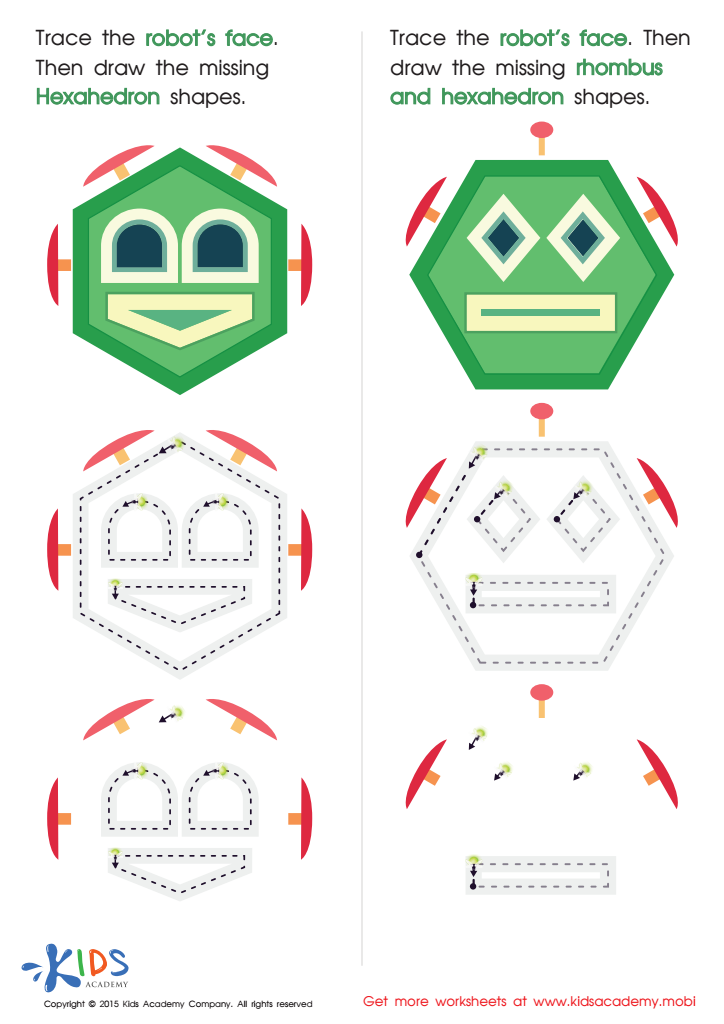
Practice Drawing Hexahedrons And a Rhombus Worksheet
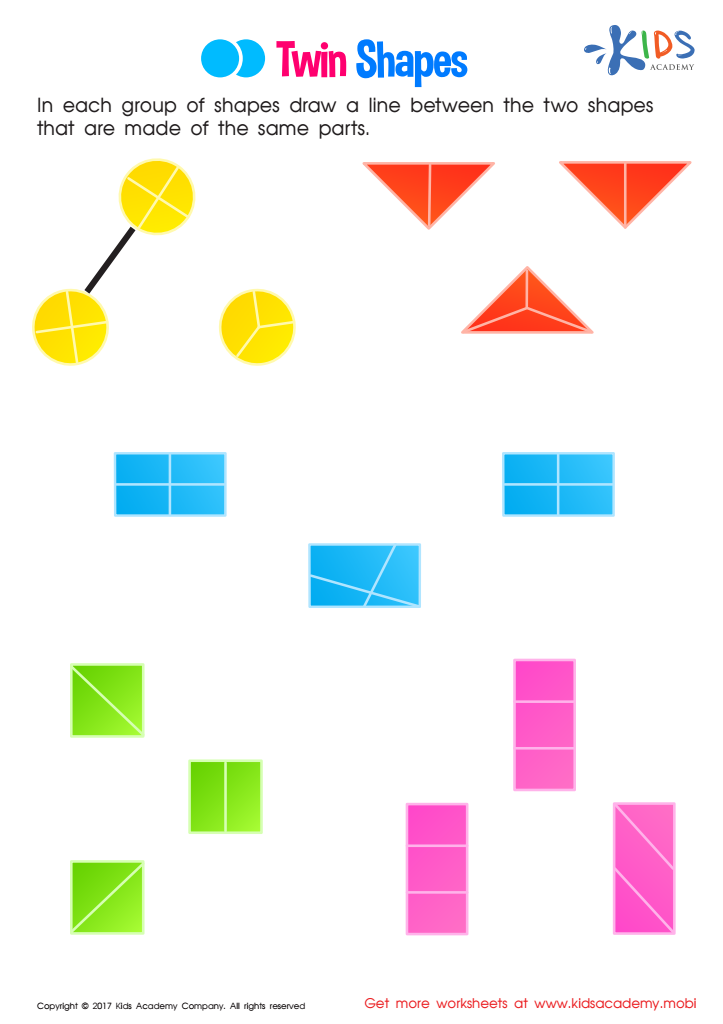
Twin Shapes Worksheet
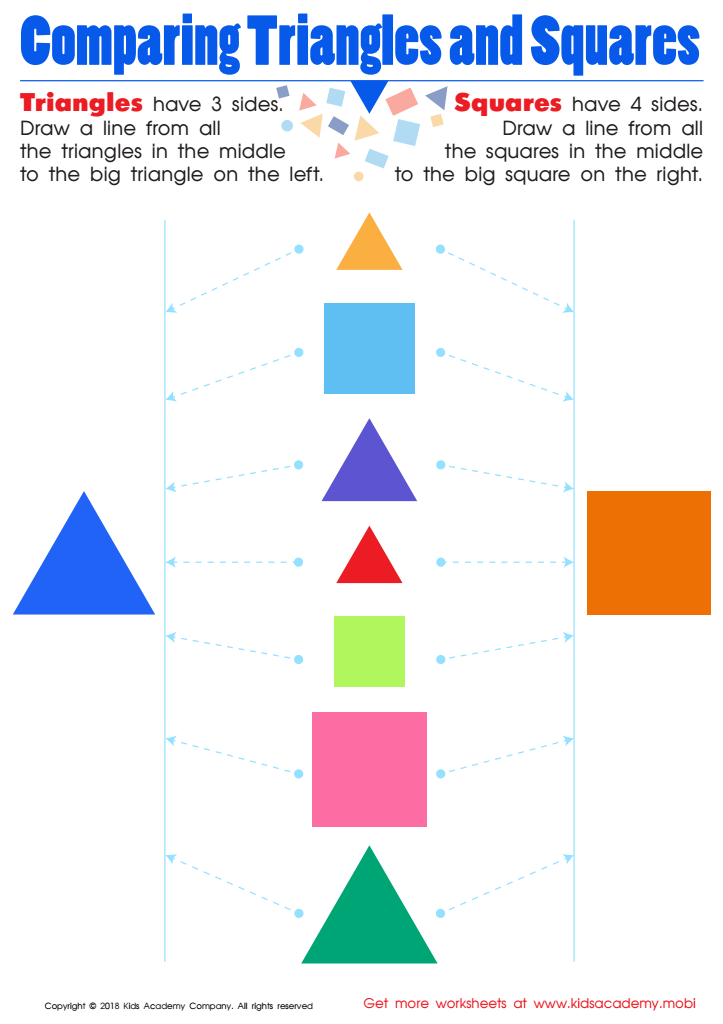
Comparing Triangles Squares Worksheet
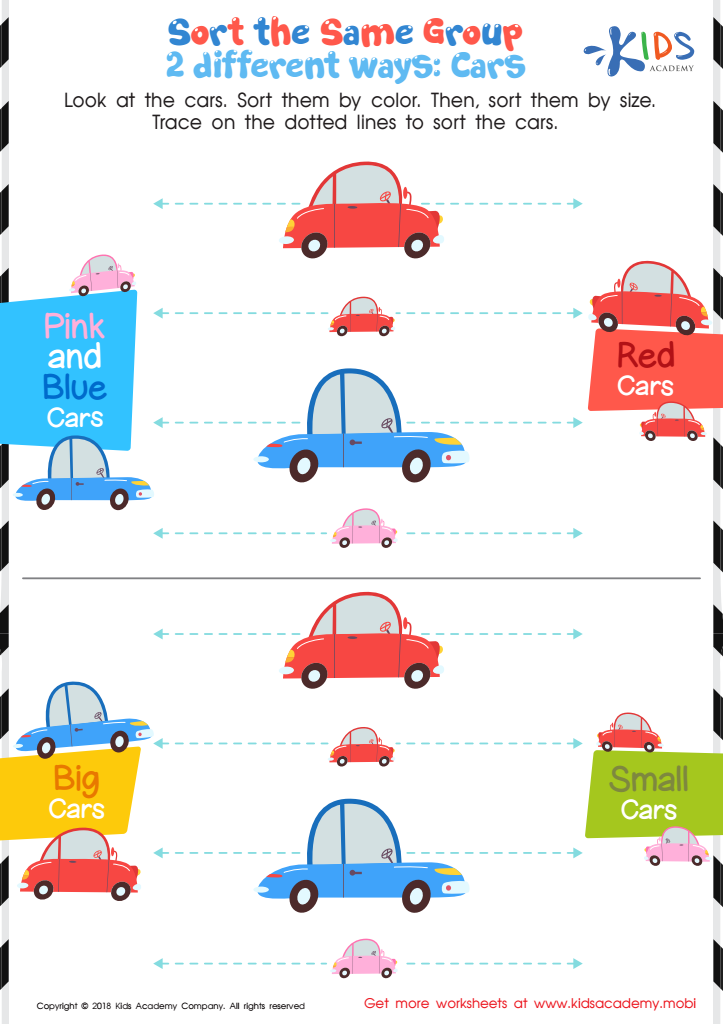
Sort the Same Group 2 Different Ways: Cars Worksheet
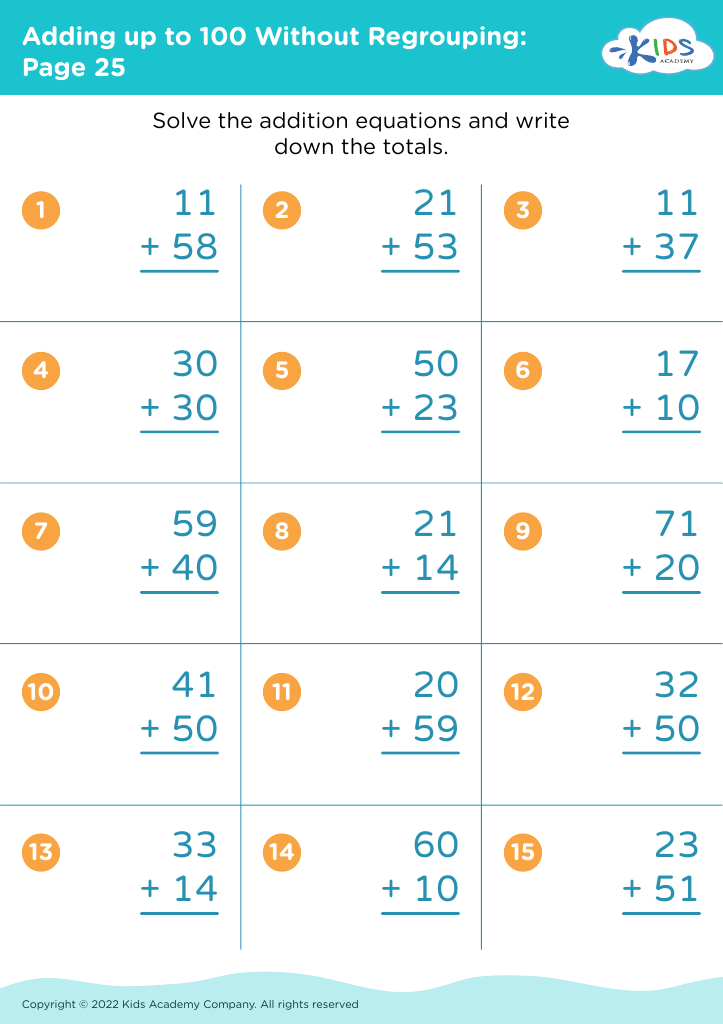
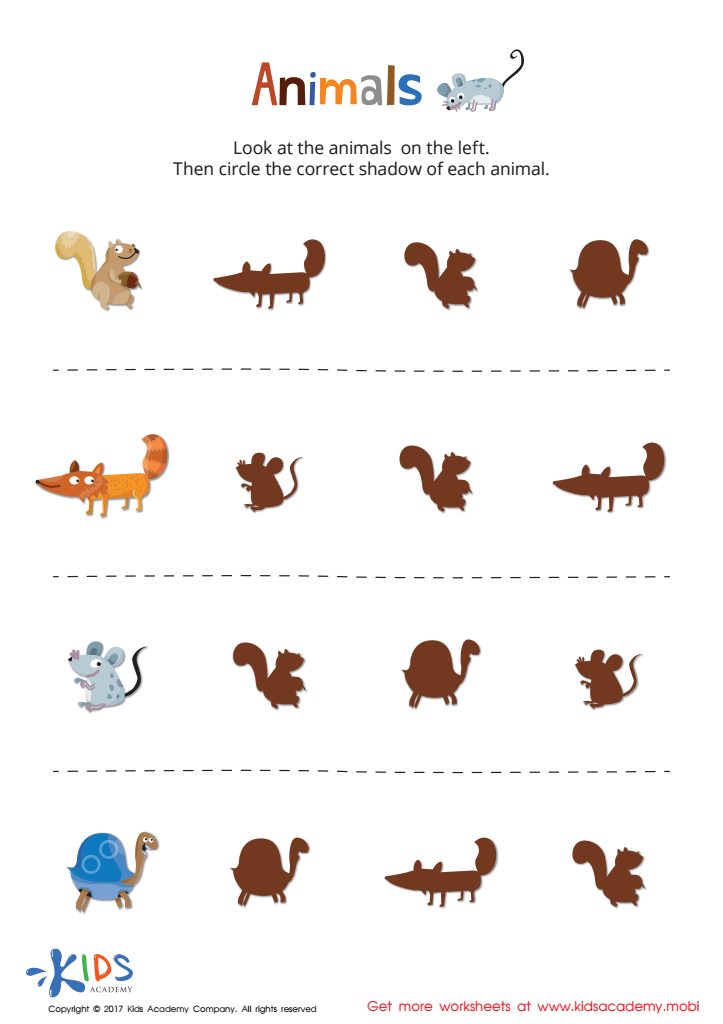
Animal Shadows Sorting Worksheet
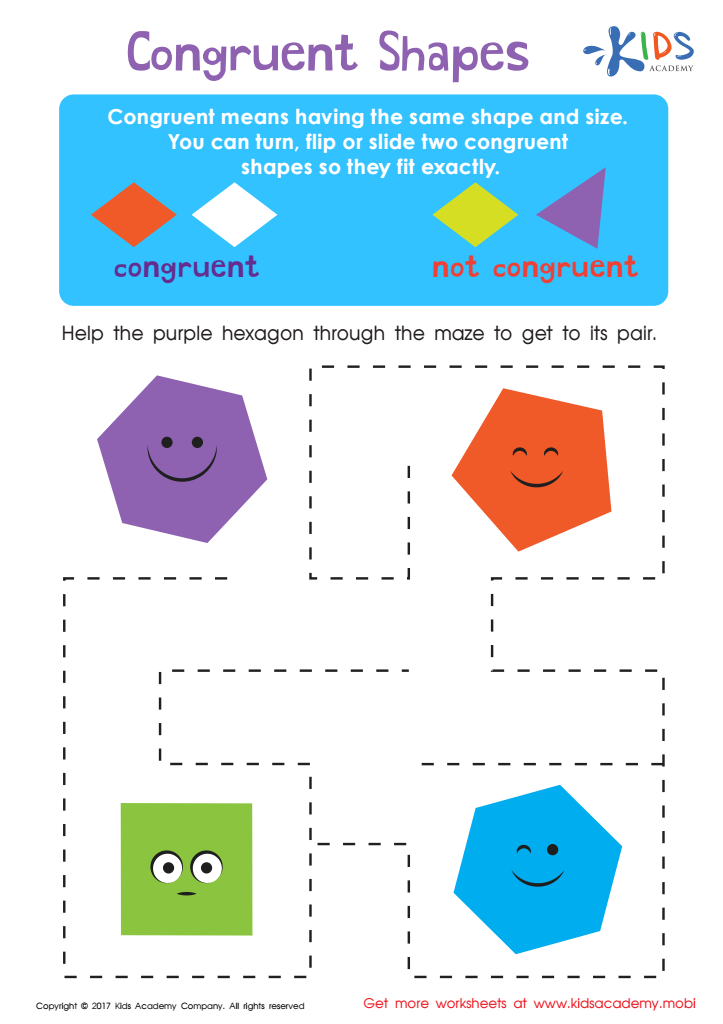
Congruent Shapes Worksheet
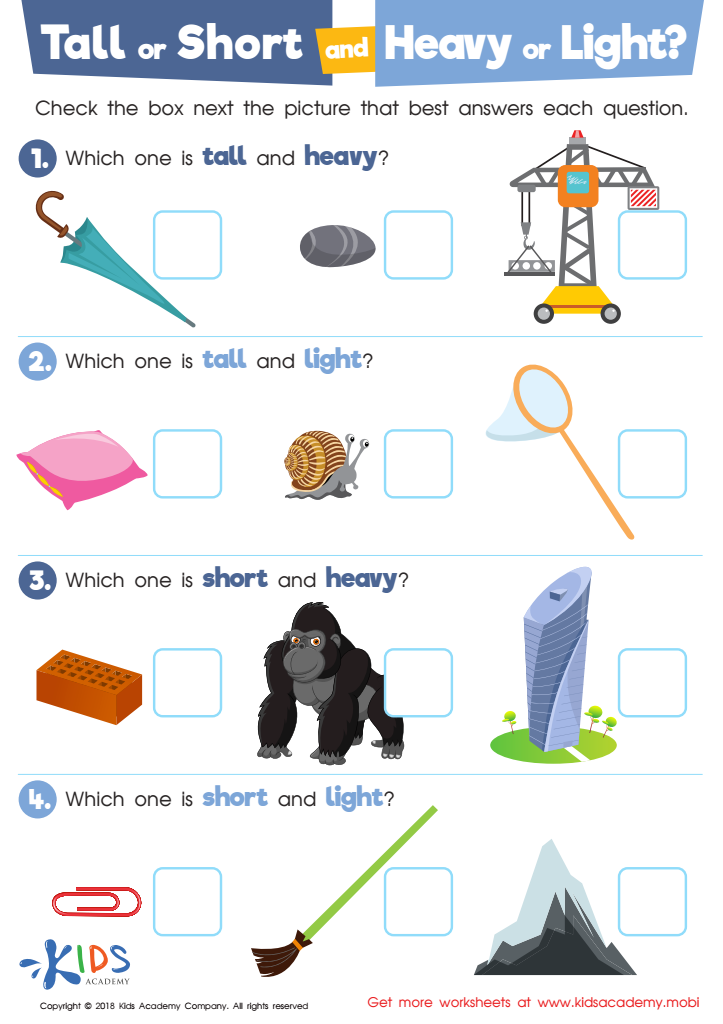
Tall or Short and Heavy or Light? Worksheet
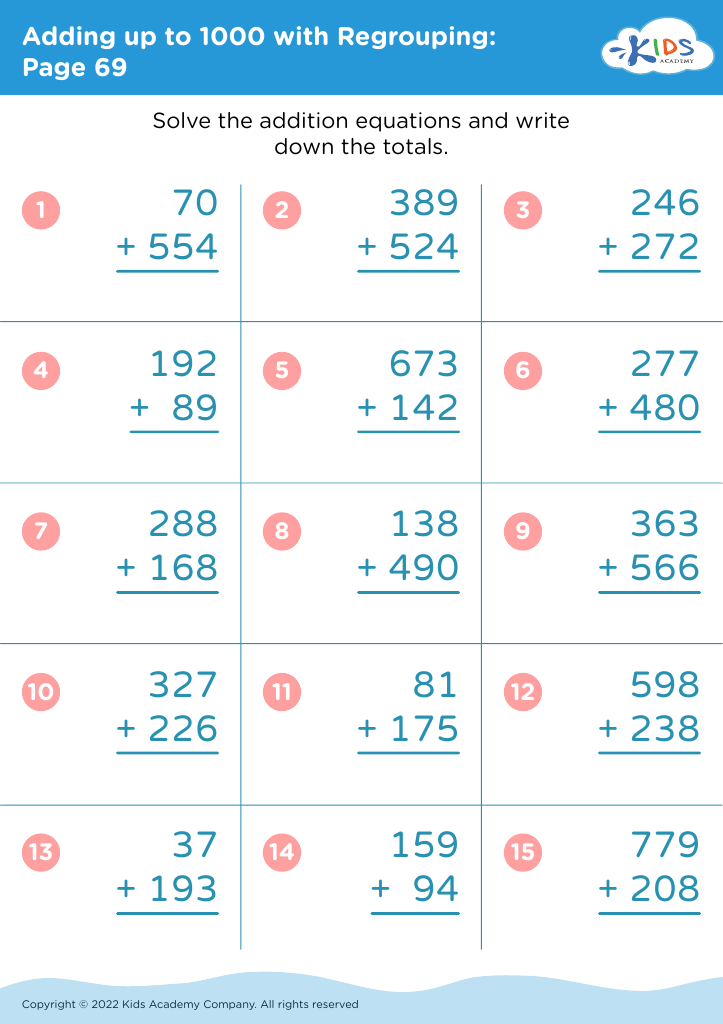
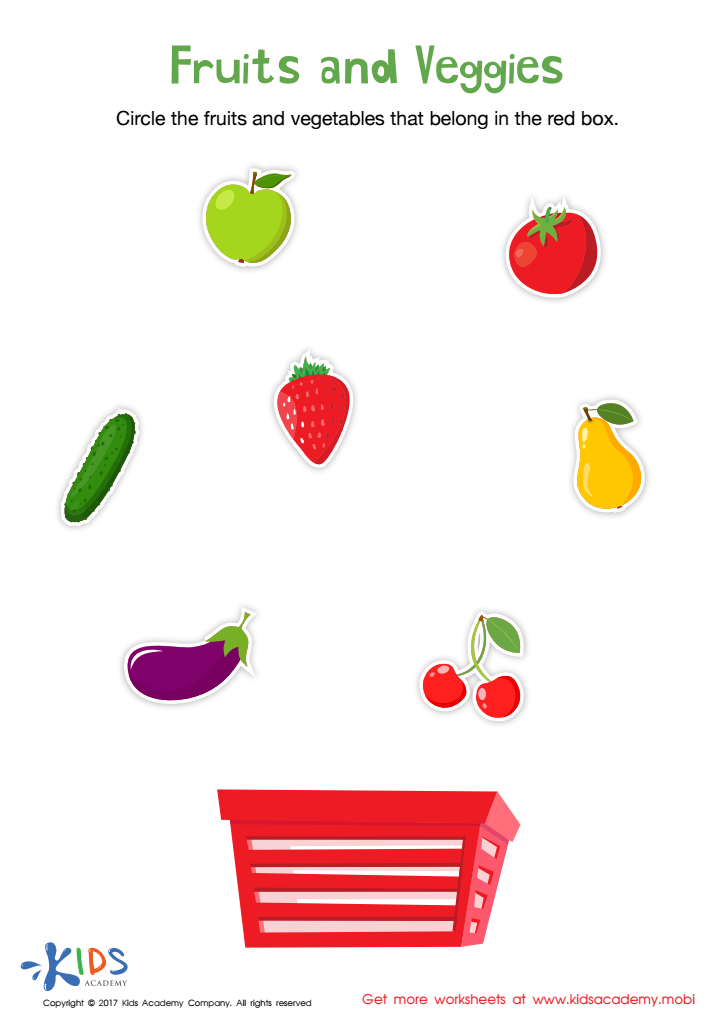
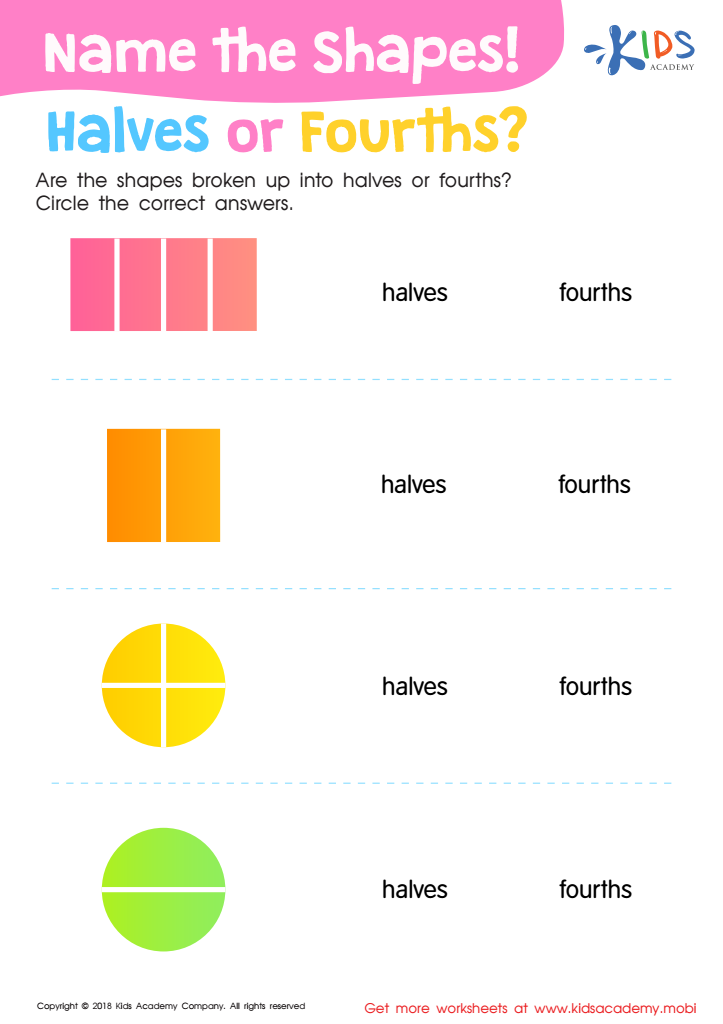
Name the Shapes Halves or Fourths? Worksheet
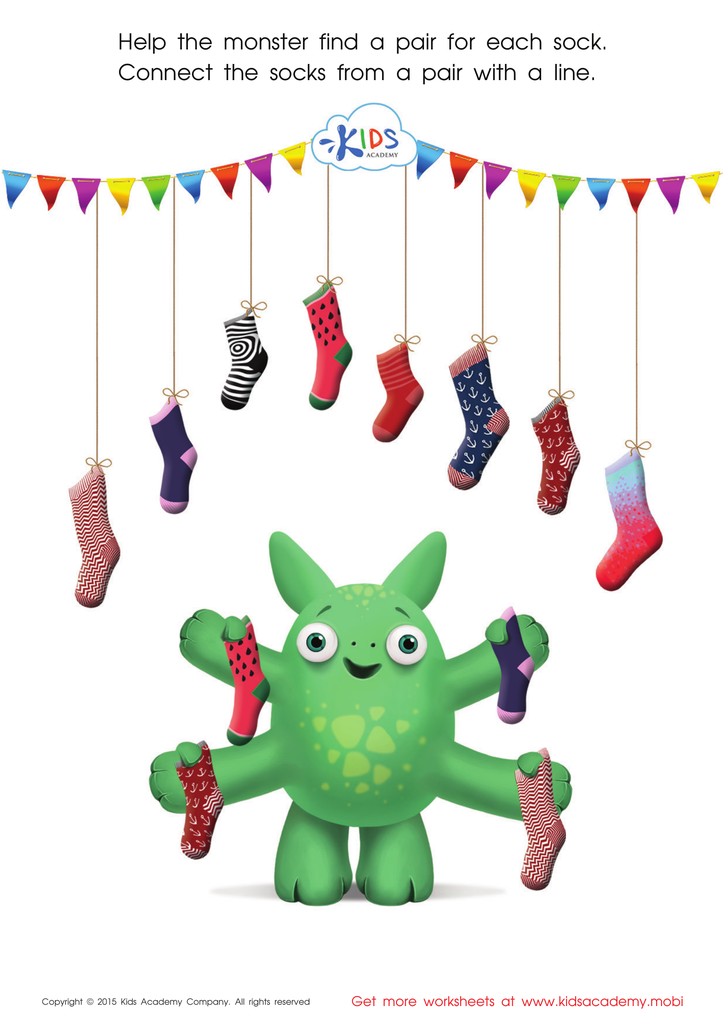
Math Matching Game: Monsterв's Socks Worksheet
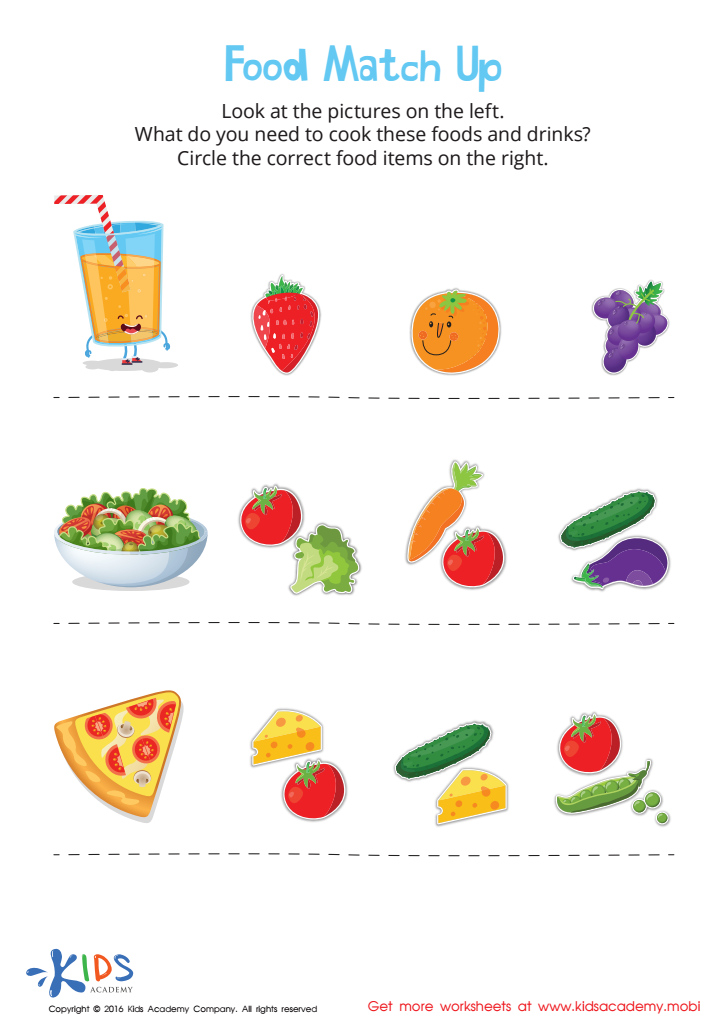
Food Match Up Worksheet
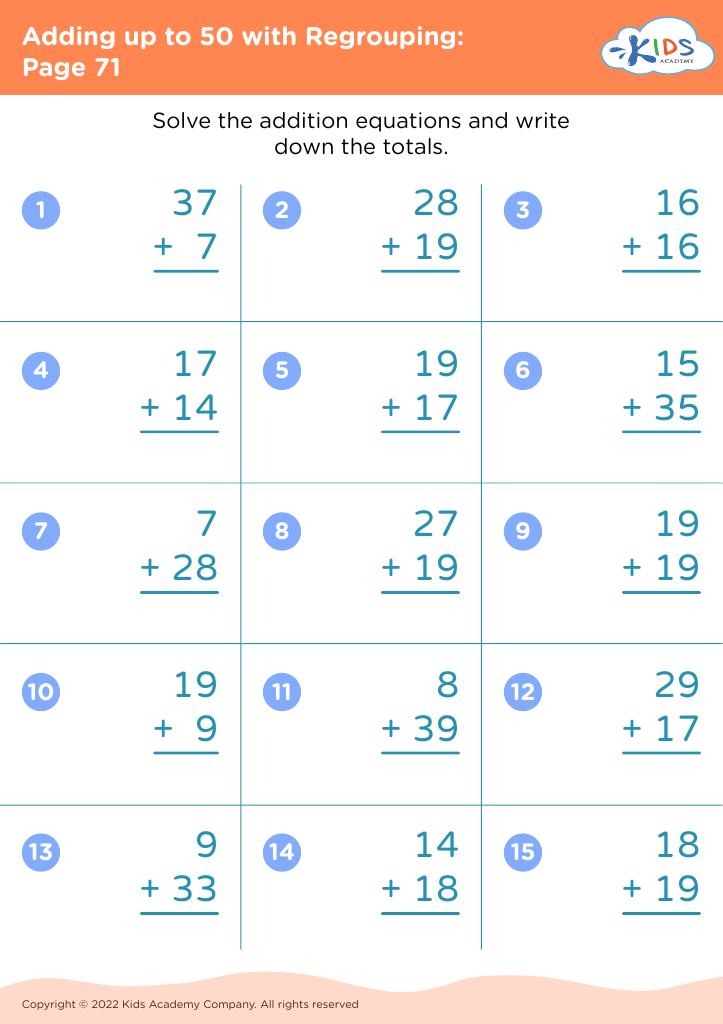
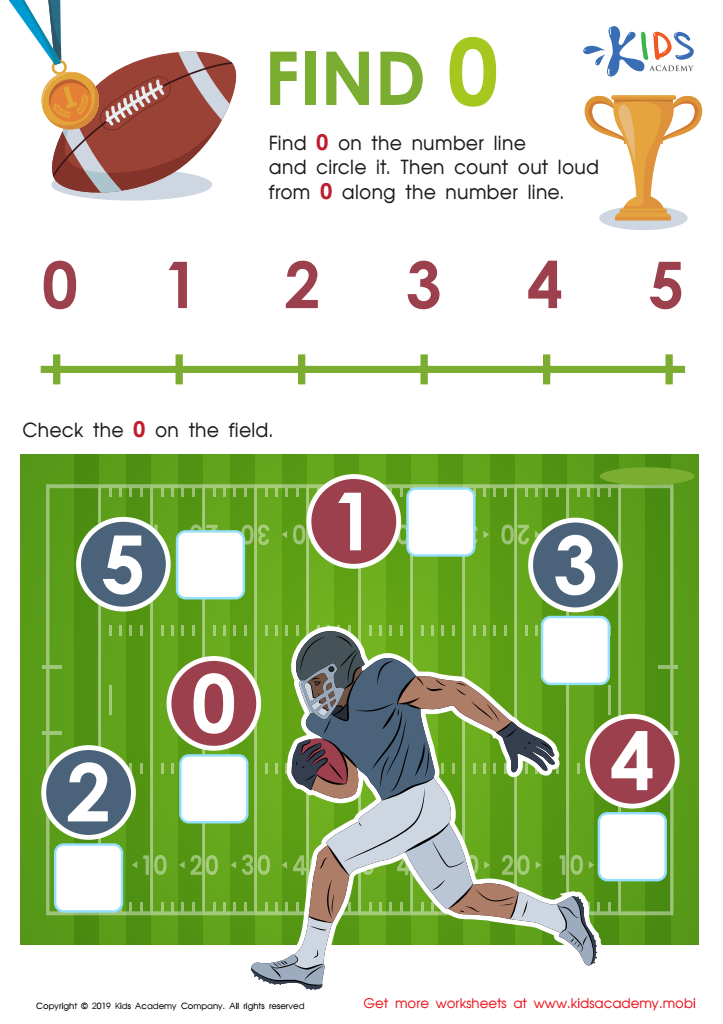
Find 0 Worksheet
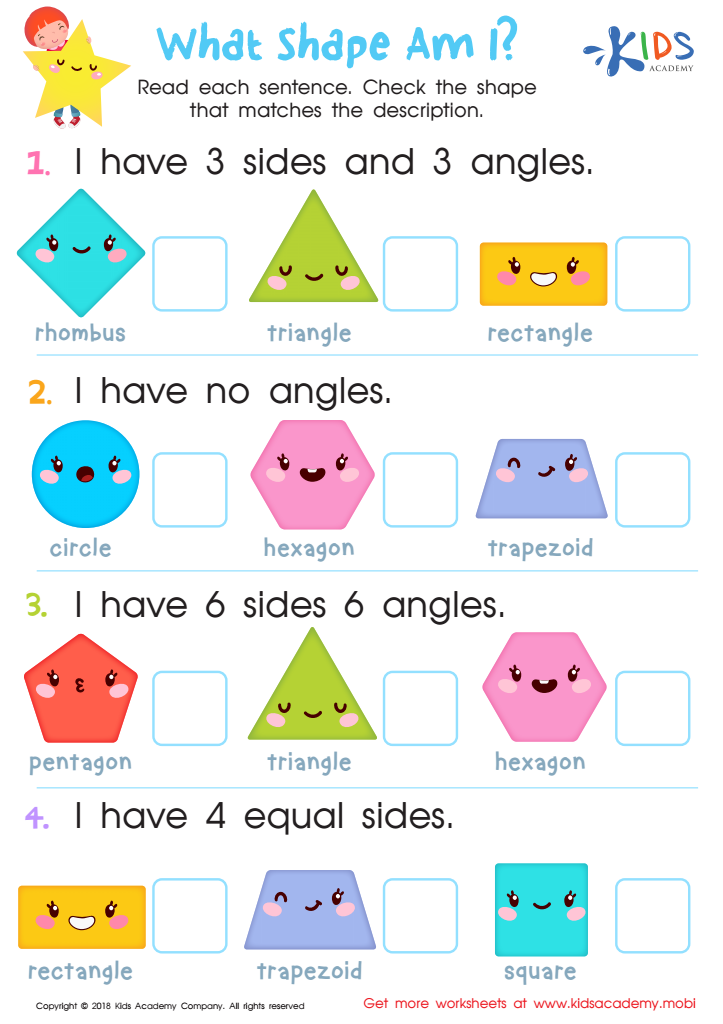
What Shape Am I? Worksheet
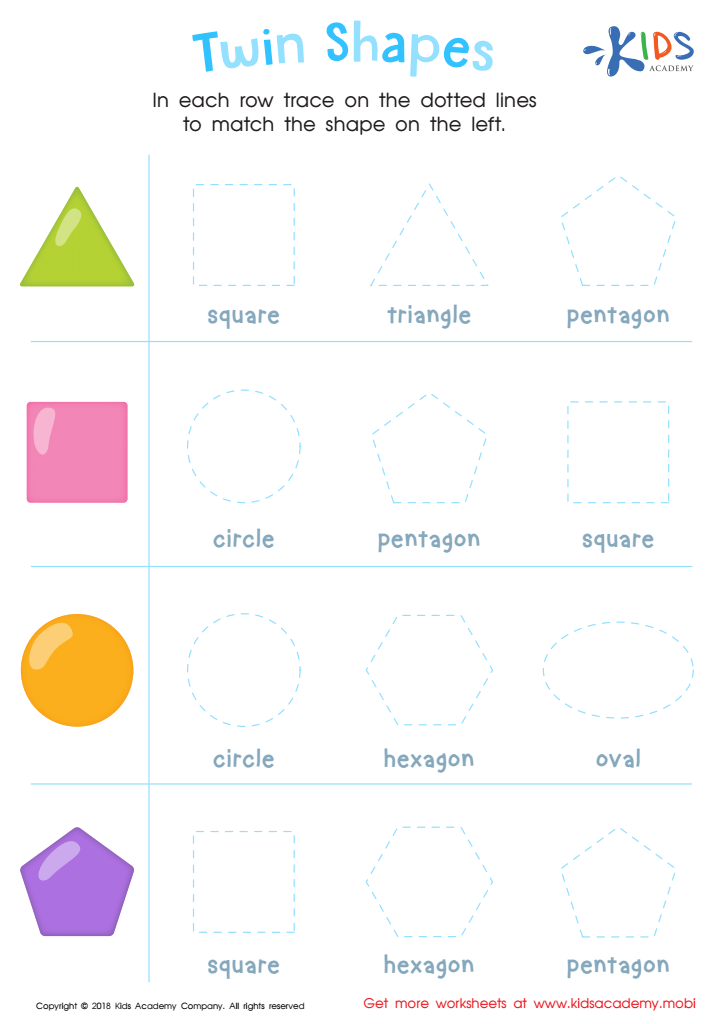
Twin Shapes Dot-to-Dot Worksheet
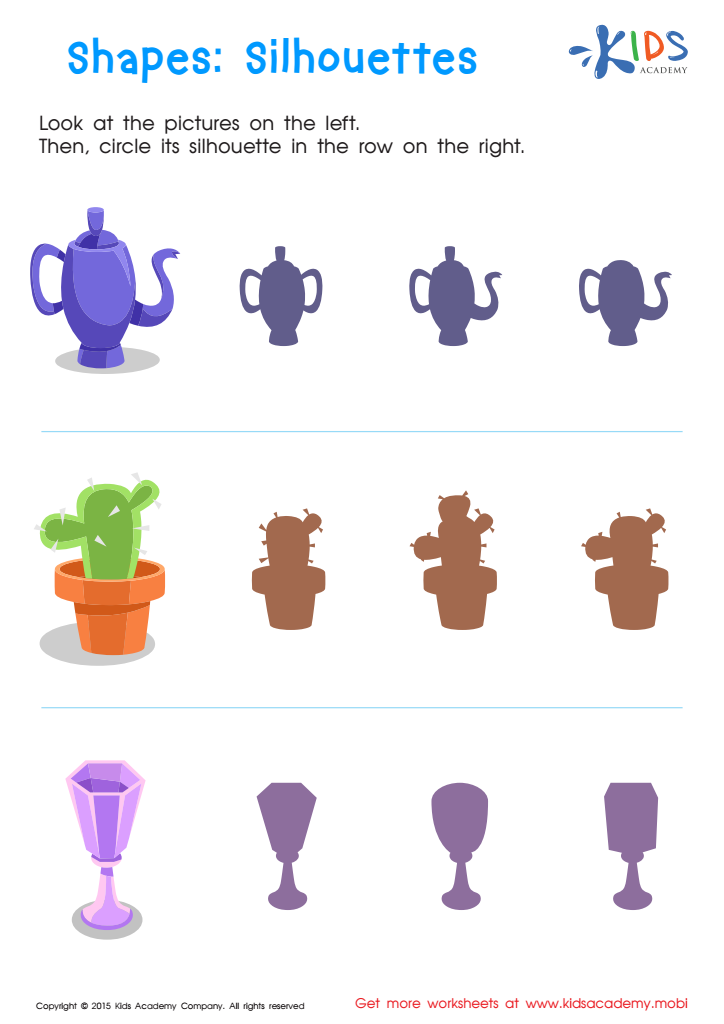
Silhouettes – Shapes Worksheet





.jpg)

Visual discrimination math activities play a pivotal role in the cognitive and academic development of children aged 3-8. This type of learning helps young minds differentiate between various shapes, sizes, numbers, and patterns, laying the groundwork for more complex mathematical skills.
Firstly, visual discrimination is essential for recognizing numerical differences and patterns. The ability to discern these distinctions enhances a child’s capability to solve problems, increasing their confidence and proficiency in math.
Secondly, fostering strong visual discrimination skills aids in the development of reading and writing. When children learn to distinguish between visually similar letters, symbols, or numbers, they become better readers and more accurate writers.
Additionally, these activities improve attention to detail and concentration. Engaging in tasks that require careful observation and differentiation sharpens focus and keeps children intellectually stimulated.
Moreover, early exposure to visual discrimination math equips children with crucial cognitive skills that are applicable beyond academics. It enhances their ability to navigate and interpret their environment effectively.
In summary, nurturing visual discrimination skills in early childhood sets the stage for lifelong learning and intellectual dexterity. By integrating these activities into children’s routines, parents and teachers invest in their holistic development, supporting both academic achievement and everyday problem-solving abilities.








