Reading comprehension Building Vocabulary Worksheets for Ages 3-8 - Page 2
117 filtered results
-
From - To
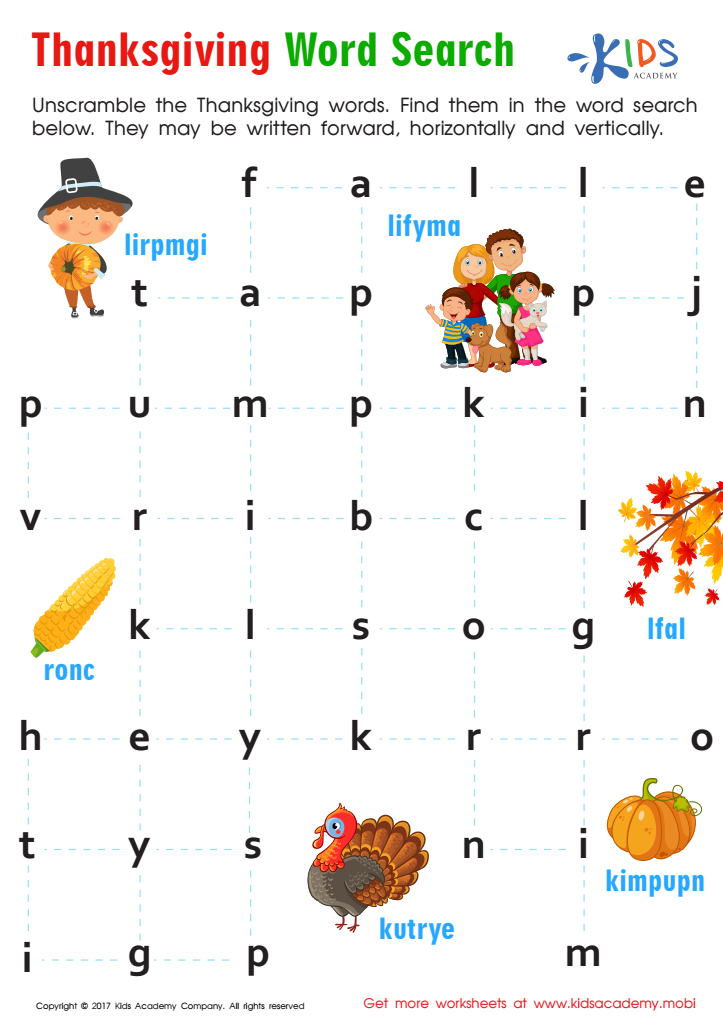
Thanksgiving Word Search Sight Words Worksheet











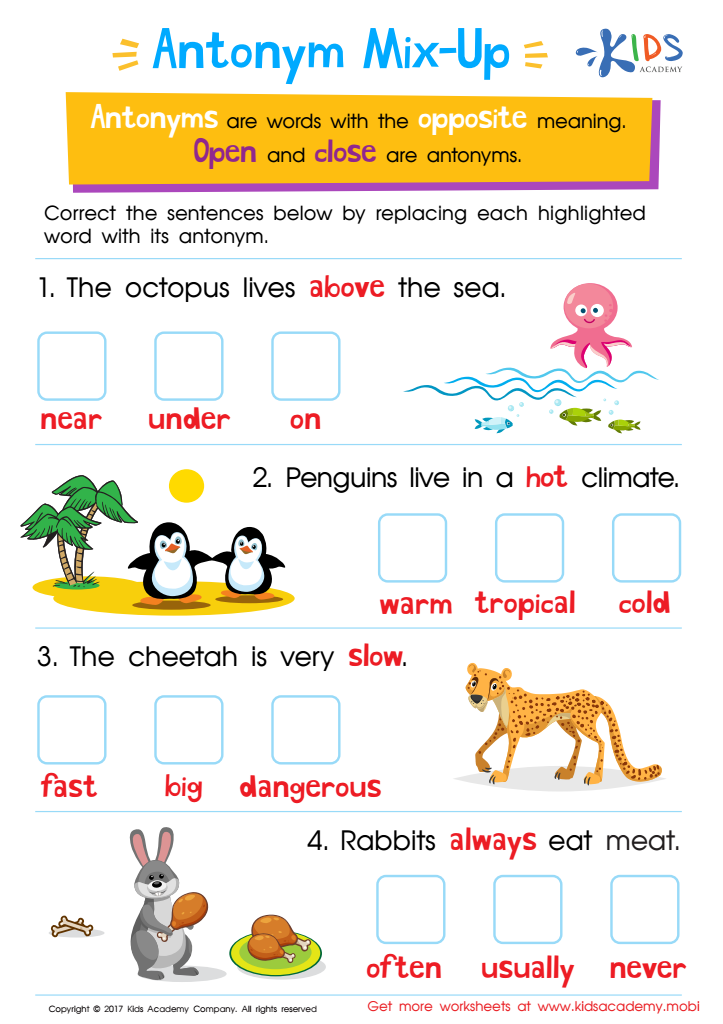
Vocabulary Antonyms Worksheet
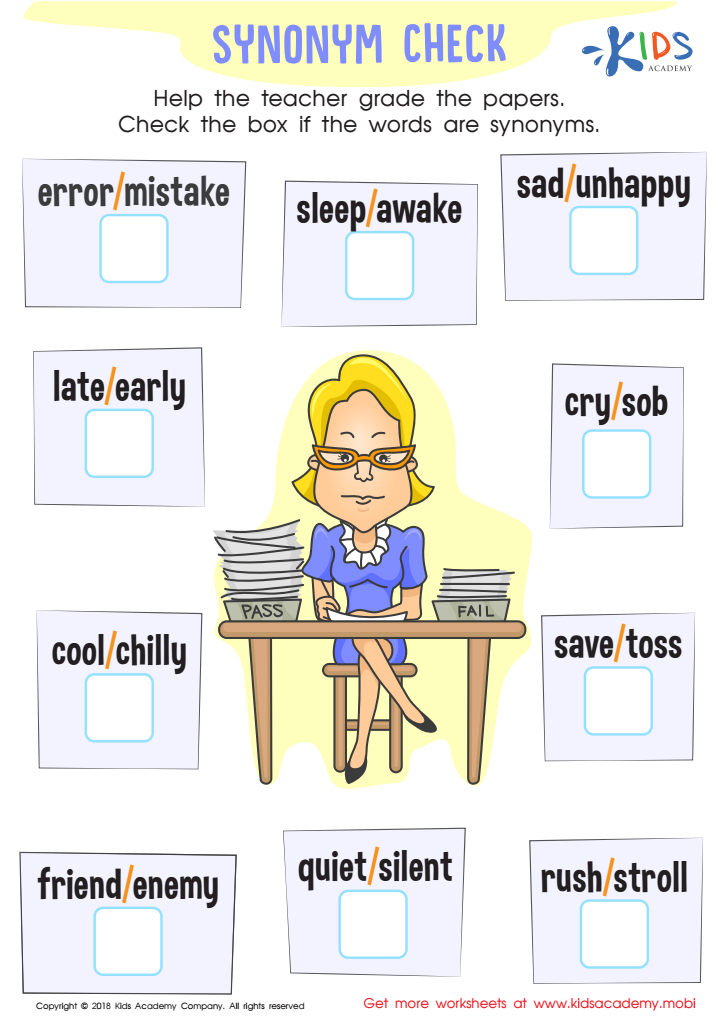
Synonym Check Worksheet
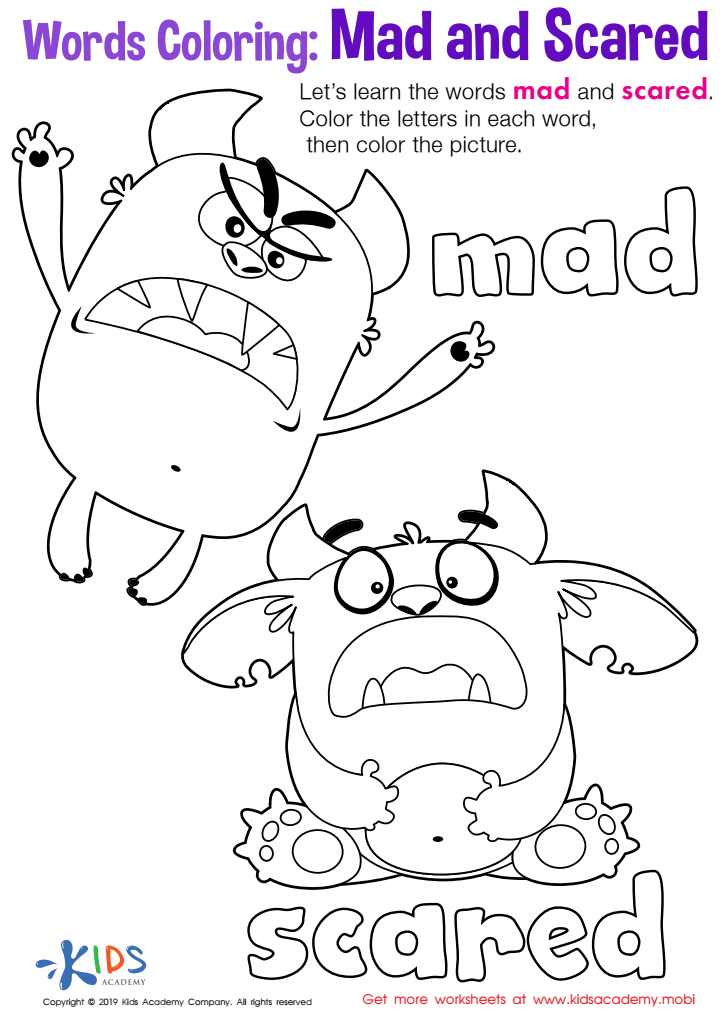
Mad and Scared Words Coloring Worksheet
 Assign to My Students
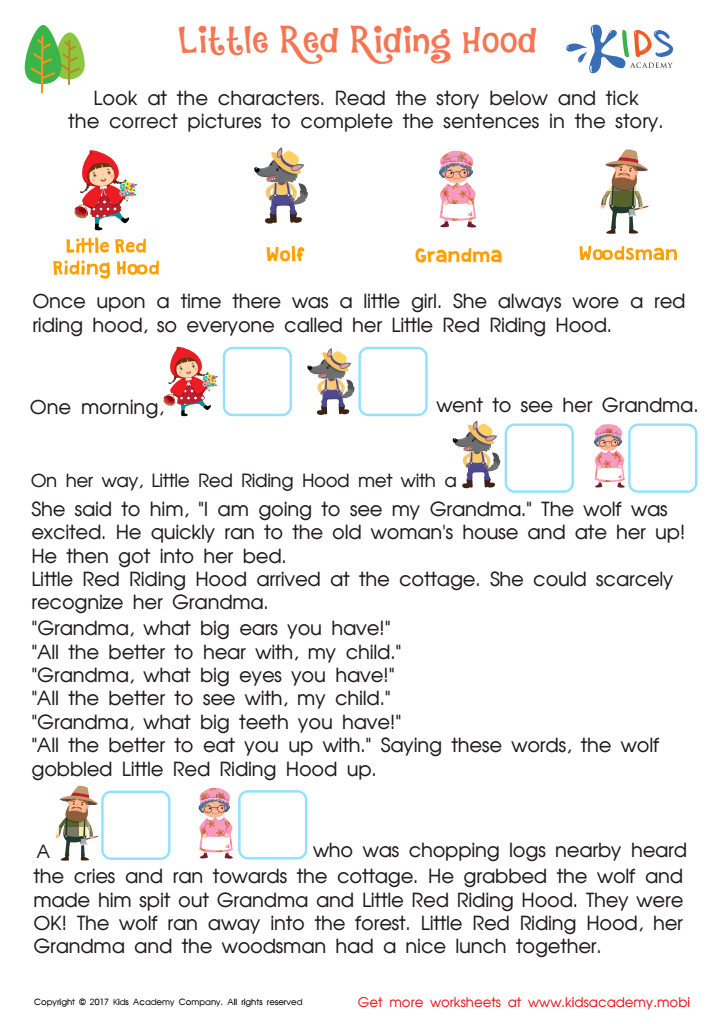
Little Red Riding Hood Printable
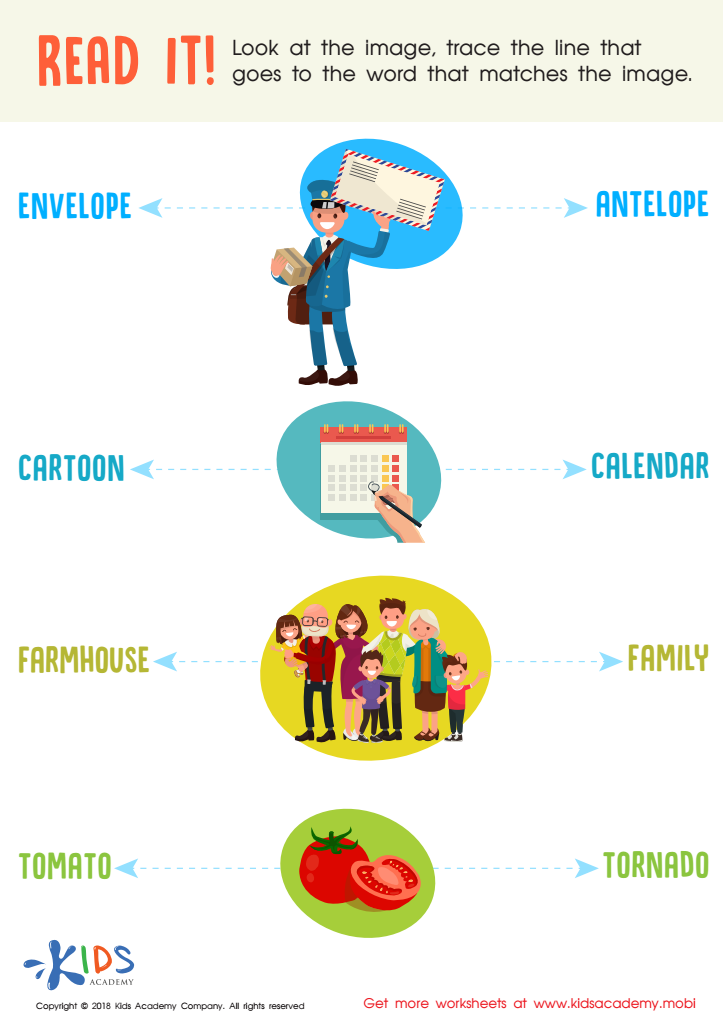
Read It! Worksheet
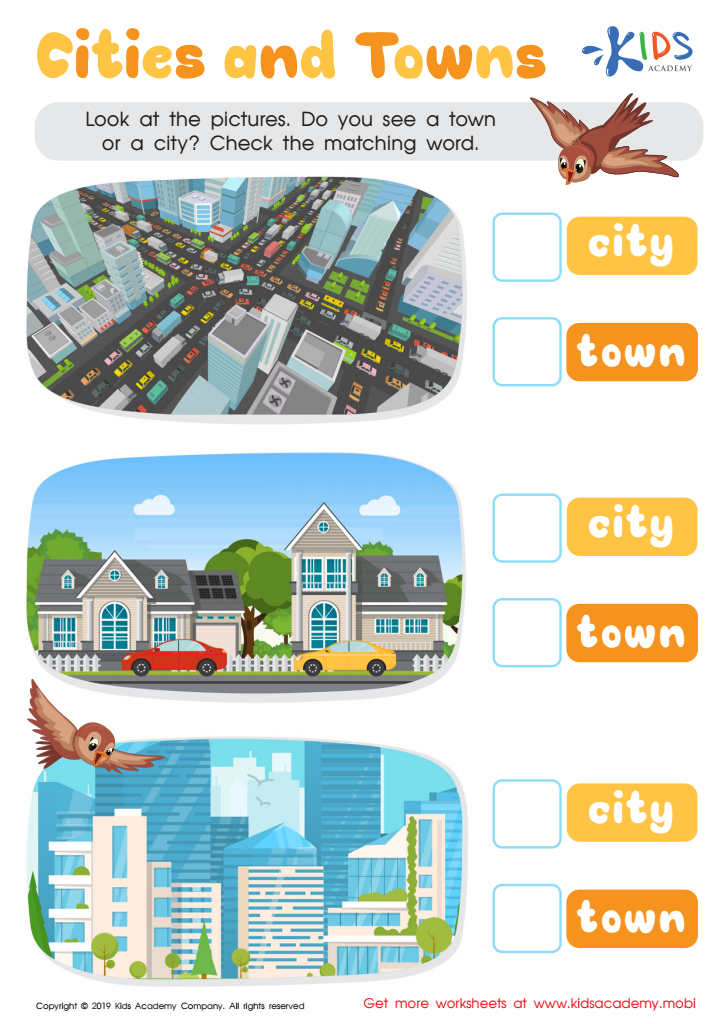
Cities and Towns Worksheet
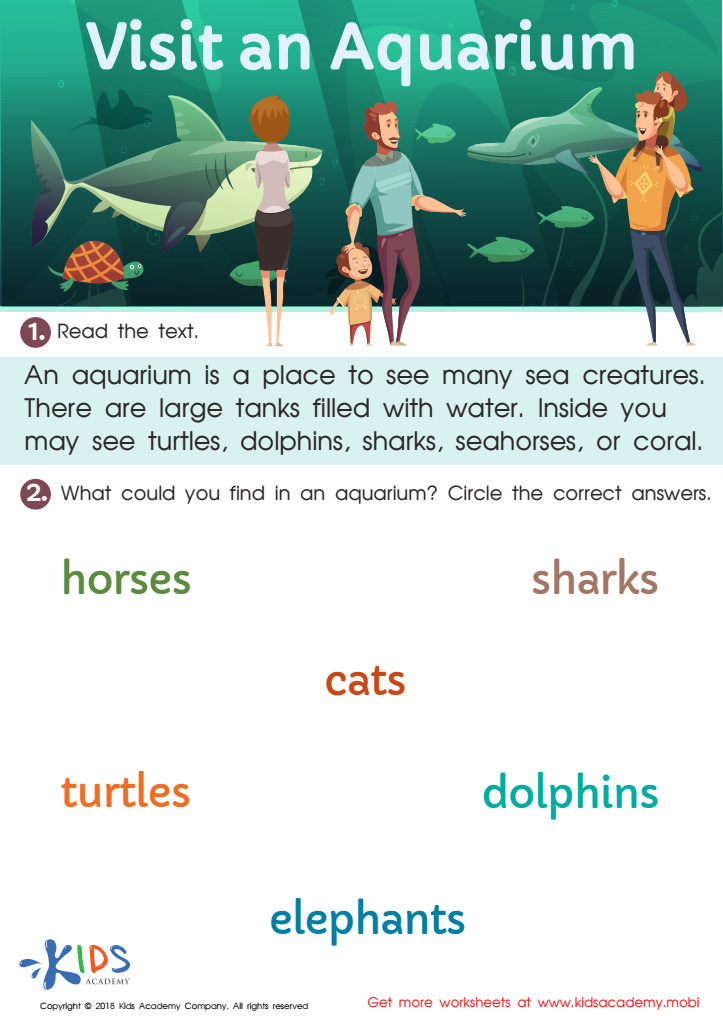
Visit an Aquarium Worksheet
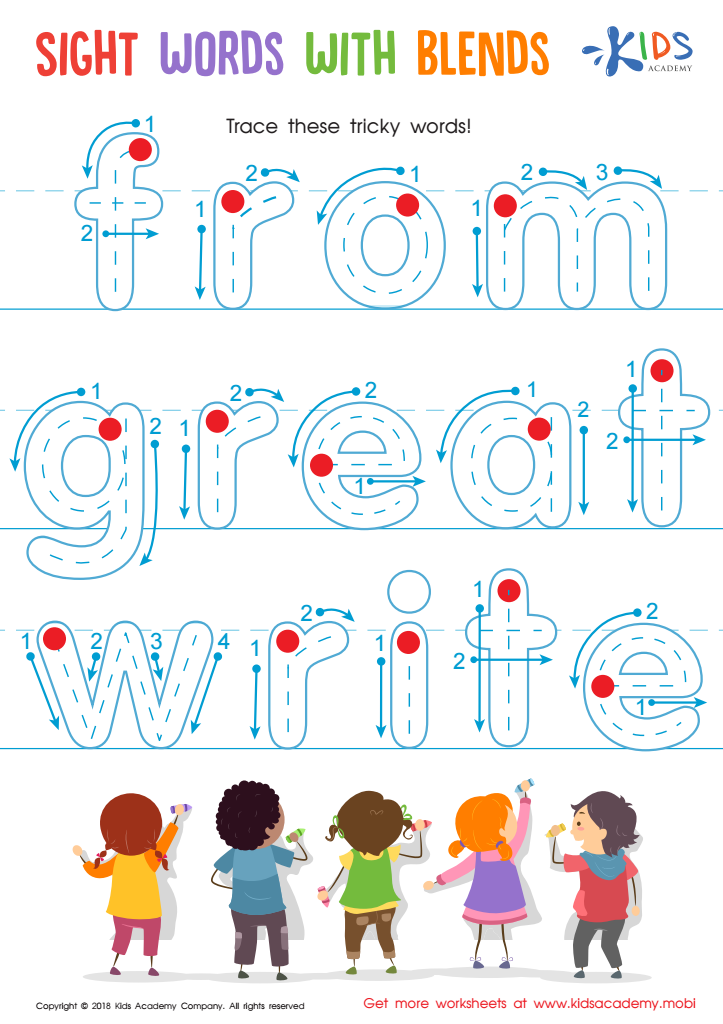
Sight Words with Blends Worksheet
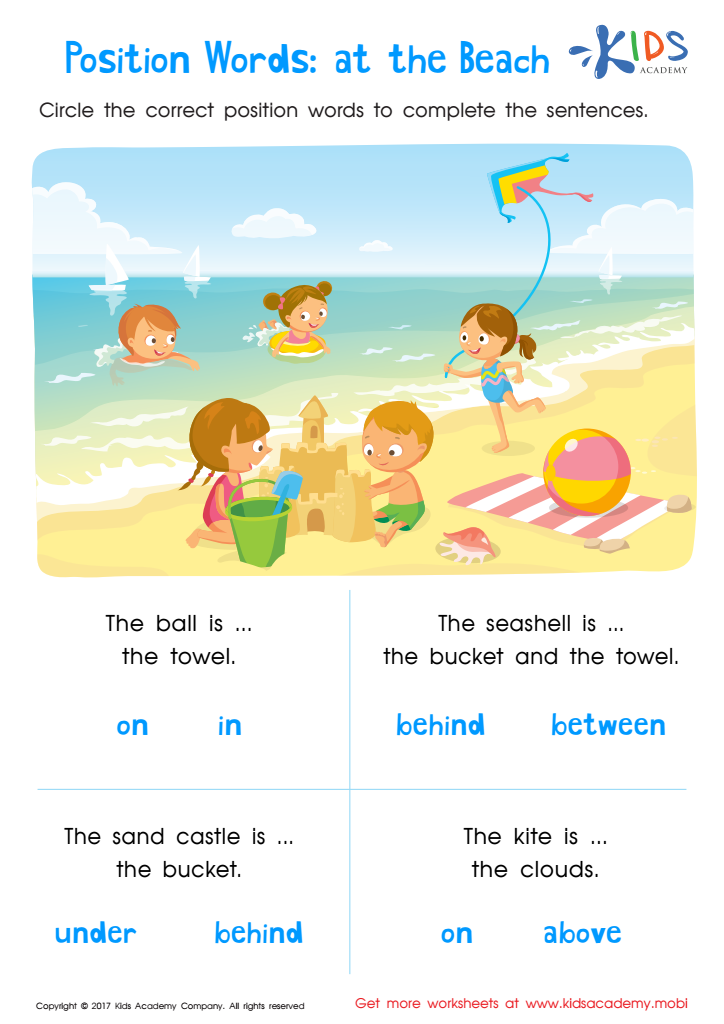
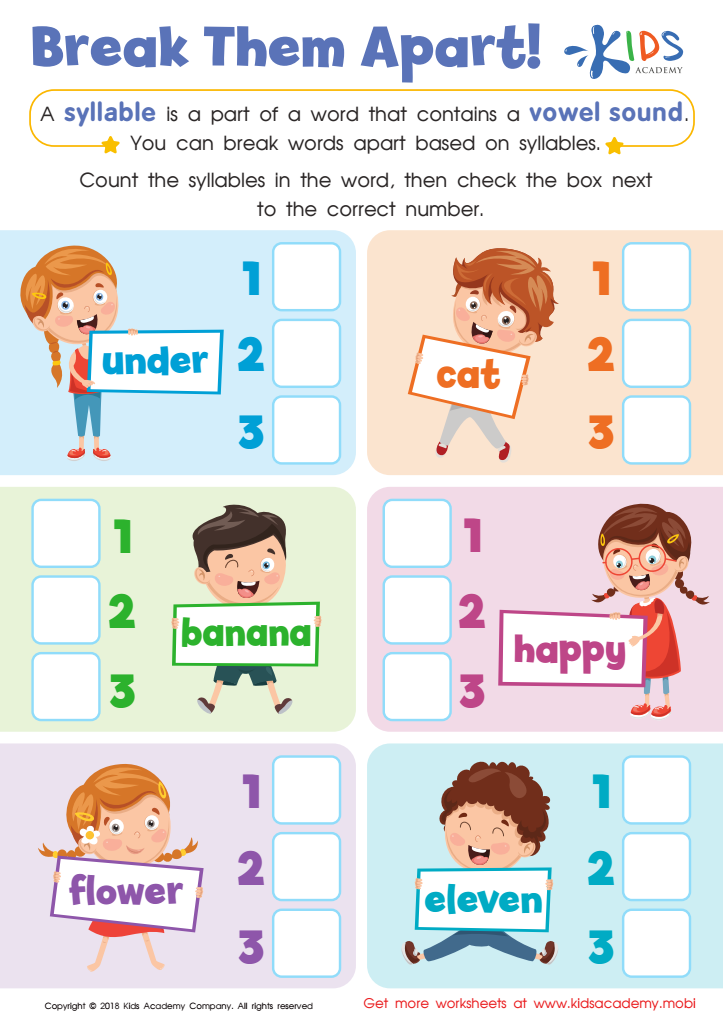
Reading: Break Them Apart Worksheet
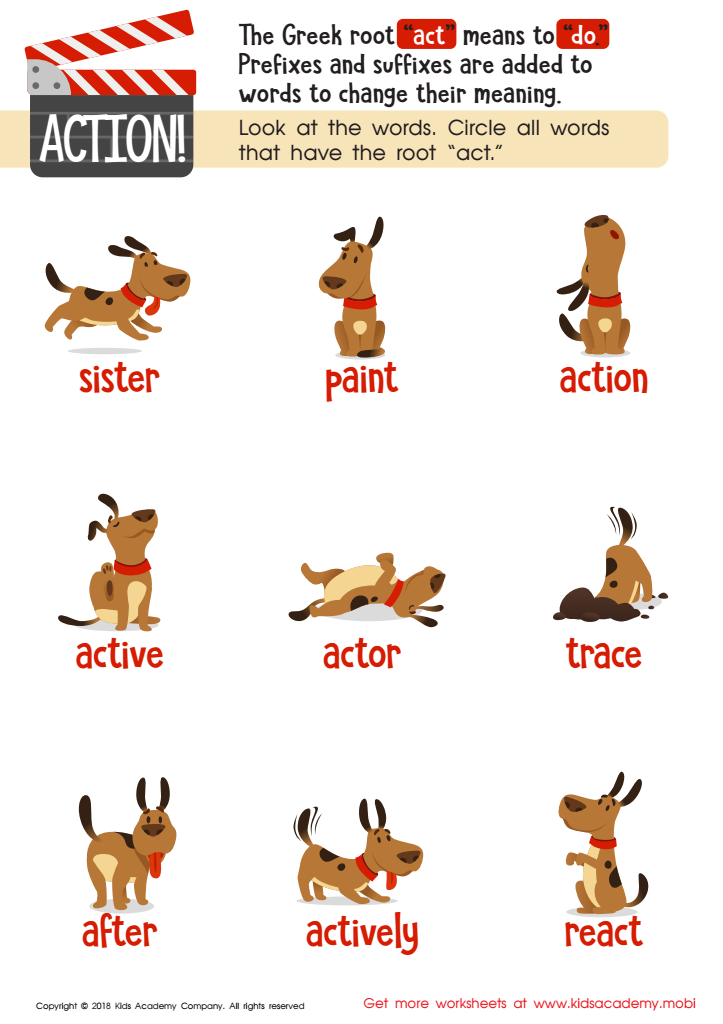
Action! Worksheet
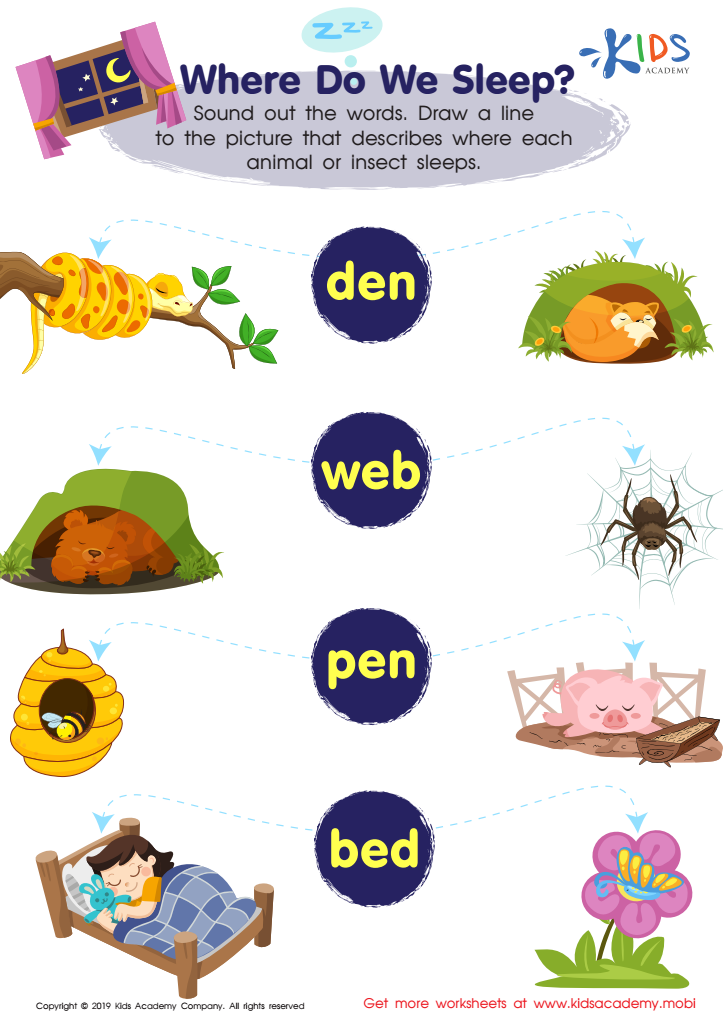
Where Do We Sleep Worksheet
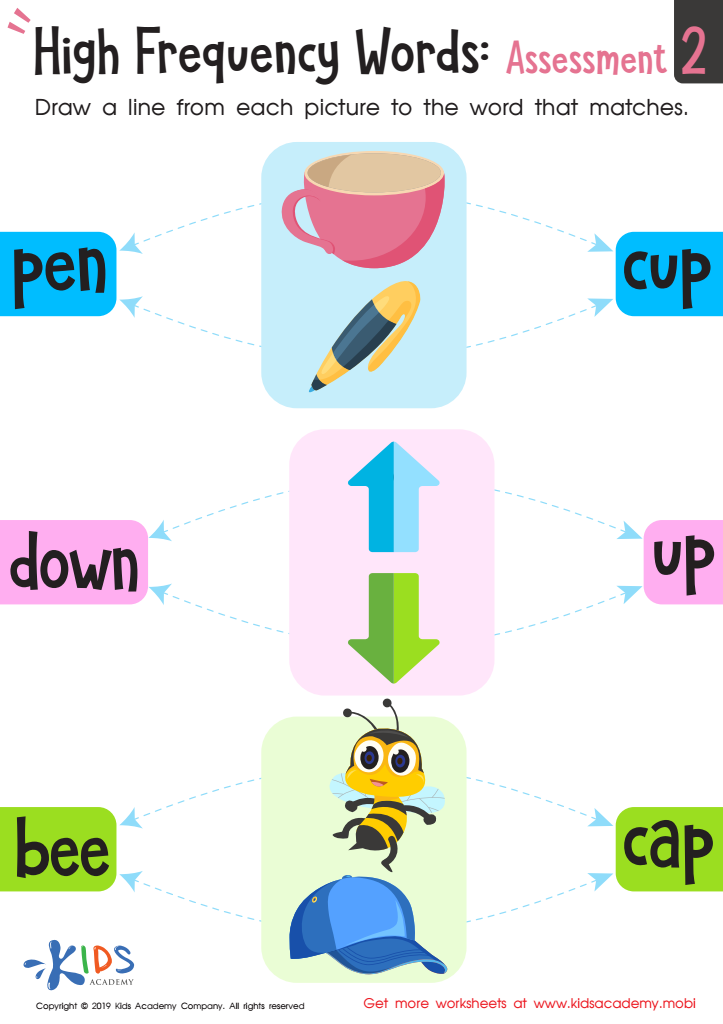
High Frequency Words: Assessment 2 Worksheet
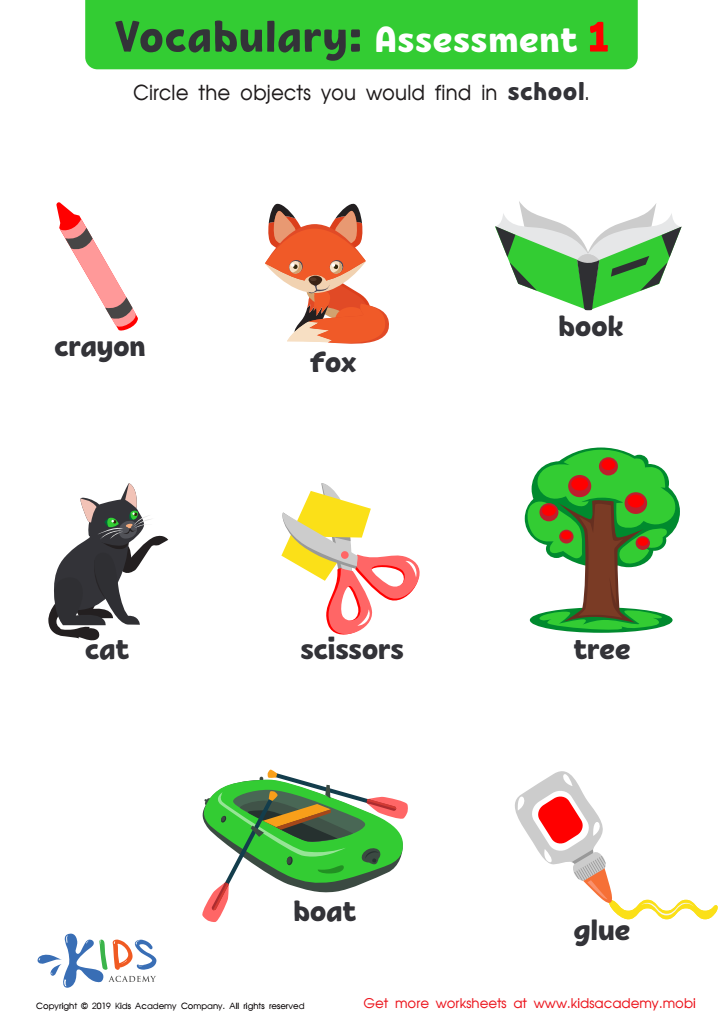
Vocabulary: Assessment 1 Worksheet
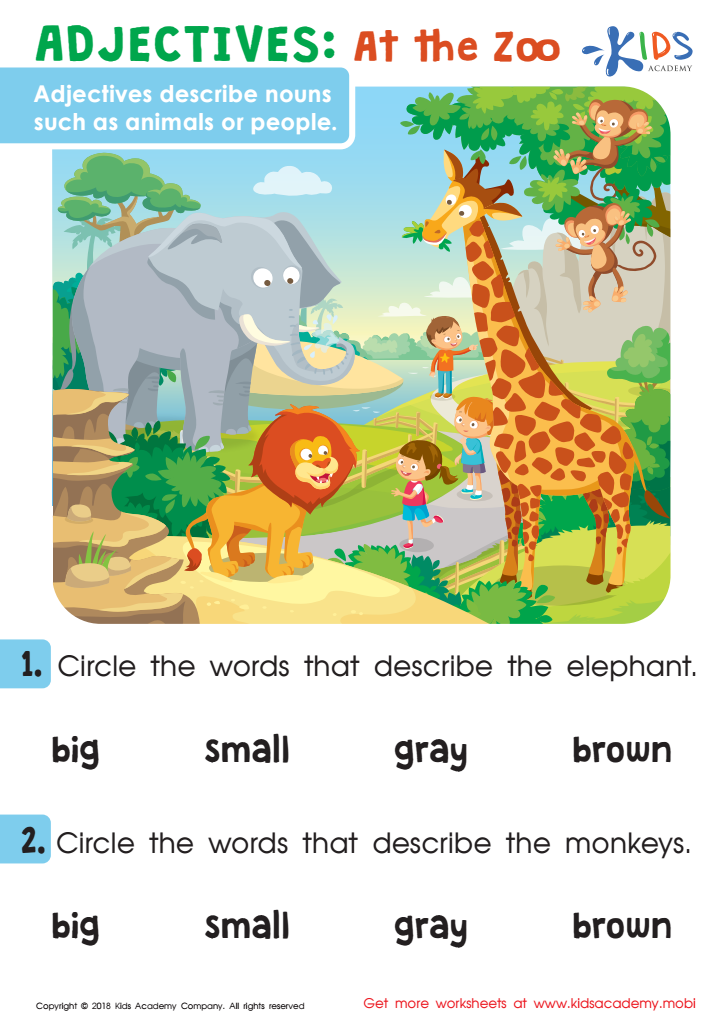
Adjectives: At The Zoo Worksheet
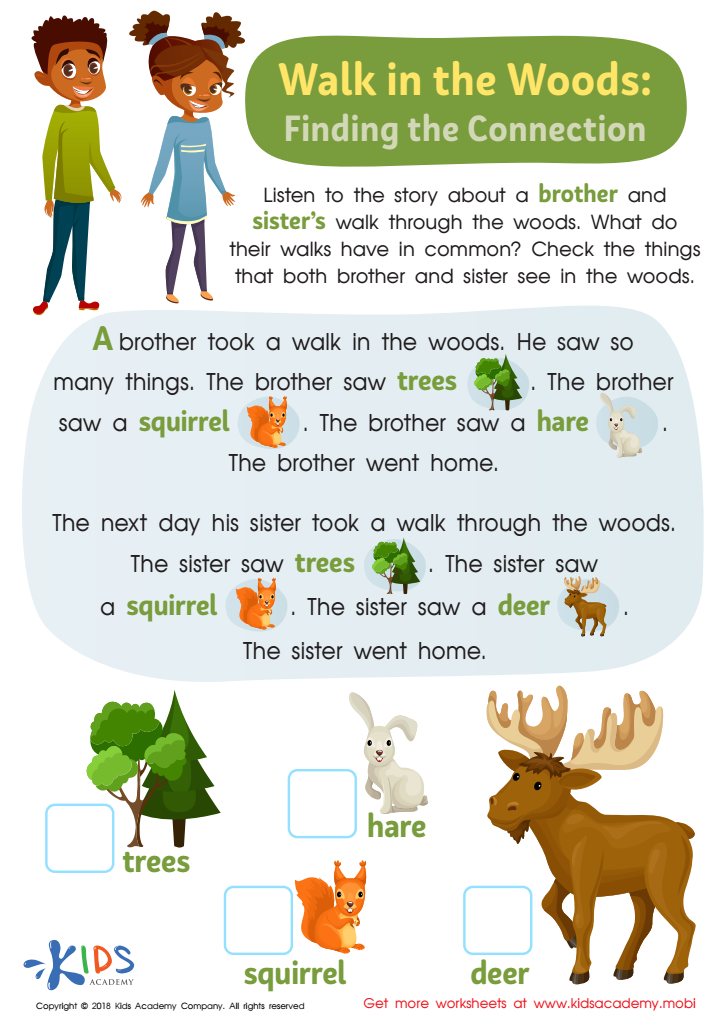
Walk In the Woods: Finding Connections Worksheet
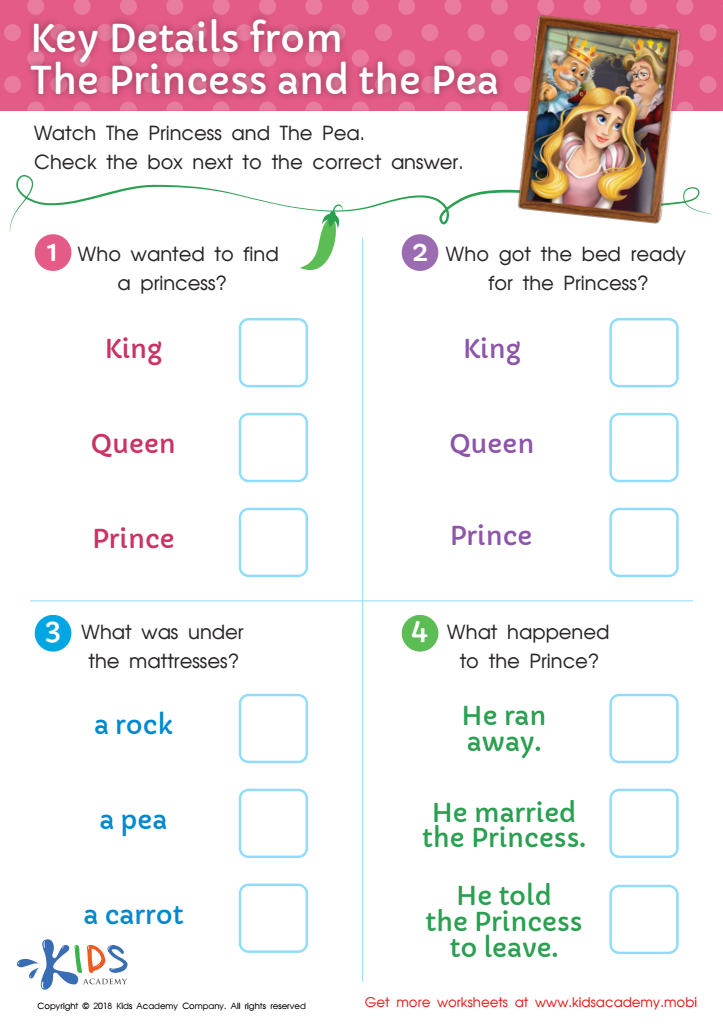
Key Details from the Princess and the Pea Worksheet
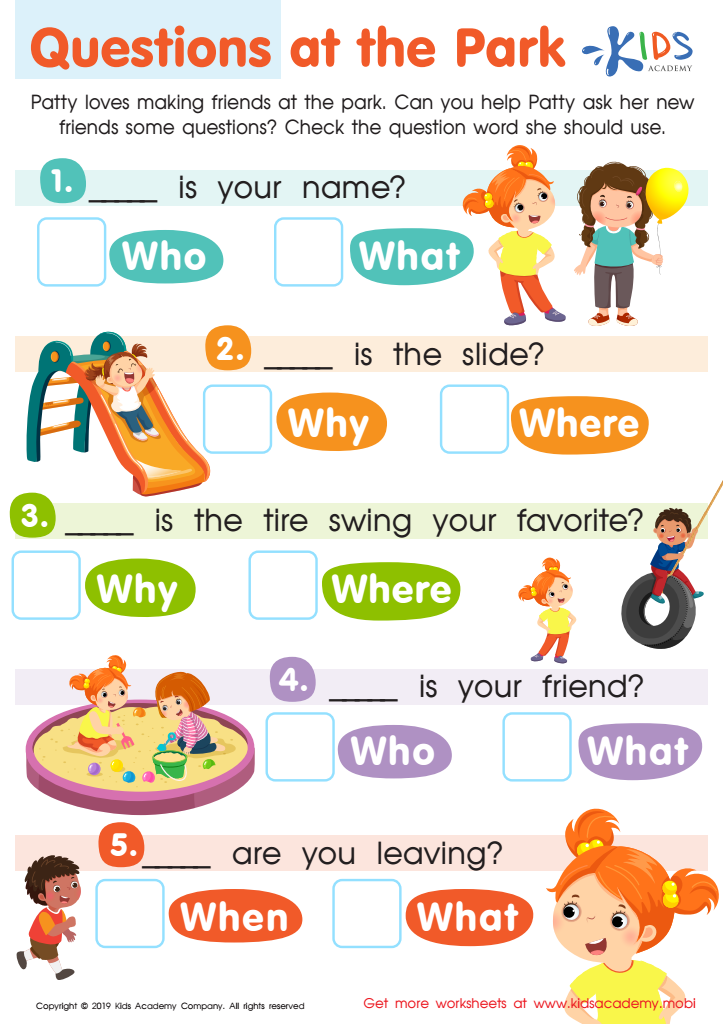
Questions at the Park Worksheet
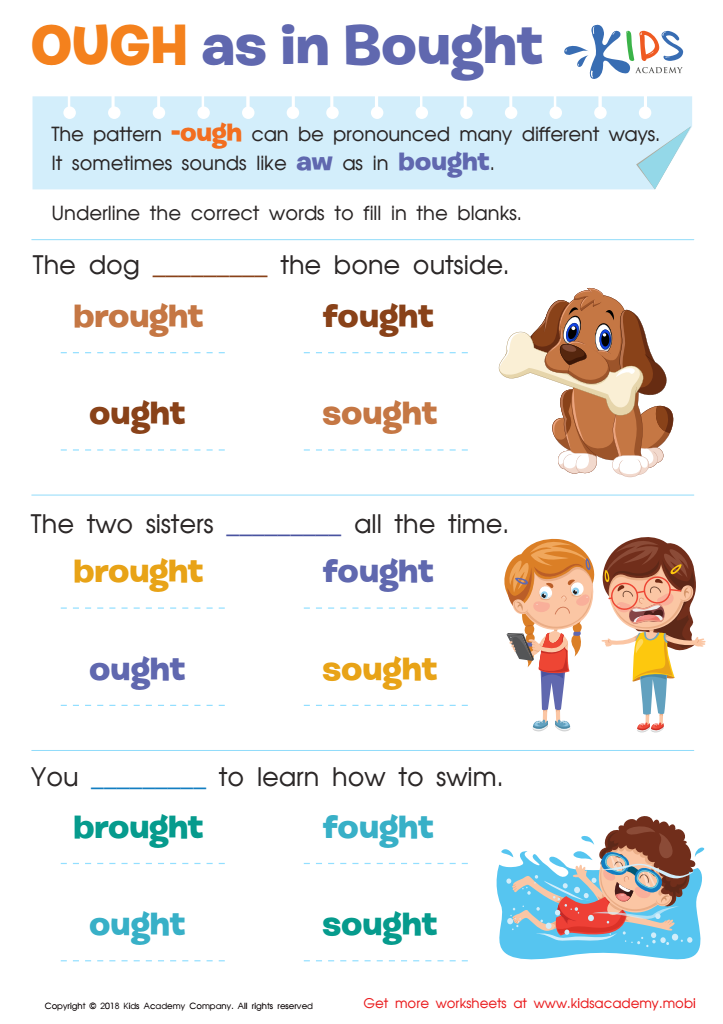
OUGH as in Bought Worksheet
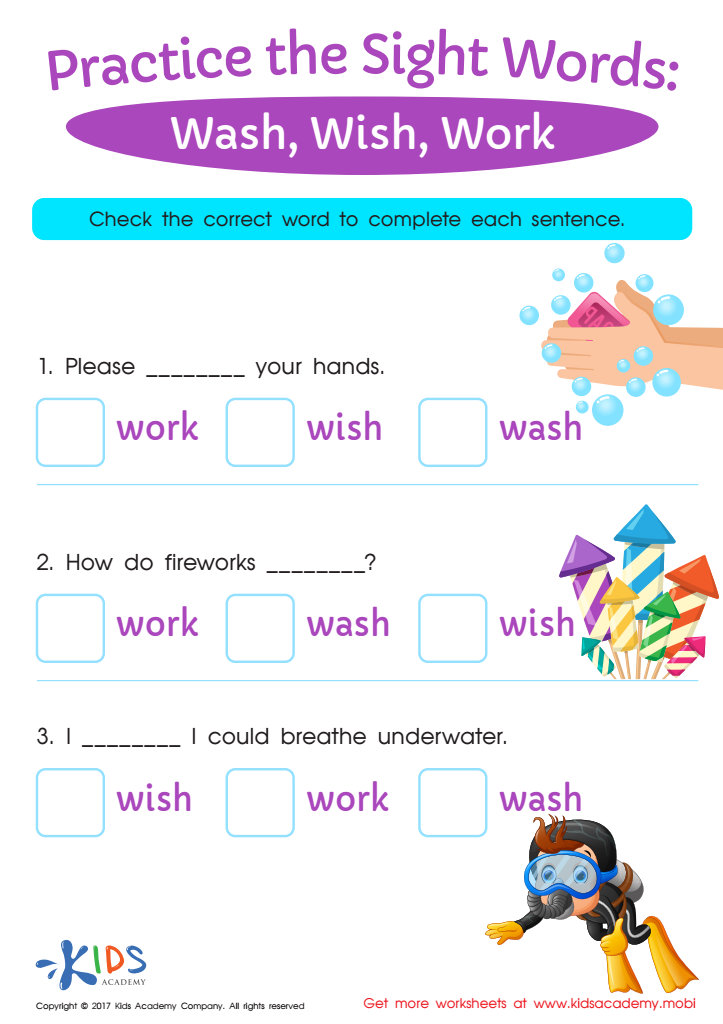
Wash, Wish, Work Sight Words Worksheet
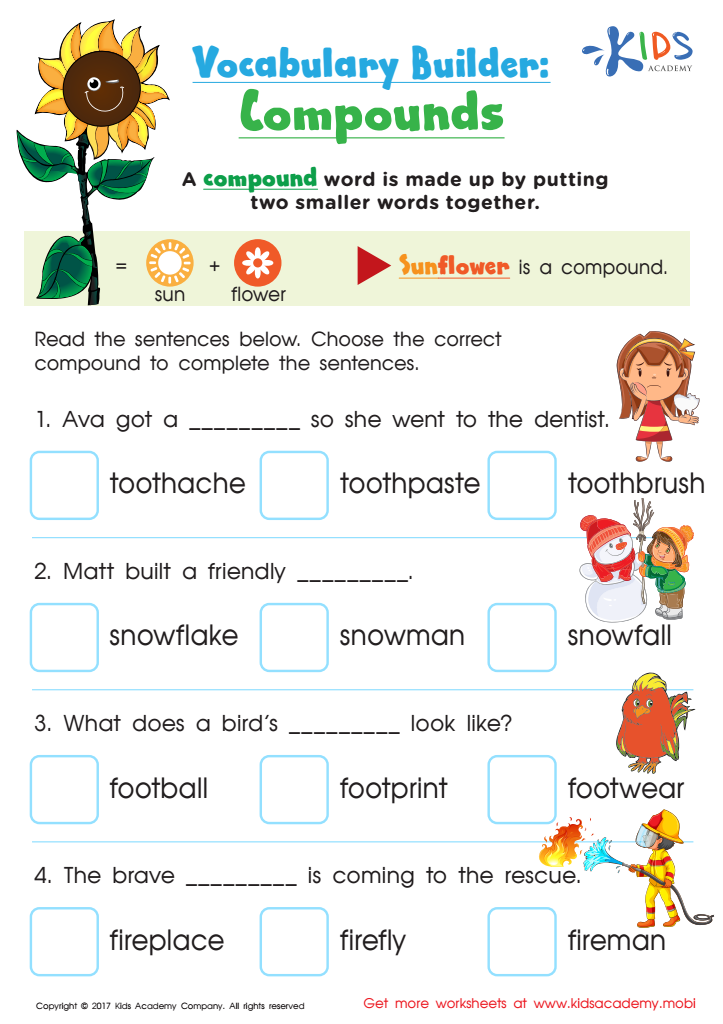
Compound Words Worksheet
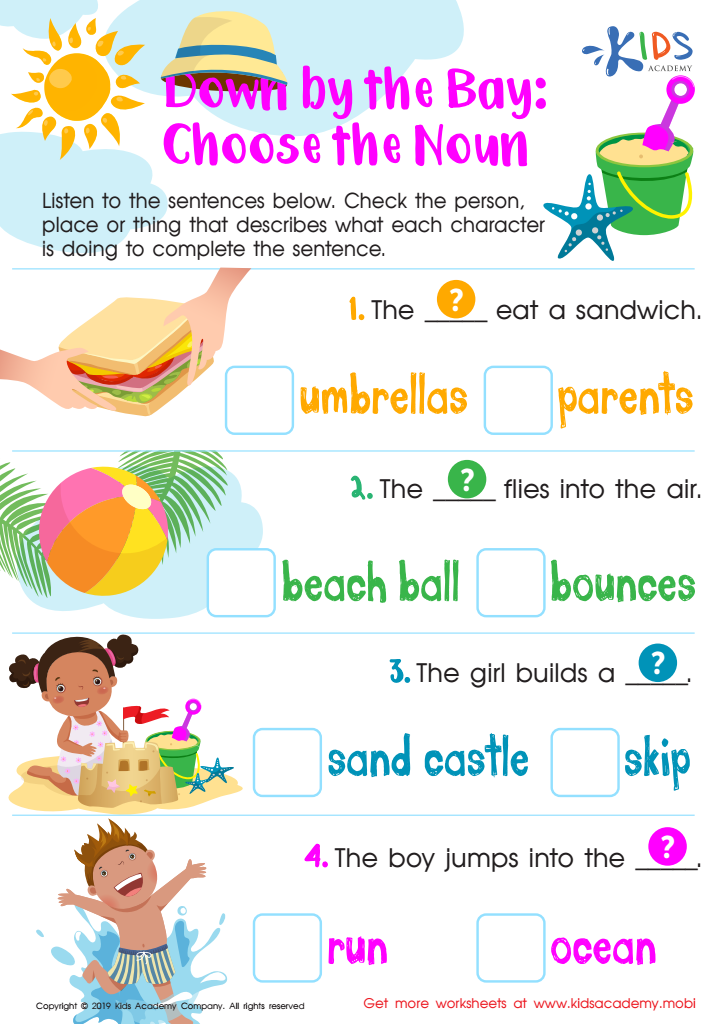
Down by the Bay: Choose the Noun Worksheet
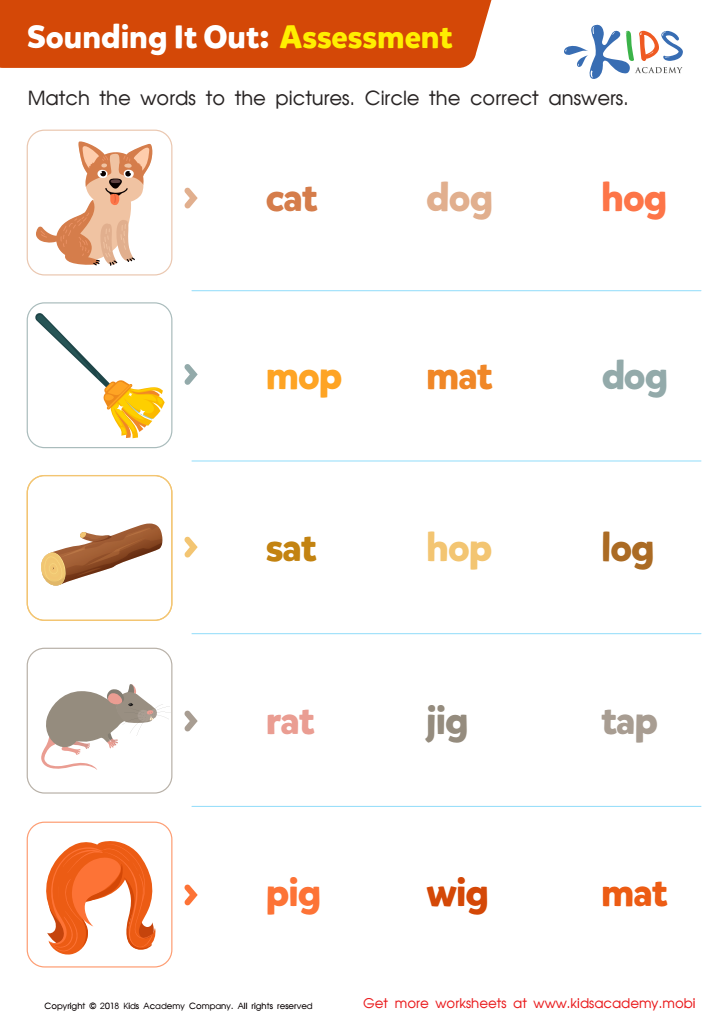
Sounding it Out: Assessment Worksheet








Building reading comprehension and vocabulary in children aged 3 to 8 is crucial for their overall academic success and development. During these formative years, children are rapidly acquiring language skills, and a strong vocabulary lays the foundation for their ability to understand and interpret what they read. A robust vocabulary enhances a child's capacity to express thoughts clearly, engage in discussions, and connect ideas.
Teachers and parents should recognize that reading comprehension is more than just decoding words—it involves making meaning from texts. Children with strong comprehension skills can make connections, predict outcomes, and engage with material thoughtfully. This cognitive engagement not only bolsters reading skills but also fosters critical thinking and problem-solving abilities.
Furthermore, enhancing vocabulary helps children develop a love for literacy. When children come across engaging and interesting words, they cultivate curiosity and motivation to explore language further. This enthusiasm can lead to a lifelong appreciation for reading that benefits them academically and personally.
Investing time and resources in developing these skills during early childhood is, therefore, integral. It empowers children to thrive across academic subjects, contributes to self-confidence, and prepares them for a successful transition into higher education.








