Vocabulary expansion Building Vocabulary Worksheets for Ages 3-8
60 filtered results
-
From - To
Enhance your child's vocabulary with our engaging "Vocabulary Expansion Building Worksheets" designed specifically for ages 3-8. These printable resources offer fun and interactive activities that encourage language development through word recognition, picture associations, and matching games. Our worksheets are tailored to foster essential reading skills and boost your child's confidence in using new words. Explore topics ranging from everyday objects to basic adjectives, providing a comprehensive approach to learning. Perfect for homeschooling or supplementary practice, these worksheets ensure your young learner enjoys a stimulating experience while building a robust vocabulary. Start your vocabulary journey today and watch your child's skills thrive!
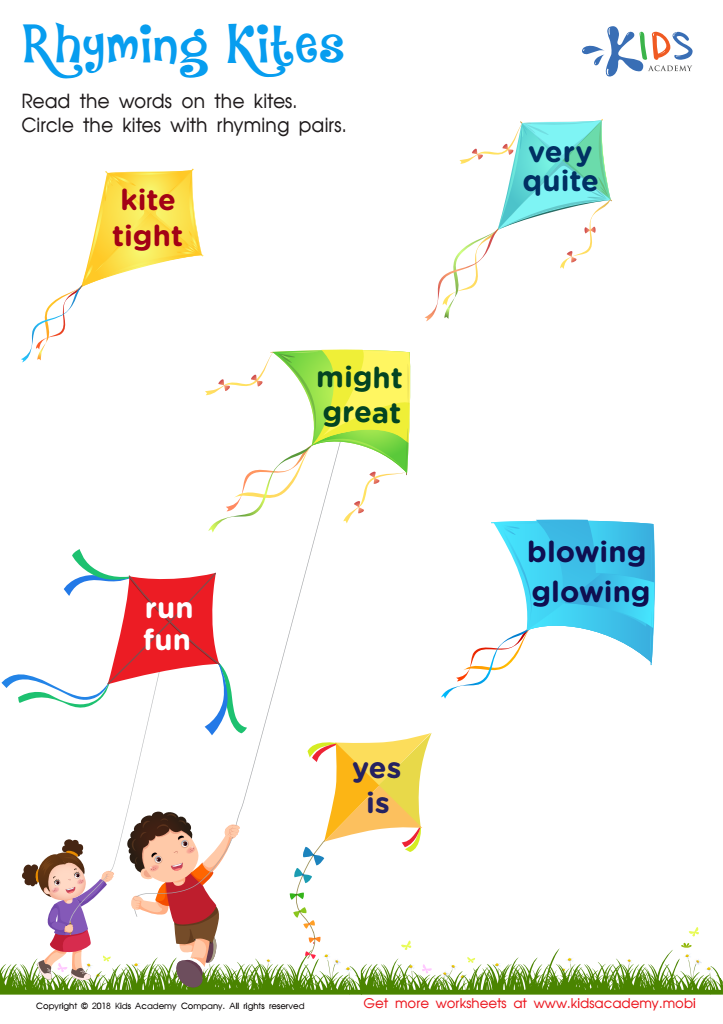
Rhyming Kites Worksheet
 Assign to My Students











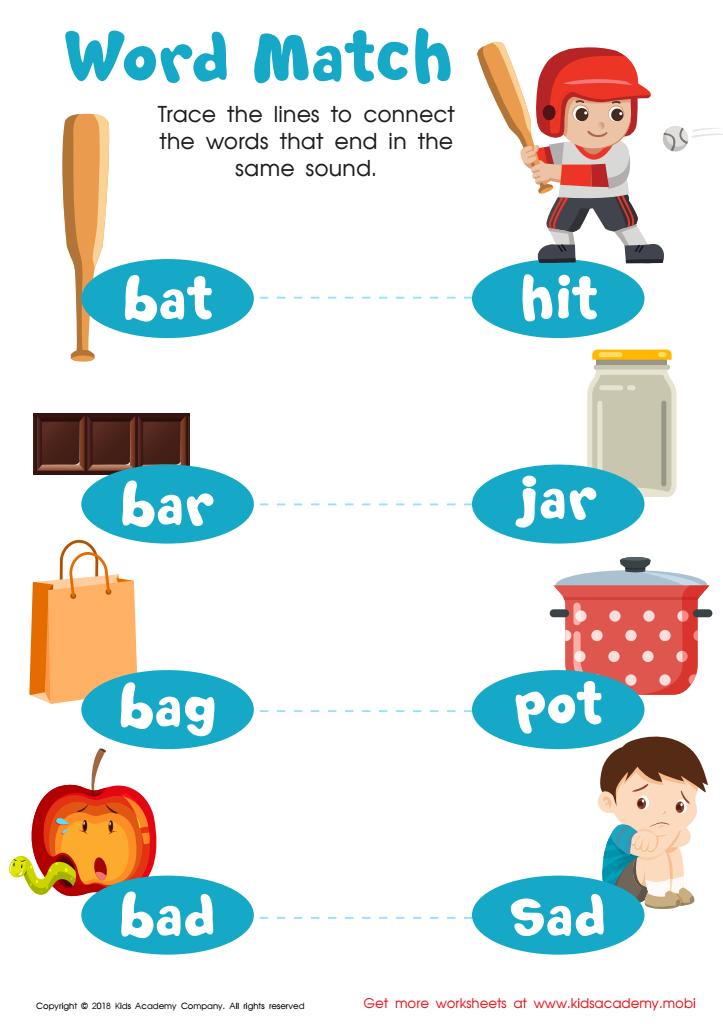
Word Match Reading Worksheet
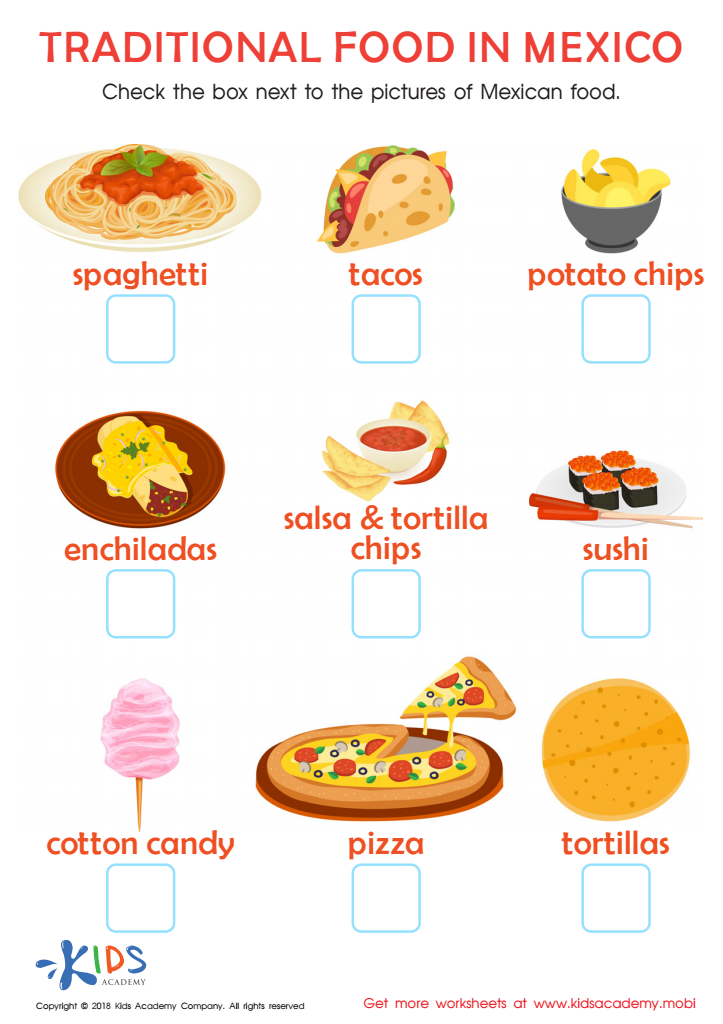
Traditional Food in Mexico Worksheet
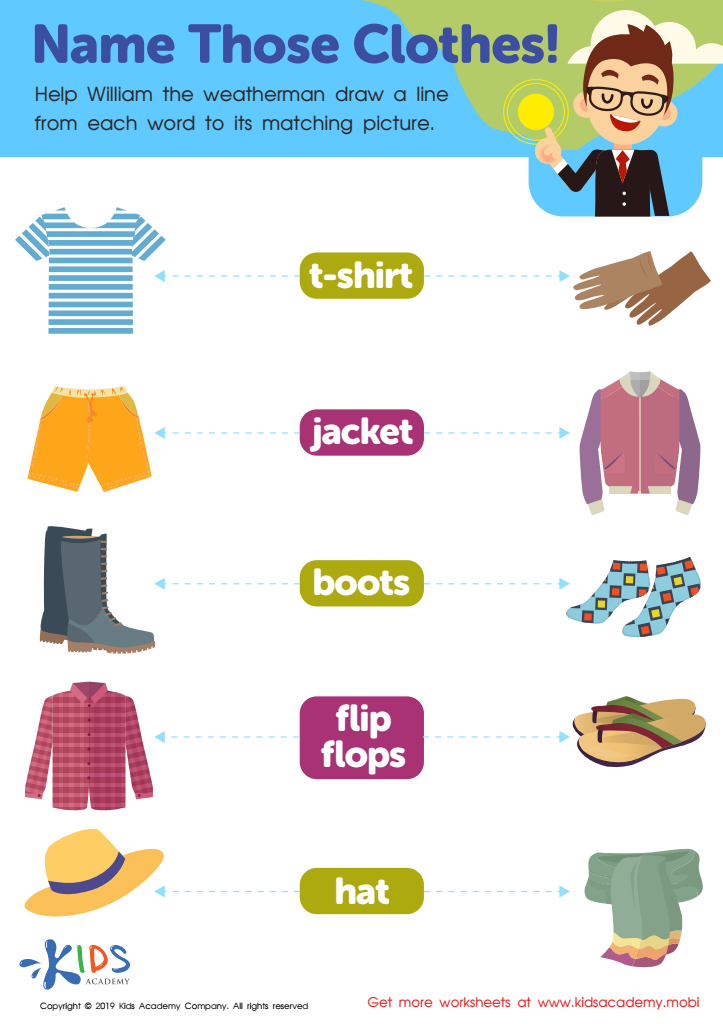
Name Those Clothes Worksheet
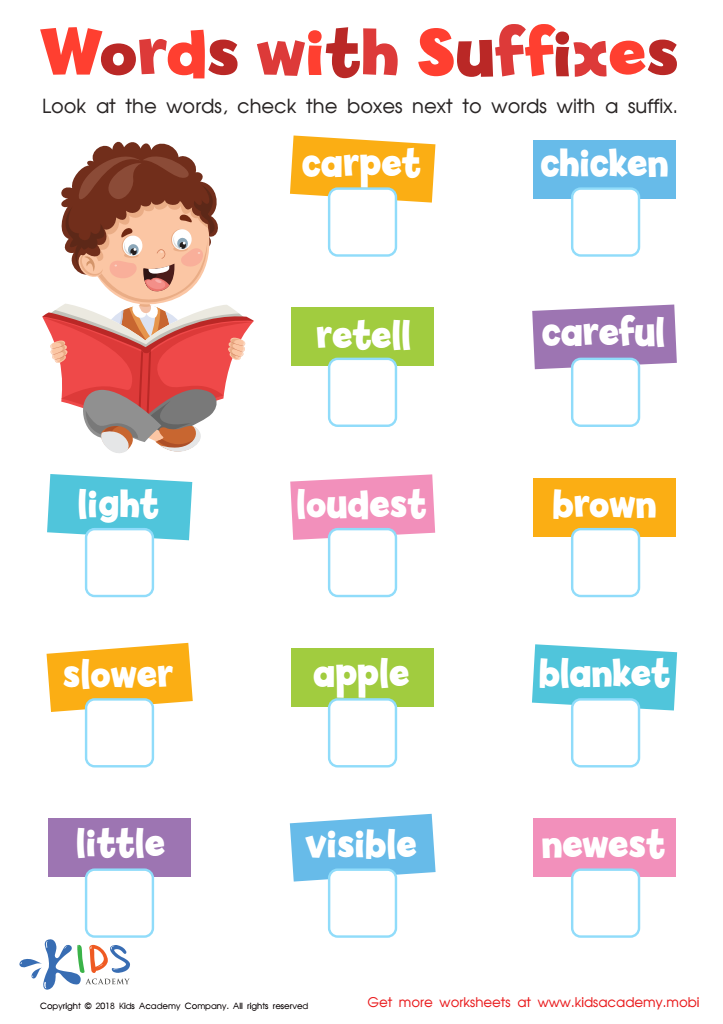
Reading: Words With Suffixes Worksheet
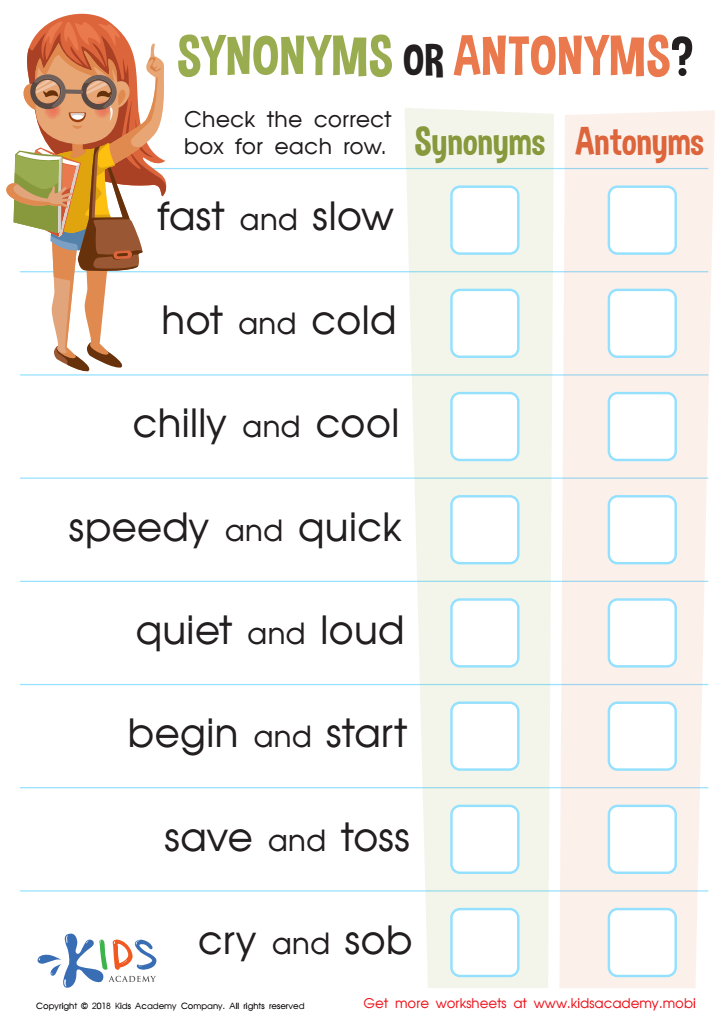
Synonyms or Antonyms: Assessment Worksheet
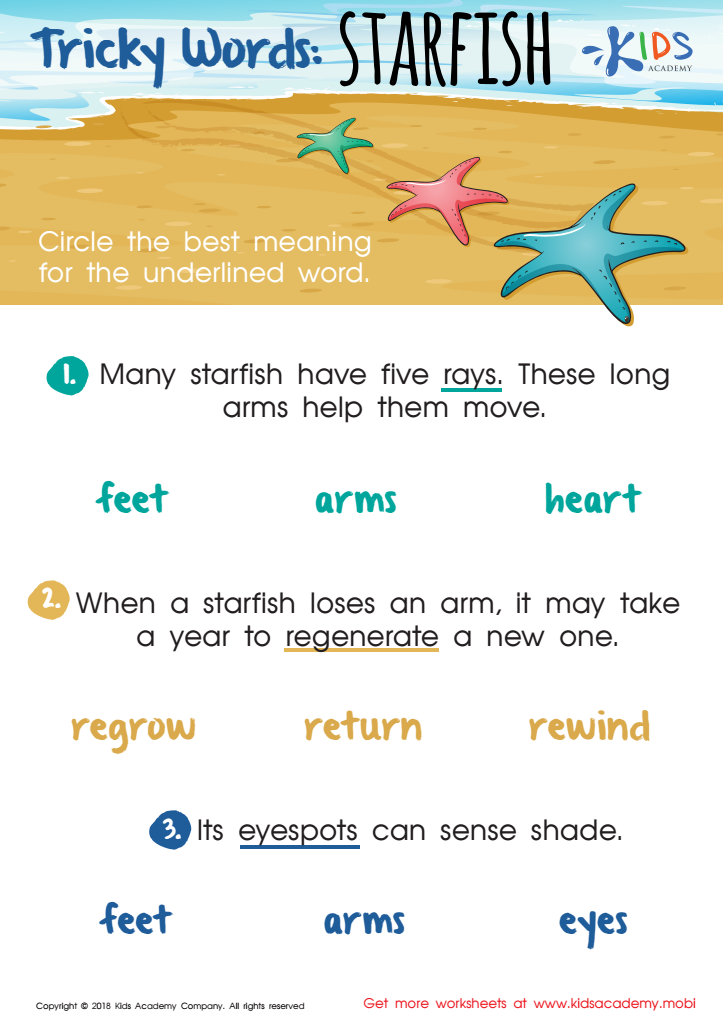
Tricky Words: Starfish Worksheet
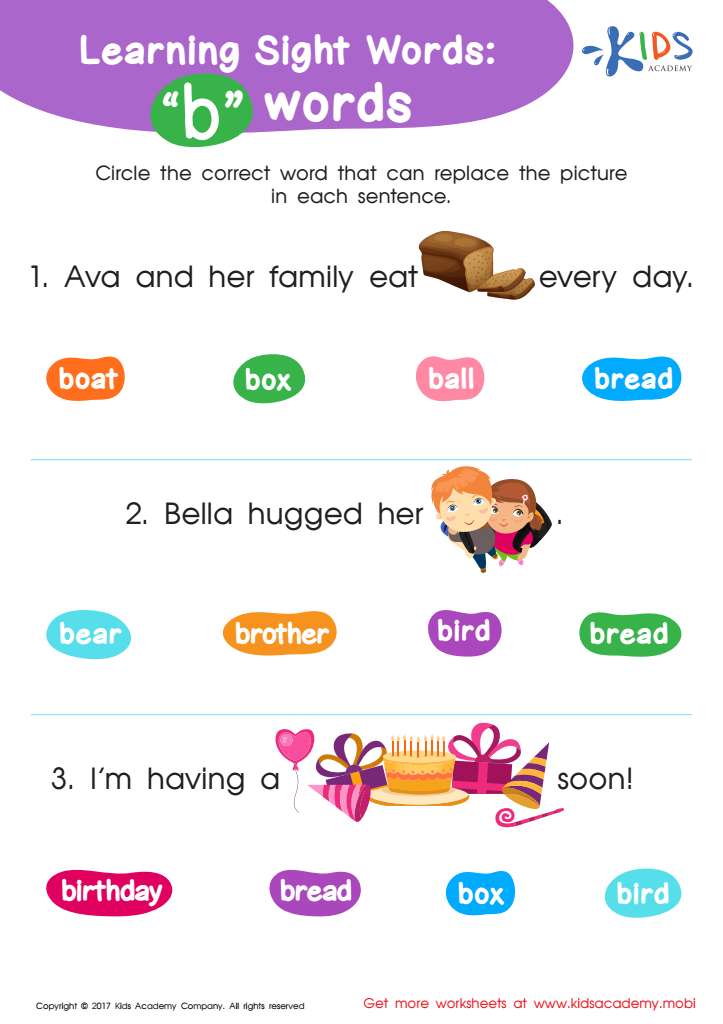
Sight Words Free Worksheet – B Words
What Does It Mean? Worksheet
The Ant and The Grasshopper Worksheet
Adverbs That Tell Where Worksheet
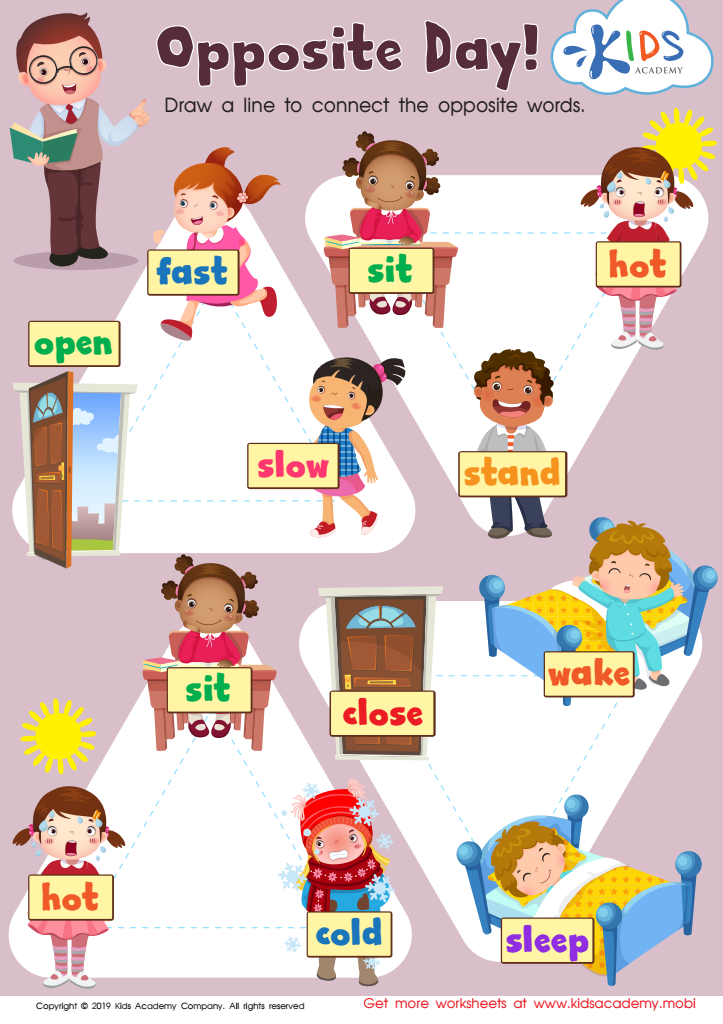
Opposite Day Worksheet
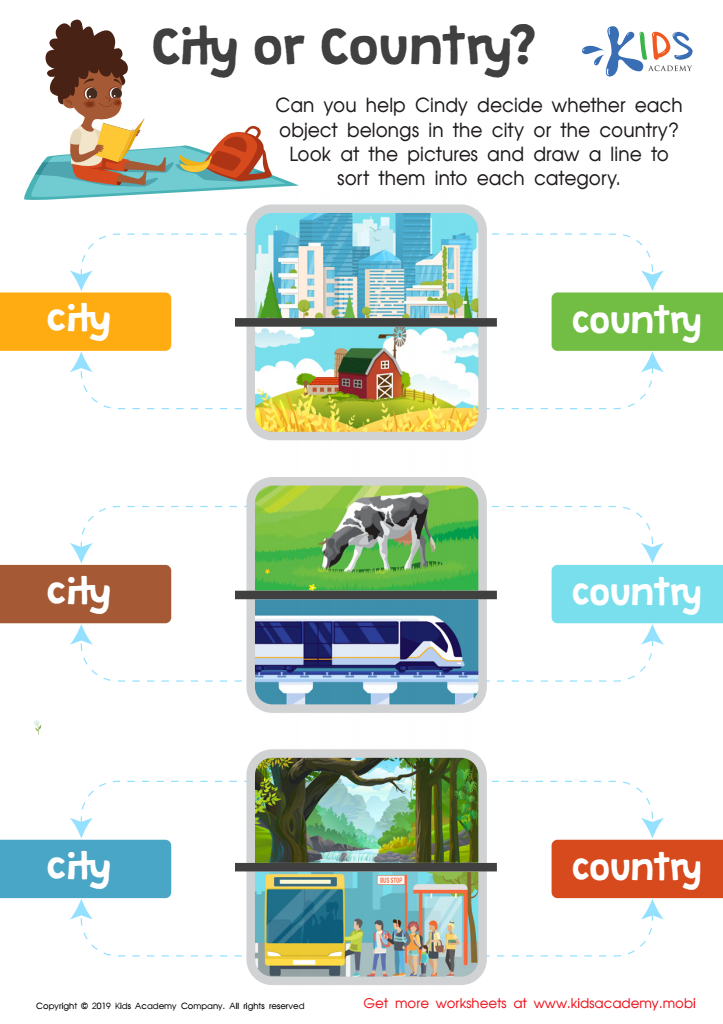
City or Country? Worksheet
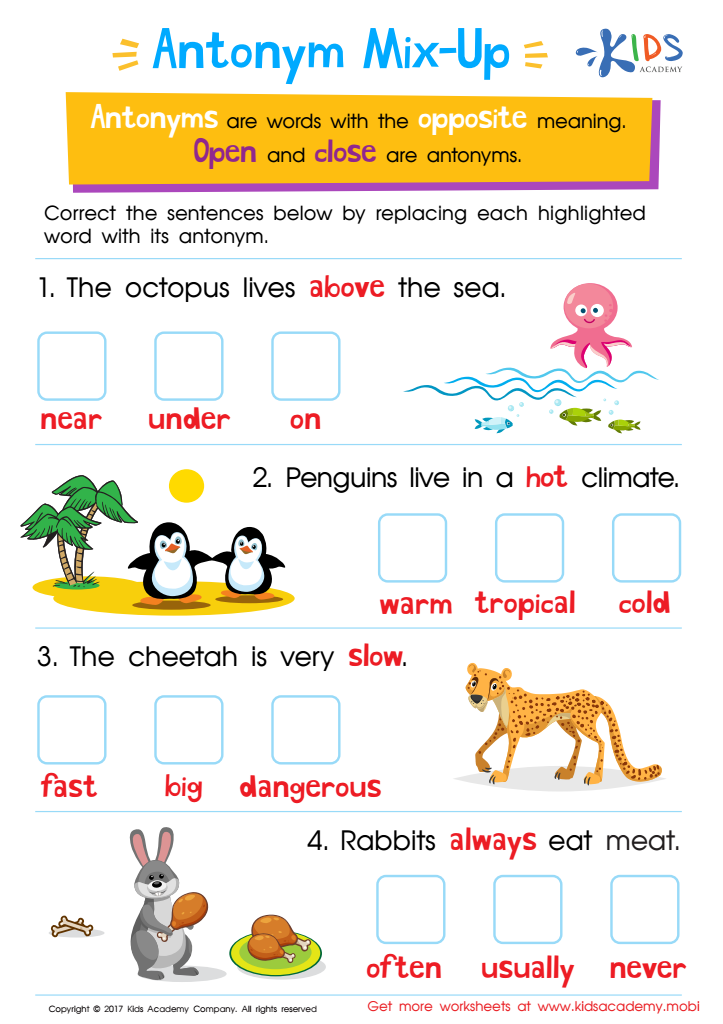
Vocabulary Antonyms Worksheet
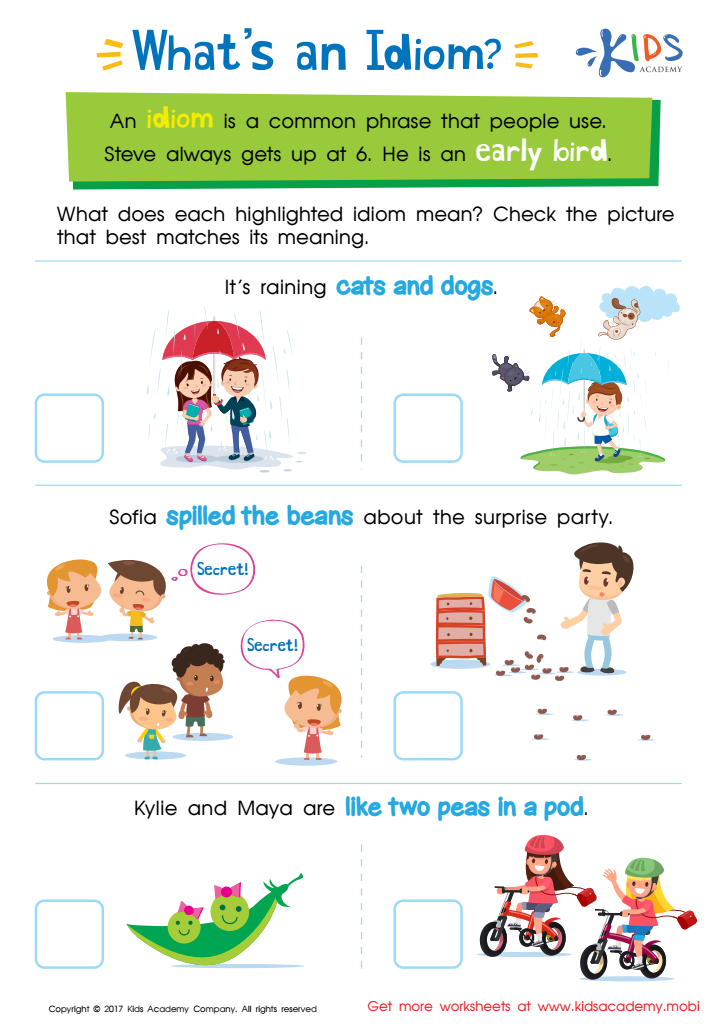
Idiom Worksheet
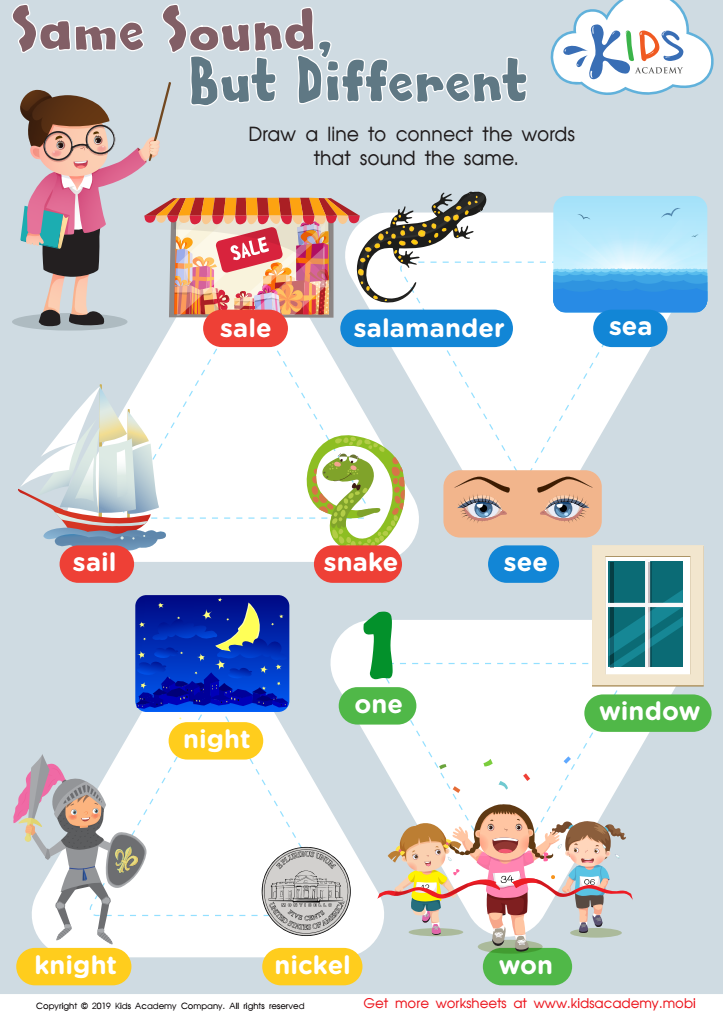
Sound Different Worksheet
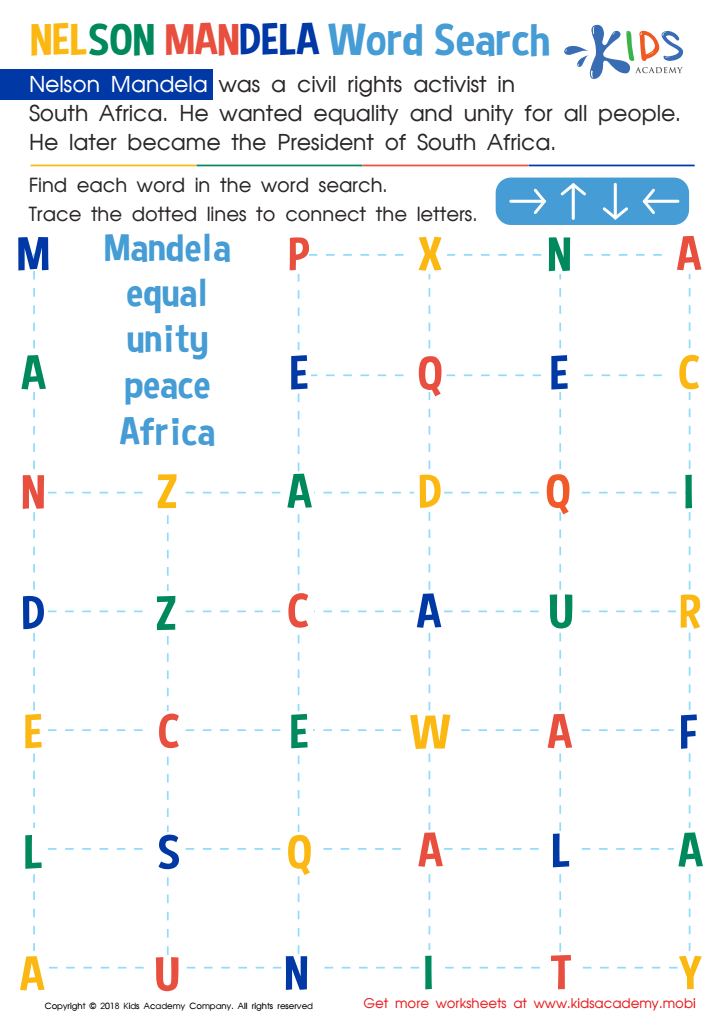
Nelson Mandela Word Search Worksheet
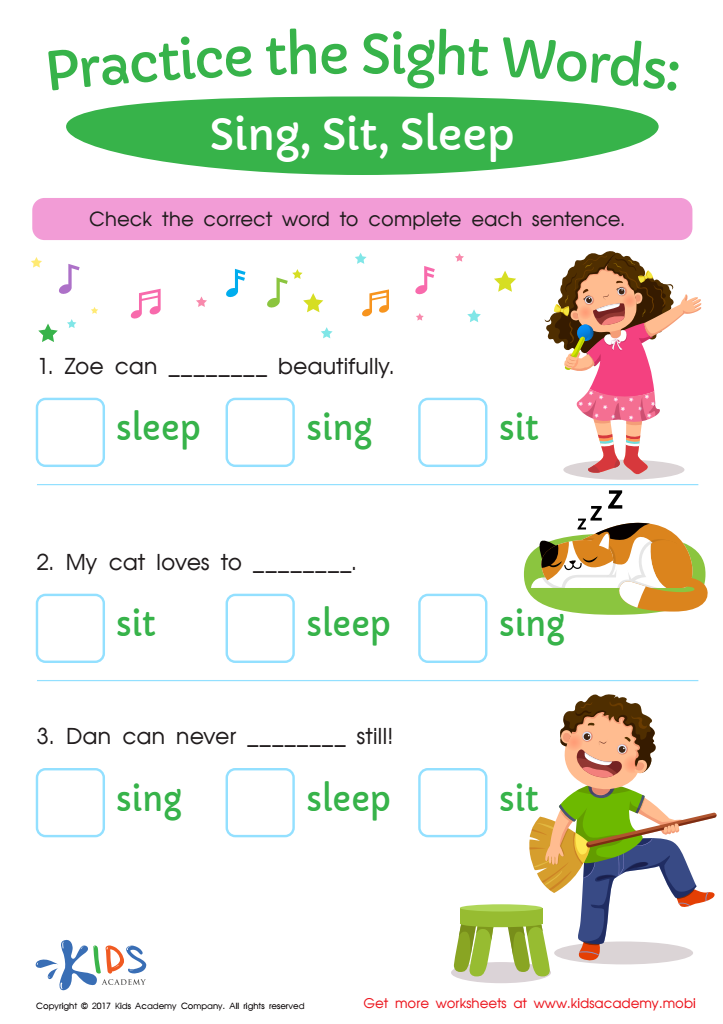
Sing, Sit, Sleep Sight Words Worksheet
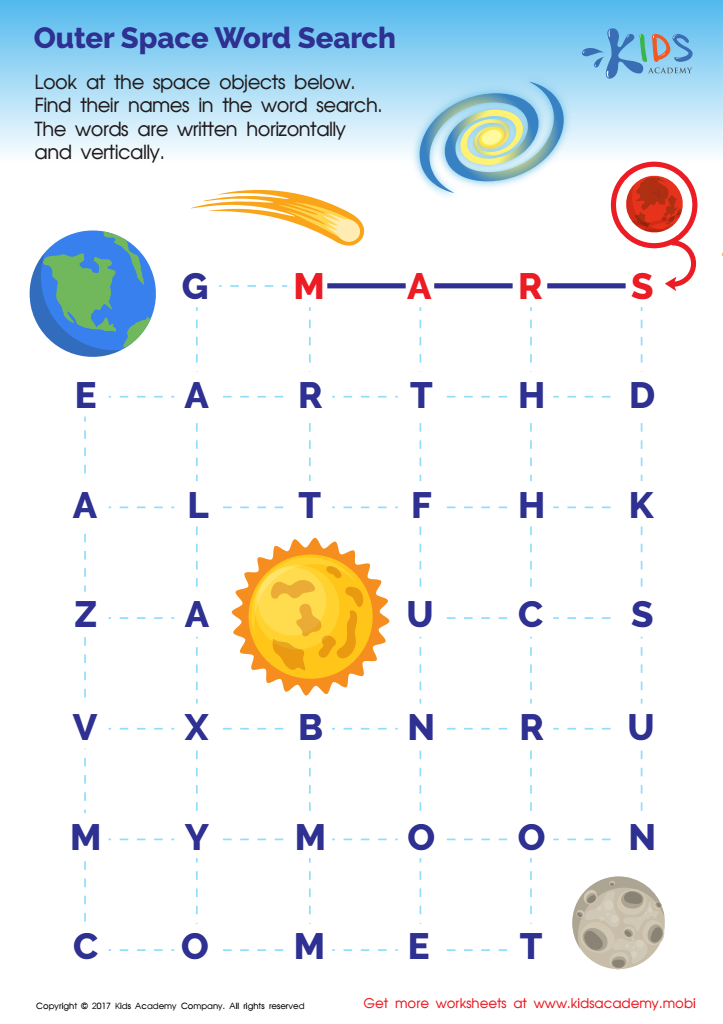
Outer Space Word Search Printable
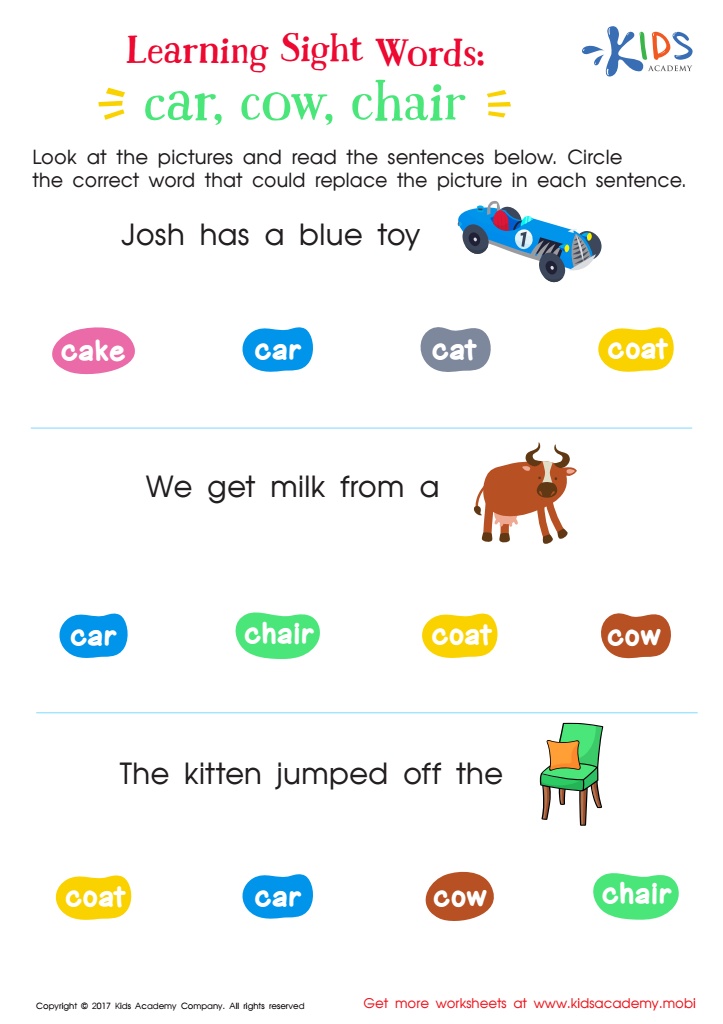
Car, Cow, Chair Worksheet Sight Words Worksheet
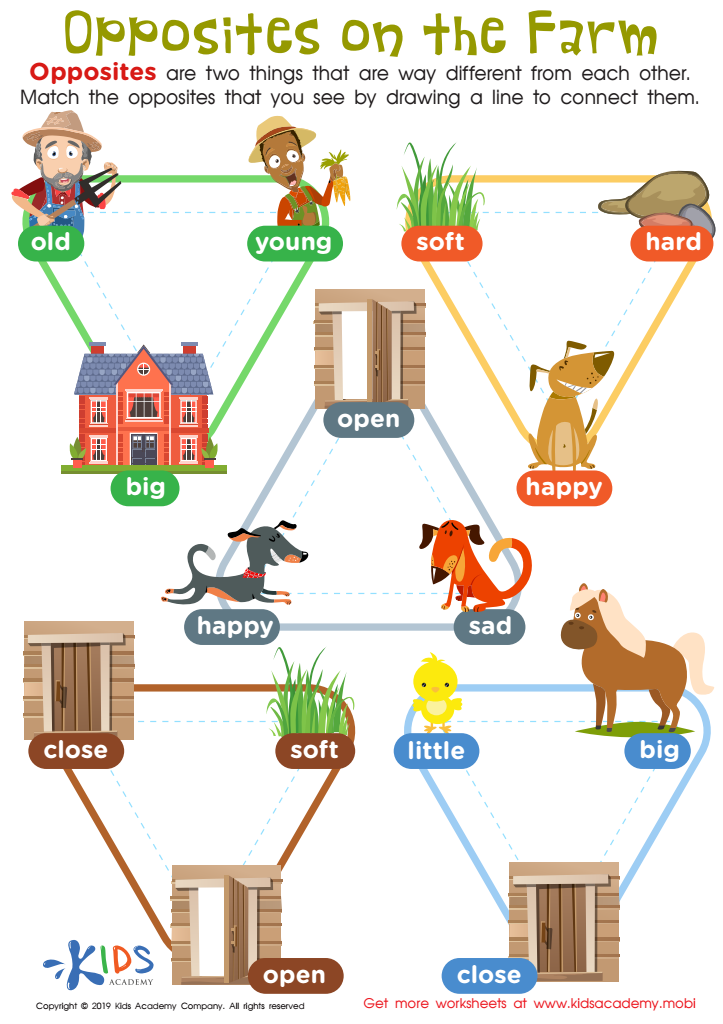
Opposites on the Farm Worksheet
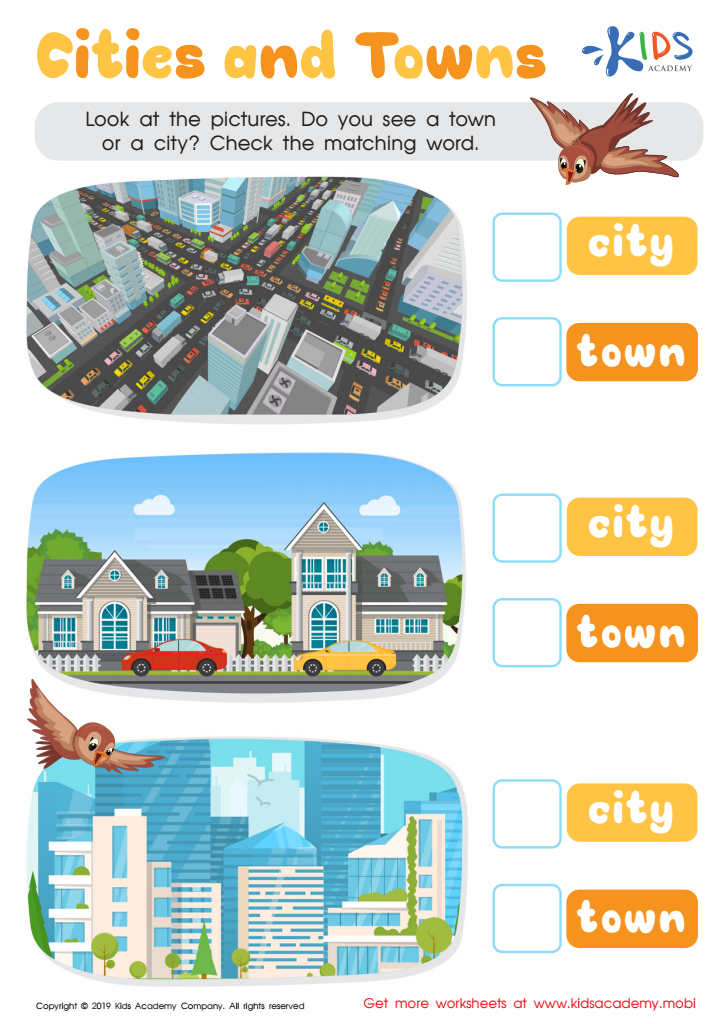
Cities and Towns Worksheet
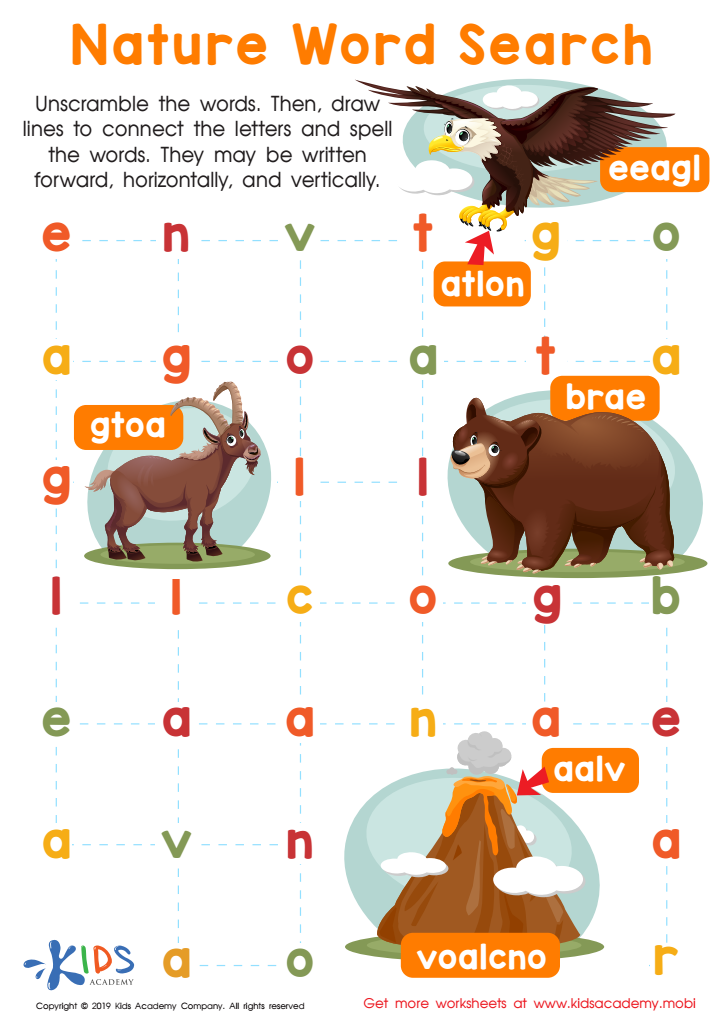
Nature Word Search Worksheet





.jpg)


Building vocabulary for children aged 3-8 is crucial for their overall development, and it holds significant implications for parents and teachers alike. During these formative years, children are rapidly developing their language skills, and a rich vocabulary lays the foundation for effective communication. A robust vocabulary enhances a child’s ability to express thoughts and emotions, aiding in social interactions and confidence.
Additionally, vocabulary expansion is closely linked to reading comprehension and academic success. As children encounter new words in conversations and texts, they develop better comprehension skills, fostering a lifelong love for reading. This skill is vital for a child's future learning and cognitive growth.
Furthermore, vocabulary development supports critical thinking and problem-solving abilities, as children learn to articulate ideas and understand complex concepts. Engaging in activities that promote vocabulary, such as reading aloud and interactive discussions, creates a stimulating environment that enhances children's cognitive and emotional well-being.
For parents and teachers, investing time in vocabulary building not only cultivates a deeper connection with children but also equips them for a better future. By prioritizing vocabulary growth, caregivers and educators can play an essential role in cultivating a love for learning and laying the groundwork for lifelong academic achievement.








