Comparing quantities Reading Worksheets for Ages 3-8
3 filtered results
-
From - To
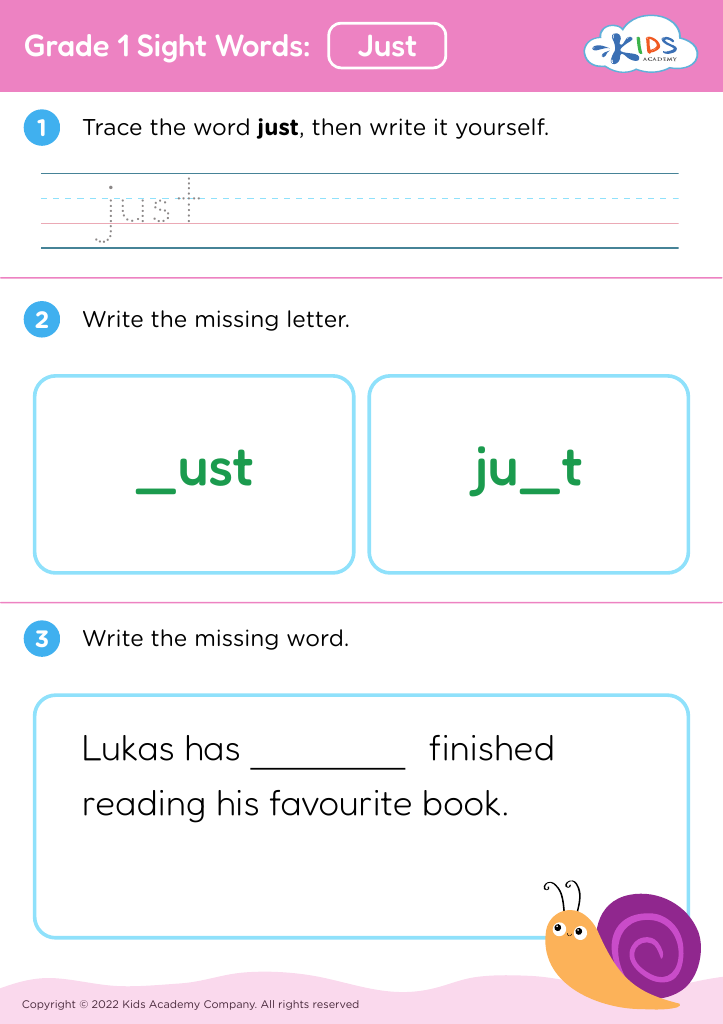
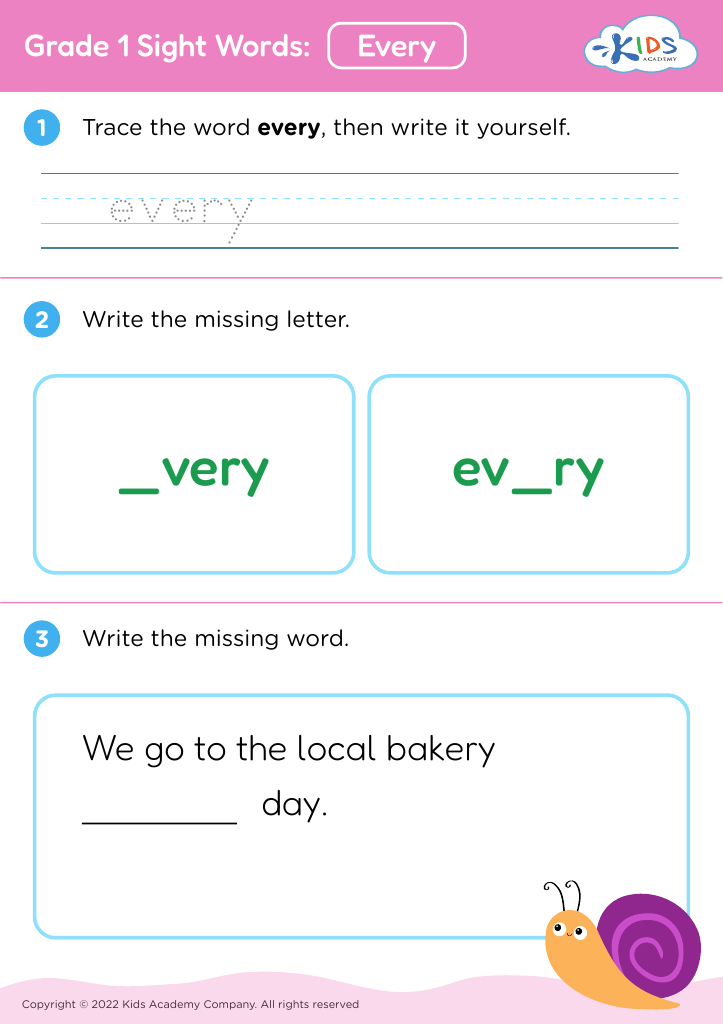
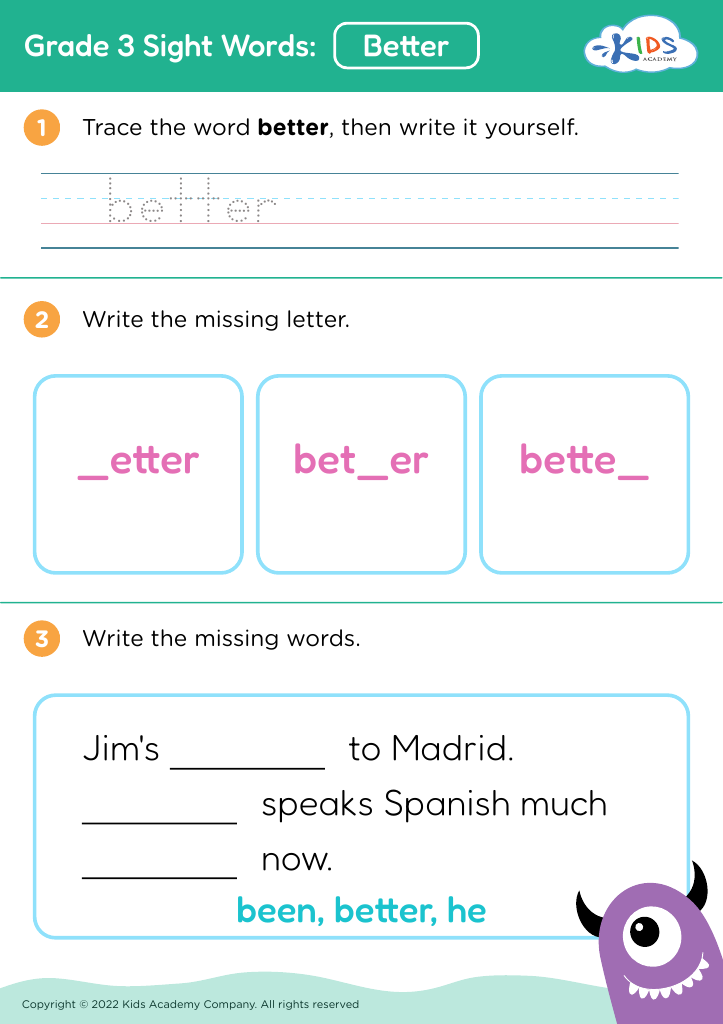
Discover our engaging "Comparing Quantities Reading Worksheets" designed specifically for children aged 3-8. These printable worksheets help young learners develop essential literacy and cognitive skills while exploring concepts of more, less, and equal quantities. Our carefully crafted activities encourage children to thoroughly observe and compare groups, enhancing their understanding of numbers and fostering critical thinking. Ideal for classroom or home use, these worksheets offer a fun and interactive way to reinforce early reading skills while introducing basic mathematical concepts. With colorful illustrations and easy-to-follow instructions, kids will enjoy learning as they compare quantities in a playful and motivating environment!





.jpg)

Parents and teachers should prioritize comparing quantities reading for children aged 3-8 because it lays the foundation for essential math skills and critical thinking. Engaging children in activities that involve comparing quantities not only enhances their number sense but also develops their ability to observe and analyze the world around them. By introducing concepts like "more than," "less than," and "equal to," young learners start to grasp basic mathematical principles, fostering a positive relationship with math from an early age.
Moreover, comparing quantities is an excellent way to integrate language development. As children describe what they see, they enhance their vocabulary and comprehension skills, which are vital for effective communication. This critical combination of math and literacy promotes cognitive development, helping children learn to reason and make connections across different subjects.
Additionally, these activities encourage curiosity and exploration. When children engage in hands-on experiences, such as comparing the sizes of objects or the number of items in a group, they actively participate in their learning. This process can nurture persistence and problem-solving abilities—key traits for lifelong learning. Ultimately, fostering skills in comparing quantities prepares children not just for future academic success but also for everyday decision-making in their lives.








