Critical Thinking Animals Worksheets for Ages 3-8
7 filtered results
Difficulty Level
Grade
Age
-
From - To
Subject
Activity
Standards
Discover our "Critical Thinking Animals Worksheets for Ages 3-8," designed to inspire young minds! These engaging, age-appropriate activities nurture curiosity and develop problem-solving skills through exciting animal-themed exercises. Each worksheet combines fun facts about animals with thought-provoking questions, puzzles, and games that stimulate critical thinking. Perfect for preschool and early elementary learners, our resources encourage exploration and support key science learning objectives. Help your child build a strong educational foundation while enjoying the wonders of the animal kingdom. Explore our collection today to spark creativity and foster a lifelong love of learning!
Favorites
With answer key
Interactive
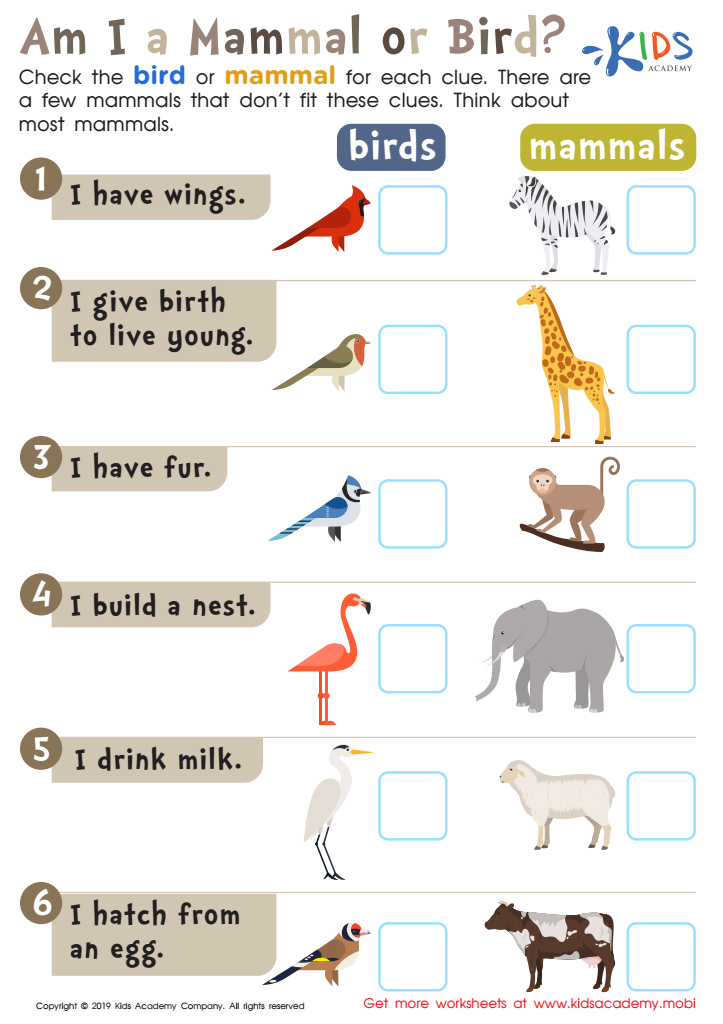
Am I a Mammal or Bird? Worksheet
We categorize animals into groups such as mammals, birds, reptiles, etc. This worksheet helps kids understand the difference between birds and mammals. Read through the clues and think about each one. Then decide if it describes a bird or mammal, check the box and complete!
 Assign to My Students
Am I a Mammal or Bird? Worksheet
Worksheet
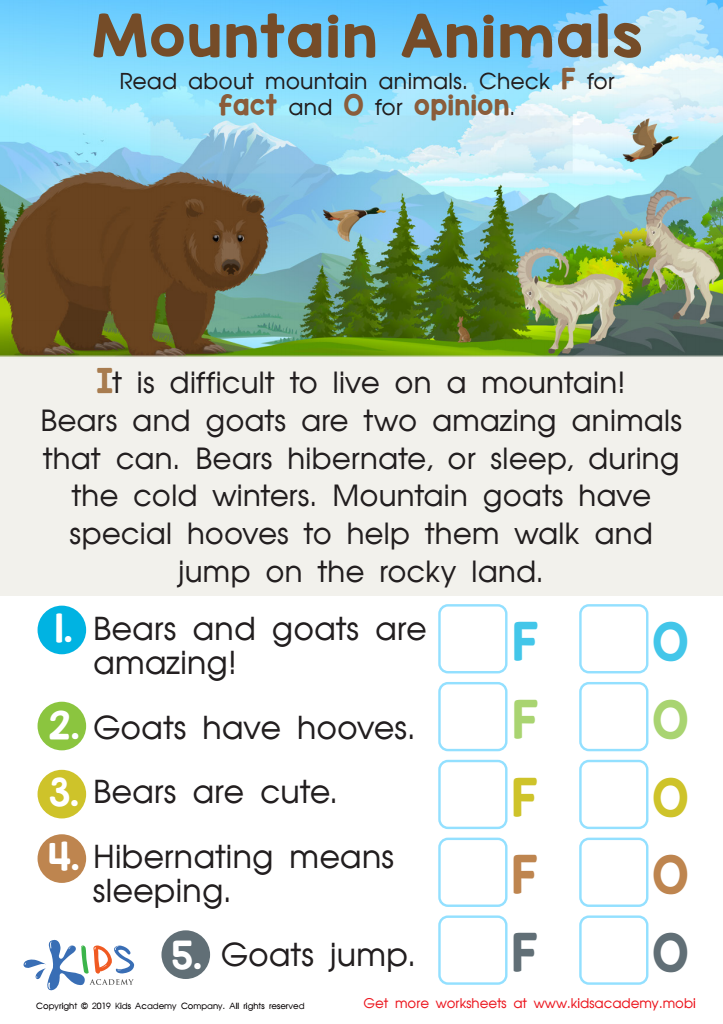
Mountain Animals Worksheet
Is mountain wildlife amazing? Fact or fiction? Help your child sharpen critical-thinking skills with this engaging worksheet. Featuring a fun nonfiction passage about animals like bears and goats, your child will read through the text and identify each statement as fact or fiction. Perfect for boosting reading comprehension and analytical abilities!
Mountain Animals Worksheet
Worksheet
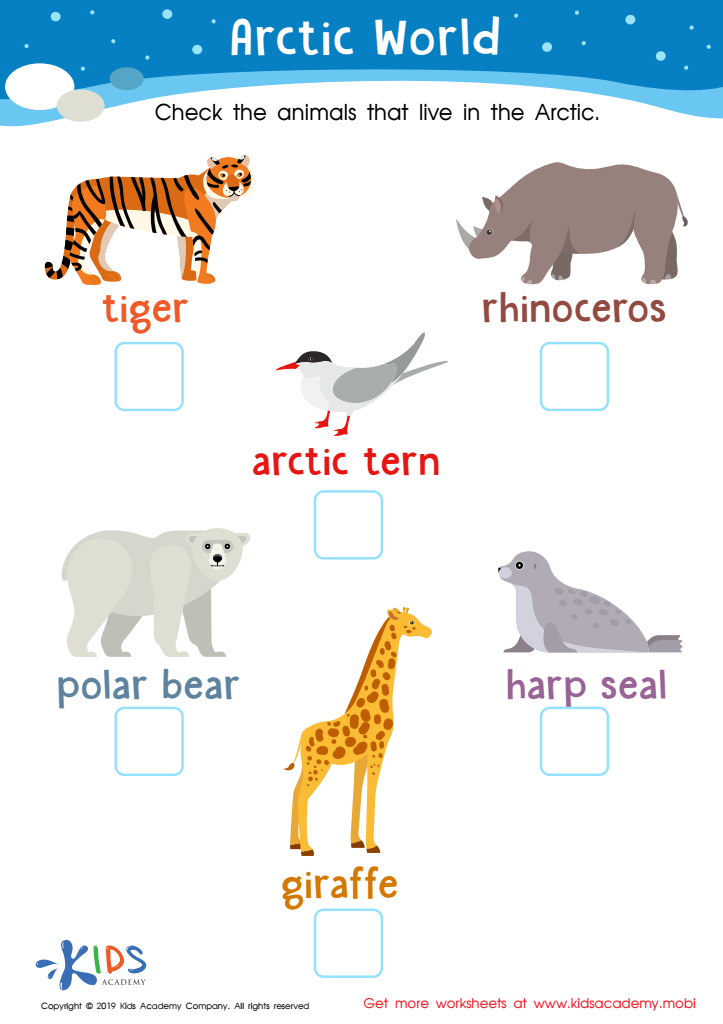
Arctic World Worksheet
Ask your students if they know where the Arctic is located and what lives there. If not, use a world atlas to show them. The Arctic is very cold and snow-covered; native animals have adapted to survive the harsh conditions. Look at the animals in the worksheet and help your students decide which ones live in the Arctic.
Arctic World Worksheet
Worksheet
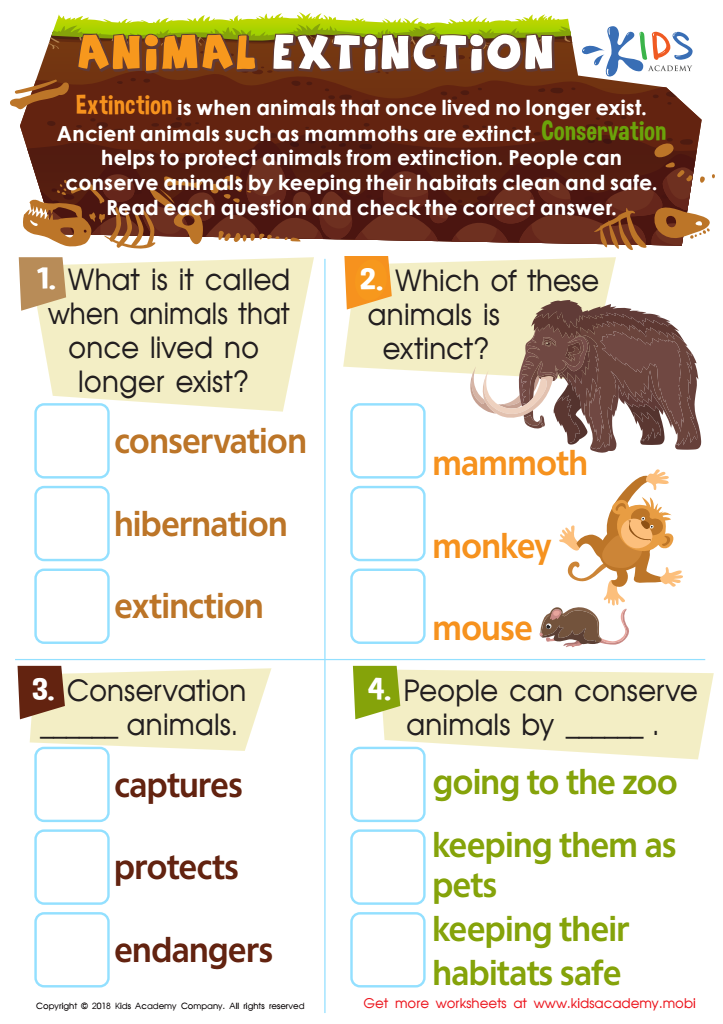
Animal Extinction Worksheet
Children can learn how their actions can help endangered animals with this free PDF worksheet. It explains extinction, looks at the mammoth as an example, and poses questions about conservation. Keeping habitats clean and safe is key to protecting animals and keeping them abundant. Learning about this now can make a huge difference for future generations.
Animal Extinction Worksheet
Worksheet
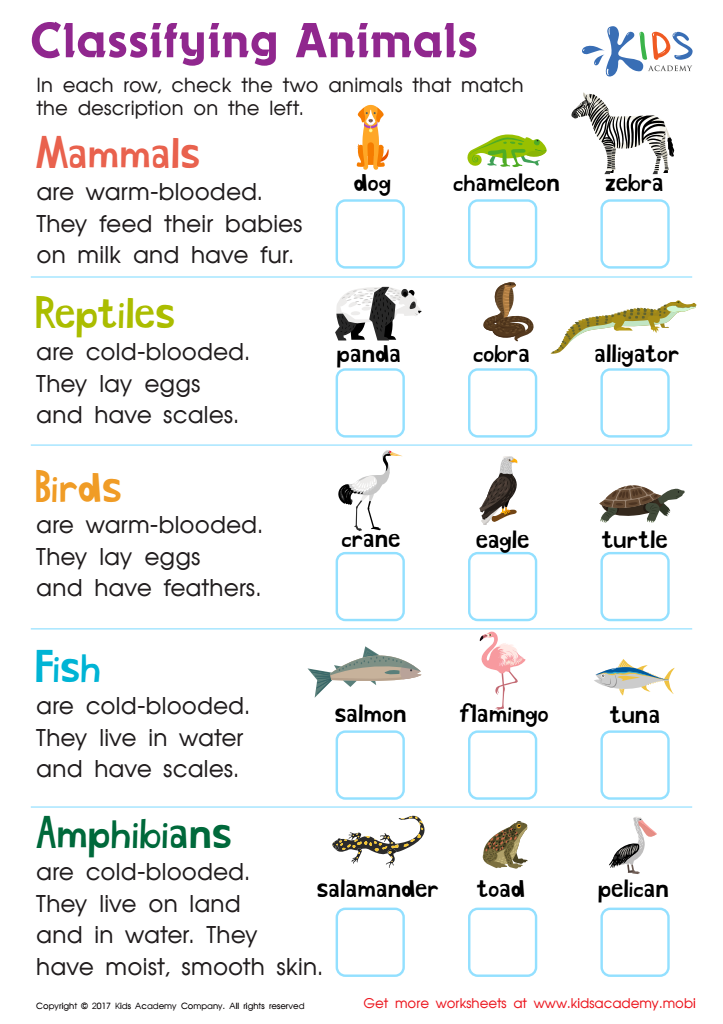
Classifying Animals Worksheet
Print the 2nd grade animal classification worksheet and help kids study the differences between mammals, reptiles, birds, fish and amphibians. Let them pick two examples from the options given.
Classifying Animals Worksheet
Worksheet
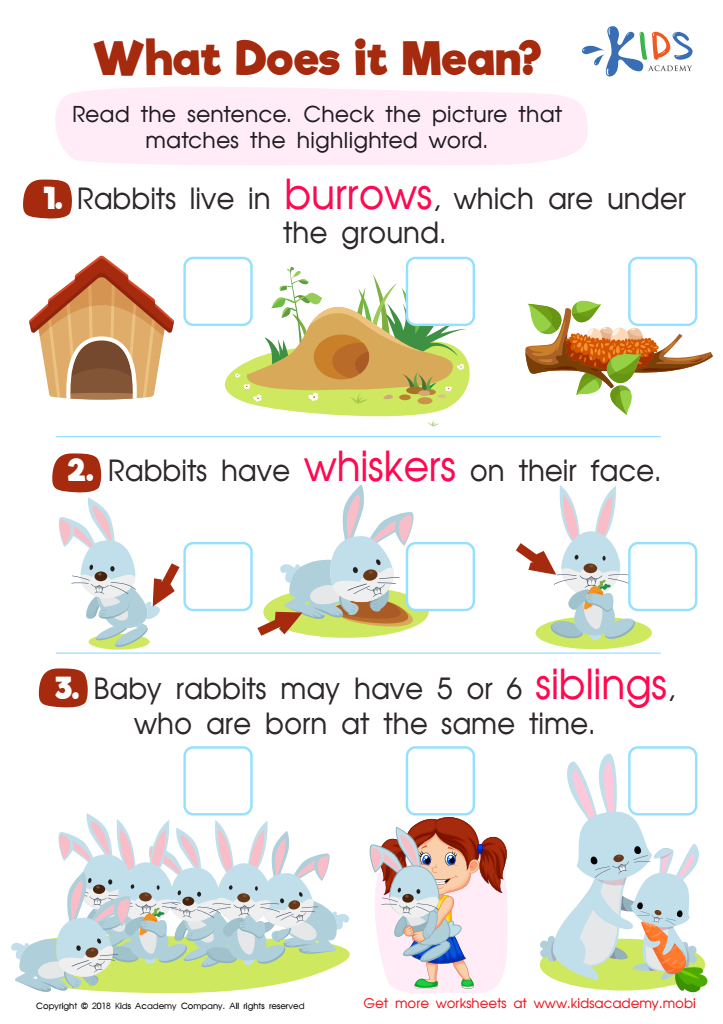
What Does It Mean? Worksheet
Teach your child to use context clues with this engaging Kids Academy worksheet. Read the sentences and find the pink-highlighted word. Use the other words in the sentence to figure out the meaning, then check the box next to the picture that represents it.
What Does It Mean? Worksheet
Worksheet
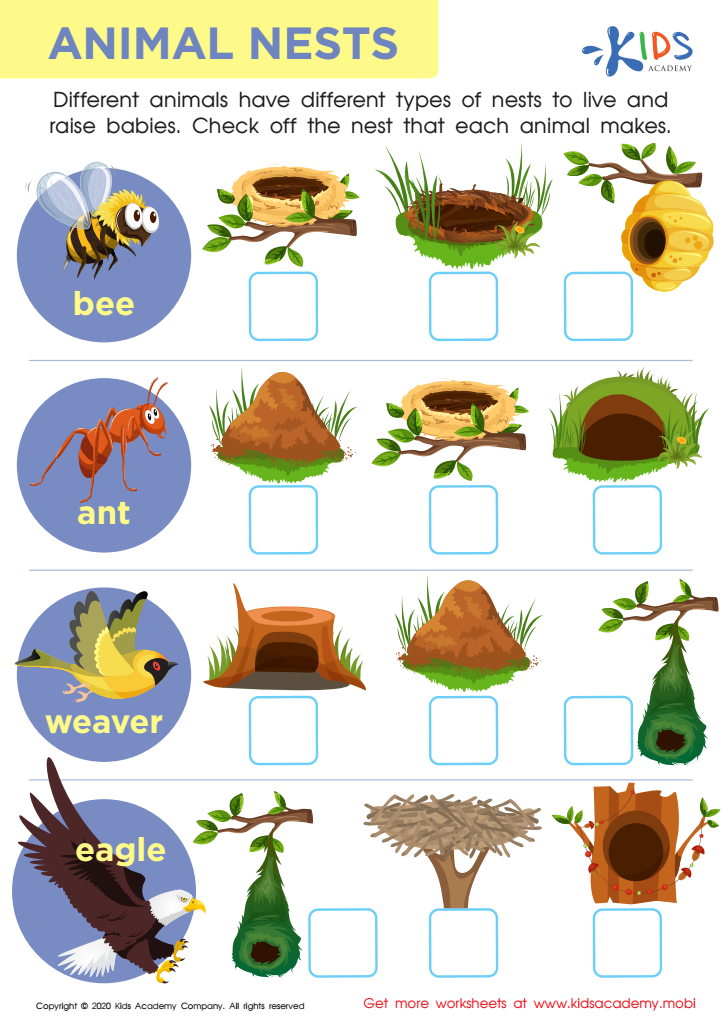
Animal Nests Worksheet
Animals need homes to sleep and stay safe. Look at the animal on the left and examine the nests and hives to the right. Check off the correct one for each animal to complete the worksheet! From birds to bees, it's a great way to show different types of homes animals make!
Animal Nests Worksheet
Worksheet
Join Kids Academy for Free
Who is primarily going to use this learning content?






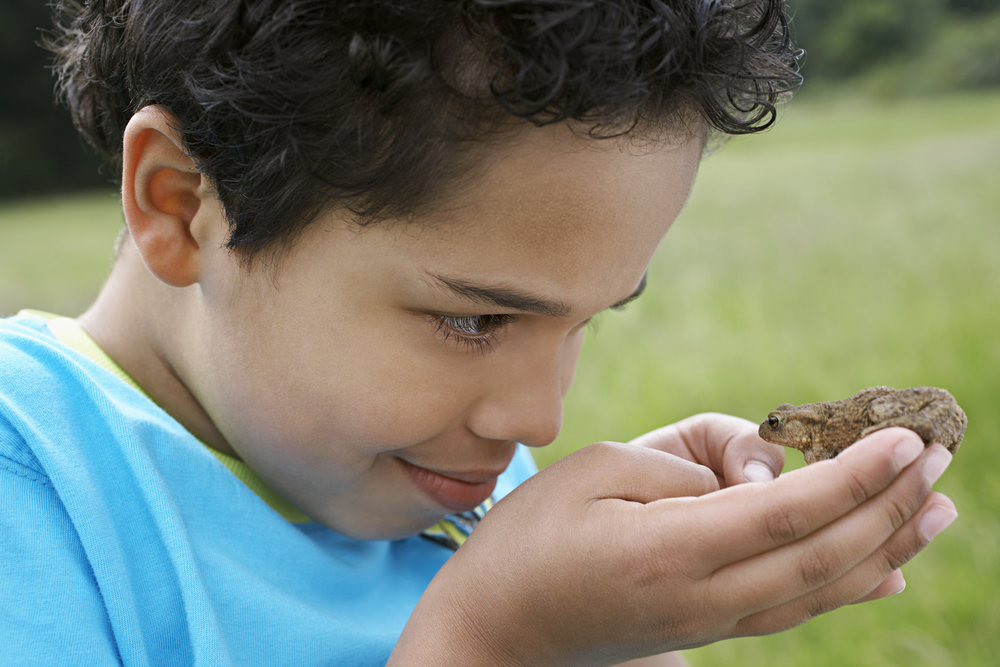

Critical Thinking Animals for Ages 3-8 is an engaging and educational approach that enhances early cognitive development. This formative period is crucial as children's brains are highly malleable and receptive to learning new concepts and skills. By integrating critical thinking through animal-themed activities, children learn to analyze, evaluate, and synthesize information from a young age. For parents and teachers, incorporating these techniques can foster curiosity, creativity, and problem-solving skills in children, which are essential for later academic success and real-world applications.
Utilizing animals as a theme captivates children’s interests and makes learning relatable and enjoyable. Animals can serve as excellent subjects to teach comparison, categorization, pattern recognition, and cause-and-effect relationships, all fundamental elements of critical thinking. For instance, children might compare habitats, diets, or behaviors, fostering observational skills and analytical reasoning.
Moreover, critical thinking activities related to animals can also promote language development, social-emotional skills, and a lifelong passion for learning. Parents and teachers who prioritize these skills help children build a strong foundation for future education. As a result, children can become more independent thinkers, better problem-solvers, and more adept learners, preparing them to navigate complex situations both in school and in their everyday lives.