Following instructions Science Worksheets for Ages 3-8
4 filtered results
-
From - To
Discover the fun and educational world of science with our "Following Instructions Science Worksheets for Ages 3-8". These engaging worksheets are designed to help young learners develop essential skills such as attention to detail, critical thinking, and sequential order following. Through a variety of age-appropriate activities, kids will enjoy hands-on learning experiences that make following instructions exciting and rewarding. Perfect for homeschool or classroom settings, our science worksheets are crafted to support early child development and foster a love for science from an early age. Watch your little ones thrive and grow with these interactive and fun learning tools.
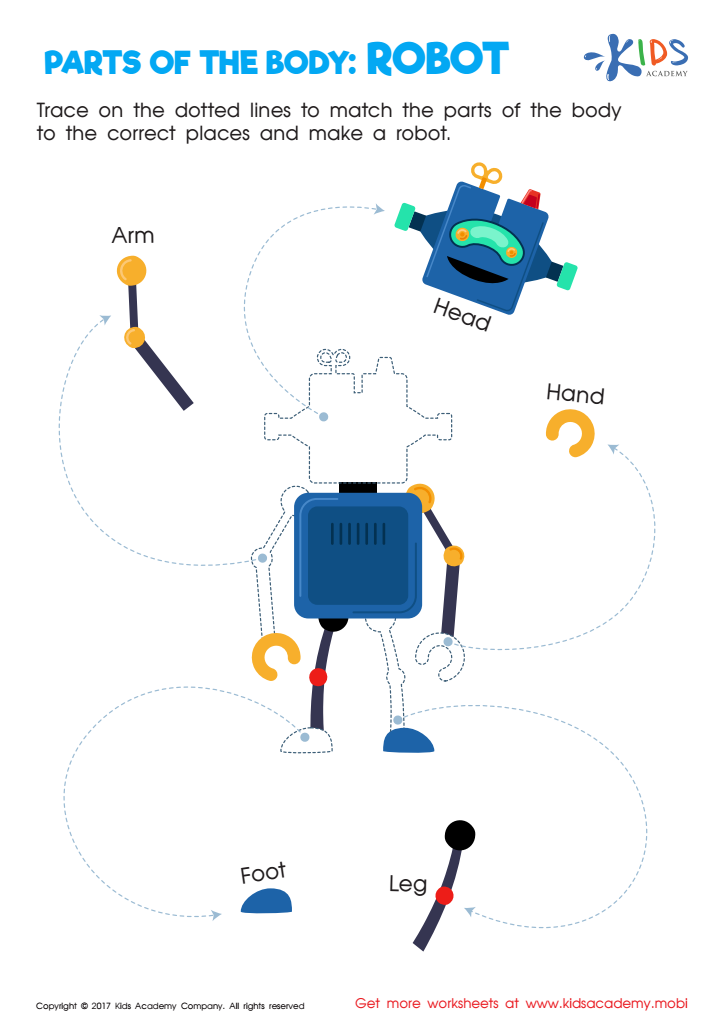
Robot Printable
 Assign to My Students
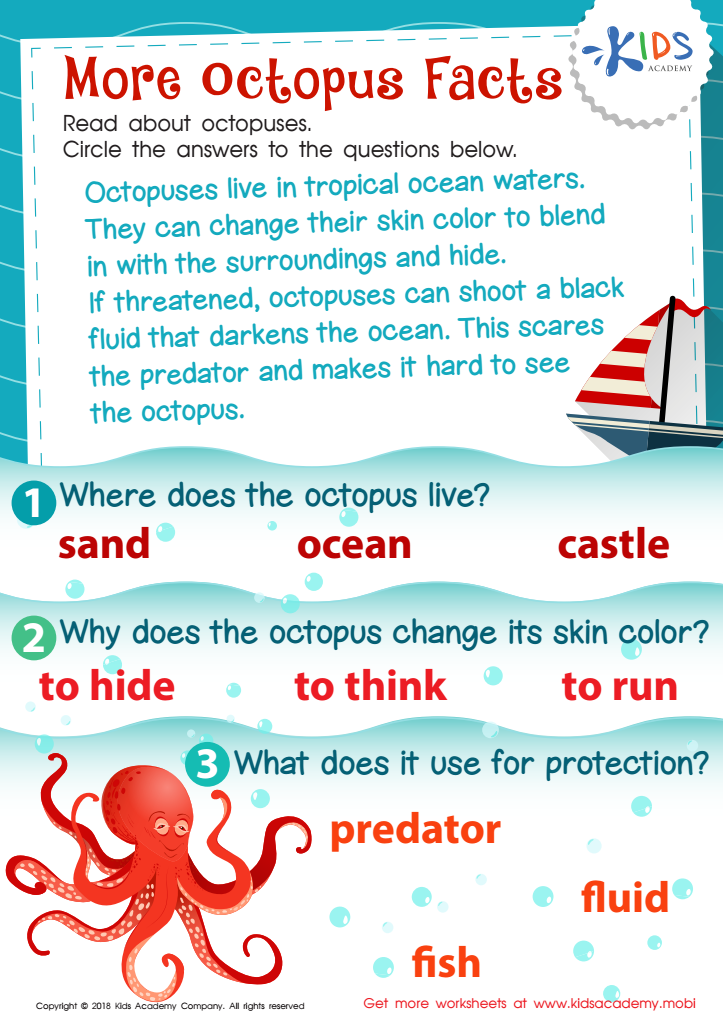
More Octopus Facts Worksheet
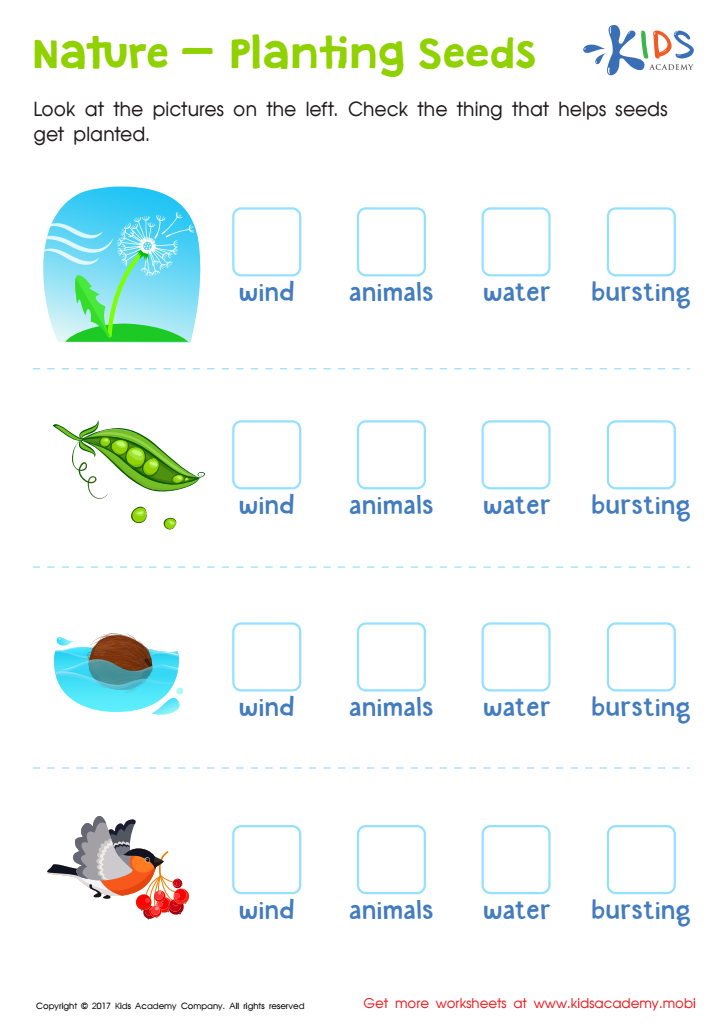
Nature Planting Seeds Worksheet
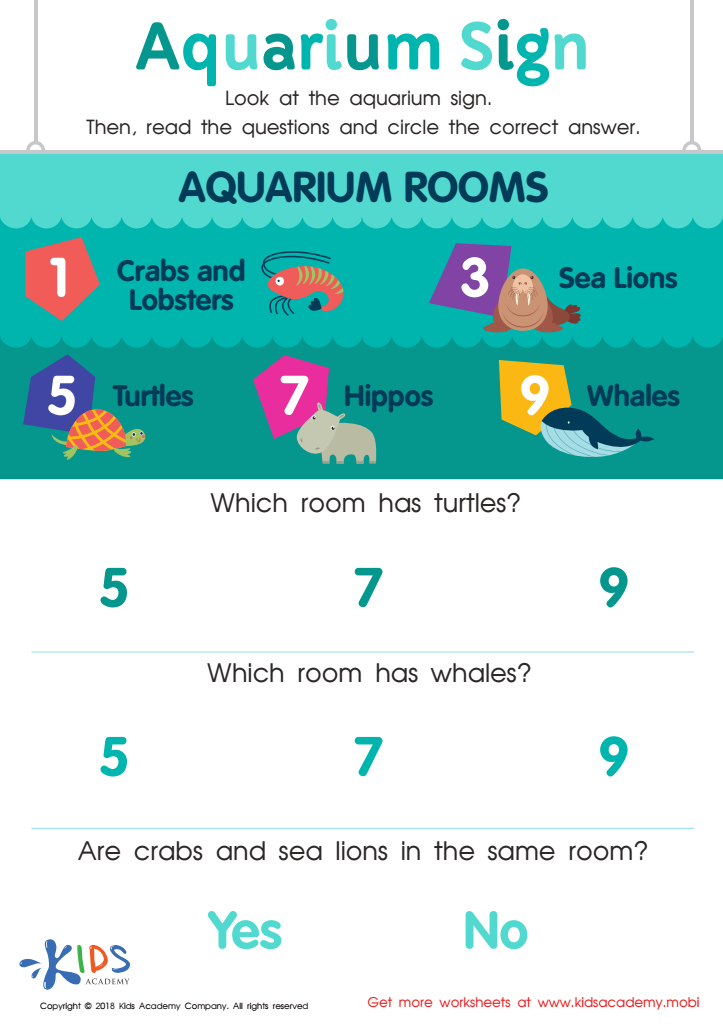
Assessment: Aquarium Sign Worksheet








Following instructions is a fundamental skill that young children need to develop, and it extends into various aspects of their lives, including science education. For ages 3-8, learning to follow instructions in science activities is vital for many reasons.
Firstly, it cultivates essential life skills such as attention to detail, listening, and understanding. These are foundational for their academic journey and future endeavors. In science, precise instructions lead to successful experiments and activities, reinforcing the concept of cause and effect, a critical thinking aspect.
Secondly, adhering to instructions ensures safety. Science activities, even at an early age, might involve simple materials that need to be handled correctly. By following instructions, children learn to work safely and responsibly.
Additionally, following guidelines in scientific exploration nurtures creativity and persistence. When children understand and execute steps correctly, they witness predictable outcomes, which builds confidence. It also encourages them to try new things and problem-solve when outcomes differ from expectations.
Lastly, this practice fosters independence. As children get better at following instructions, they become more self-reliant in learning and daily tasks. This independence not only benefits their educational progress but also contributes positively to their self-esteem and competence in broader aspects of life.
Therefore, parents and teachers should prioritize helping children master the ability to follow instructions through engaging science activities.







