Learning about ecosystems Science Worksheets for Ages 3-8
4 filtered results
-
From - To
Explore the wonders of ecosystems with our engaging science worksheets designed for kids aged 3-8! These worksheets introduce young learners to the fascinating world of ecosystems, from forests to oceans, fostering curiosity and environmental awareness. Each activity is crafted to enhance understanding of plants, animals, and their habitats through colorful illustrations and fun exercises. Children will enjoy identifying organisms, understanding food chains, and exploring biodiversity while developing essential skills in reading, drawing, and critical thinking. Perfect for independent tasks or guided lessons, our worksheets make science both educational and enjoyable. Dive into the adventure of ecosystems today!
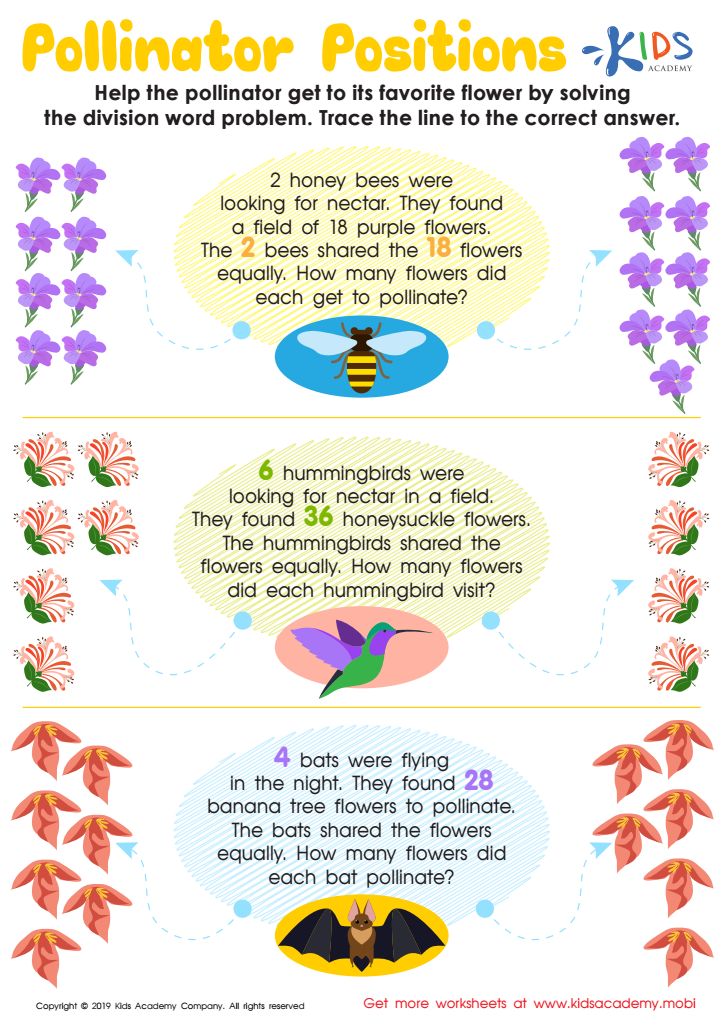
Pollinator Positions Worksheet
 Assign to My Students
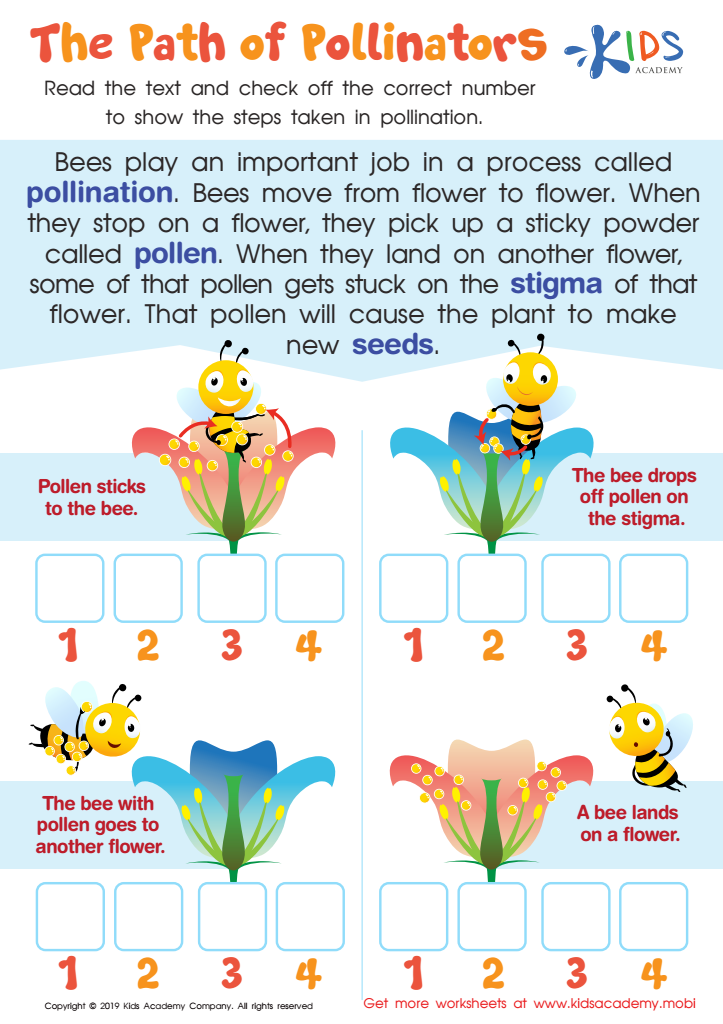
The Path of Pollinators Worksheet
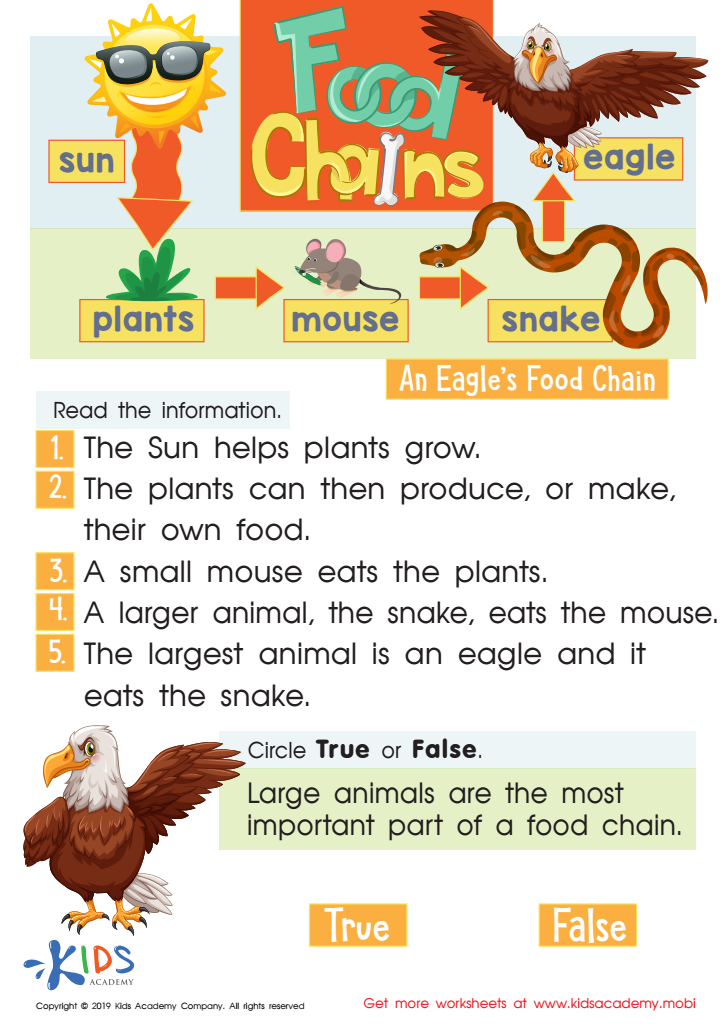
Food Chains Worksheet
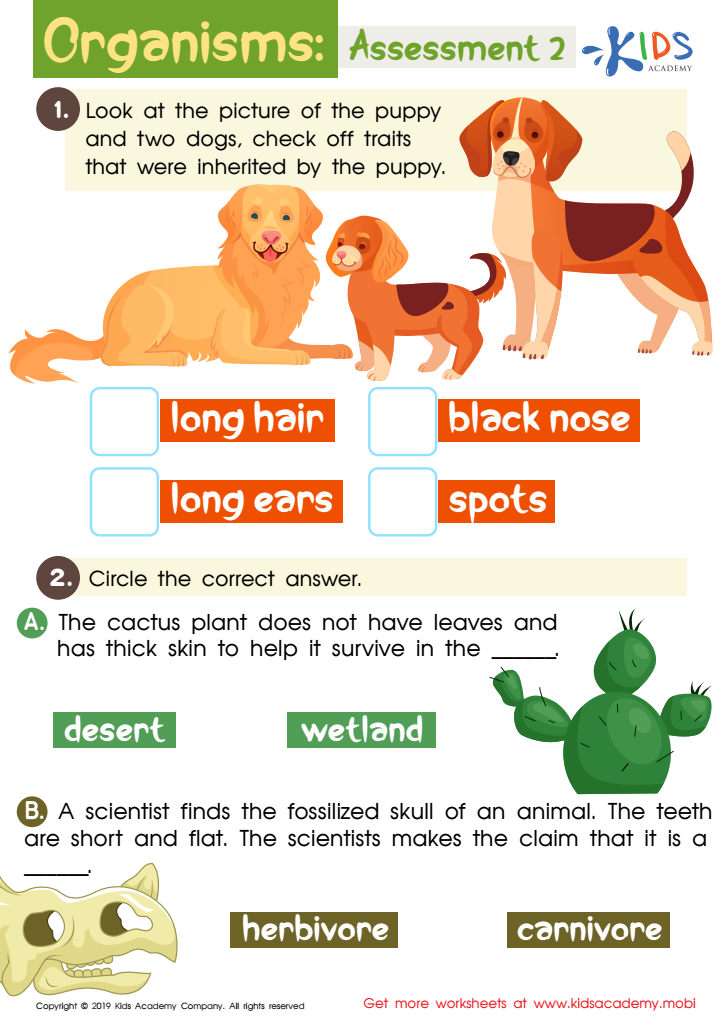
Organisms: Assessment 2 Worksheet


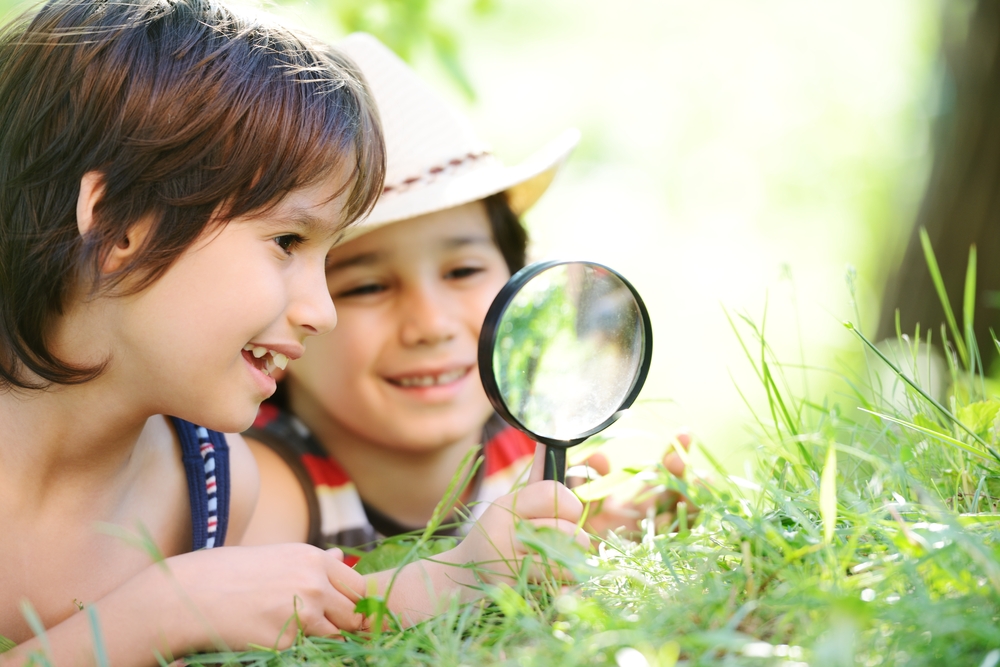




Teaching young children about ecosystems is crucial for their development and understanding of the world around them. At ages 3-8, children are naturally curious and open to exploring their environment. Introducing them to ecosystems helps cultivate this curiosity and foster a sense of wonder about nature.
Learning about ecosystems promotes critical thinking and observation skills. Children begin to understand the interdependence of living organisms—including plants, animals, and microorganisms—and their habitats. This foundational knowledge is essential for instilling respect for nature and encouraging responsible environmental stewardship later in life.
Moreover, early exposure to ecosystem science can enhance literacy and mathematical skills through hands-on activities and discussions. Teachers and parents can incorporate storytelling, crafts, and interactive lessons that make learning engaging and relevant.
Additionally, during this crucial developmental phase, children benefit from outdoor experiences that support physical health, social skills, and emotional well-being. Outdoor play stimulates creativity while allowing them to connect with the natural world.
Ultimately, nurturing an understanding of ecosystems not only enriches young minds but also lays the groundwork for a sustainable future, as children learn the importance of preserving the delicate balance of our planet. Parents and teachers play a vital role in fostering this crucial knowledge.







