Science vocabulary enhancement Science Worksheets for Ages 3-8
3 filtered results
-
From - To
Unlock your child's scientific potential with our Science Vocabulary Enhancement Worksheets designed for ages 3-8. These engaging, age-appropriate printables introduce key scientific terms and concepts in a fun and interactive way. Tailored to foster curiosity and foundational science knowledge, each worksheet covers topics from life sciences to physical sciences. Watch your young learner's vocabulary grow as they explore the wonders of the natural world. Perfect for at-home learning or classroom activities, our science worksheets are the ideal resource to support early science education. Start the adventure of discovery today with Kids Academy!
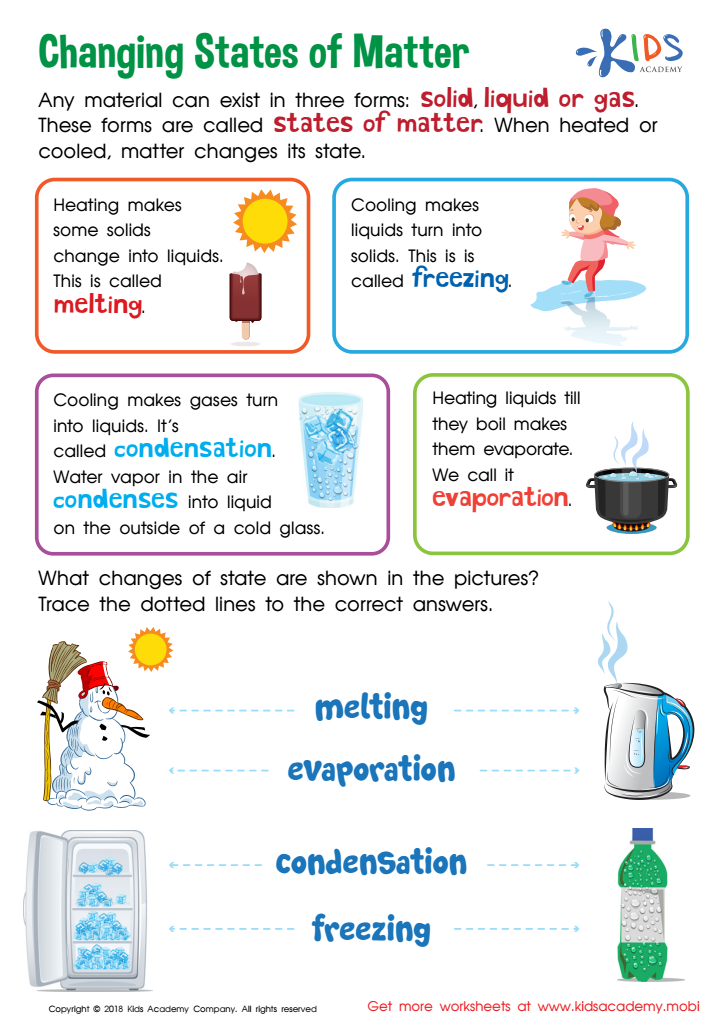
States of Matter Worksheet
 Assign to My Students
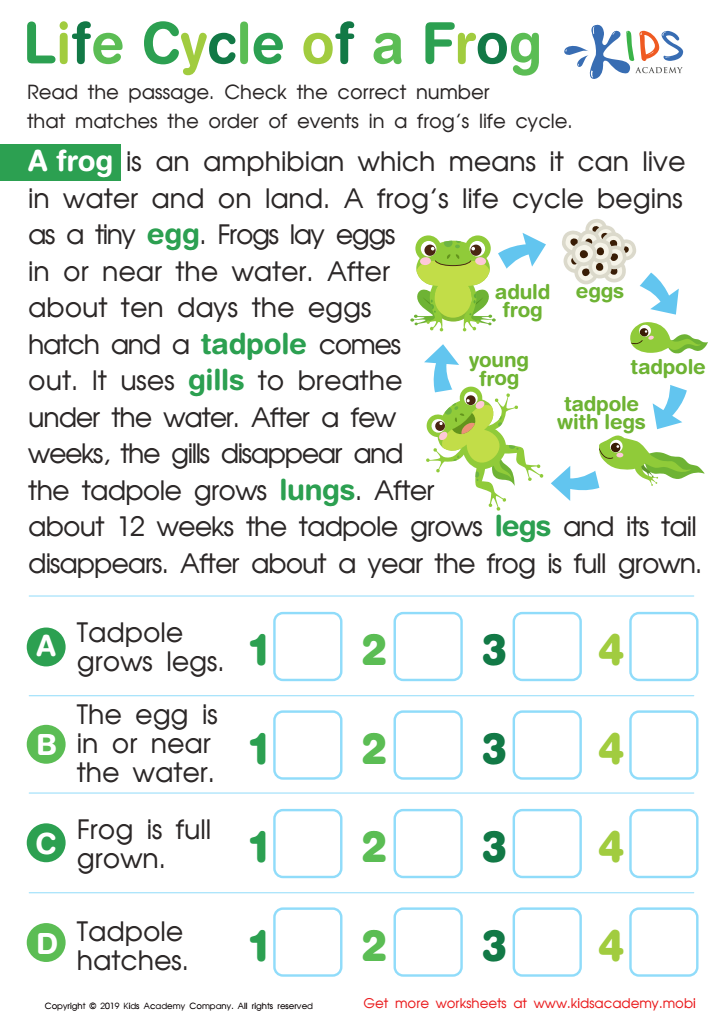
Life Cycle of a Frog Worksheet
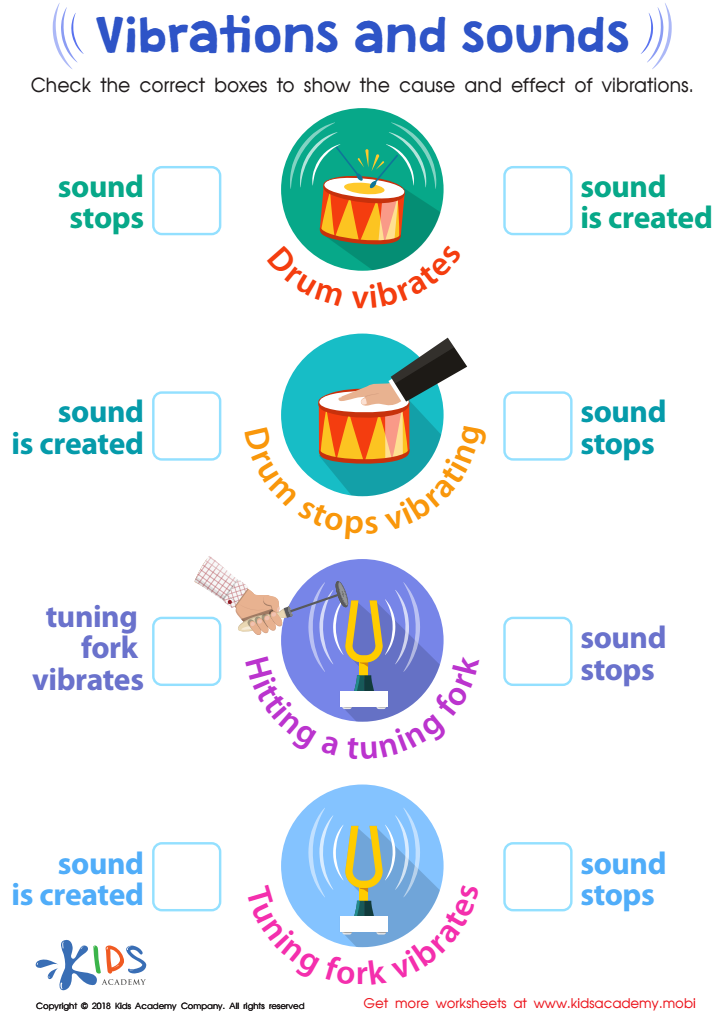
Vibrations and Sounds Worksheet





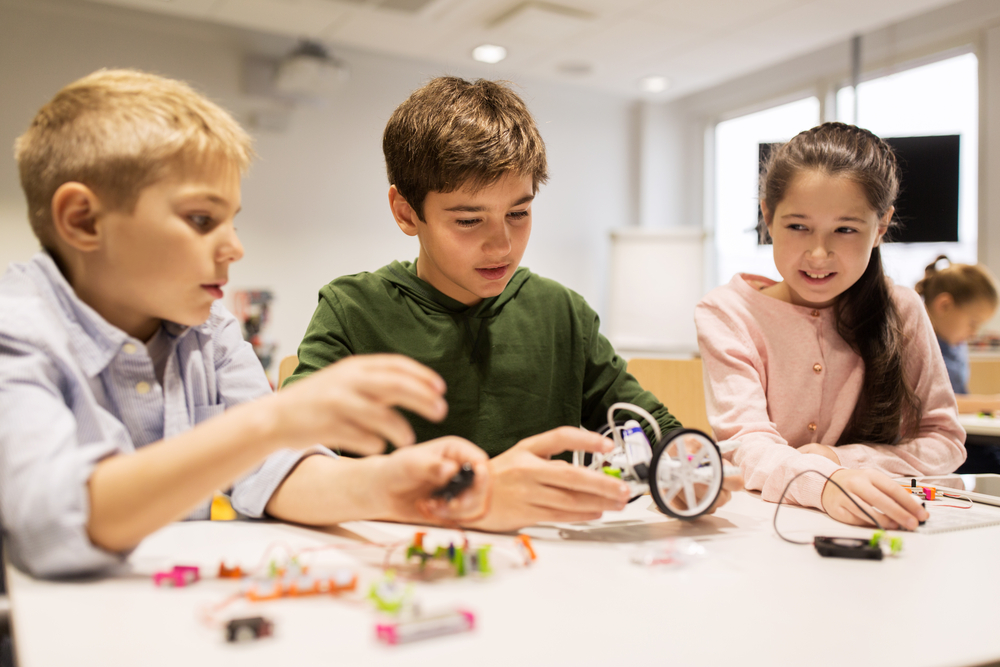


Parents and teachers play a crucial role in children's early education, and enhancing science vocabulary for ages 3-8 is pivotal. At this developmental stage, children's brains are highly receptive to new information. By introducing basic science vocabulary terms like "weather," "plant," "animal," or "experiment," adults help lay a strong foundation for critical thinking and intellectual curiosity.
Science vocabulary enhancement not only aids language development but also cultivates a sense of wonder and eagerness to explore the world around them. When children understand and use specific scientific terms, they become more capable of describing observations and asking insightful questions. This enriched vocabulary encourages active engagement with their environment, promoting a deeper understanding of natural phenomena.
Moreover, early science education supports future academic achievement. It develops skills such as problem-solving, logical reasoning, and analytical thinking—essential competencies for all subject areas. Incorporating science vocabulary into daily activities or playful learning experiences makes science accessible and exciting, bridging knowledge gaps and fostering a lifelong love for learning.
By prioritizing science vocabulary enhancement, parents and teachers set the stage for robust intellectual growth, preparing children for more complex scientific concepts and inspiring curiosity that extends beyond the classroom.







