Following instructions Social Studies Worksheets for Ages 3-8
8 filtered results
-
From - To
Introducing our "Following Instructions Social Studies Worksheets for Ages 3-8"—an essential resource designed to foster vital listening and comprehension skills in young learners. These worksheets make learning interactive and fun, offering engaging activities that encourage kids to carefully follow directions while exploring basic social studies concepts. Perfect for classrooms or at-home learning, they help develop critical thinking and attention to detail. Tailored for ages 3-8, each worksheet aligns with educational standards and offers a blend of creativity and structure. Unlock your child's potential with our effective, enjoyable learning tools today!

Happy Diwali Printable
 Assign to My Students
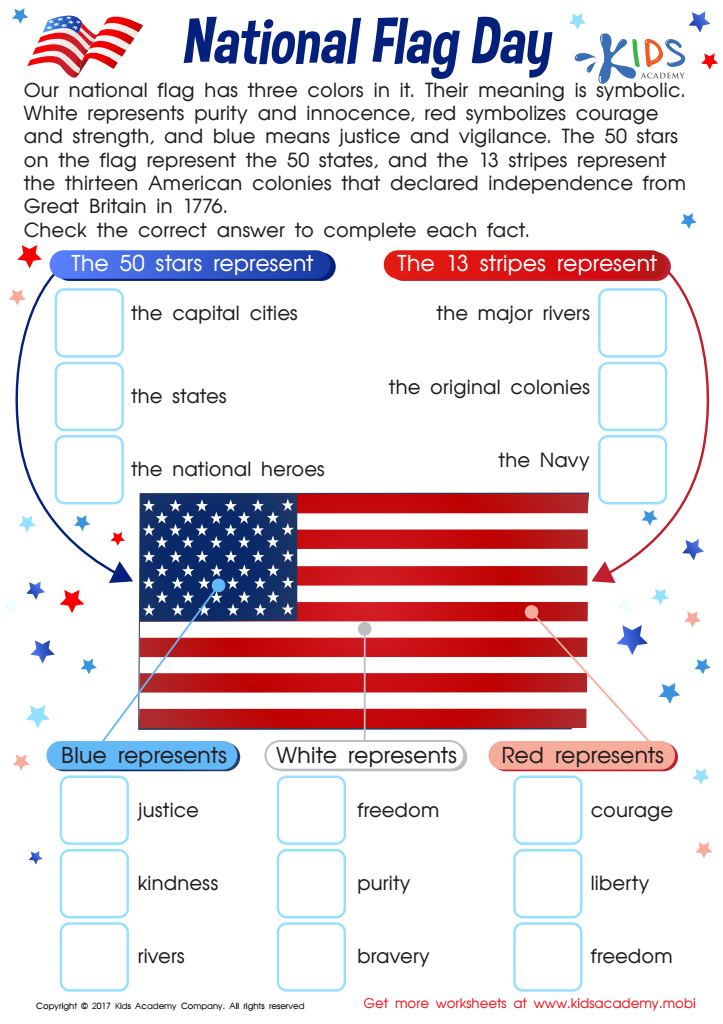
US National Flag Day Worksheet
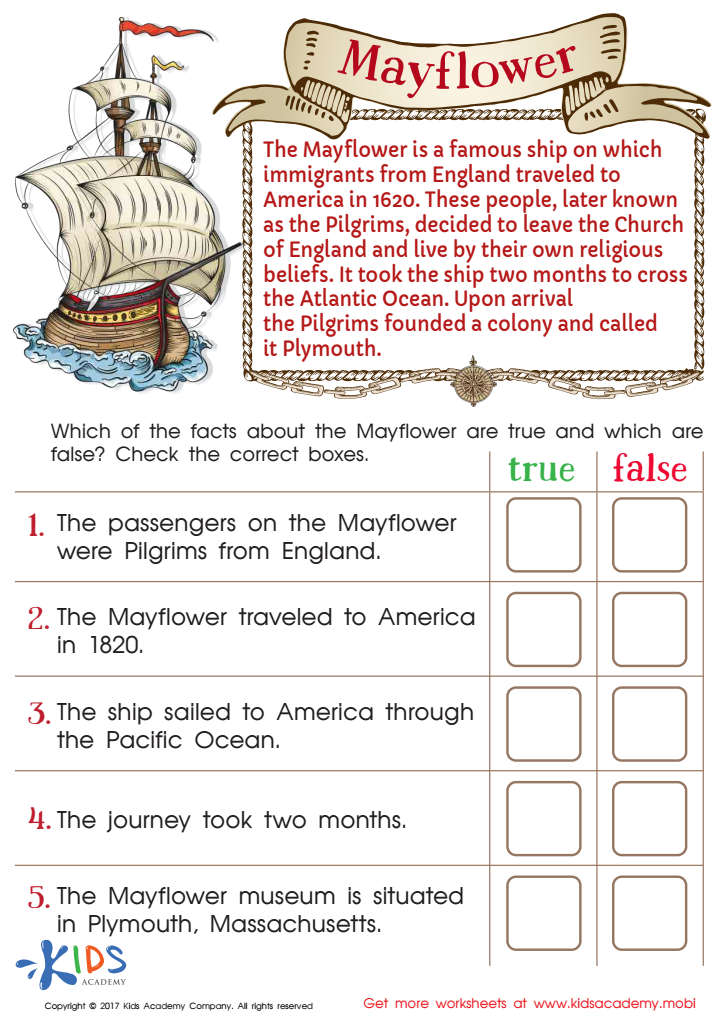
Free Mayflower Worksheet

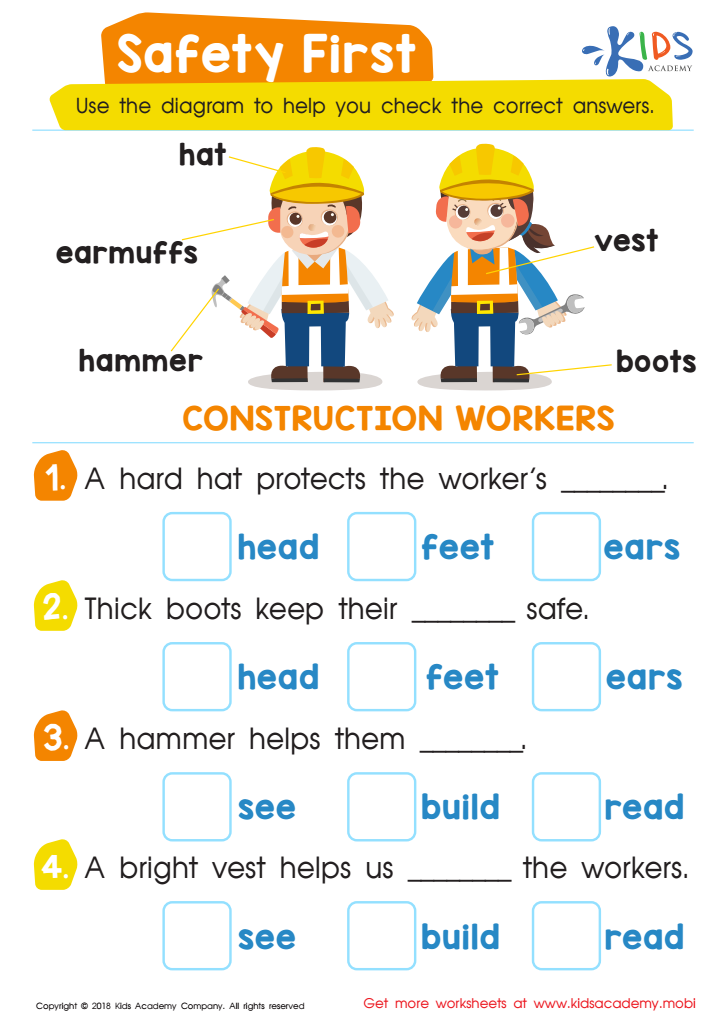
Safety First Worksheet
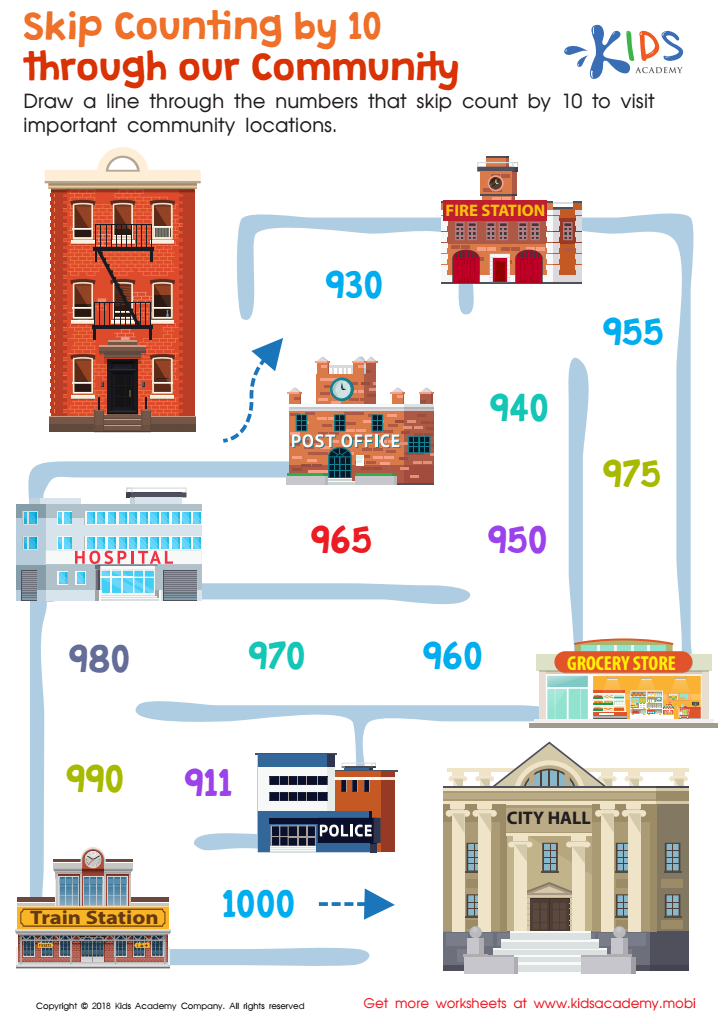
Skip Counting by 10 Through Our Community Worksheet
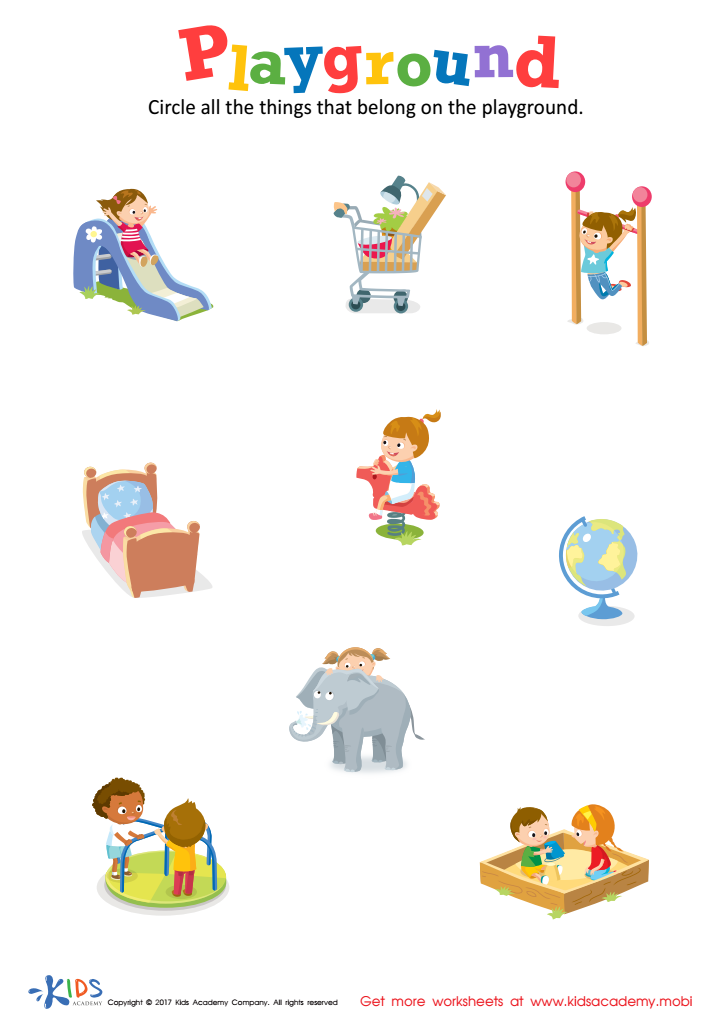
Playground Worksheet
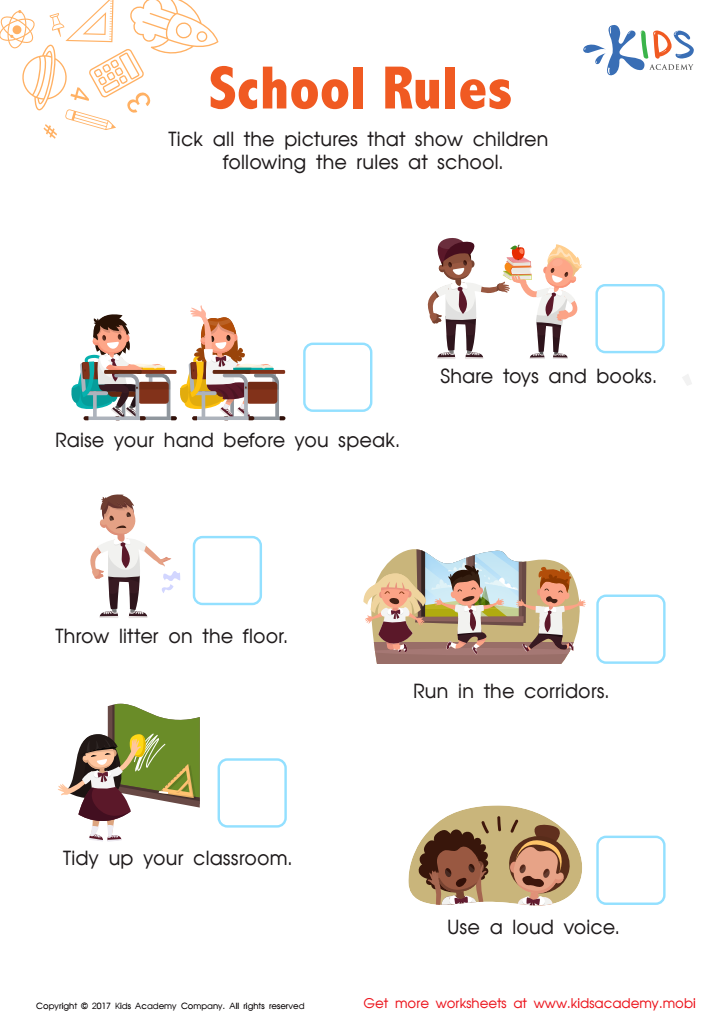
School Rules Worksheet







Following instructions in Social Studies for ages 3-8 is crucial for several reasons, and parents and teachers should prioritize it because it lays the foundation for essential life skills and cognitive development. First and foremost, following instructions fosters a child's ability to listen attentively and process information. This skill is critical not just for academic success but for everyday tasks and interactions.
In the context of Social Studies, young children are introduced to concepts of community, rules, roles, and basic geographic knowledge. By following instructions during lessons, activities, and discussions, children learn to appreciate the world around them and understand how societies function. This early exposure helps them develop a sense of order and familiarizes them with social norms, encouraging positive behavior.
Additionally, following instructions enhances a child’s concentration and memory, as they learn to recall and implement multi-step directions. It promotes problem-solving and decision-making skills because they must often make choices or navigate tasks based on the guidelines provided.
Fostering an ability to follow instructions also builds a child's independence and self-confidence. When they successfully complete tasks, they gain a sense of accomplishment, motivating them to tackle more complex challenges. For parents and teachers, encouraging this skill ensures that children are better prepared for future academic pursuits and day-to-day responsibilities.