World Around Us Worksheets for Ages 3-8 - Page 2
107 filtered results
-
From - To
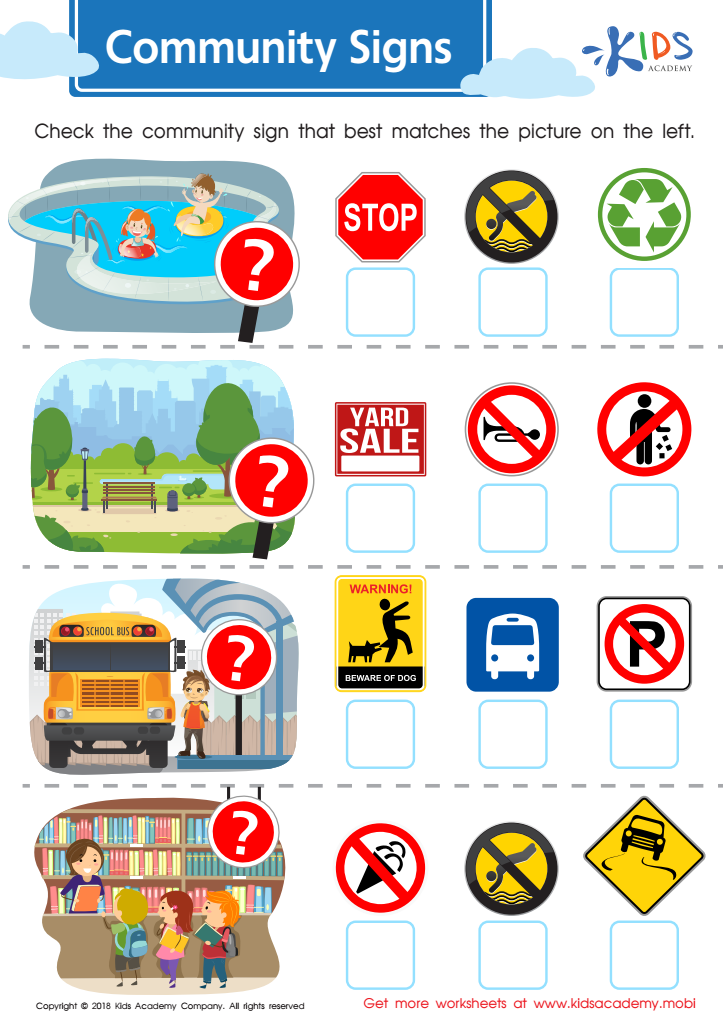
Community Signs Worksheet
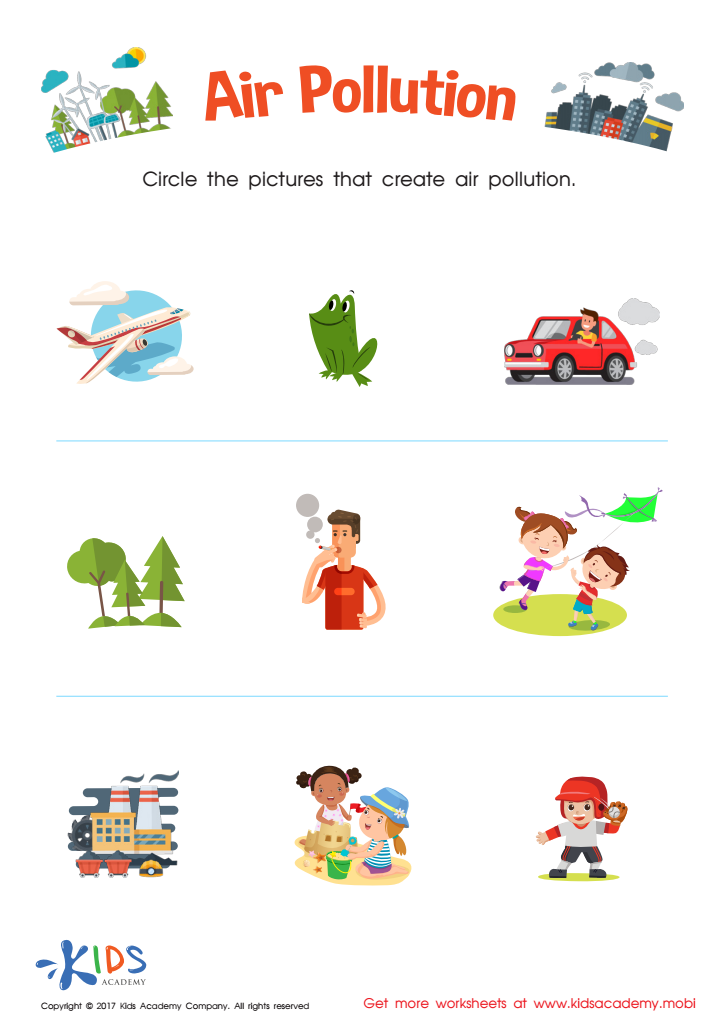
Air Pollution Worksheet
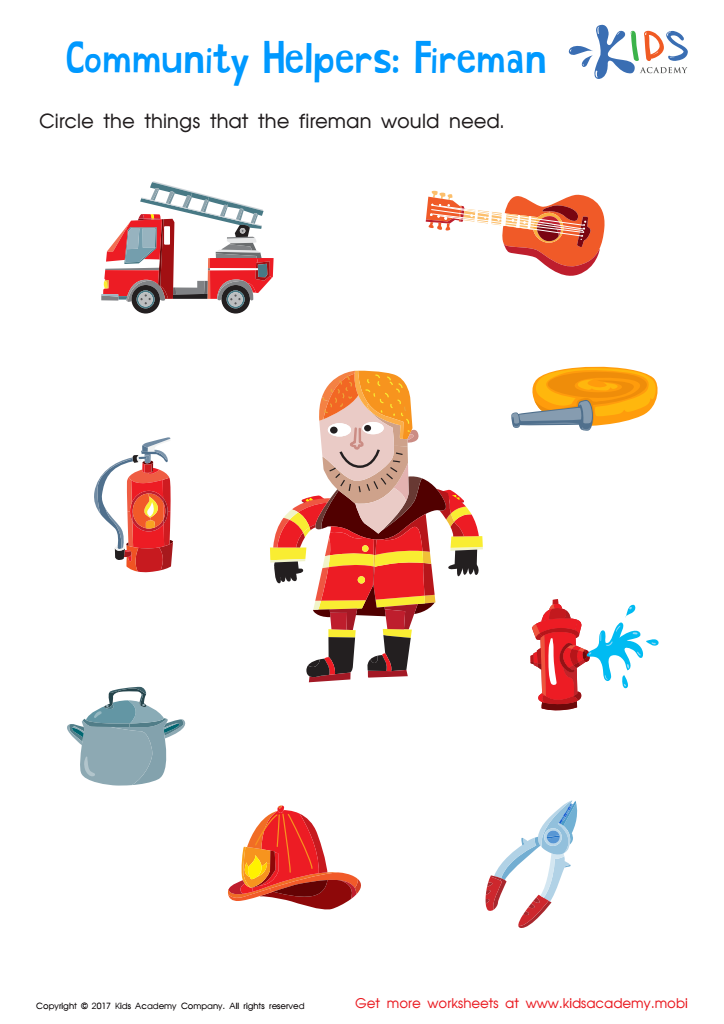
Fireman Worksheet
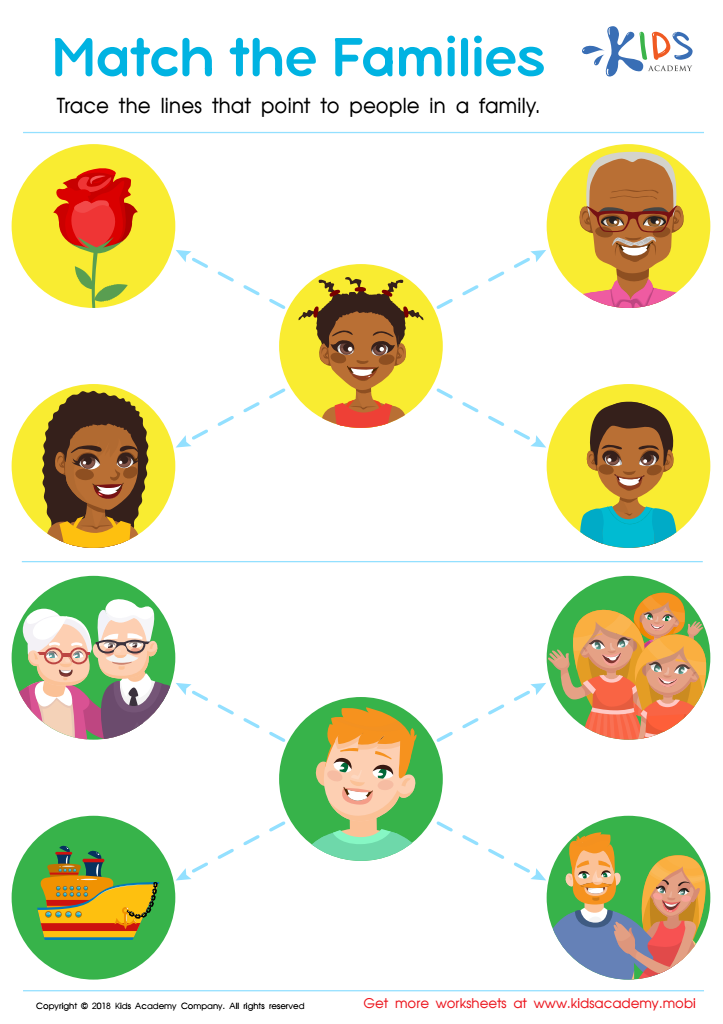
Match the Families Worksheet
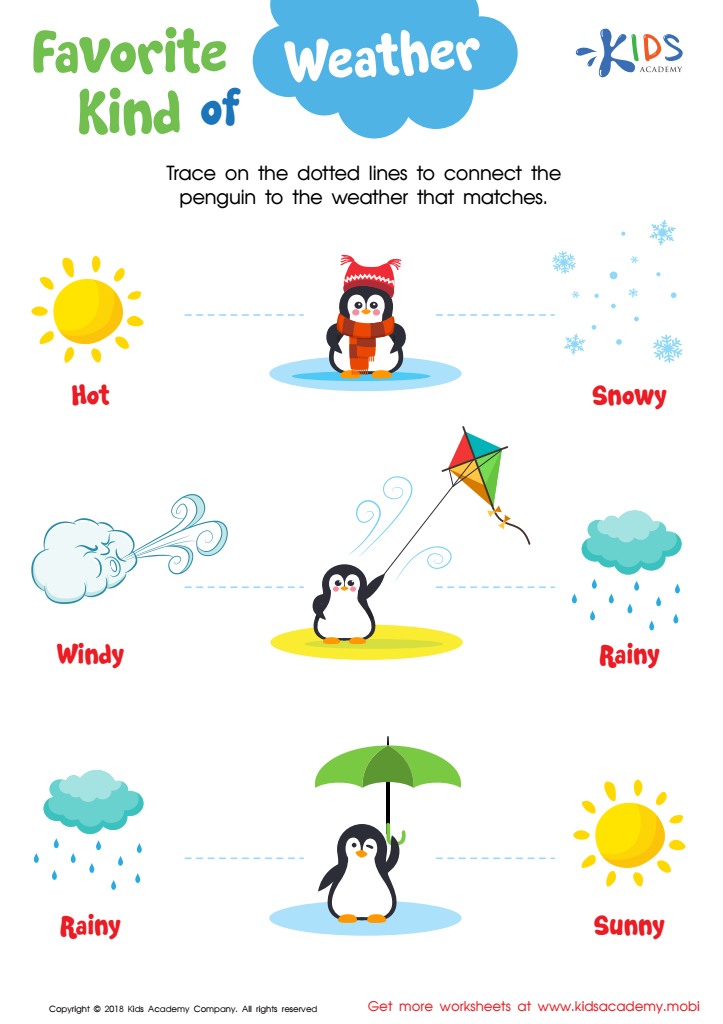
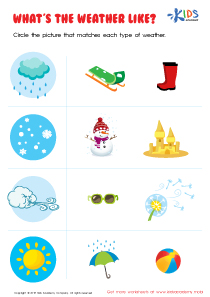
Favorite Kind of Weather Worksheet
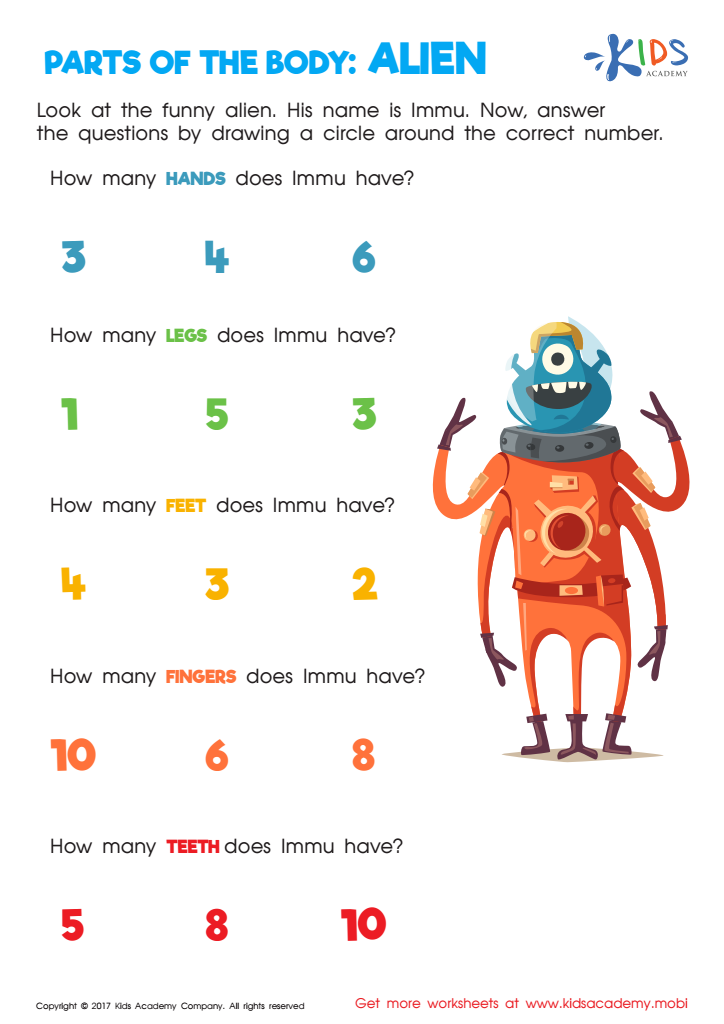
Alien Worksheet
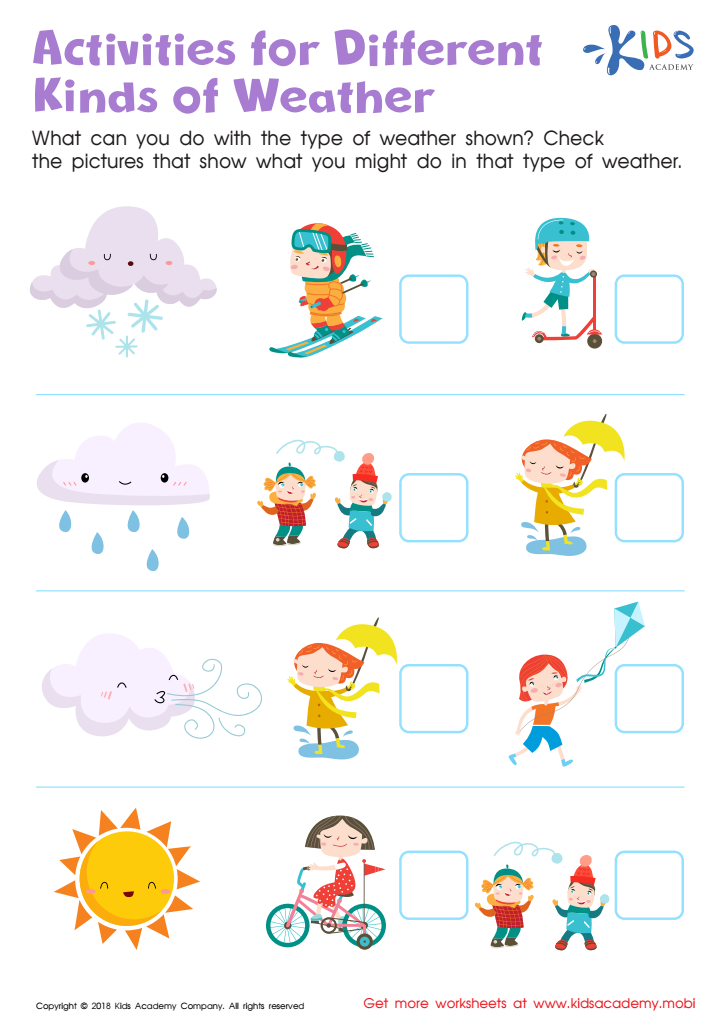
Activities for Different Kinds of Weather Worksheet

My Bedroom Worksheet
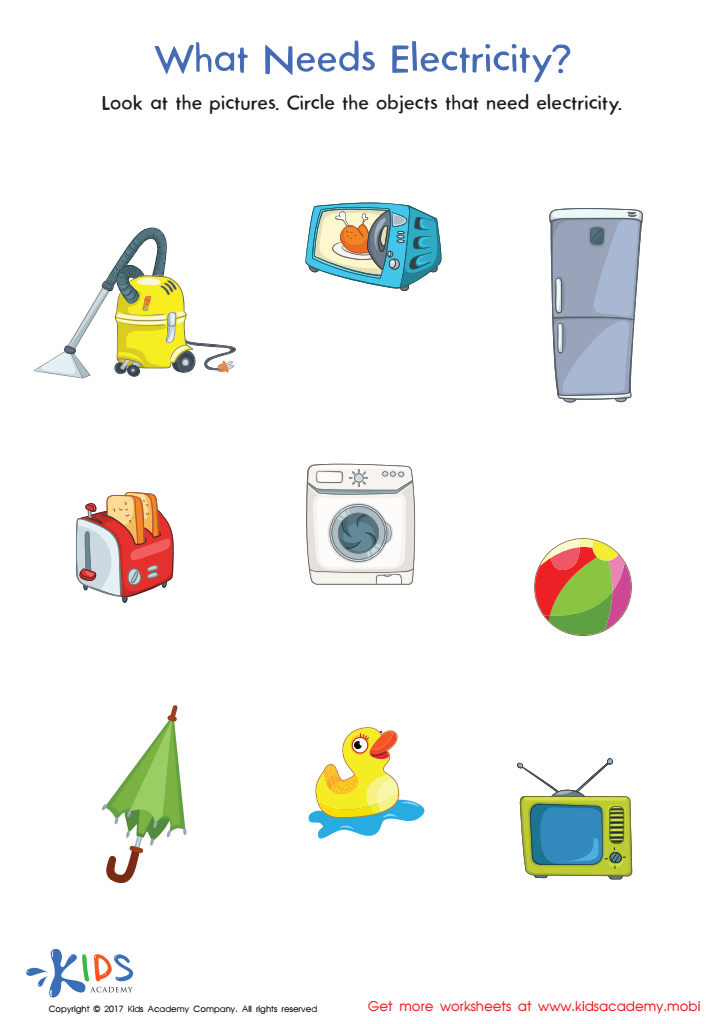
What Needs Electricity Printable
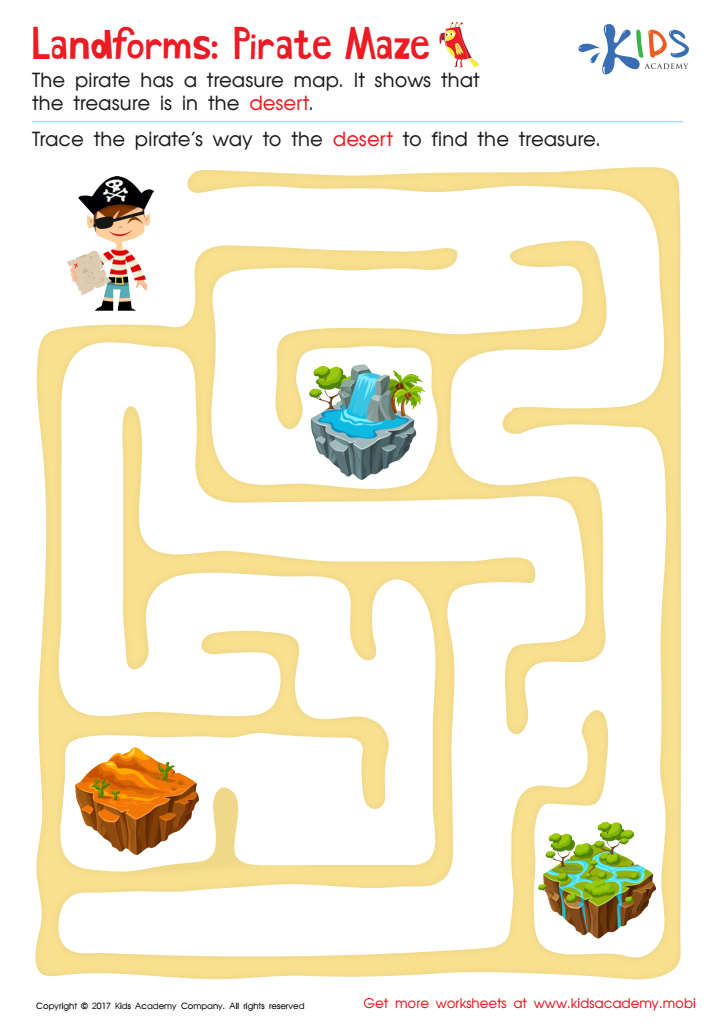
Landforms: Pirate Maze Printable
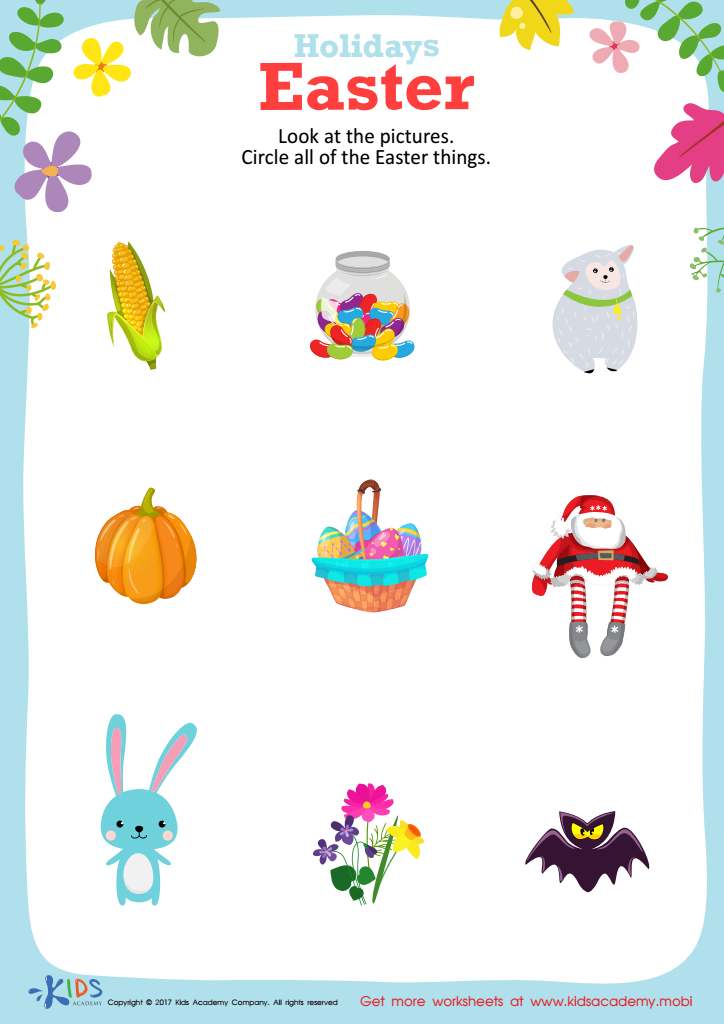
Easter Holiday Printable
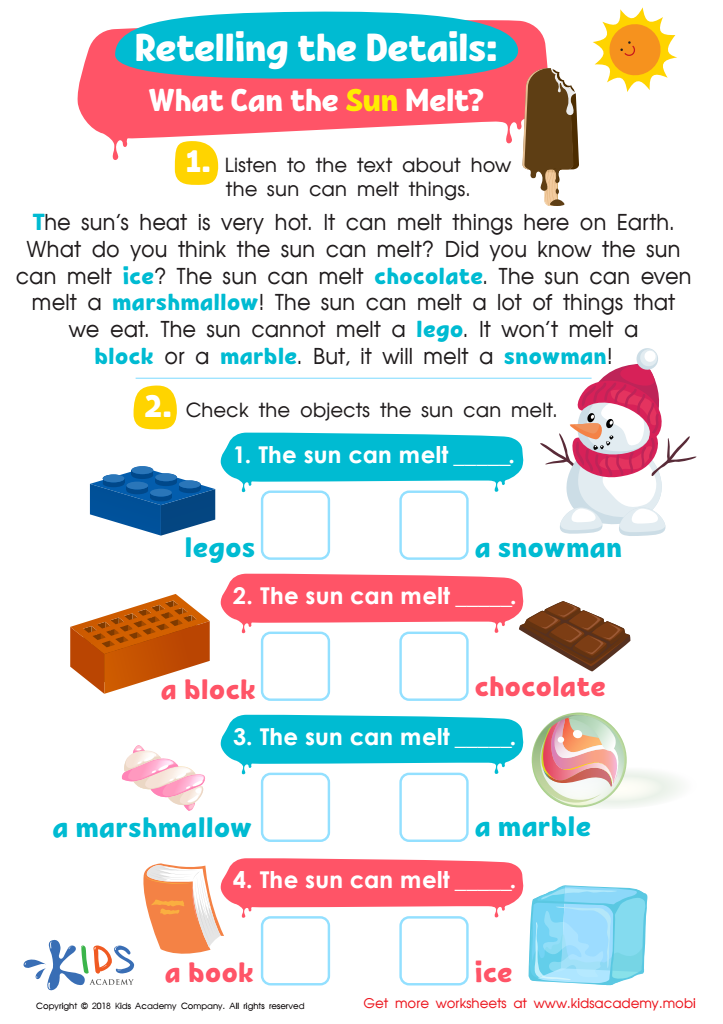
Retelling the Details: What Can the Sun Melt? Worksheet
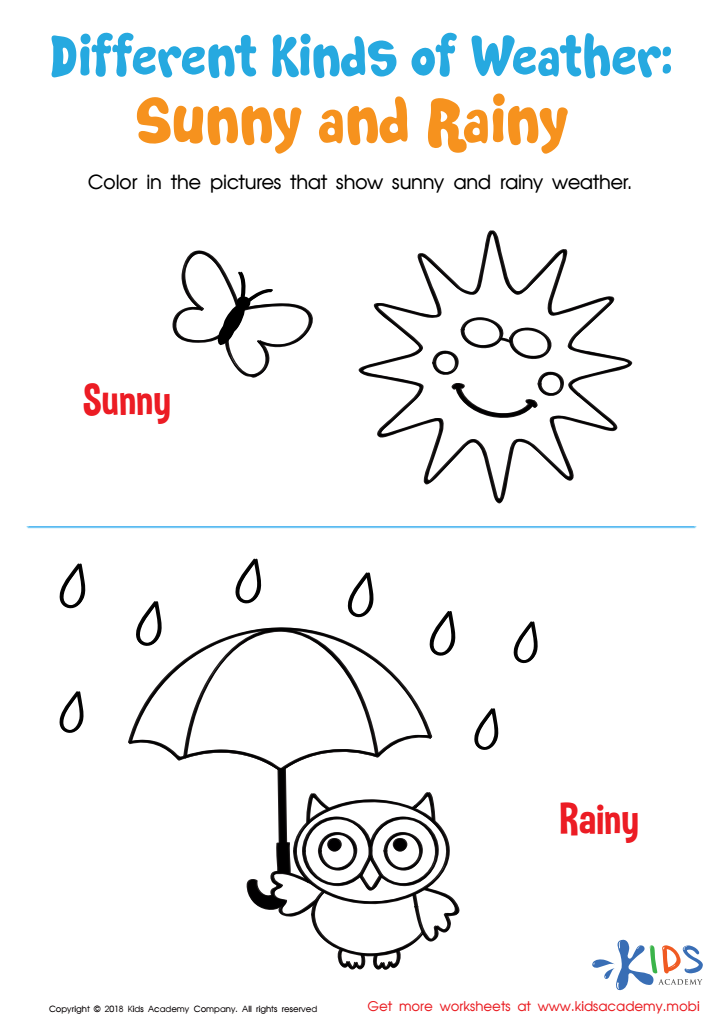
Different Kinds of Weather: Sunny and Rainy Worksheet
 Assign to My Students
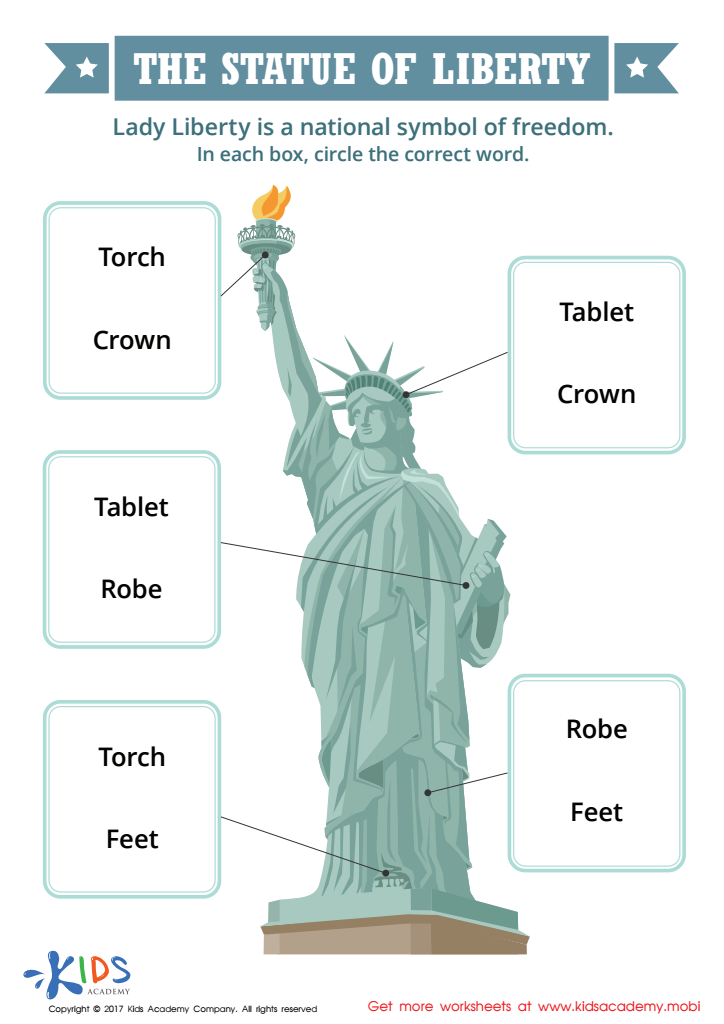
The Statue of Liberty Printable

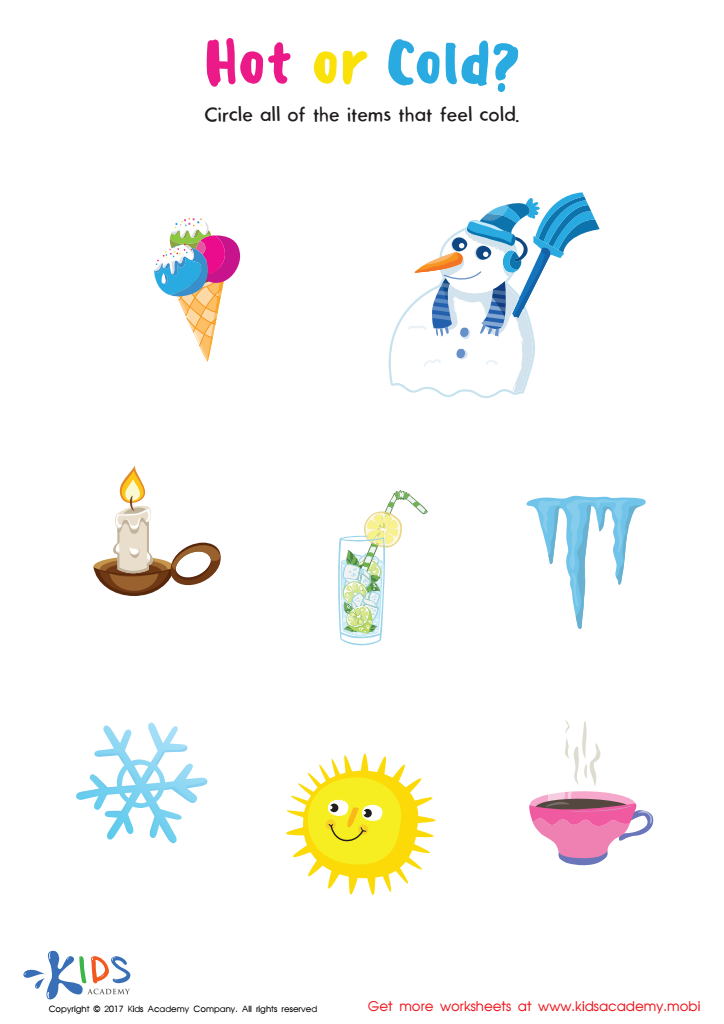
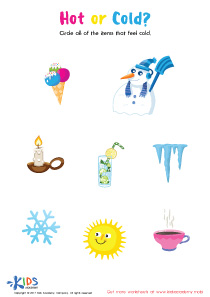
Hot or Cold Printable
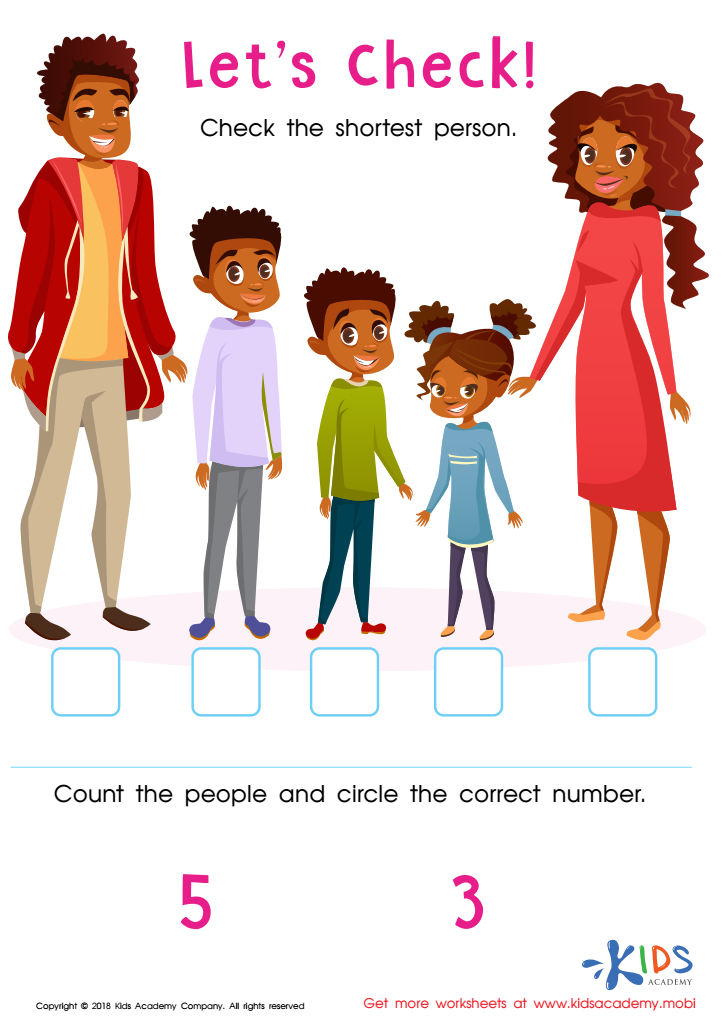
Let's Check! Assessment Worksheet
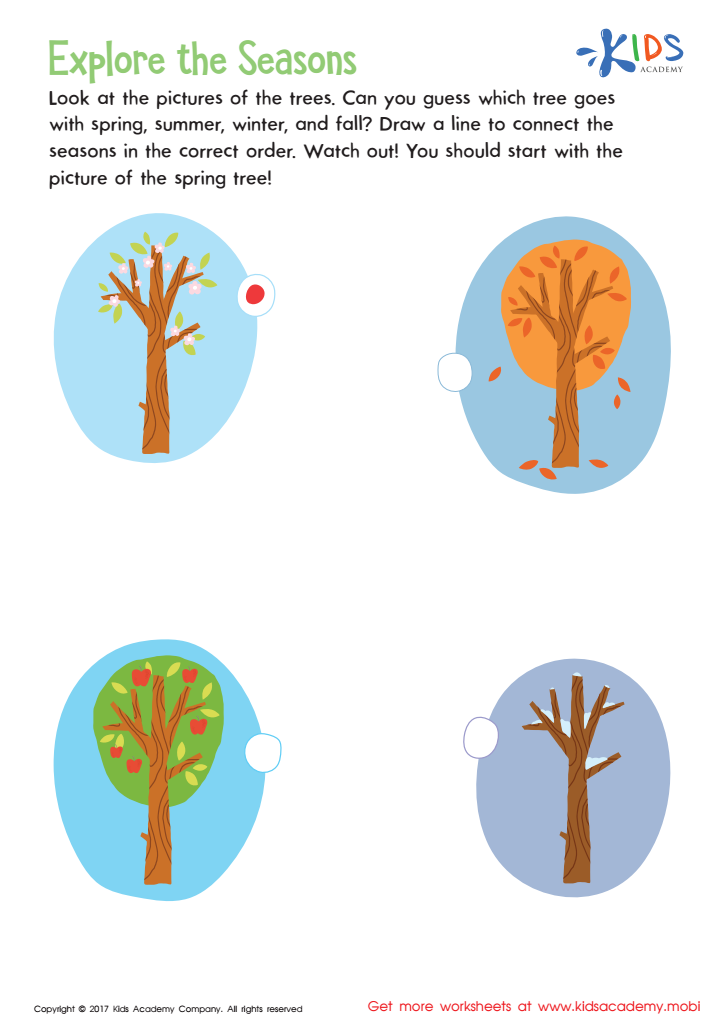
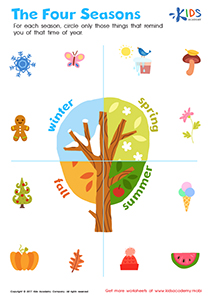
Explore the Seasons Worksheet
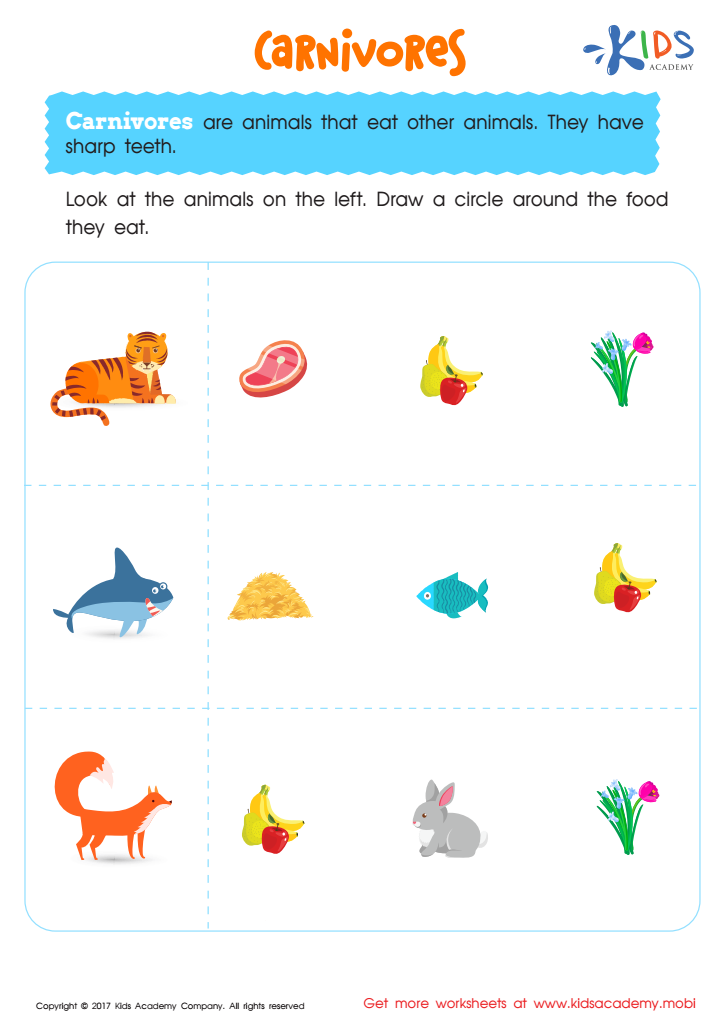
Carnivores Worksheet
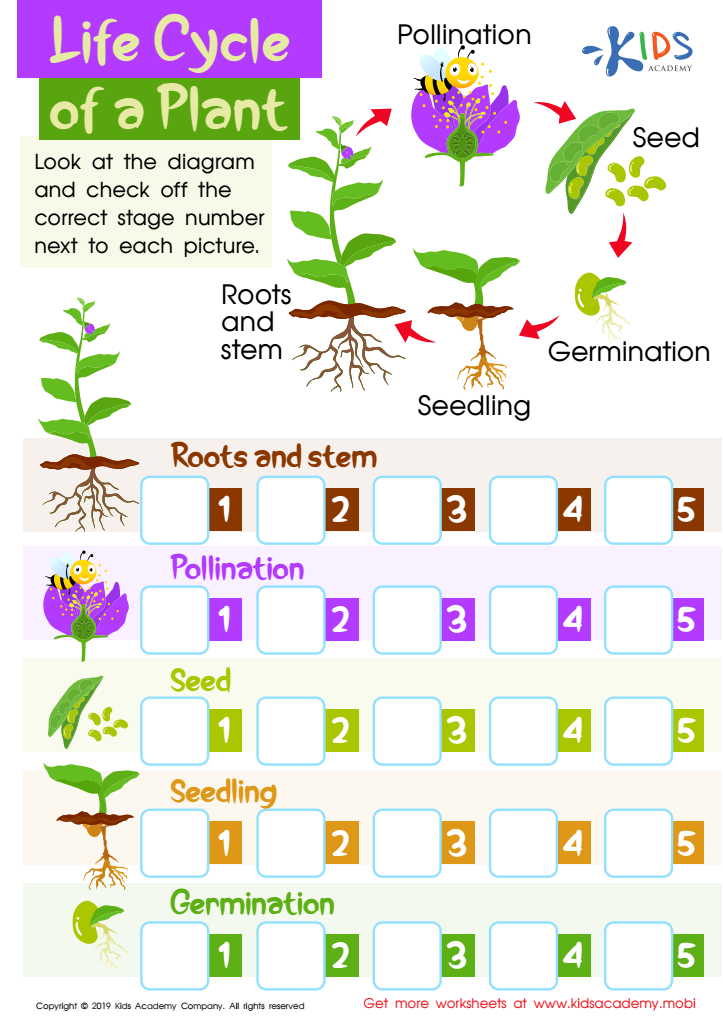
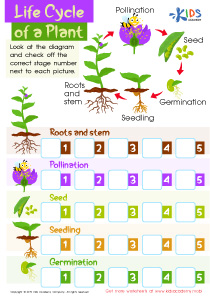
Life Cycle of a Plant Worksheet
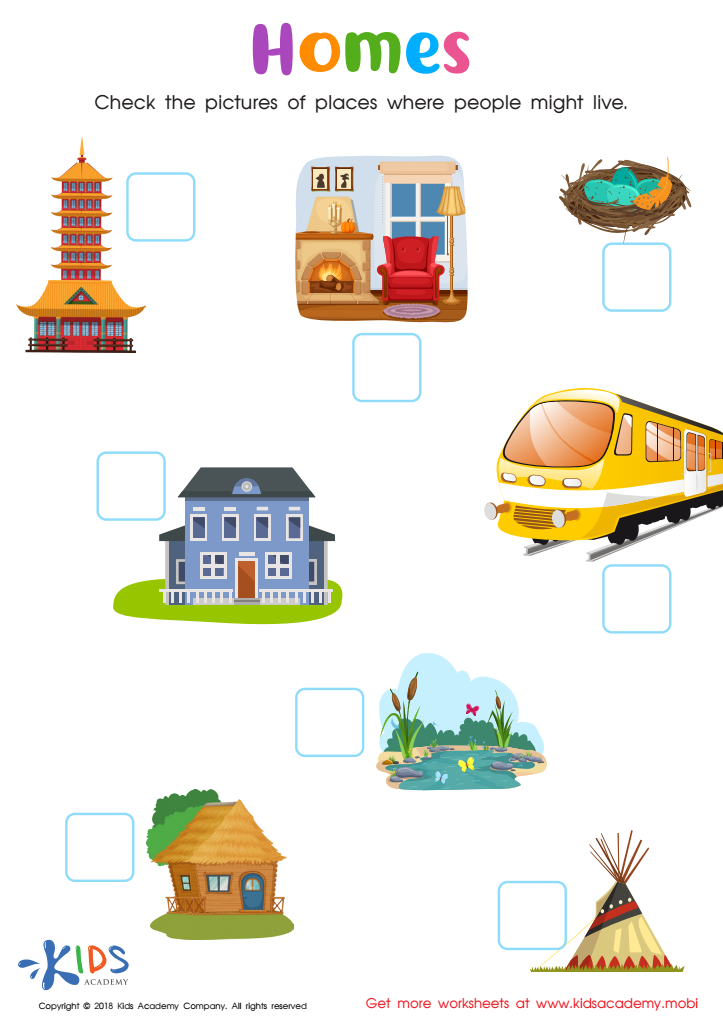
Homes Worksheet
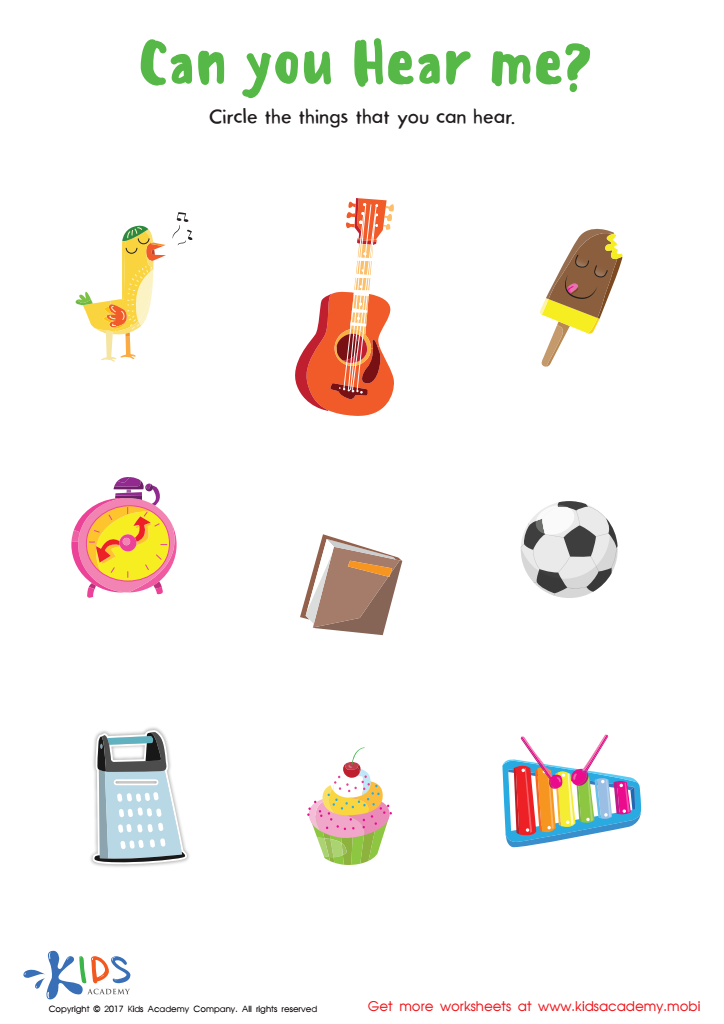
Can You Hear Me Worksheet



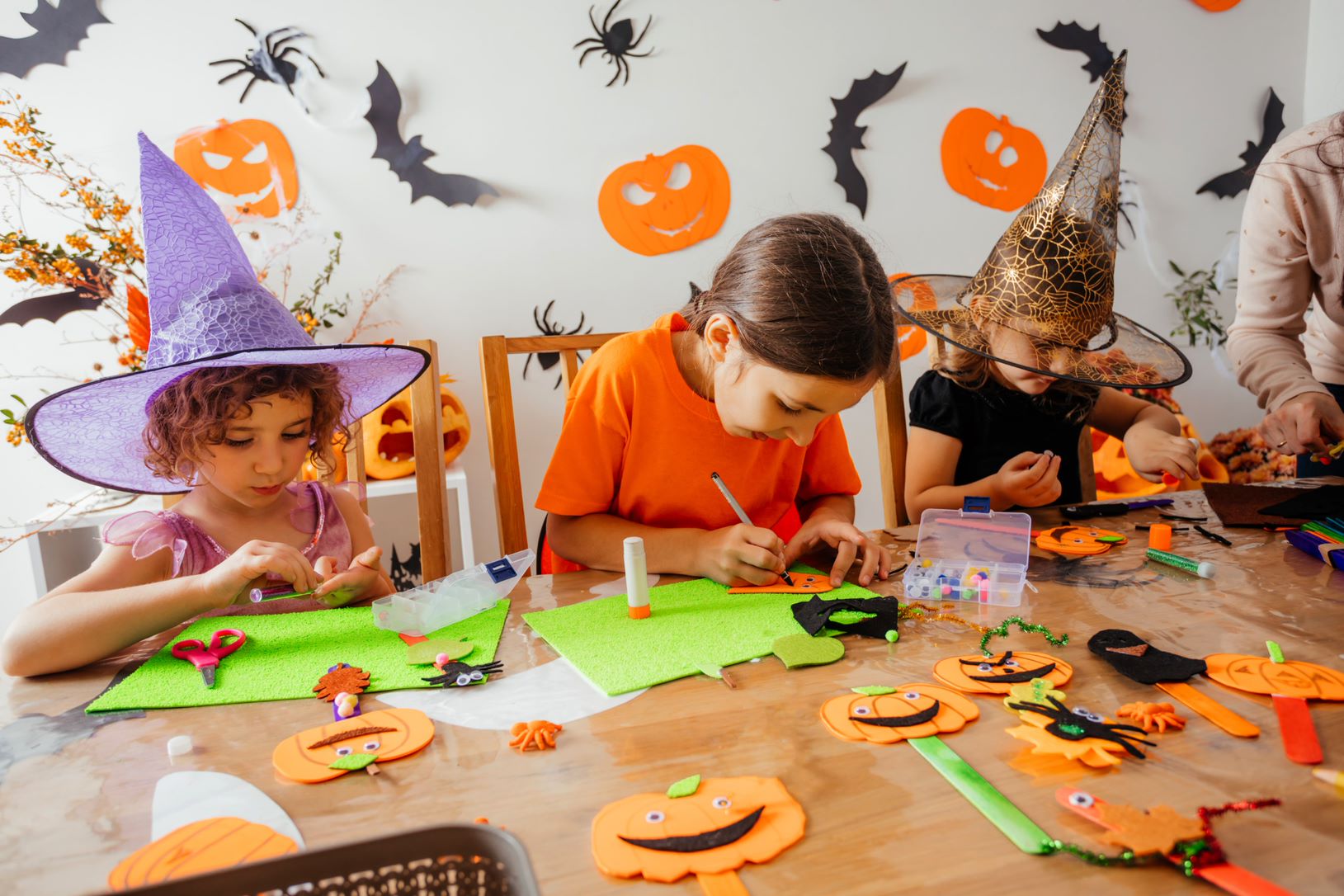




Parents and teachers should care about the "World Around Us" for ages 3-8 because early childhood is a crucial time for cognitive, emotional, and social development. Engaging with the world encourages curiosity, critical thinking, and a sense of wonder in young learners. It provides an opportunity to explore nature, community, and cultures, fostering a deeper understanding of their surroundings.
At this age, learning is often experiential. Kids absorb information through play, observation, and hands-on activities. By integrating lessons about the world — such as geography, ecosystems, diverse cultures, and social responsibilities — educators and parents can inspire compassion, open-mindedness, and environmental stewardship.
Moreover, familiarizing children with their environment enhances their ability to communicate, solve problems, and collaborate with others. It lays the groundwork for global citizenship by introducing respect for different traditions and values, which is essential in our interconnected world.
By prioritizing discussions and activities related to the world around them, adults can support the holistic development of children. Emphasizing authentic experiences leads to engaged, curious, and informed individuals equipped to navigate and positively impact their environment as they grow. This ultimately contributes to a brighter future for all.