Cognitive Development Alphabet Worksheets for Ages 3-9
15 filtered results
-
From - To
Enhance your child’s cognitive development with our engaging Alphabet Worksheets, designed specifically for ages 3 to 9. These worksheets integrate fun, educational activities that stimulate critical thinking, problem-solving, and language skills while introducing the alphabet. Children will explore letter recognition, sound association, and word formation through interactive exercises, puzzles, and activities tailored to their developmental needs. Our printable worksheets provide a versatile resource for parents and teachers seeking to nurture young learners' cognitive abilities. Encourage creativity and curiosity as kids embark on an exciting journey through the world of letters! Start building a strong foundation for literacy with our engaging resources today!
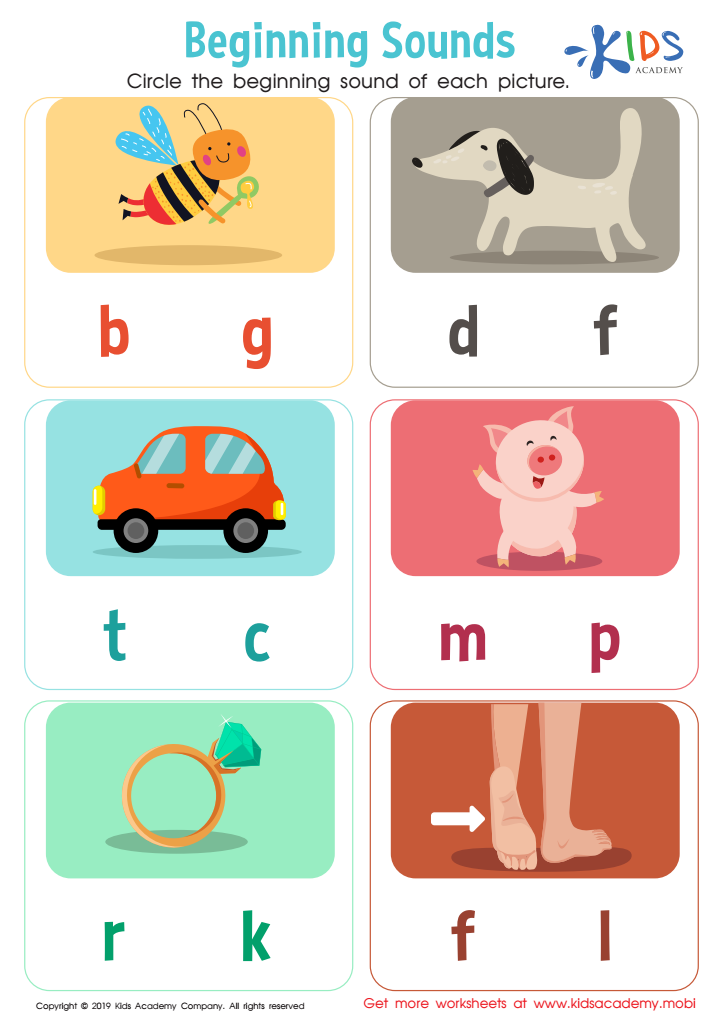
Beginning Sounds Worksheet
 Assign to My Students
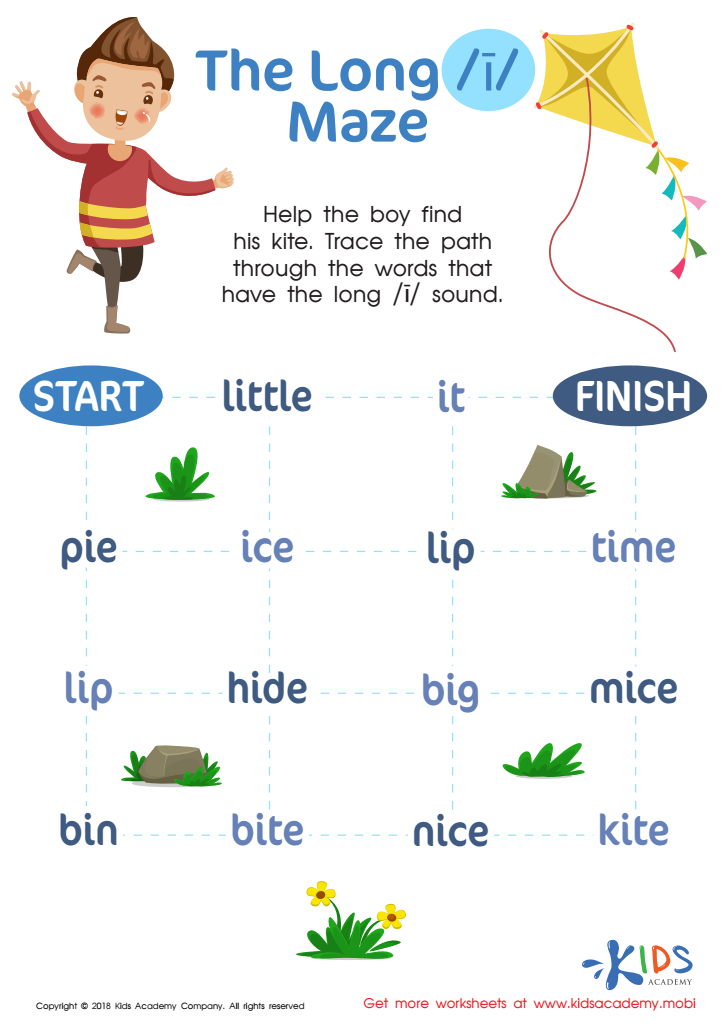
The Long I Maze Reading Worksheet
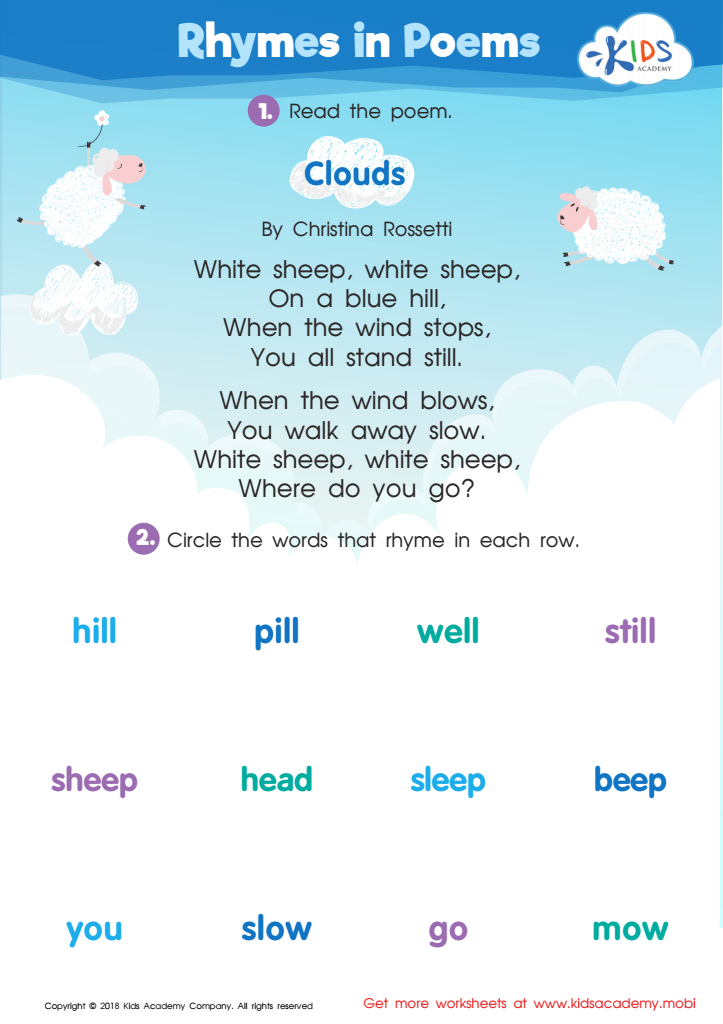
Rhymes in Poems Worksheet
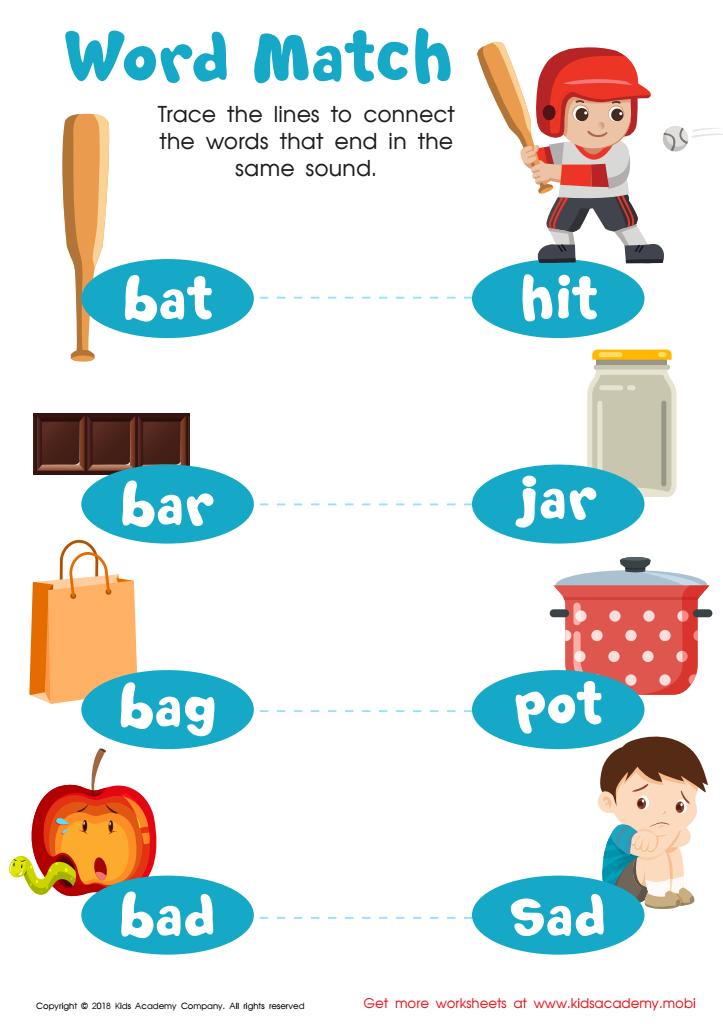
Word Match Reading Worksheet
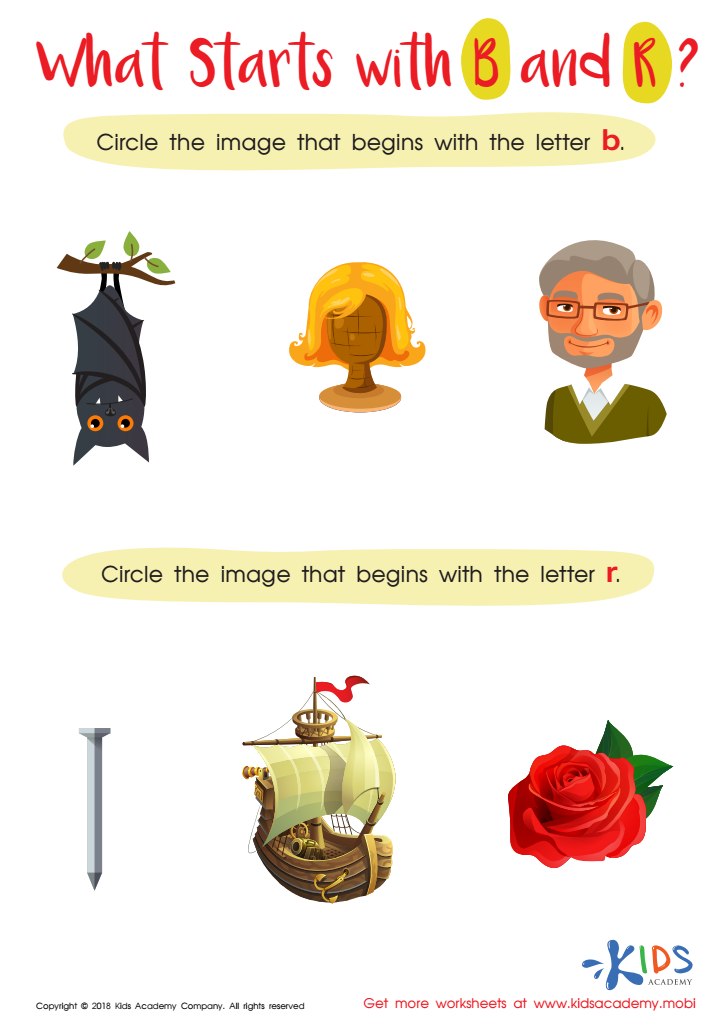
What Starts with B and R? Worksheet
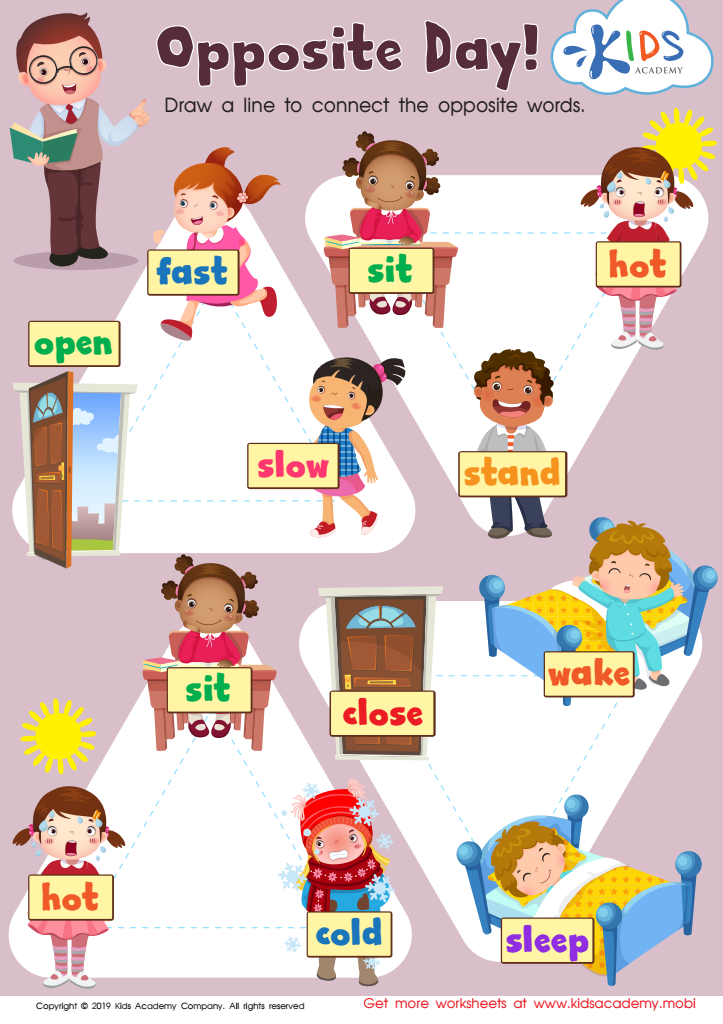
Opposite Day Worksheet
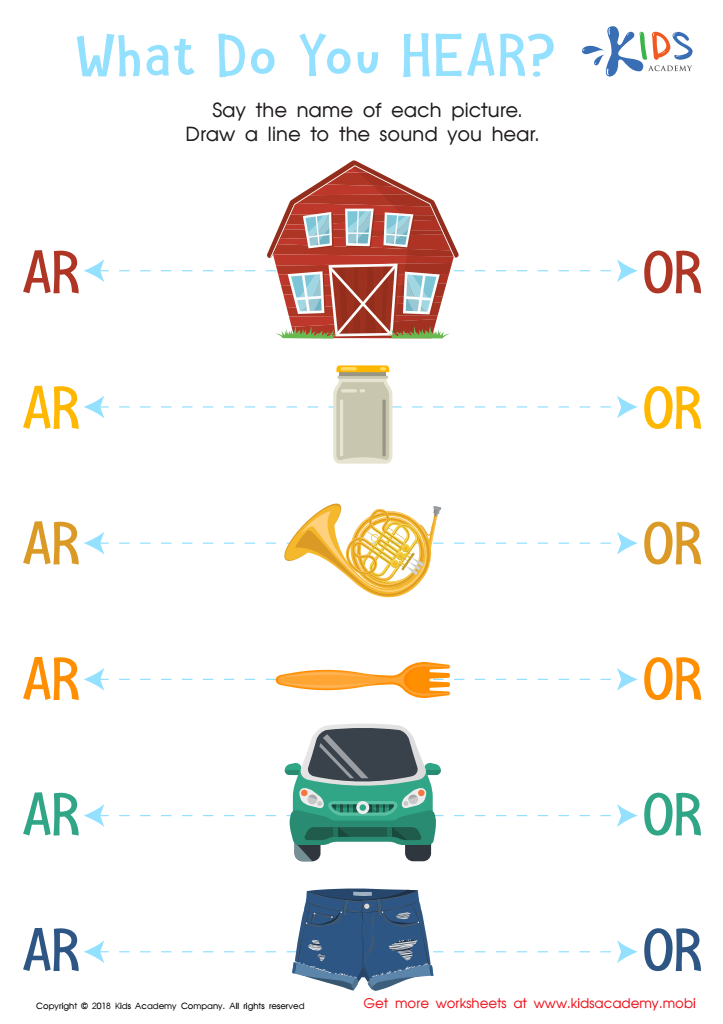
What do you hear Worksheet
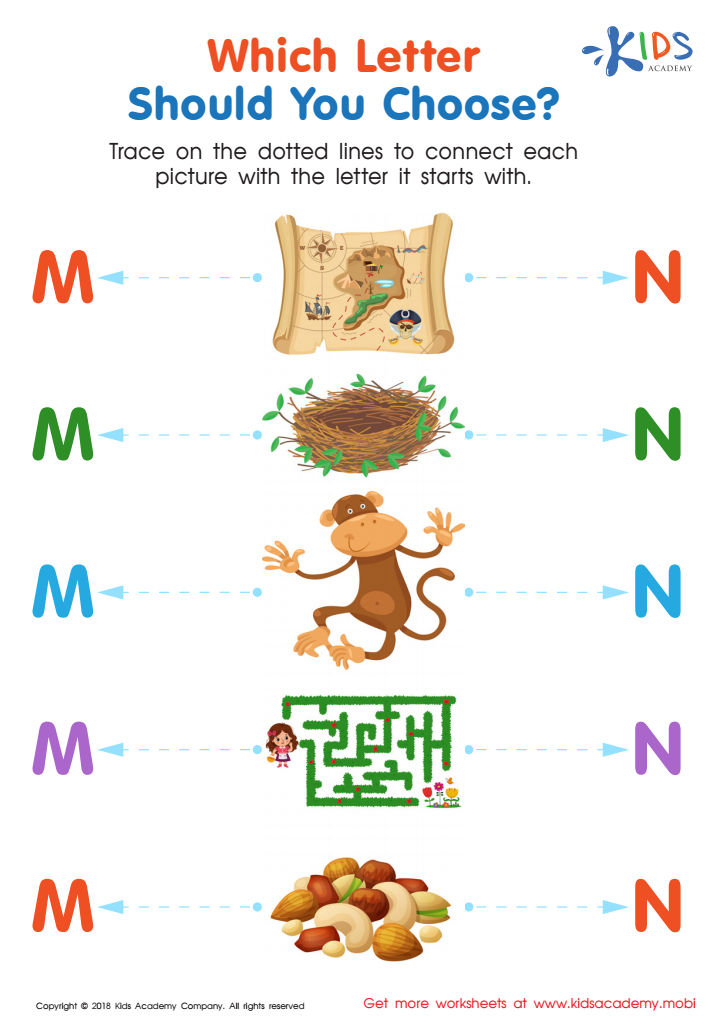
Which Letter Should you Choose? Worksheet
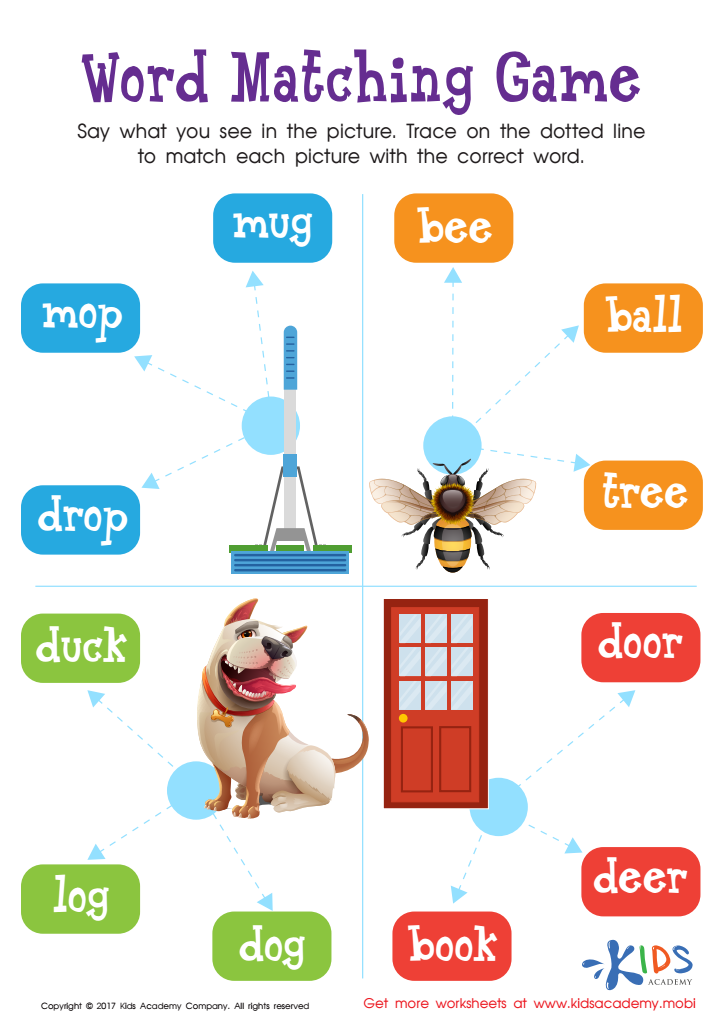
Word Matching Game Worksheet
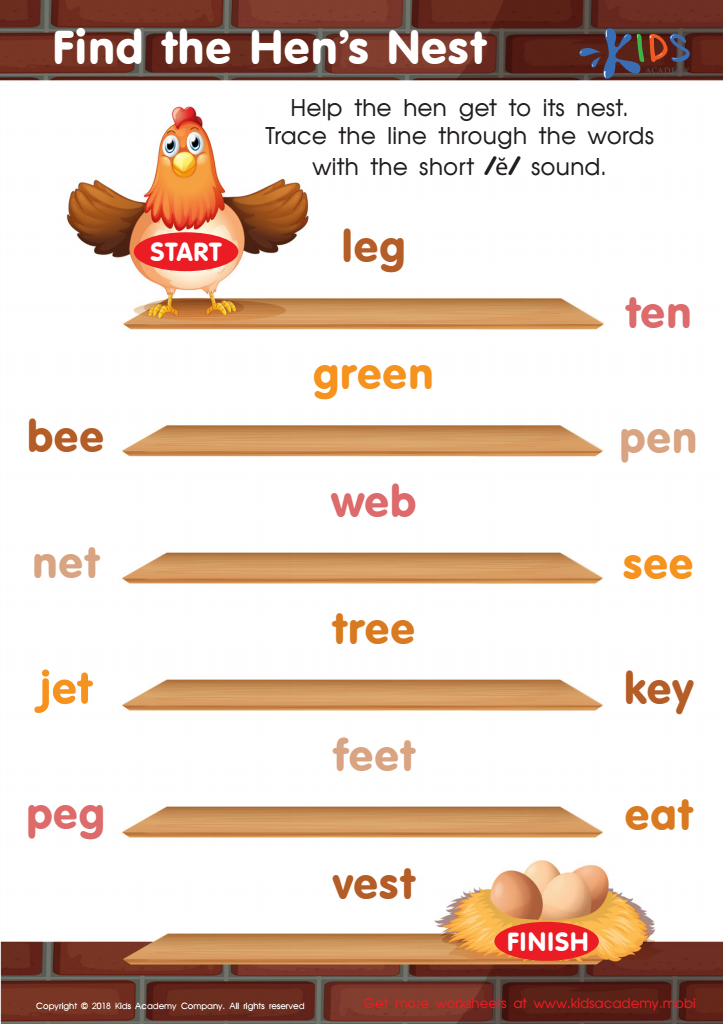
Find Hens Nest Reading Worksheet
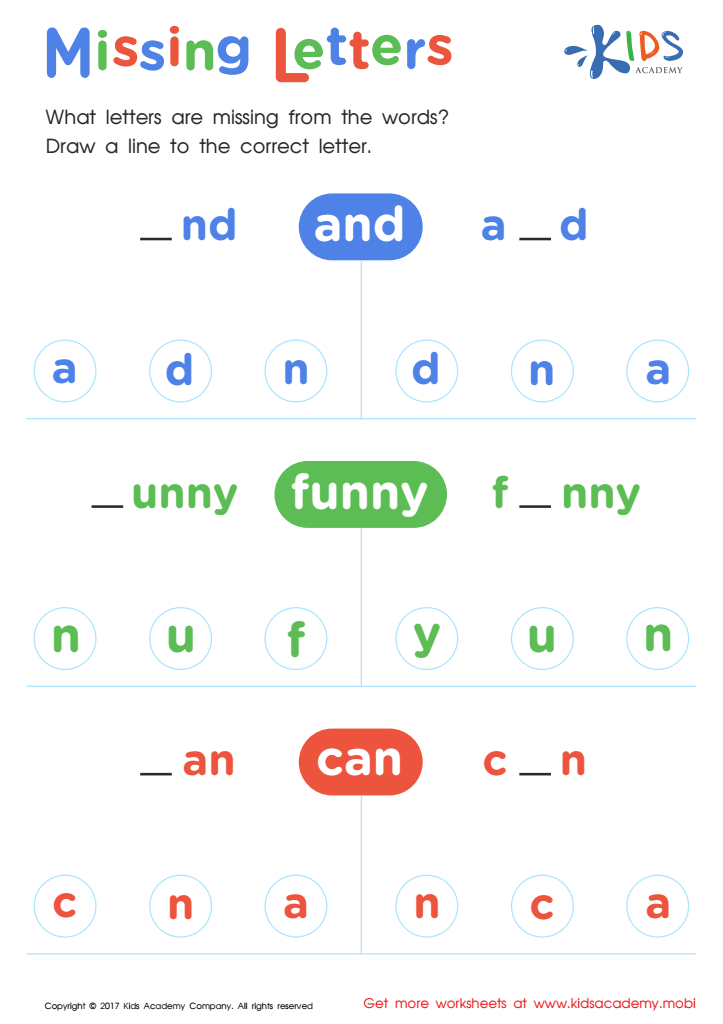
Missing Letters Worksheet
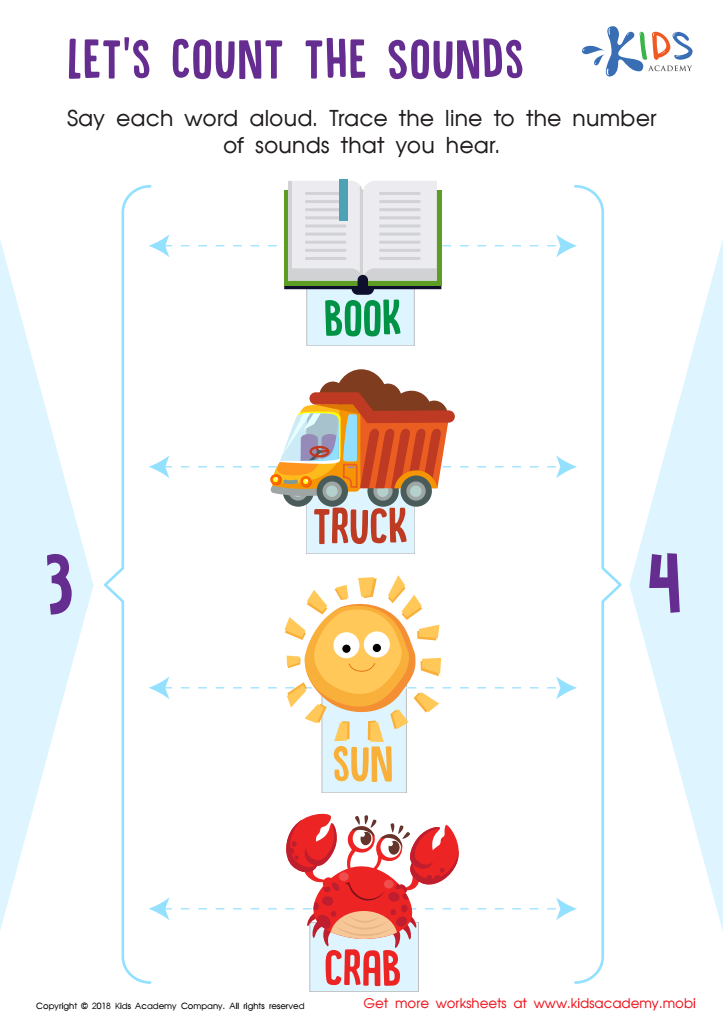
Let's Count the Sounds Worksheet
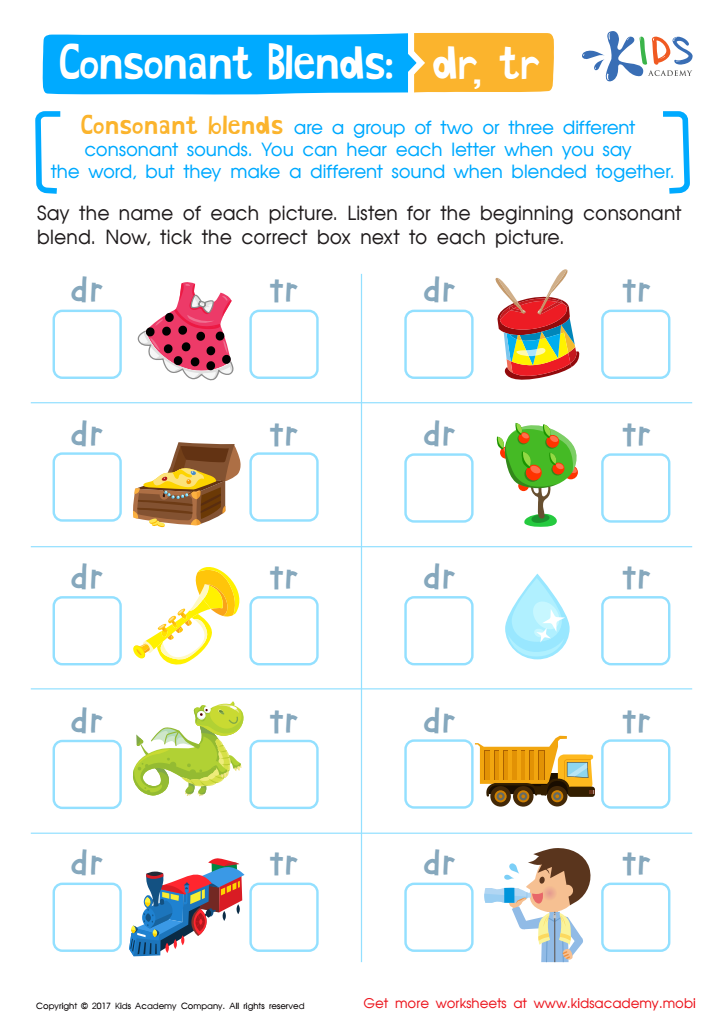
Consonant Blends: "Dr" and "Tr" Printable
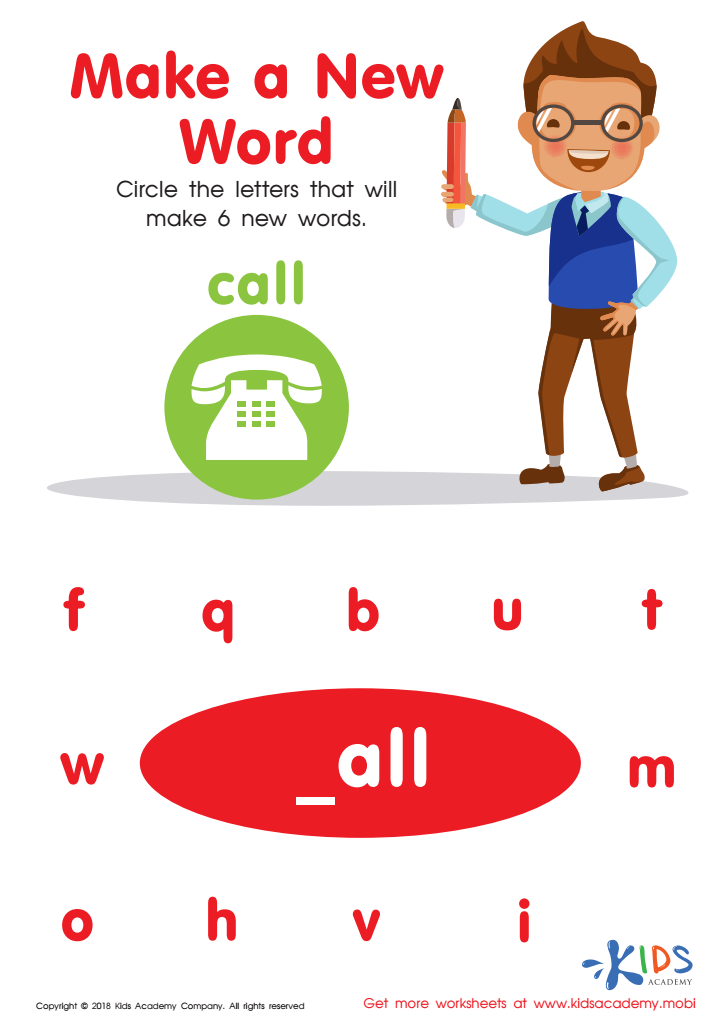
Make a New Word Worksheet

Pen Rhyming Words Worksheet


.jpg)





Cognitive development is crucial for children's overall growth, particularly in early childhood, ages 3-9. During this period, children are rapidly acquiring new skills and knowledge that lay the foundation for their future learning. Understanding the "Cognitive Development Alphabet" enables parents and teachers to support and nurture essential cognitive skills effectively.
Each letter in the alphabet represents a vital aspect of cognitive development—from Attention and Memory to Problem-solving and Language skills. By recognizing and focusing on these aspects, caregivers can create enriched learning environments that stimulate curiosity and critical thinking. Early identification and intervention for cognitive challenges can make a significant difference, ensuring that each child reaches their full potential.
Additionally, fostering cognitive development helps children build confidence and improves their ability to socialize and communicate. Engaging in play-based, educational activities aligned with cognitive development indicators enhances children's problem-solving skills, boosts memory retention, and encourages logical reasoning.
Ultimately, when parents and teachers are informed about the Cognitive Development Alphabet, they can collaboratively tailor their approaches to meet children's developmental needs, setting the stage for lifelong learning and success. Making these connections helps bridge the gap between home and school, creating a supportive environment for every child’s growth.







