Vowel Recognition Alphabet Worksheets for Ages 3-9
23 filtered results
-
From - To
Discover our engaging Vowel Recognition Alphabet Worksheets designed for children aged 3-9! These interactive resources promote early literacy by helping kids identify and differentiate between vowels. With colorful illustrations and fun, age-appropriate activities, your child will enjoy developing essential reading skills through tracing, coloring, and matching exercises. Our worksheets cater to various learning styles, ensuring an effective and enjoyable educational experience. Plus, they are easy to print and perfect for home or classroom use. Equip your little learners with the foundational skills they need for lifelong success in reading and language development. Start exploring our vowel recognition worksheets today!
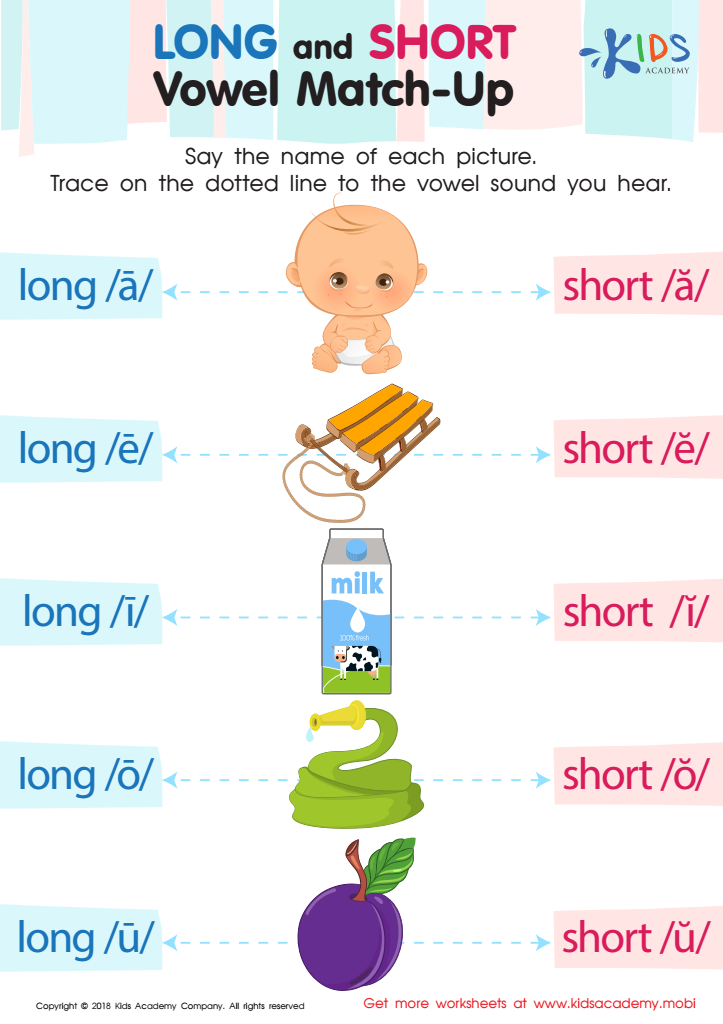
Long and Short Vowel Match up Reading Worksheet
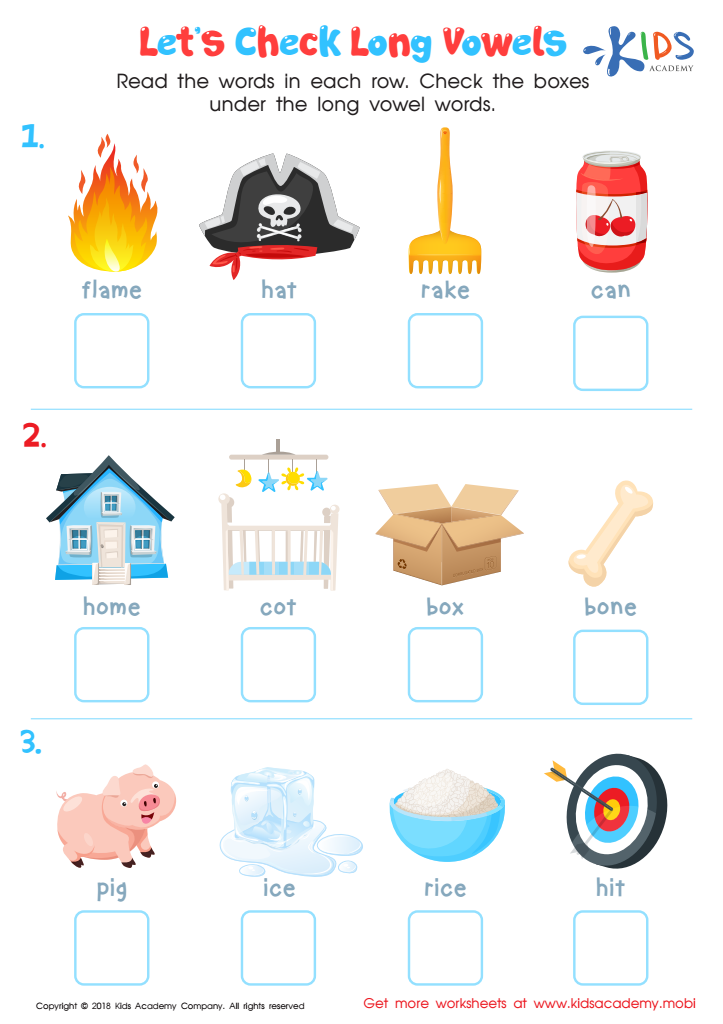
Let's Check Long Vowels: Assessment Worksheet
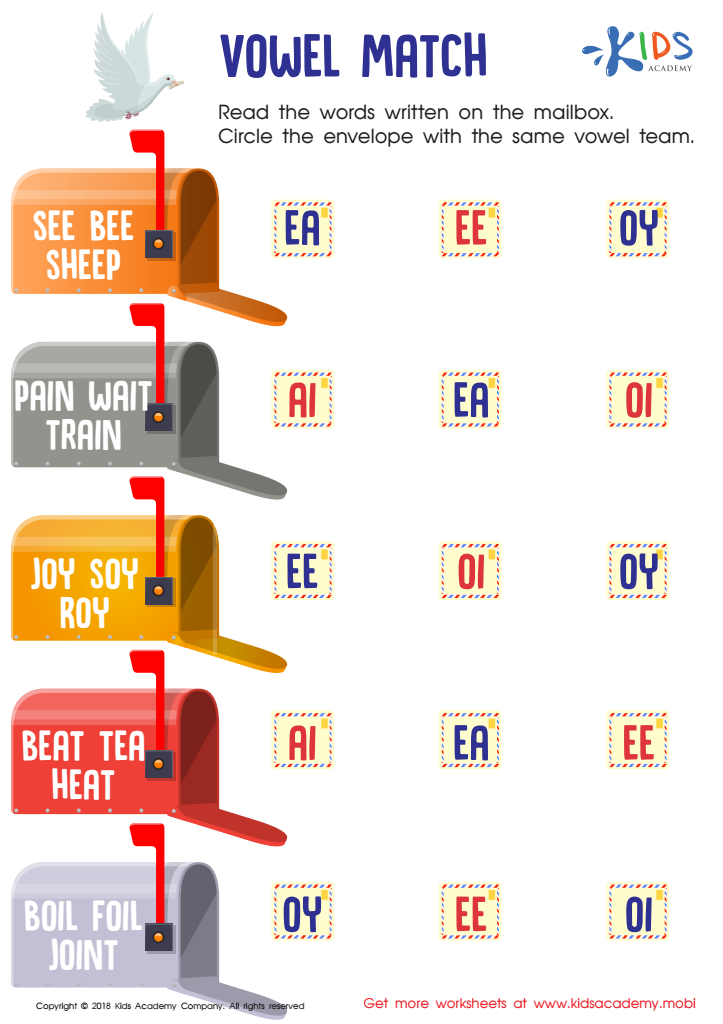
Vowel match Worksheet
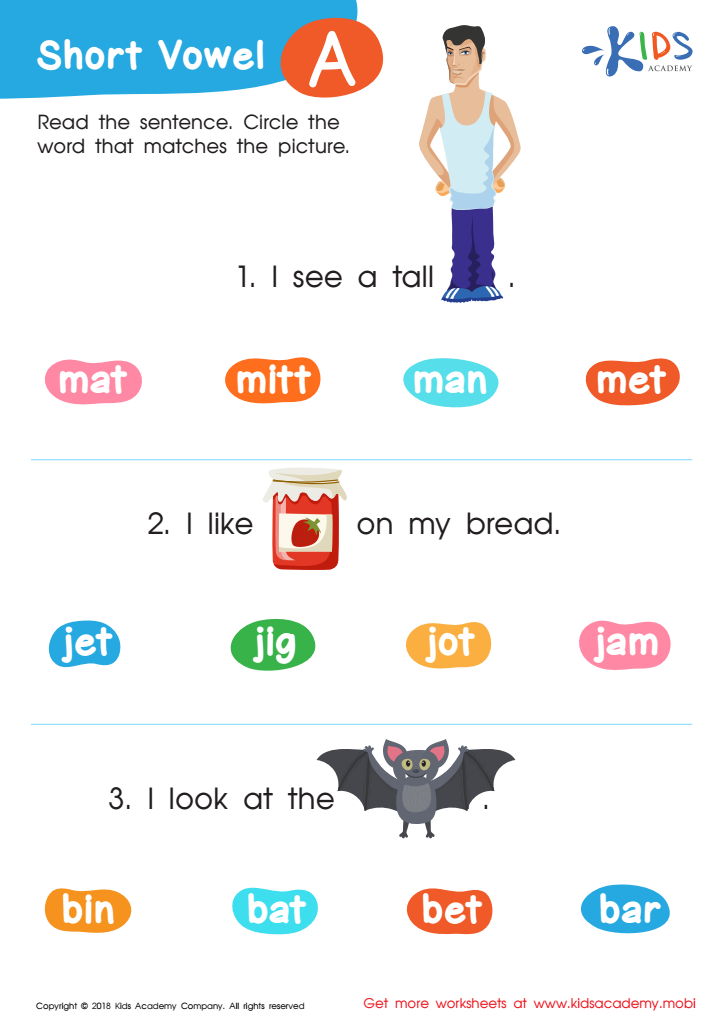
Short Vowel /a/ Worksheet
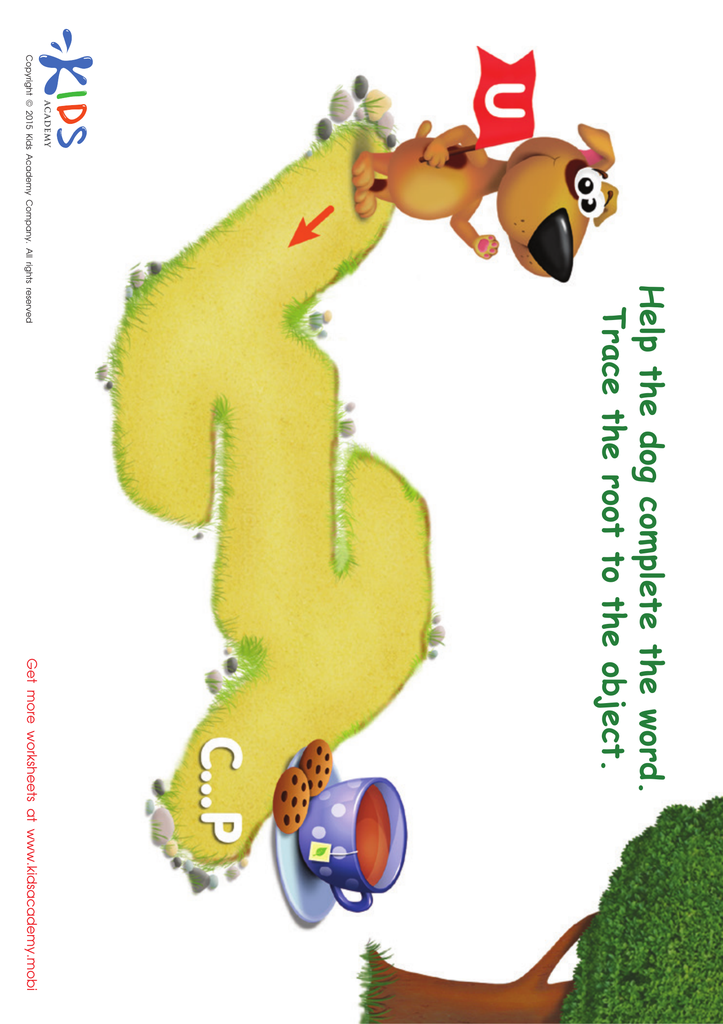
Short Vowel Sound U Worksheet Worksheet
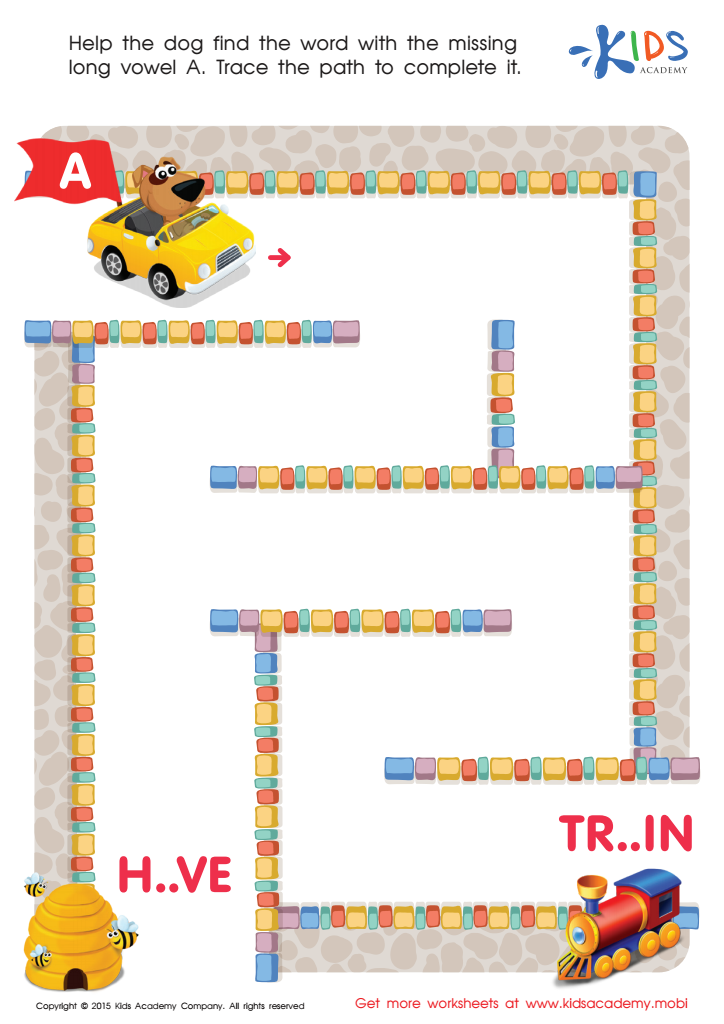
Long Vowel Sound A Worksheet
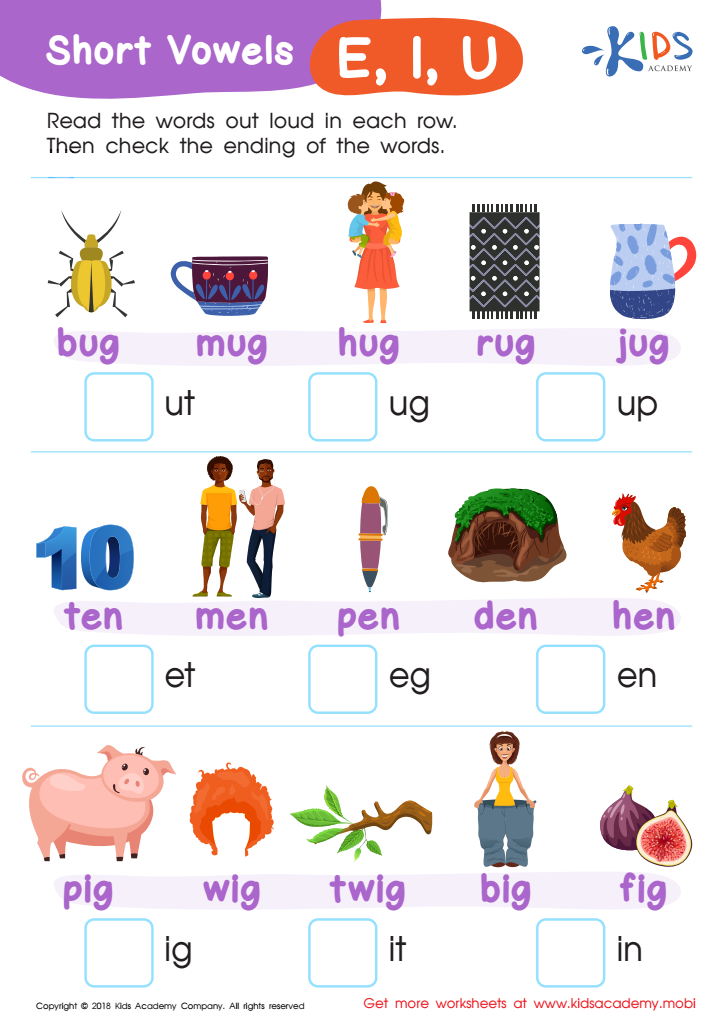
Short Vowels /e/, /i/, and /u/ Worksheet
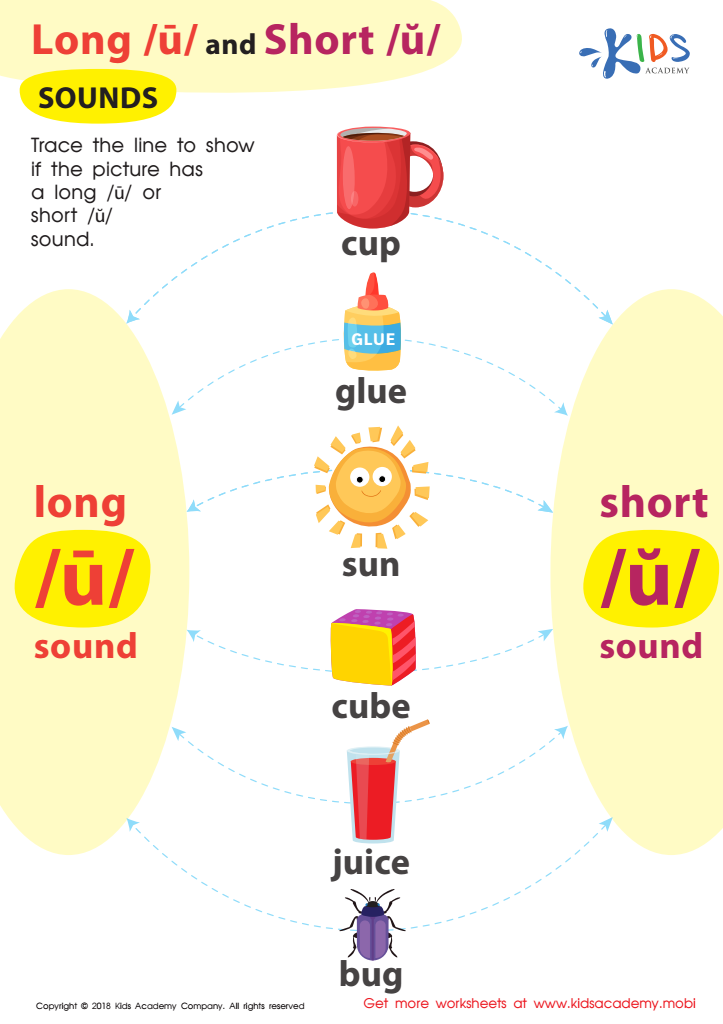
Reading: Long U and Short U Sounds Worksheet
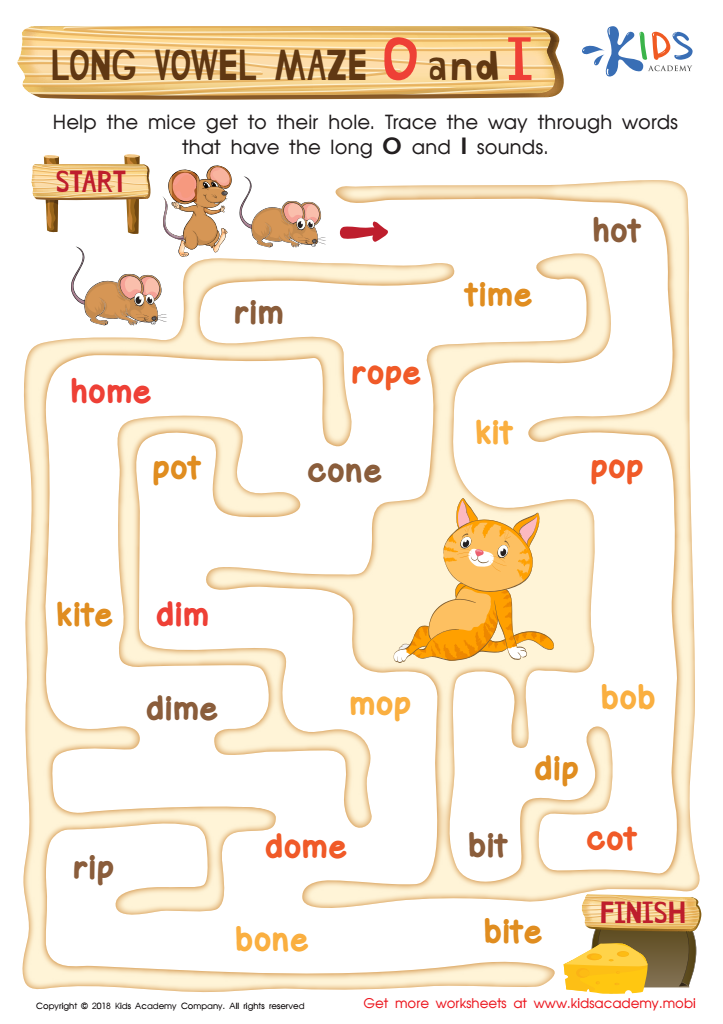
Long Vowel Maze /o/ and /i/ Worksheet
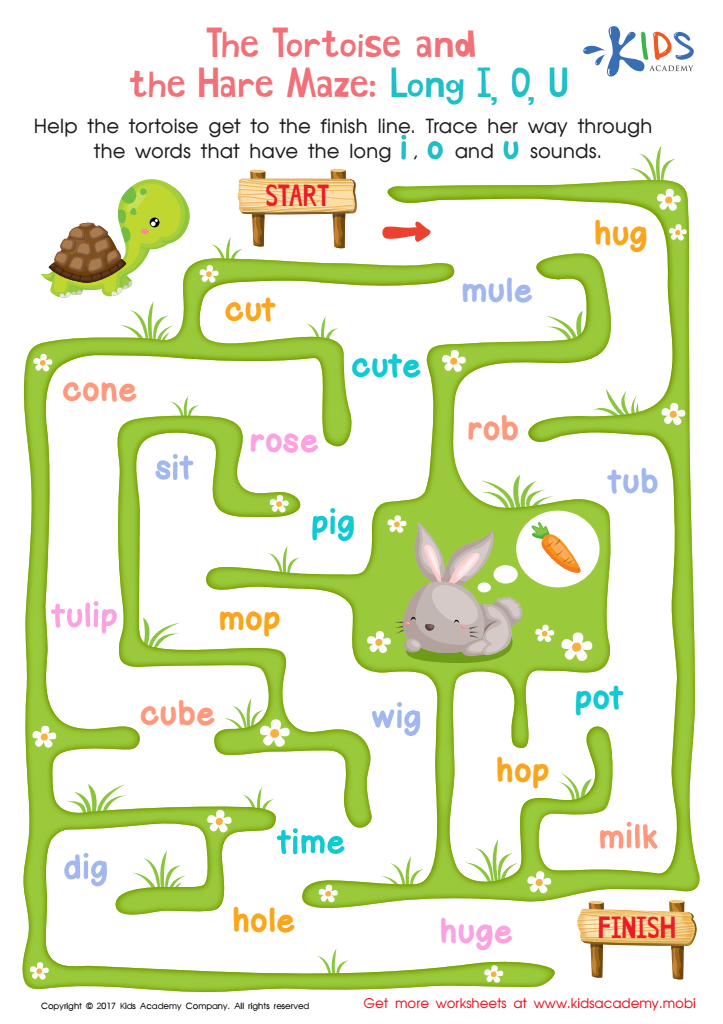
Long I, O, U Words Worksheet
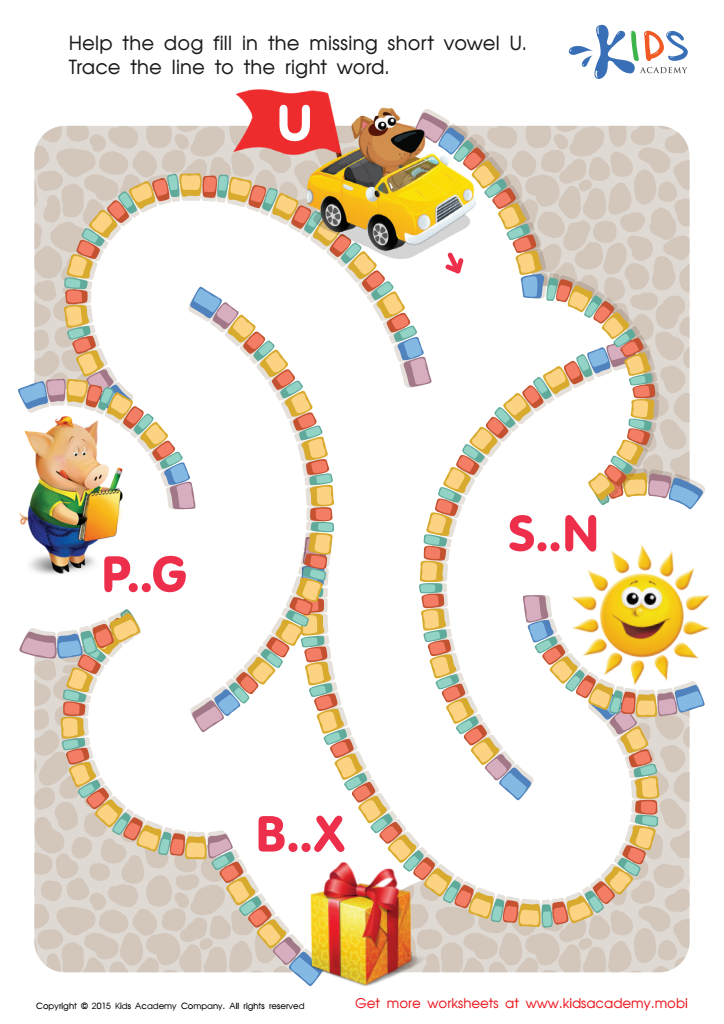
Short Vowel Sound U Worksheet
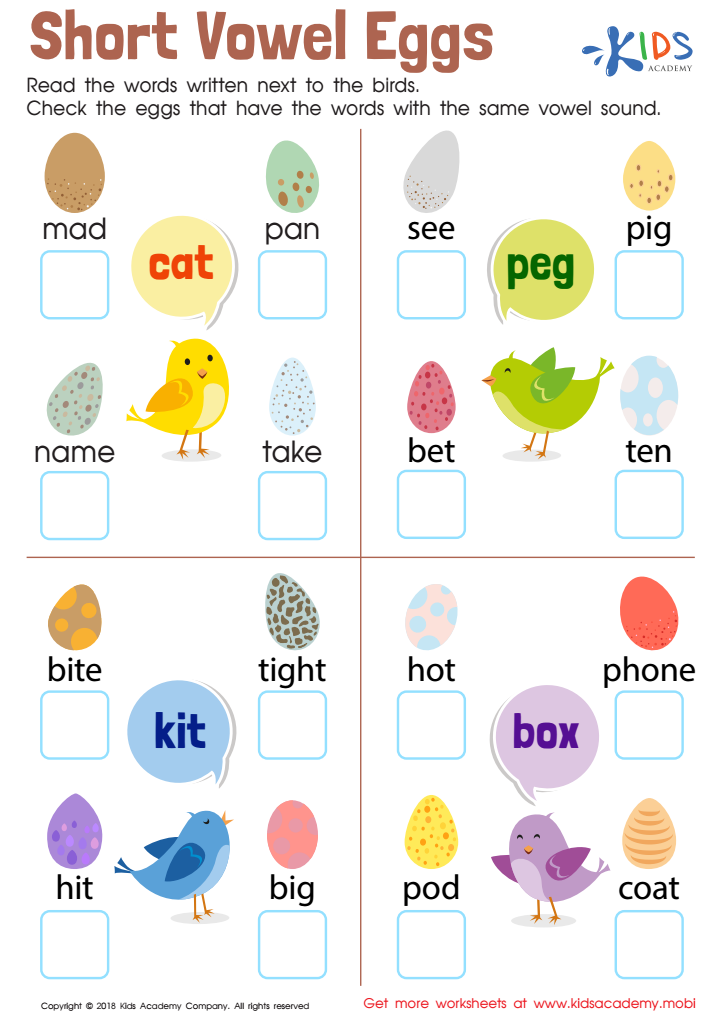
Short Vowel Eggs Worksheet
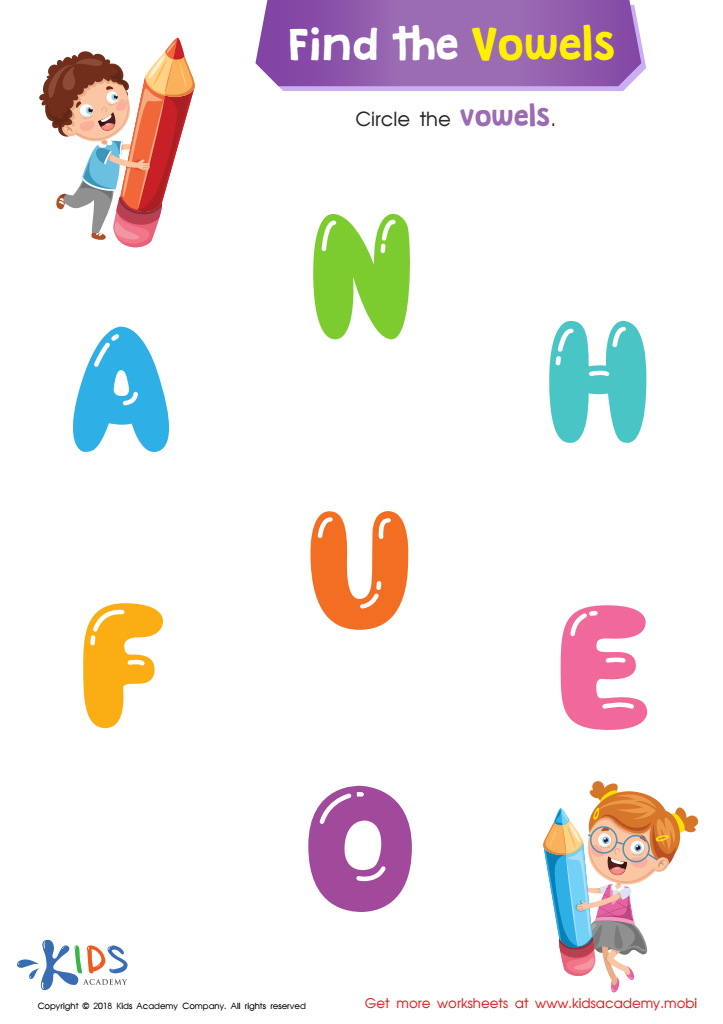
Find the Vowels Reading Worksheet
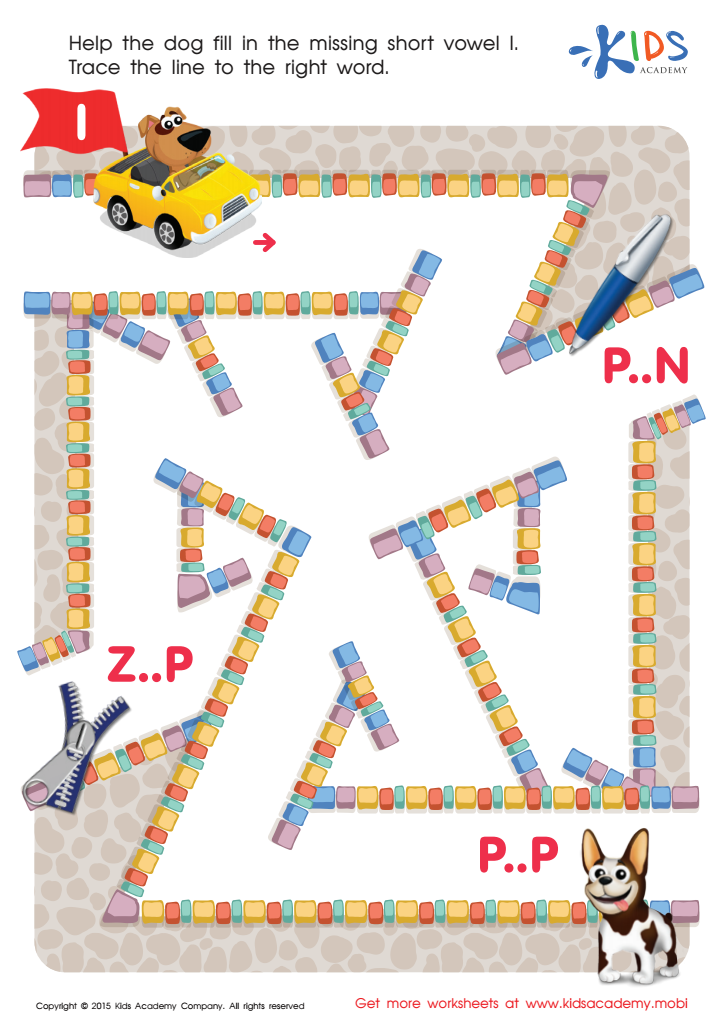
Short Vowel Sound I Worksheet
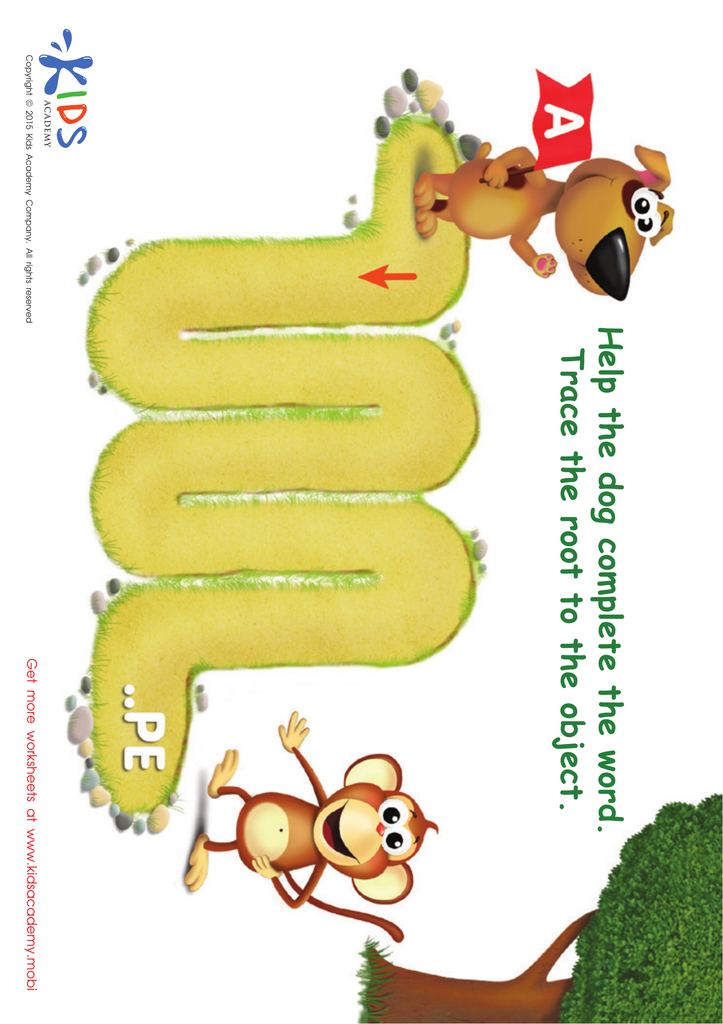
Long Vowel Sound A Worksheet Worksheet
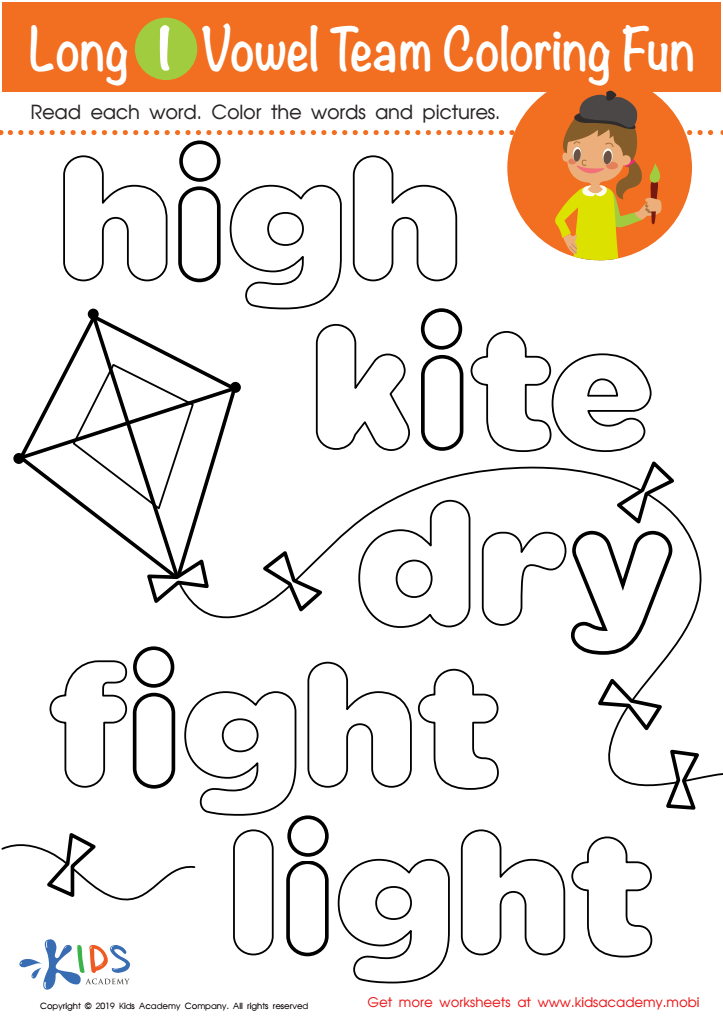
Long I Vowel Team Coloring Worksheet
 Assign to My Students
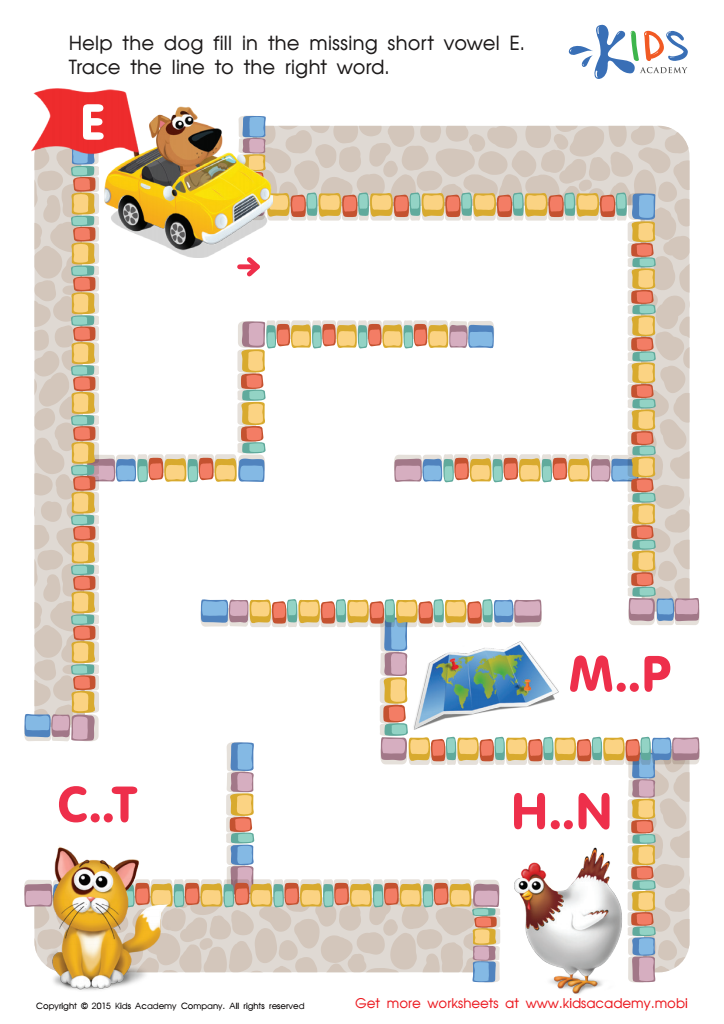
Short Vowel Sound E Worksheet
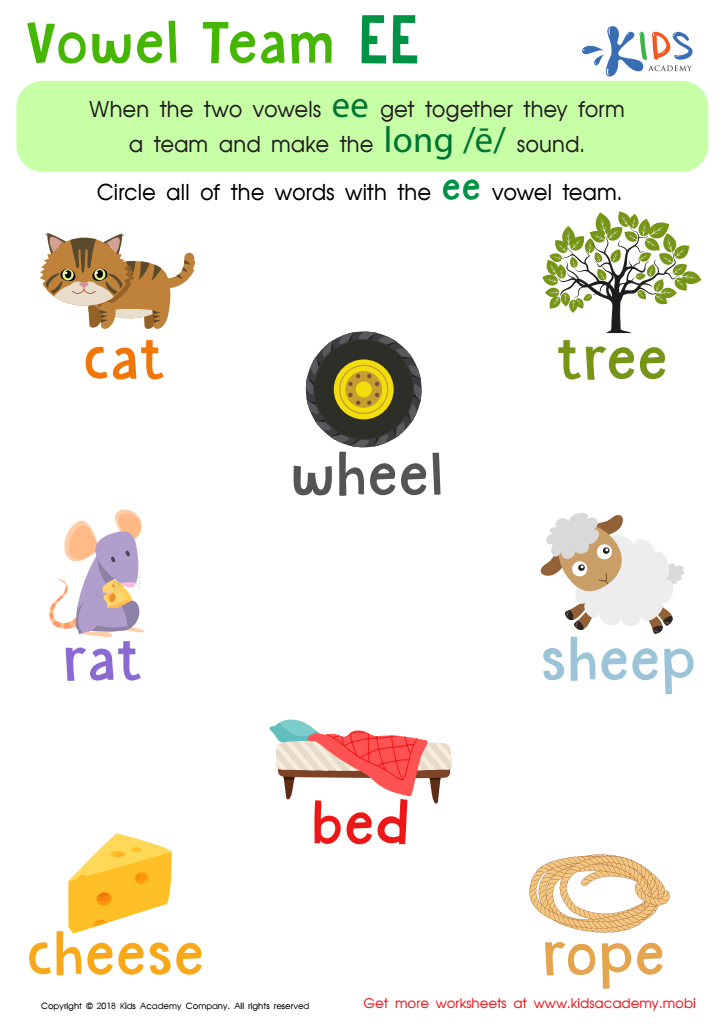
Reading: Vowel Team EE Worksheet
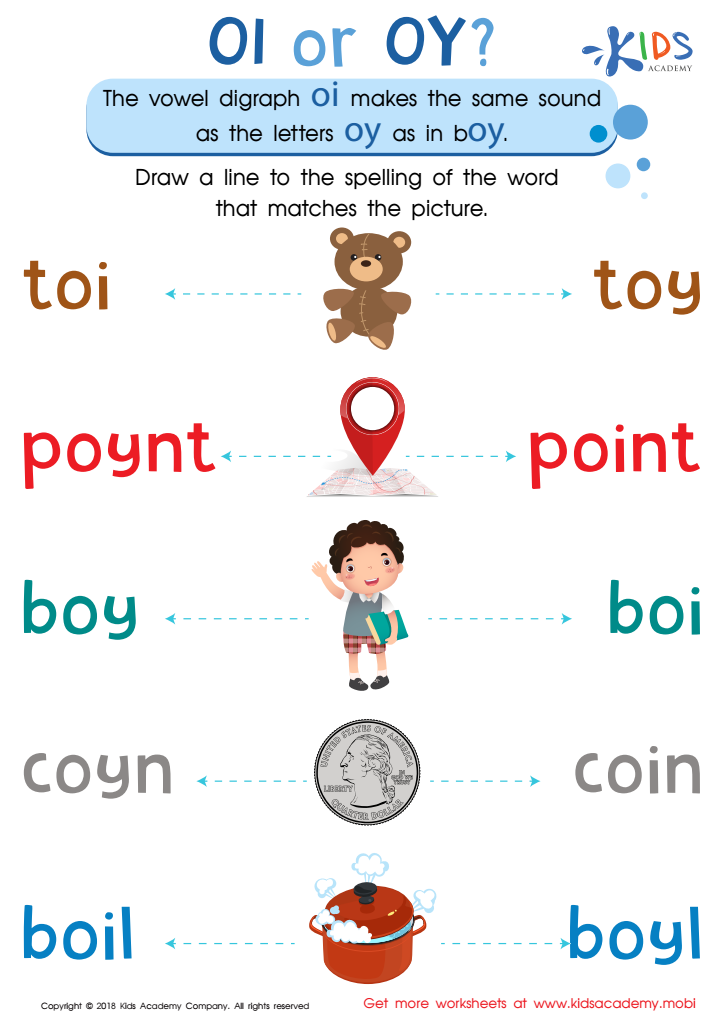
Reading: OI and OY Worksheet
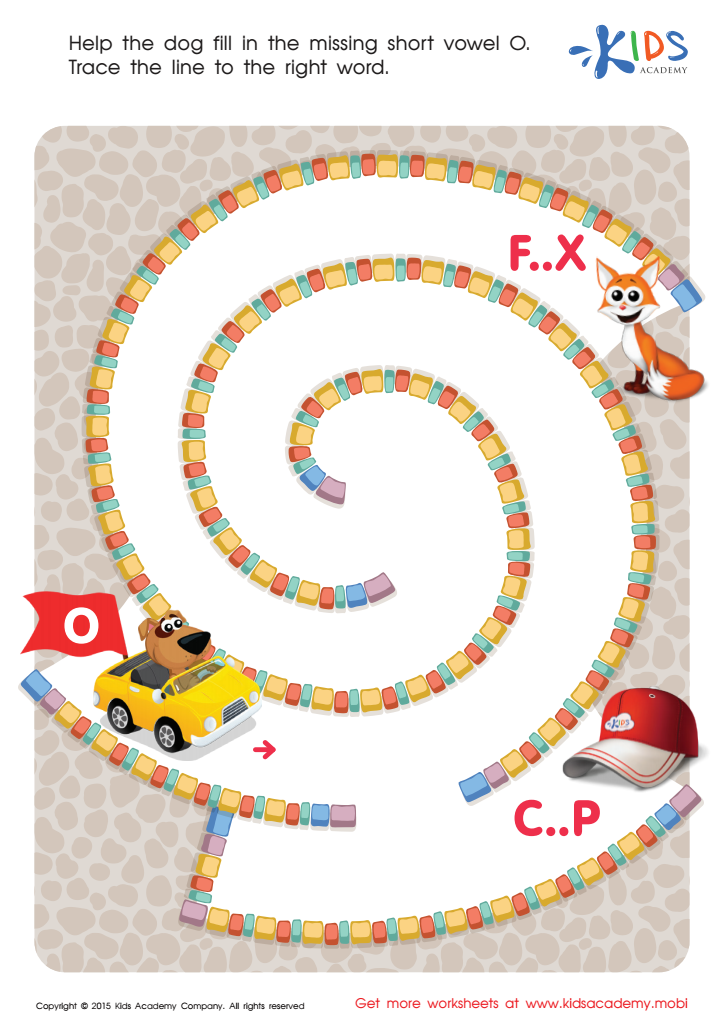
Short Vowel Sound O Worksheet
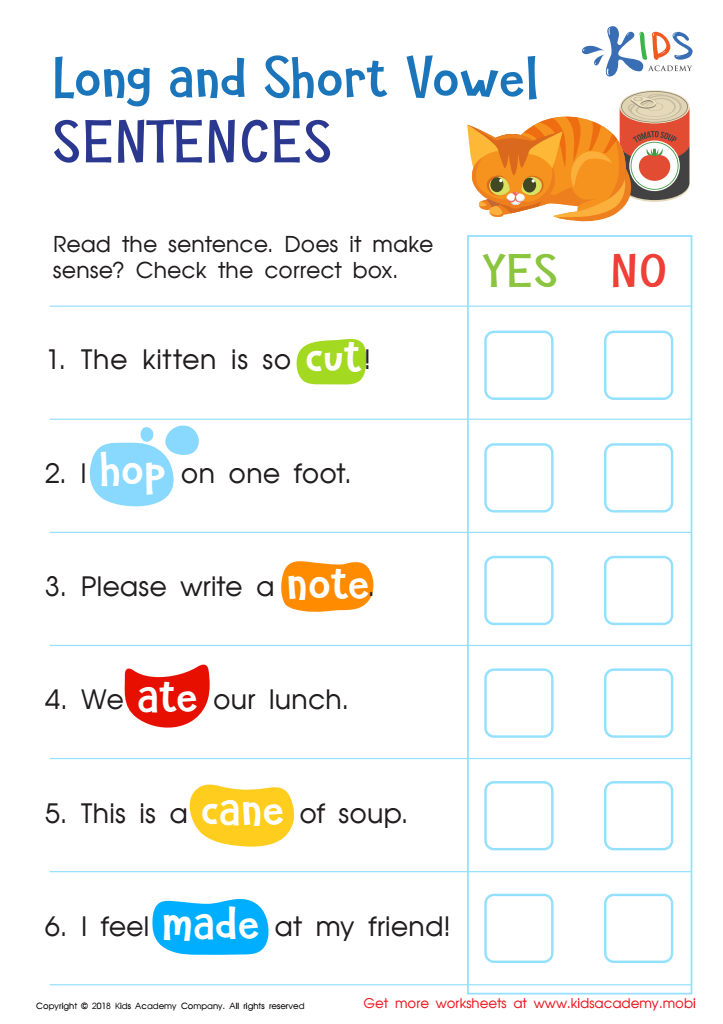
Long and Short Vowel Sentences: Assessment Worksheet
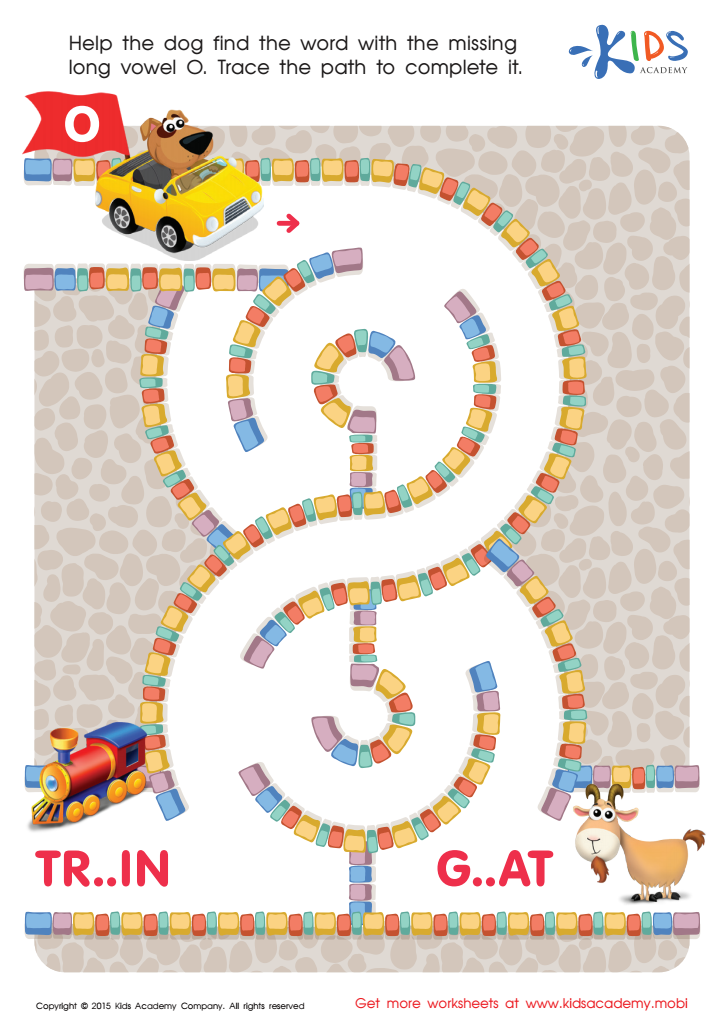
Long Vowel Sound O Worksheet
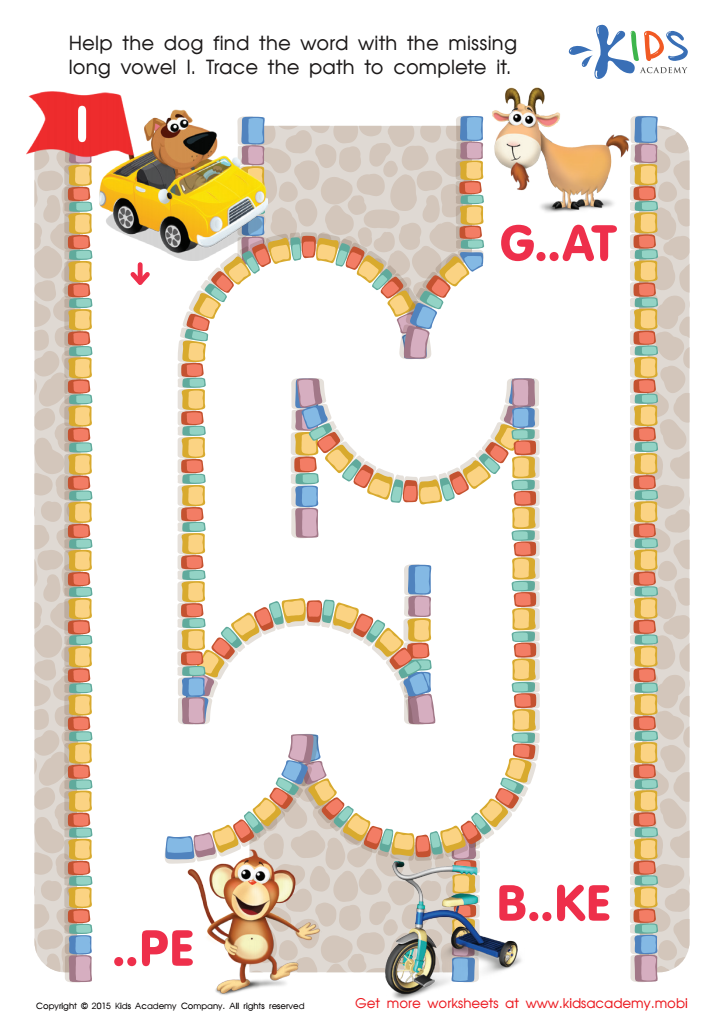
Long Vowel Sound I Worksheet




.jpg)

Vowel recognition is a crucial foundational skill for children aged 3-9 as it significantly impacts their reading and writing abilities. Understanding vowels helps children decode words, which is essential for literacy development. Since vowels are integral to the structure of most English words, mastery of these letters allows children to identify and articulate sounds, distinguish between different word forms, and enhance their vocabulary.
Parents and teachers should care about this early skill because it promotes phonemic awareness, improving children’s confidence and motivation in language learning. When children can recognize and use vowels effectively, they find reading more accessible and enjoyable, leading to a lifelong love for literature.
Additionally, focusing on vowel recognition instills crucial cognitive skills like auditory processing and attention span. This early investment in literacy not only facilitates academic success in the short term but also lays the groundwork for effective communication skills in the long run.
Engaging activities like games, songs, and storytelling can make vowel recognition fun, making it easier for children to grasp these concepts. By prioritizing vowel recognition, parents and teachers play an essential role in shaping a child’s educational journey and overall development. This support can be transformative, leading to better academic outcomes and enhanced social skills.







