Vocabulary expansion Phonics Worksheets for Ages 3-9
58 filtered results
-
From - To
Enhance your child's language skills with our Vocabulary Expansion Phonics Worksheets for Ages 3-9. These expertly-designed printables make learning new words engaging and effective. Each worksheet helps young learners connect letters and sounds, develop pronunciation, and build a robust vocabulary. By integrating fun activities, puzzles, and colorful illustrations, our resources capture kids’ interest, making education an enjoyable adventure. Tailored for various proficiency levels, they support early readers in mastering foundational literacy skills. Perfect for both classroom settings and at-home practice, our worksheets are a valuable tool in nurturing your child's language development and academic success.
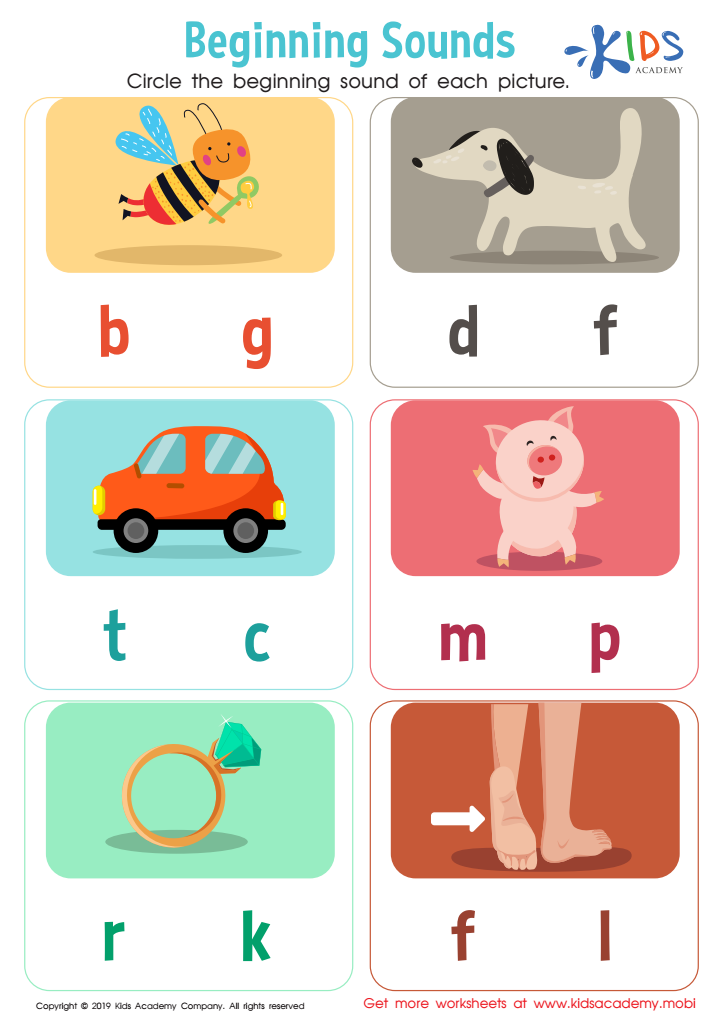
Beginning Sounds Worksheet
 Assign to My Students
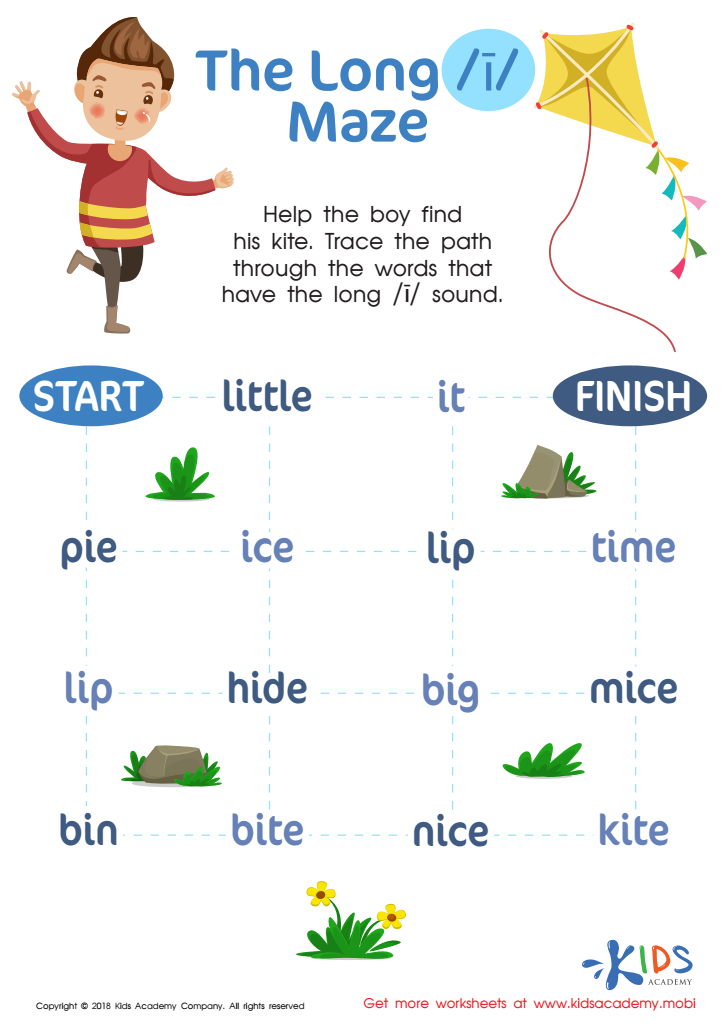
The Long I Maze Reading Worksheet
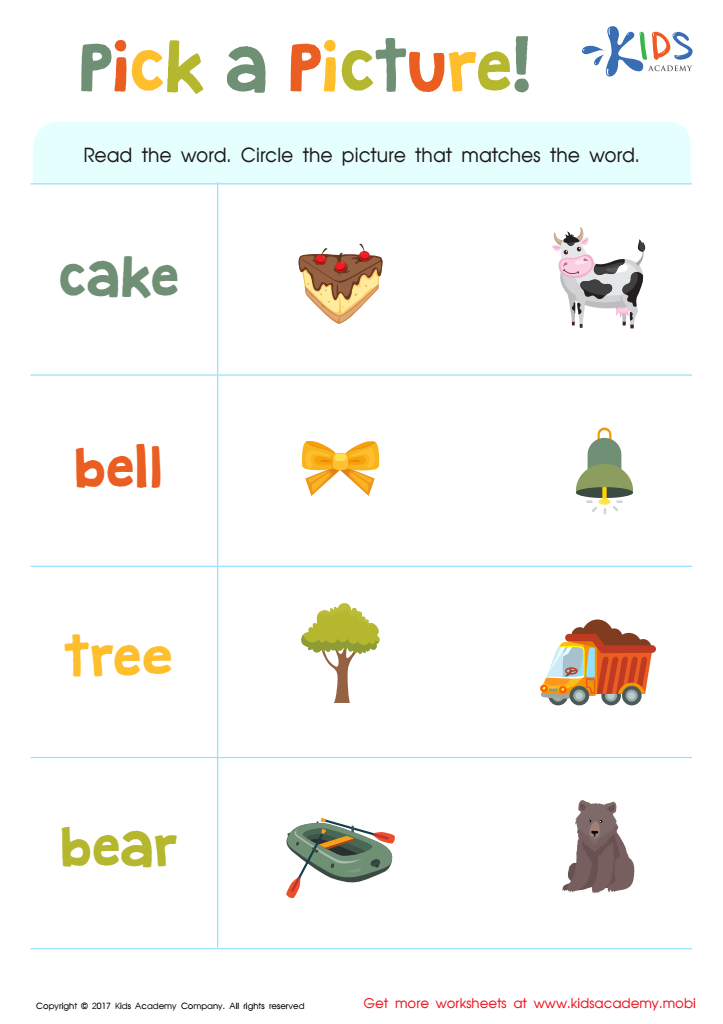
Pick a Picture Word Recognition Worksheet
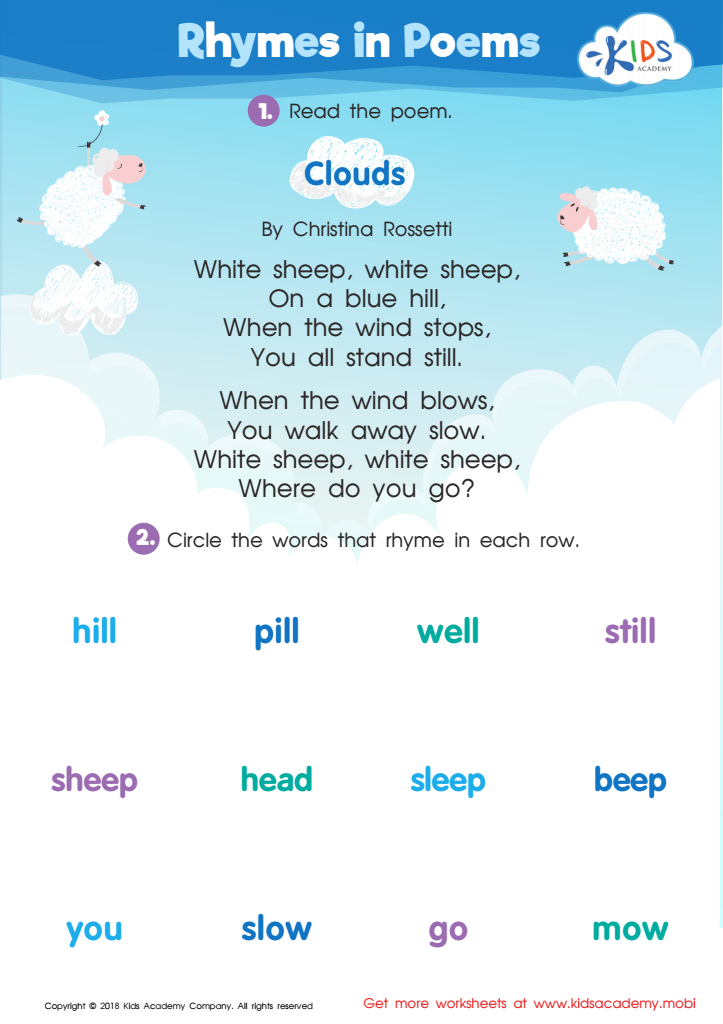
Rhymes in Poems Worksheet
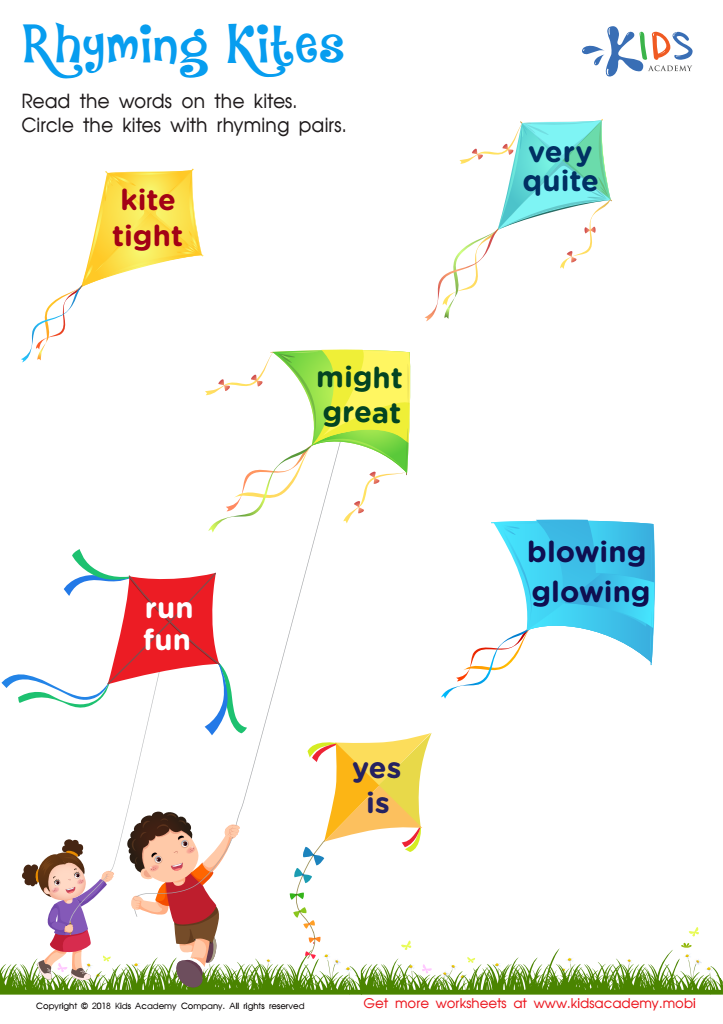
Rhyming Kites Worksheet
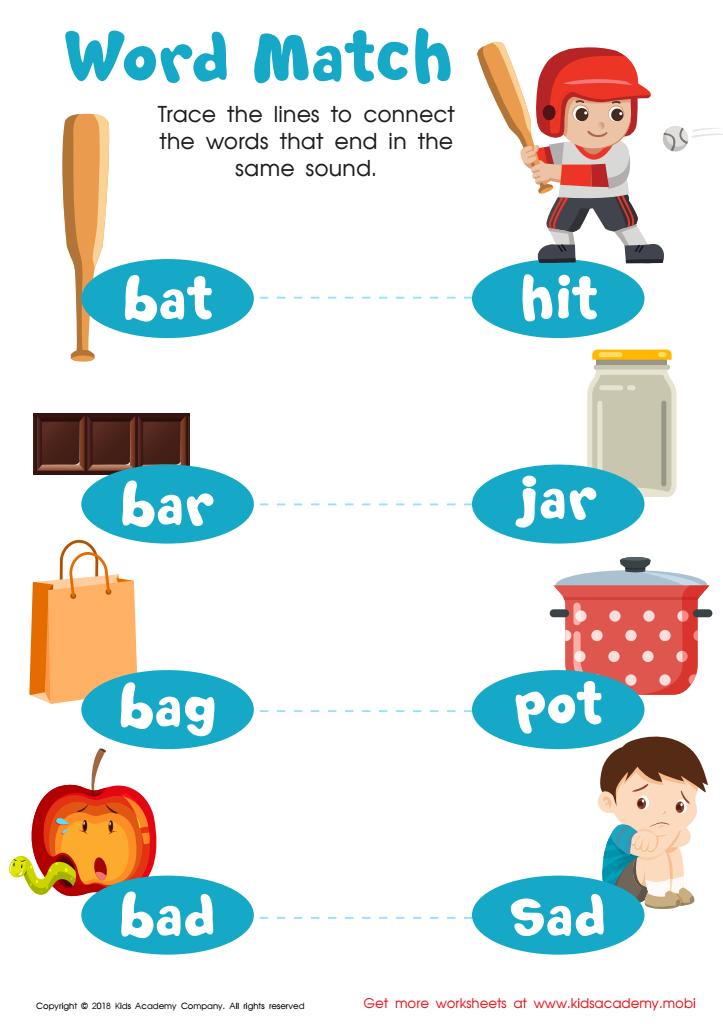
Word Match Reading Worksheet
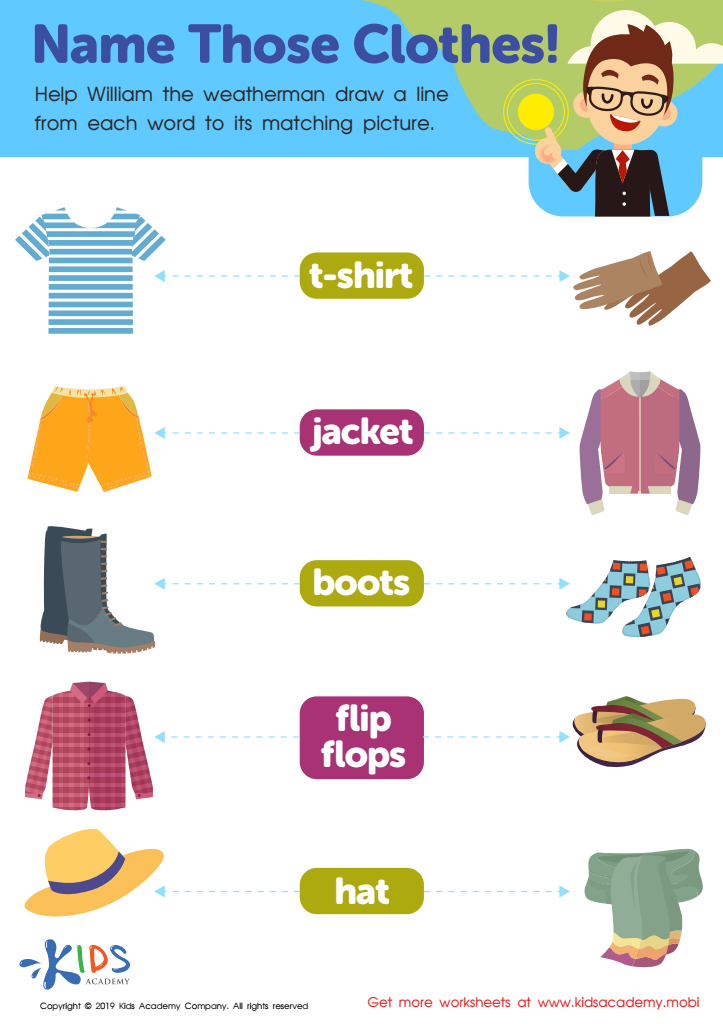
Name Those Clothes Worksheet
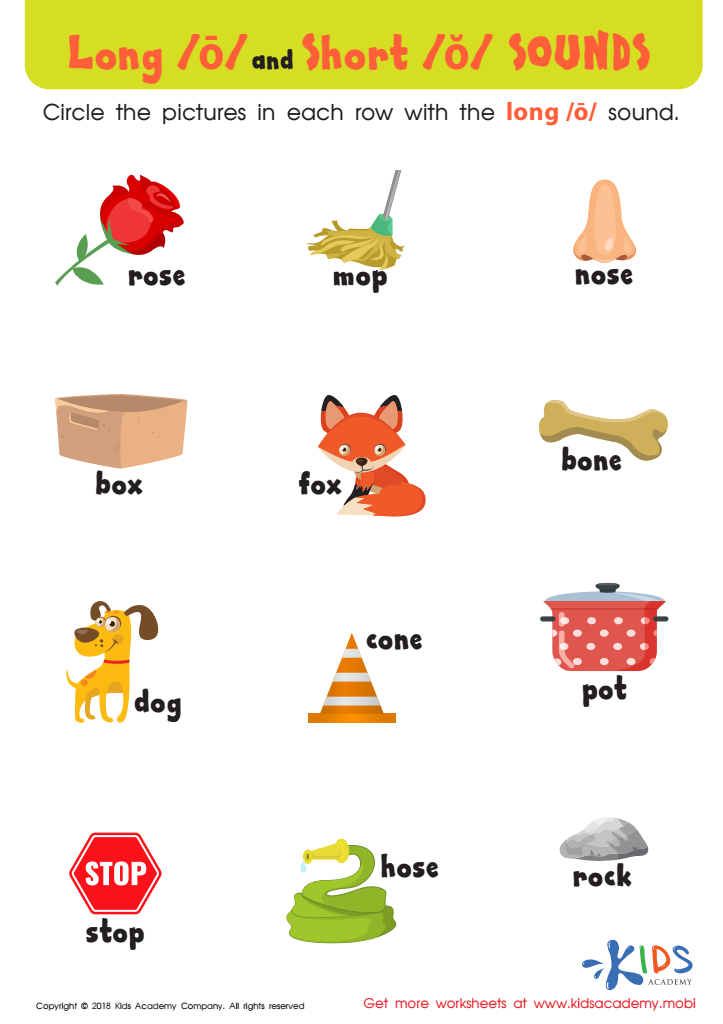
Reading: Long O and Short O Sounds Worksheet
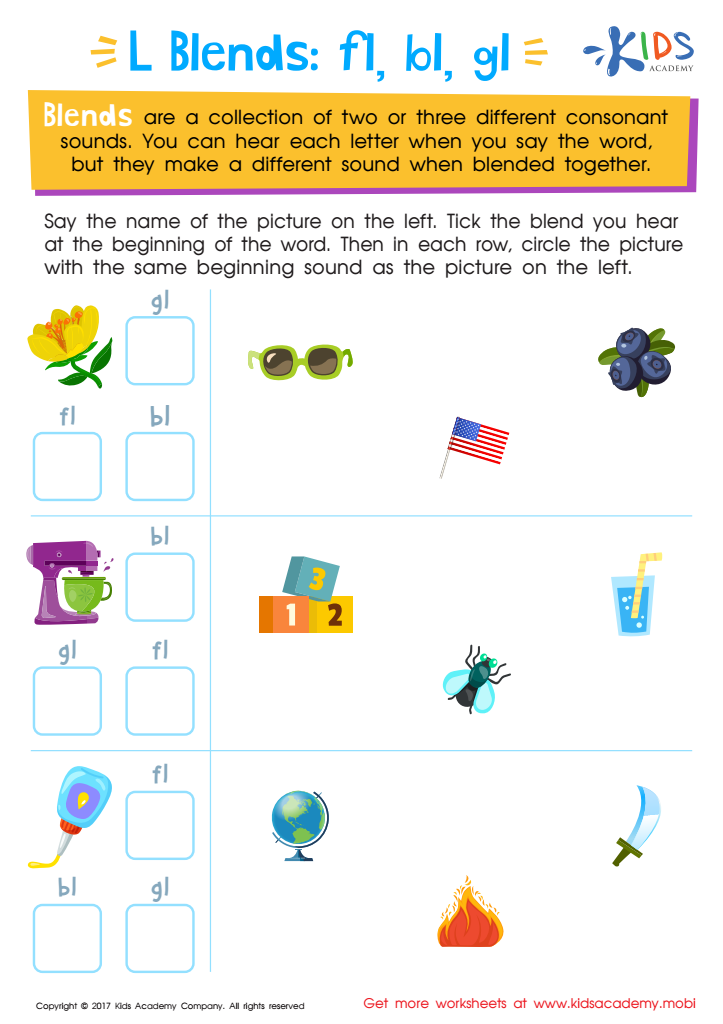
Blending Consonants: "Fl", "Bl" and "Gl" Printable
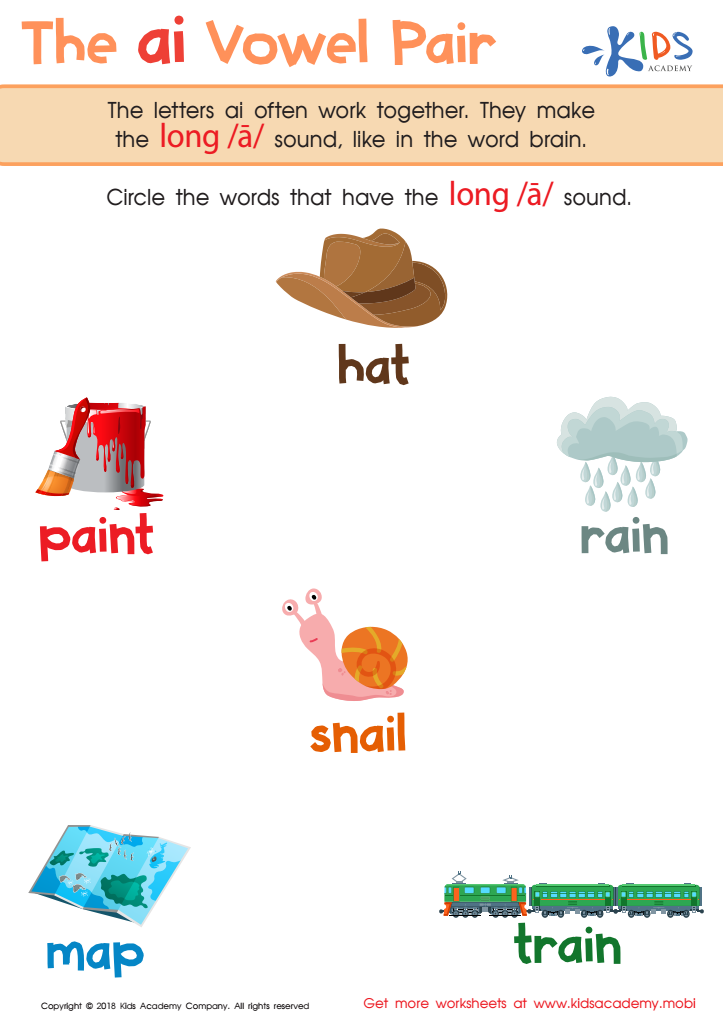
The AI Vowel Pair Worksheet
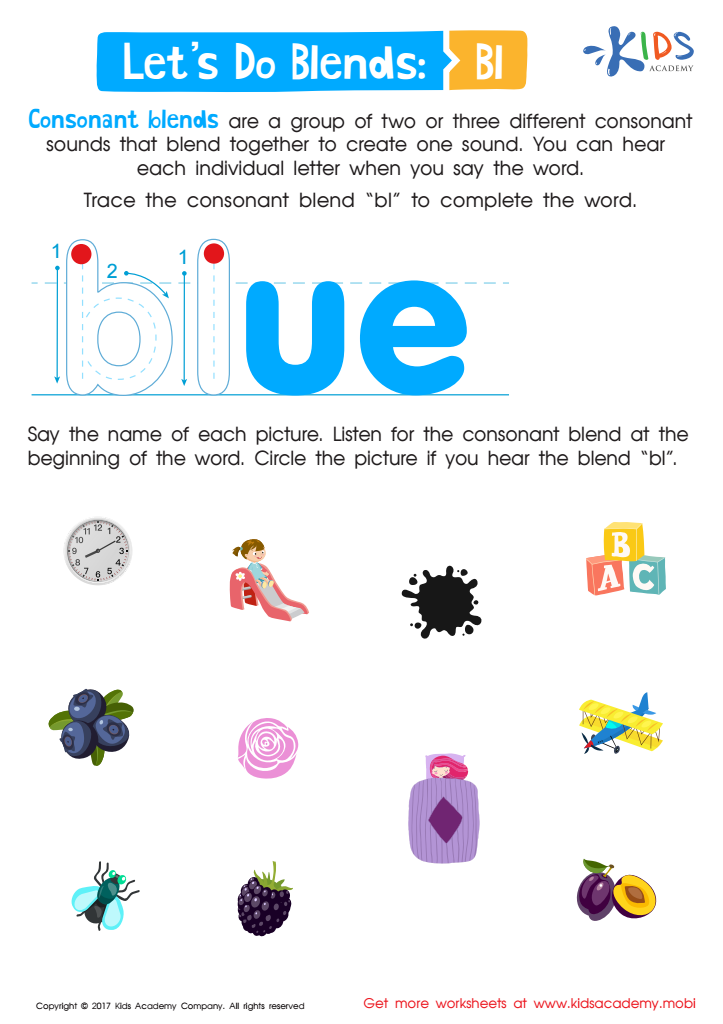
Beginning Blends: "Bl" Words Worksheet
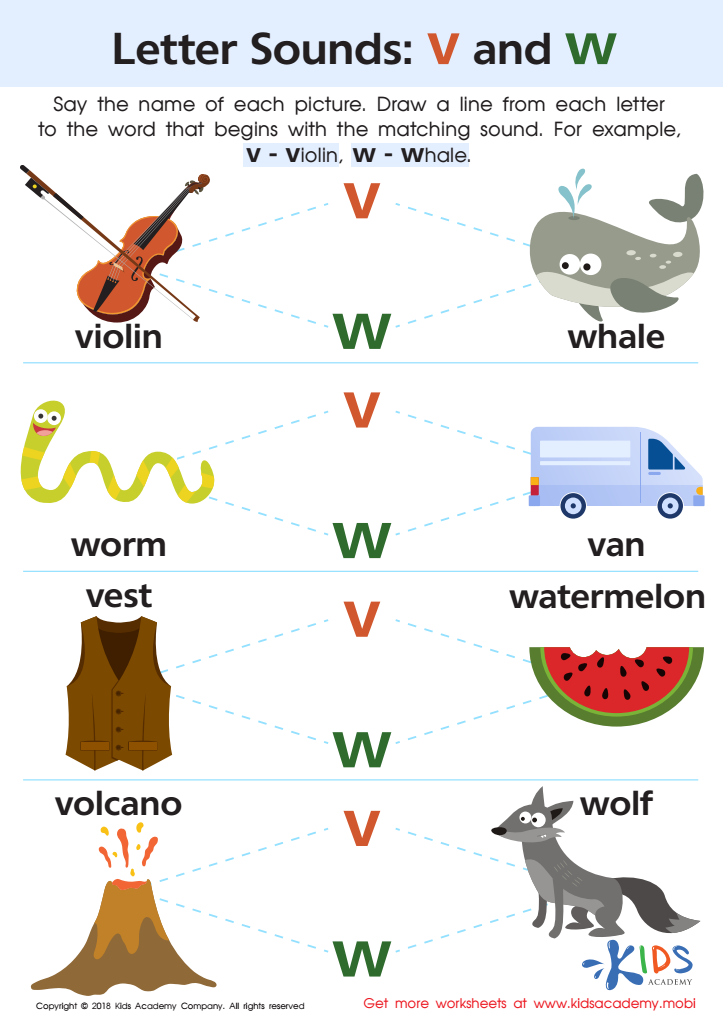
Letter V and W Sounds Worksheet
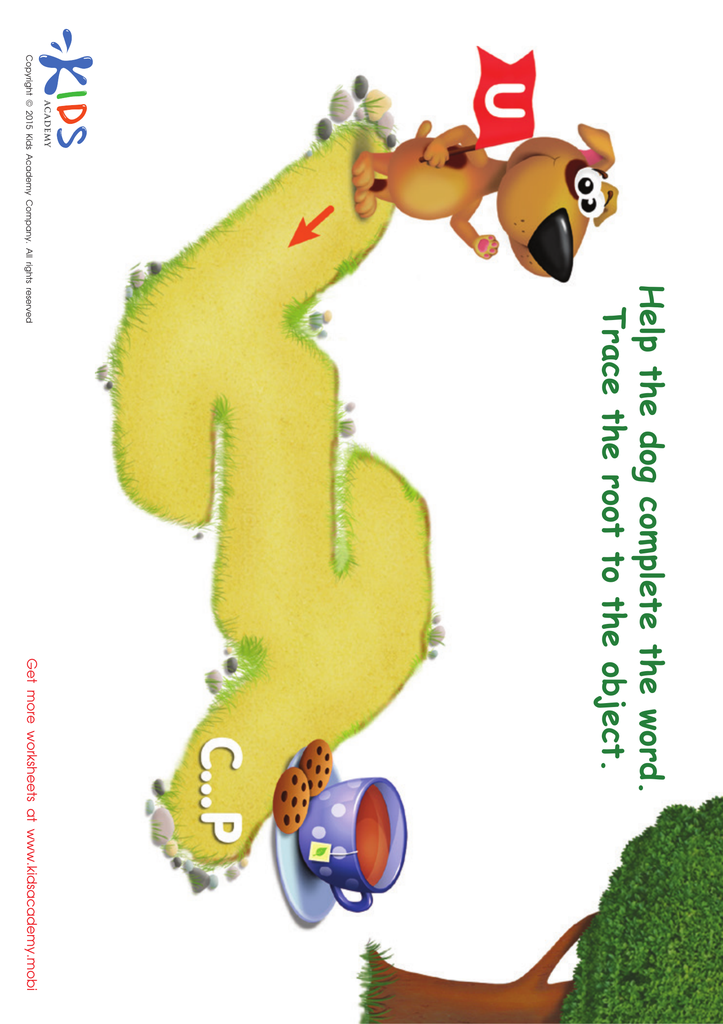
Short Vowel Sound U Worksheet Worksheet
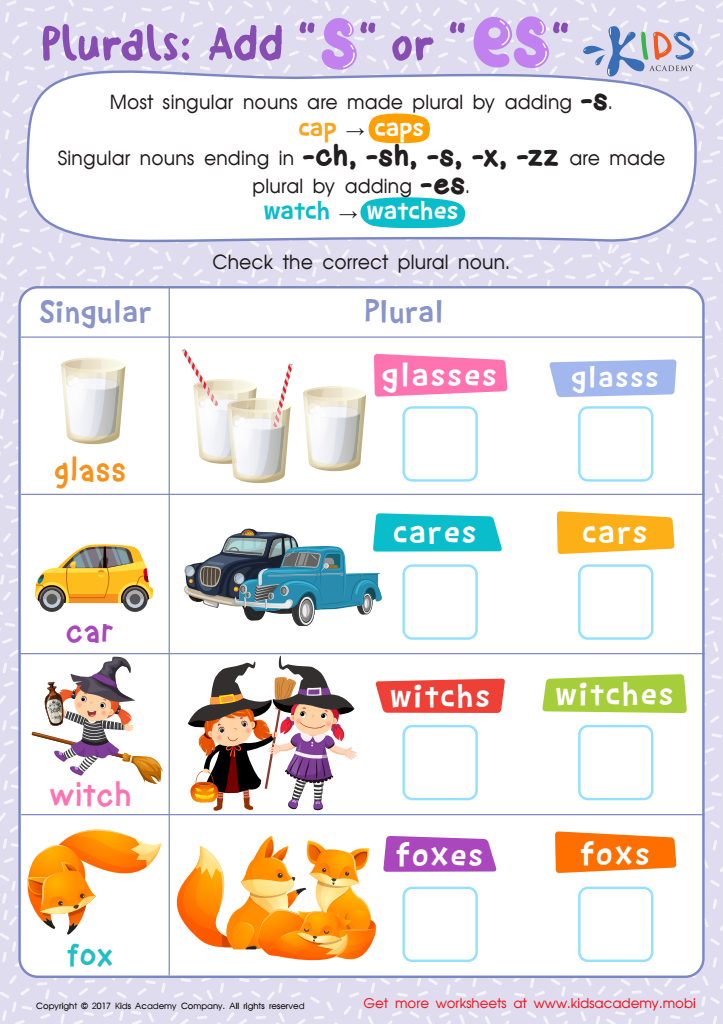
Plurals: "–es" or "–es"? Worksheet
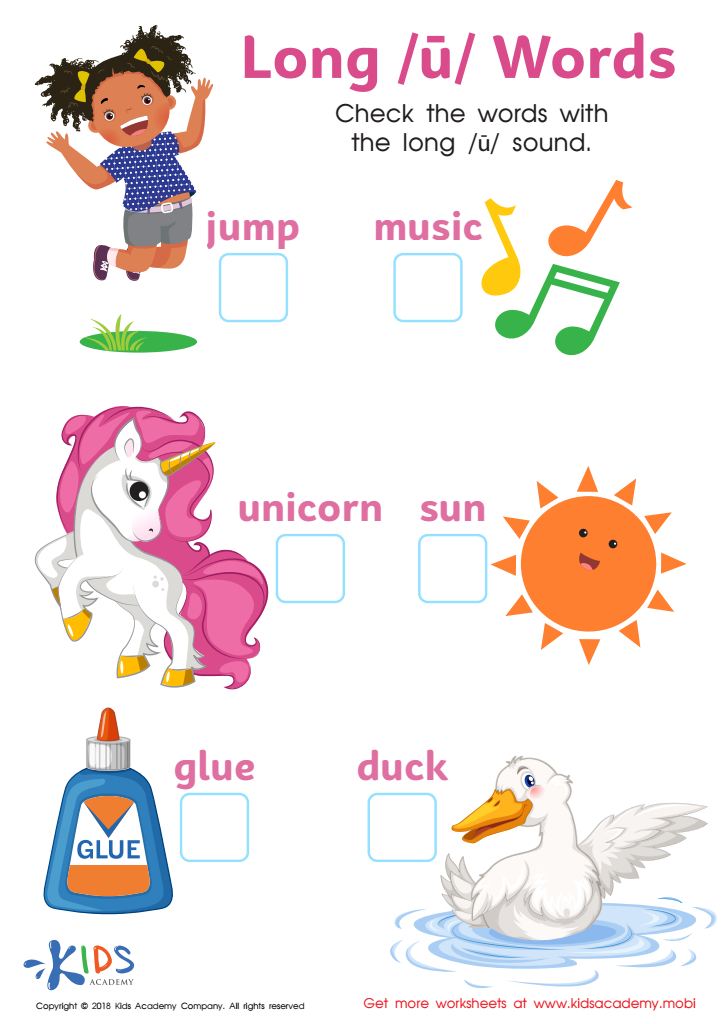
Long U Words Reading Worksheet
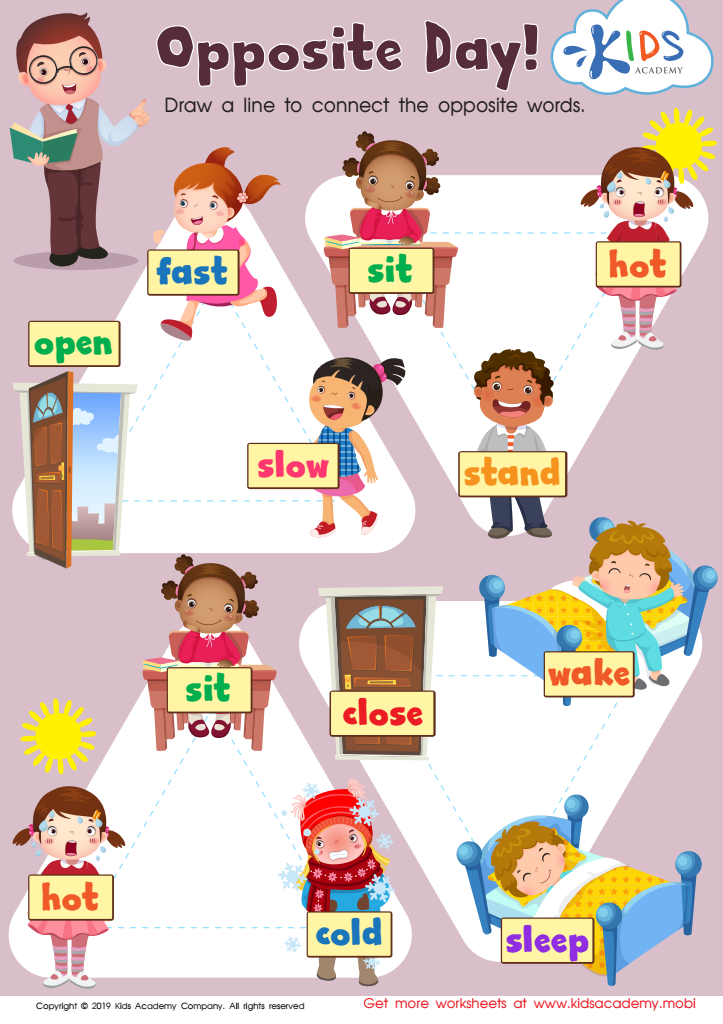
Opposite Day Worksheet
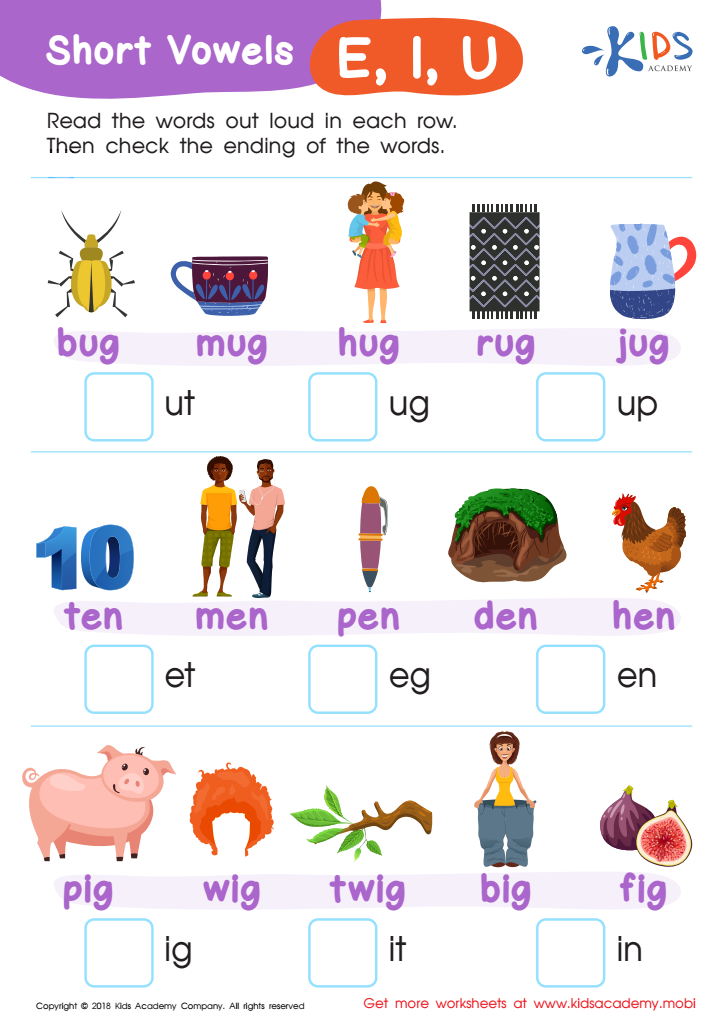
Short Vowels /e/, /i/, and /u/ Worksheet
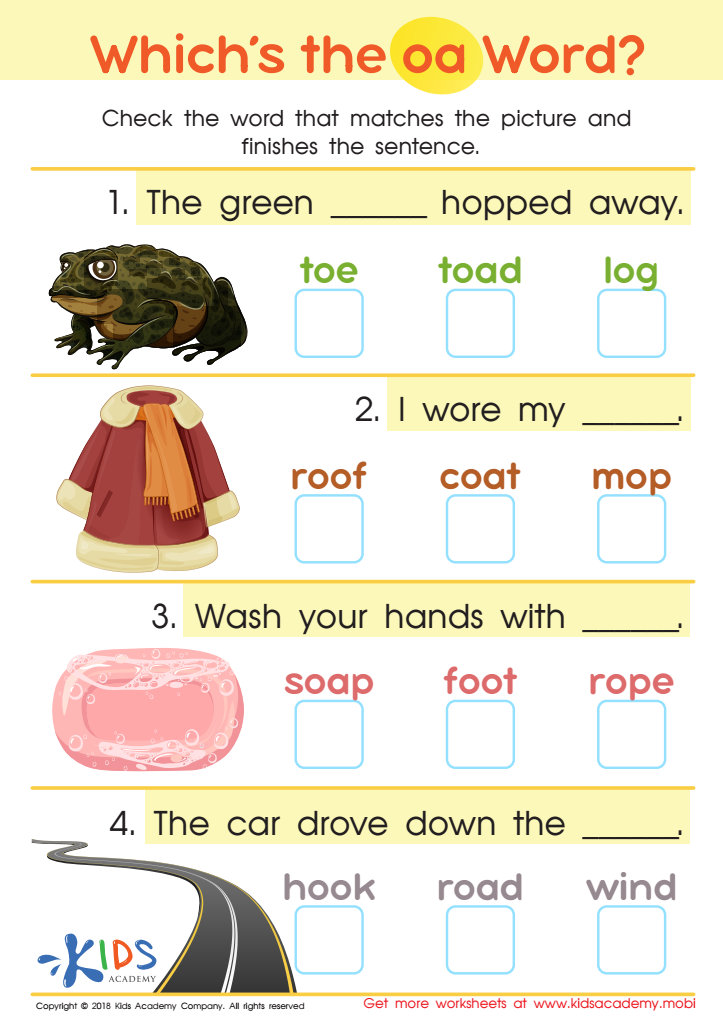
Which's the OA Word? Worksheet
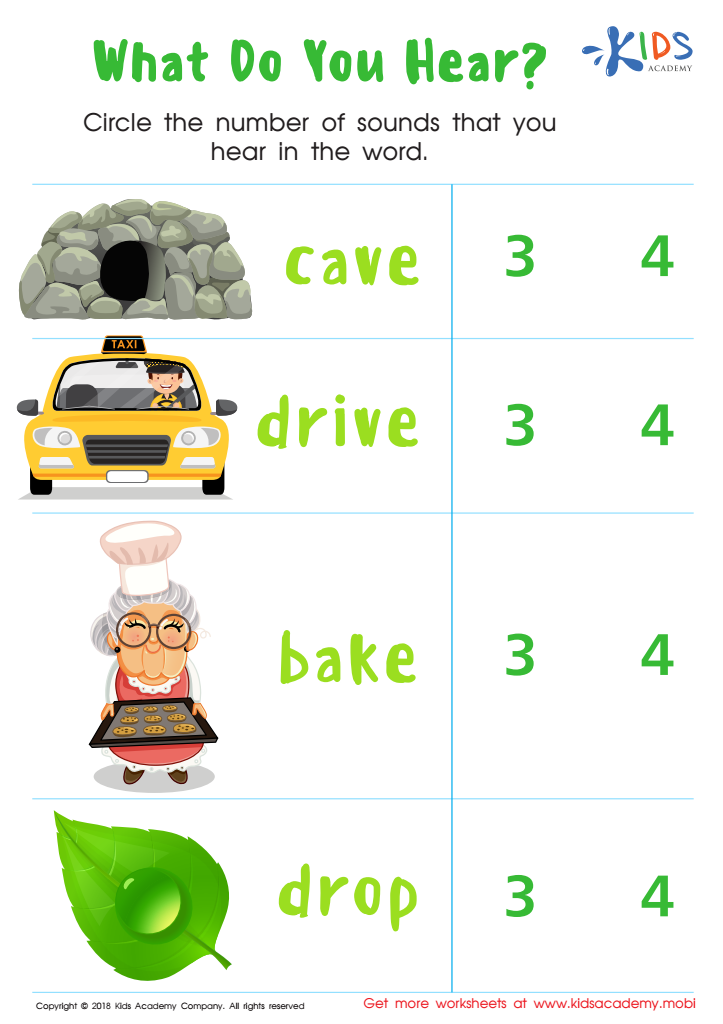
What Do You Hear? Worksheet
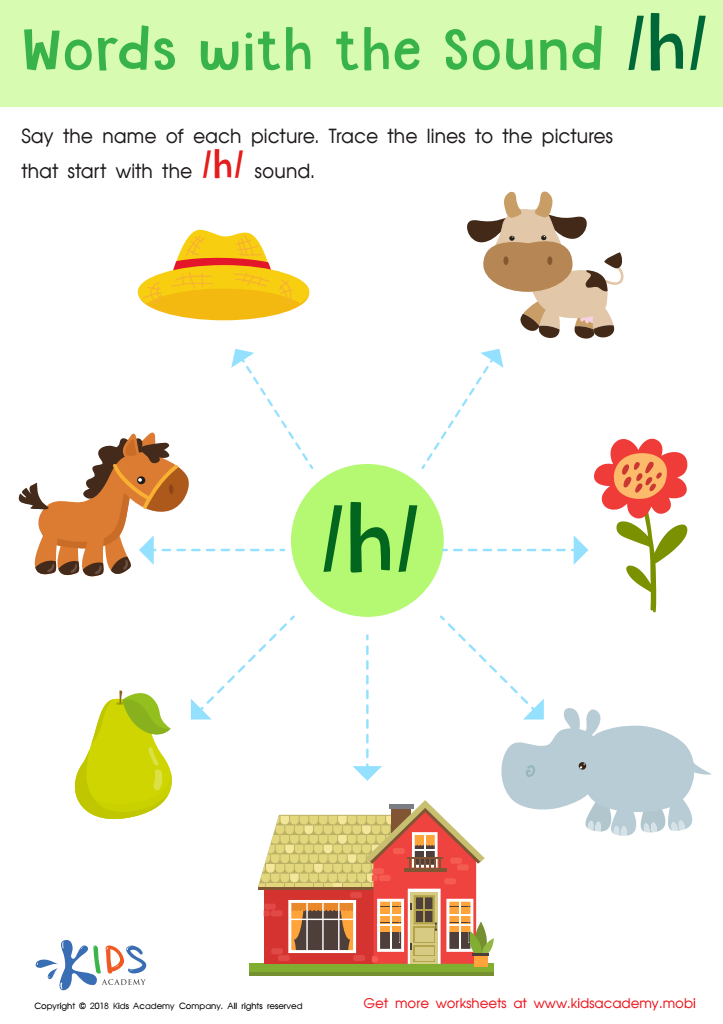
Words with sound h Reading Worksheet
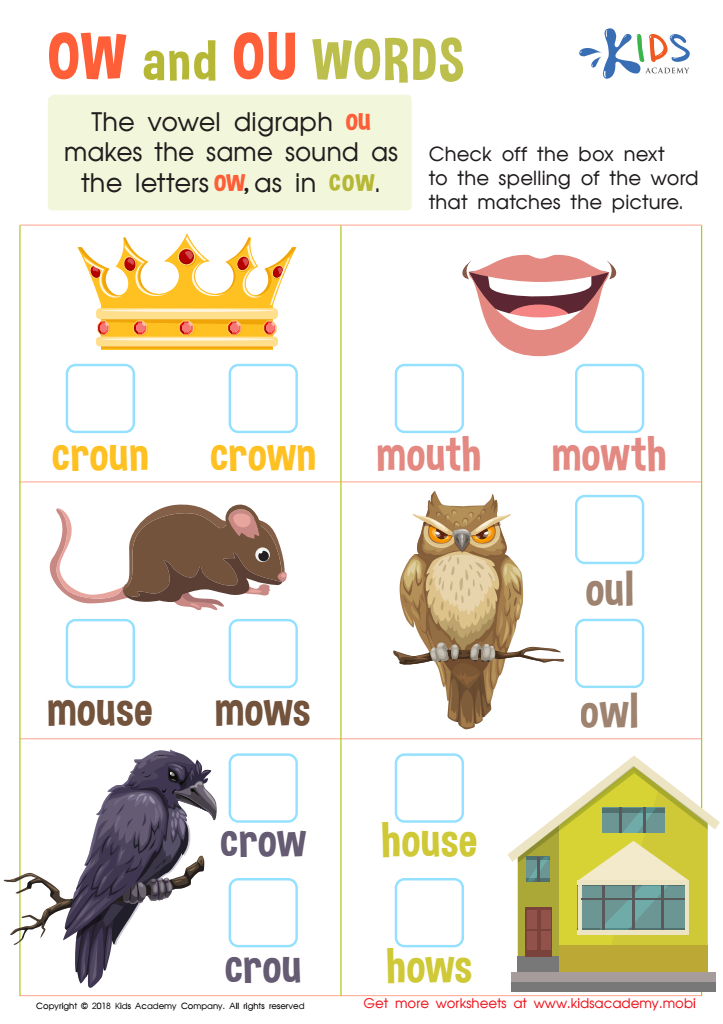
Reading: OW and OU Words Worksheet
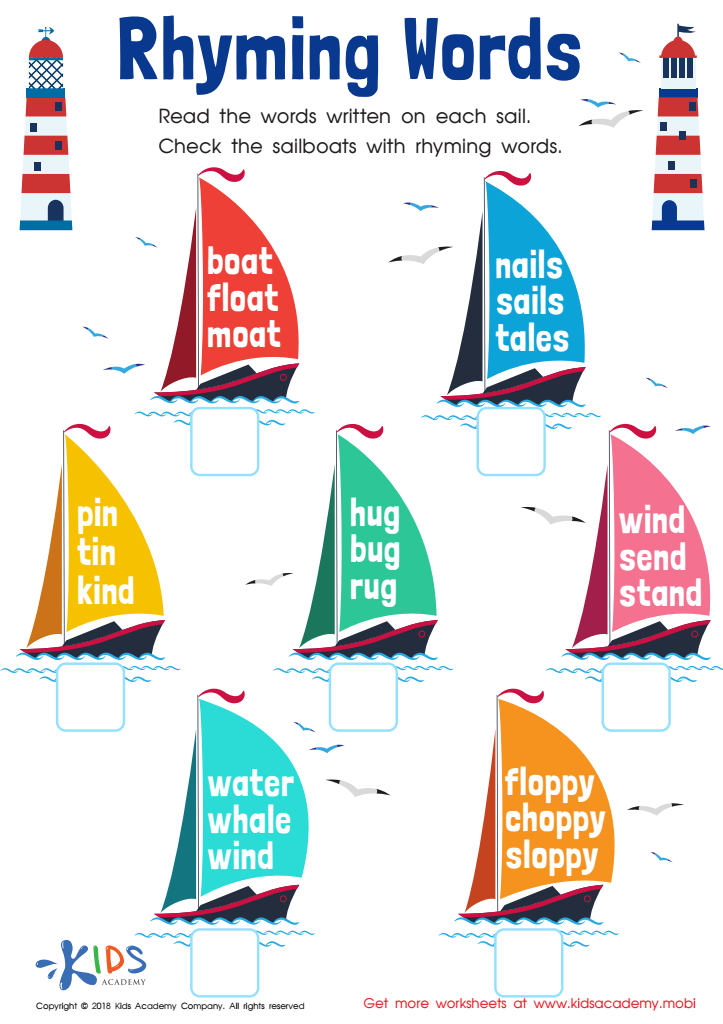
Rhyming Words Worksheet
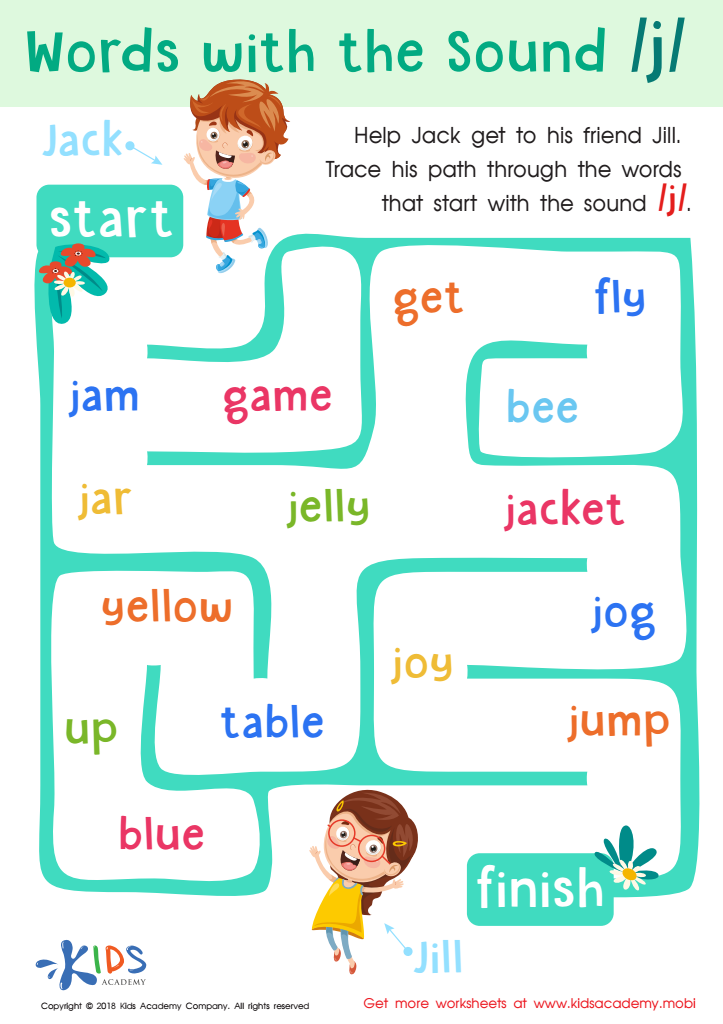
Words with sound j Reading Worksheet
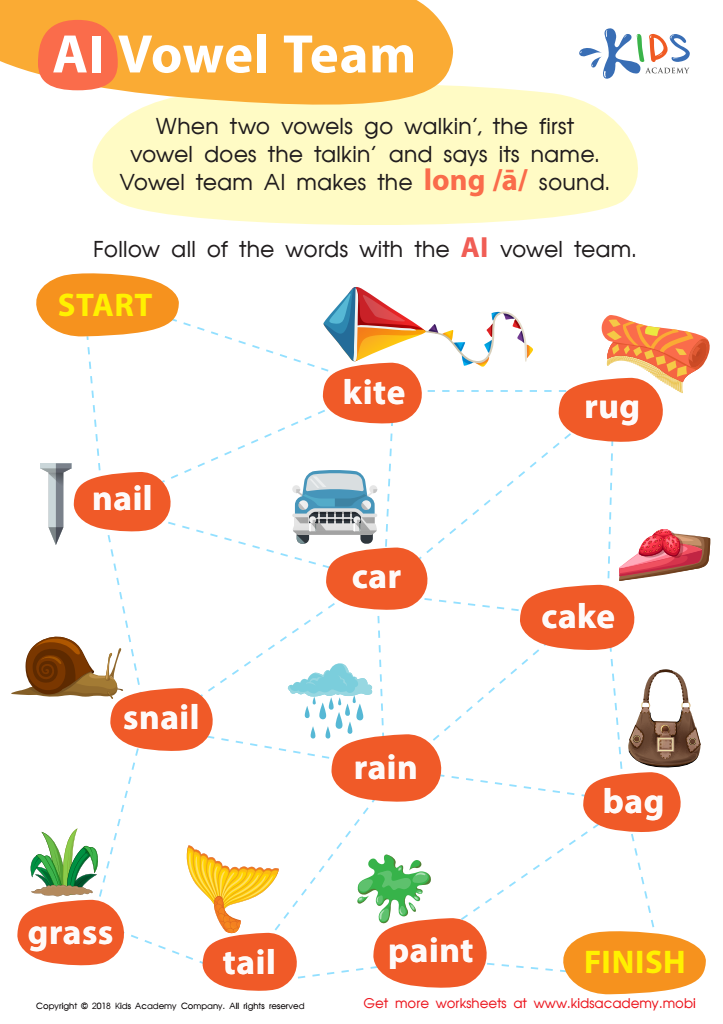
Reading: AI Vowel Team Worksheet








Vocabulary expansion and phonics are critical components of early childhood education, providing a solid foundation for literacy and overall cognitive development. During the ages of 3-9, children's brains are exceptionally receptive to language acquisition. Parents and teachers who prioritize vocabulary expansion help children better understand the world around them, enabling more effective communication and comprehension. A rich vocabulary allows children to express themselves more clearly and navigate social interactions successfully.
Phonics, the method of teaching reading based on the sound of letters and letter combinations, is equally vital. Mastery of phonics equips children with the skills needed to decode new words, fostering independent reading. This fundamental skill boosts children’s confidence and interest in reading. Proficient readers are more likely to perform better academically across various subjects because they can effortlessly gather and understand information from written materials.
Integrating vocabulary expansion and phonics into daily routines enriches children’s language environment, making learning both fun and effective. Activities such as storytime, word games, and phonics exercises promote curiosity and a love for reading. When parents and teachers prioritize these areas, they foster lifelong learners who are well-equipped for future academic challenges.







