Vowels and Consonants Worksheets for Ages 3-9 - Page 2
29 filtered results
-
From - To
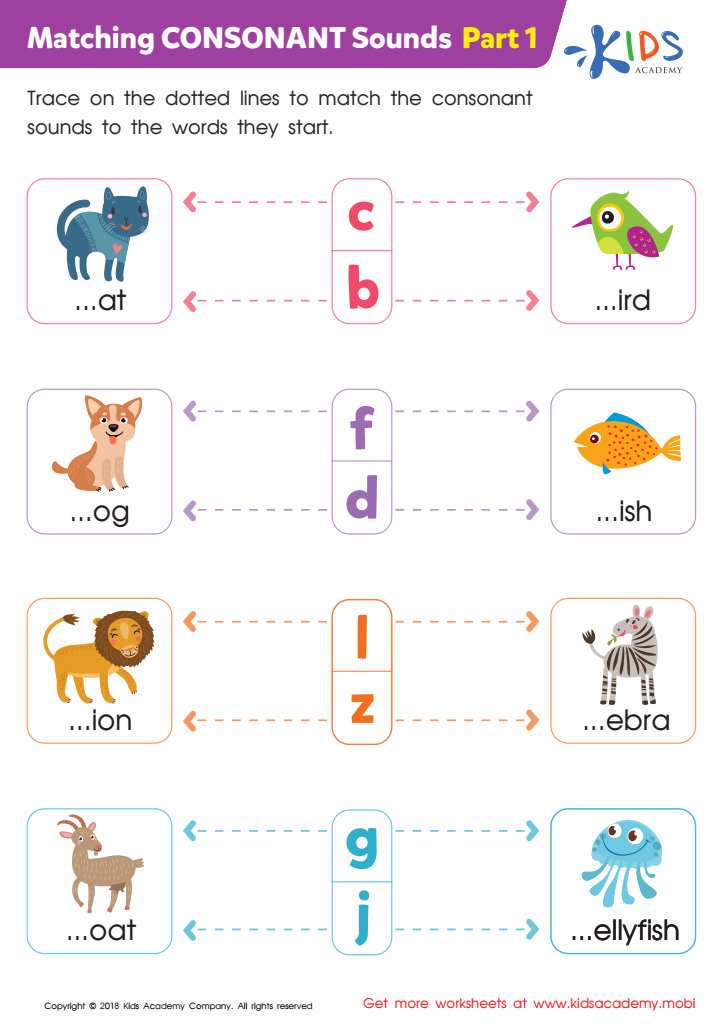
Matching Consonant Sounds: Part 1 Worksheet
 Assign to My Students
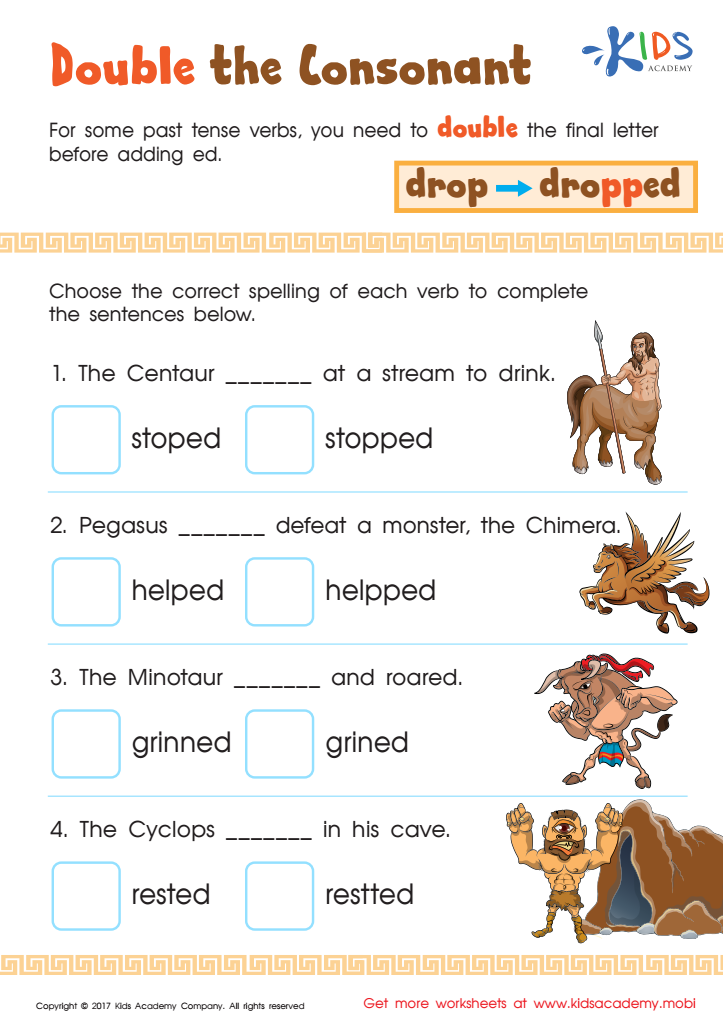
Double Consonant Spelling Worksheet
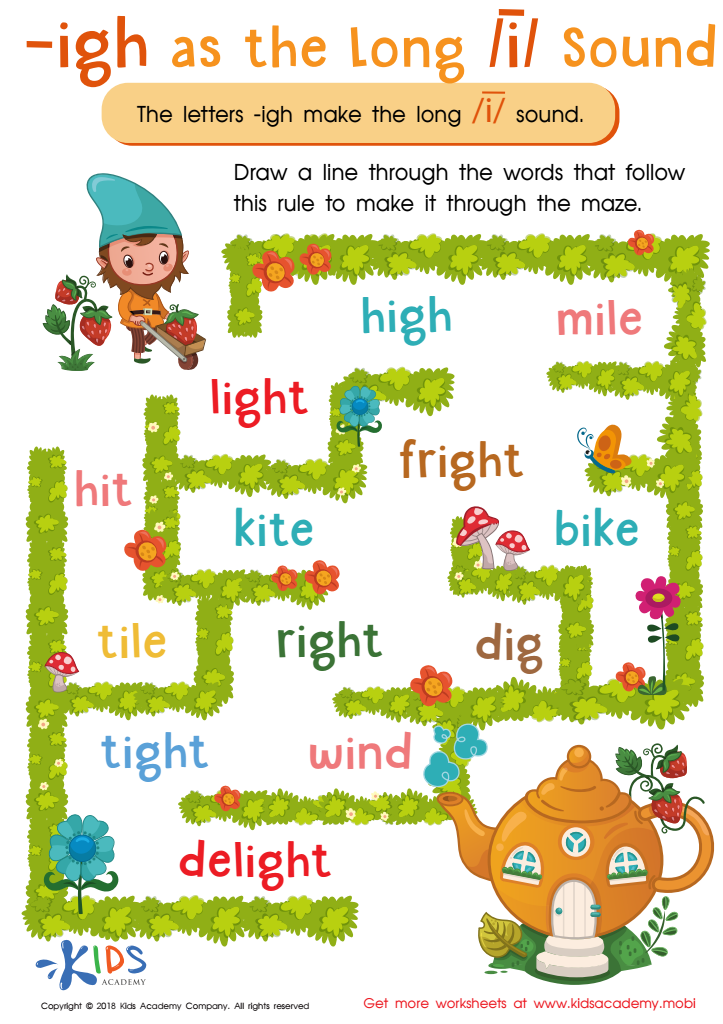
Reading: IGH as Long I Worksheet
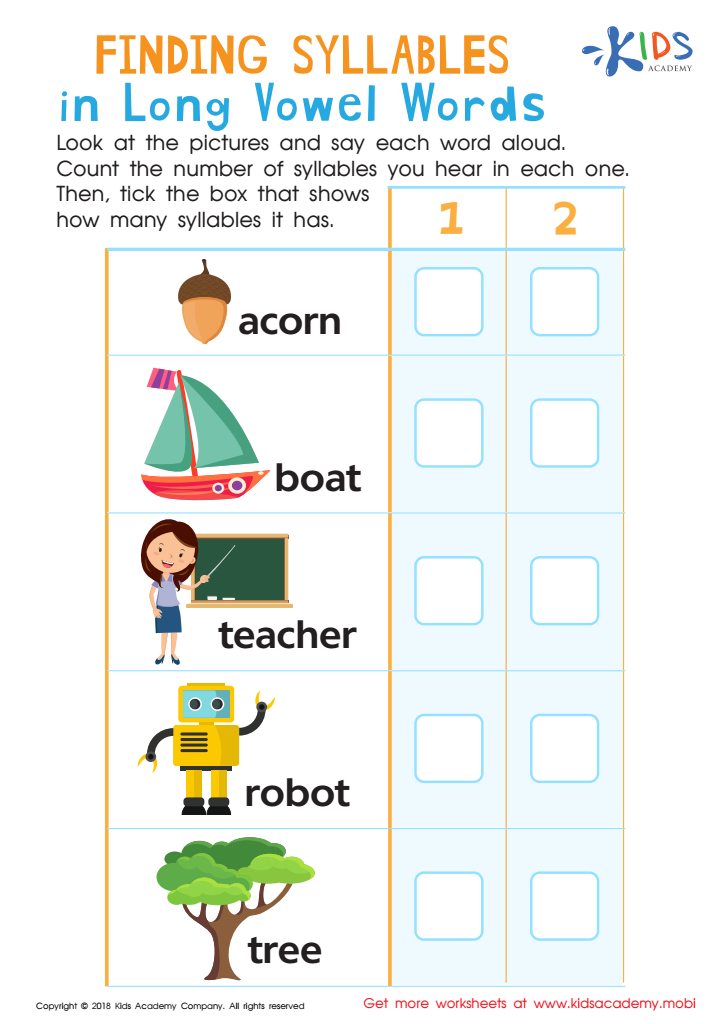
Finding Syllables in Long Vowel Words Worksheet
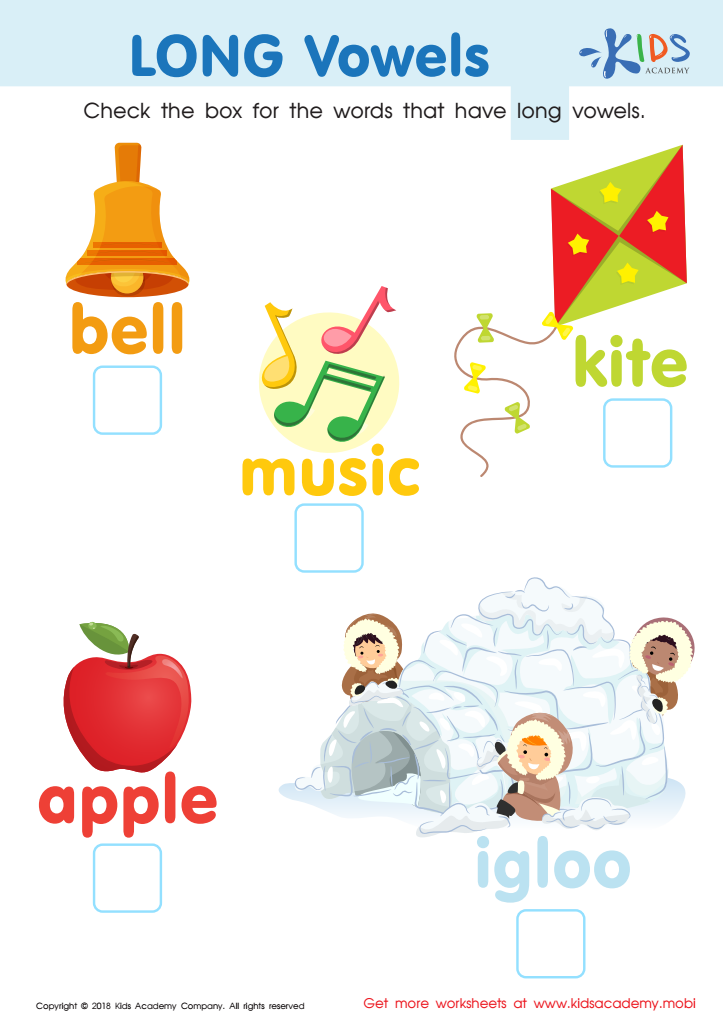
long vowels Worksheet



Parents and teachers should prioritize teaching vowels and consonants to children aged 3-9 because these foundational elements of language are critical for literacy development. Vowels (A, E, I, O, U) and consonants are the building blocks of words, and understanding them is essential for reading and writing skills. Early exposure helps children recognize sounds, improving their phonemic awareness, which is crucial for spelling and pronunciation.
Moreover, mastering vowels and consonants enhances children's vocabulary and comprehension. Engaging with these sounds and letters through playful activities—like songs, games, and storytelling—stimulates language acquisition, encouraging children to express themselves effectively.
Additionally, a strong grasp of basic phonetics fosters a love for reading. As children learn how to decode words, their confidence grows, making them more willing to take on new texts. This not only supports their academic progress but also instills a lifelong love of learning.
Finally, understanding vowels and consonants aids in effective communication. Children equipped with language skills are better prepared to engage socially, express their thoughts, and navigate the world around them. Thus, prioritizing phonics in early education lays a solid groundwork for children’s future literacy and interpersonal skills.