English for Beginners Worksheets for Ages 3-9 - Page 7
148 filtered results
-
From - To
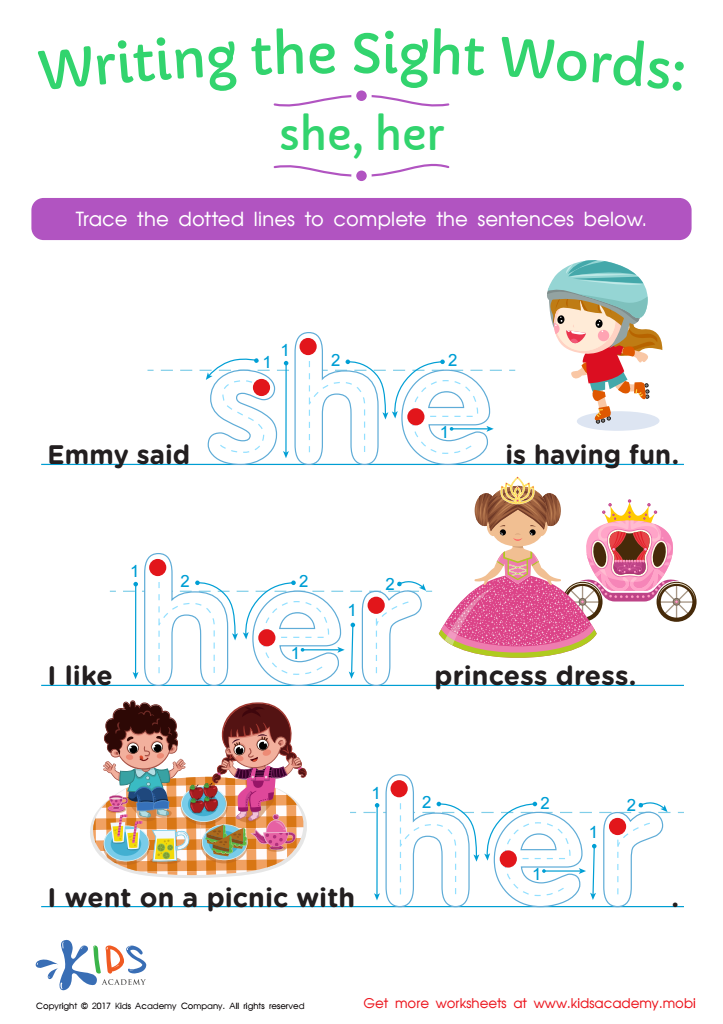
She, Her Printable Sight Words Worksheet
 Assign to My Students
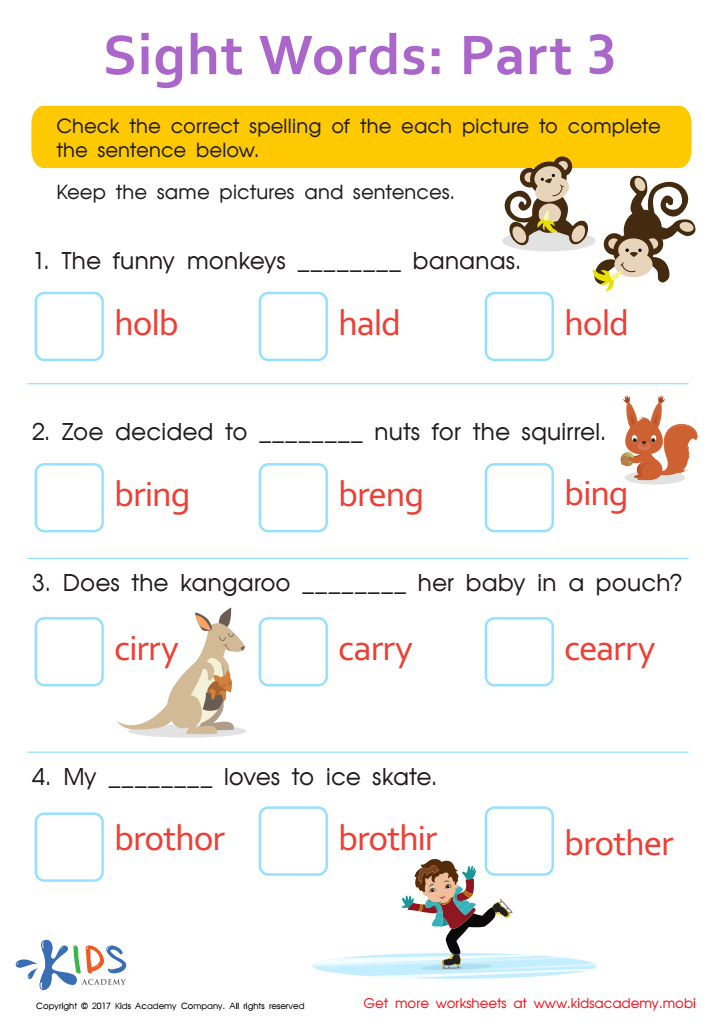
Hold, Bring, Carry, Brother Sight Words Worksheet
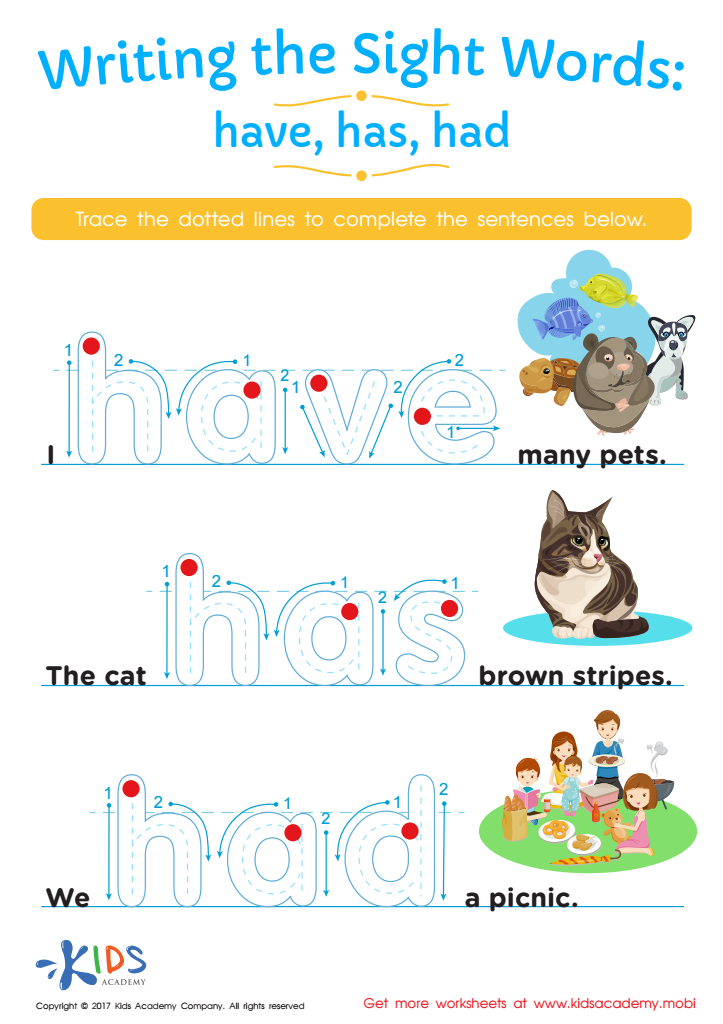
Have, Has, Had Worksheet Sight Words Worksheet
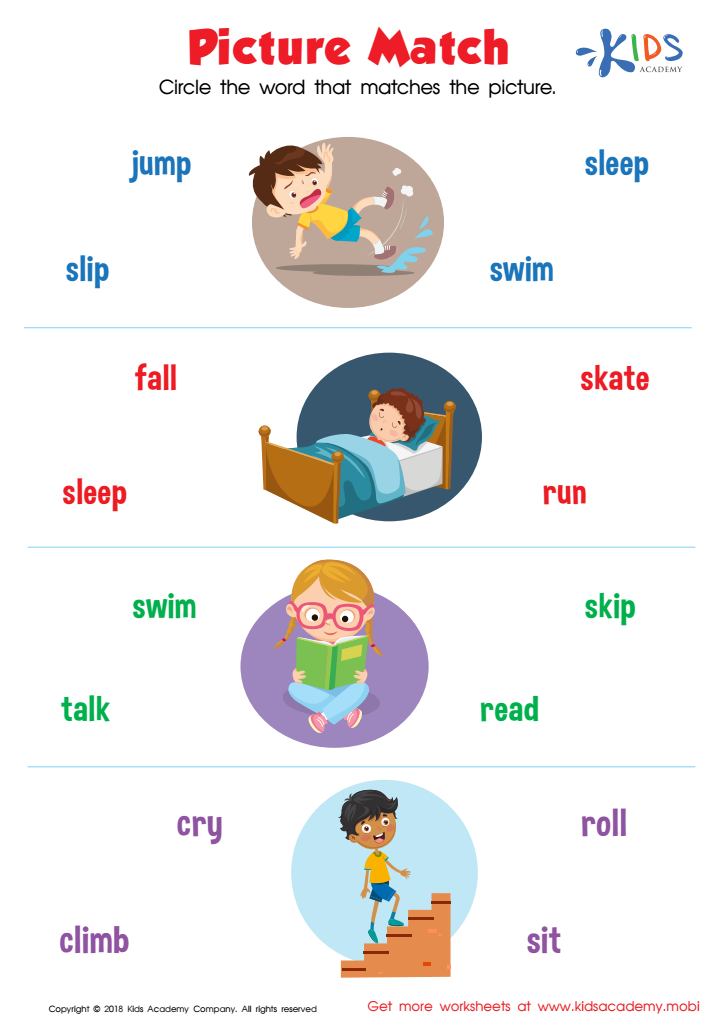
Picture Match Worksheet





Parents and teachers should prioritize English for Beginners for children aged 3-9 because this foundational stage is crucial for language development and cognitive growth. Early exposure to English helps children develop essential communication skills, enabling them to express their thoughts and feelings effectively. As they engage with language through songs, stories, and interactive activities, they not only learn vocabulary and grammar but also begin to understand social cues and cultural contexts.
Additionally, mastering English at a young age equips children for future academic success. Proficiency in English aids comprehension across subjects and enhances critical thinking skills, which are vital as they progress in their education. Socially, being able to communicate in English opens up a plethora of opportunities for friendships and collaborations in diverse environments.
Furthermore, in an increasingly globalized world, English often serves as a bridge across cultures, fostering inclusion and understanding. By instilling a love for the language early on, parents and teachers lay the groundwork for lifelong learners who are adaptable and ready to navigate a complex society. Thus, investing time and resources in effective English learning for young learners is essential for their holistic development and future opportunities.