Fine Motor Skills English for Beginners Worksheets for Ages 3-9 - Page 2
62 filtered results
-
From - To
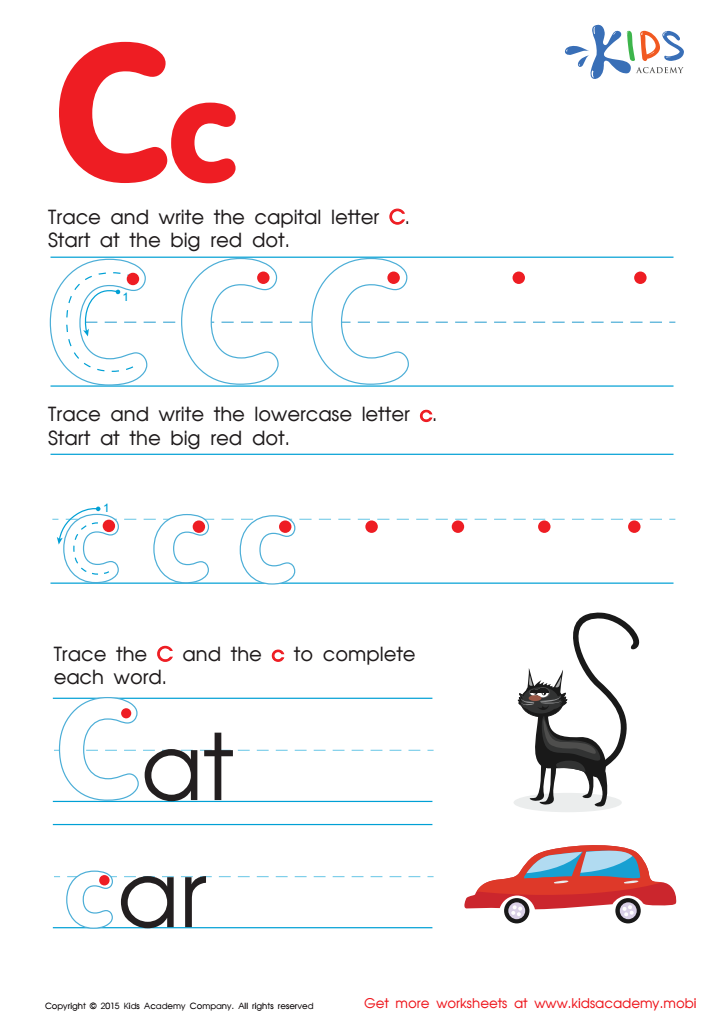
Letter C Tracing Page
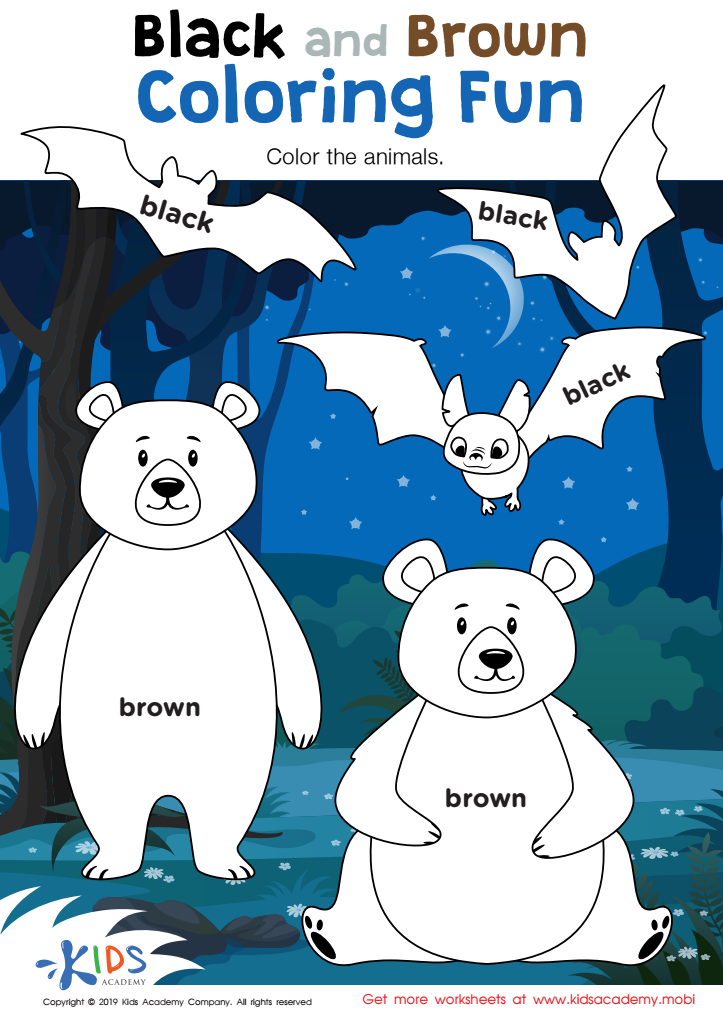
Black and Brown Coloring Fun Worksheet
 Assign to My Students
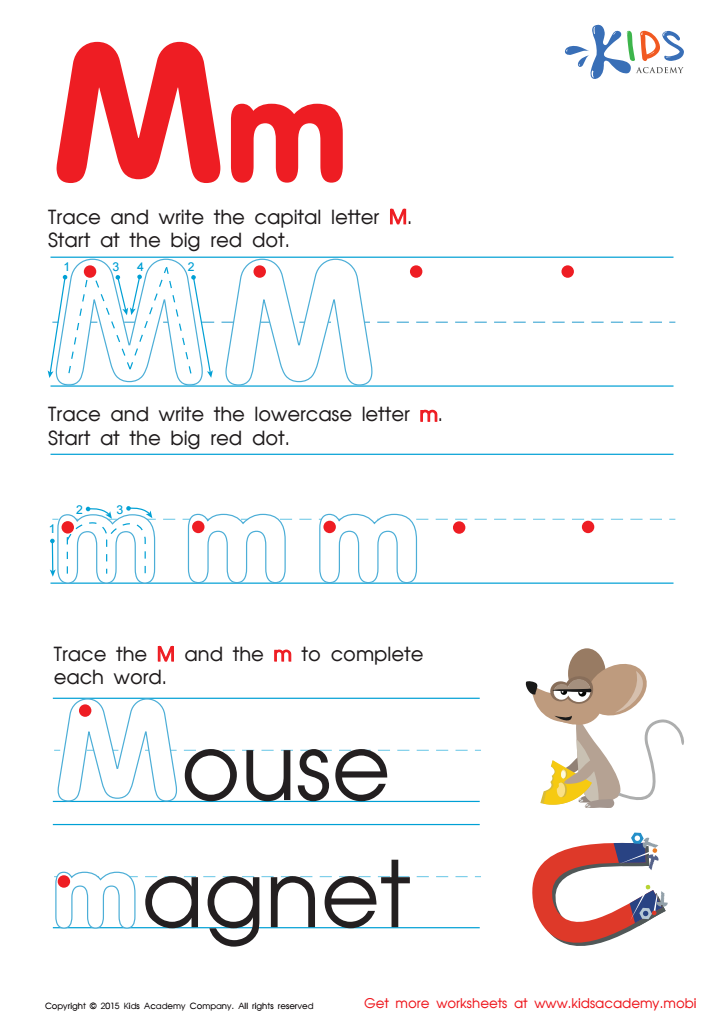
Letter M Tracing Page
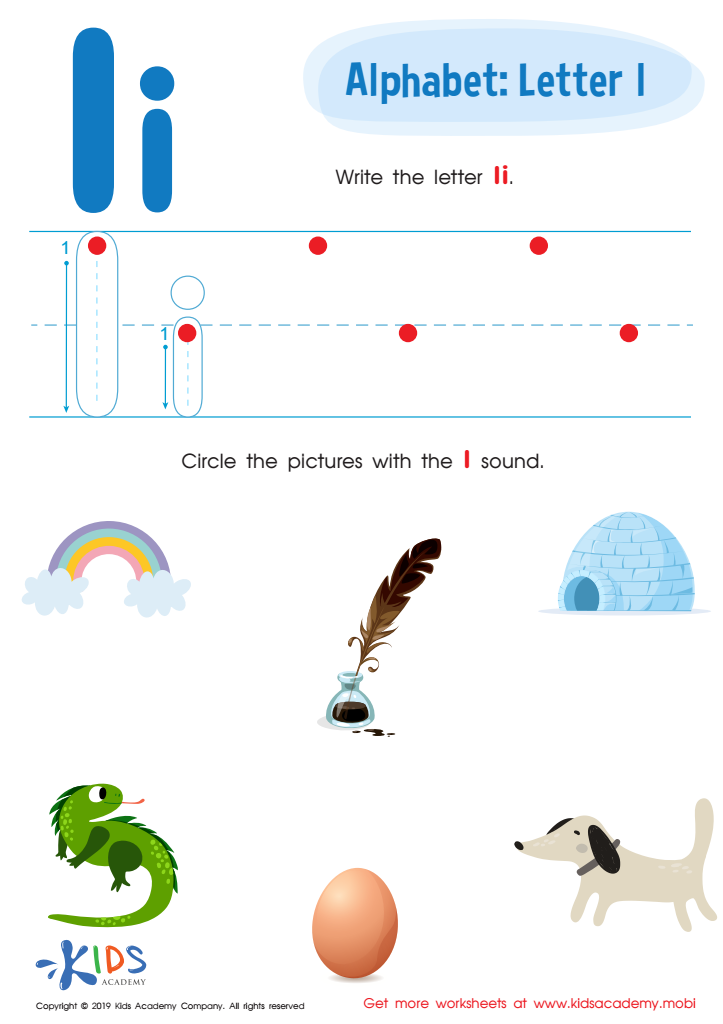
Letter I Tracing Worksheet
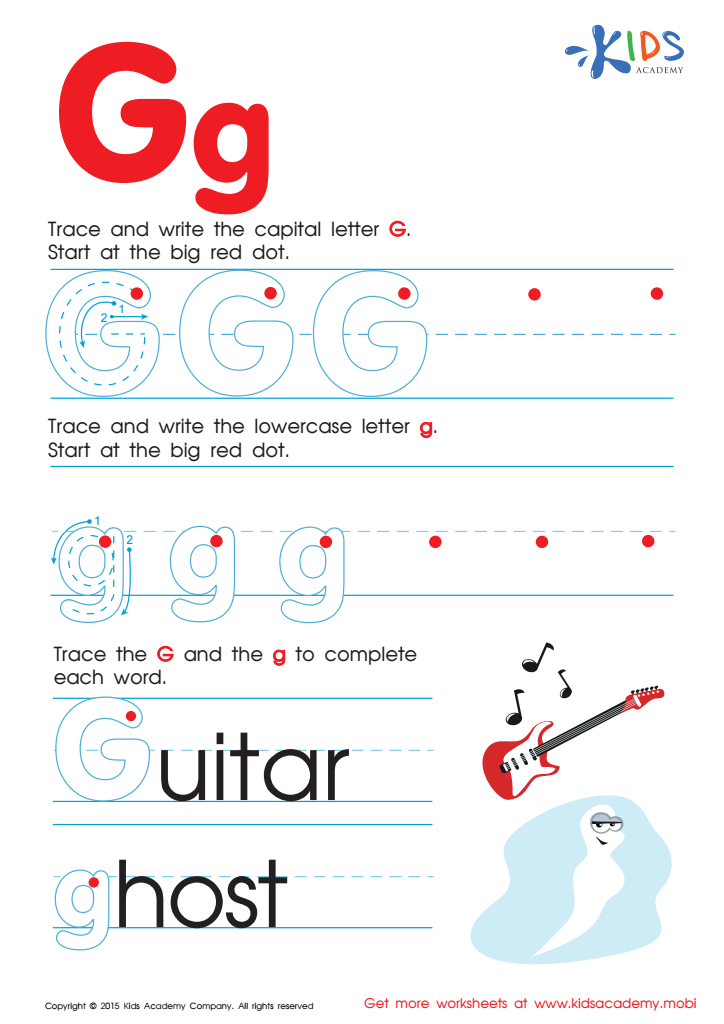
Letter G Tracing Page
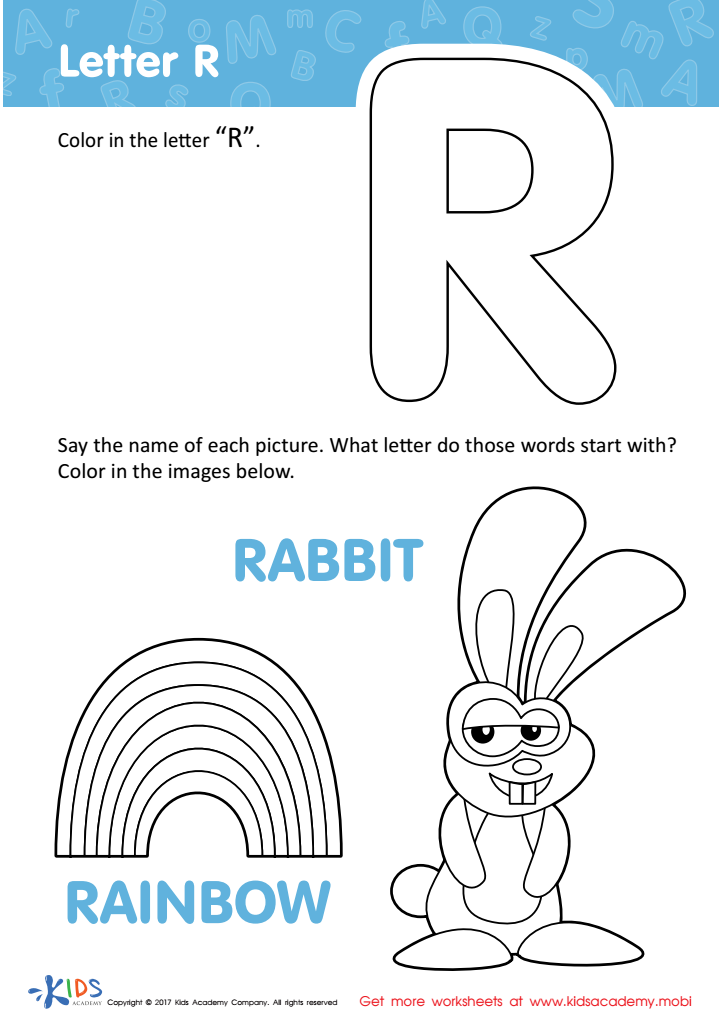
Letter R Coloring Sheet
Assign to My Students
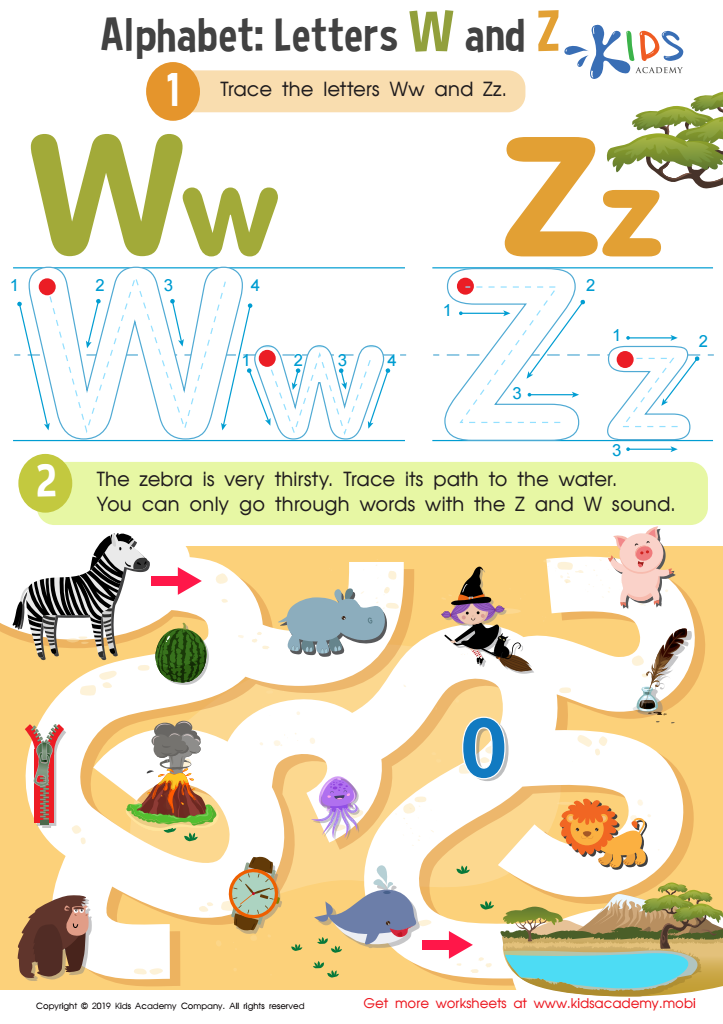
Letters W and Z Tracing Worksheet
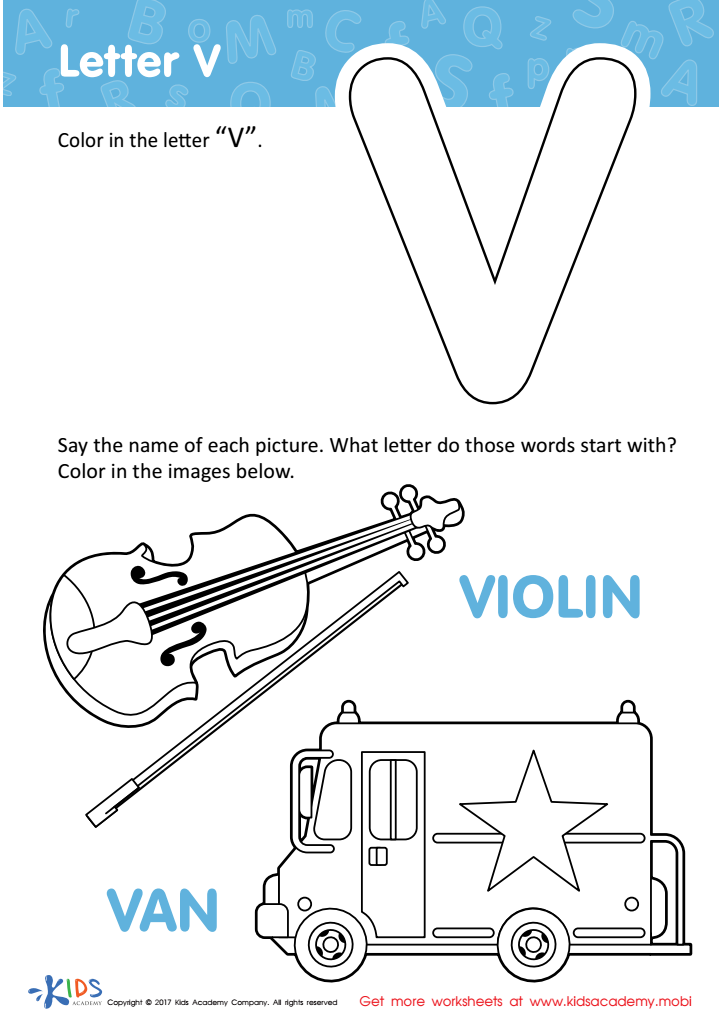
Letter V Coloring Sheet
Assign to My Students
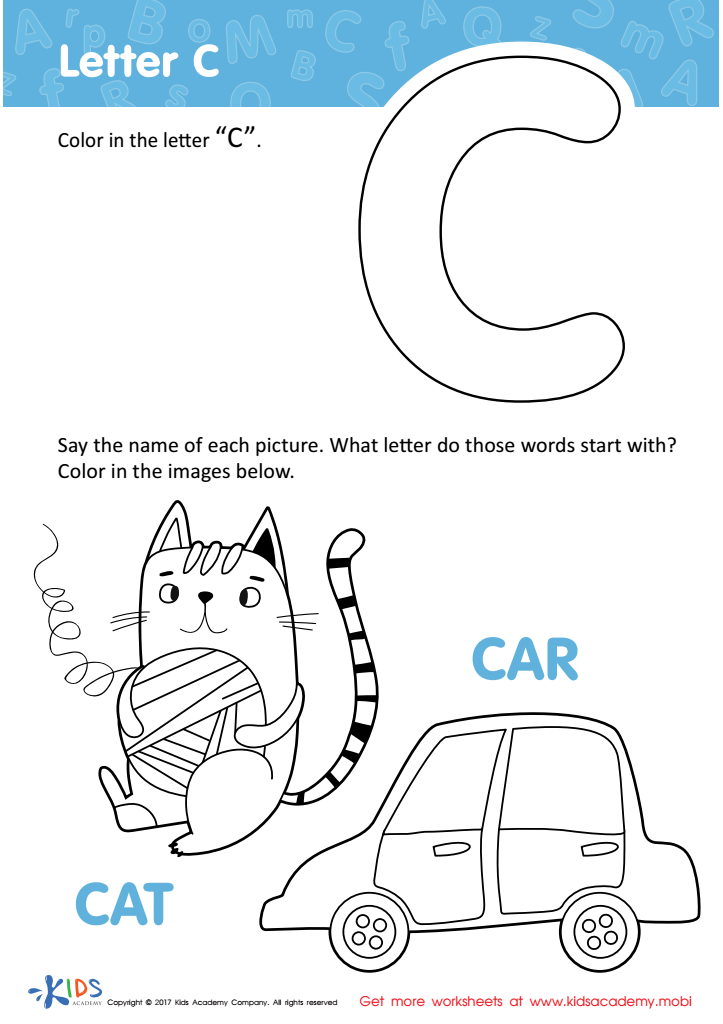
Letter C Coloring Sheet
Assign to My Students
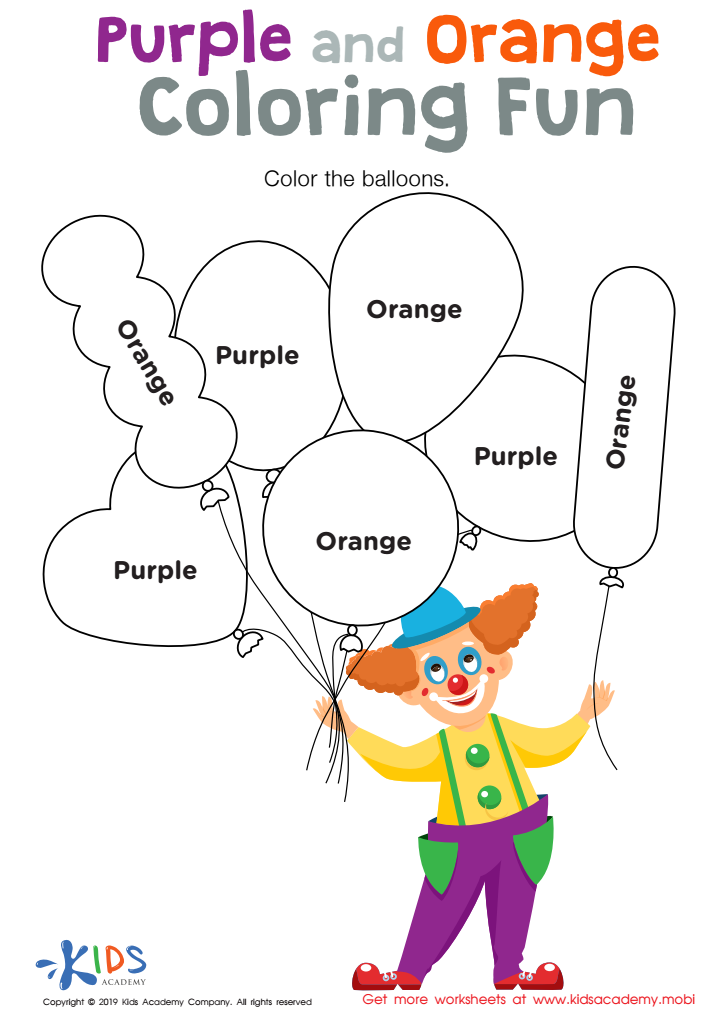
Purple and Orange Coloring Fun Worksheet
Assign to My Students
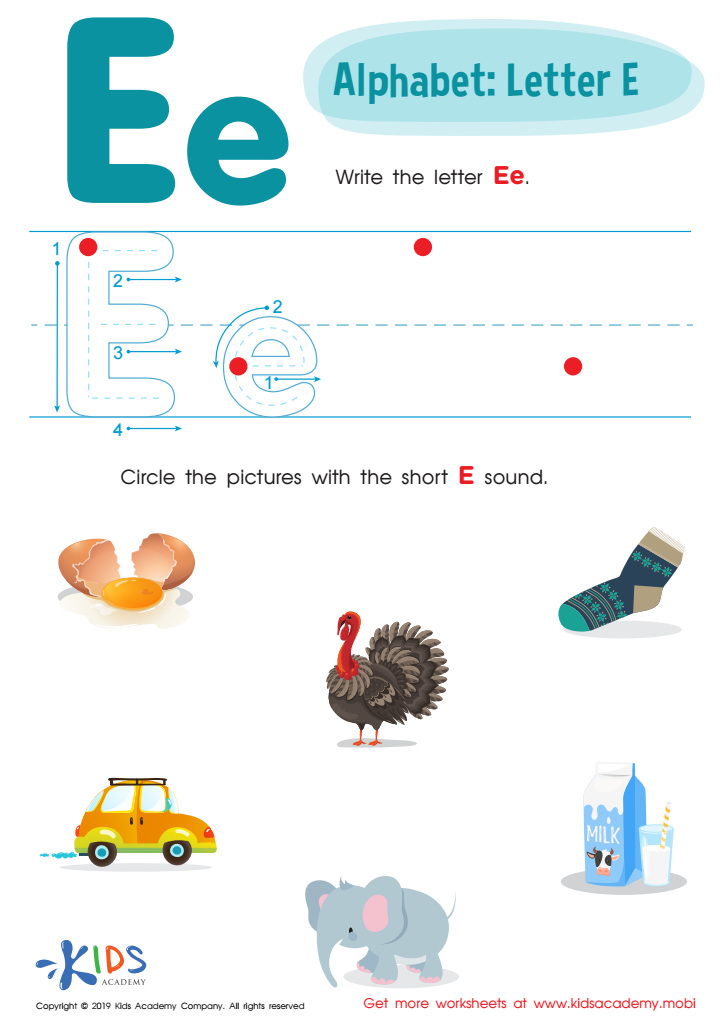
Letter E Tracing Worksheet
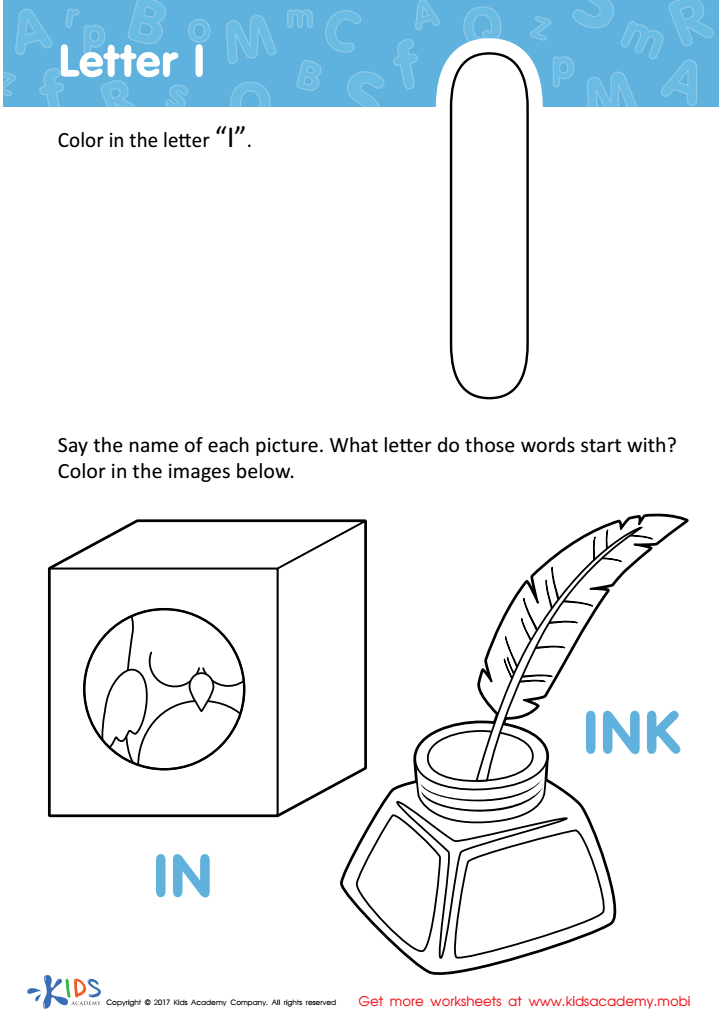
Letter I Coloring Sheet
Assign to My Students
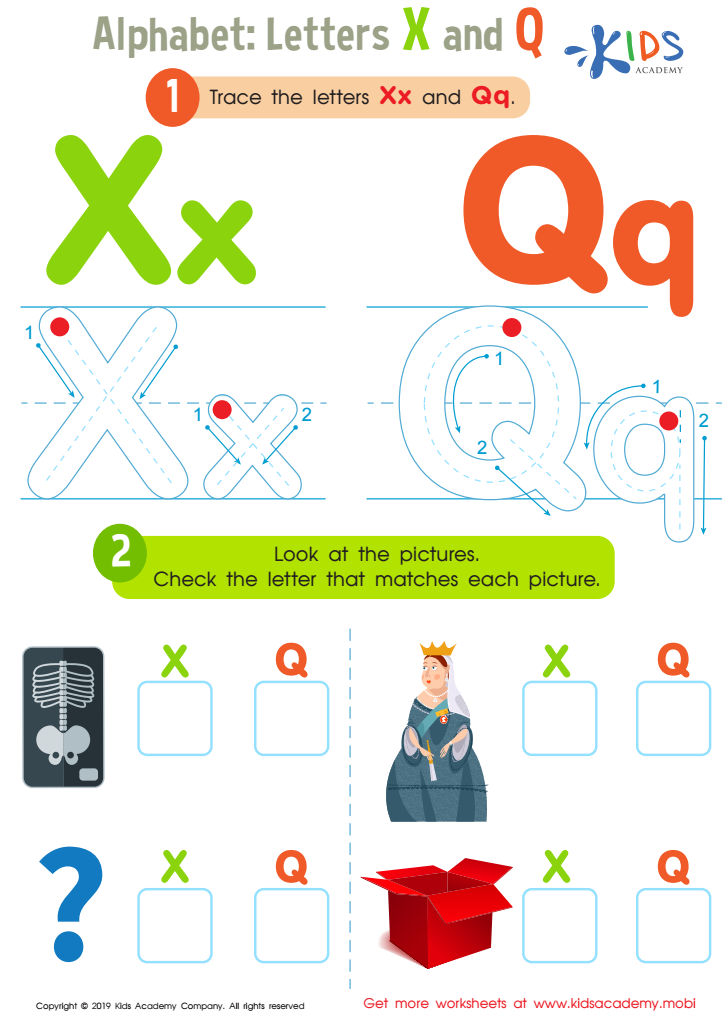
Letters X and Q Tracing Worksheet

Long and Short U Worksheet
Assign to My Students
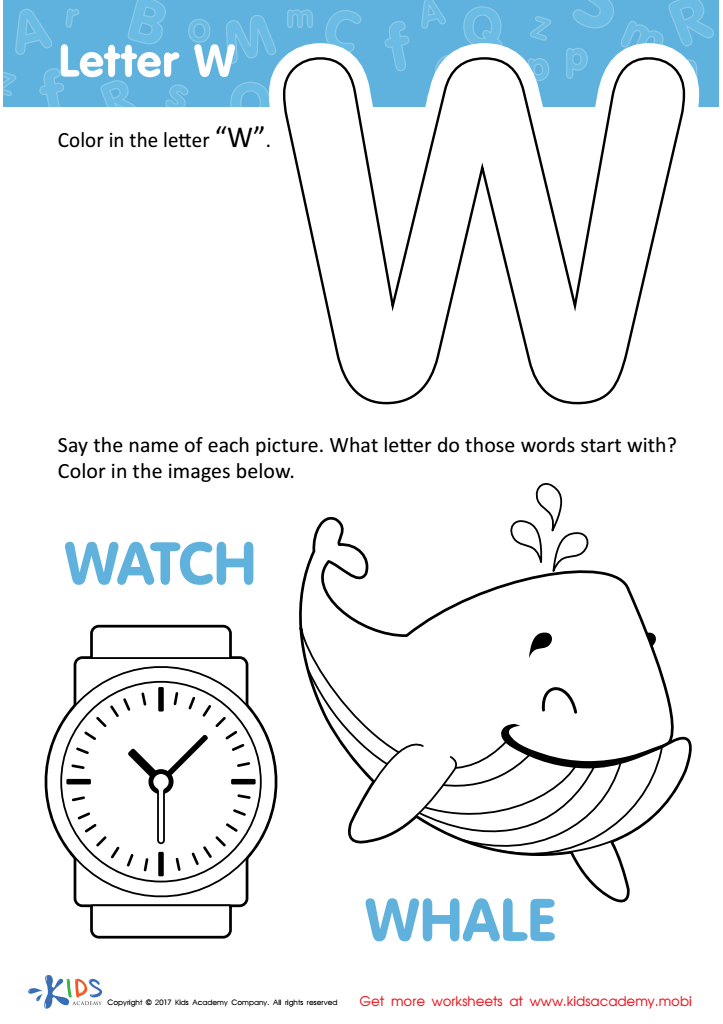
Letter W Coloring Sheet
Assign to My Students
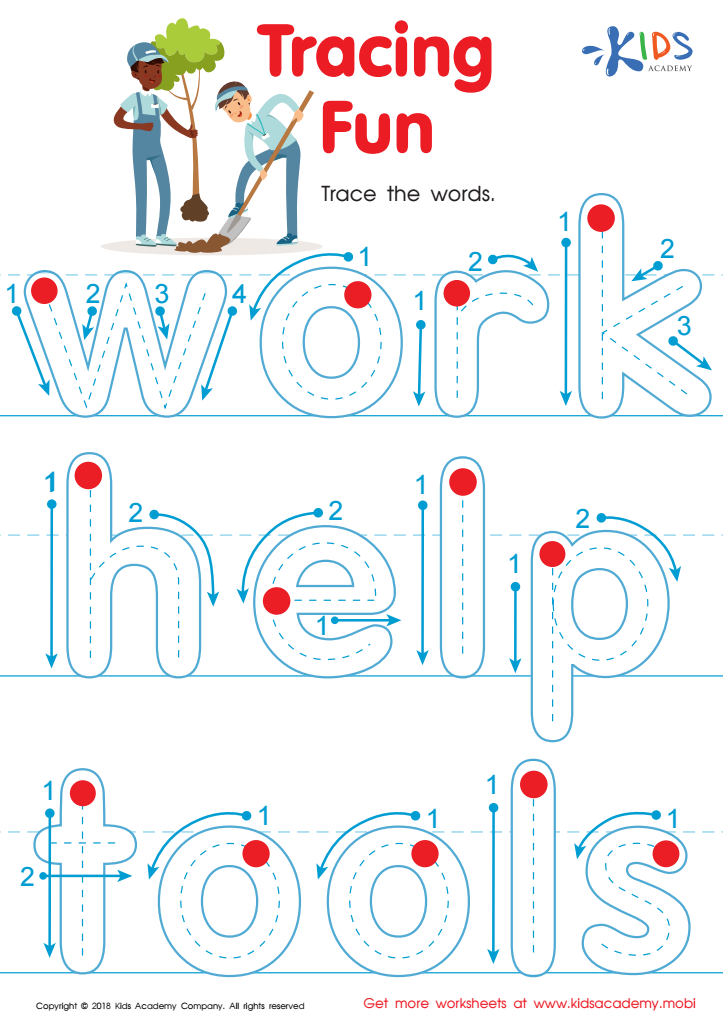
Tracing Fun Worksheet

Letter N Tracing Page
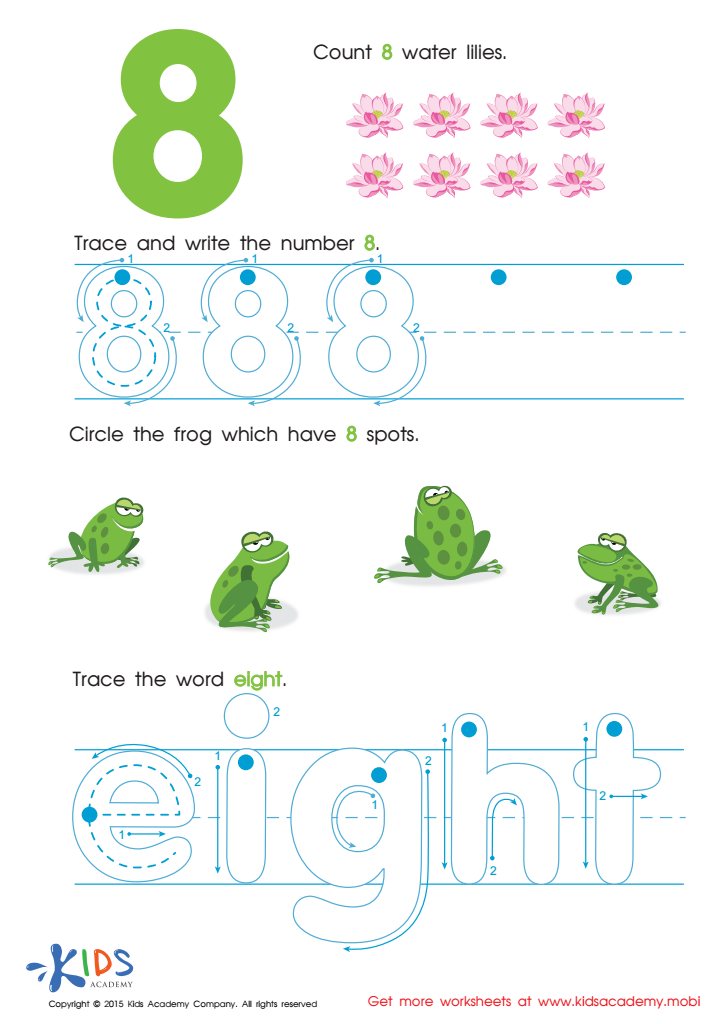
Learn Number 8 Easily Worksheet
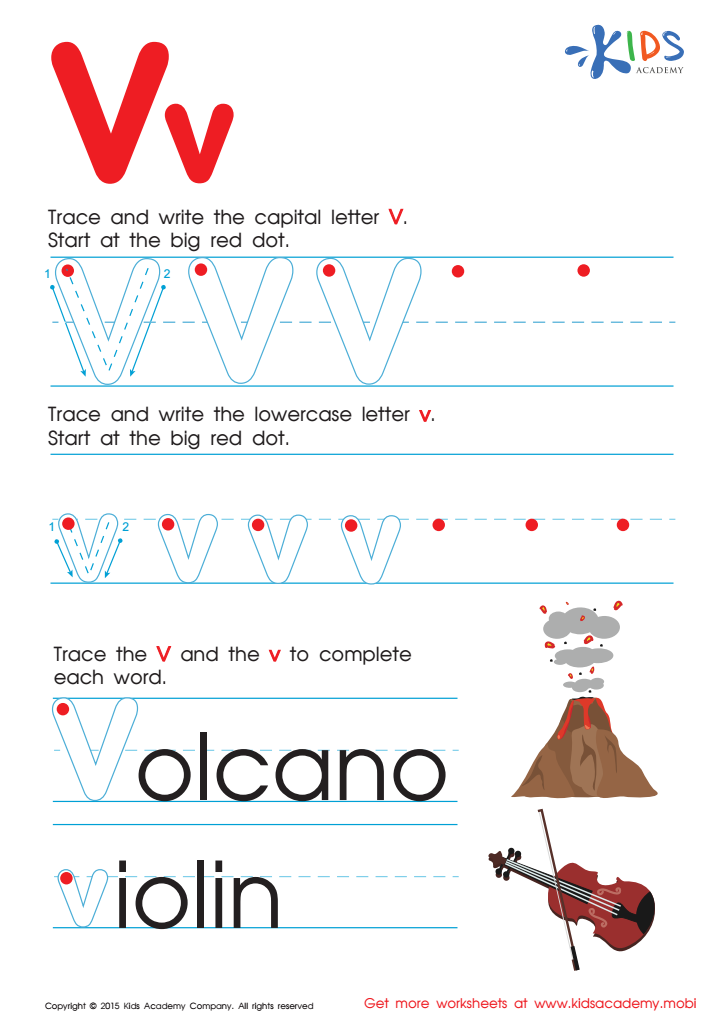
Letter V Tracing Page
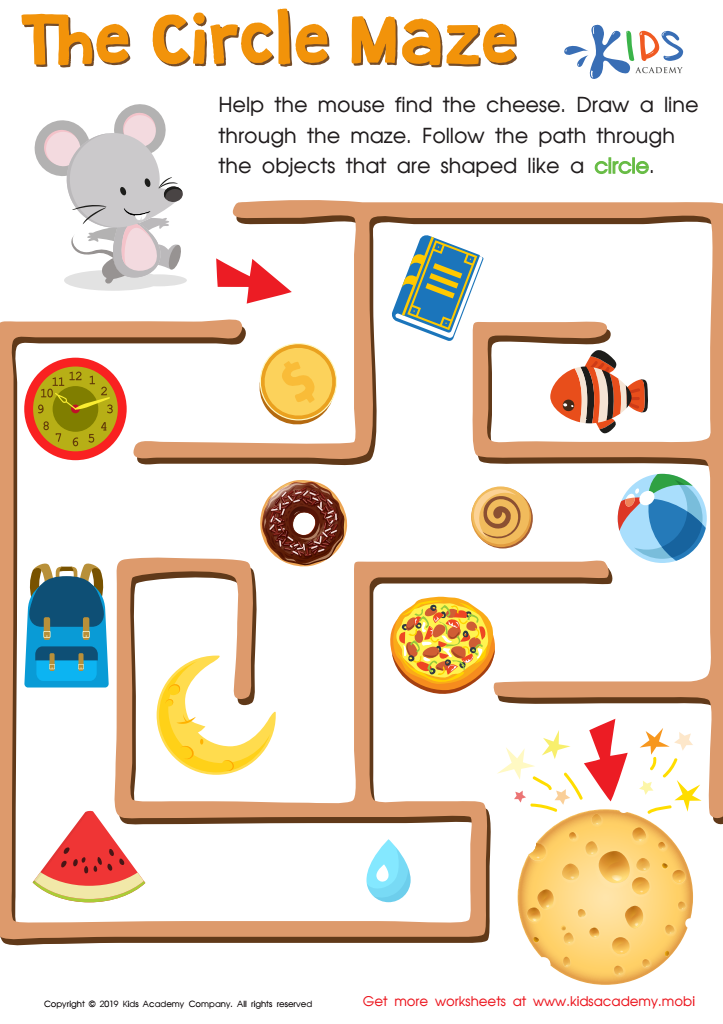
The Circle Maze Worksheet
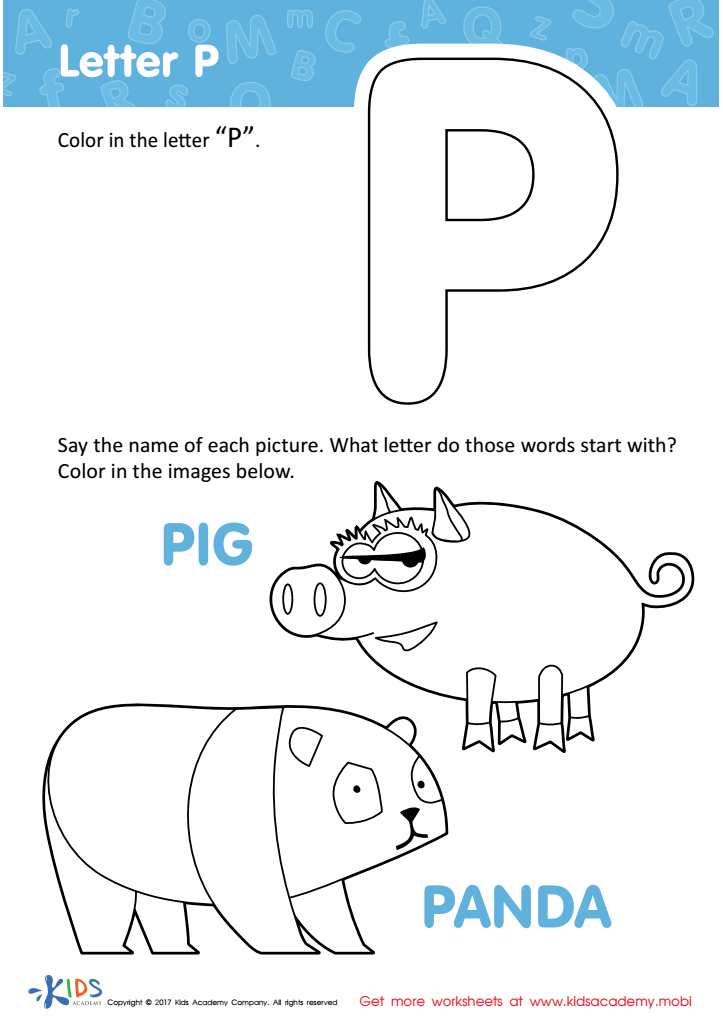
Letter P Coloring Sheet
Assign to My Students
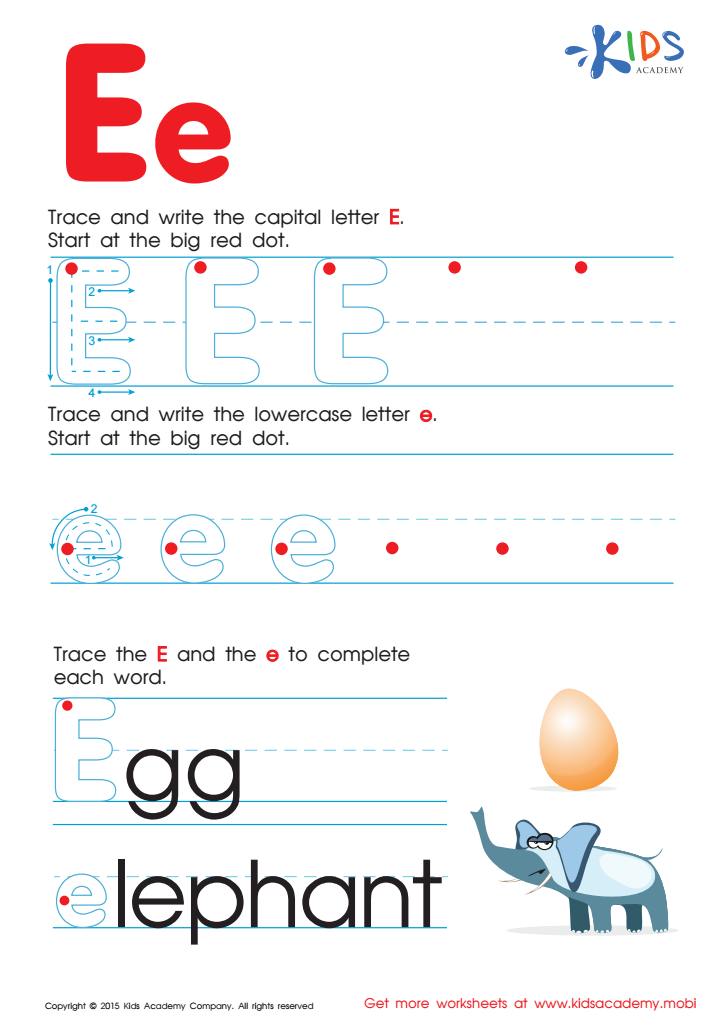
Letter E Tracing Page
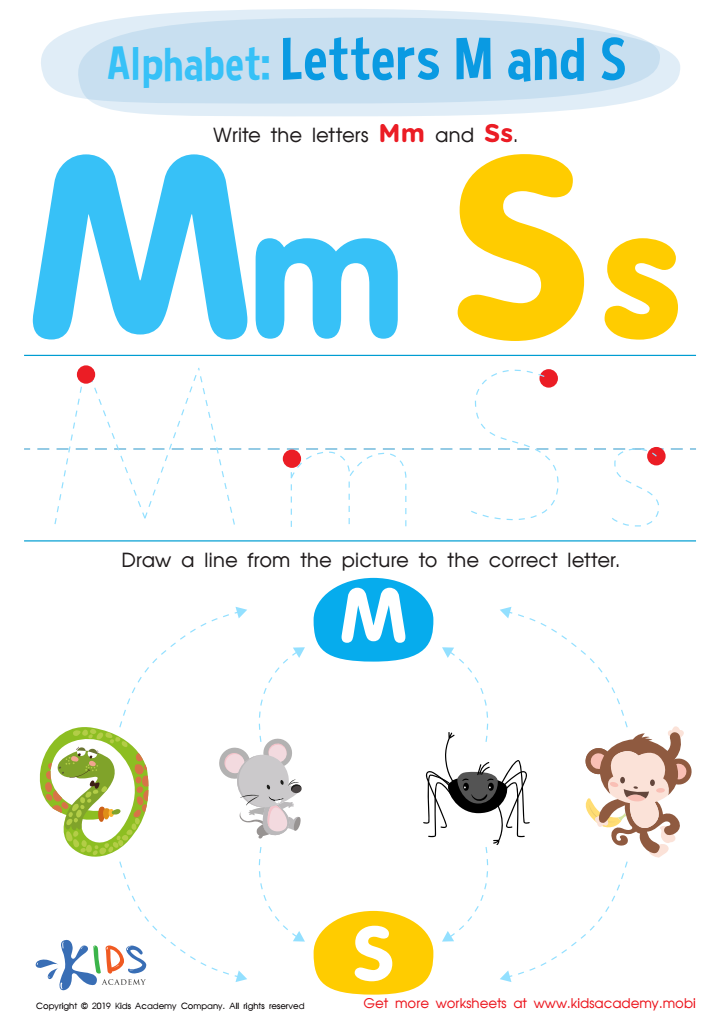
Letters M and S Tracing Worksheet

Letter A Tracing Worksheet





Fine motor skills are vital for young children aged 3-9 as they lay the groundwork for essential everyday tasks and academic achievements. Parents and teachers who place emphasis on the development of these skills are championing a child's ability to grasp objects, write, and perform other subtle motor tasks. This focus is especially crucial during the ages of 3-9 when children are particularly receptive to learning and developing new skills.
Engaging children in activities that enhance their fine motor skills, such as drawing, cutting with scissors, and manipulating small objects, fosters not only physical dexterity but also cognitive and neurological development. These skills are closely linked with brain function and are foundational for academic tasks involving writing and computer use, which become progressively important as children continue their education.
Additionally, fine motor skill exercises promote eye-hand coordination and precision, which are important for a child’s overall independence and confidence. Children with well-developed fine motor skills can better complete self-care tasks like buttoning clothes and tying shoelaces, contributing to their self-esteem and autonomy.
Incorporating fine motor skill development into early learning enhances not just immediate academic performance but long-term success and personal growth, making it a critical focus for parents and educators alike.