Pattern recognition Worksheets for Ages 3-9
31 filtered results
-
From - To
Discover our engaging Pattern Recognition Worksheets designed for ages 3-9. These worksheets are thoughtfully crafted to boost your child’s learning skills by recognizing and predicting patterns. With colorful visuals and fun activities, our worksheets provide a solid foundation for critical thinking and problem-solving. Perfect for preschoolers, kindergarteners, and early elementary students, each worksheet fosters a love for learning while aiding in cognitive development. Best of all, they are easy to download and print, making learning convenient and enjoyable. Help your child unlock their potential and instill confidence with our expertly created pattern recognition resources today!
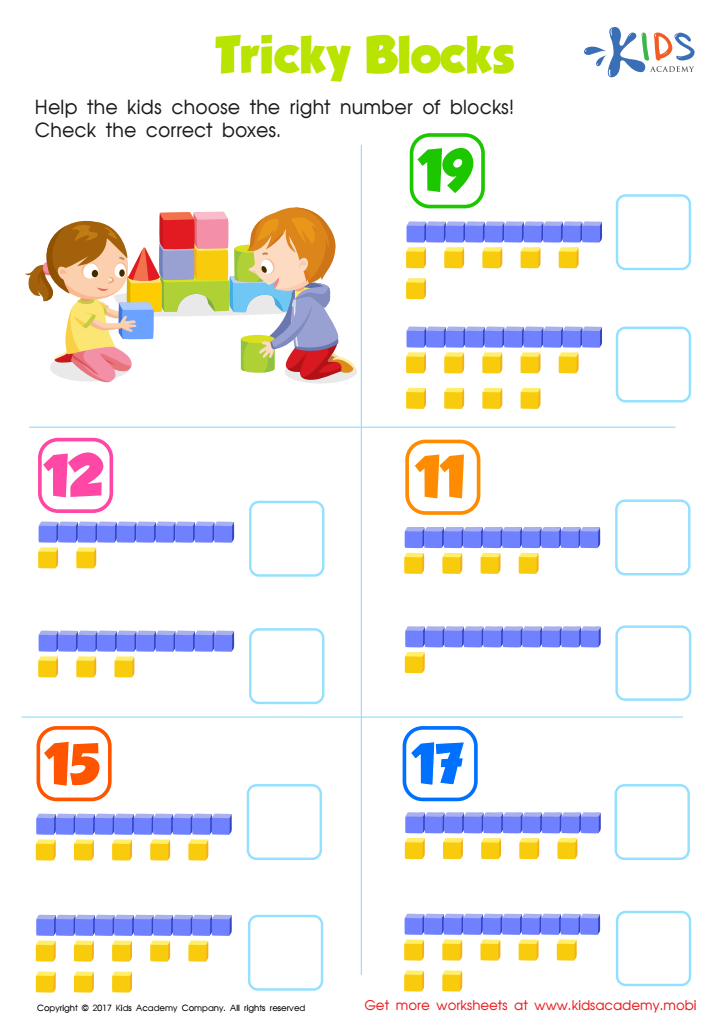
Tricky Blocks Worksheet
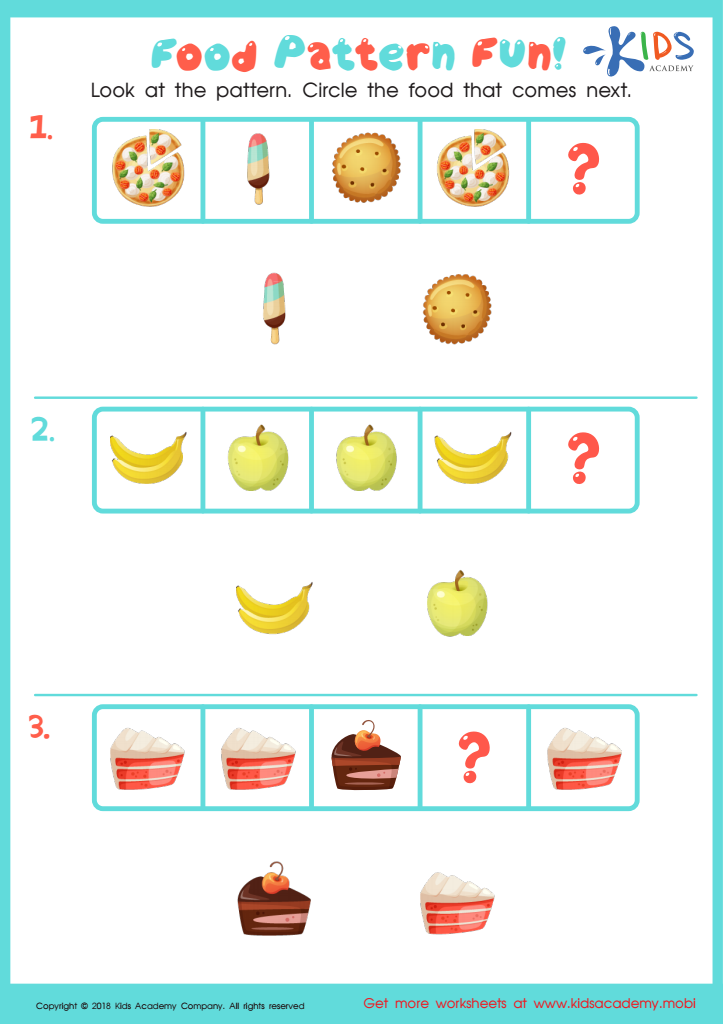
Food Pattern Fun Worksheet
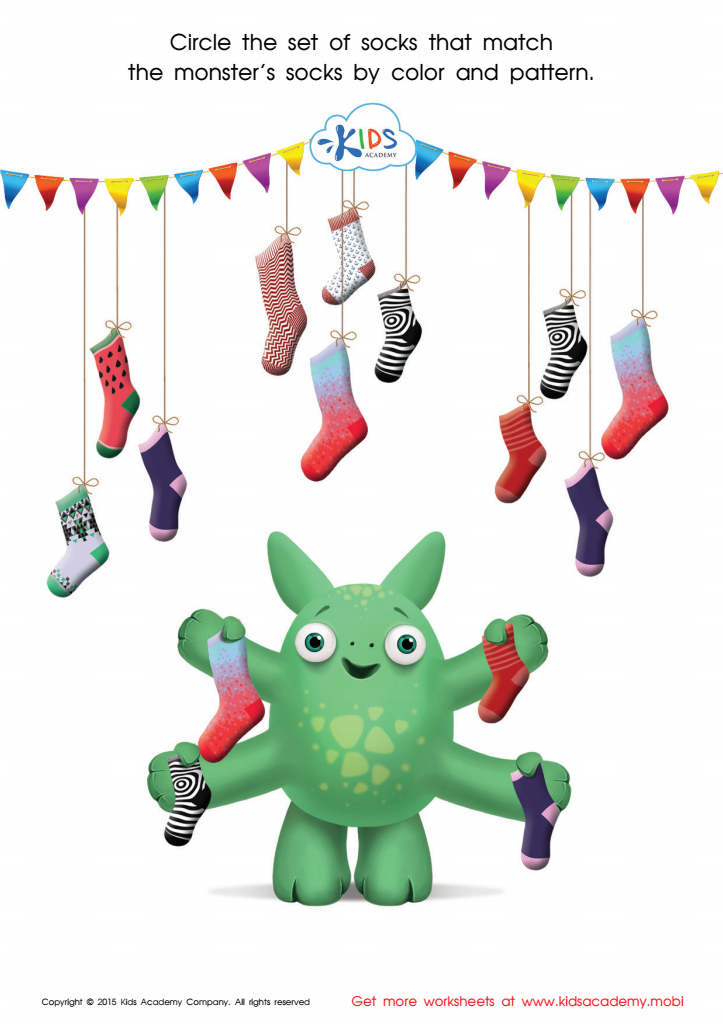
Sort the Monster's Socks Worksheet
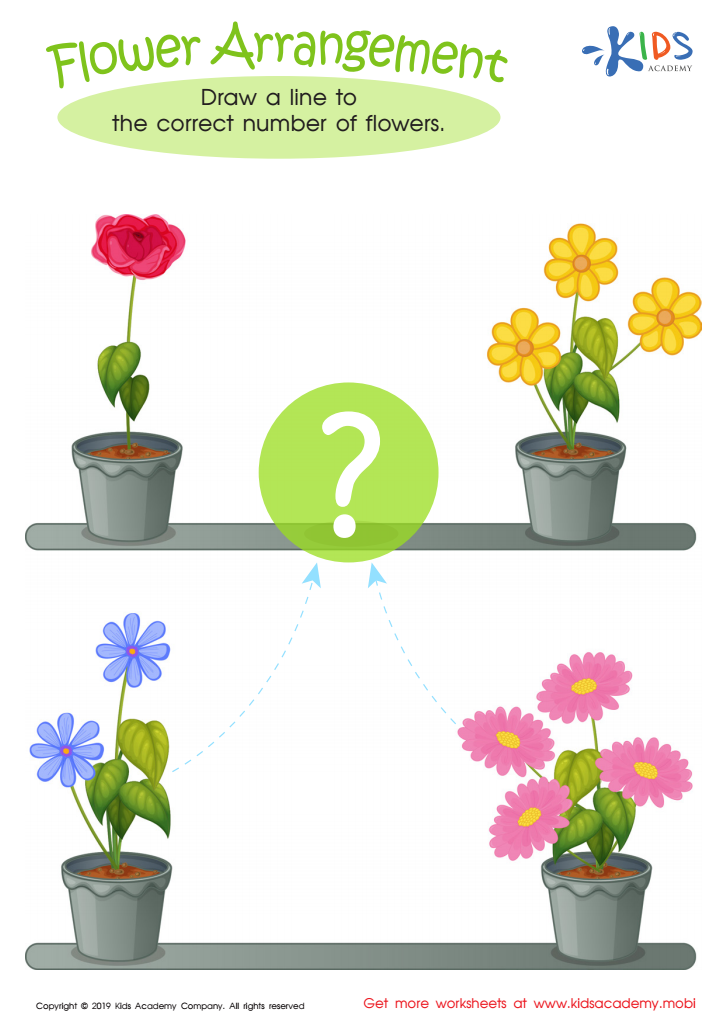
Flower Arrangement Worksheet
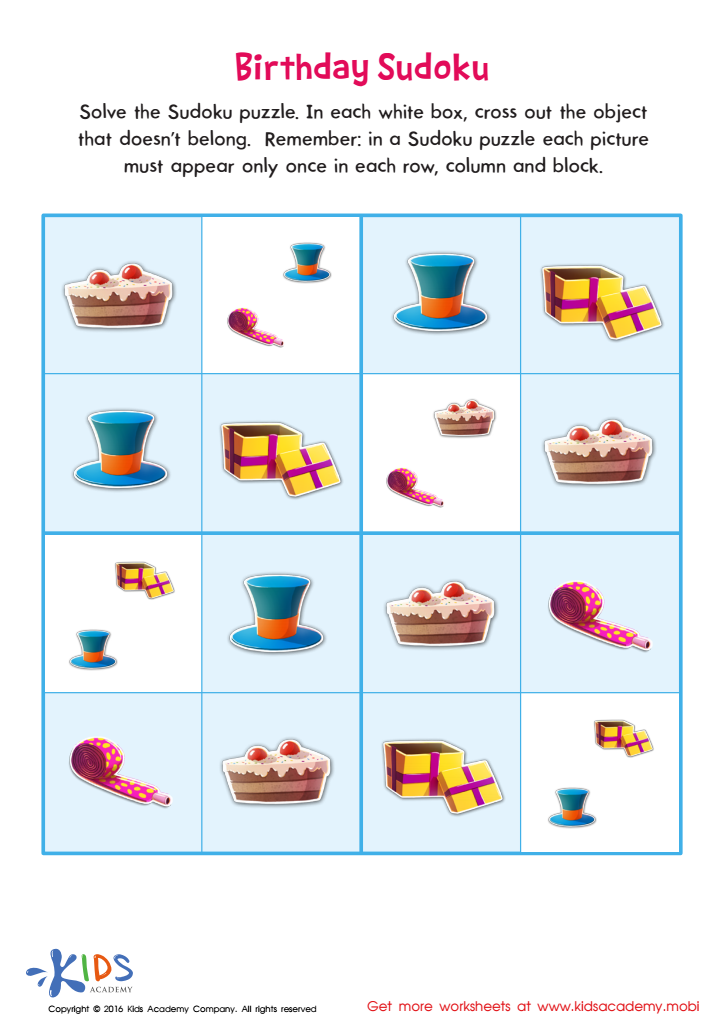
Birthday Sudoku Sorting Worksheet
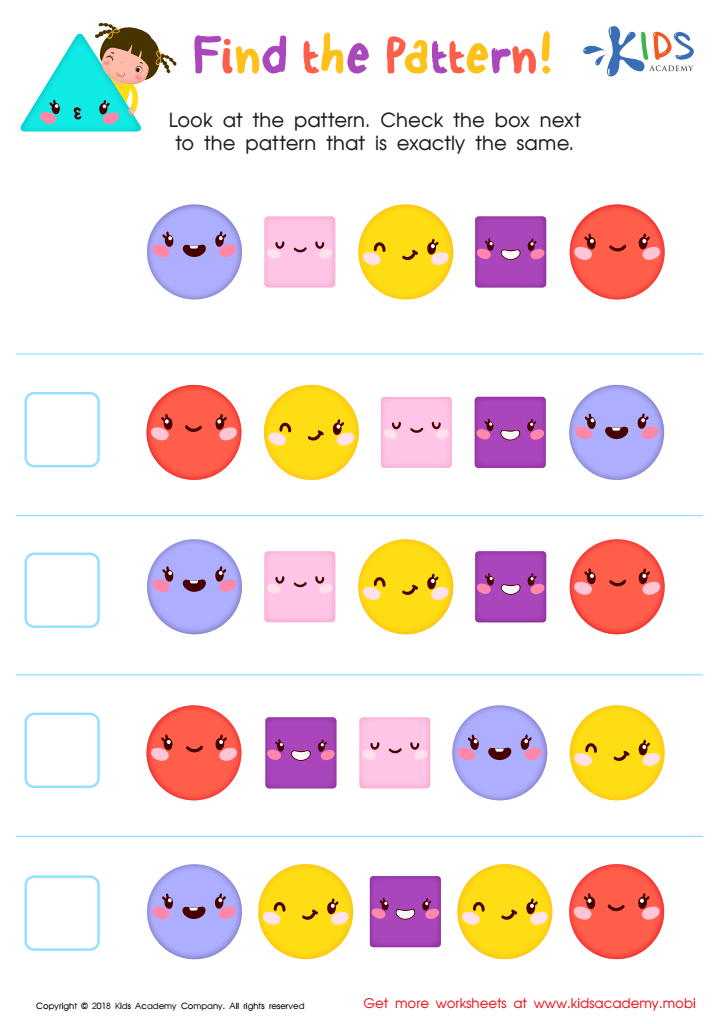
Find the Pattern Worksheet
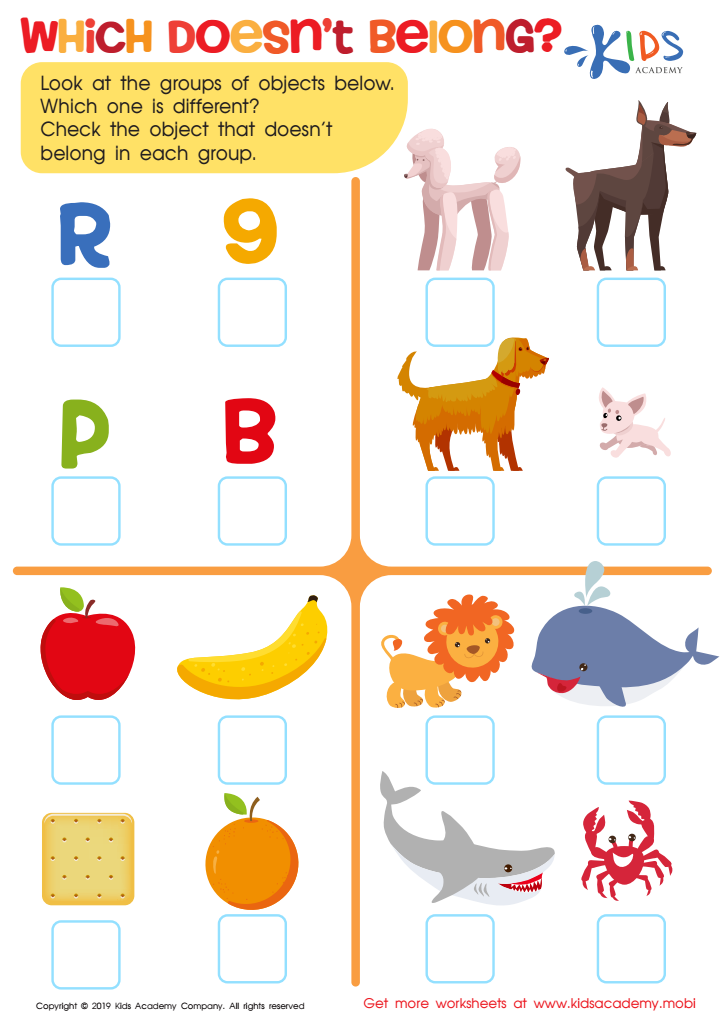
Which Doesn't Belong? Worksheet
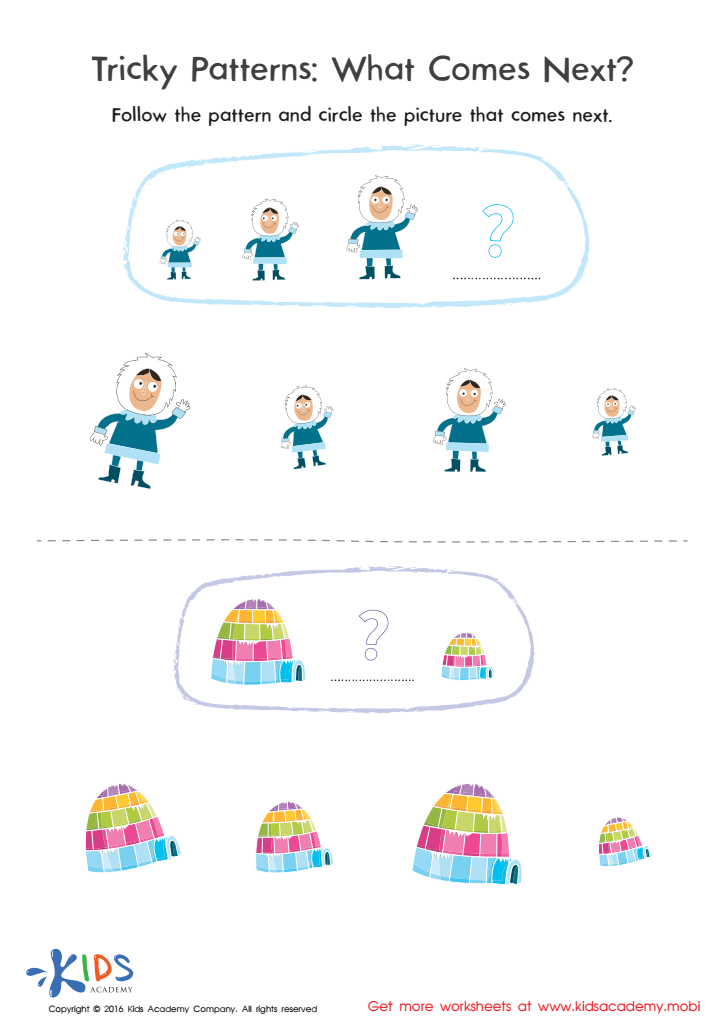
Tricky Patterns Size Worksheet
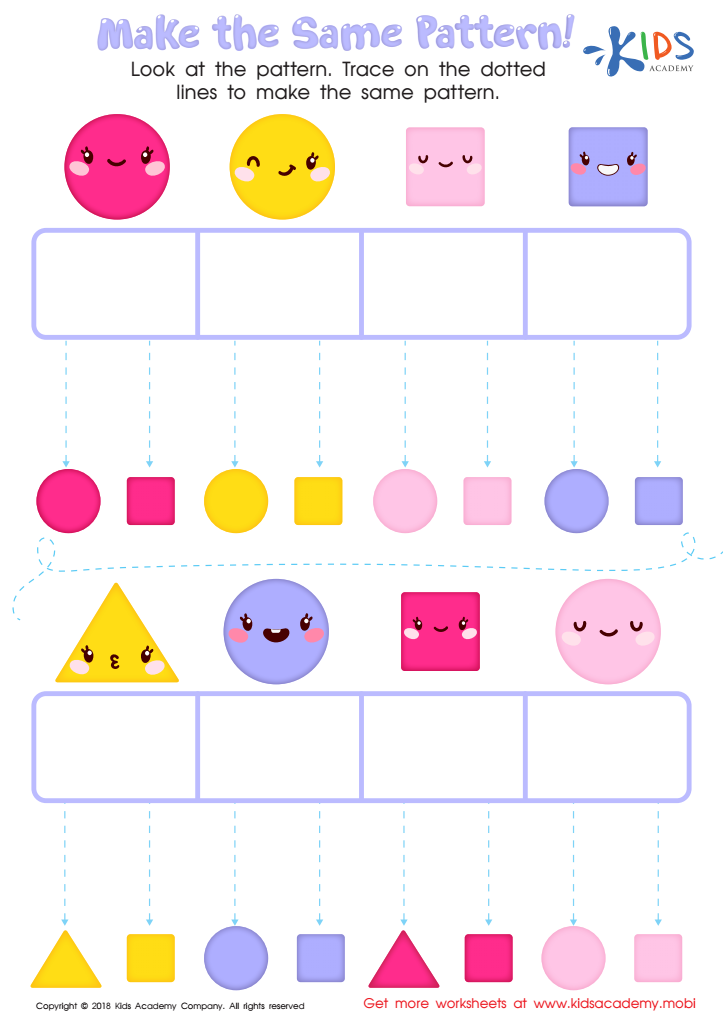
Make the Same Pattern Worksheet
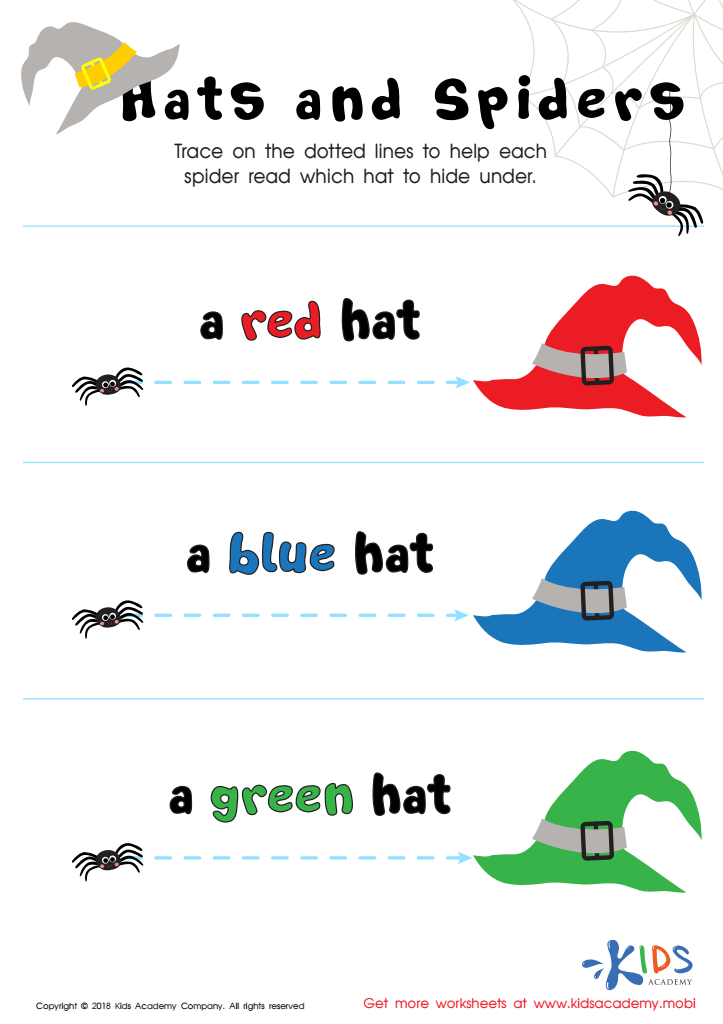
Read from Left to Right: Hats and Spiders Worksheet
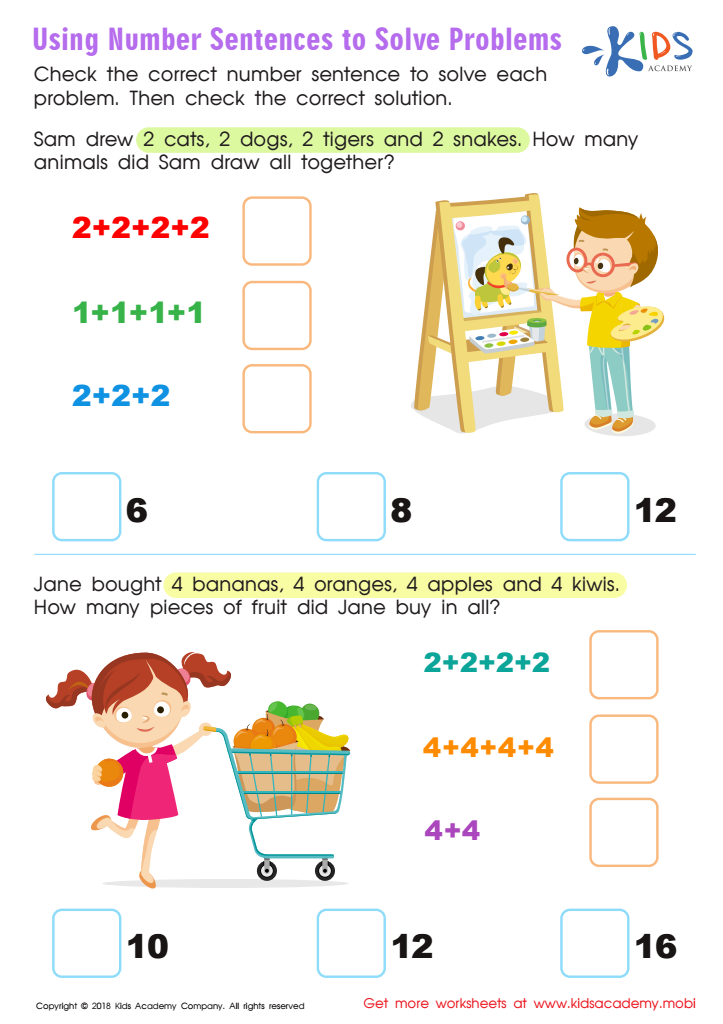
Using Number Sentences to Solve Problems Worksheet
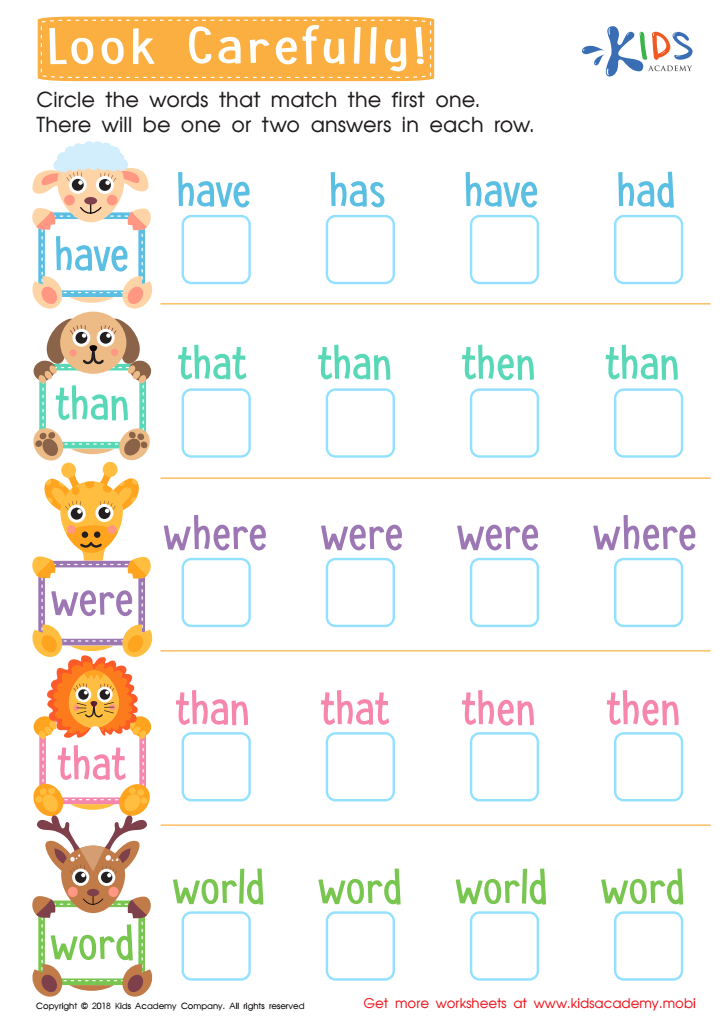
Look Carefully Worksheet
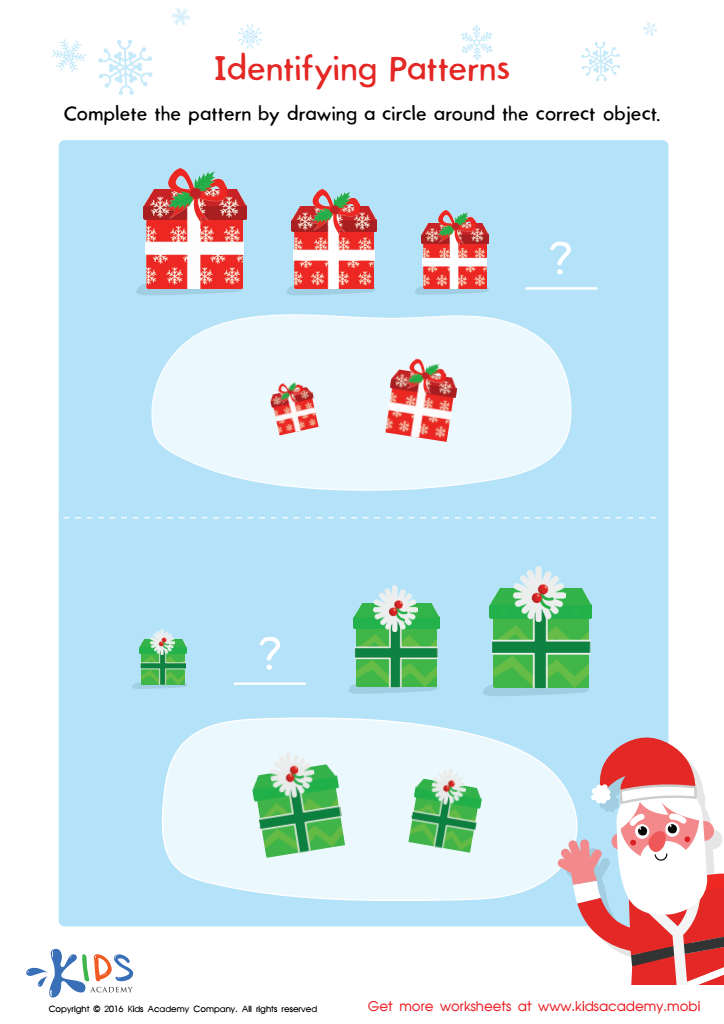
Identifying Patterns Worksheet
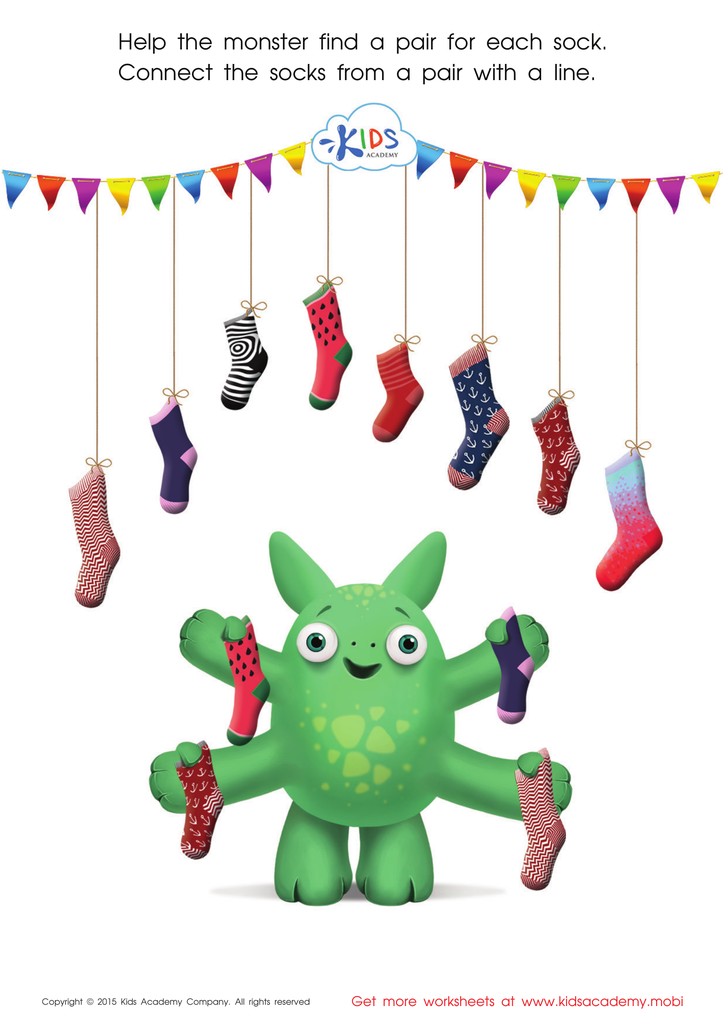
Math Matching Game: Monsterв's Socks Worksheet
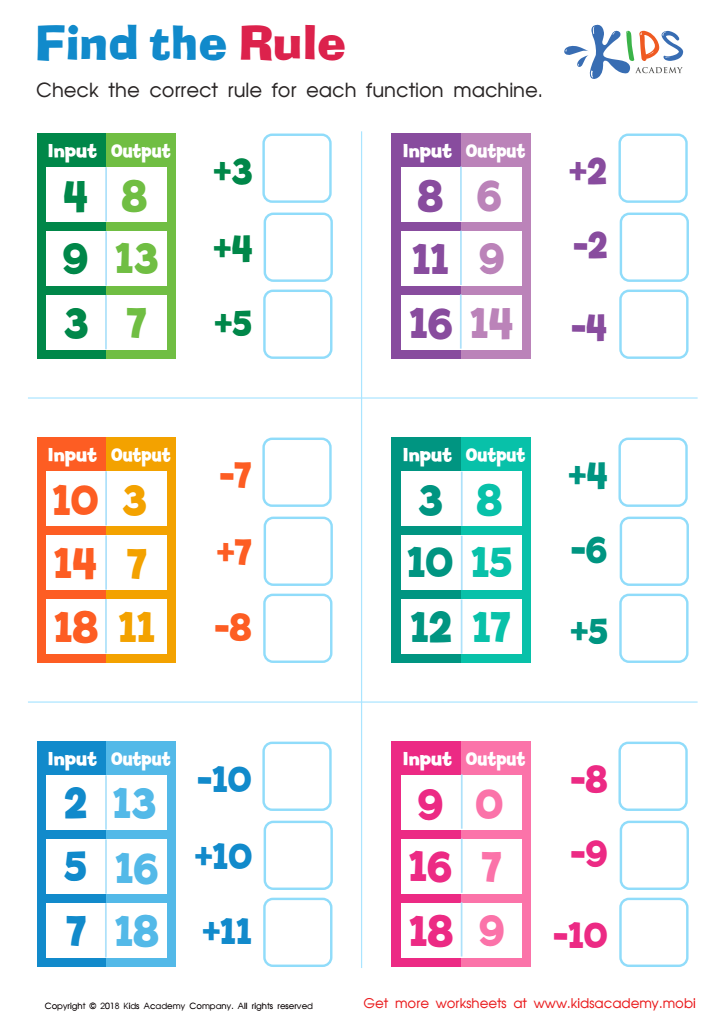
Find the Rule Worksheet
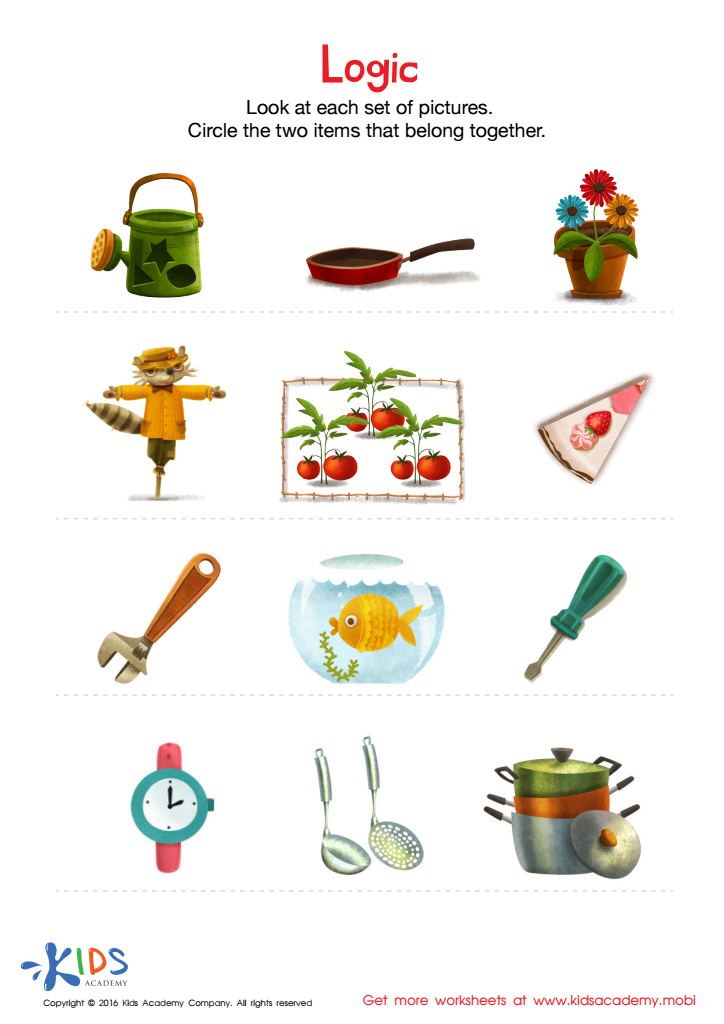
Logic Game Sorting Worksheet
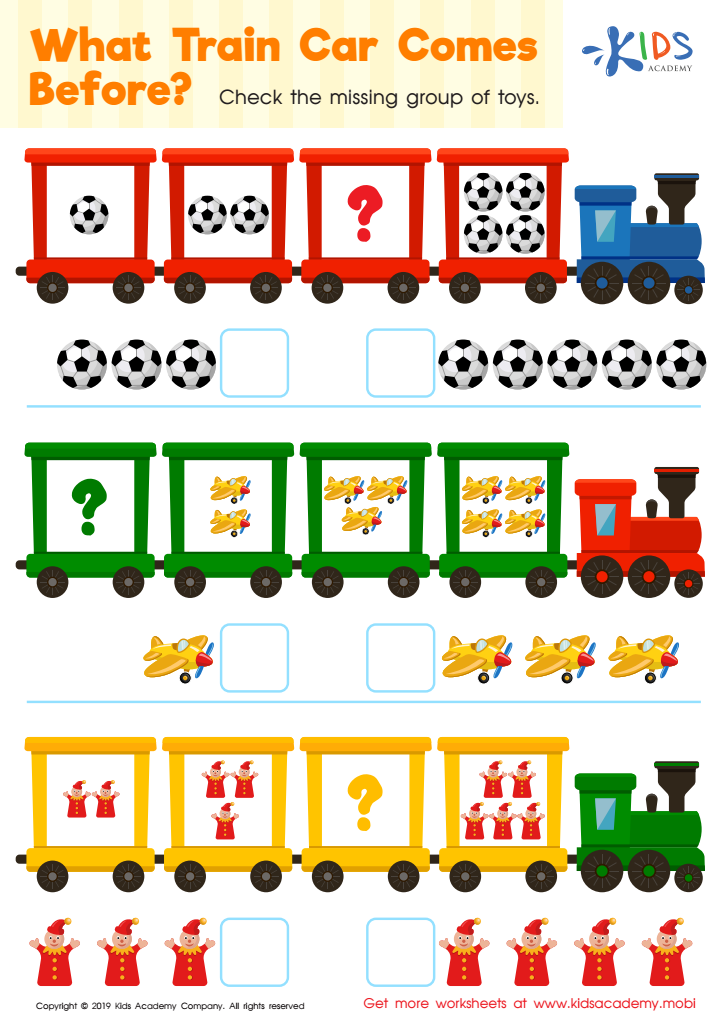
What Train Car Comes Before? Worksheet
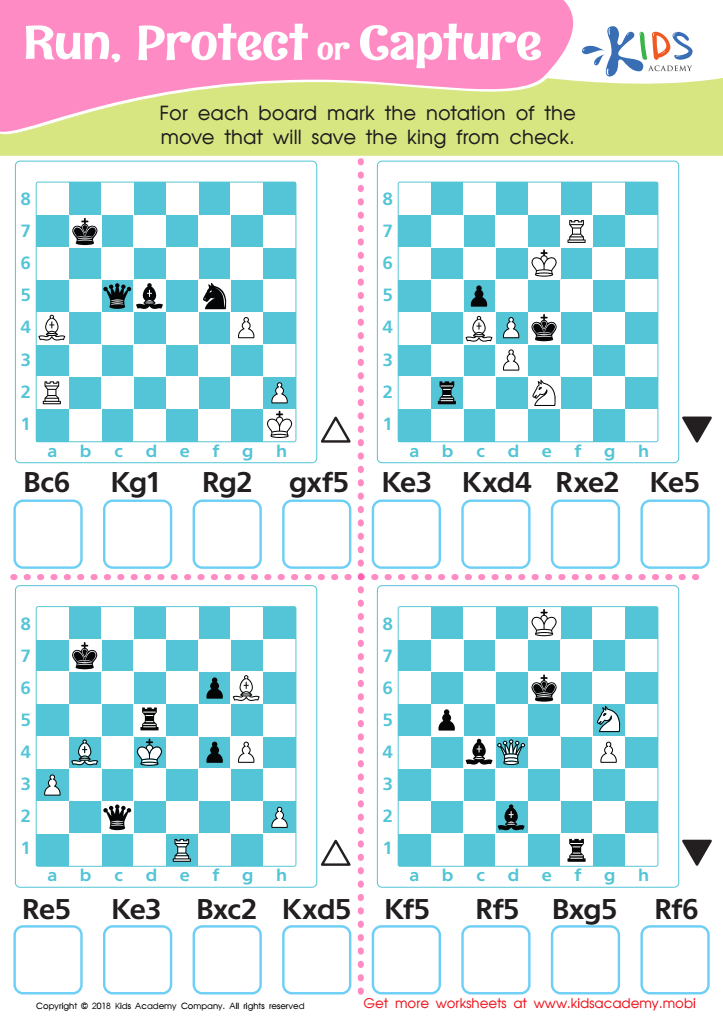
Run, Protect or Capture Worksheet
Christmas: Christmas Tree Printable
 Assign to My Students
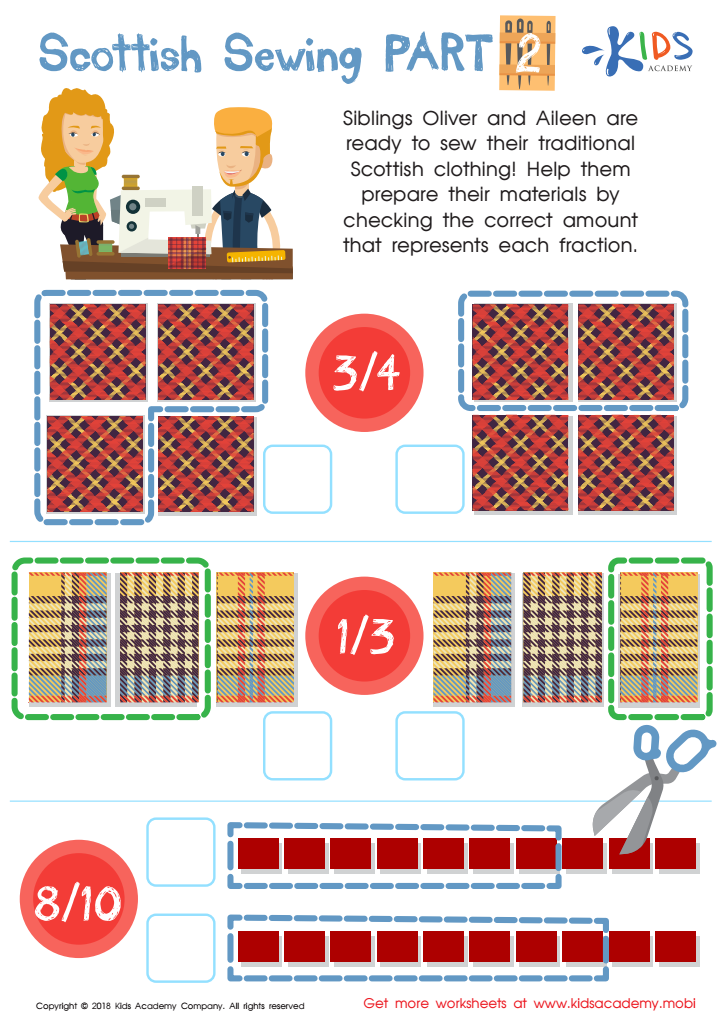
Scottish Sewing Part 2 Worksheet








Pattern recognition is a foundational skill that plays a critical role in a child's cognitive development, making it crucial for parents and teachers to emphasize this skill during the early years (ages 3-9). At its core, pattern recognition involves identifying and understanding regularities, structures, and relationships within data sets—skills that are fundamental for later success in both mathematics and literacy.
For example, recognizing patterns helps children to predict and anticipate what comes next, enabling effective problem-solving. In mathematics, patterns form the basis of understanding sequences, which evolves into more complex concepts like multiplication tables and algebra. Similarly, in reading, recognizing letter patterns and word structures facilitates reading fluency and comprehension.
Beyond academics, pattern recognition also keens analytical and observational skills, nurturing a child's ability to make sense of the world around them. This lays the groundwork for strategic thinking and creativity as patterns exist in art, music, and even social behavior.
Additionally, engaging with patterns can be fun and engaging for young minds, fostering a love for learning and exploration. Activities like sorting games, identifying sequences, or clapping rhythms attract children's natural curiosity and make learning interactive. Therefore, integrating pattern recognition into early education can significantly enhance a child's intellectual and creative capacities.








