Shape identification Worksheets for Ages 3-9
40 filtered results
-
From - To
Discover our engaging Shape Identification Worksheets tailored for children ages 3-9! These versatile, age-appropriate resources encourage early learners to explore and recognize various shapes while enhancing their fine motor skills and cognitive development. With a colorful assortment of activities, including matching, sorting, and tracing, our worksheets provide an interactive learning experience that captivates young minds. Perfect for both classroom settings and at-home practice, these printables support preschool and early elementary education by fostering essential visual discrimination skills. Help your child build a solid foundation in geometry with our fun and educational shape identification worksheets today!
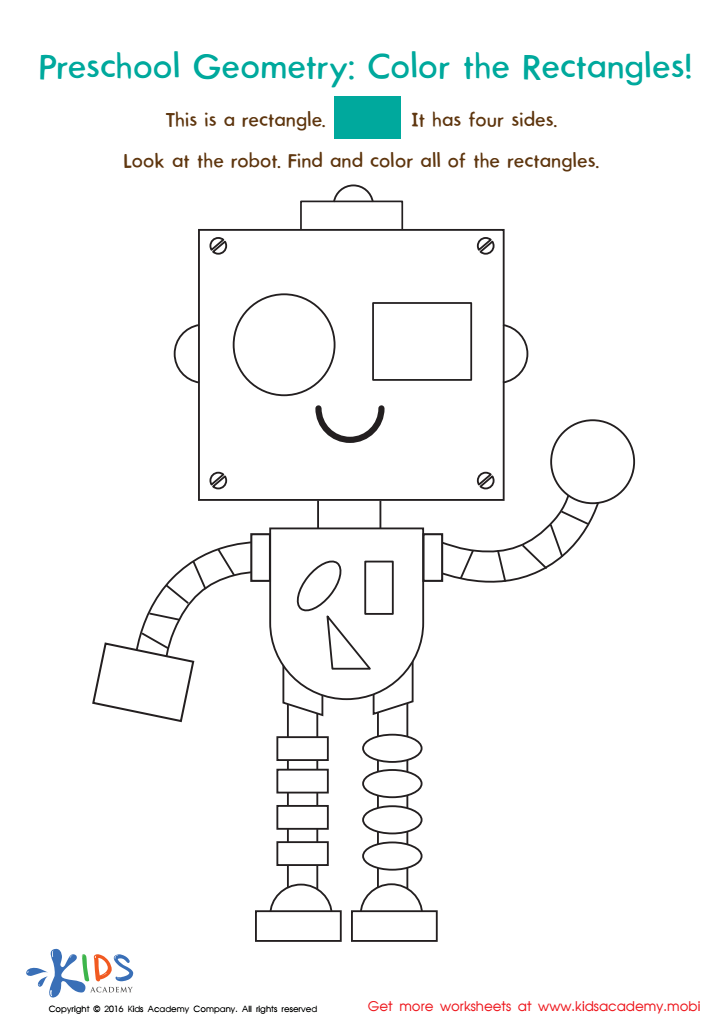
Geometry Worksheet
 Assign to My Students
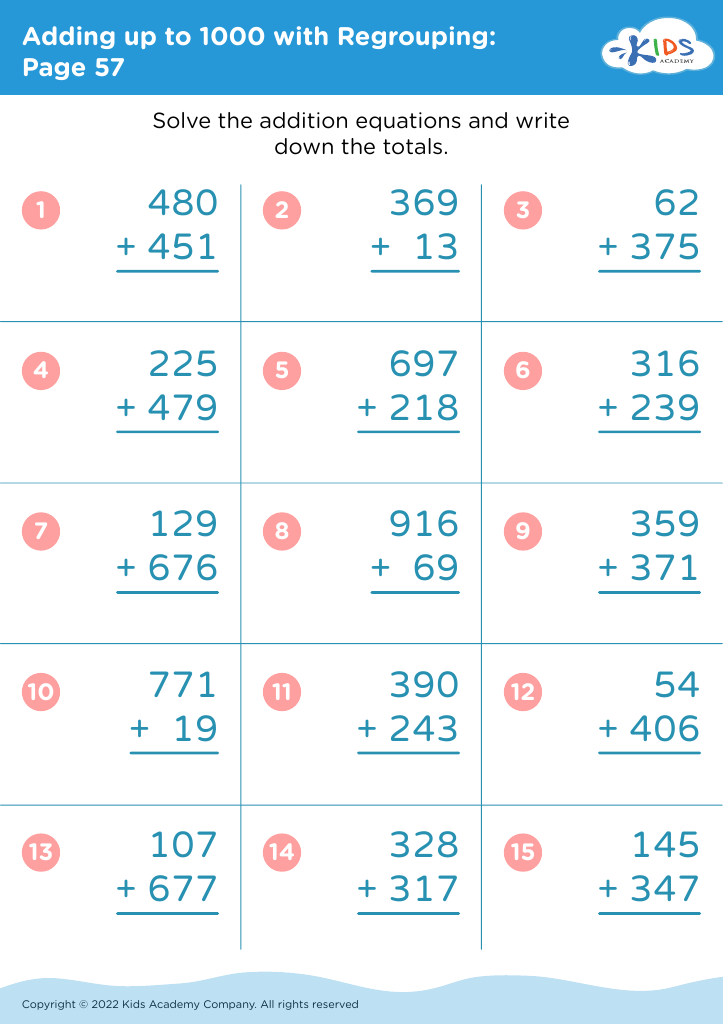
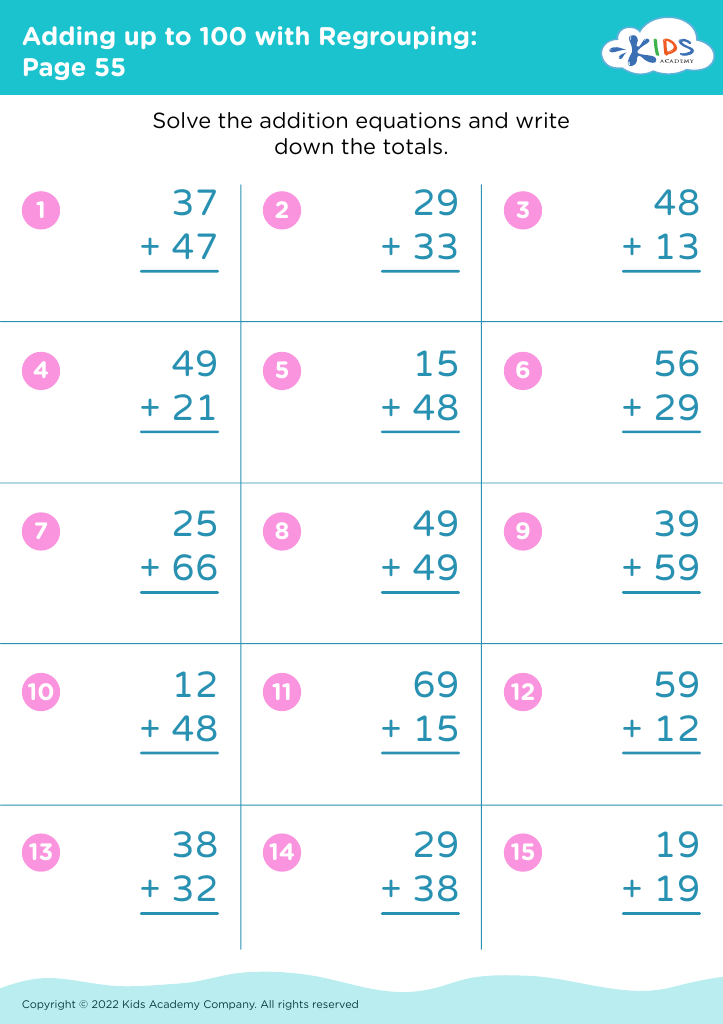
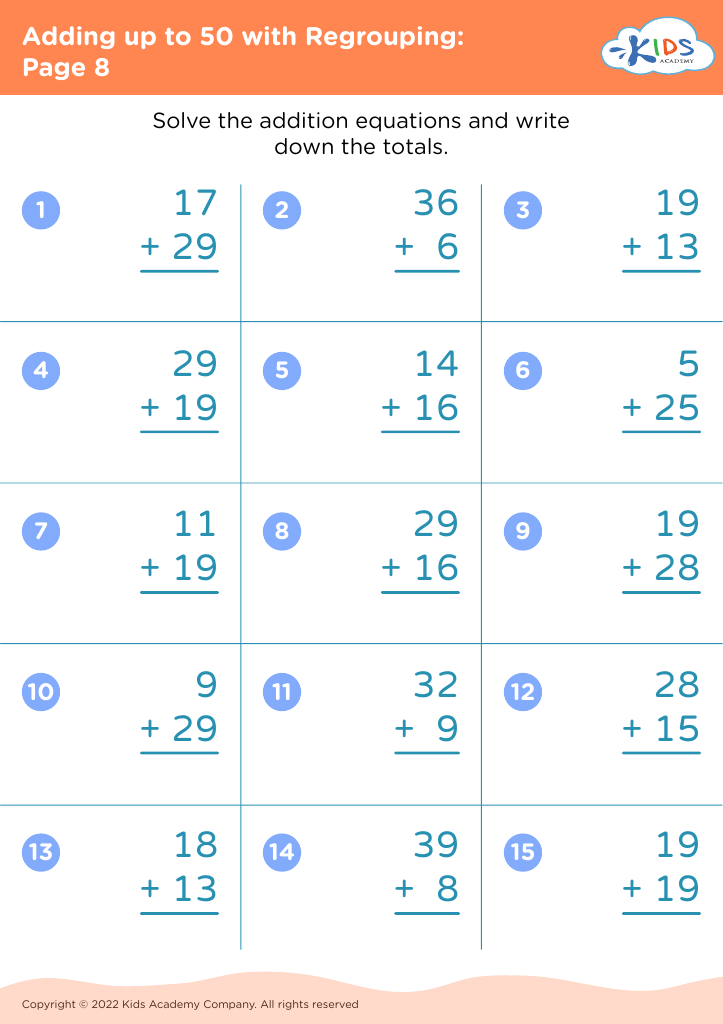
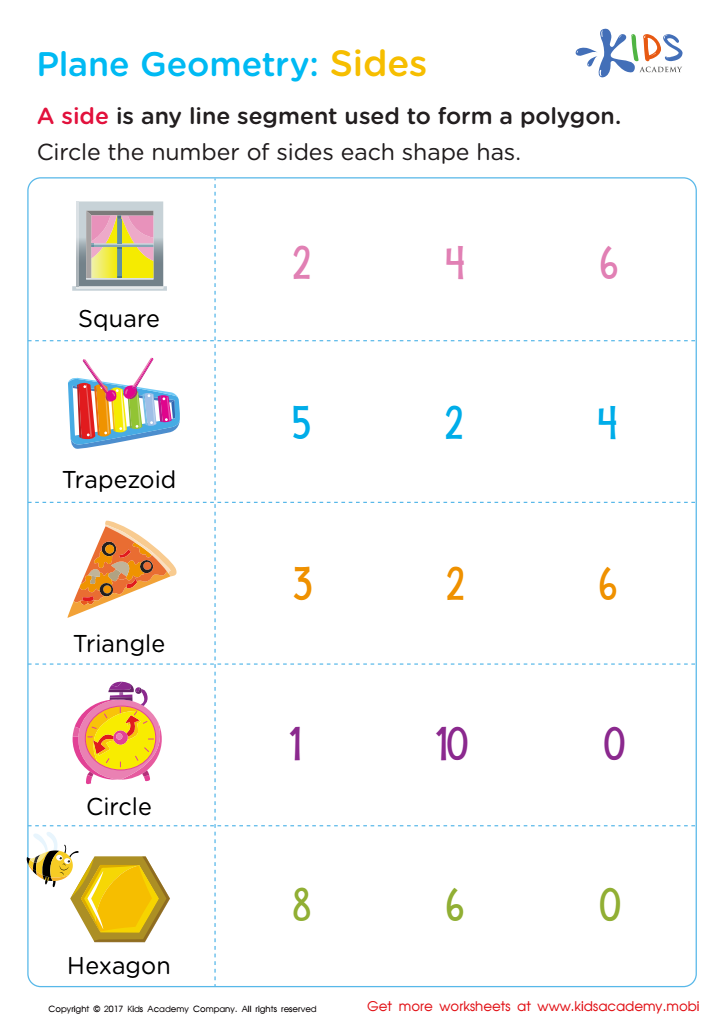
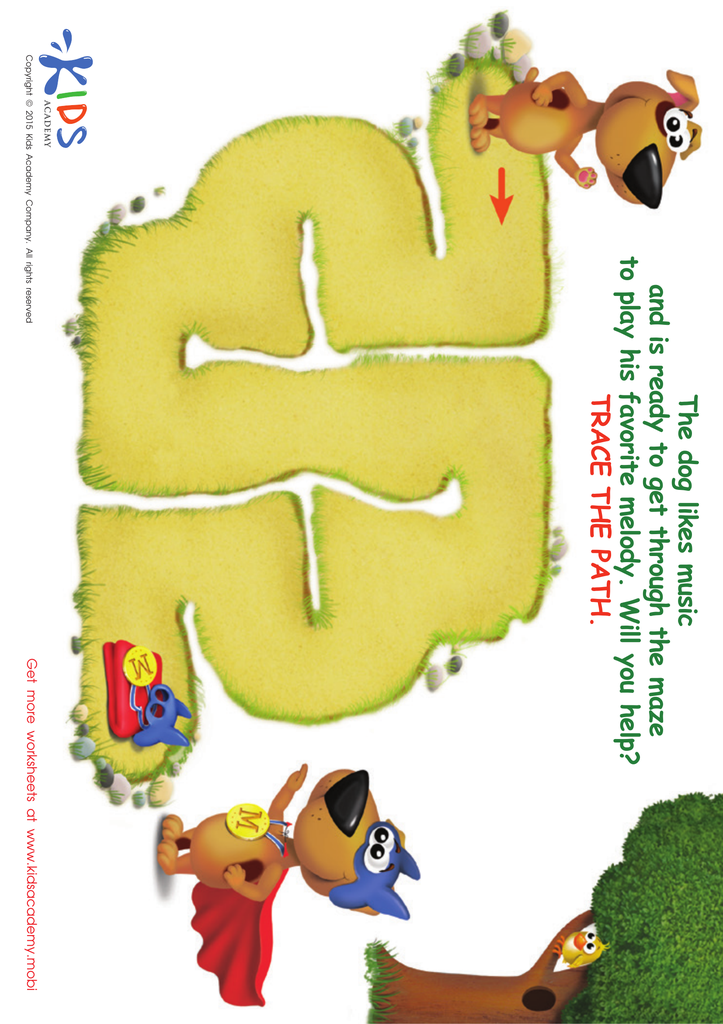
Superman Maze Worksheet
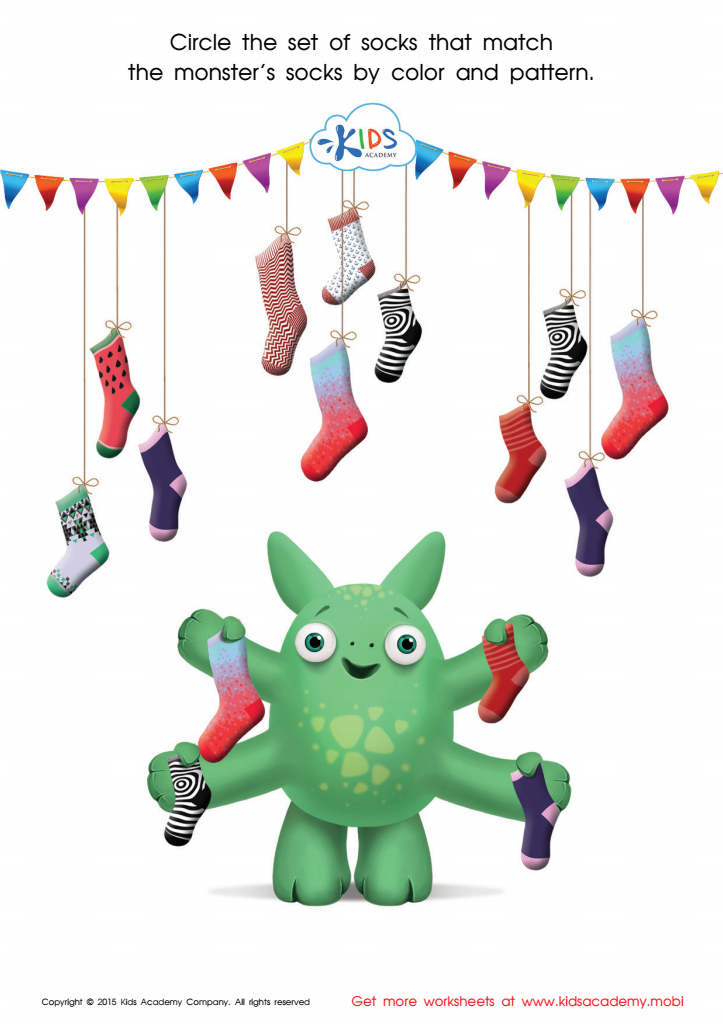
Sort the Monster's Socks Worksheet
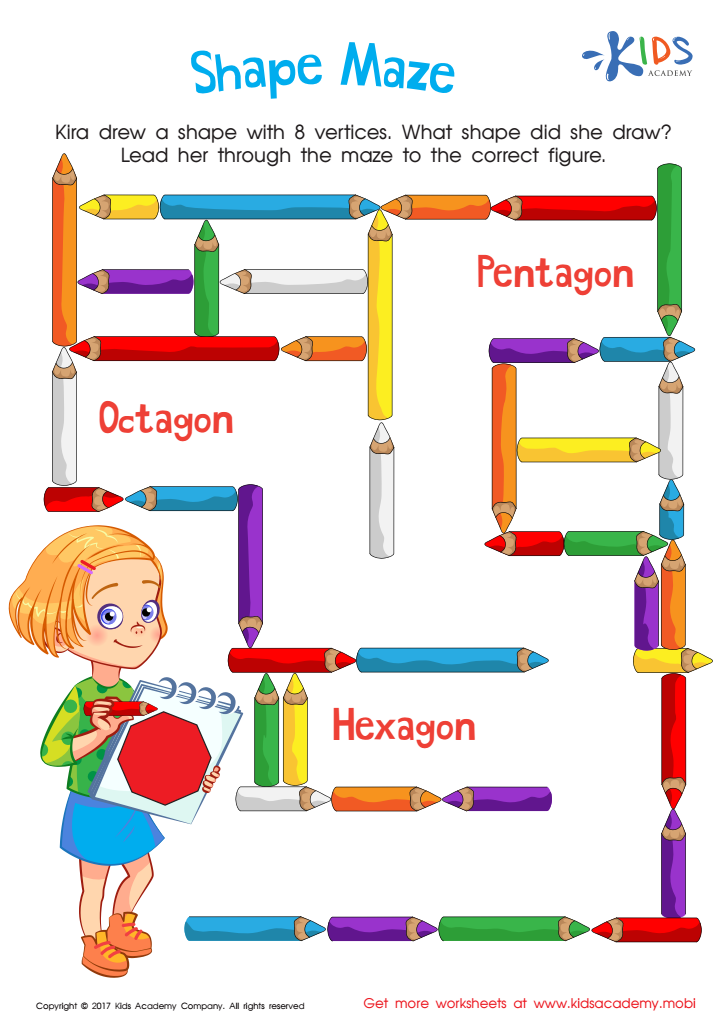
Shape Maze Worksheet
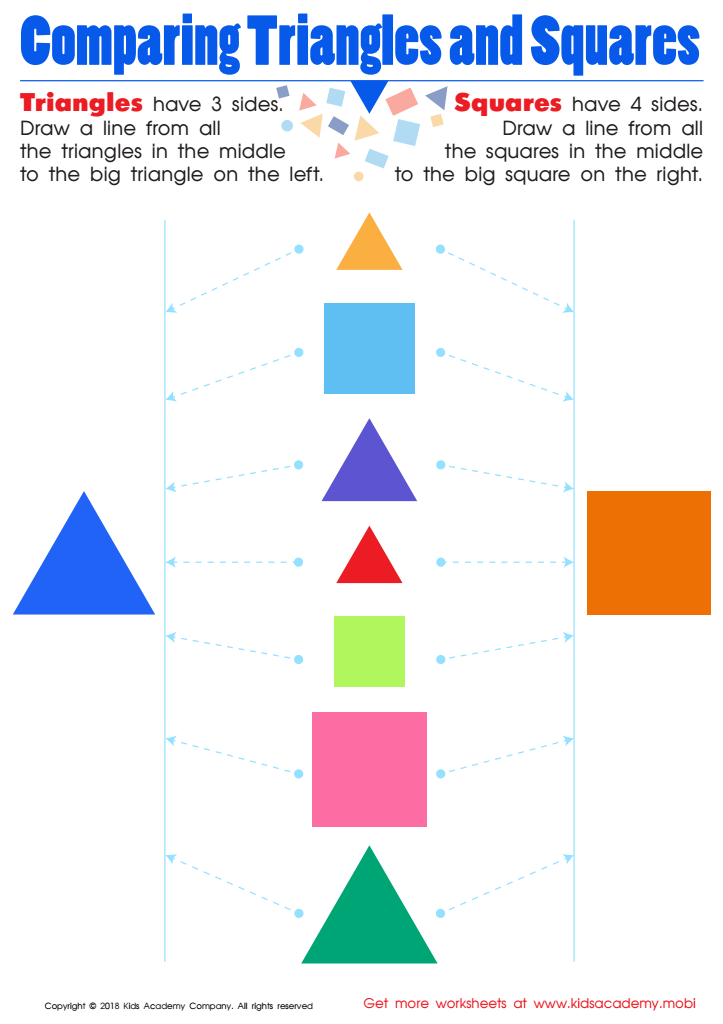
Comparing Triangles Squares Worksheet
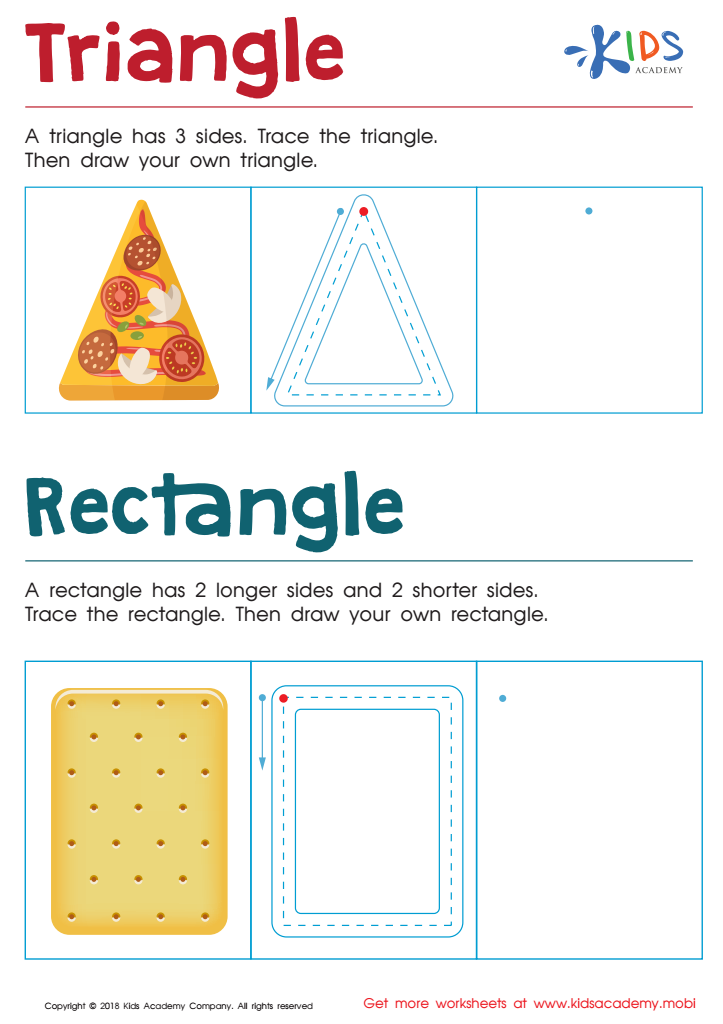
Triangle Rectangle Worksheet
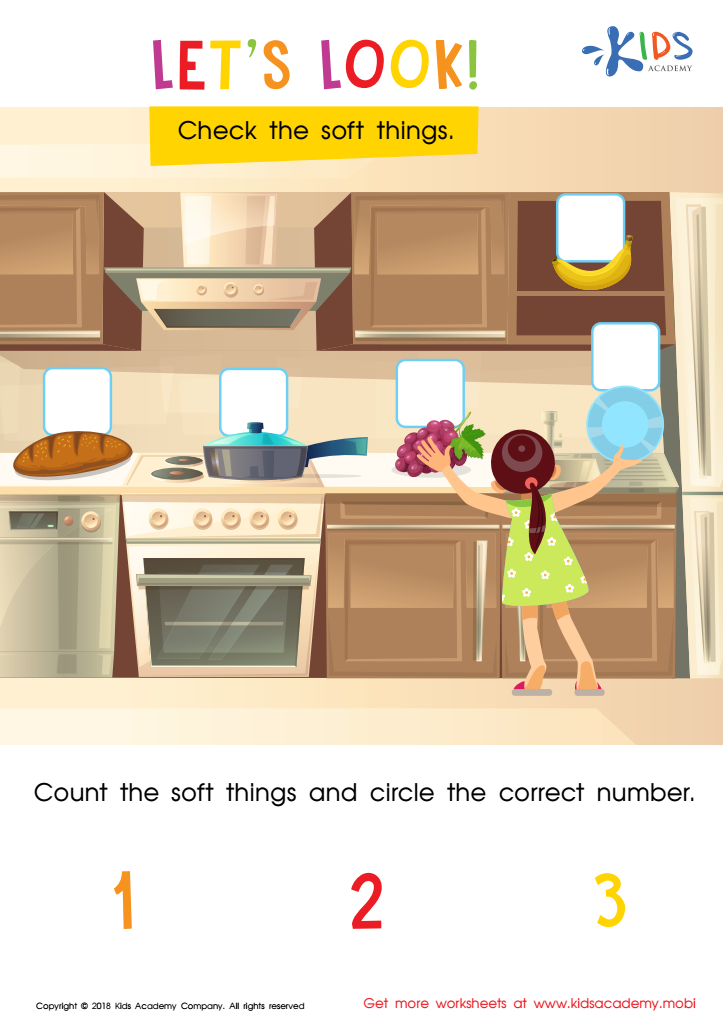
Let's Look! Assessment Worksheet
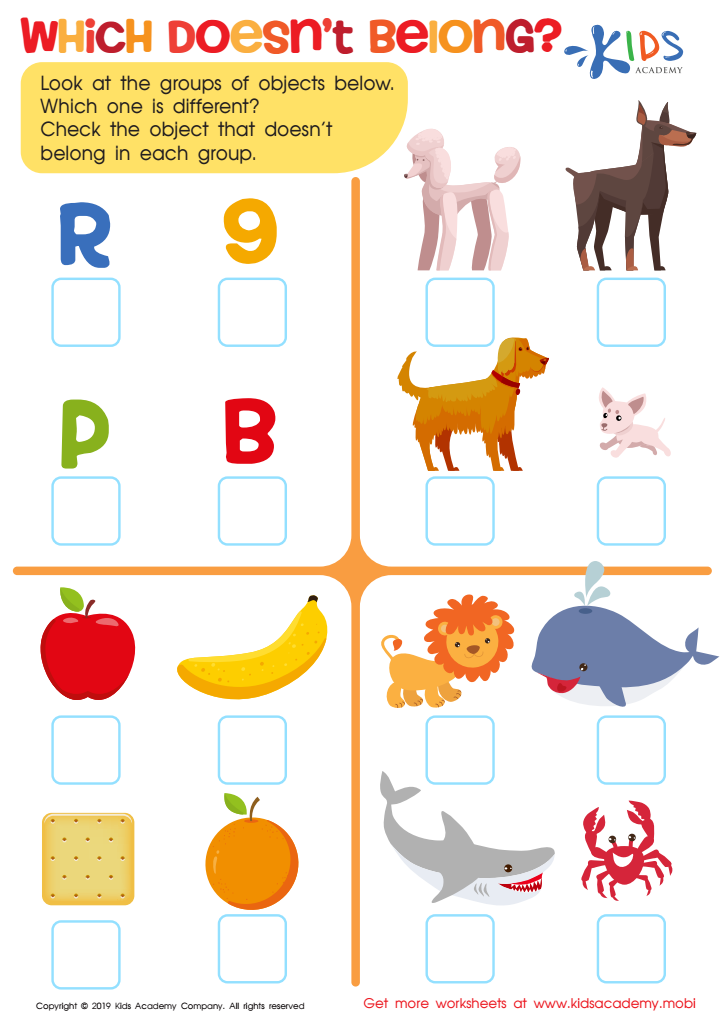
Which Doesn't Belong? Worksheet
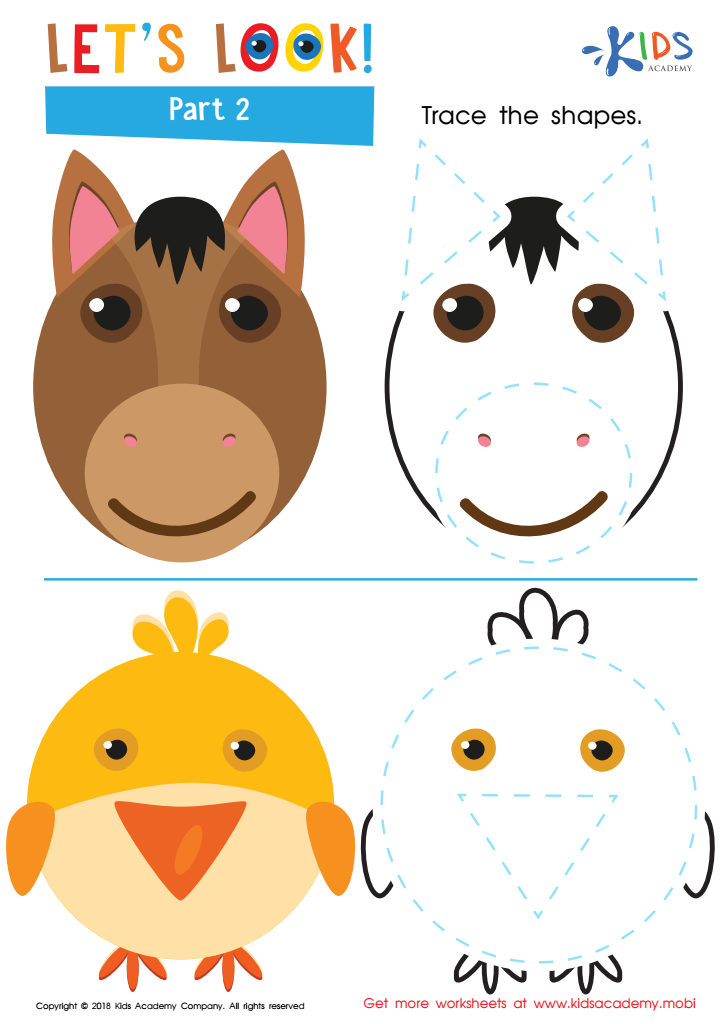
Let's Look! Part 2 Worksheet
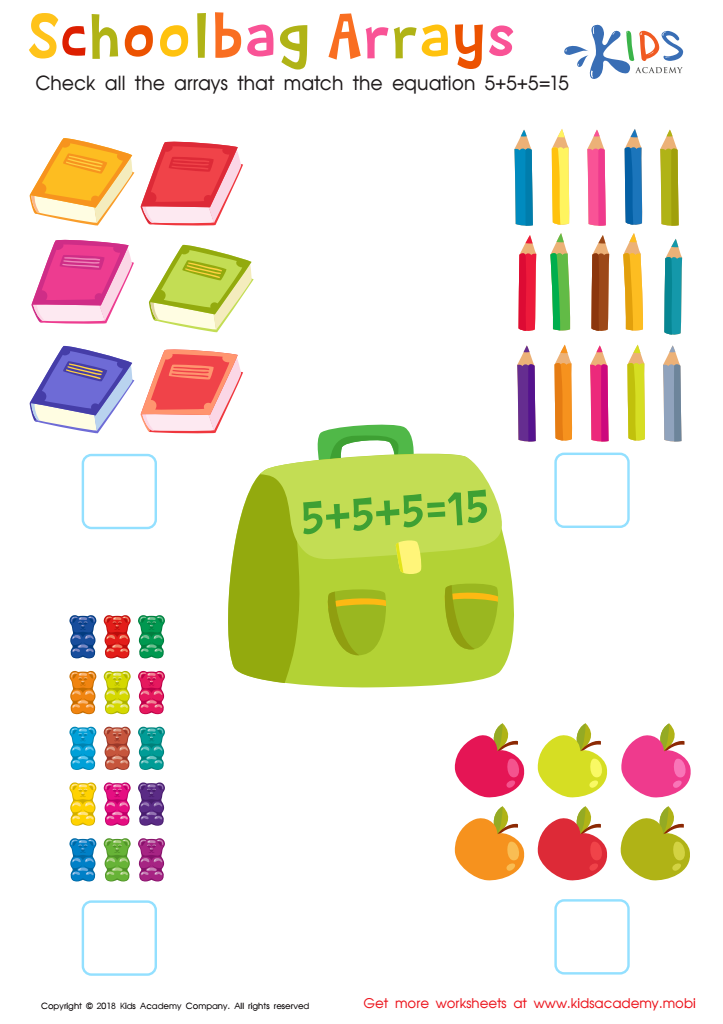
Schoolbag Arrays Worksheet
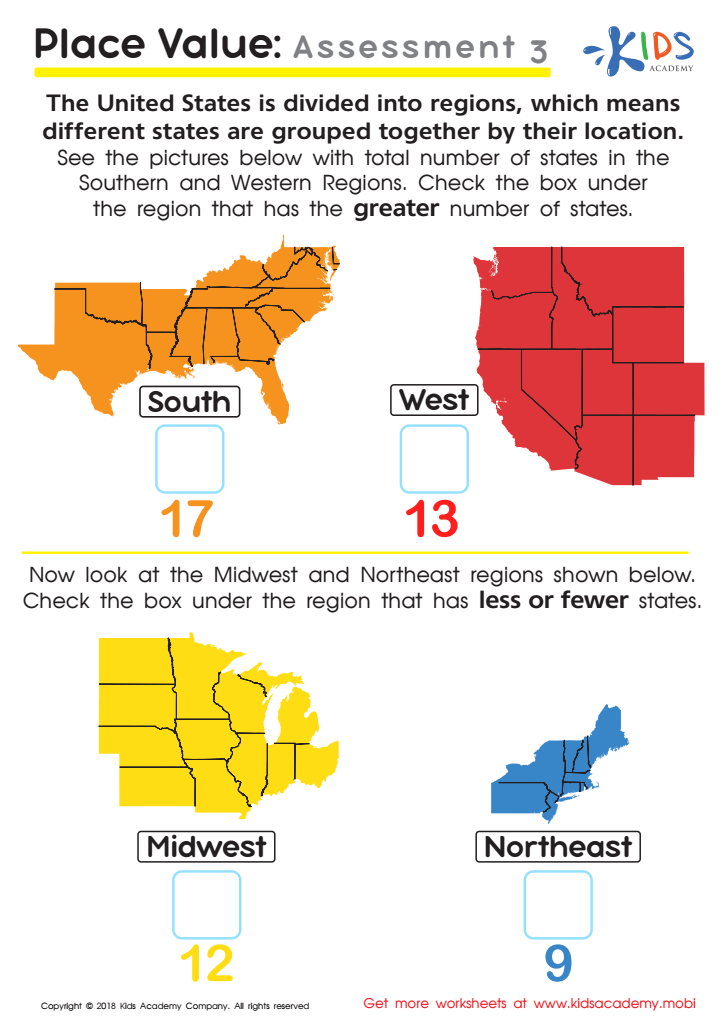
Place Value: Assessment 3 Worksheet
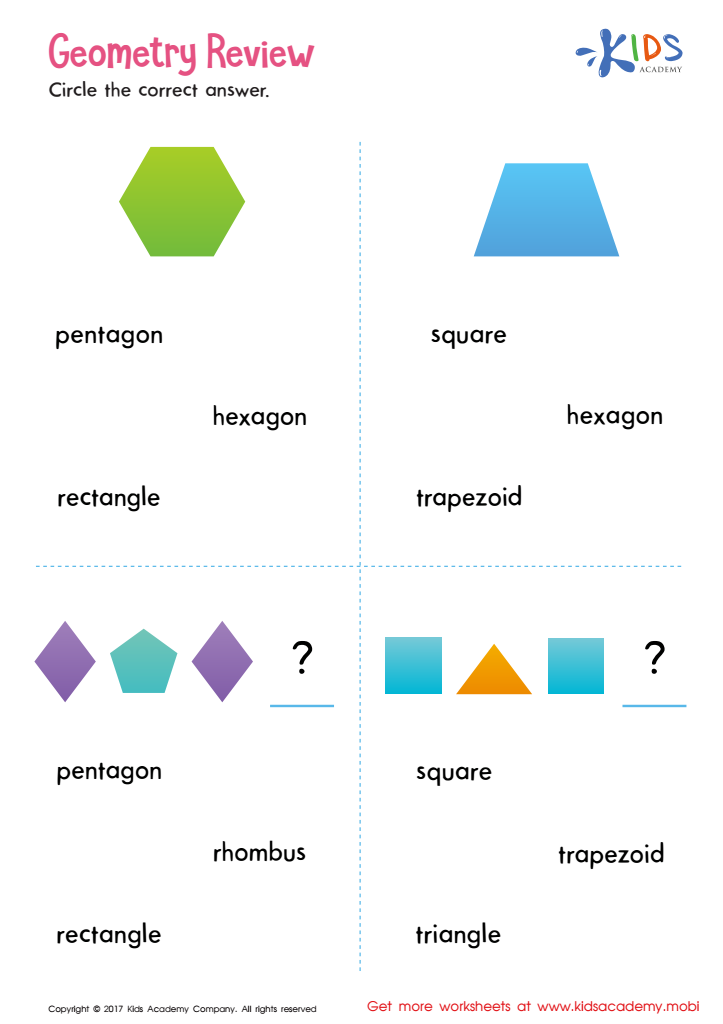
Geometry Review Printable
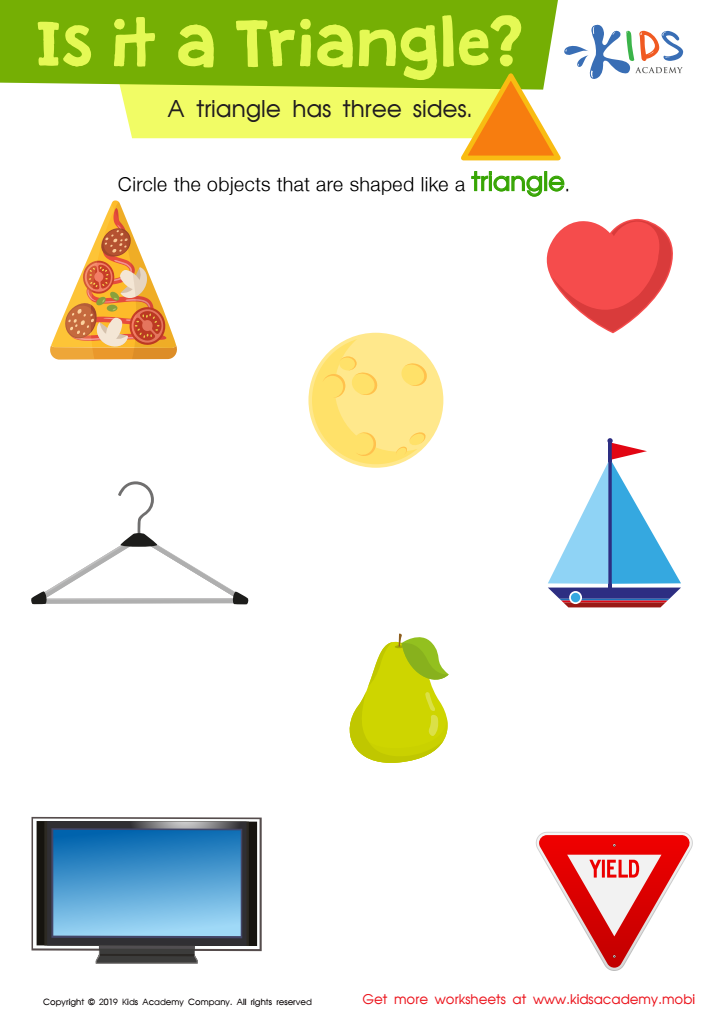
Is It a Triangle? Worksheet




.jpg)

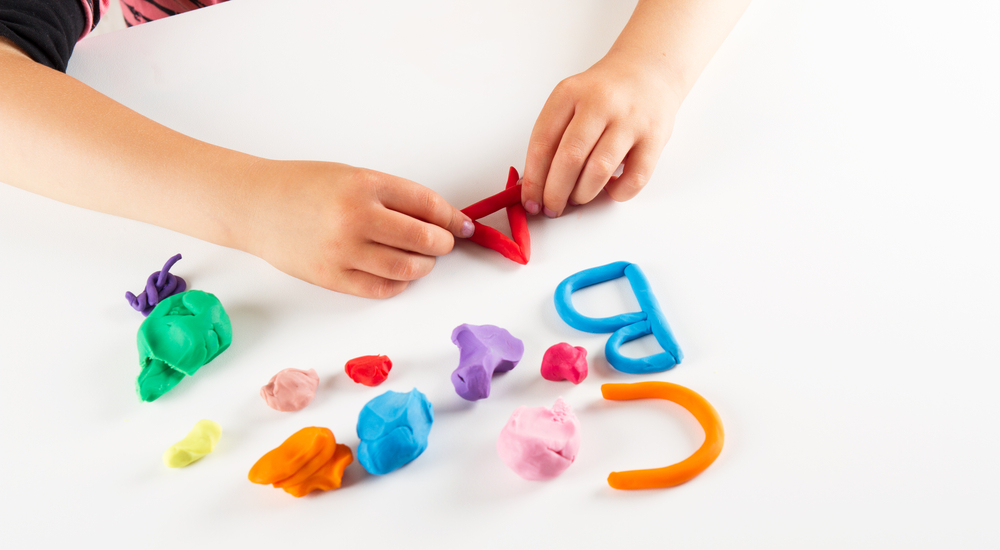

Shape identification is crucial for children aged 3-9, as it serves as a foundational skill for their cognitive development and early mathematical understanding. Recognizing shapes helps children make sense of the world around them, fostering spatial awareness and promoting critical thinking skills. Moreover, the process of sorting, naming, and comparing shapes encourages vocabulary expansion and language development, integral aspects of early education.
Engaging with shapes also enhances fine motor skills through activities like drawing and building, which are significant at this developmental stage. Additionally, shape recognition aids problem-solving abilities and literacy, laying the groundwork for future academic success in subjects such as geometry and visual arts.
For parents and teachers, fostering an environment where shape identification is prioritized can lead to a comprehensive educational experience. Utilizing playful activities, such as games and hands-on manipulations, contributes to positive engagement and enjoyment in learning. Consequently, children develop confidence as they explore new concepts, ultimately fostering a lifelong love for learning. By caring about shape identification, adults encourage a holistic approach to education that supports creativity, analytical thinking, and essential life skills, preparing kids for further academic challenges and everyday situations.








