Understanding subtraction Worksheets for Ages 3-9
22 filtered results
-
From - To
Explore our "Understanding Subtraction Worksheets for Ages 3-9" designed to make learning subtraction engaging and effective! These resources offer a variety of interactive worksheets that cater to young learners, helping them grasp the fundamental concept of subtraction through fun and relatable exercises. Students will enjoy colorful visuals, guided exercises, and practical real-life scenarios that encourage problem-solving skills. Our worksheets are perfect for home or classroom use, aiding teachers and parents in supporting their child's mathematical journey. Help foster confidence in subtraction with our thoughtfully crafted materials, ensuring that children not only learn but also enjoy every step of the process!
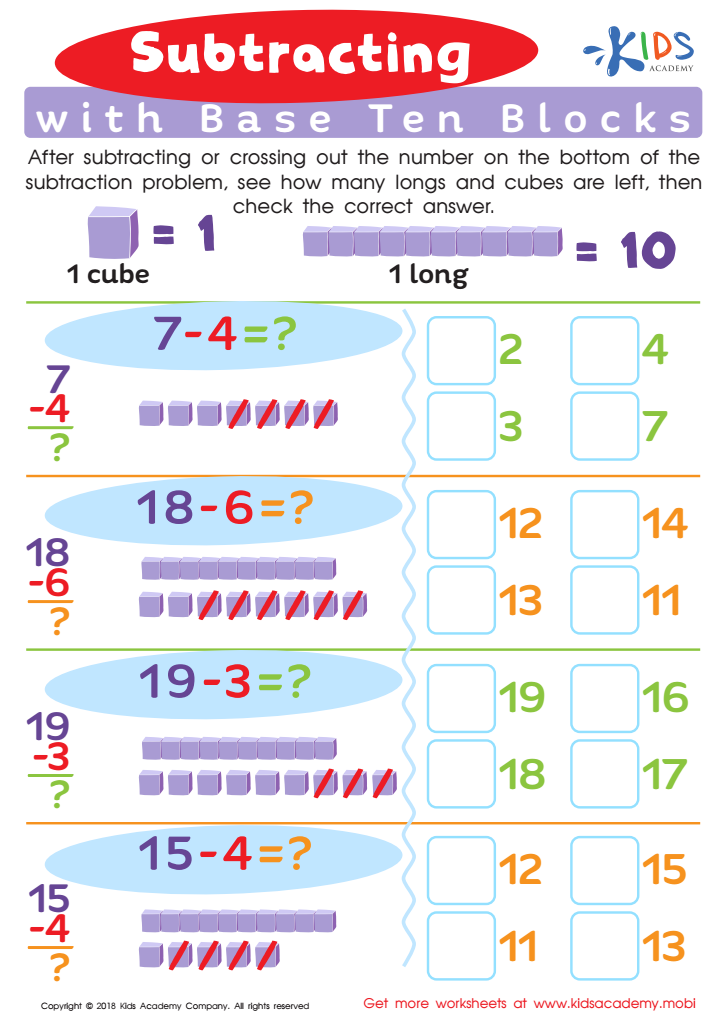
Subtracting With Base 10 Blocks Worksheet
 Assign to My Students
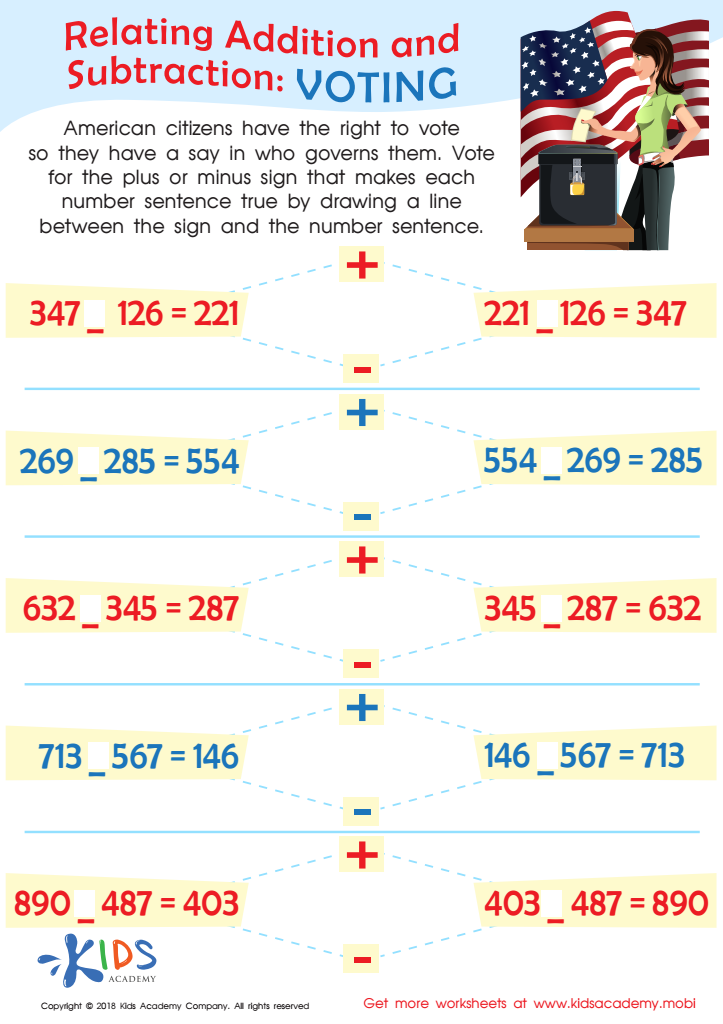
Voting Worksheet
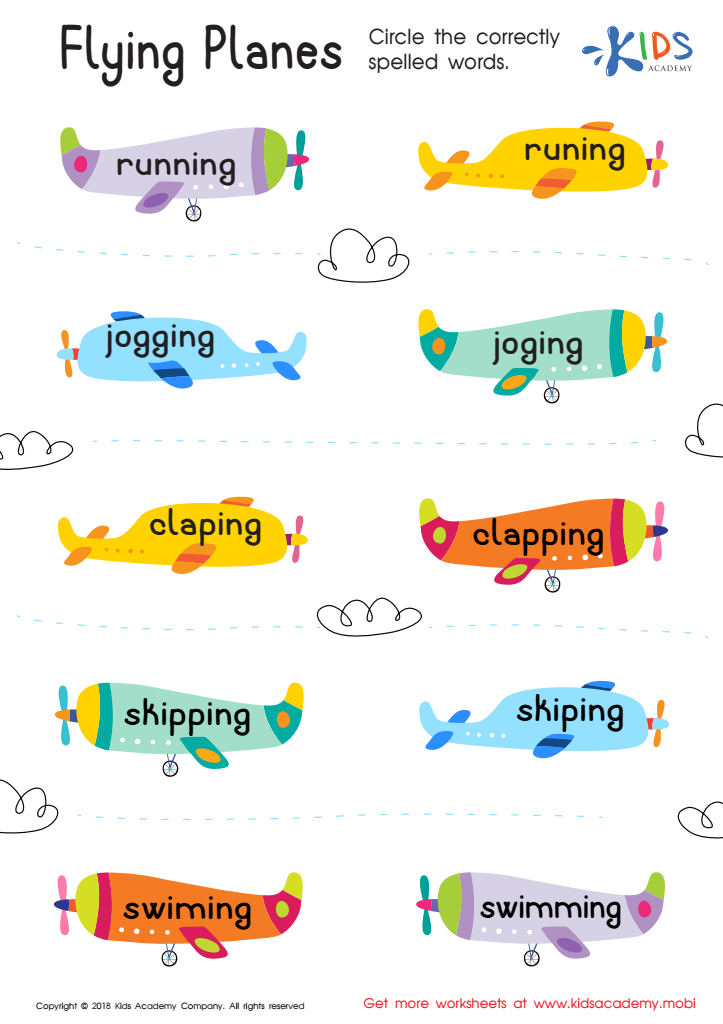
Flying Planes Worksheet
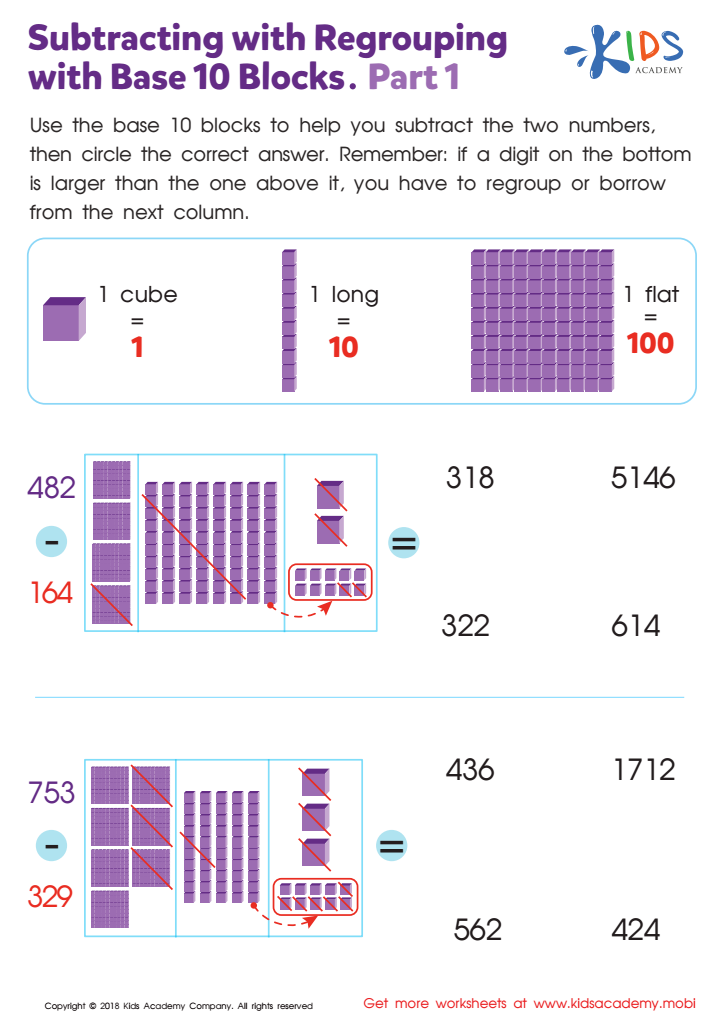
Subtracting with Regrouping with Base 10 Blocks. Part1 Worksheet
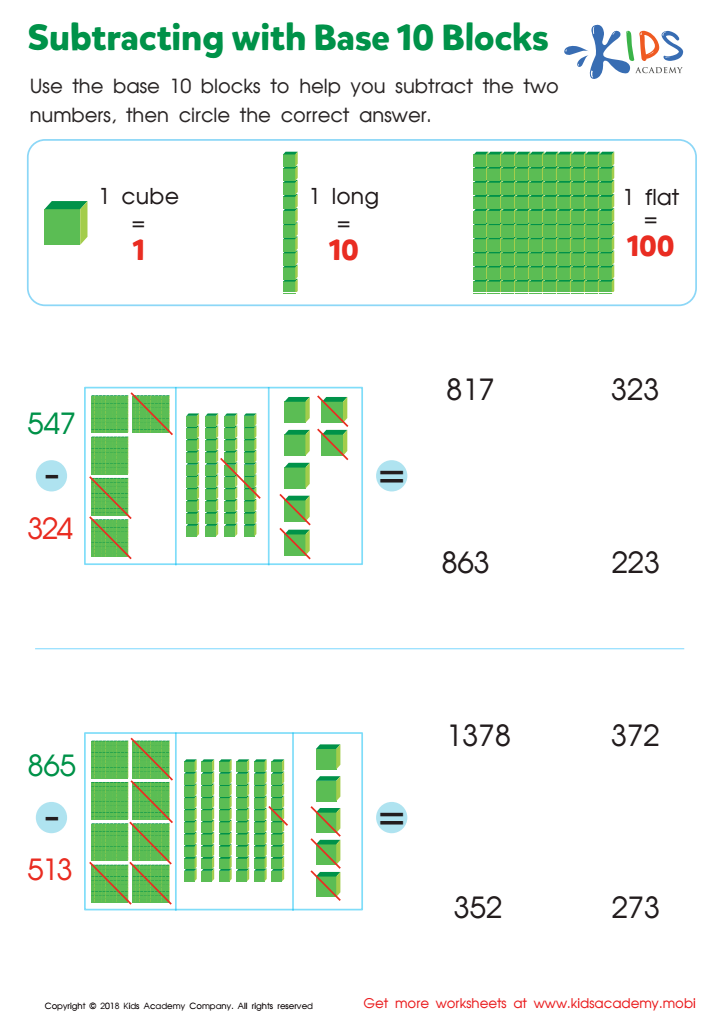
Subtracting with Base 10 Blocks Worksheet
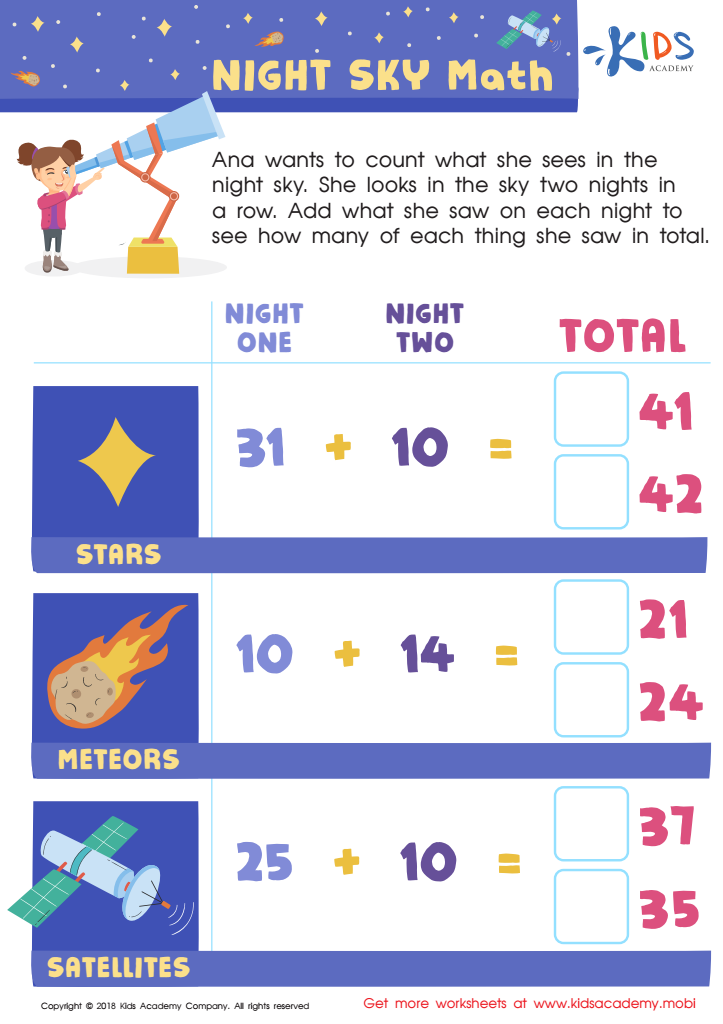
Night Sky Math Worksheet
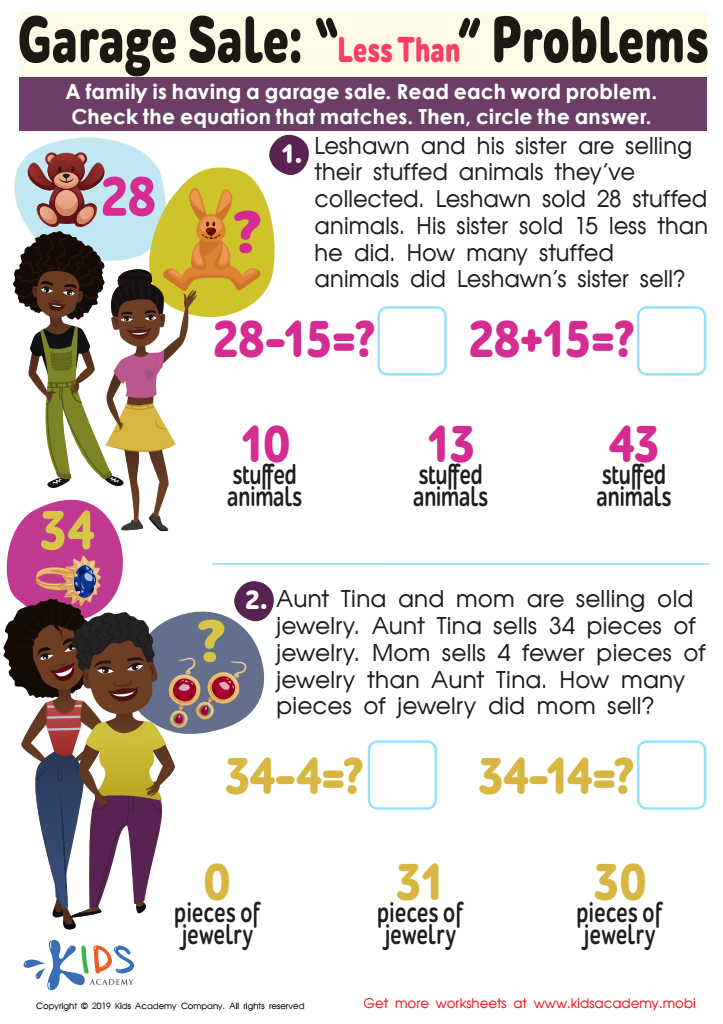
Garage Sale Less Than Worksheet
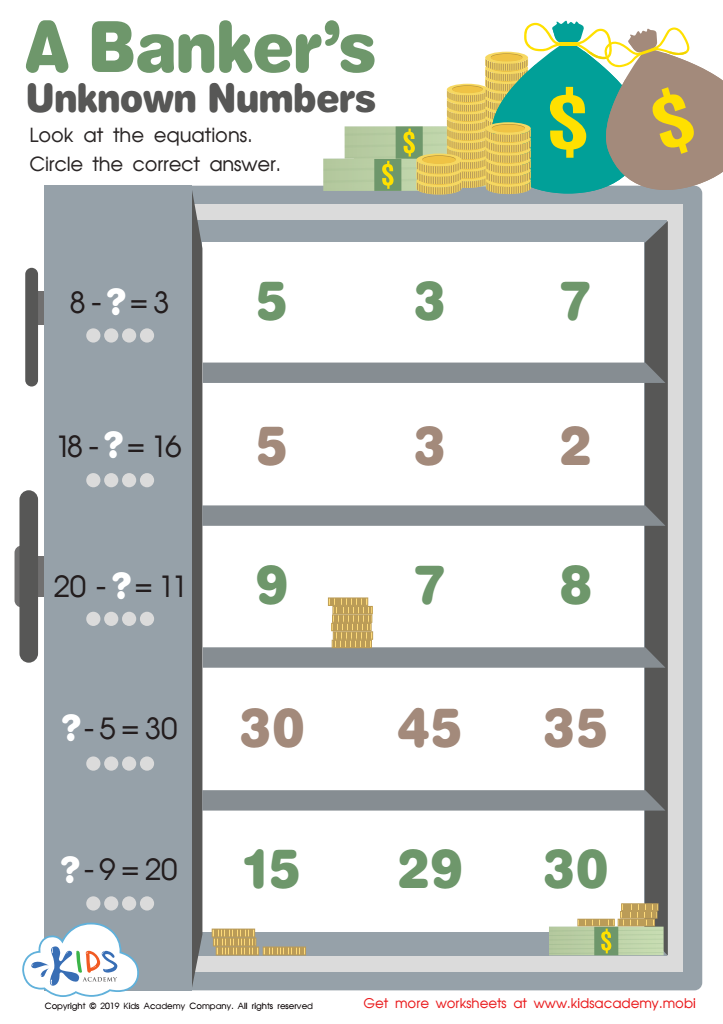
A Banker's Unknown Numbers Worksheet
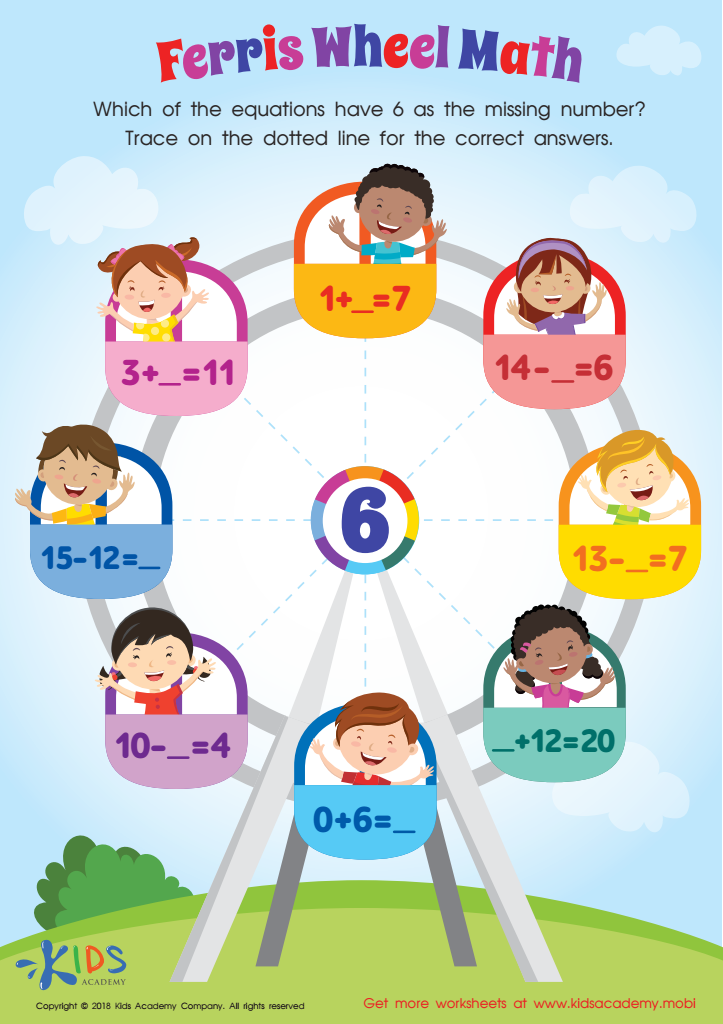
Missing Number: Ferris Wheel Math Worksheet
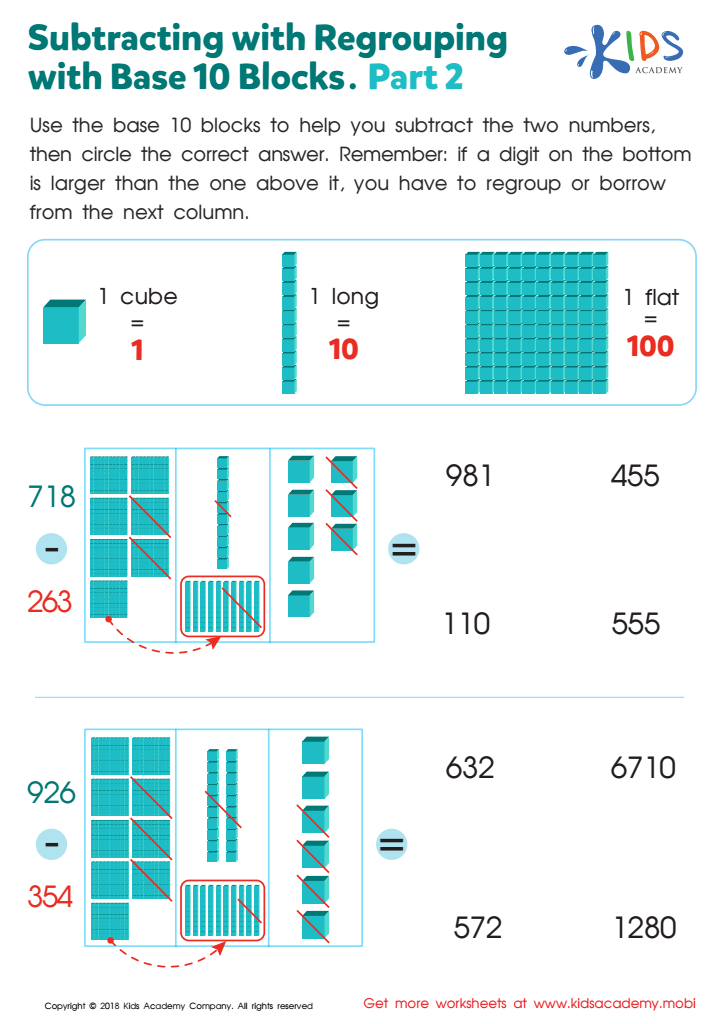
Subtracting with Regrouping with Base 10 Blocks. Part 2 Worksheet
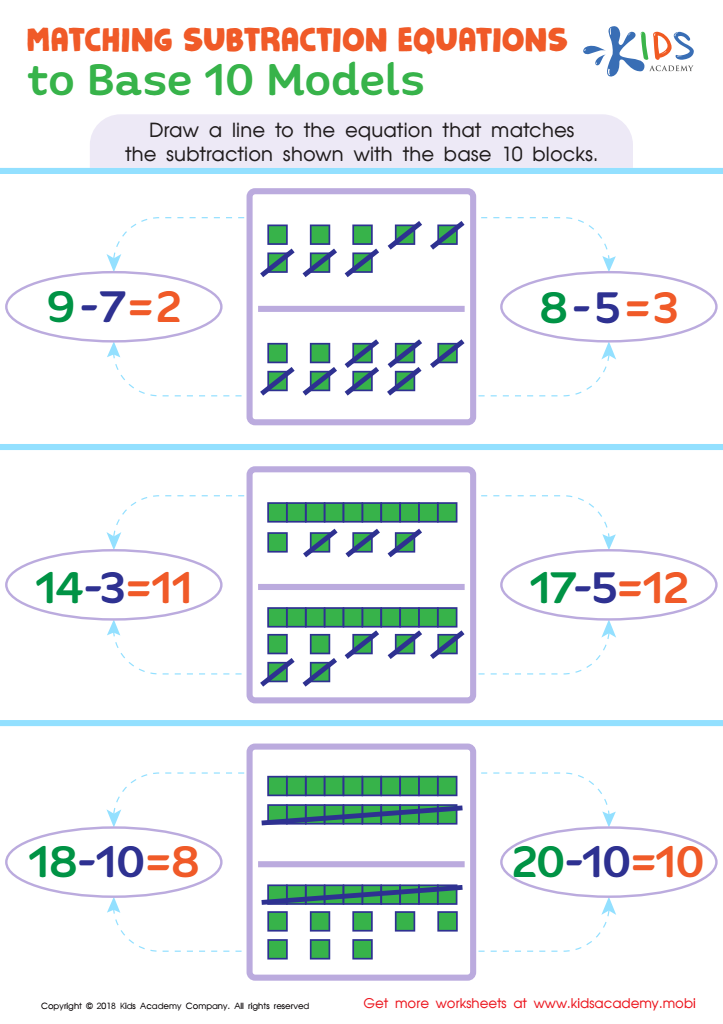
Matching Subtraction Equations To Base 10 Models Worksheet
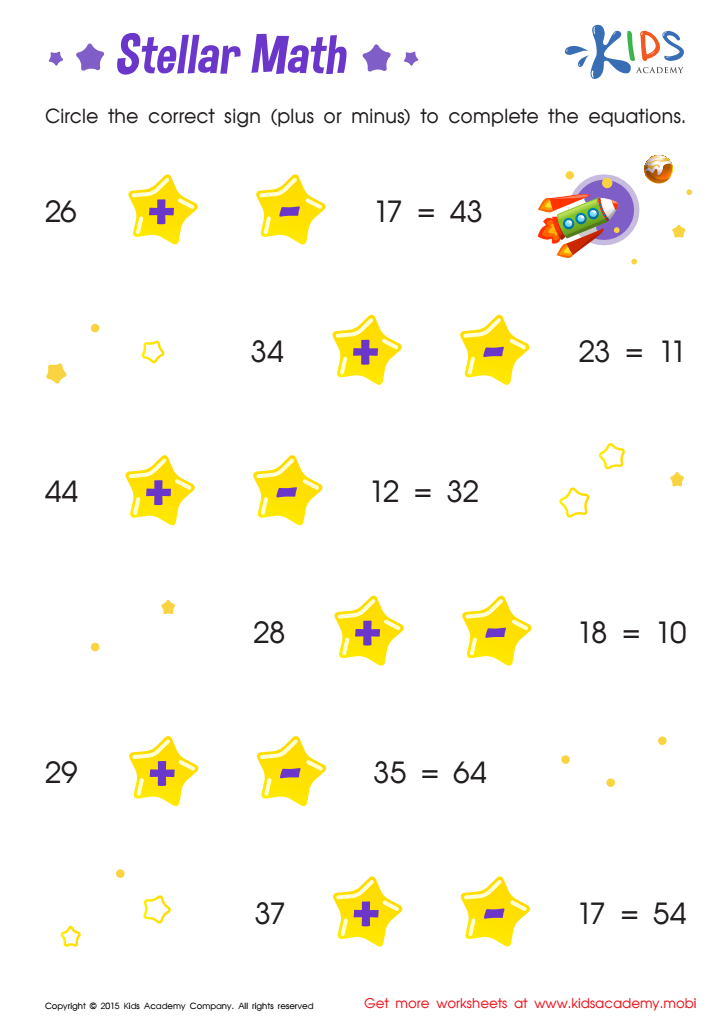
Stellar Math Substraction Worksheet
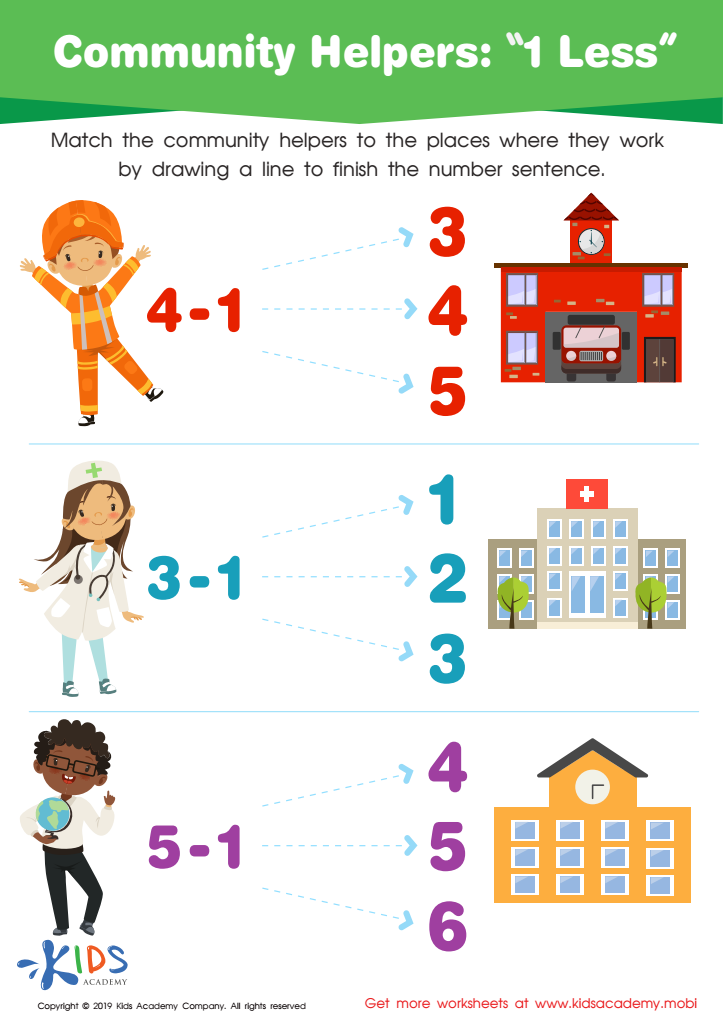
Community Helpers: 1 less Worksheet
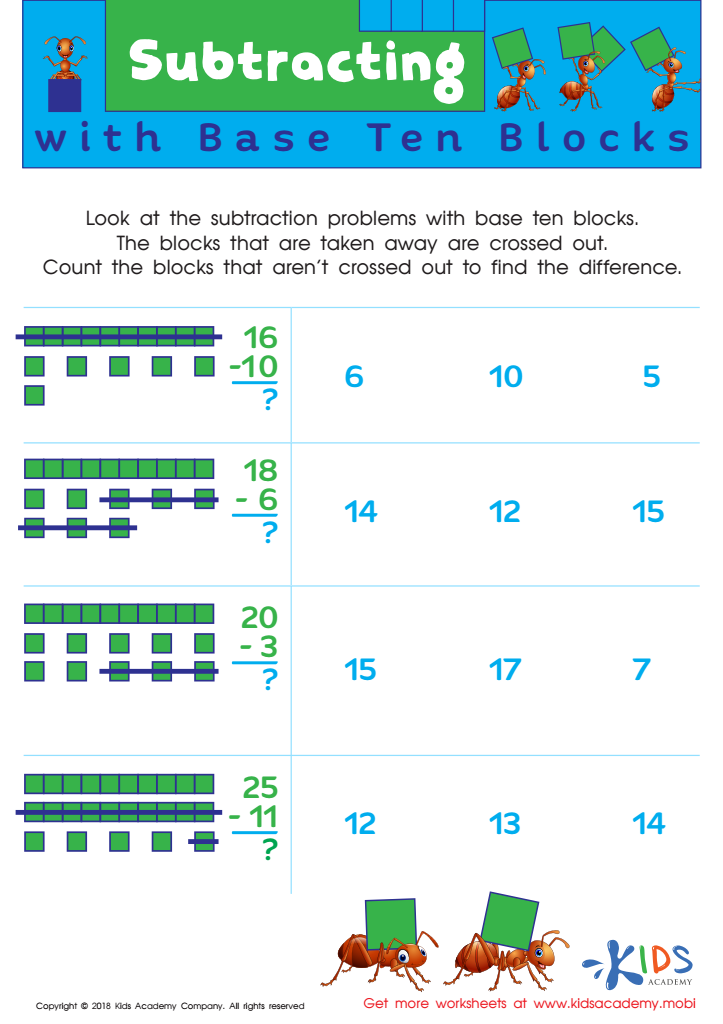
Subtracting with Base Blocks Worksheet
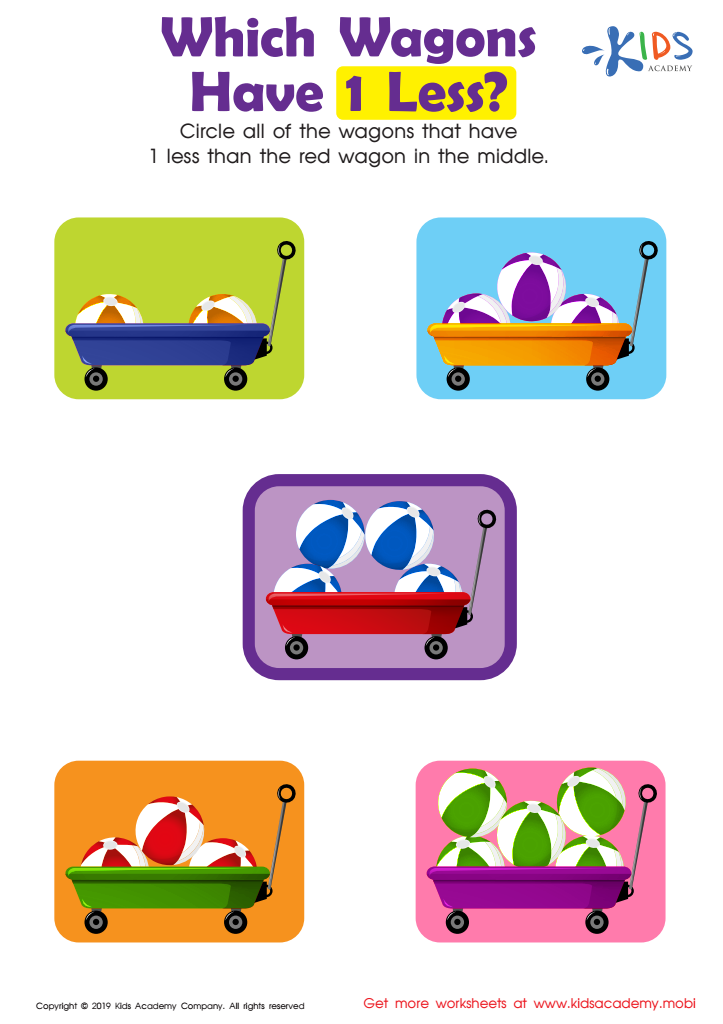
Which Wagons Have 1 Less? Worksheet
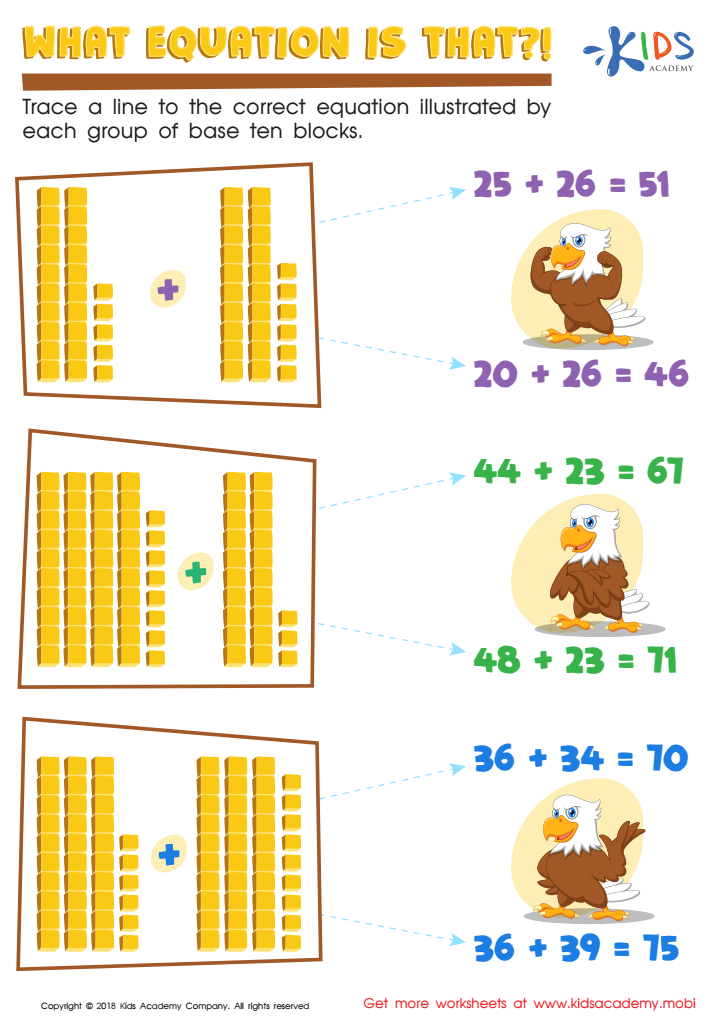
What Equation Is That? Worksheet
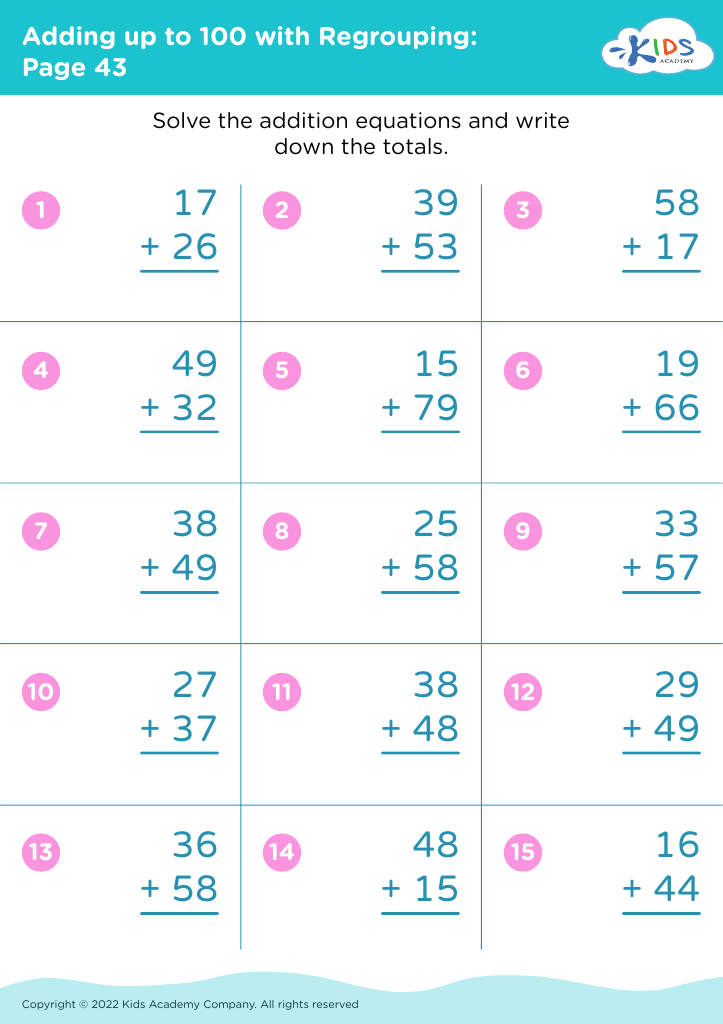
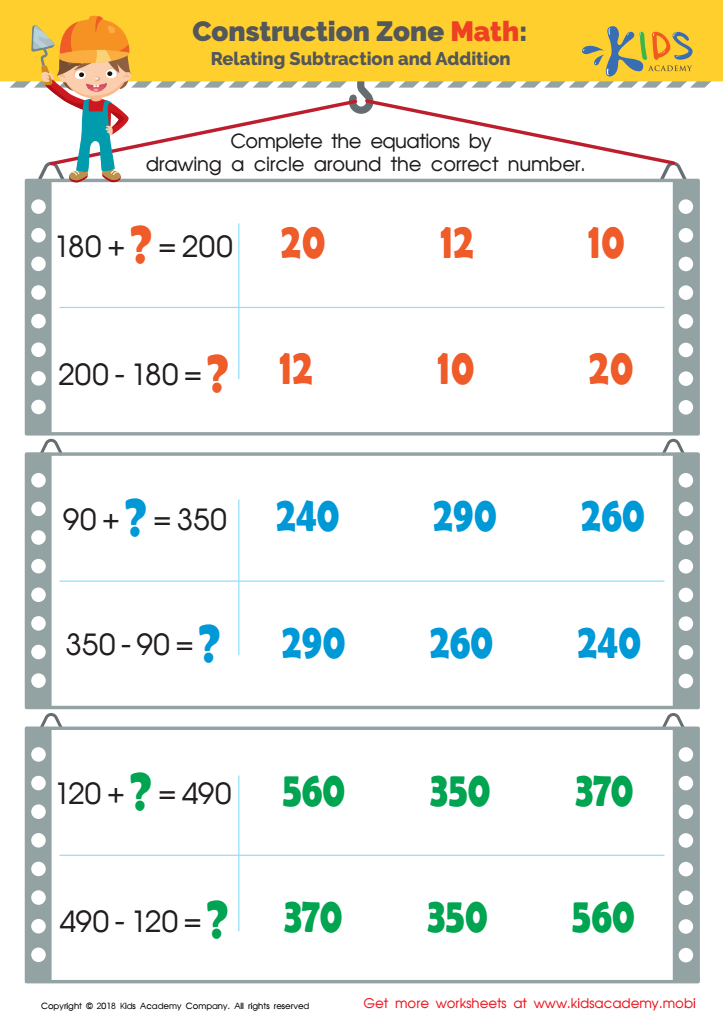
Construction Zone Math: Relating Subtraction and Addition Worksheet





Understanding subtraction is essential for children aged 3-9 as it lays the foundation for their mathematical competency. At this stage, children begin to develop critical thinking and problem-solving skills. Subtraction is not just about reducing quantities; it's about grasping relationships, comparisons, and the concept of "taking away," which enhances their cognitive development.
Furthermore, mastering subtraction aids in understanding more complex mathematical operations later, such as addition, multiplication, and division. Early comprehension helps avoid learning gaps that can affect future academic performance. This understanding also allows children to relate math to everyday situations, fostering a practical approach to learning.
Moreover, engaging parents and teachers in this understanding encourages a supportive learning environment. It promotes a collaborative approach where adults can guide children through fun activities involving subtraction, making the learning process enjoyable. When children confidently handle basic subtraction, their self-esteem builds, leading to a positive attitude towards math, critical for long-term academic success.
In summary, promoting subtraction skills at this young age is vital for cognitive development, future mathematical success, and fostering a positive relationship with learning, making it crucial for parents and teachers to invest time in this area.








