Reading comprehension Addition and Subtraction Word Problems Worksheets for Ages 3-9
12 filtered results
-
From - To
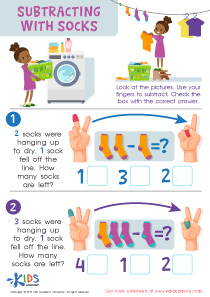
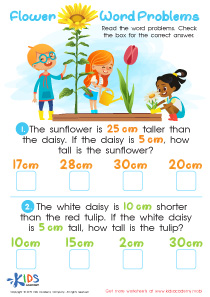
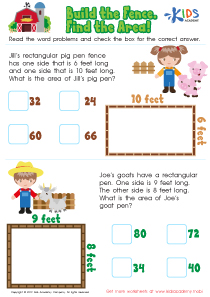
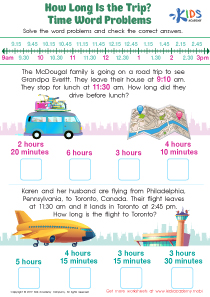
Explore our engaging Reading Comprehension Addition and Subtraction Word Problems Worksheets designed specifically for children aged 3 to 9. These worksheets aim to enhance young learners' math skills while simultaneously boosting their reading comprehension. Each problem is thoughtfully crafted to encourage critical thinking as children interpret playful scenarios and apply addition and subtraction concepts. Perfect for home or classroom use, these worksheets support a well-rounded education by blending literacy with math fluency. Help your child build confidence and proficiency in solving word problems in a fun and interactive manner. Get ready to make math enjoyable and captivating for your little ones!
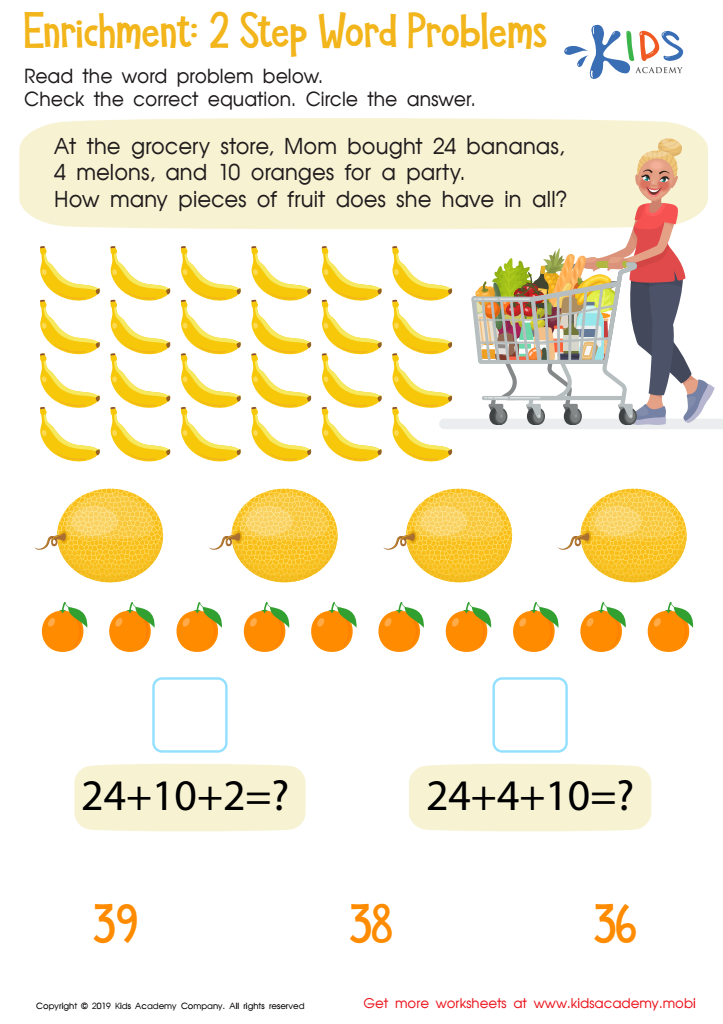
Enrichment -2 Step Word Problems Worksheet
 Assign to My Students
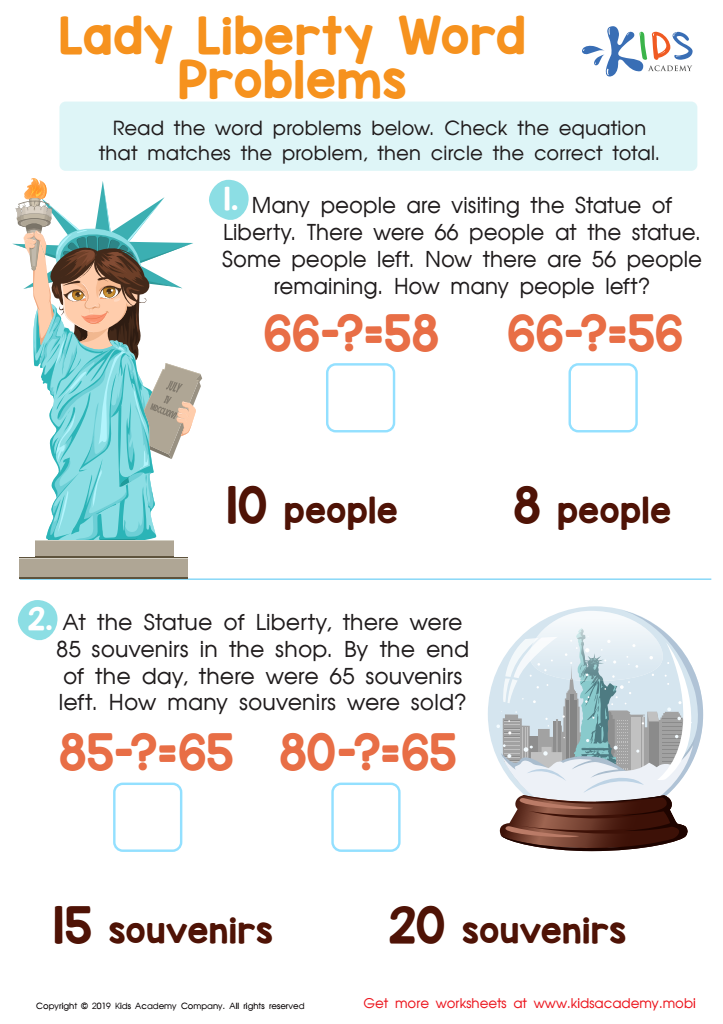
Lady Liberty Worksheet
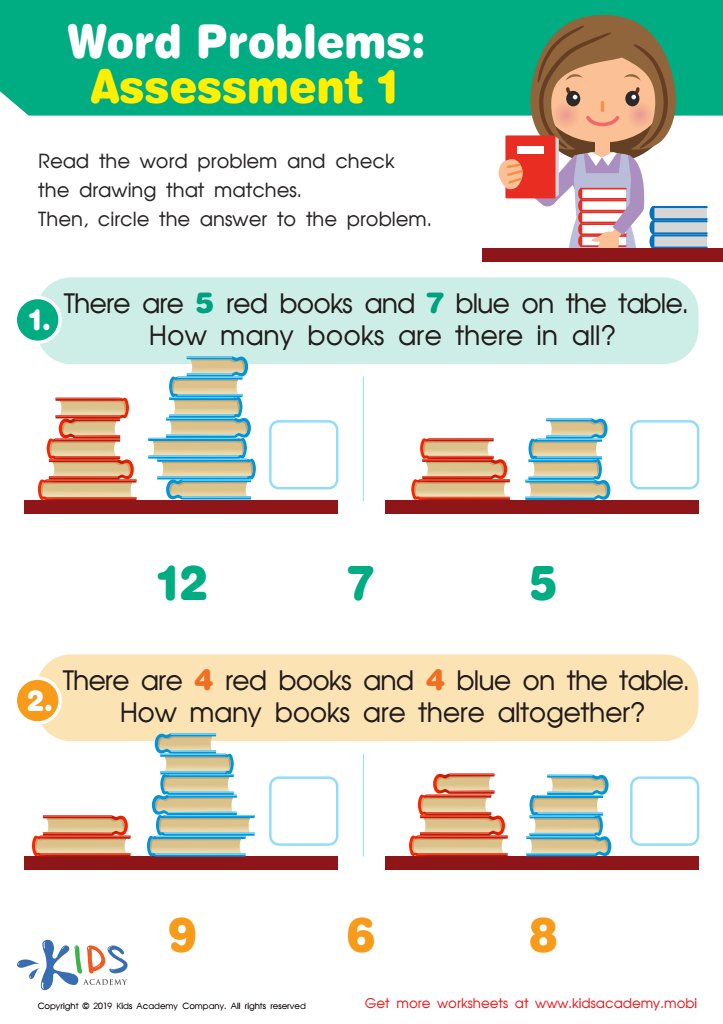
Word Problems: Assessment 1 Worksheet
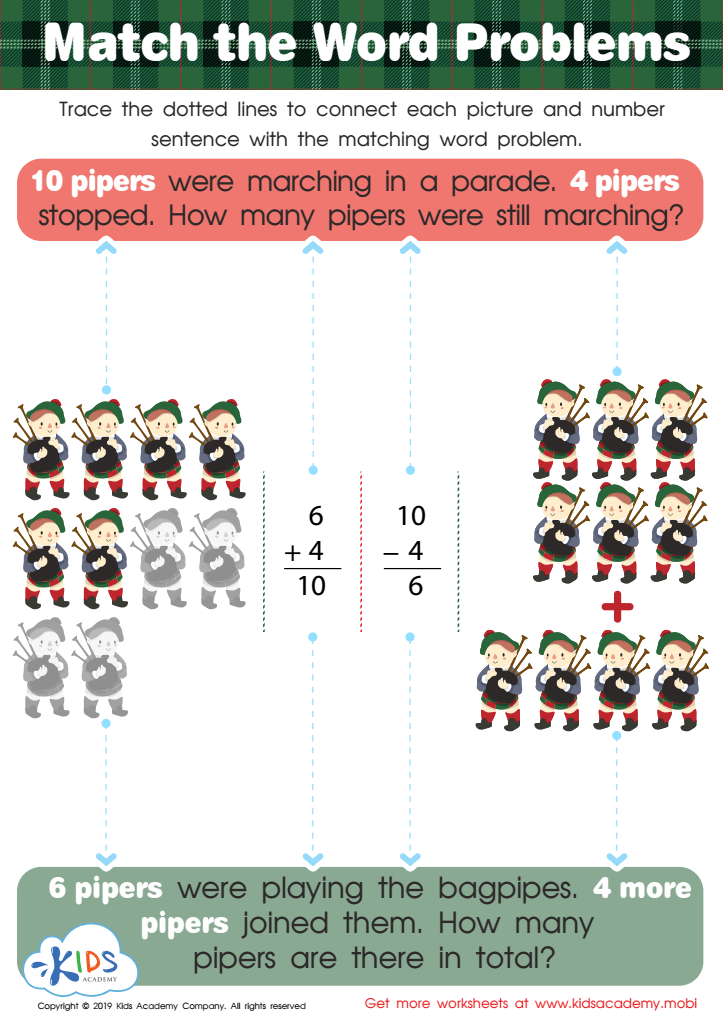
Match the Word Problems Worksheet
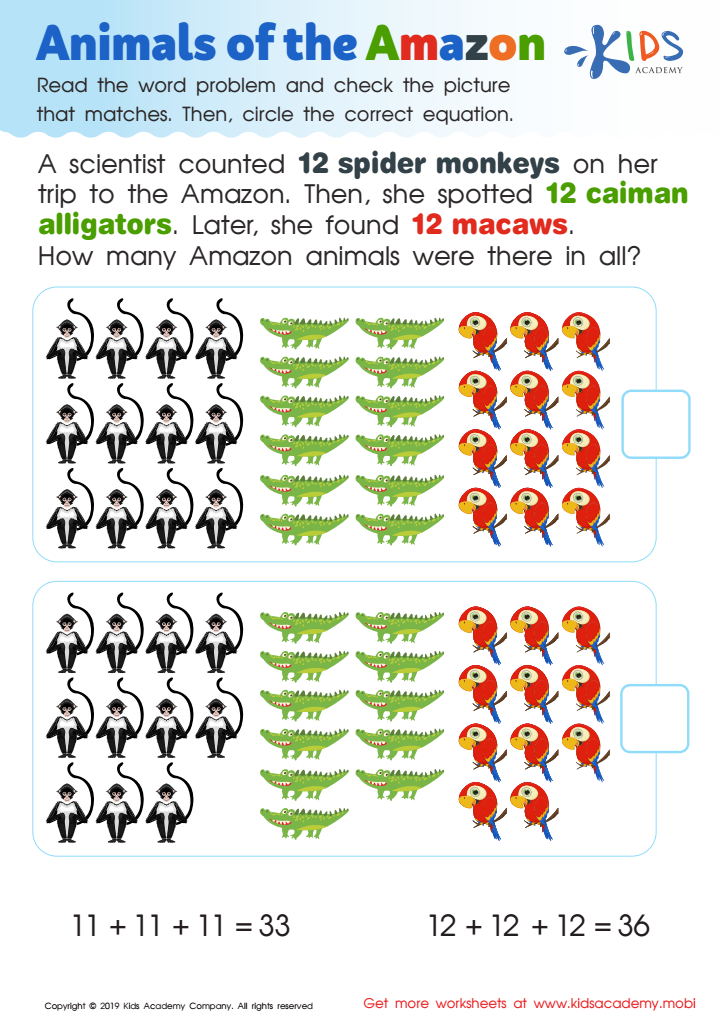
Animals of Amazon Worksheet
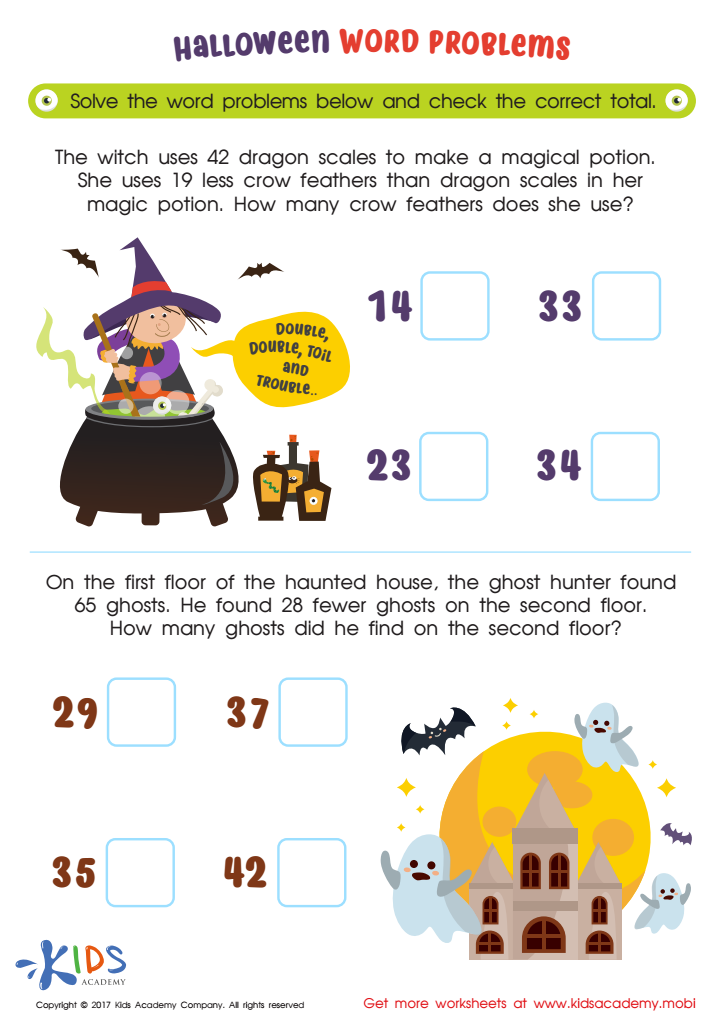
Halloween Word Problems Printable
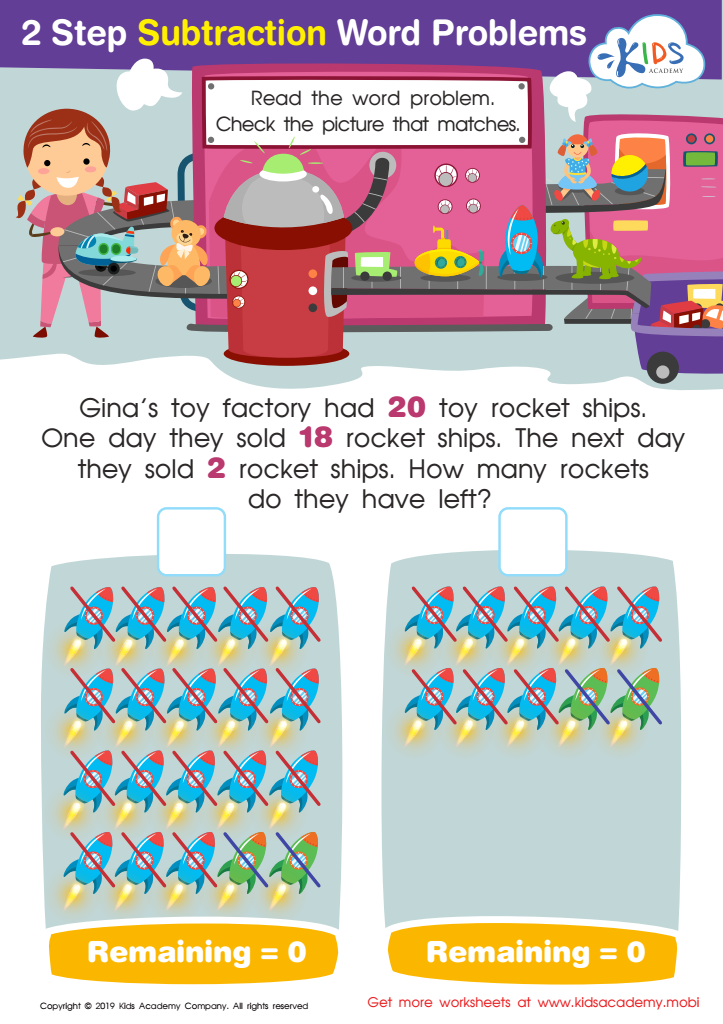
Step Subtraction Word Problems Worksheet
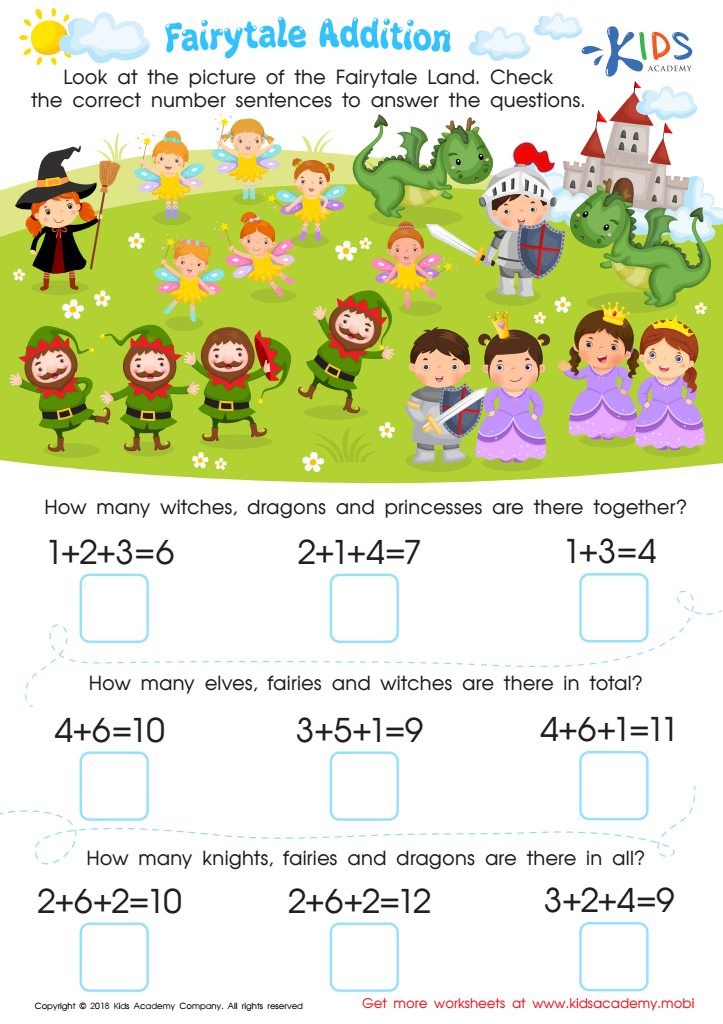
Fairytale Addition Worksheet
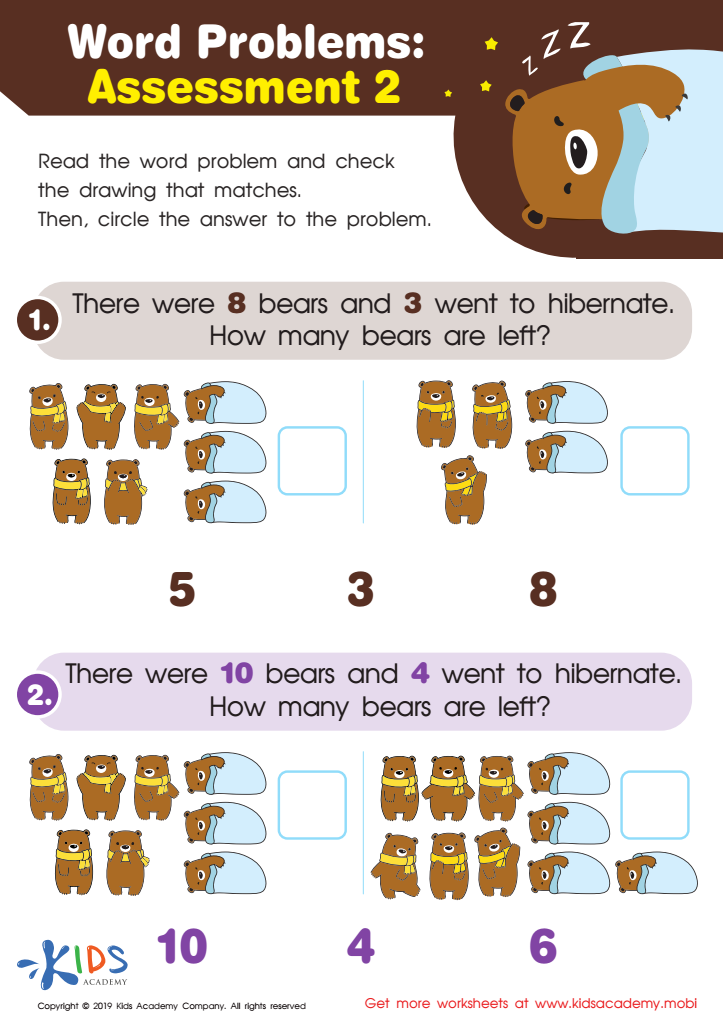
Word Problems: Assessment 2 Worksheet
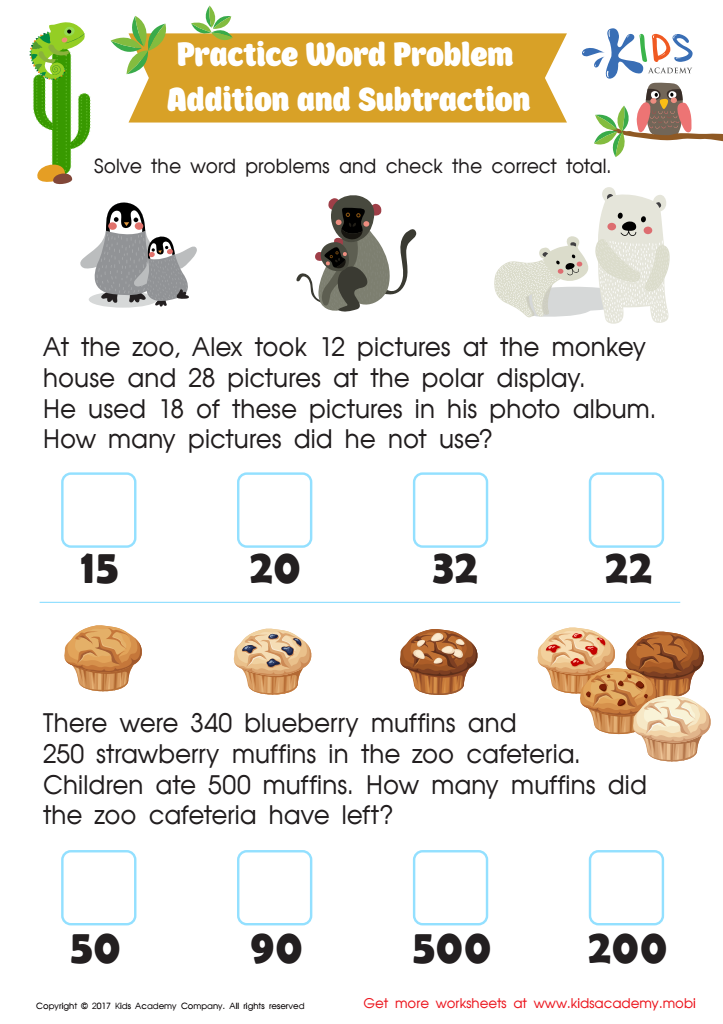
Addition and Subtraction: Word Problems Worksheet
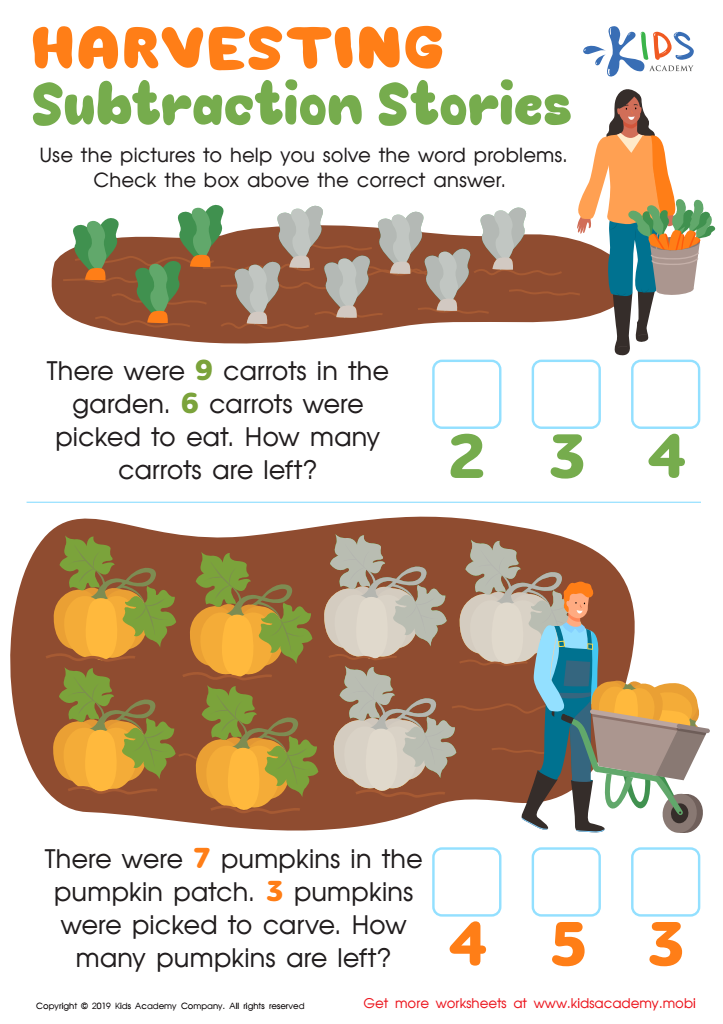
Harvesting Subtraction Stories Worksheet
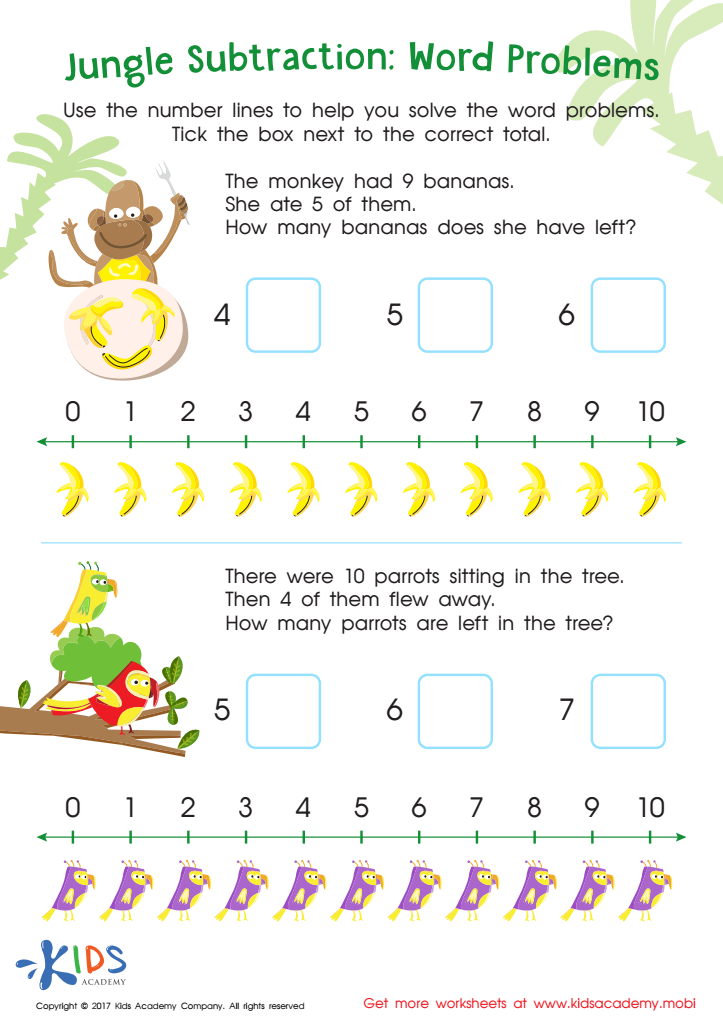
Jungle Subtraction Word Problems Substraction Worksheet








Reading comprehension plays a crucial role in solving addition and subtraction word problems for children aged 3-9. As educators and parents, understanding this synergy is vital for fostering healthy mathematical and linguistic development in young learners.
Firstly, word problems require children to decode the language before applying mathematical operations. If a child struggles with understanding the words, they will find it difficult to grasp the underlying mathematical concepts, jeopardizing their overall numeracy skills.
Moreover, reading comprehension fosters critical thinking. Children learn to analyze situations, identify relevant information, and formulate logical approaches to tackle problems. This intellectual engagement not only enhances their mathematical abilities but also encourages a love for learning and problem-solving beyond mathematics.
By supporting children's reading comprehension, parents and teachers can create a strong foundation for academic success. Engaging children in age-appropriate reading activities that incorporate mathematical vocabulary will cultivate both their reading and math skills, promoting confidence and competence in both areas.
In summary, nurturing reading comprehension through engaging word problems is essential. It equips children with necessary life skills, bolsters their academic prowess, and prepares them for future learning challenges. Investing in these foundational skills can lead to a solid trajectory toward mastery of mathematics.