Subtraction practice Addition & Subtraction Worksheets for Ages 3-9 - Page 2
77 filtered results
-
From - To
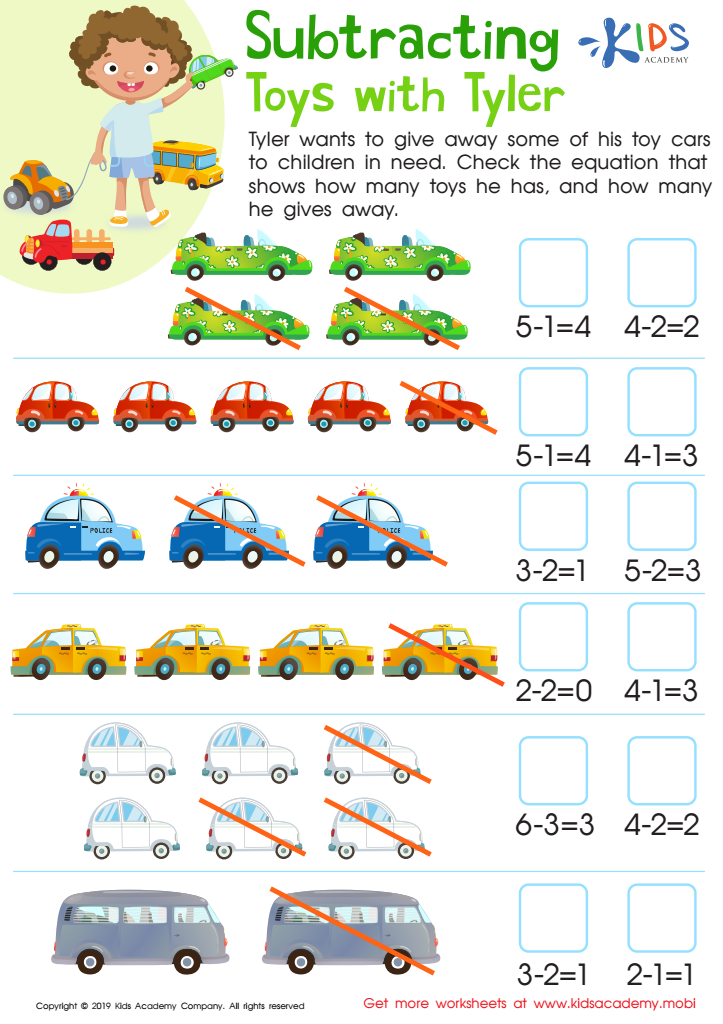
Subtracting Toys with Tyler Worksheet
 Assign to My Students
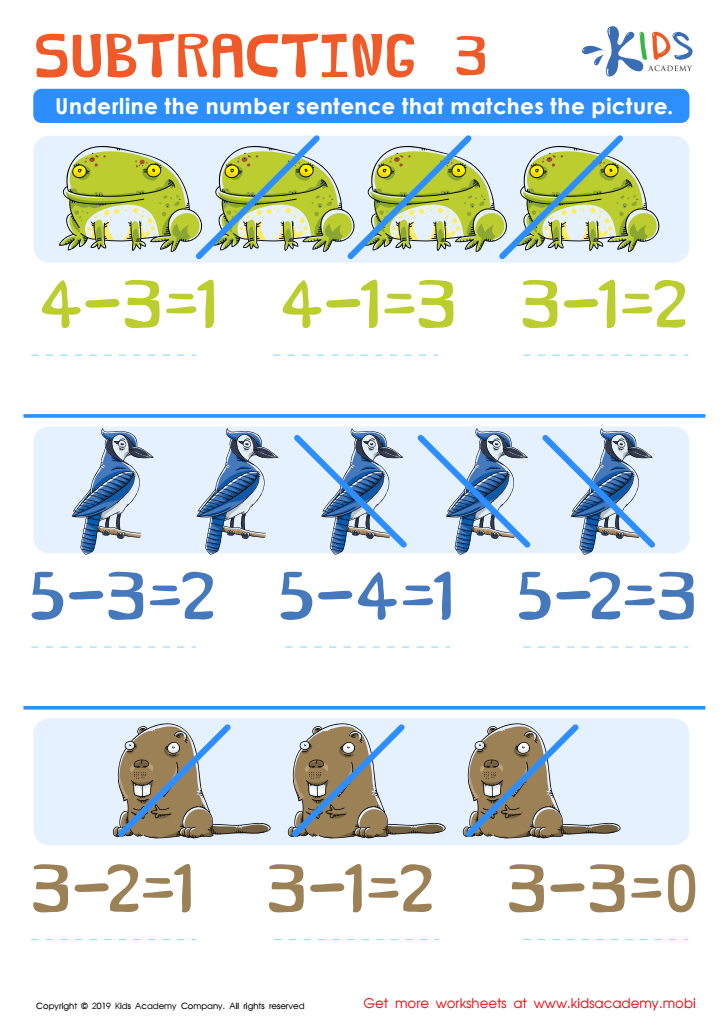
Subtracting 3 Worksheet
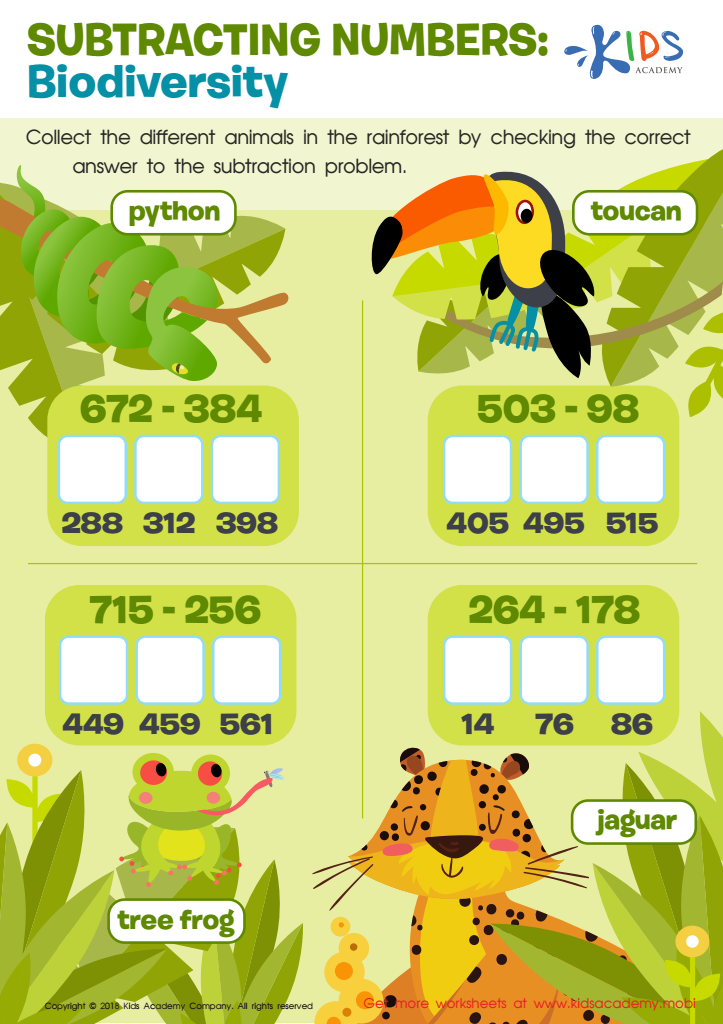
Subtracting Numbers: Biodiversity Worksheet
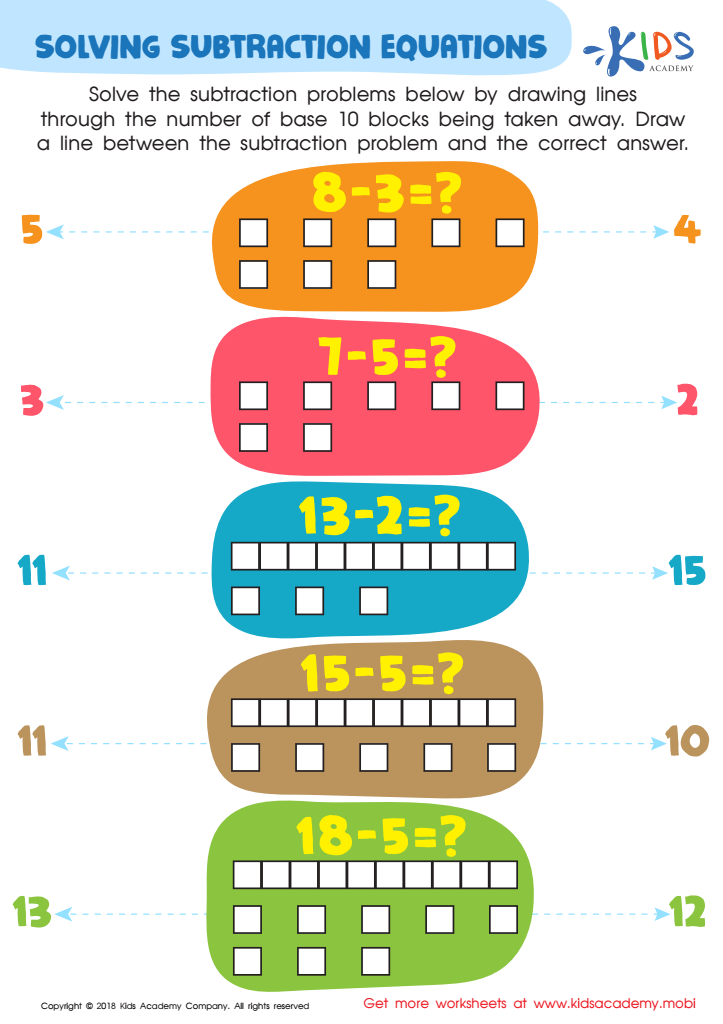
Solving Subtraction Equations Worksheet
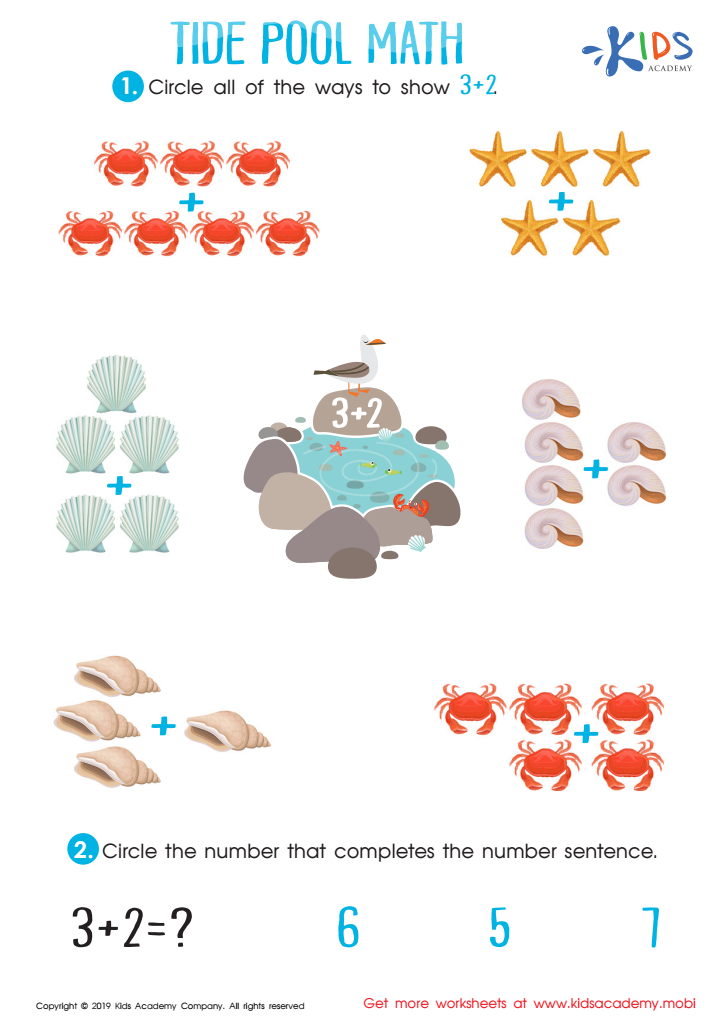
Tide Pool Math Worksheet
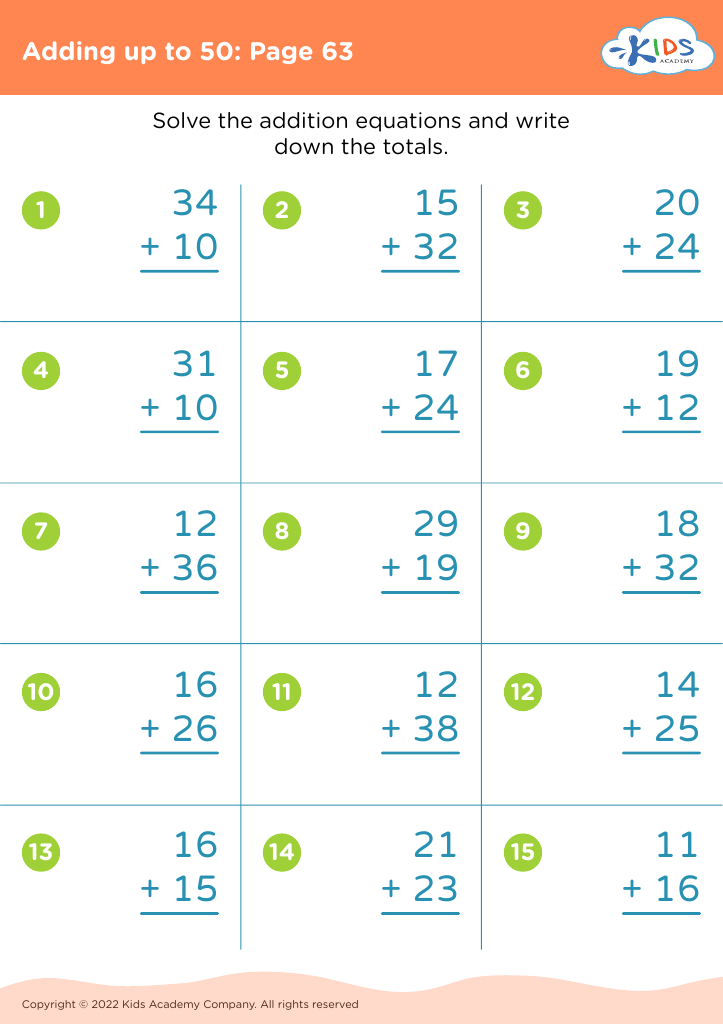
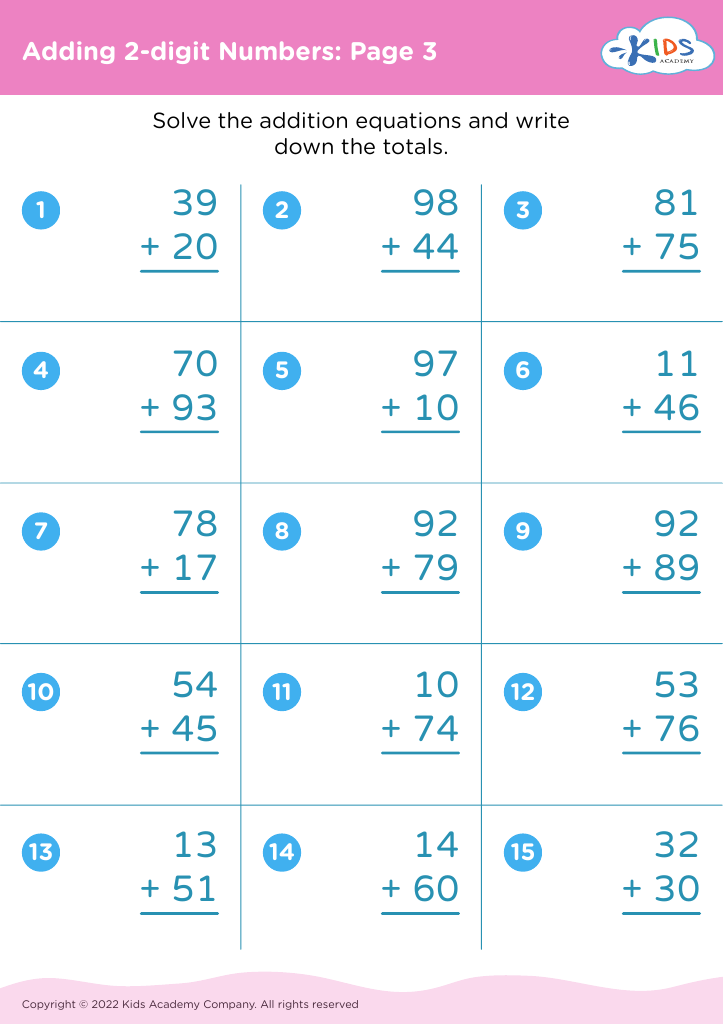
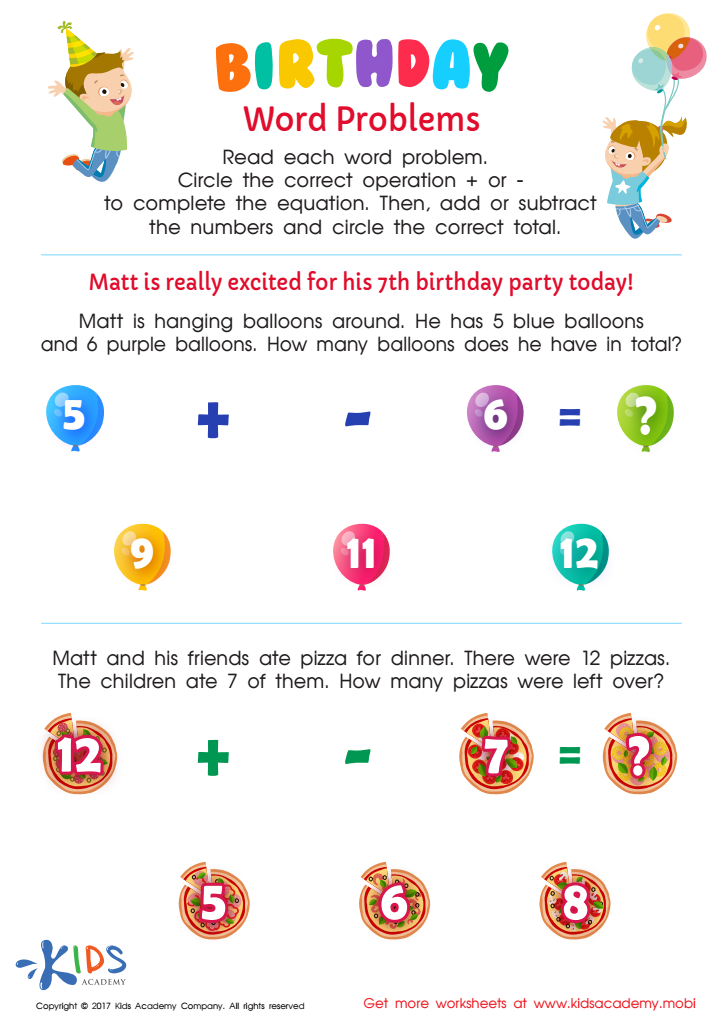
Birthday Word Problems Substraction Worksheet
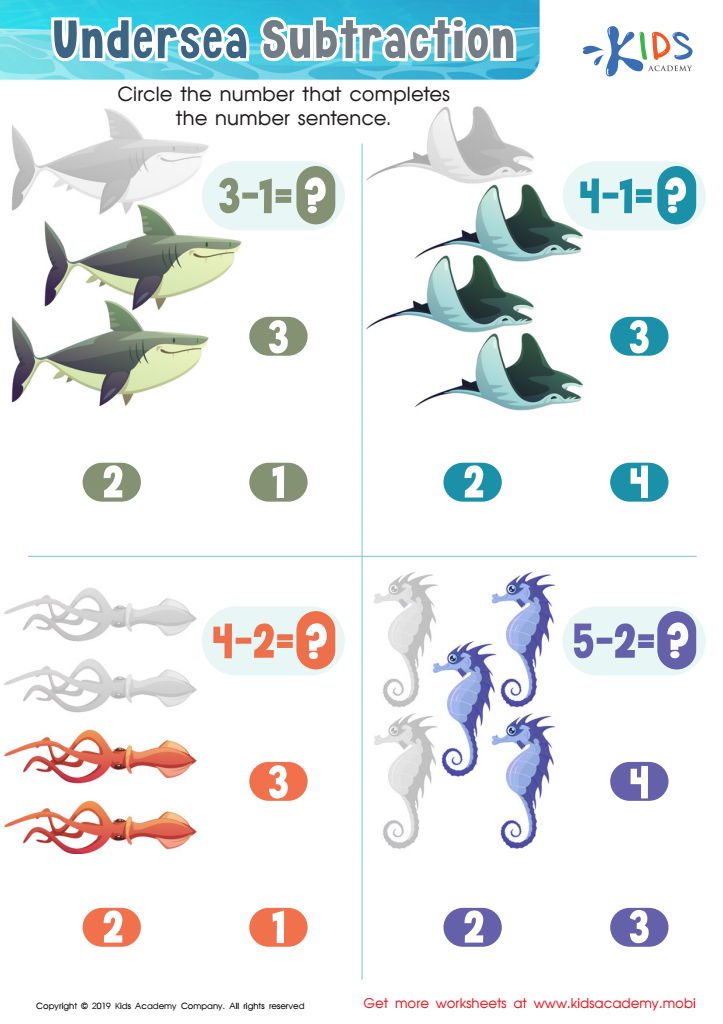
Undersea Subtraction Worksheet
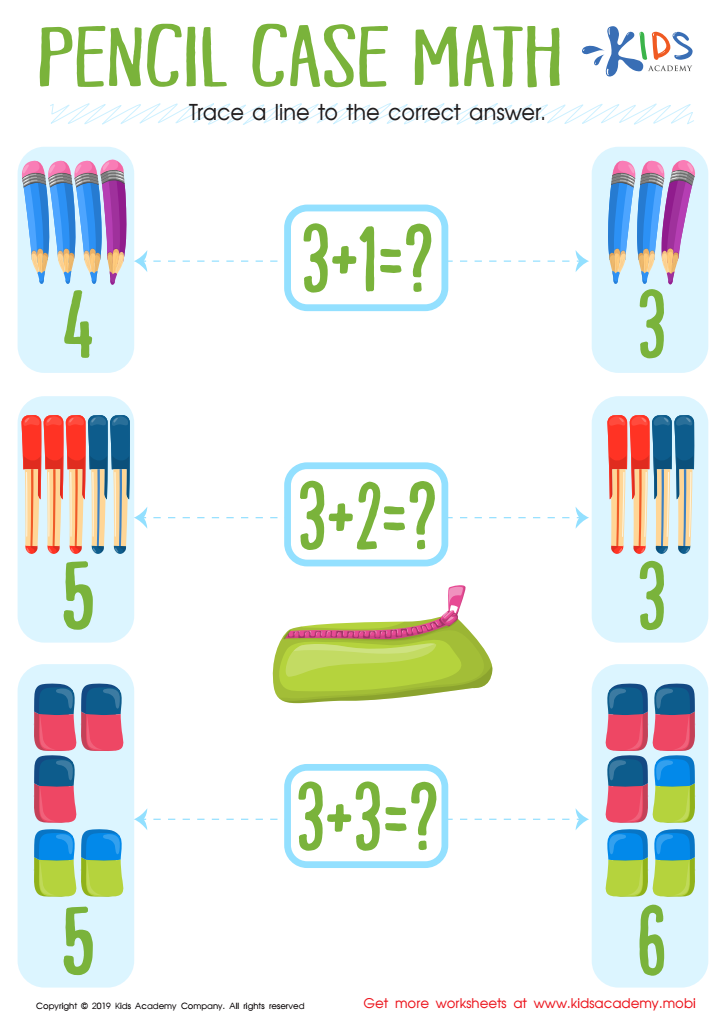
Pencil Case Math Worksheet
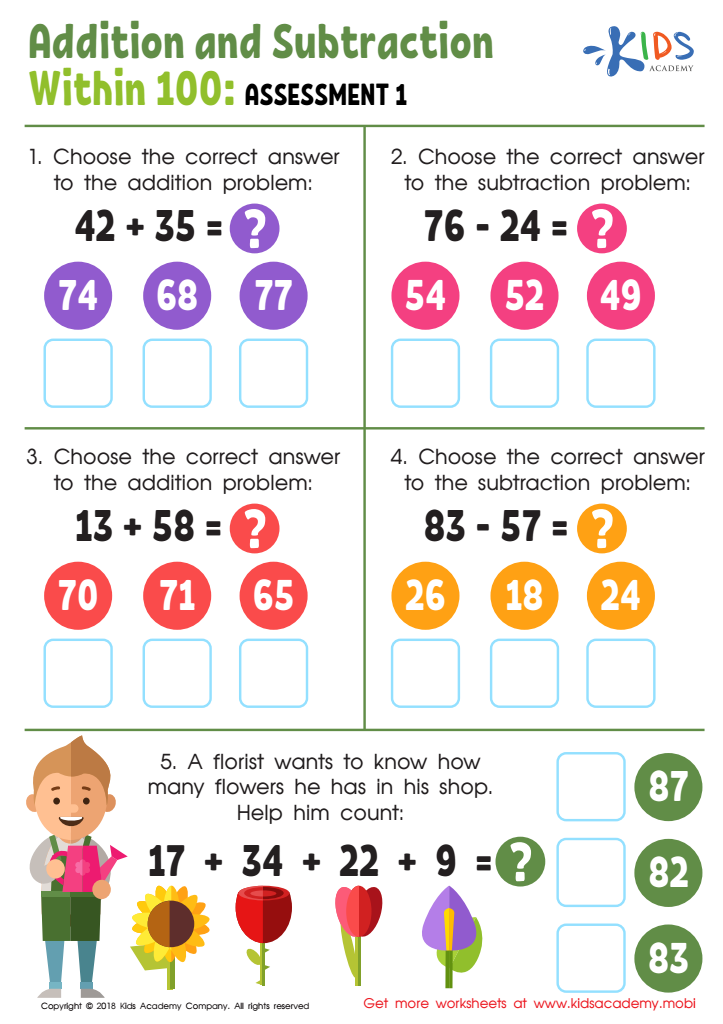
Addition and Subtraction Within 100 Worksheet
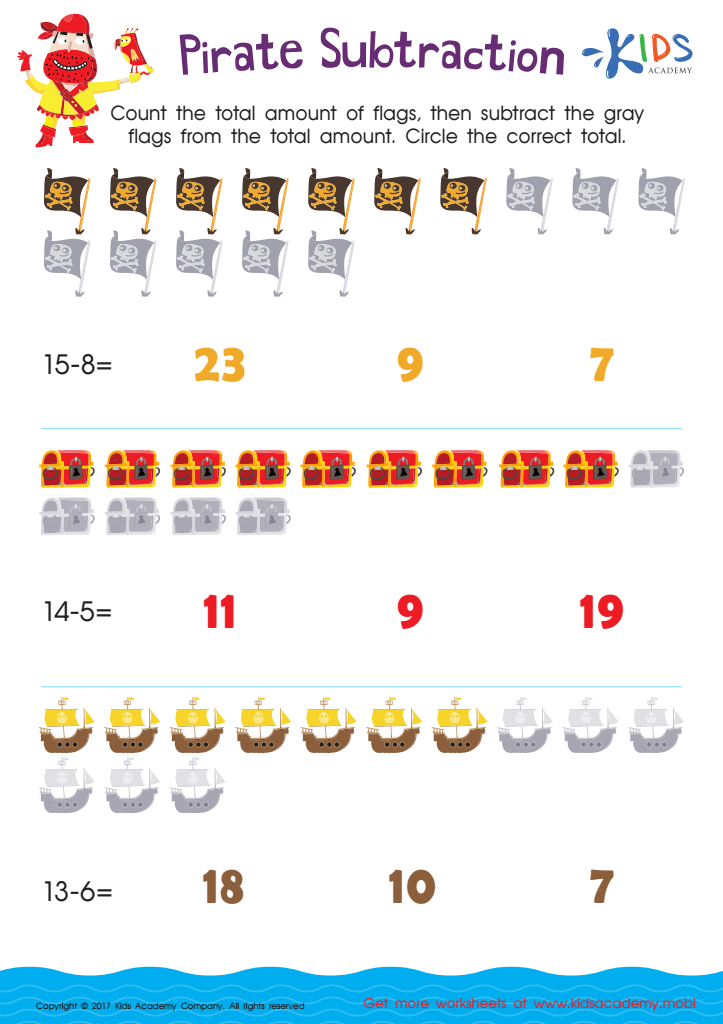
Pirate Subtraction Substraction Worksheet
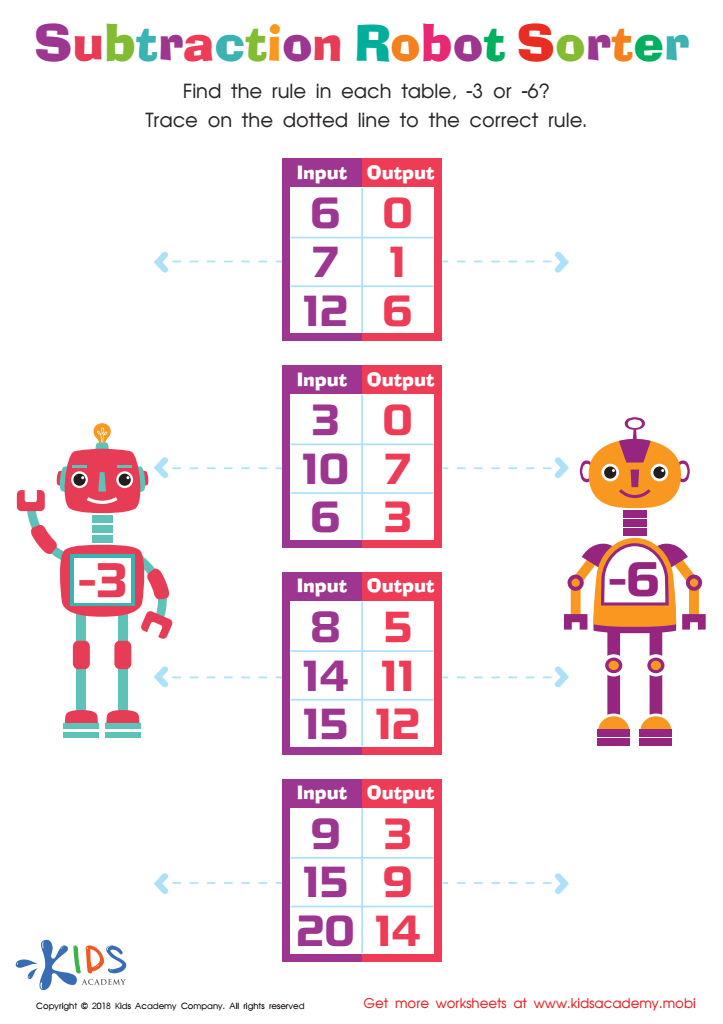
Subtraction Robot Sorter Worksheet
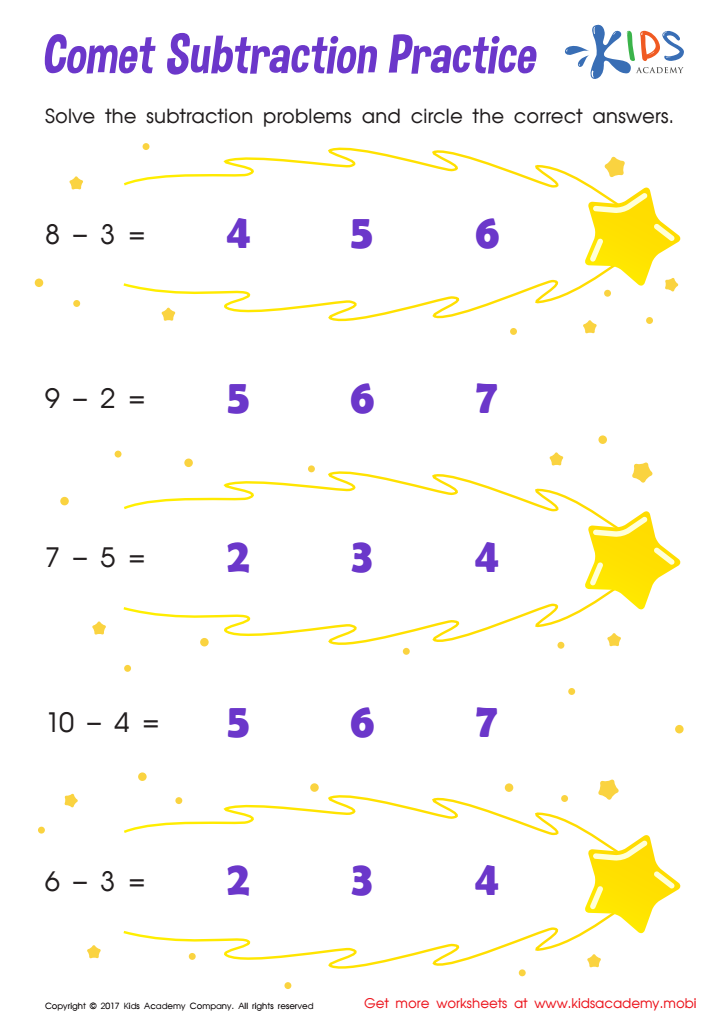
Comet Subtraction Practice Substraction Worksheet
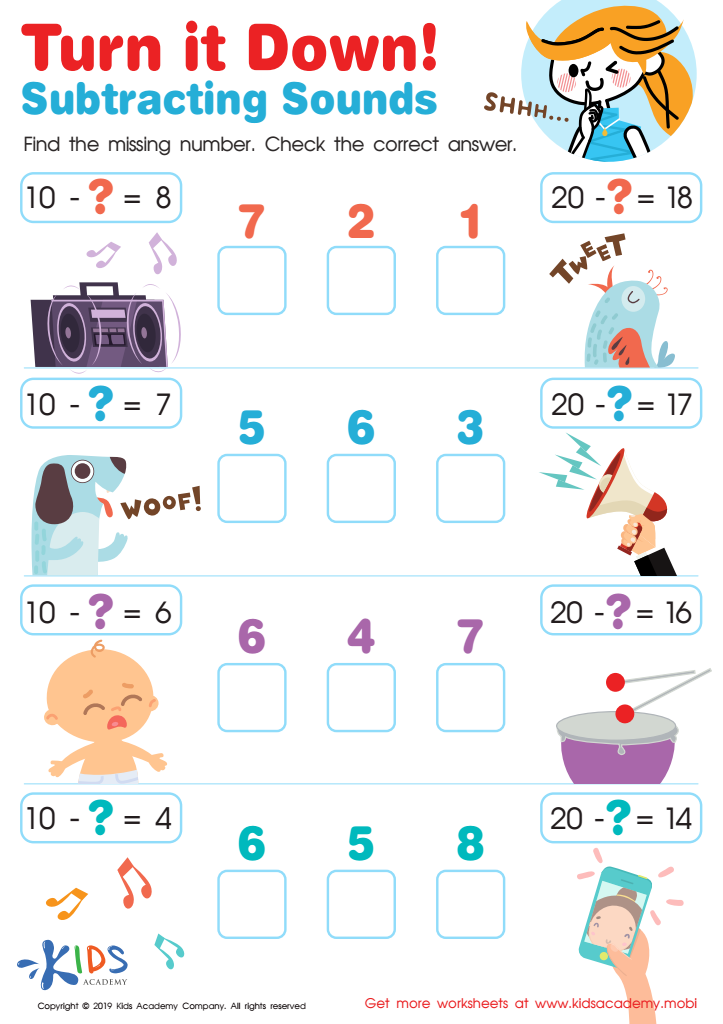
Turn It down! Subtracting Sounds Worksheet
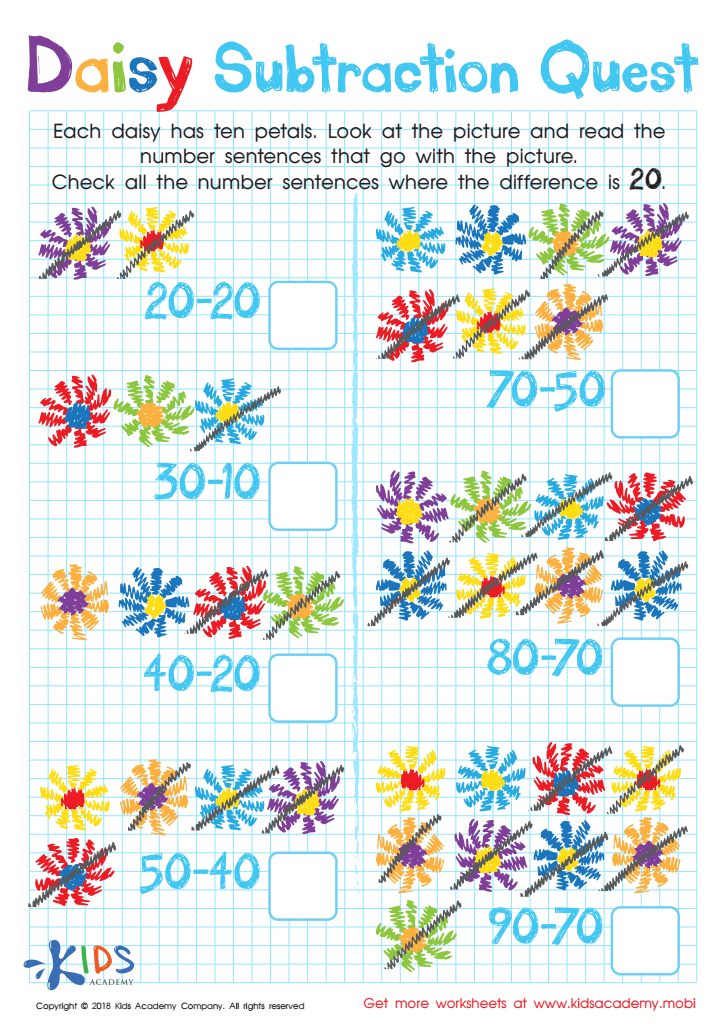
Daisy Subtraction Quest Worksheet
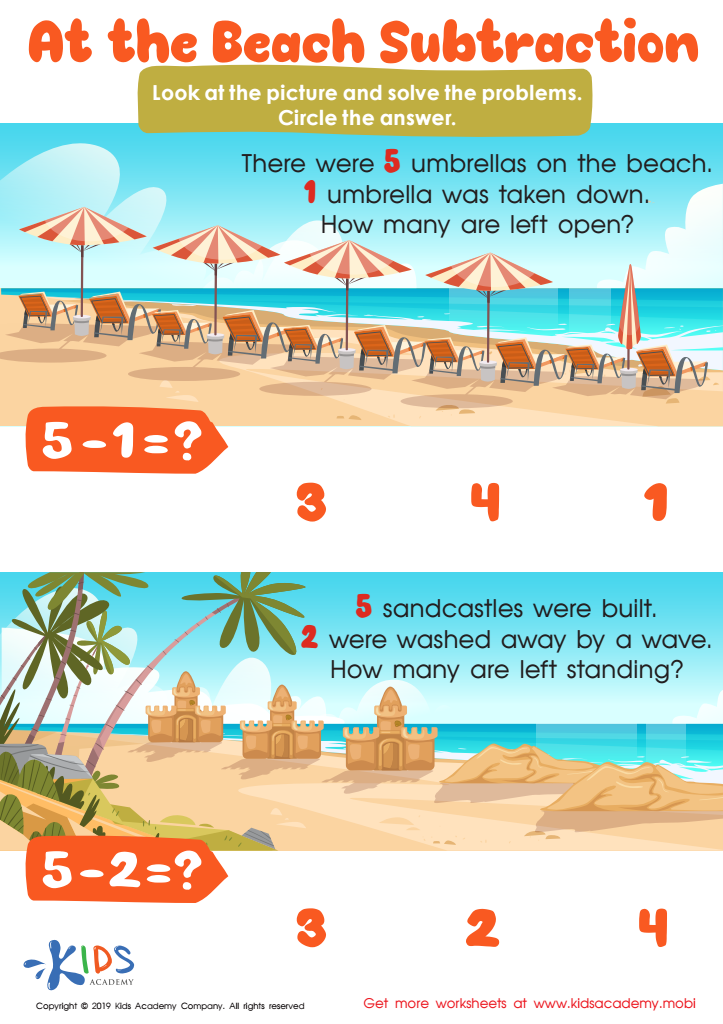
At the Beach Subtraction Worksheet
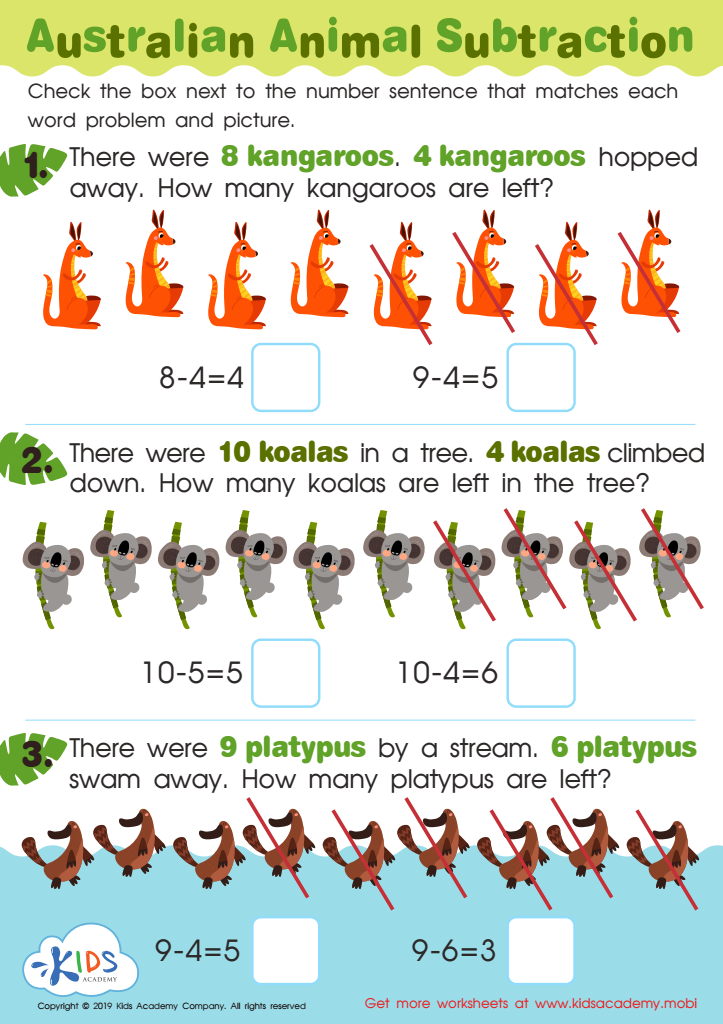
Australian Animal Subtraction Worksheet
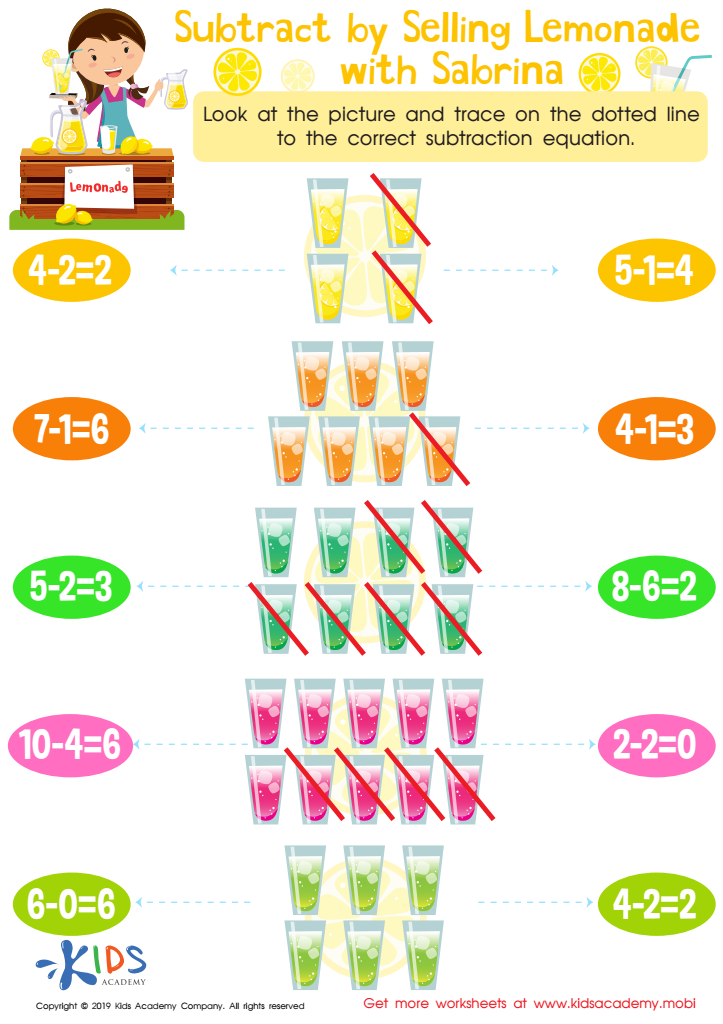
Subtract by Selling Lemonade with Sabrina Worksheet
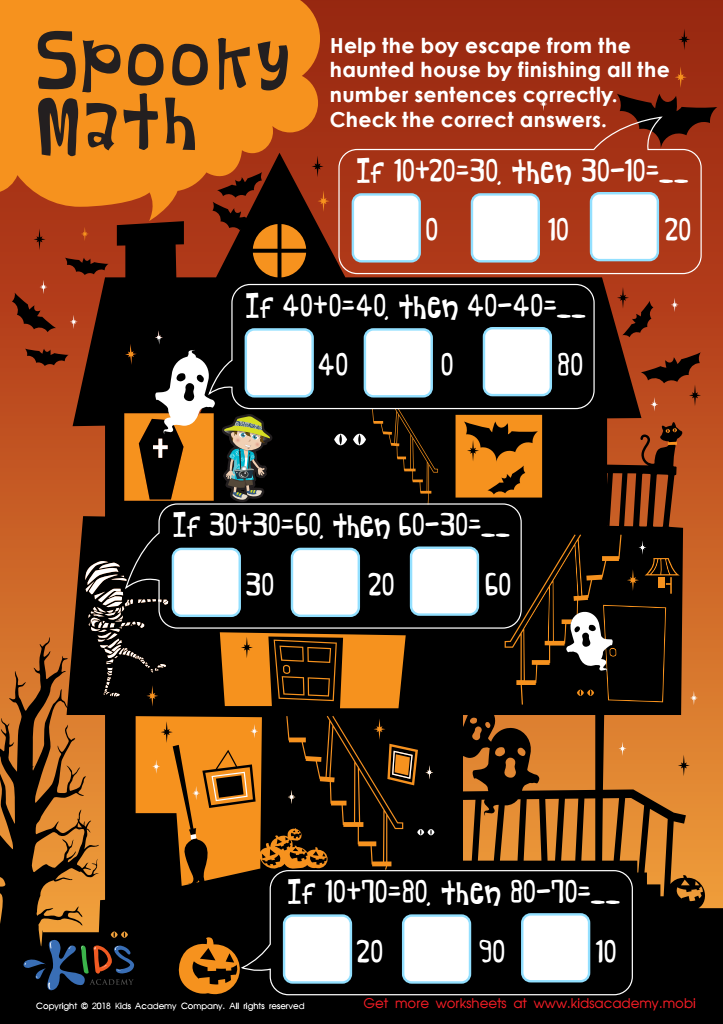
Subtract Tens: Spooky Math Worksheet
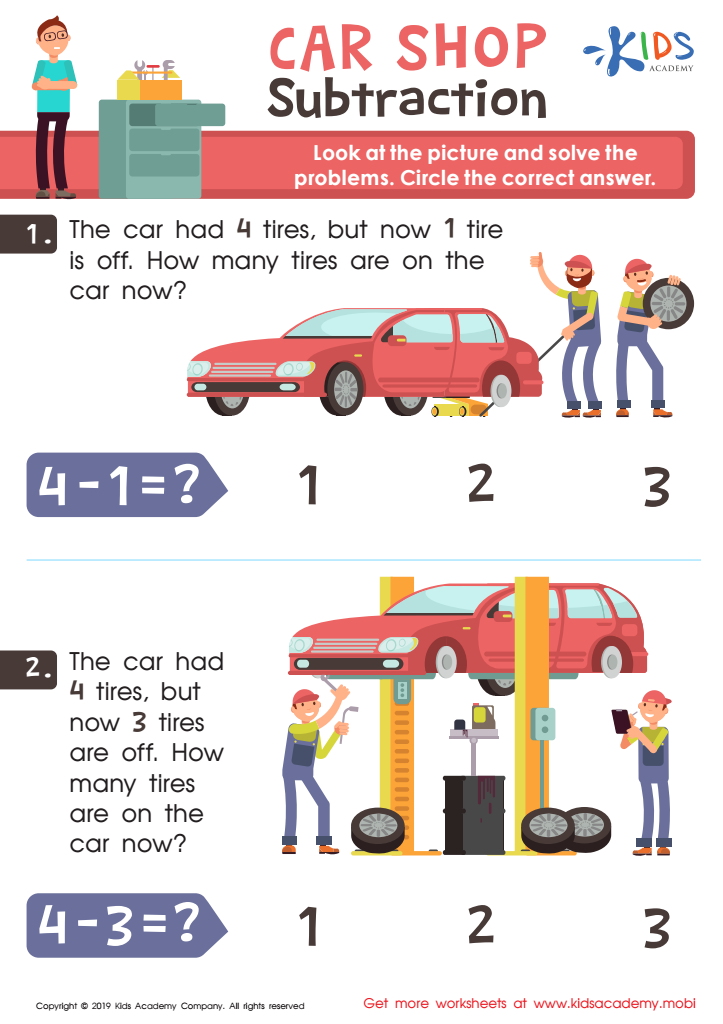
Car Shop Subtraction Worksheet
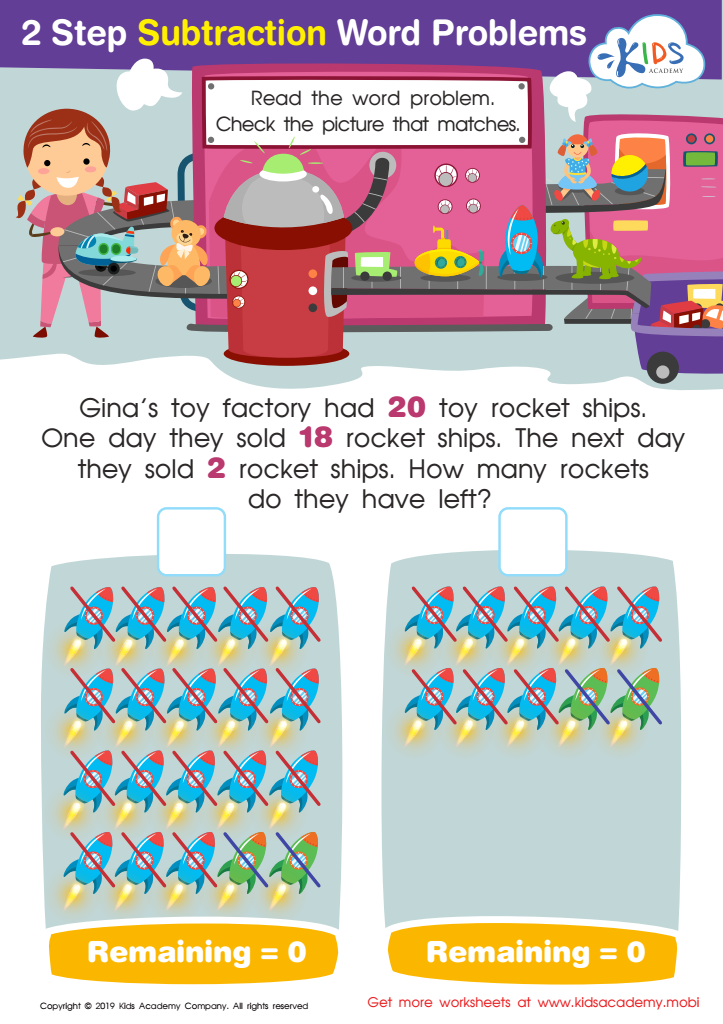
Step Subtraction Word Problems Worksheet
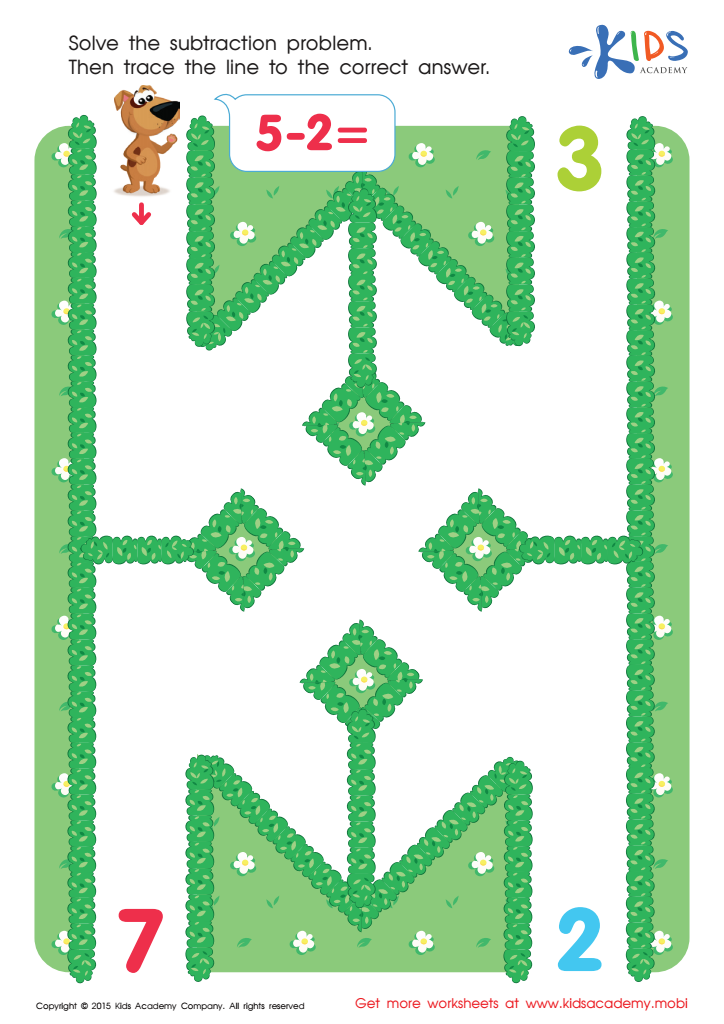
Five Minus Two Worksheet
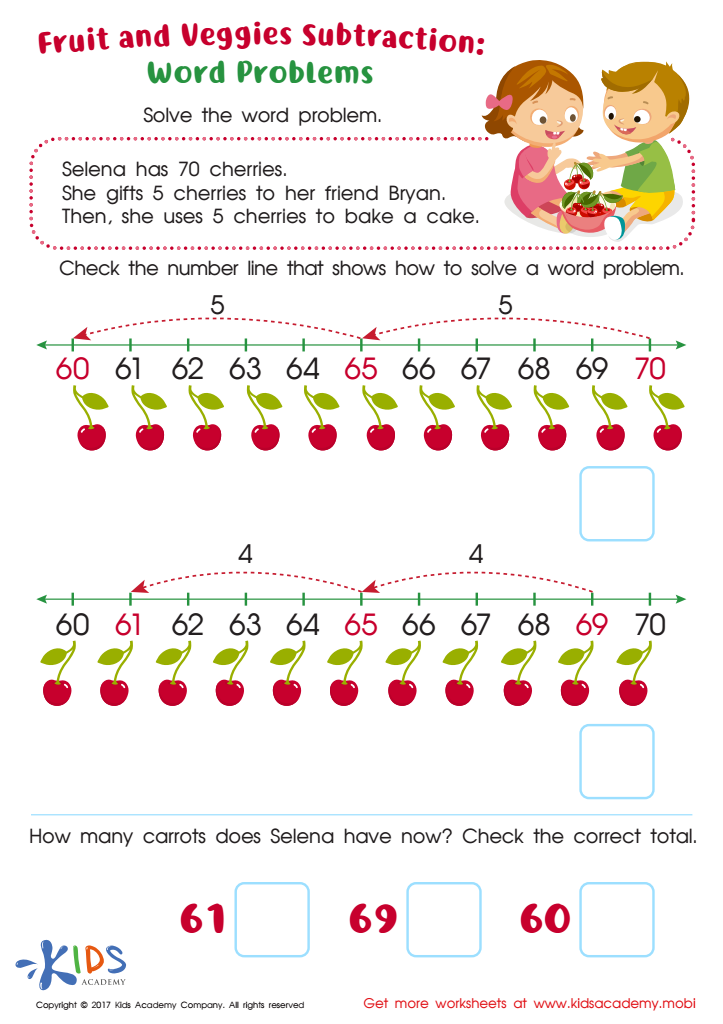
Subtraction Word Problems Free Printable








Parents and teachers should place a strong emphasis on subtraction and addition practice for children aged 3-9 because these foundational math skills are critical for their overall cognitive development and future academic success. At this developmental stage, young children's brains are highly receptive and capable of absorbing new information. Early proficiency in basic arithmetic not only strengthens their problem-solving abilities but also encourages logical thinking and enhances memory.
Practicing addition and subtraction also builds confidence and a positive attitude toward mathematics, establishing a strong number sense that is crucial for understanding more complex mathematical concepts later on. Early engagement with these skills can diminish math-related anxiety and create a more enjoyable learning experience.
For parents, consistent practice at home reinforces what is taught in school, creating a cohesive learning environment that both supports and challenges the child. Teachers, on the other hand, benefit from the students' practice as it allows for tailored lesson plans that can address individual needs.
Developing fluency in these operations prepares children for practical life skills, such as telling time, handling money, and measuring objects. Without a strong grasp of addition and subtraction, children may struggle with more advanced mathematical concepts and everyday tasks. Therefore, fostering these abilities from an early age is essential for a child’s academic and personal growth.








