Hand-eye Coordination Addition Worksheets for Ages 3-9
25 filtered results
-
From - To
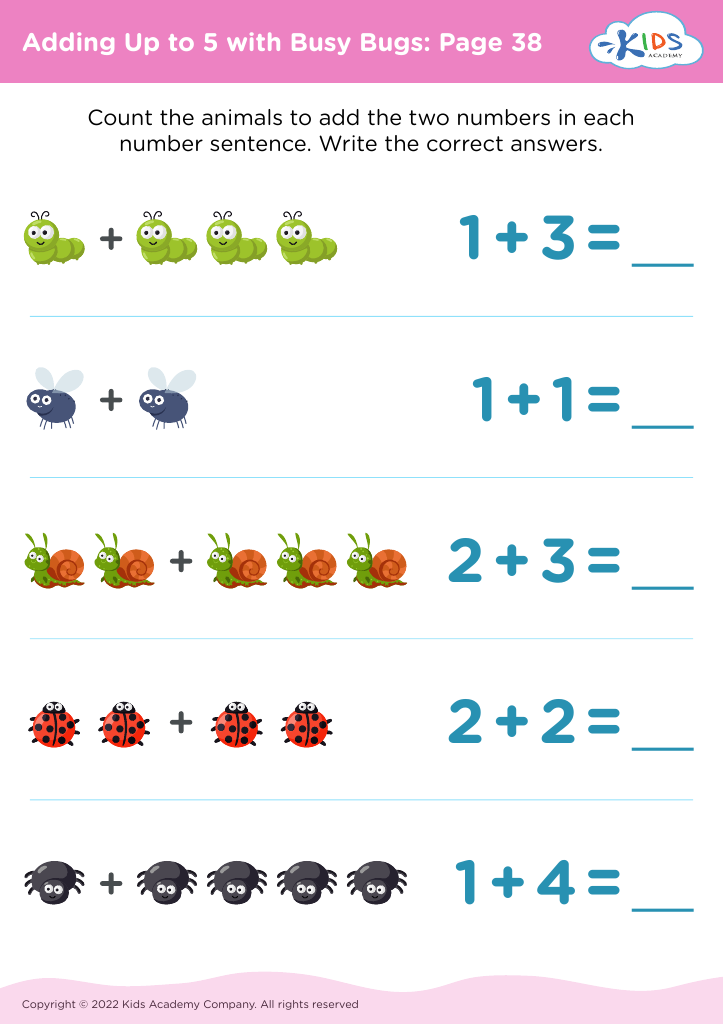
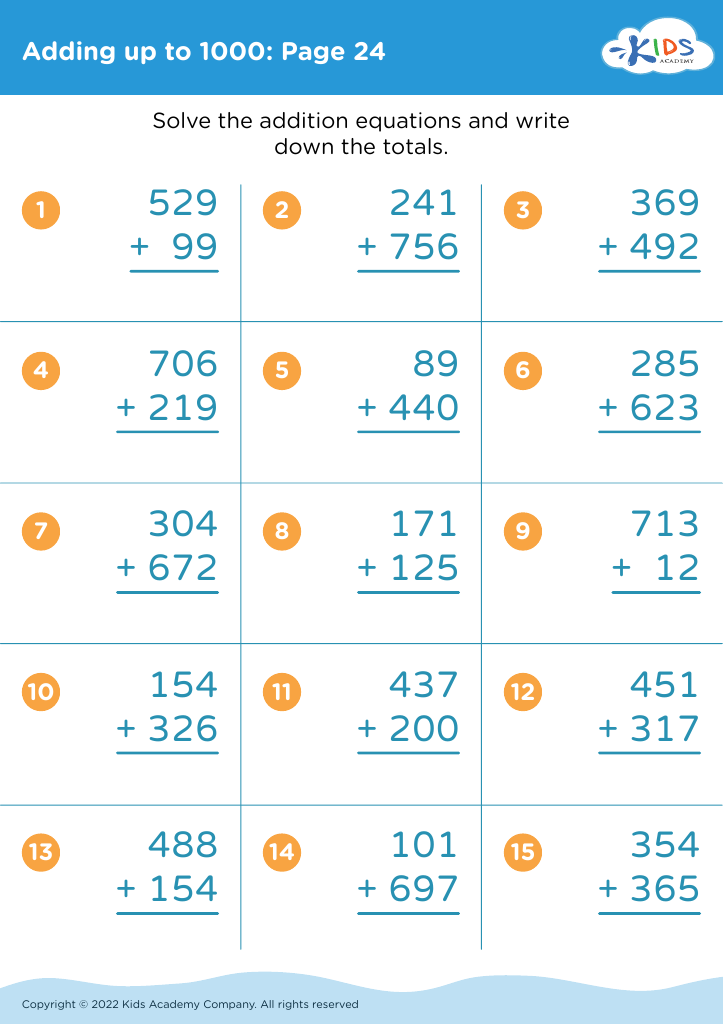
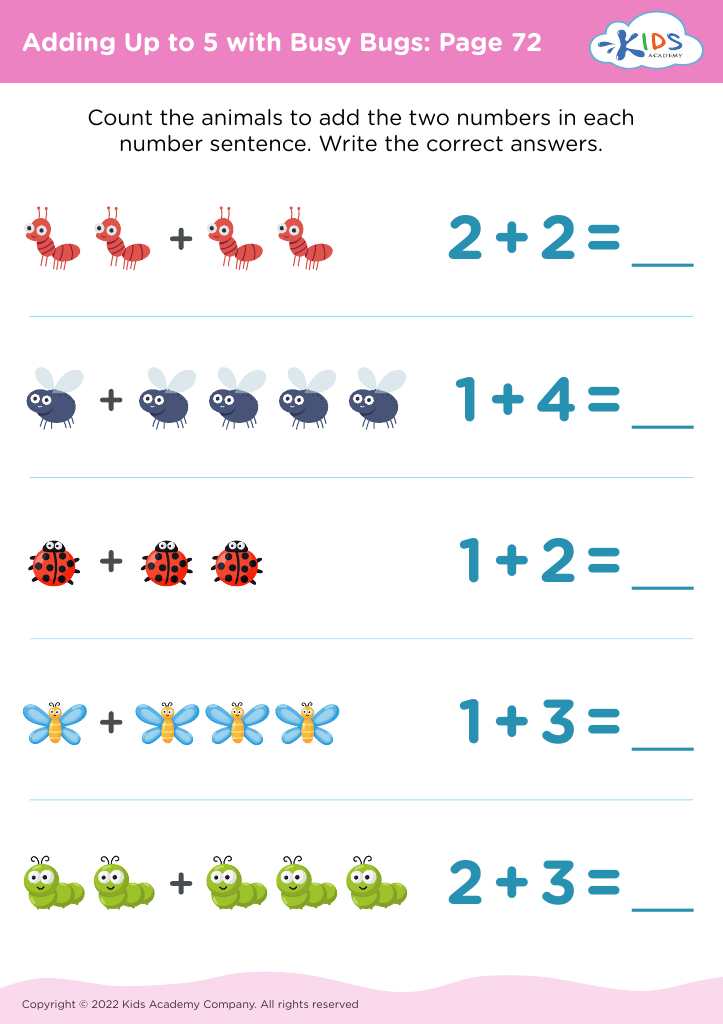
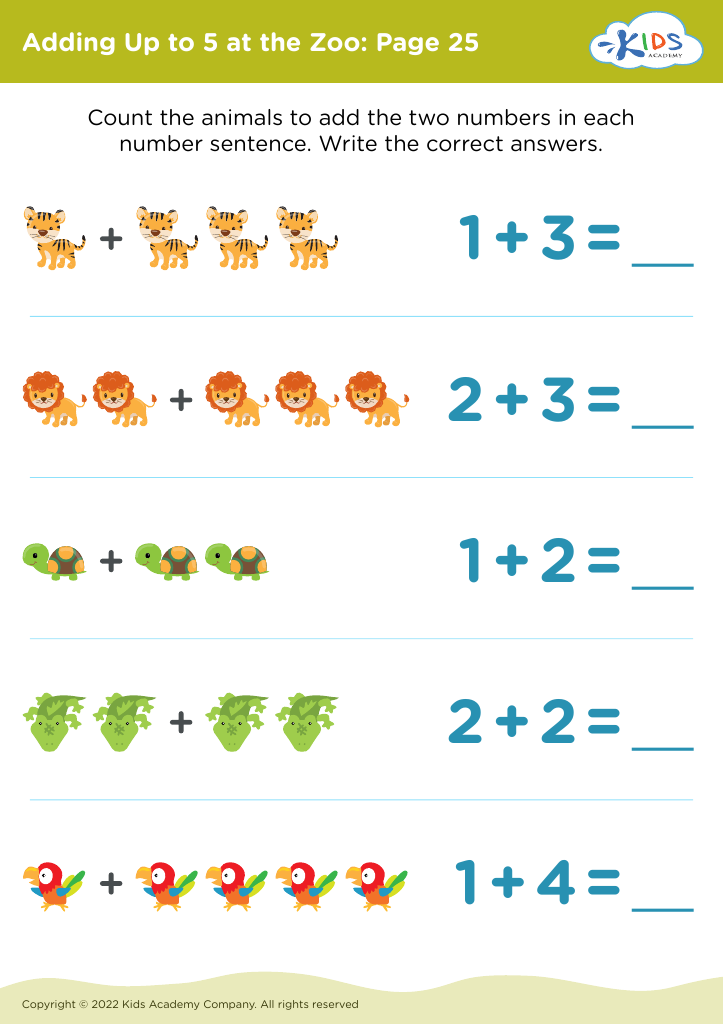
Boost your child's math and motor development with our Hand-eye Coordination Addition Worksheets for ages 3-9. These carefully crafted worksheets combine fun addition exercises with activities designed to strengthen hand-eye coordination. Perfect for young learners, our worksheets are a playful yet effective way to introduce basic math concepts while enhancing fine motor skills. With engaging visuals and kid-friendly challenges, children can practice adding numbers while coordinating their hand movements, ensuring a comprehensive learning experience. Ideal for homeschooling or classroom use, these worksheets make math learning interactive and enjoyable for every young mathematician.
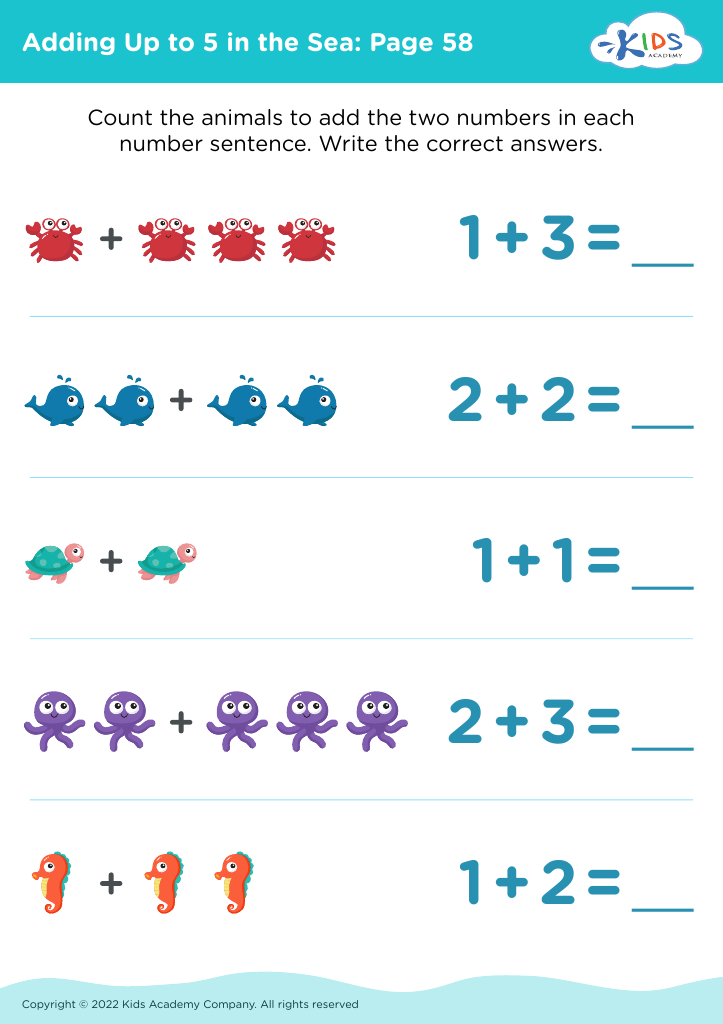
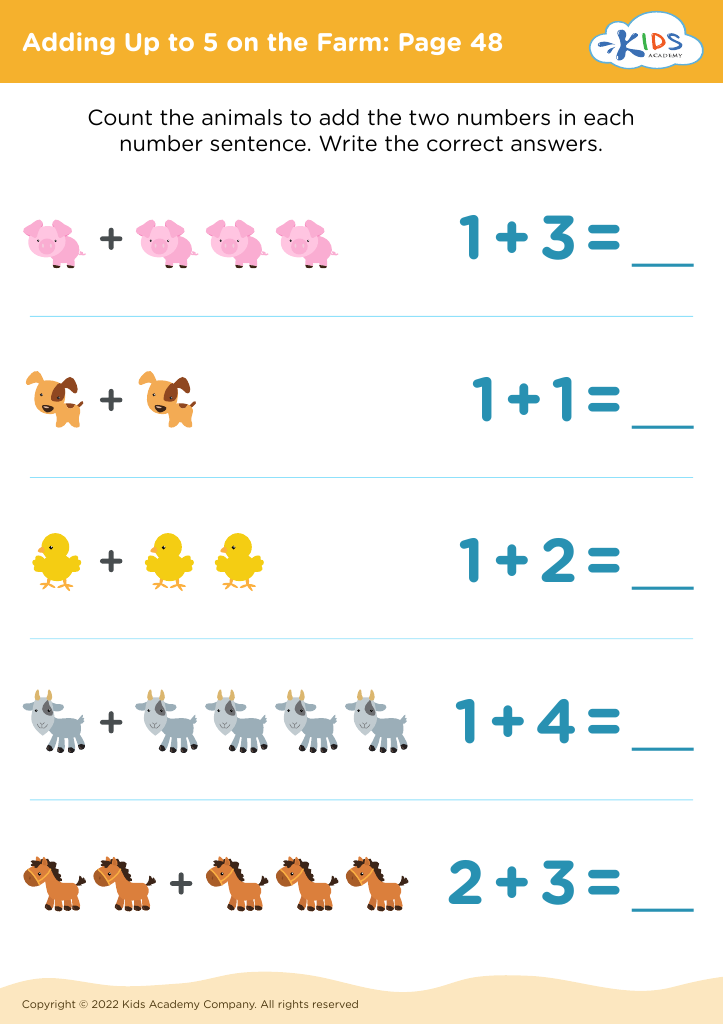
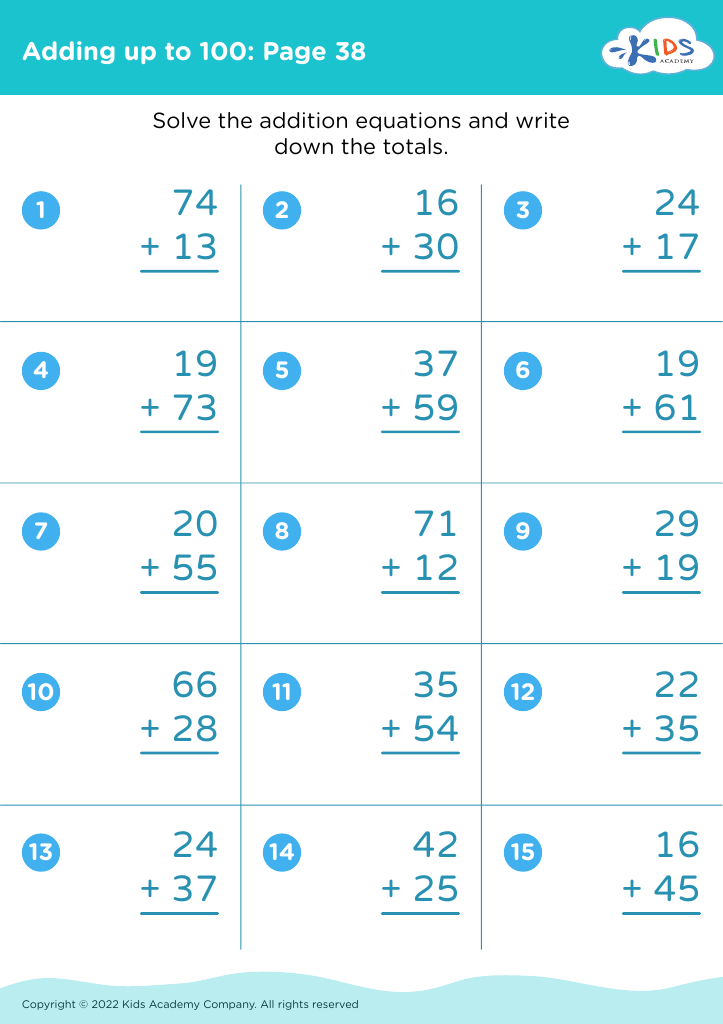
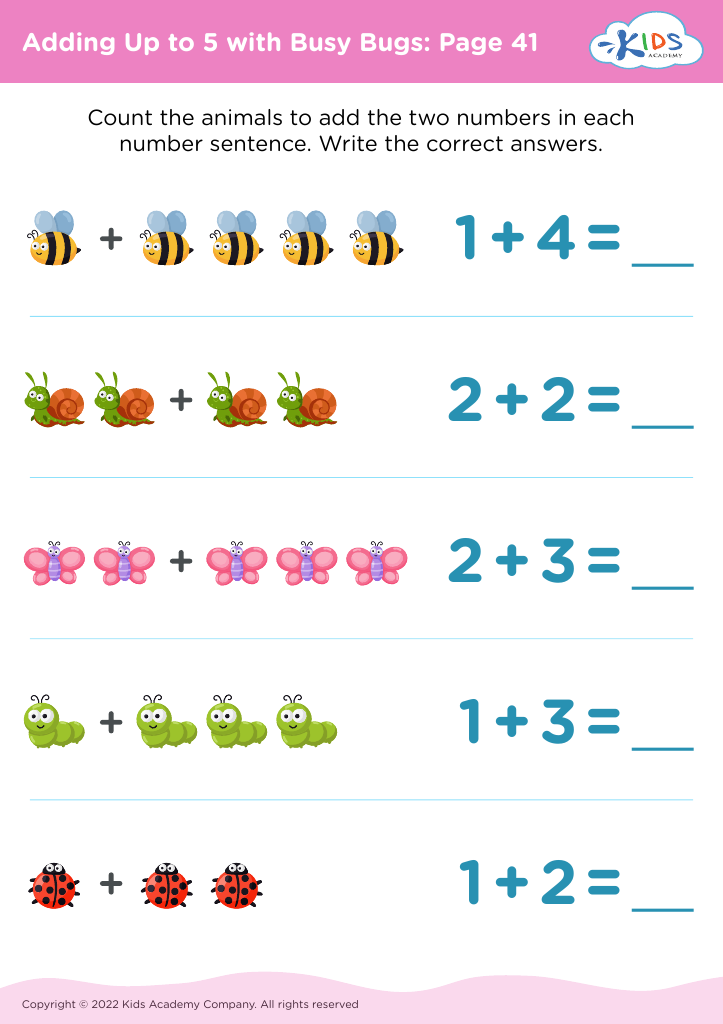
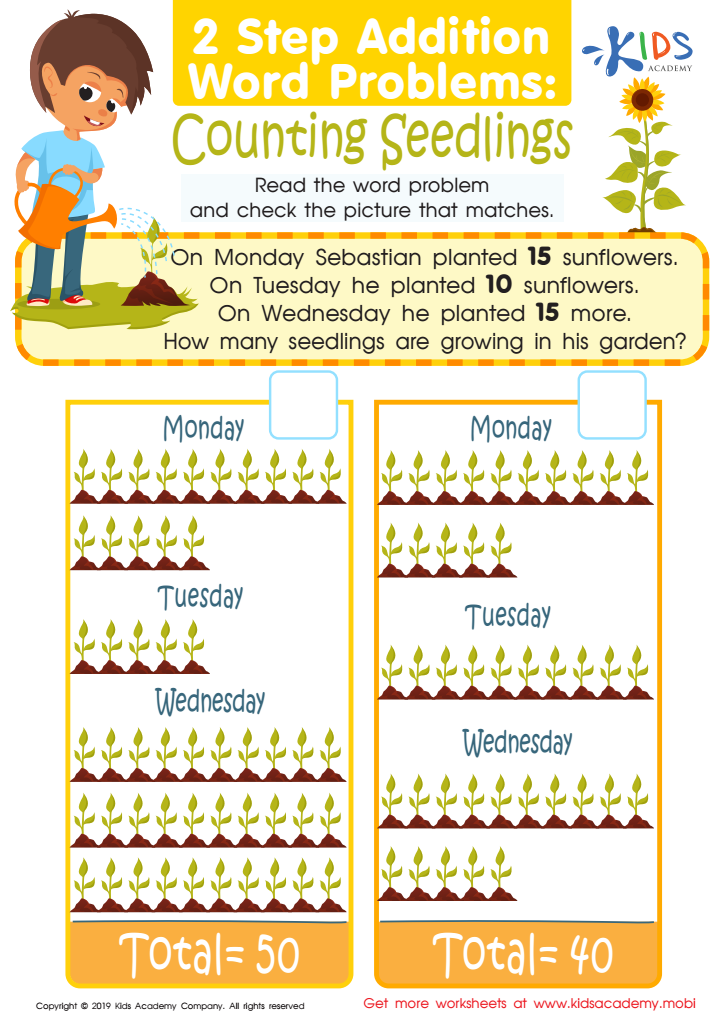
Counting Seedlings Worksheet
 Assign to My Students
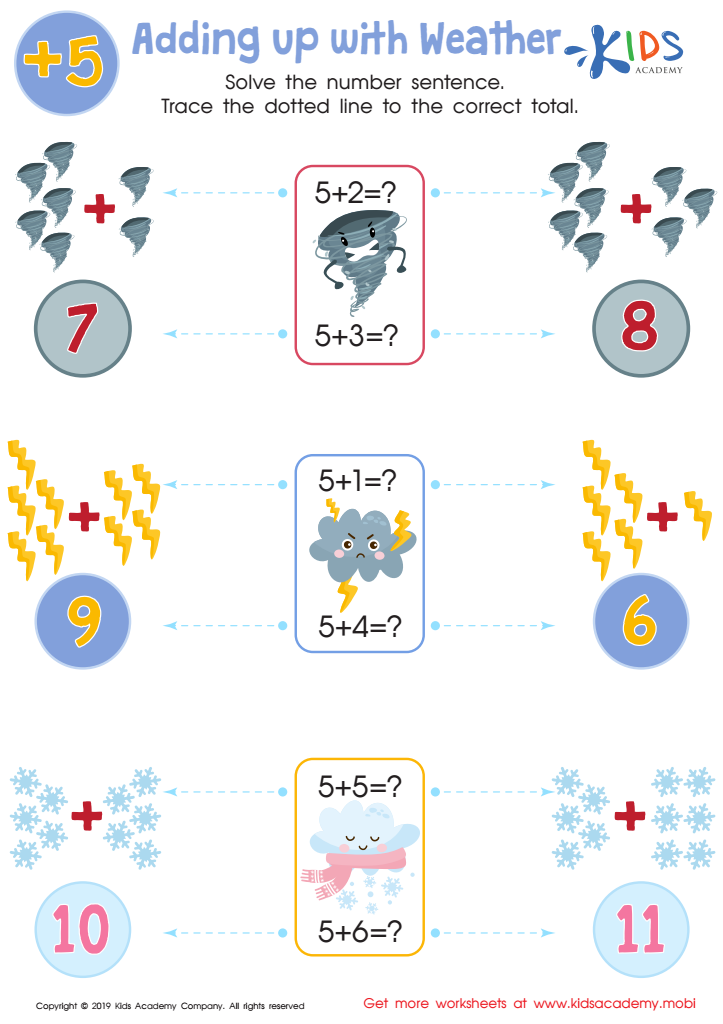
Adding up With Water Worksheet
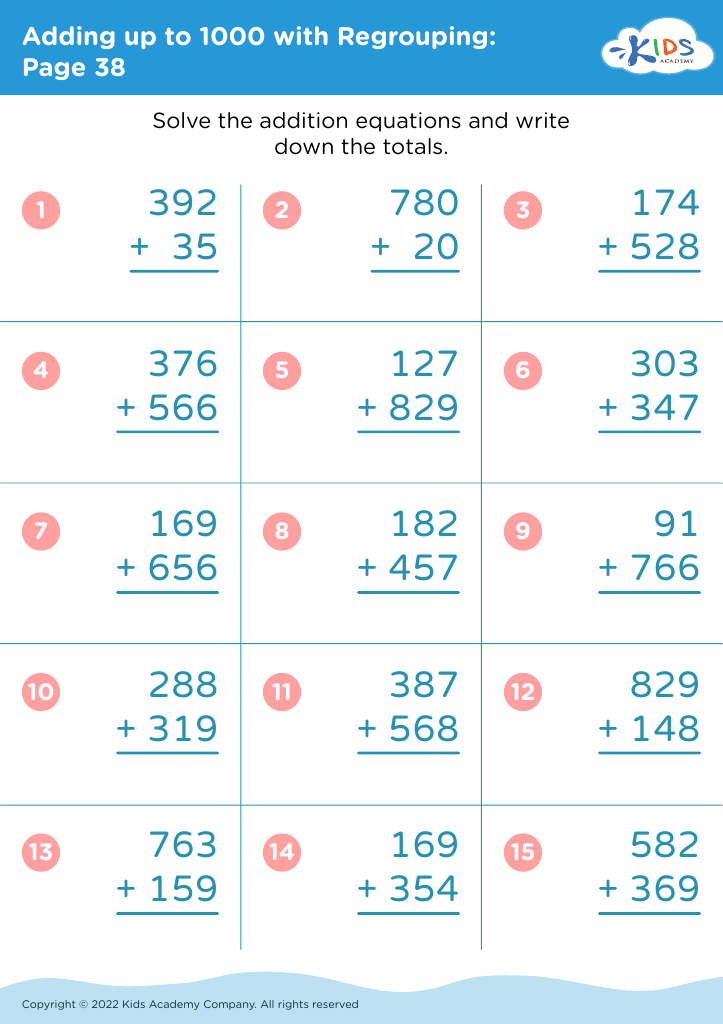
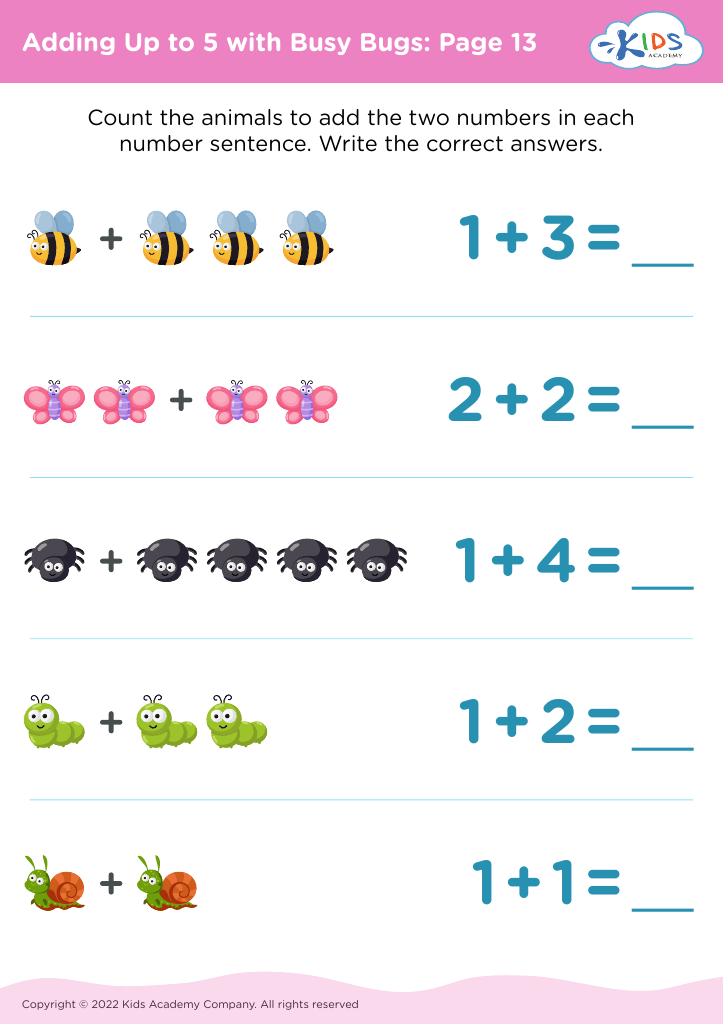
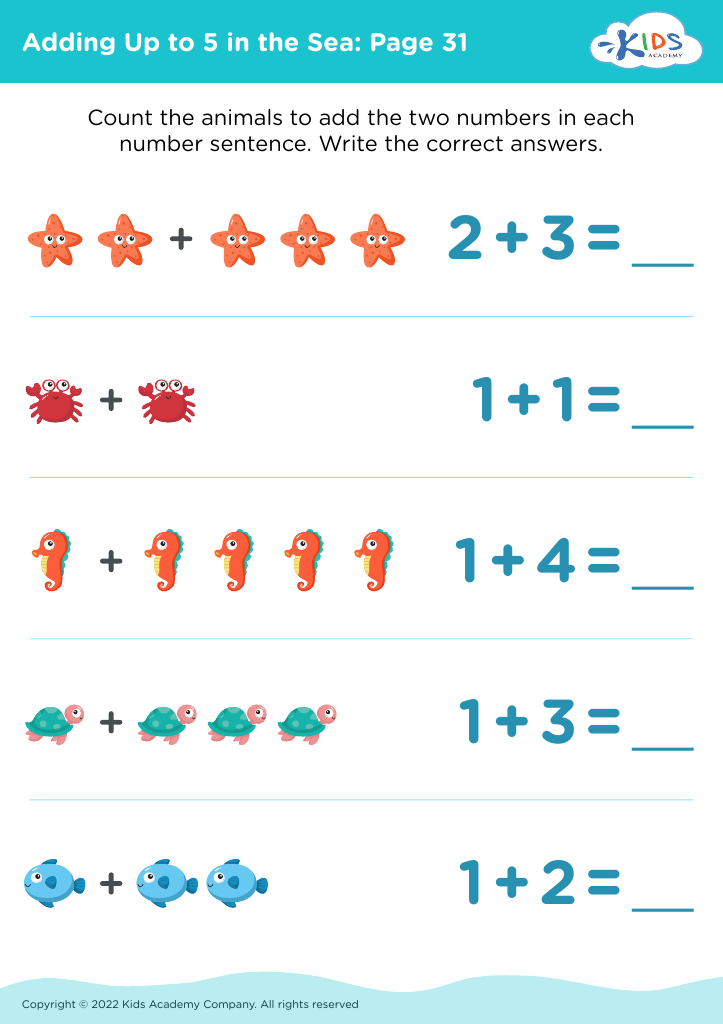
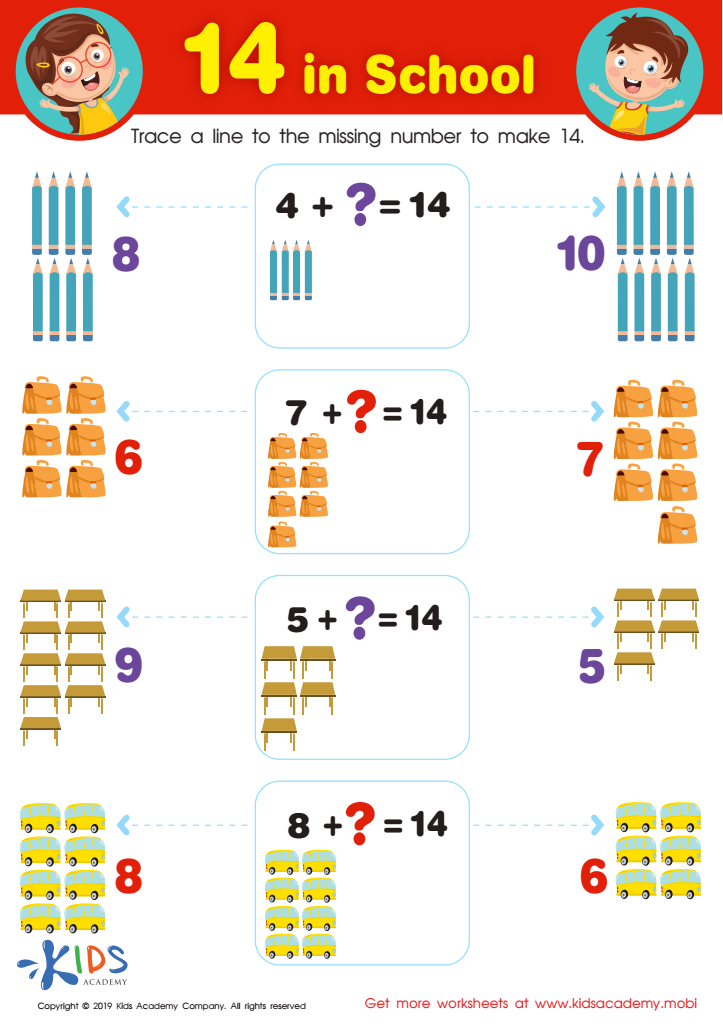
14 in School Worksheet








Hand-eye coordination is a fundamental skill for young children aged 3-9, where the ability to synchronize visual input with physical movement is developed. Parents and teachers should prioritize fostering this skill because it underpins many critical aspects of a child’s development.
First, hand-eye coordination is crucial for academic success. Activities like writing, cutting shapes, and reading require precise coordination between what the eyes see and how the hands respond. Cultivating this ability ensures children can develop fine motor skills necessary for these tasks, laying a strong foundation for future learning.
Beyond academics, hand-eye coordination impacts daily life skills. Simple actions such as buttoning clothes, eating with utensils, or tying shoelaces become more manageable when this skill is well developed. Successful completion of such tasks boosts self-confidence and fosters independence.
Moreover, physical activities and sports also deeply benefit from good hand-eye coordination. Catching a ball, riding a bicycle, or playing games on playgrounds involve complex coordination. Engaging in these activities promotes physical health, teamwork, and social interaction. Importantly, addressing these skills early can also aid in identifying and managing potential developmental concerns.
By actively supporting hand-eye coordination, parents and teachers help children navigate learning experiences more effectively and build essential life-long skills, contributing to well-rounded growth and development.








