Comparing Numbers Worksheets for Ages 3-9 - Page 3
52 filtered results
-
From - To
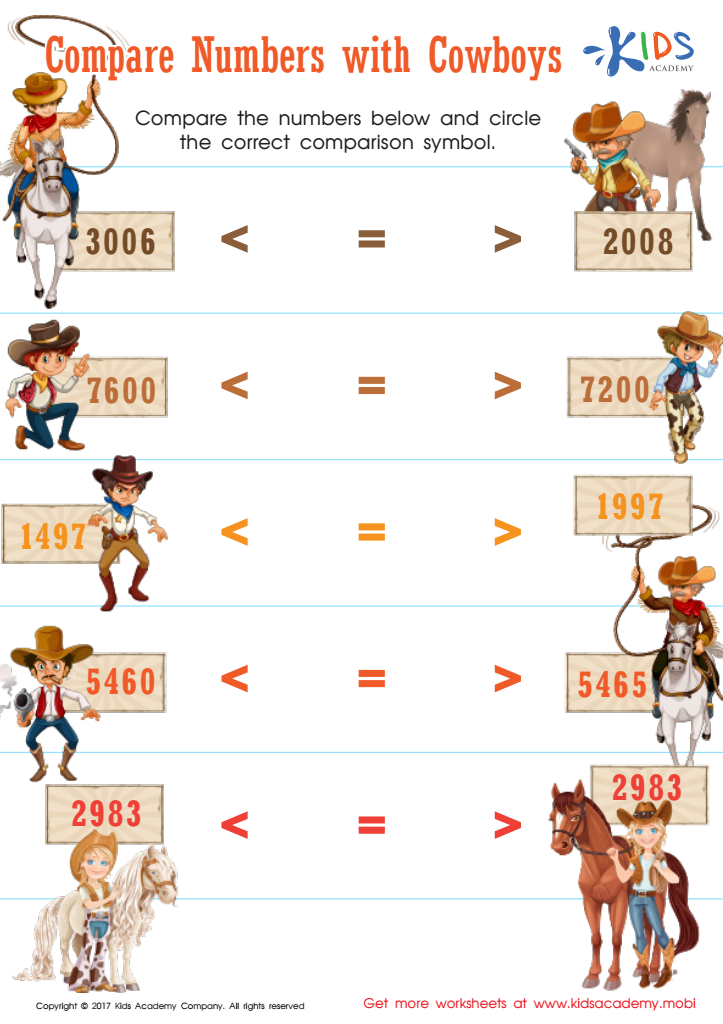
Compare Numbers Worksheet for 3rd Grade
 Assign to My Students
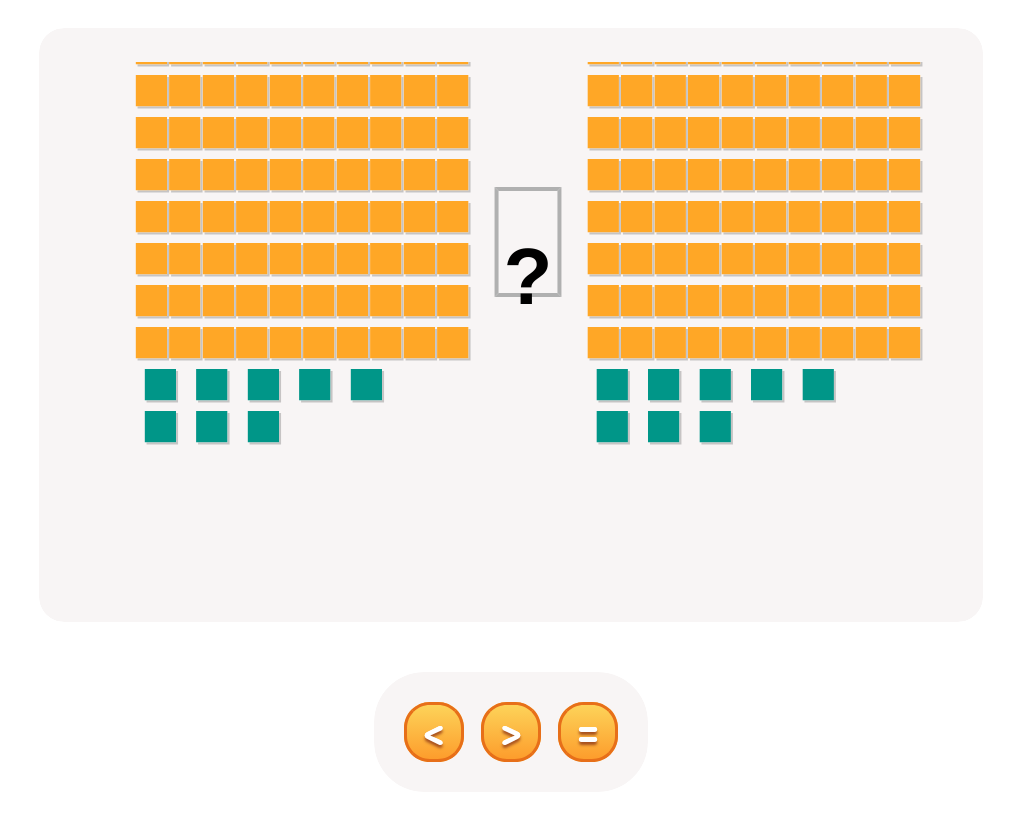

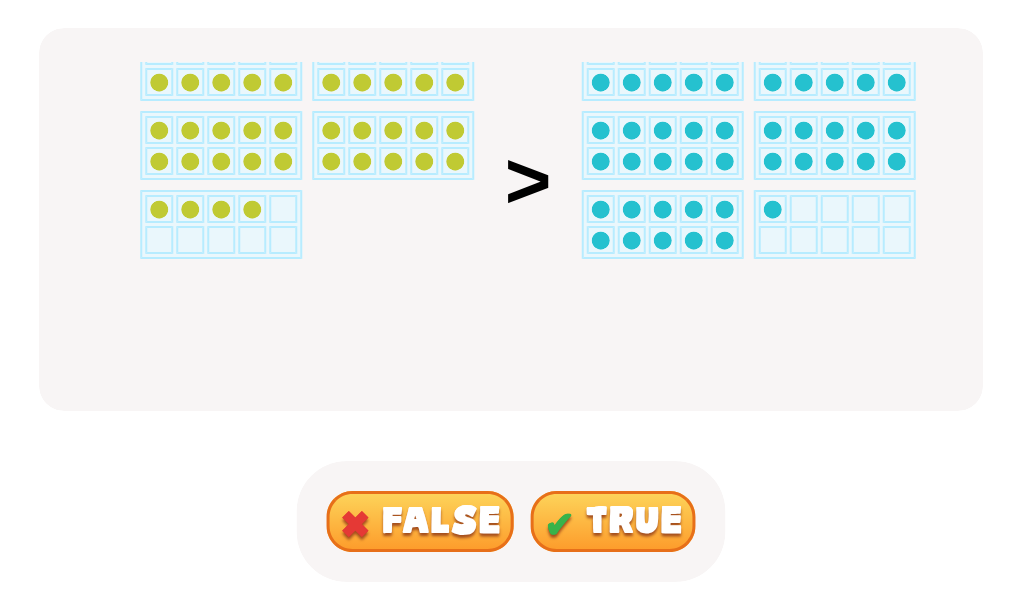
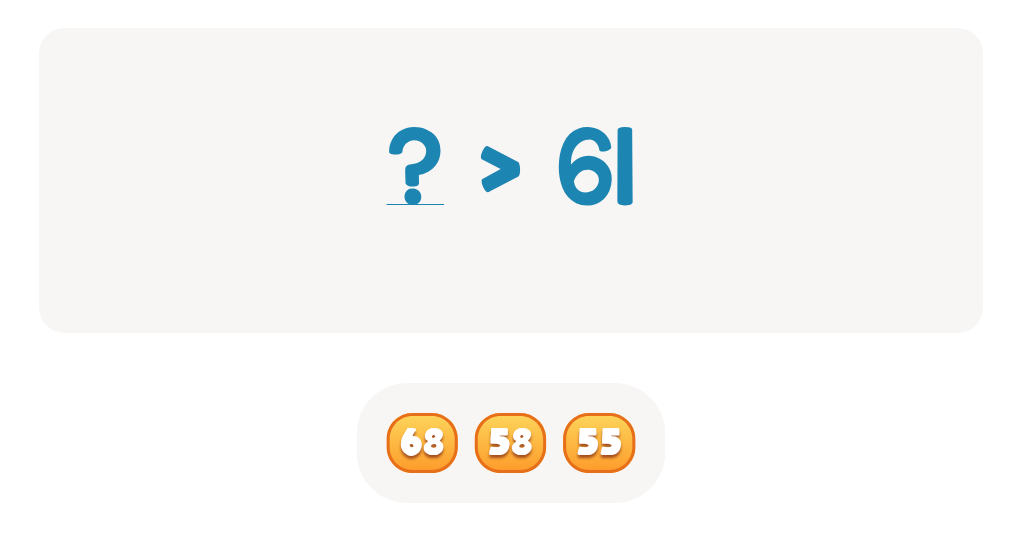
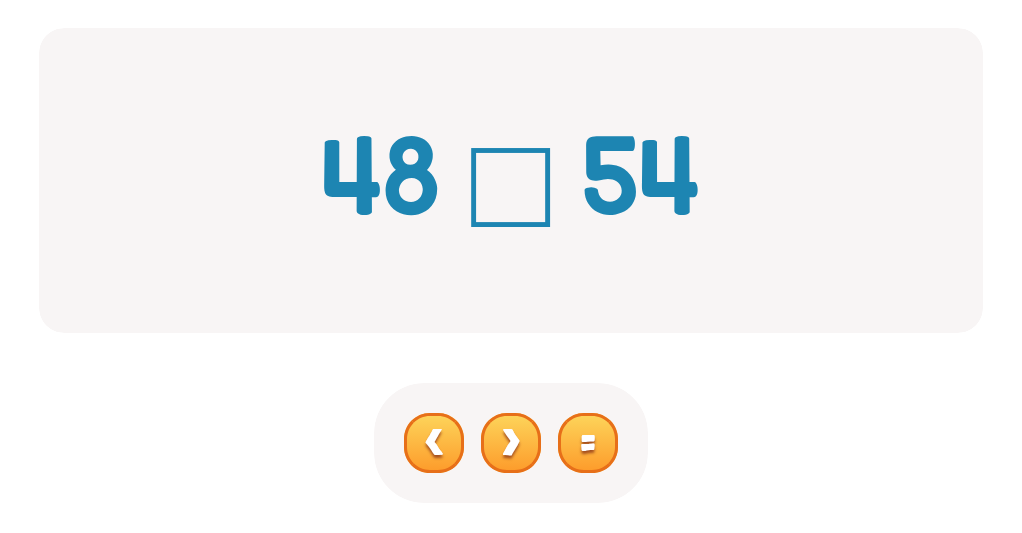
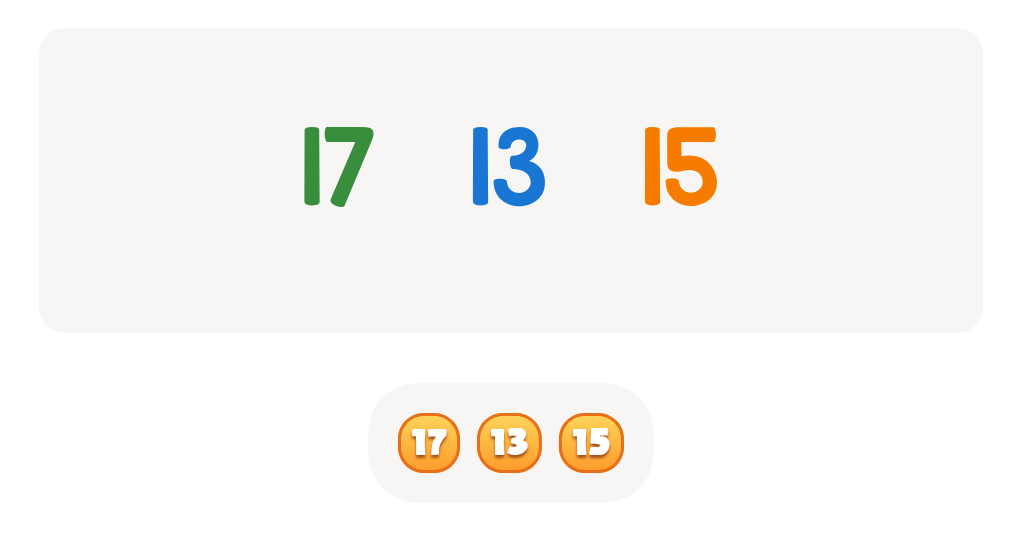
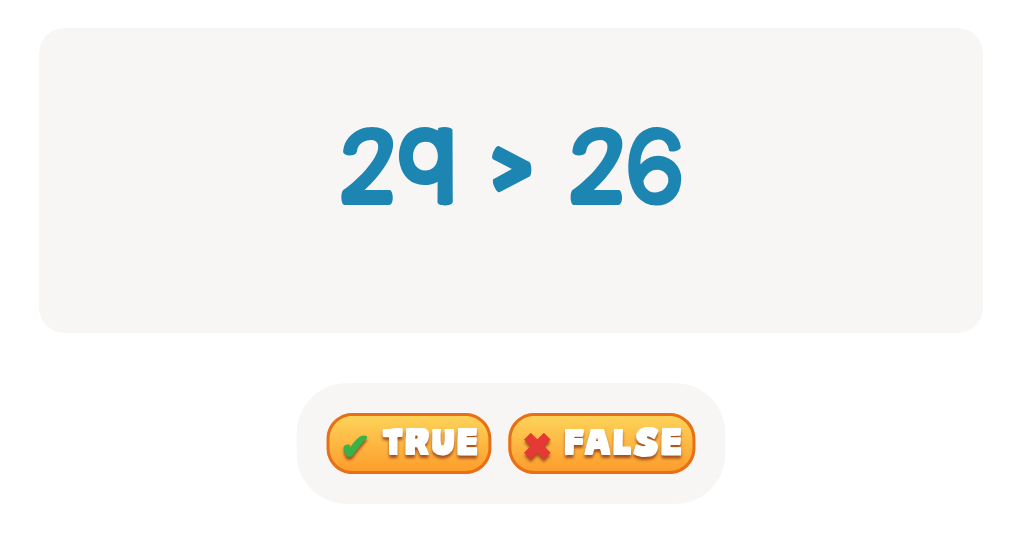
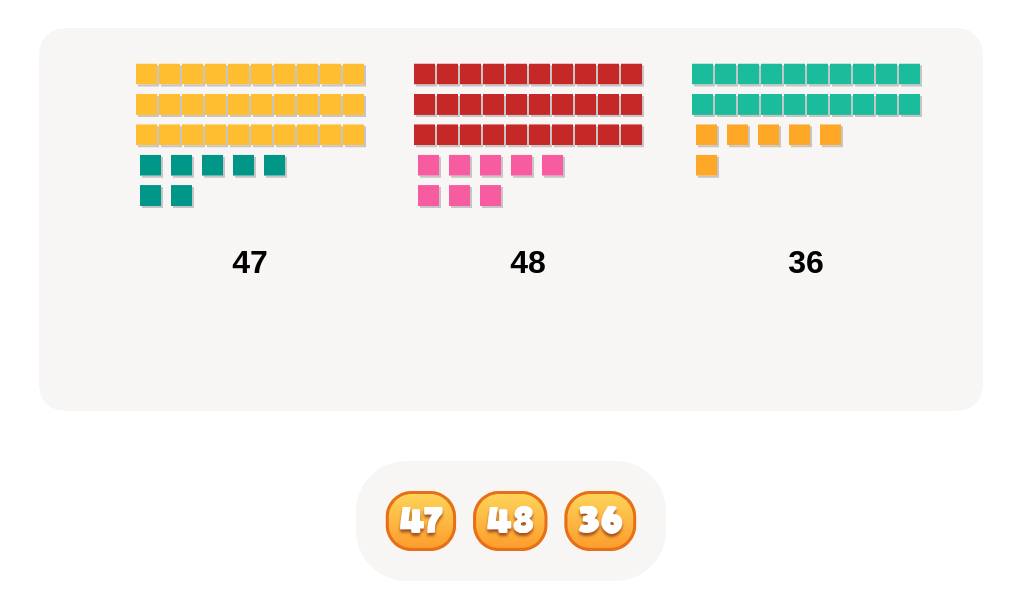
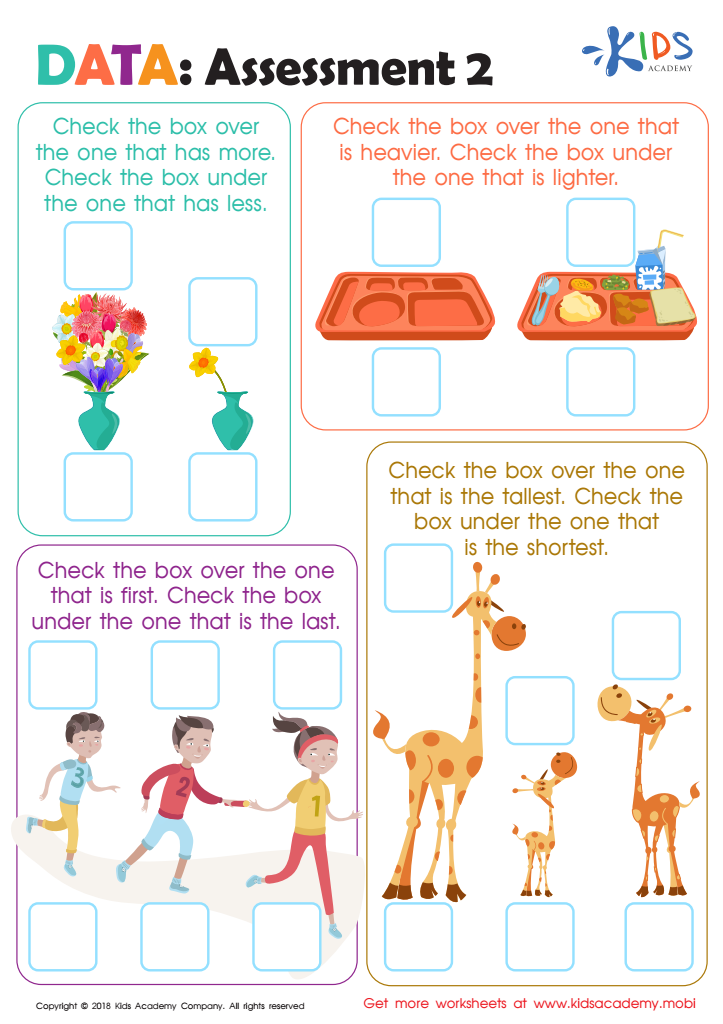
Data: Assessment 2 Worksheet
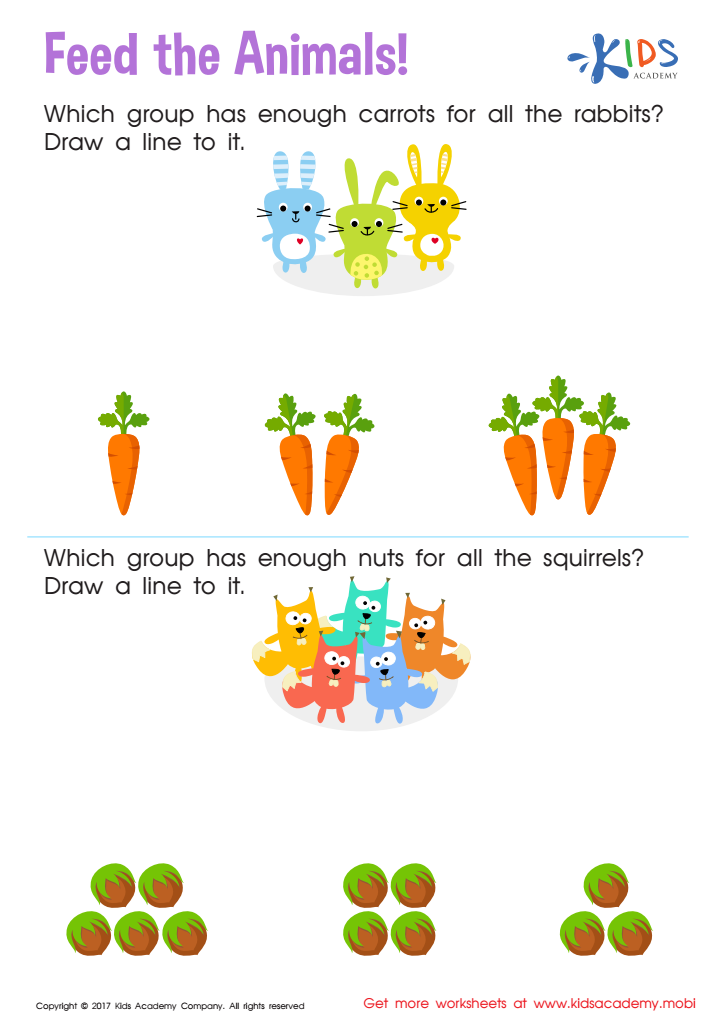
Count and Match: Feed the Animals Worksheet
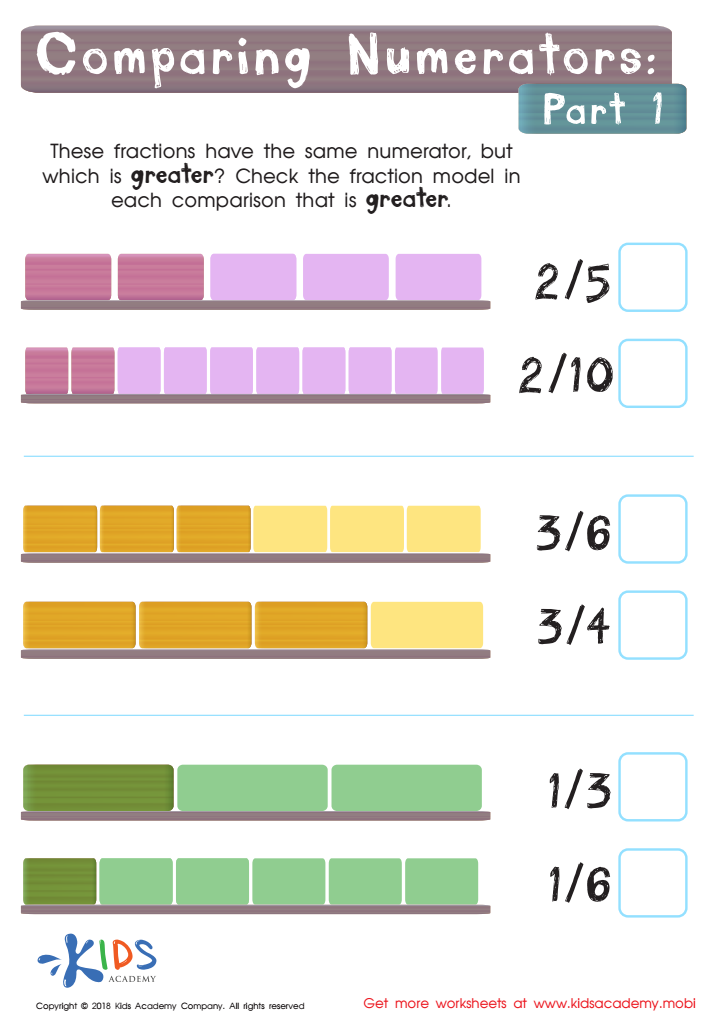
Comparing Numerators Part 1 Worksheet








Comparing numbers is a foundational math skill that sets the stage for a child's future success in more advanced mathematical concepts. For ages 3-9, this skill is vital as it helps children develop critical thinking and reasoning abilities. When parents and teachers focus on helping children compare numbers, they're teaching them how to evaluate, differentiate between quantities, and understand "more than," "less than," and "equal to" – concepts central to math literacy.
Early proficiency in comparing numbers fosters a positive relationship with math, creating confidence and curiosity. Practicing this skill sharpens a child's ability to make decisions based on numerical data, predicting outcomes, and solving real-life problems. For example, determining if you have more apples or oranges requires basic comparison, a skill useful in daily decisions and problem-solving contexts.
Moreover, comparing numbers is a foundational element of higher mathematical learning, including addition, subtraction, multiplication, and division, leading to critical long-term academic success. By nurturing these skills early, parents and teachers help children build a solid numerical foundation, making future math learning more accessible and less intimidating.
Early engagement with comparing numbers promotes not just academic achievement but also practical life skills, contributing to a child's overall cognitive development.








