Interpreting data Numbers Worksheets for Ages 3-9
4 filtered results
-
From - To
Explore our engaging "Interpreting Data Numbers Worksheets" designed for children aged 3-9. Developed by educational experts, these fun and interactive worksheets help kids master the foundational skills of interpreting data through numbers. Perfect for young learners, each worksheet combines vibrant visuals with simple exercises to engage and challenge growing minds. Kids will learn to read graphs, understand patterns, and derive insights from data, all while having fun. Ideal for classroom or home use, our worksheets support a range of learning paces and styles, ensuring every child’s success in early math skills development.
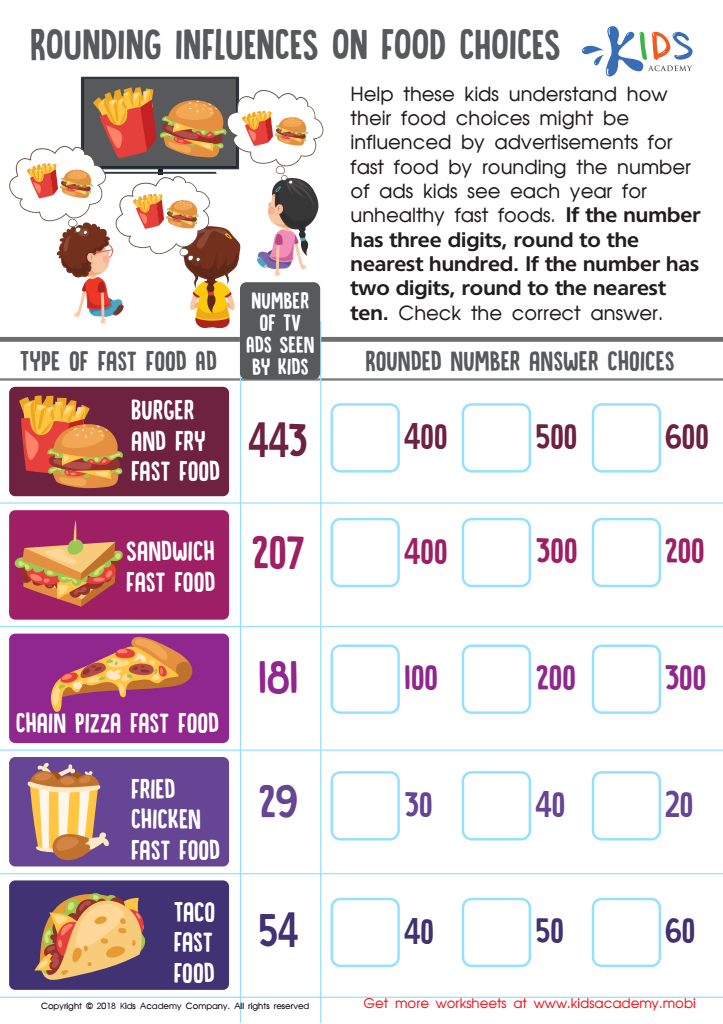
Rounding Influences Food Choices Worksheet
 Assign to My Students
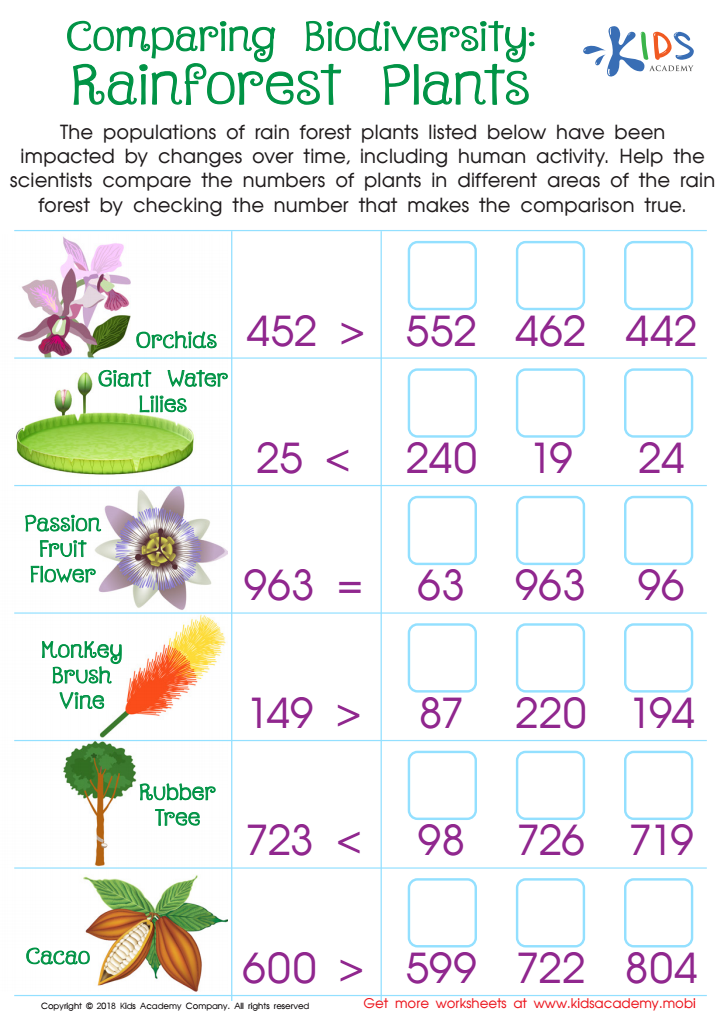
Comparing Biodiversity: Rainforest Plants Worksheet
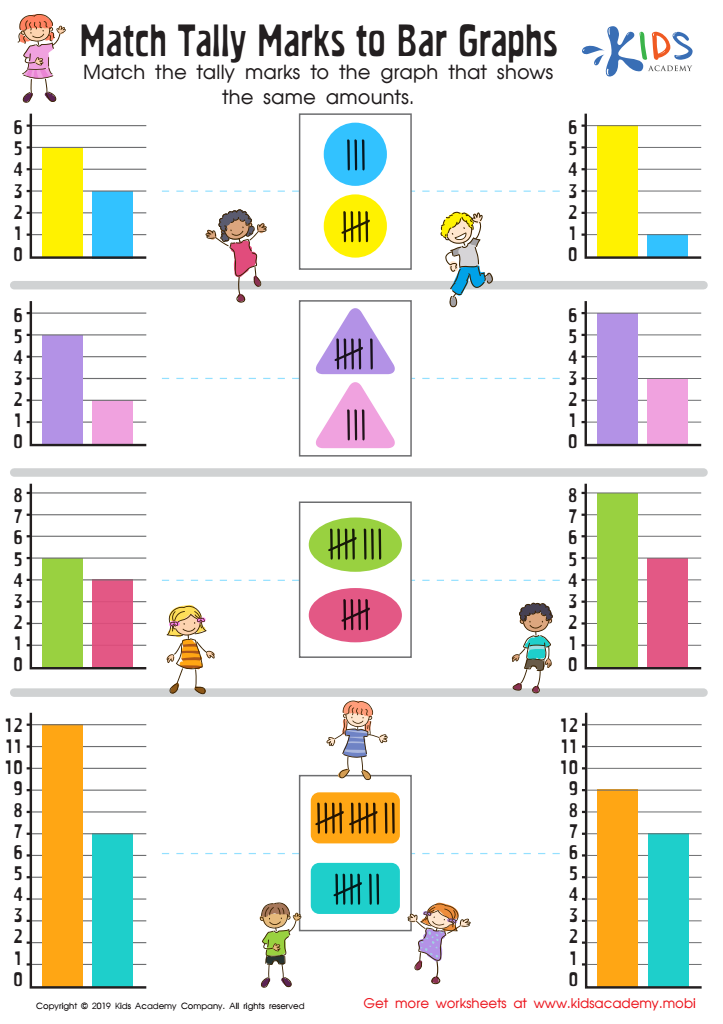
Match Tally Marks to Bar Graphs Worksheet
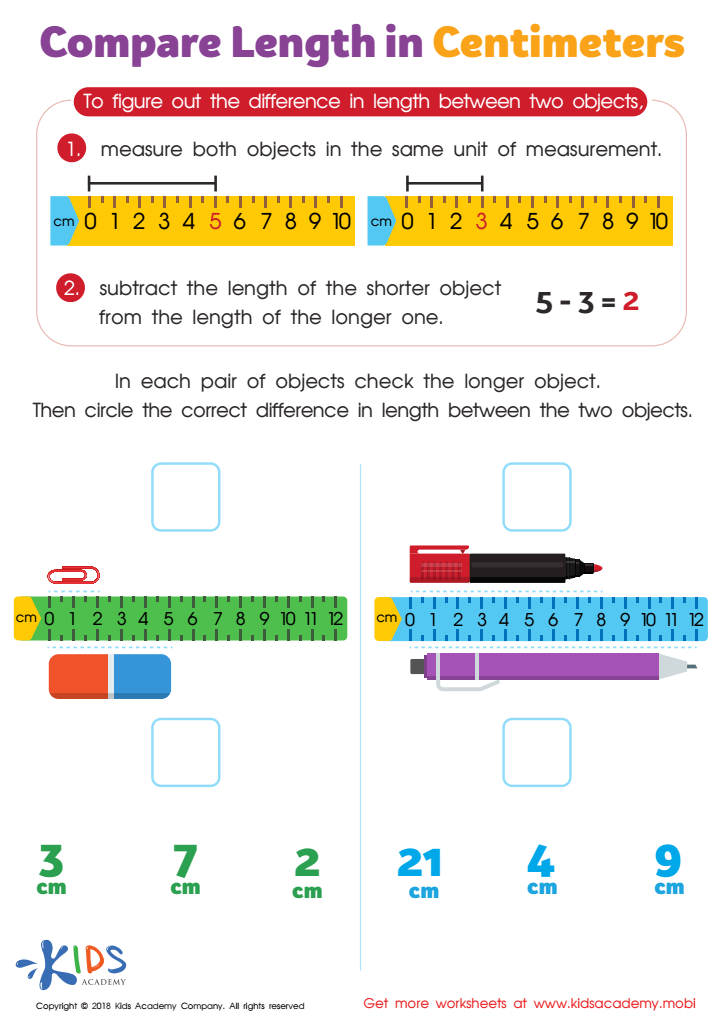
Compare Length in Centimeters Worksheet







Interpreting data is a crucial skill for young children, aged 3-9, as it lays the foundation for critical thinking, problem-solving, and informed decision-making. At this formative age, children are naturally curious and eager to understand the world around them. By engaging with numbers and basic data interpretation, they develop mathematical literacy, which is essential for academic success and daily life.
Introducing these skills early helps children to identify patterns, make predictions, and understand relationships between different pieces of information. For instance, interpreting simple graphs or counting objects in groups can enhance their ability to compare quantities and recognize trends. These activities also promote cognitive development by encouraging logical reasoning and analytical thinking.
Parents and teachers play a crucial role in this developmental stage. They can create engaging, age-appropriate activities that make the concept of data both fun and understandable. By integrating data interpretation into games, storytelling, and hands-on activities, adults help demystify numbers and make learning more concrete and relatable.
In sum, fostering a strong foundation in data interpretation for young children equips them with the necessary skills to navigate an increasingly data-driven world. It prepares them not only for more complex mathematical concepts in their educational journey but also for making well-informed decisions later in life.








