Addition Practice Math Worksheets for Ages 3-9 - Page 2
182 filtered results
-
From - To
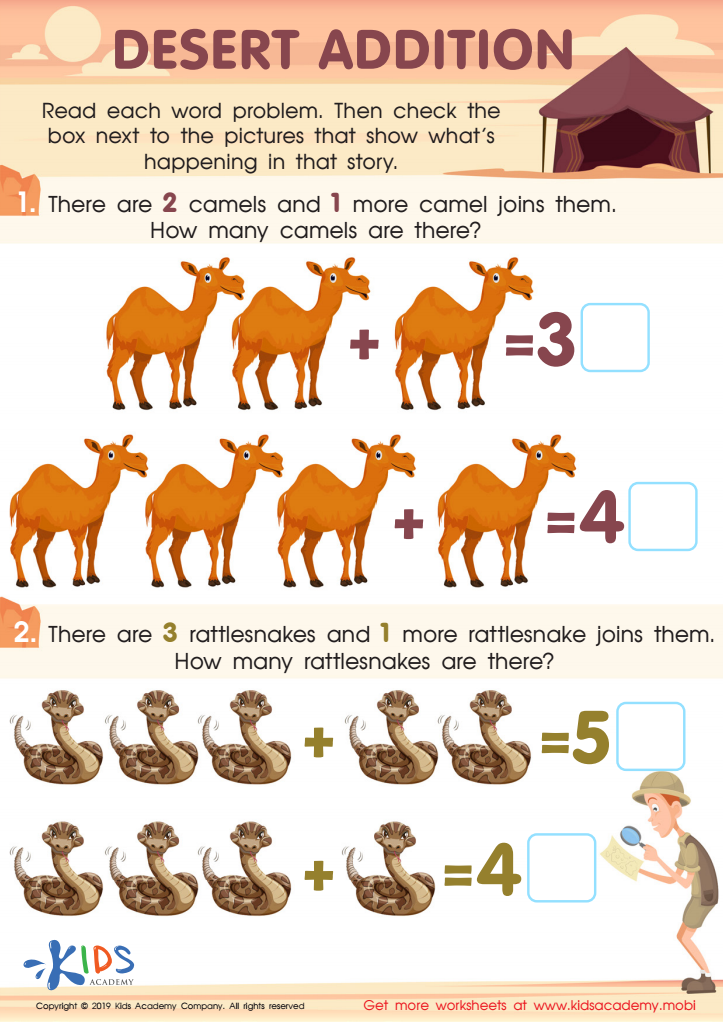
Desert Addition Worksheet
 Assign to My Students
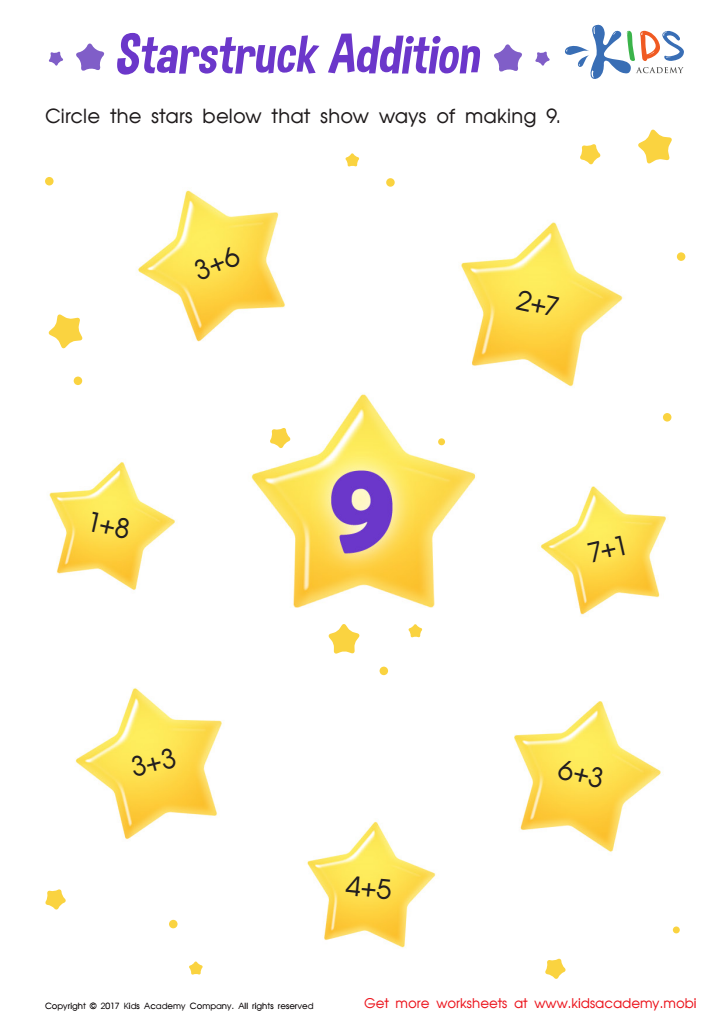
Starstruck Addition Printable
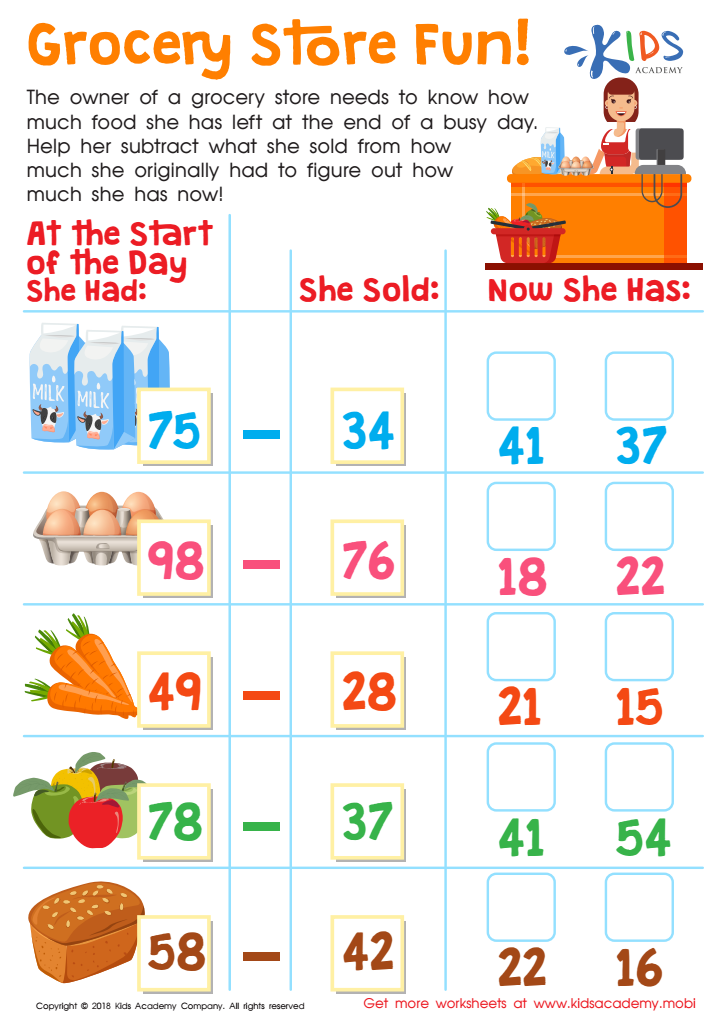
Grocery Store Fun! Worksheet
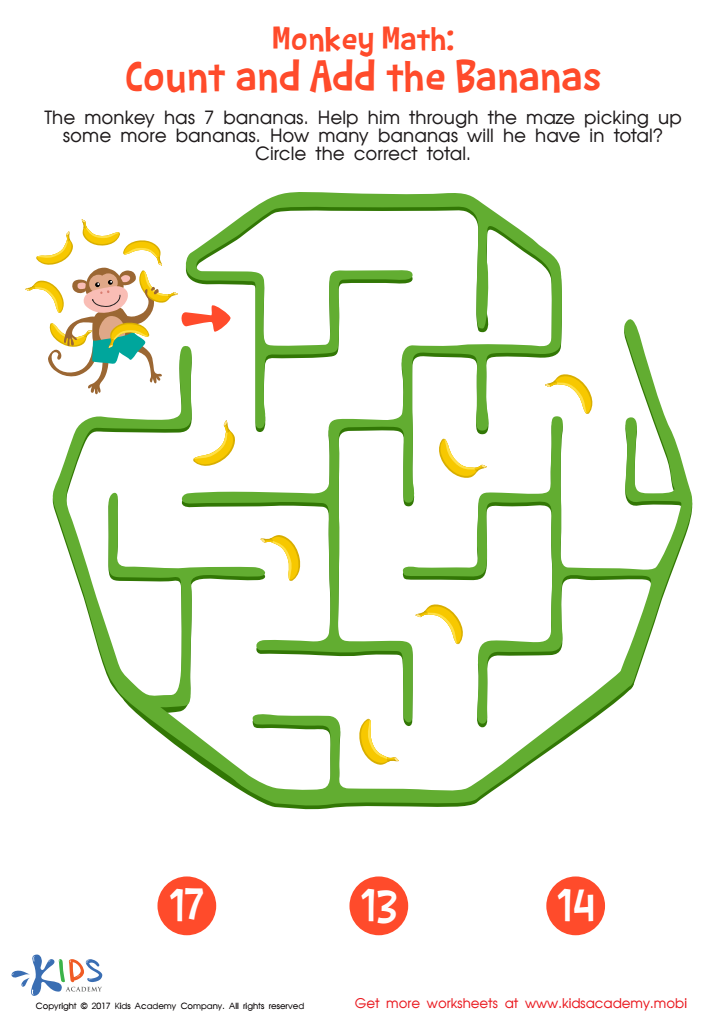
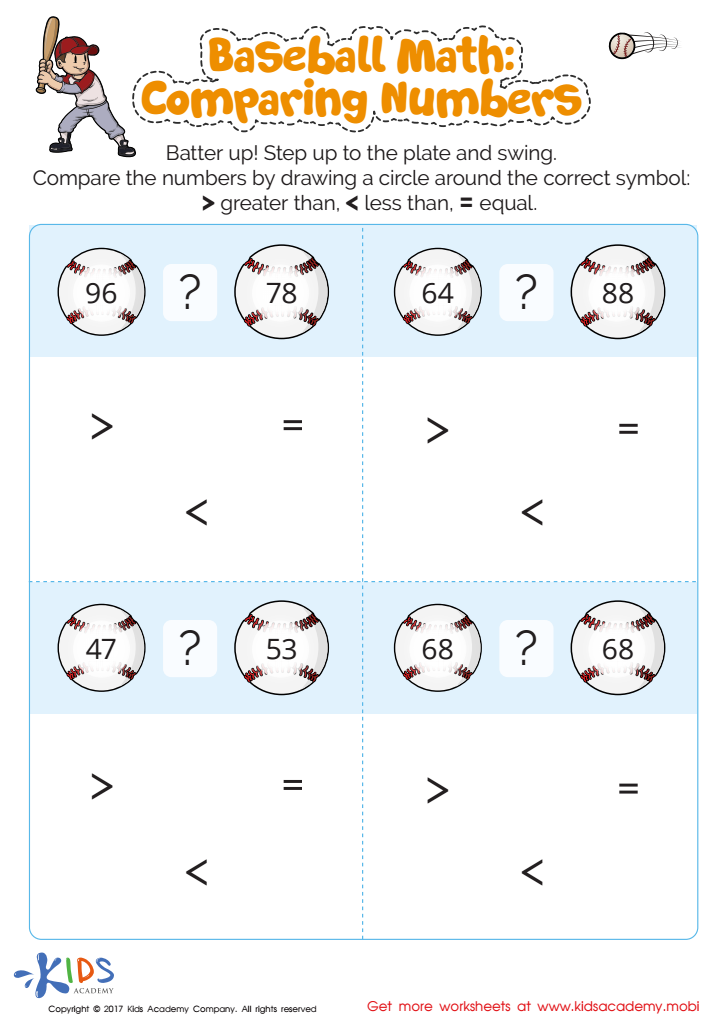
Compare Numbers Printable
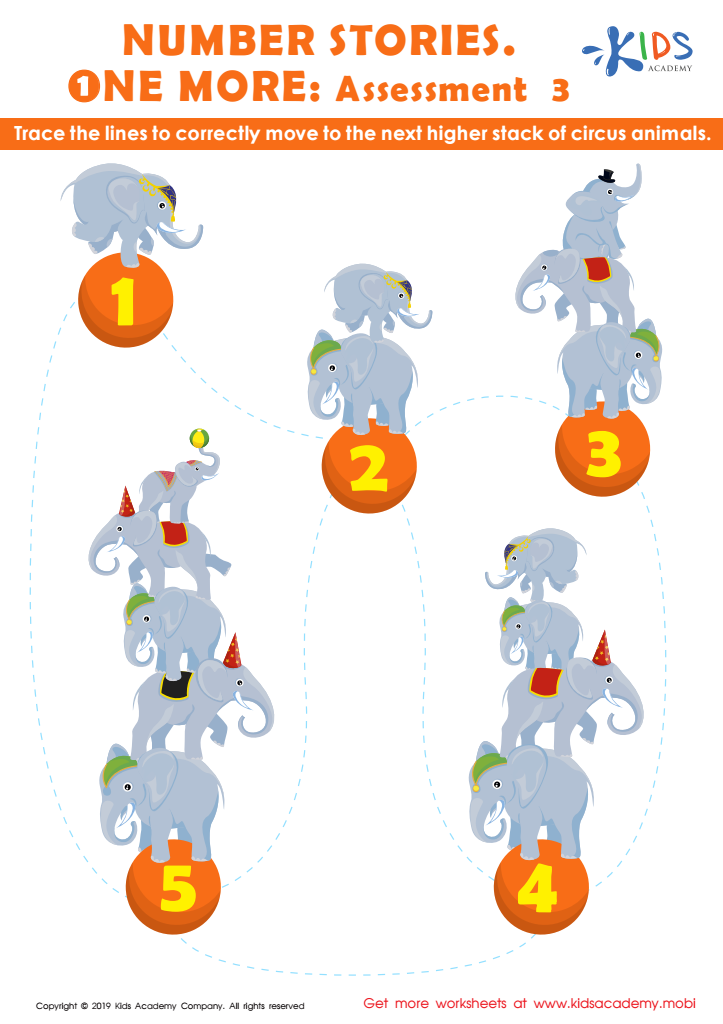
Number Stories One More: Assessment 3 Worksheet
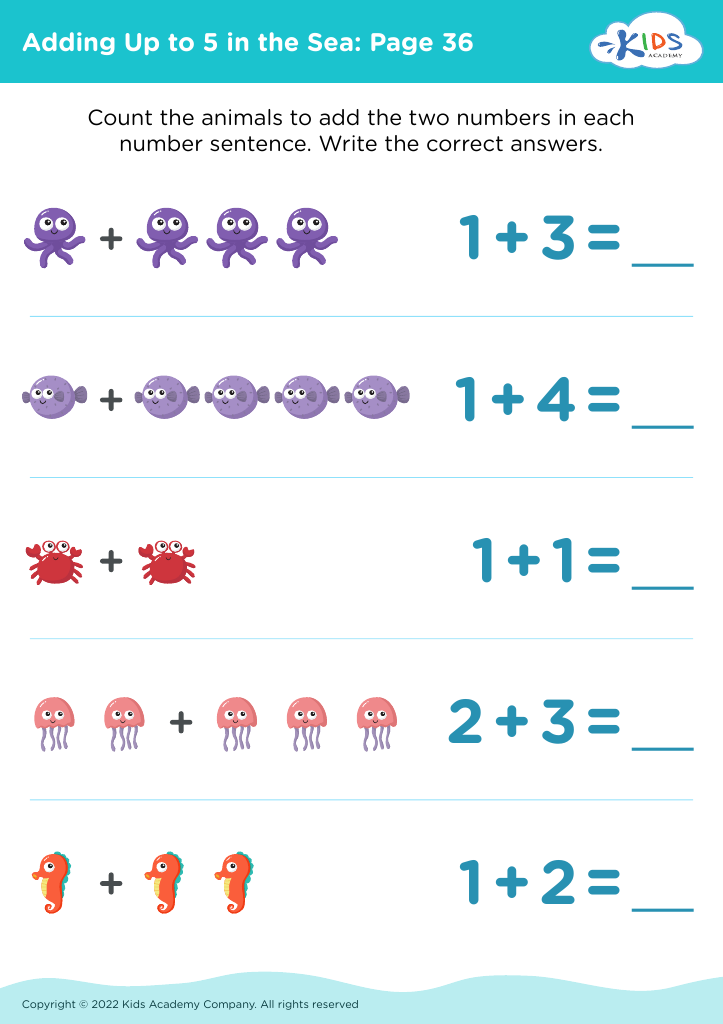
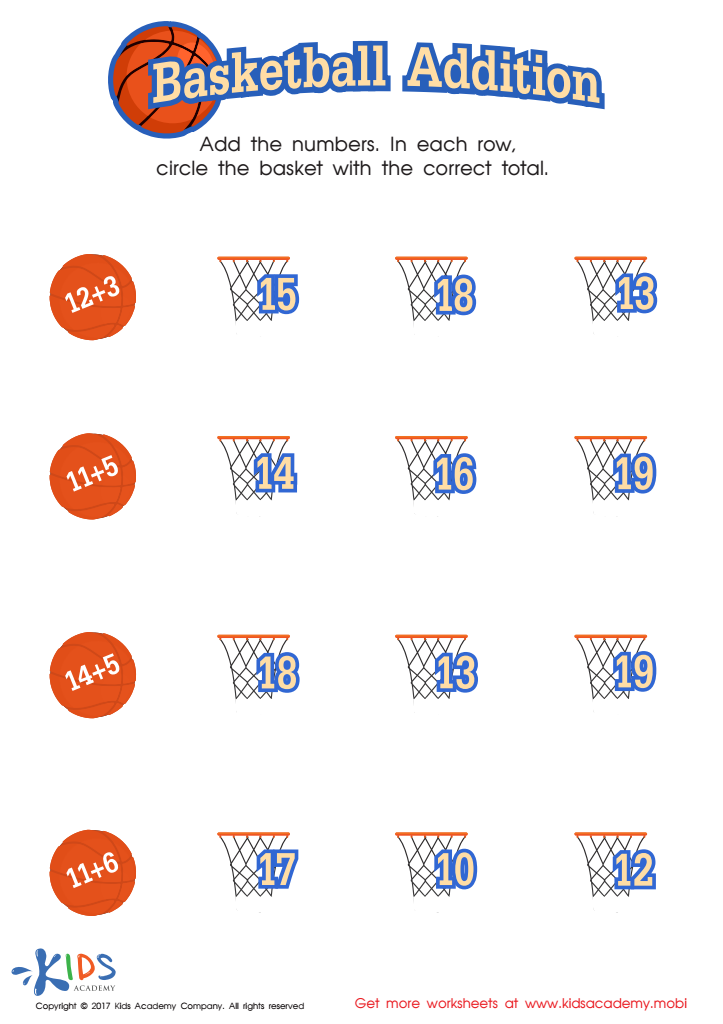
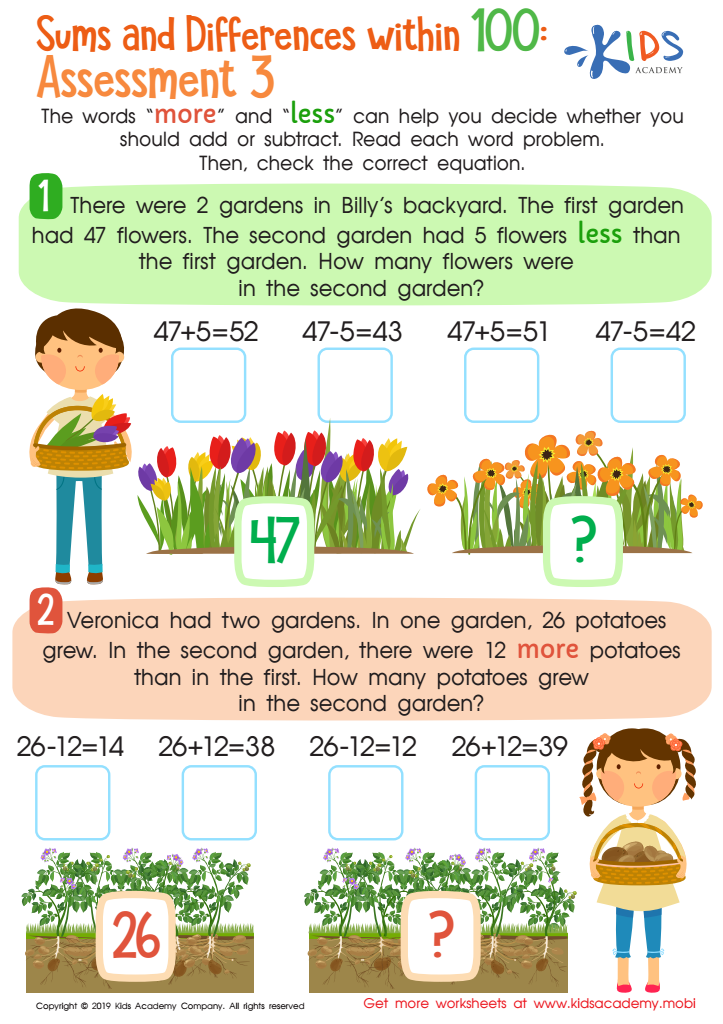
Sums and Differences Within 1 - Assessment 1 Worksheet
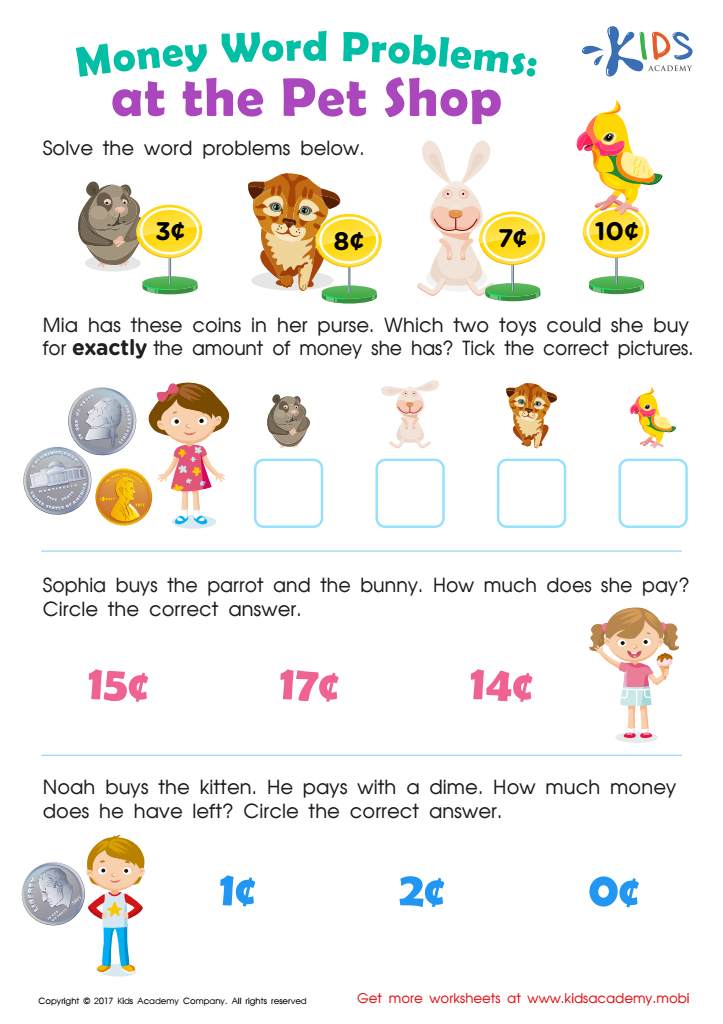
Pet Shop Worksheet
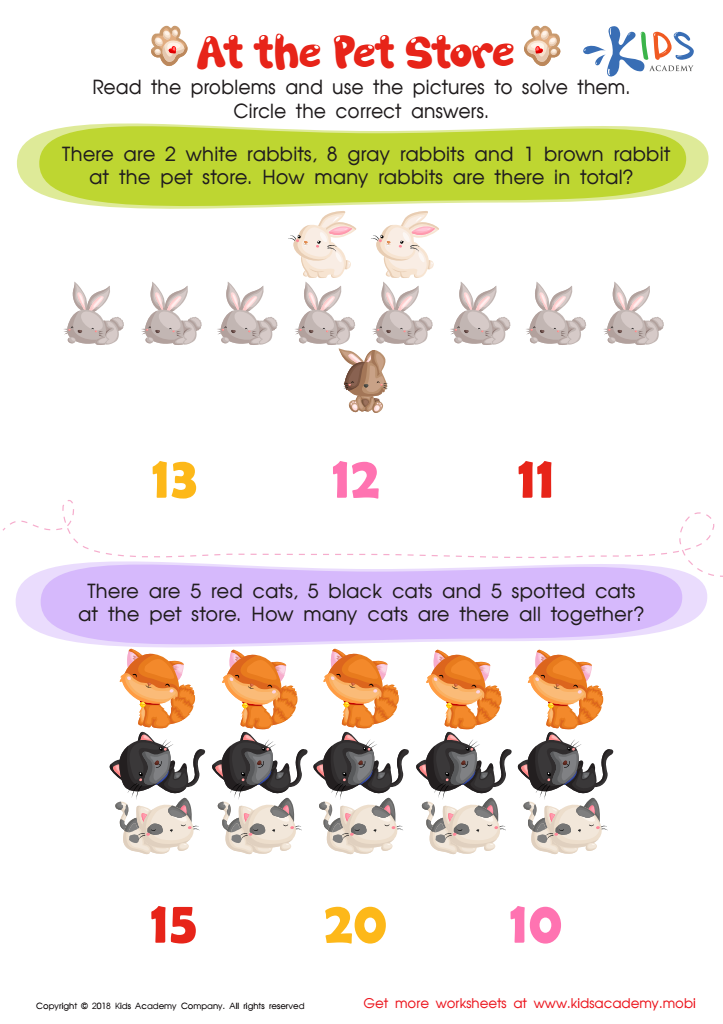
At the Pet Store Word Problems Worksheet
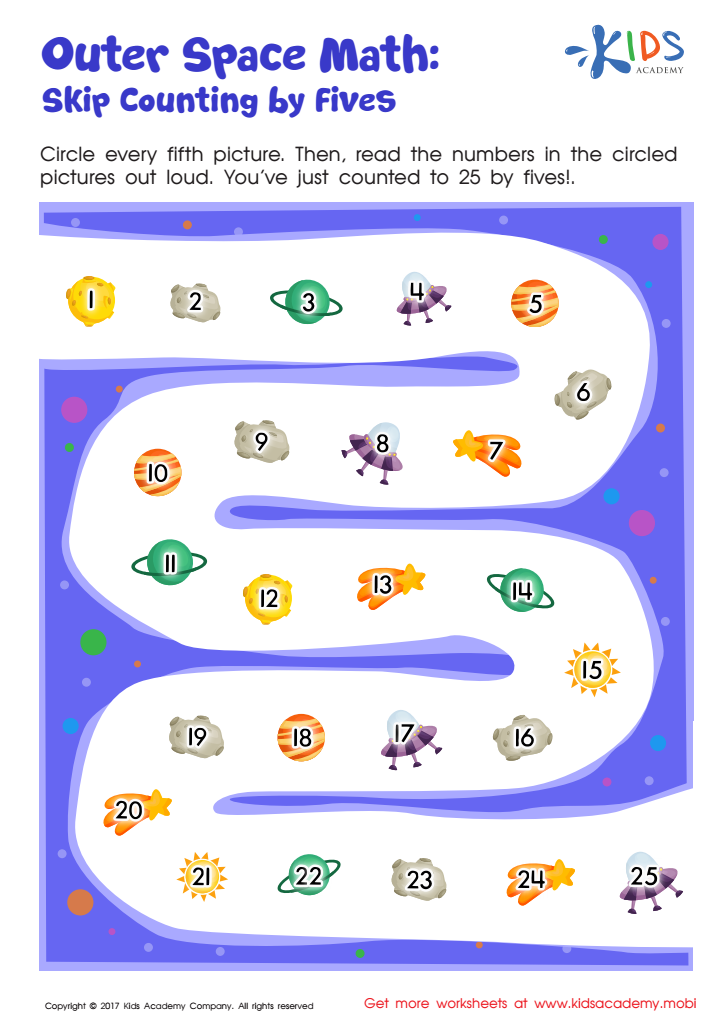
Skip Counting by 5s: Outer Space Math Printable
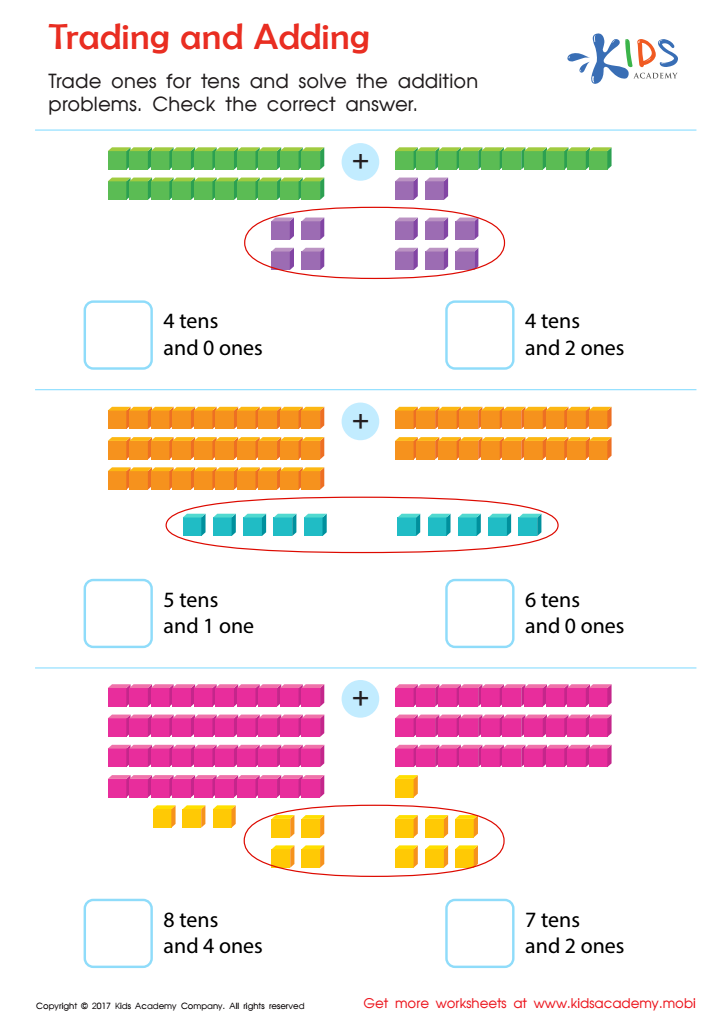
Trading and Adding Worksheet
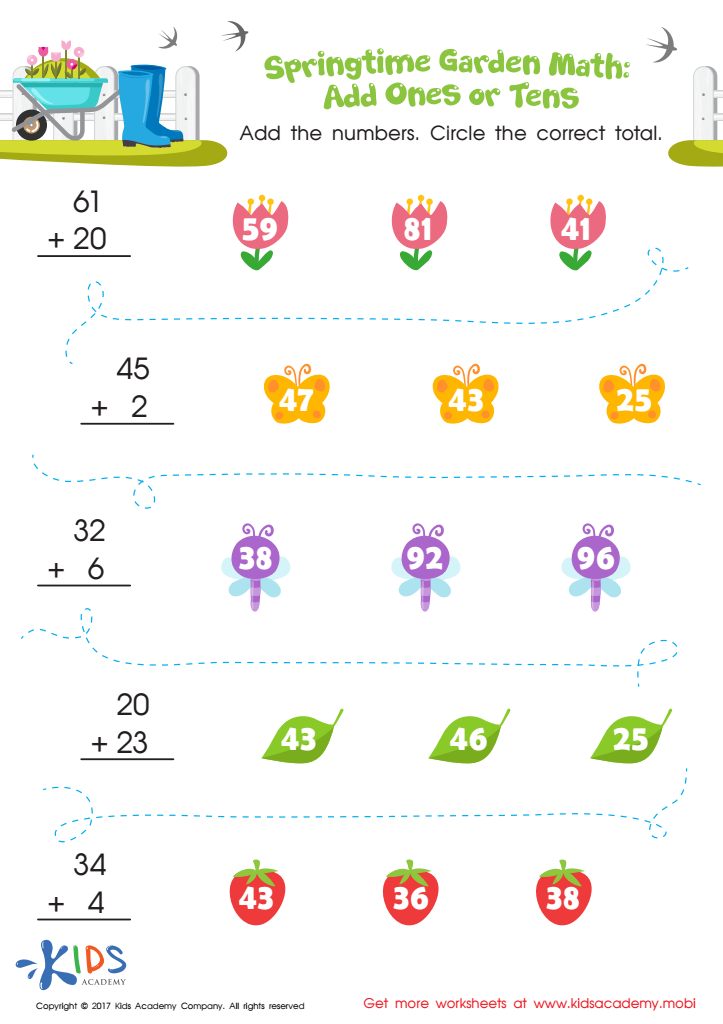
Springtime Garden Math Worksheet
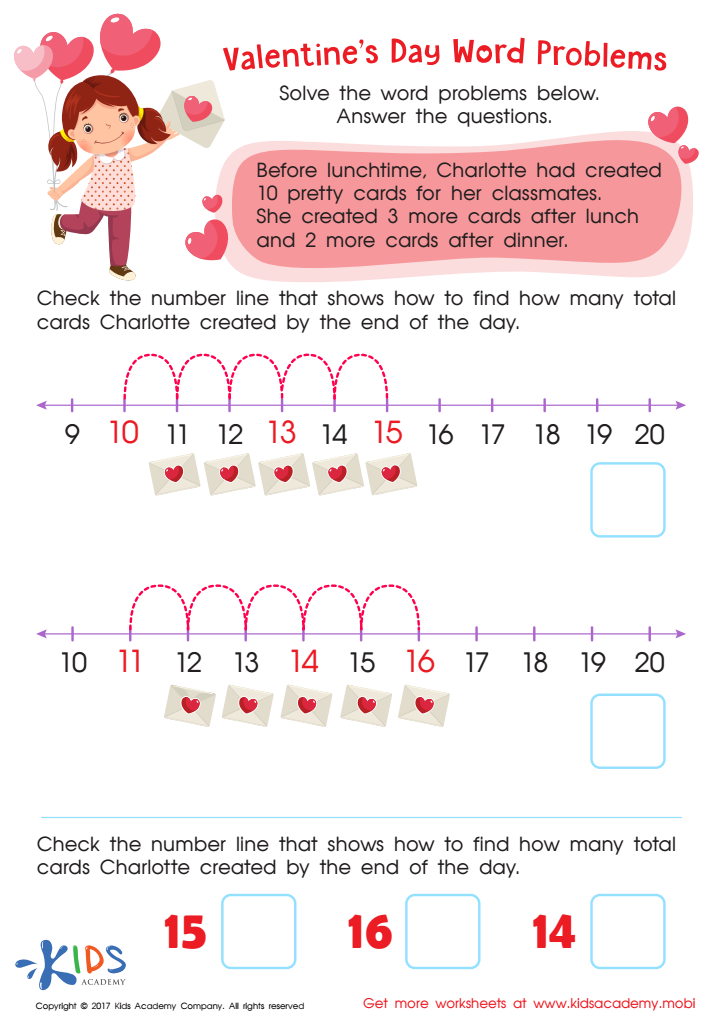
Valentines Day Word Problem Worksheet
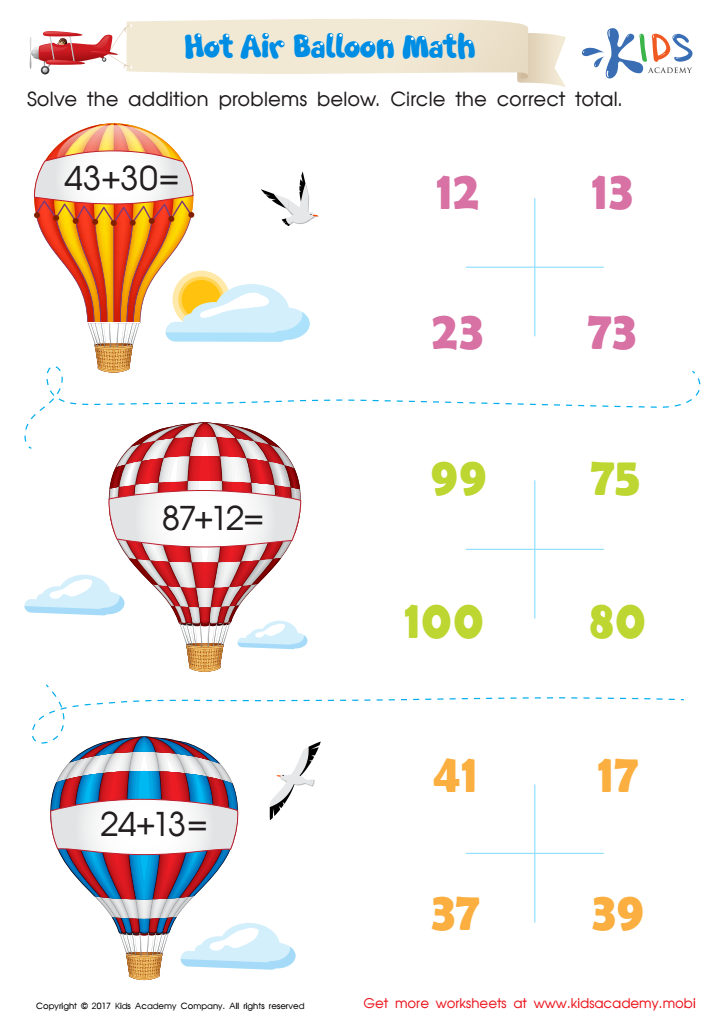
Hot Air Balloon Math Worksheet





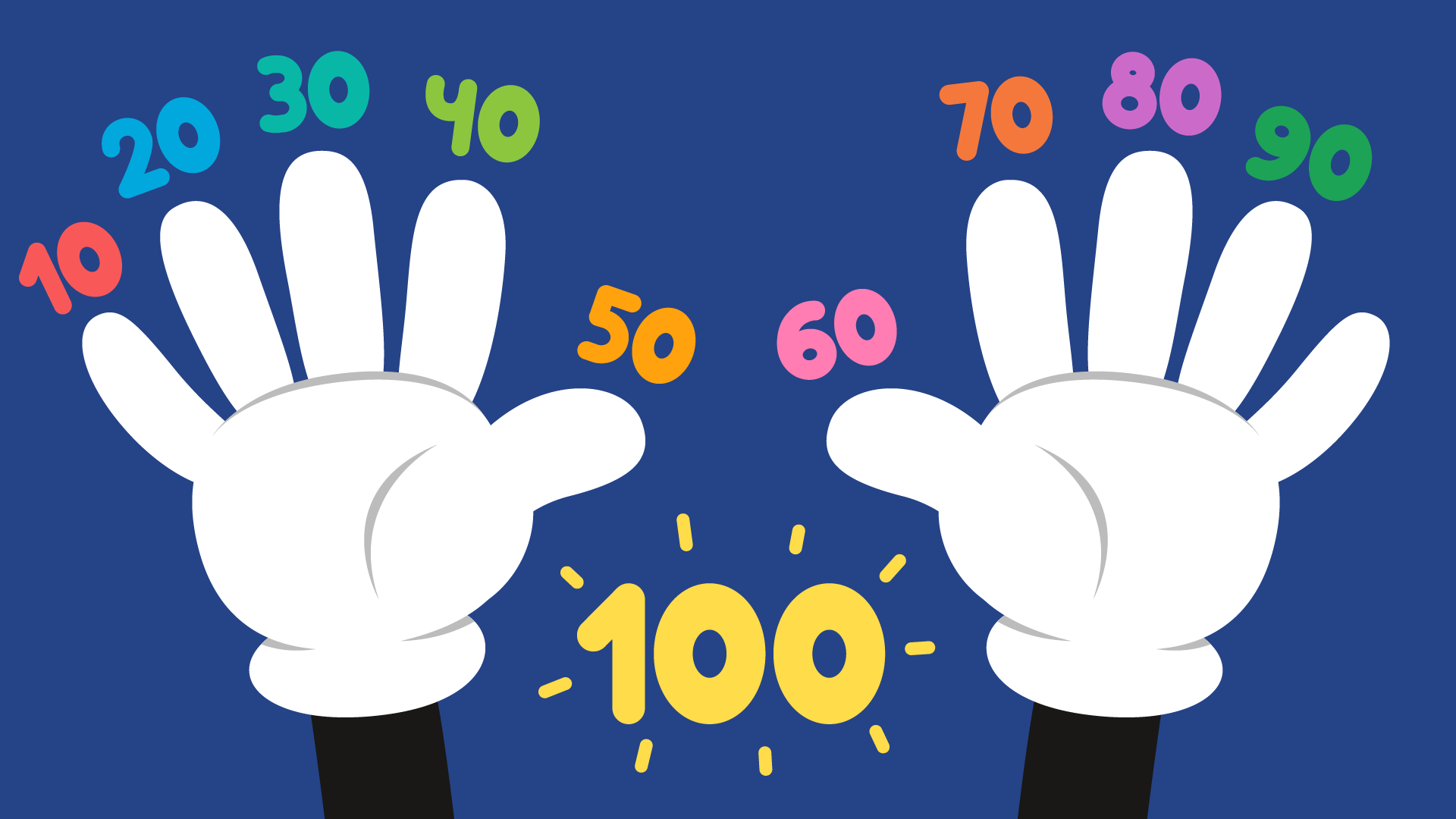


Parents and teachers should prioritize addition practice math for children ages 3-9 because it lays the foundational building blocks for future mathematical understanding and problem-solving skills. During these early years, children are like sponges, eagerly absorbing information and developing cognitive abilities. A strong grasp of addition not only enhances their numeracy skills but also boosts their confidence, laying the groundwork for future academic success.
Moreover, addition practice helps improve critical thinking and reasoning skills. Children learn how to break down problems, analyze situations, and develop strategies for finding solutions. This cognitive development extends beyond mathematics and positively influences overall academic performance.
Additionally, engaging in addition practice fosters a sense of achievement and motivation. When children successfully solve problems, they experience a sense of accomplishment, encouraging a positive attitude toward learning. Furthermore, it's an opportunity for parents and teachers to bond, as working together on addition can create enjoyable, interactive learning experiences.
Lastly, building early math skills aligns with educational objectives and prepares children for more complex mathematical concepts as they progress in their education. Therefore, investing time and resources in addition practice is crucial in nurturing well-rounded, confident learners ready to tackle the challenges ahead.








