Spatial awareness Math Worksheets for Ages 3-9
32 filtered results
-
From - To
Enhance your child's learning with our Spatial Awareness Math Worksheets designed for ages 3-9! These engaging and interactive worksheets focus on crucial spatial concepts, helping young learners develop skills like understanding shapes, directions, and distance. By completing fun activities such as puzzles and matching exercises, children will improve their cognitive abilities while enjoying the process. Our worksheets cater to various learning styles, ensuring every child can benefit from hands-on practice. Perfect for classroom use or at-home learning, these resources will lay a strong foundation for future math skills. Explore our collection and watch your child's confidence soar!
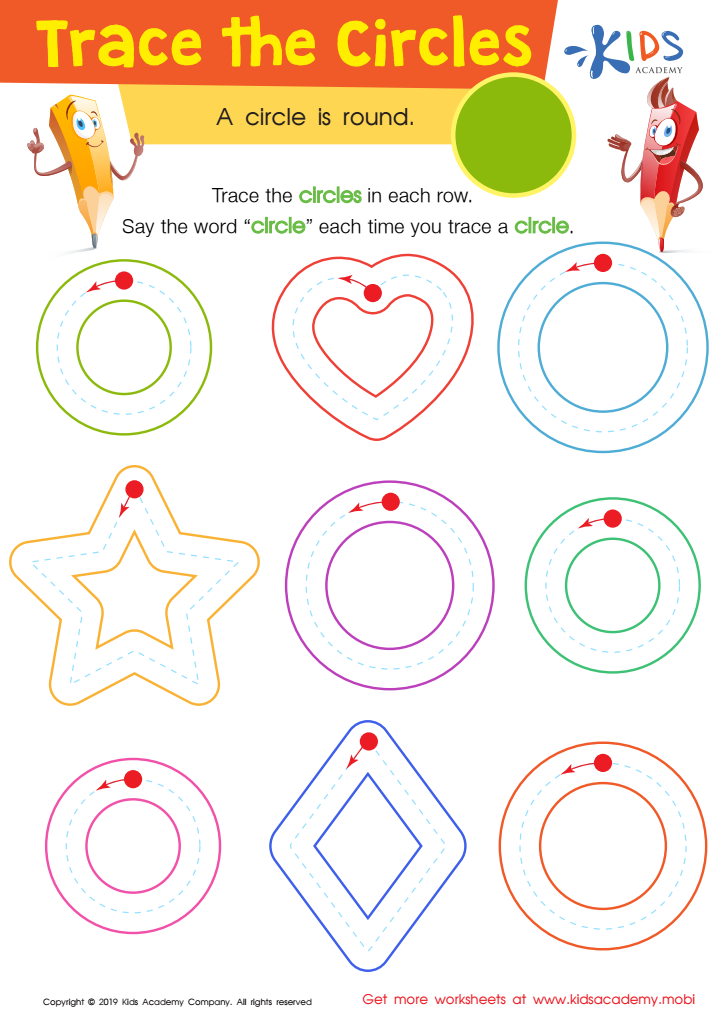
Trace The Circles Worksheet
 Assign to My Students
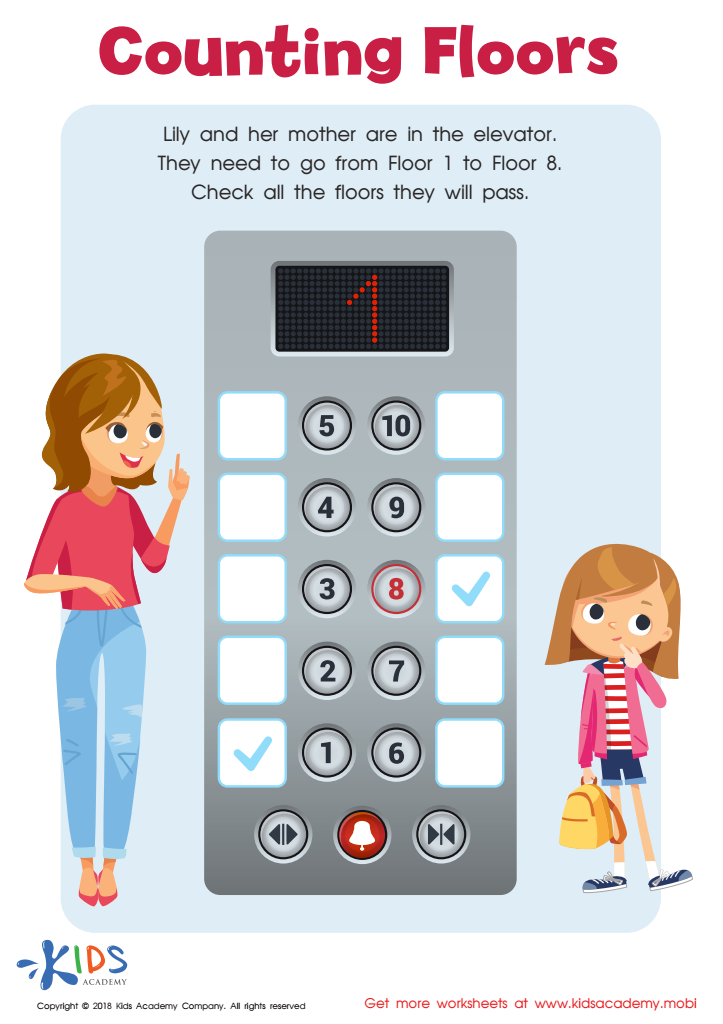
Counting Floors Worksheet
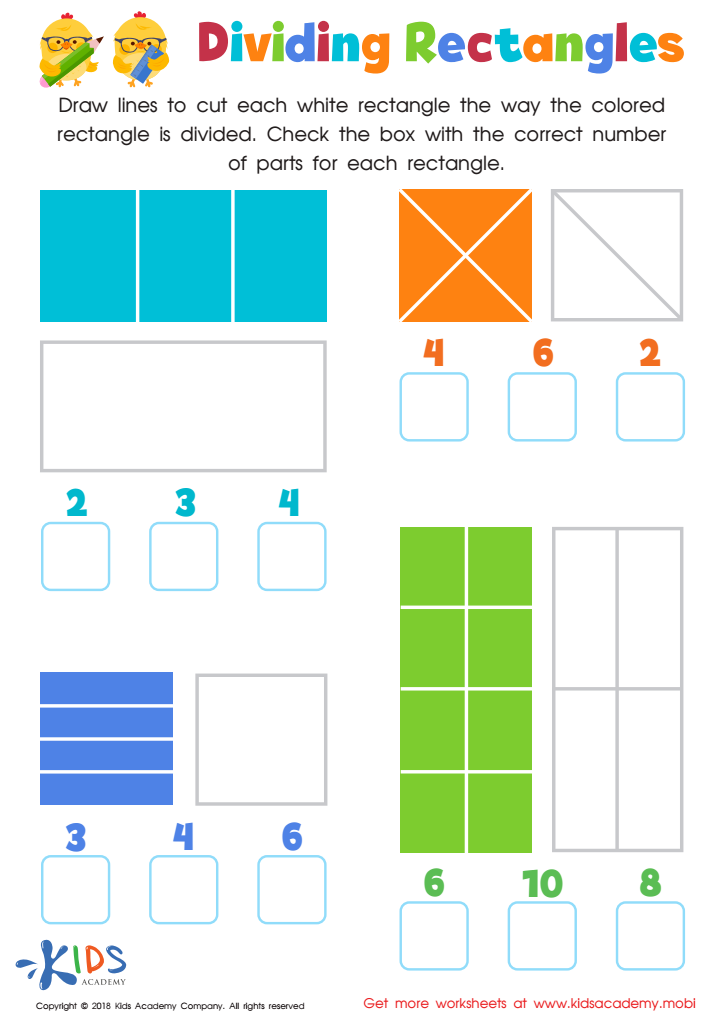
Dividing Rectangles Worksheet
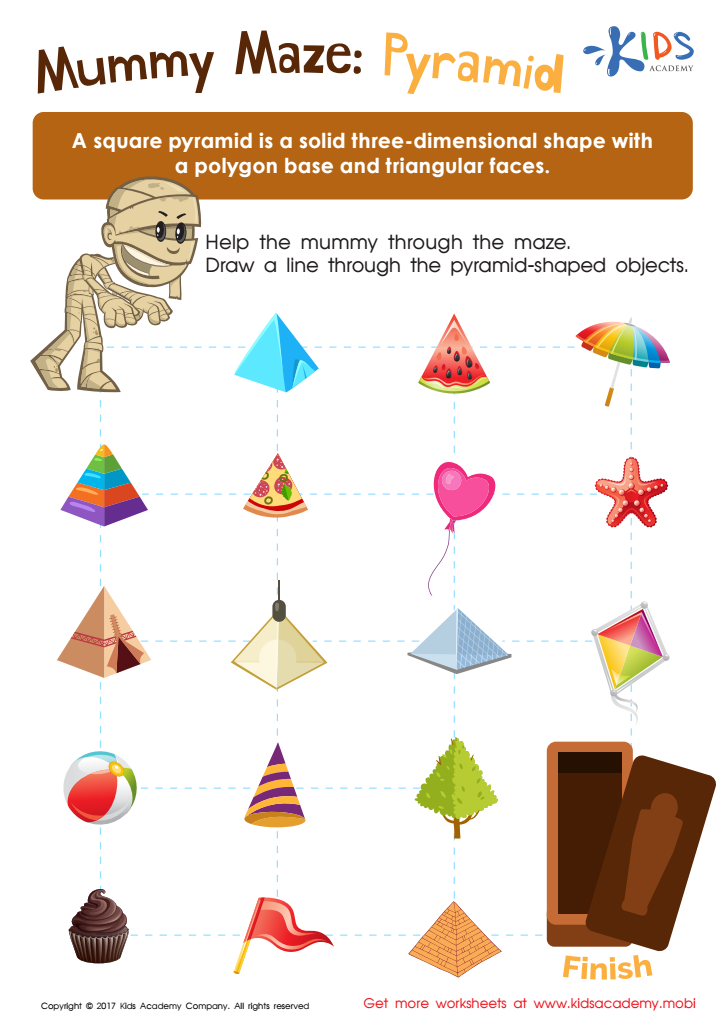
Mummy Maze: Pyramid Printable
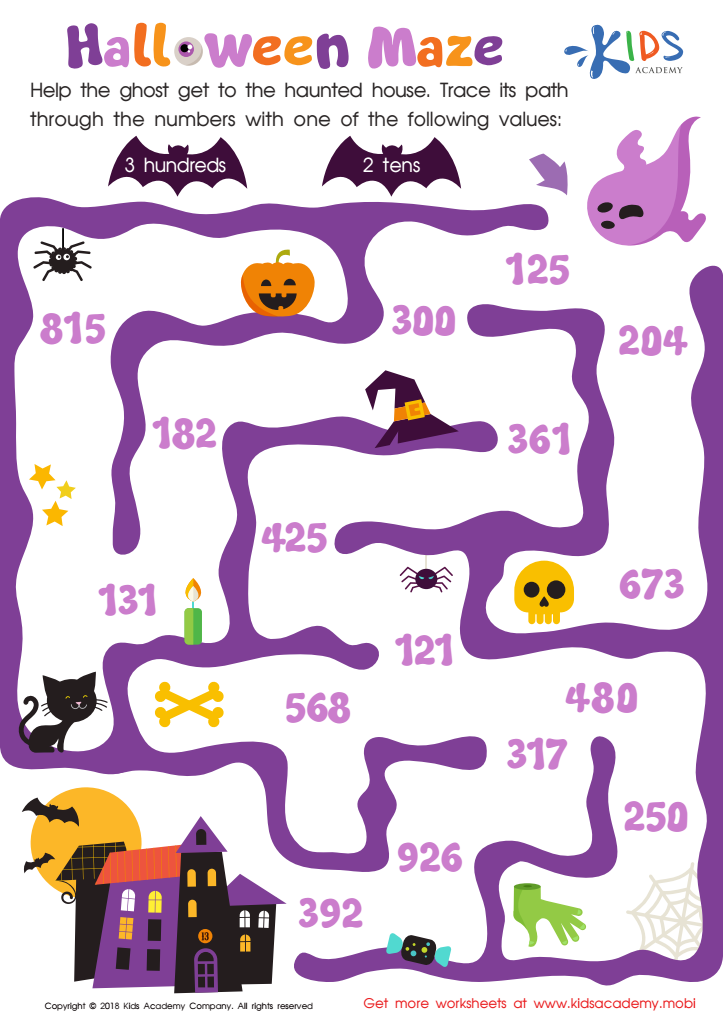
Place Value: Halloween Maze Worksheet
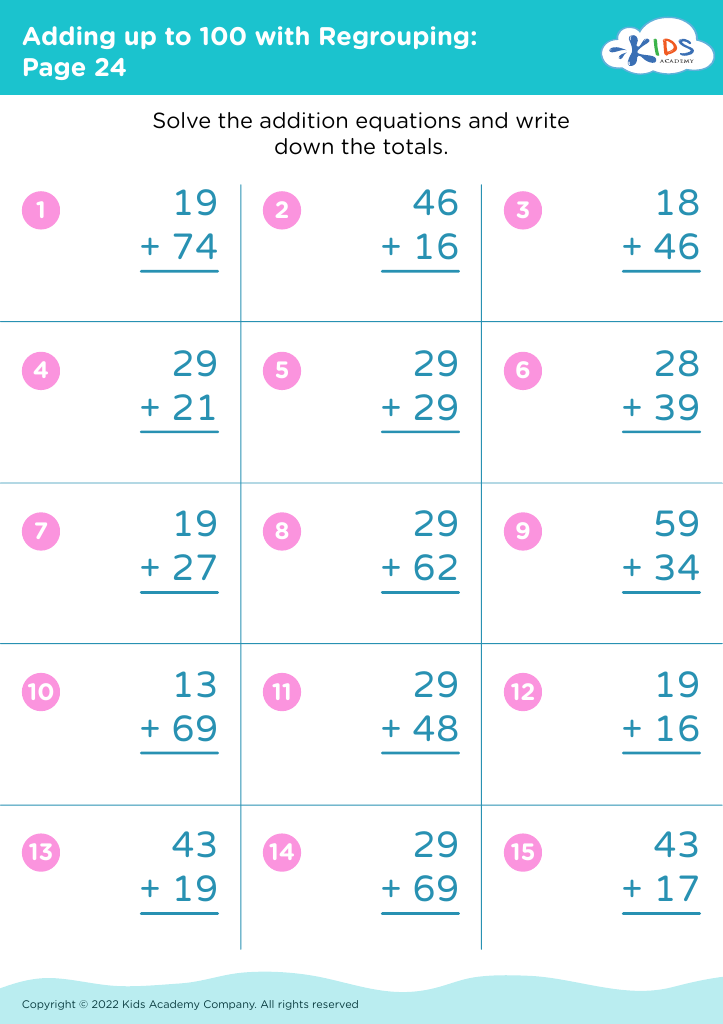
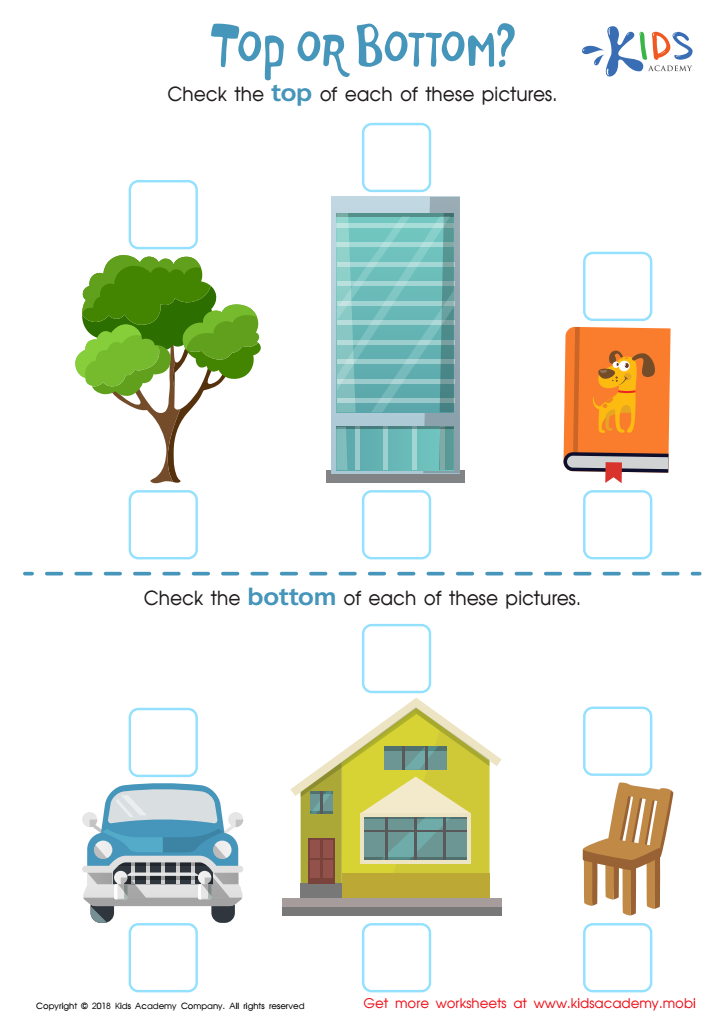
Top or Bottom Worksheet
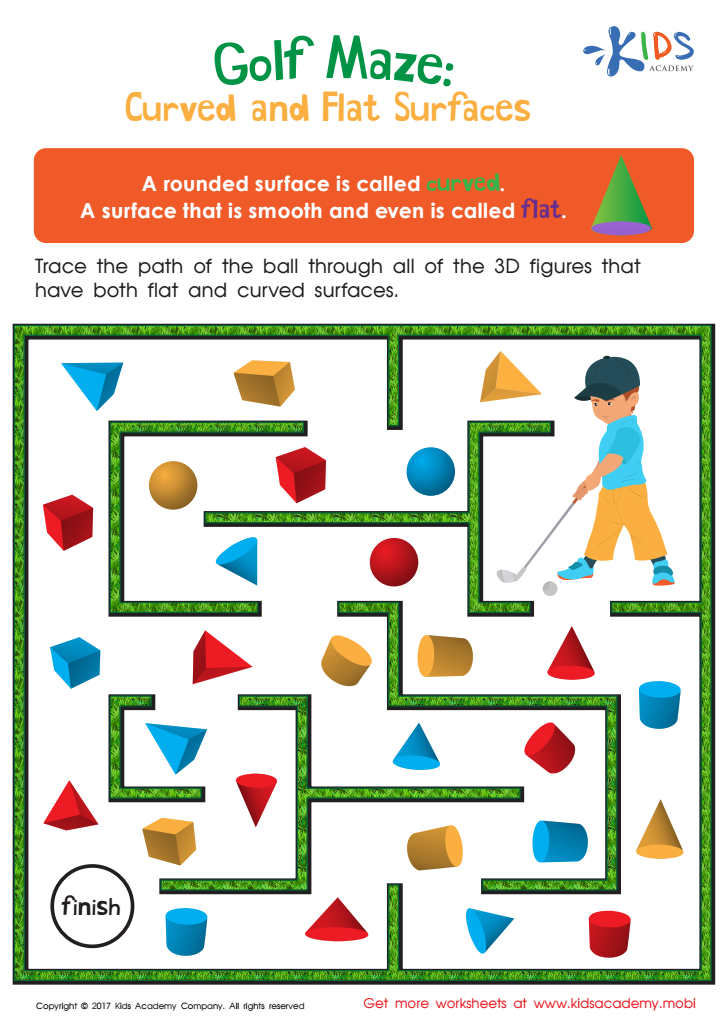
Golf Maze: Curved and Flat Surfaces Worksheet
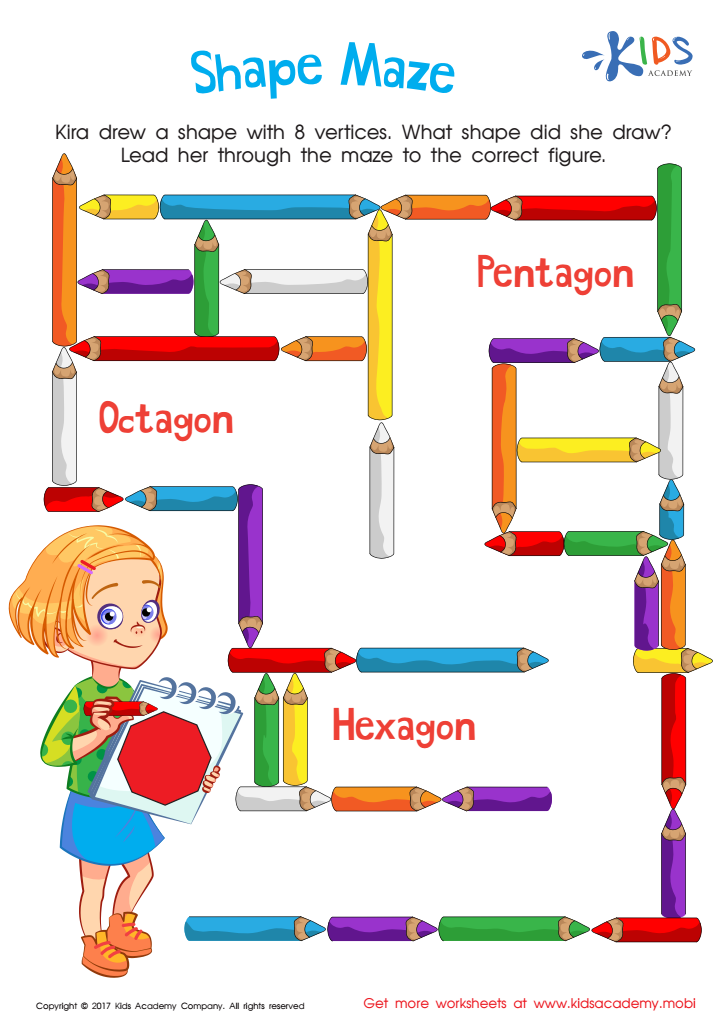
Shape Maze Worksheet
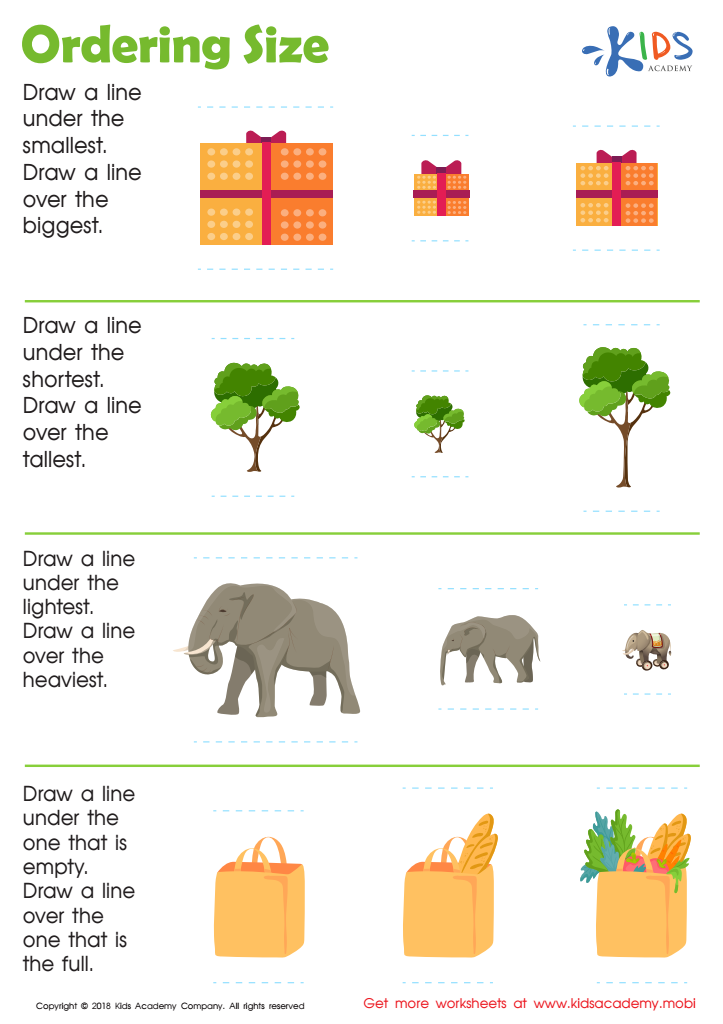
Ordering Size Worksheet
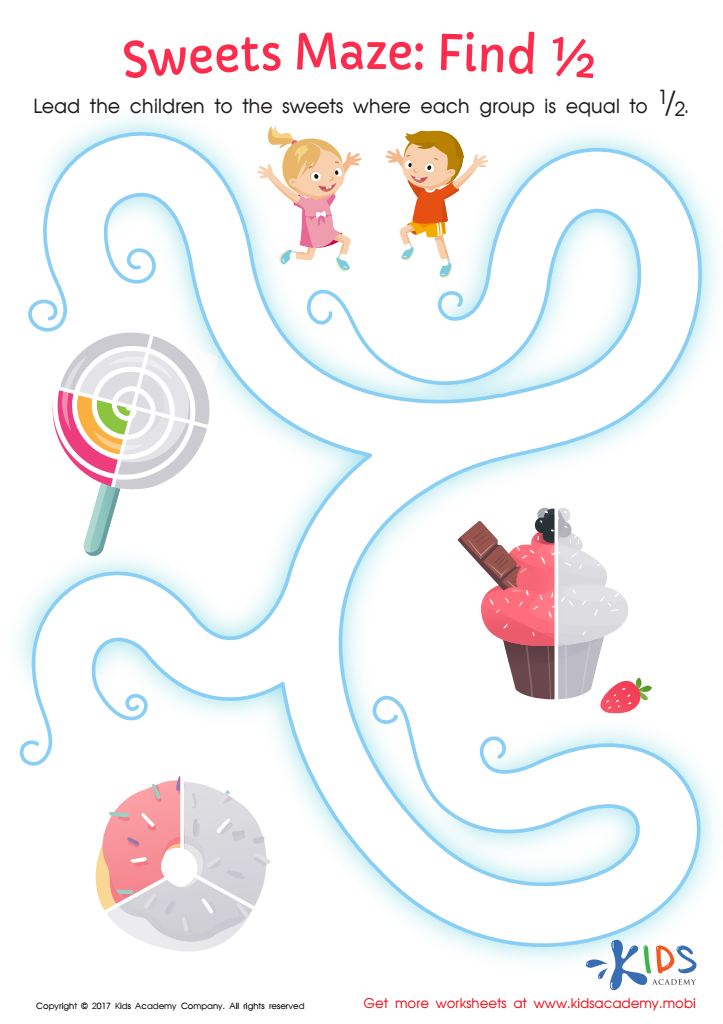
Fractions: Sweets Maze Worksheet
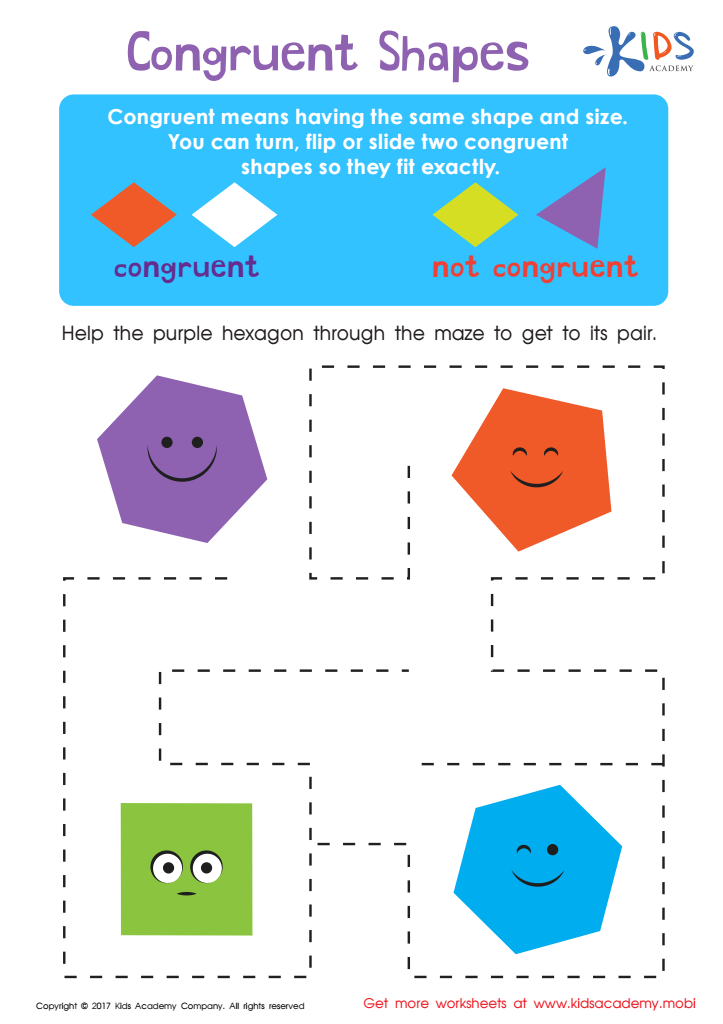
Congruent Shapes Worksheet
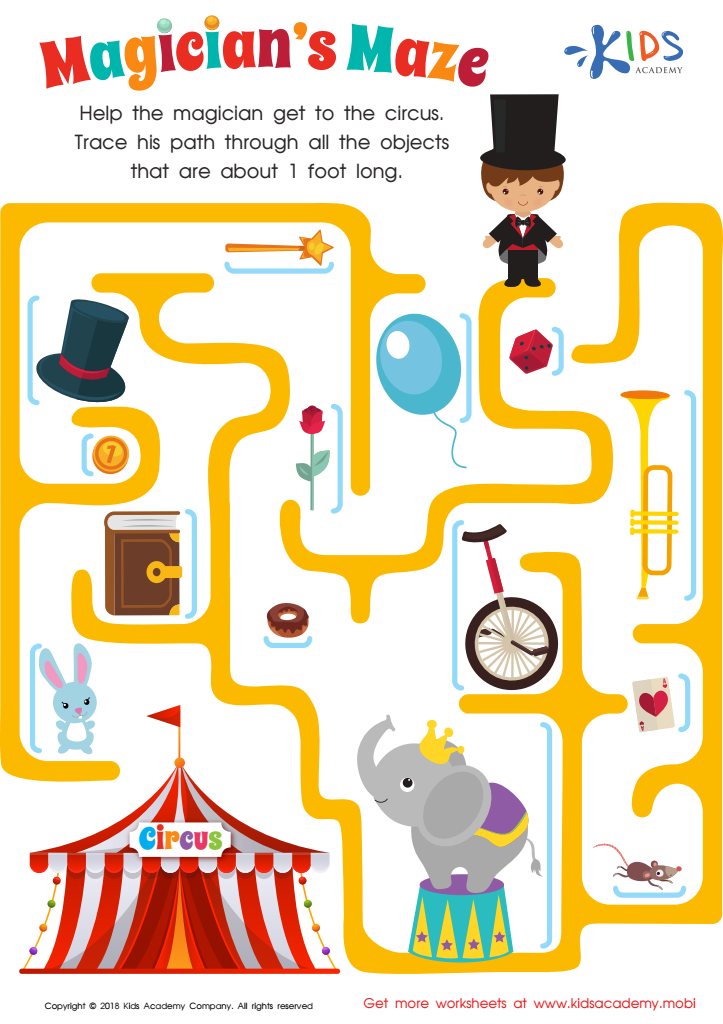
Estimating Length: Magician's Maze Worksheet
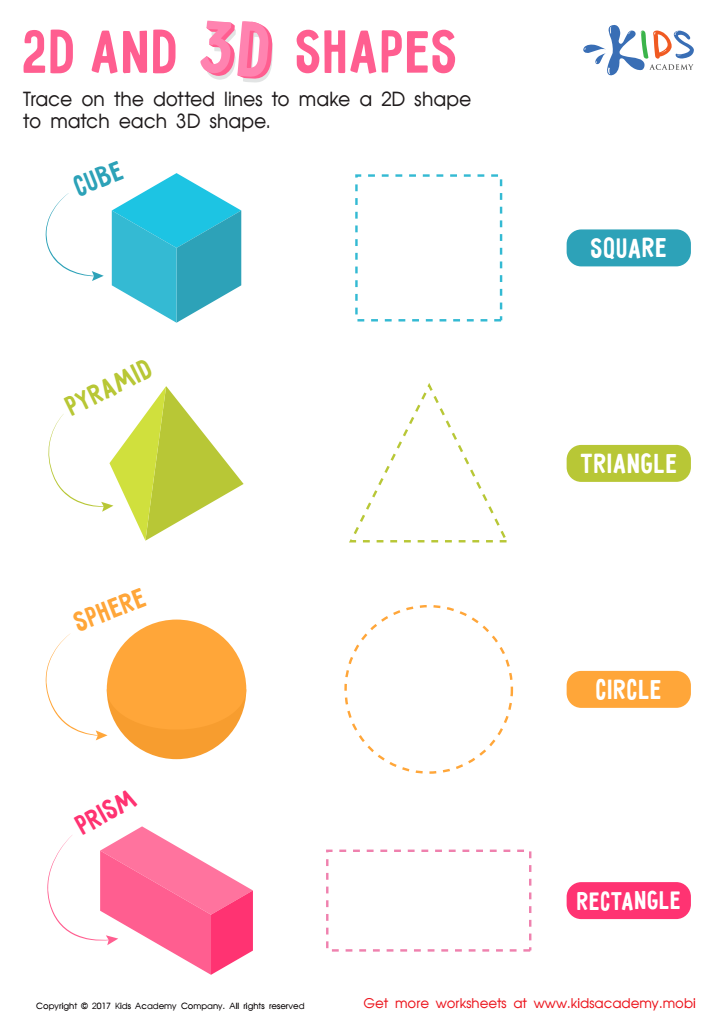
2D and 3D Shapes Worksheet
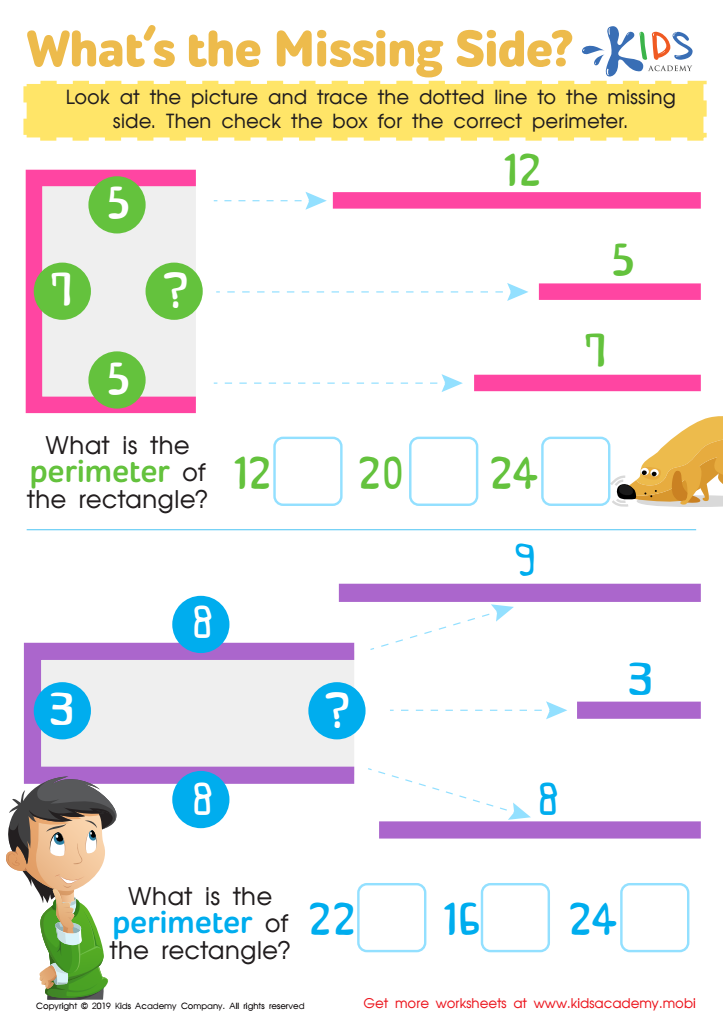
What's the Missing Side Worksheet
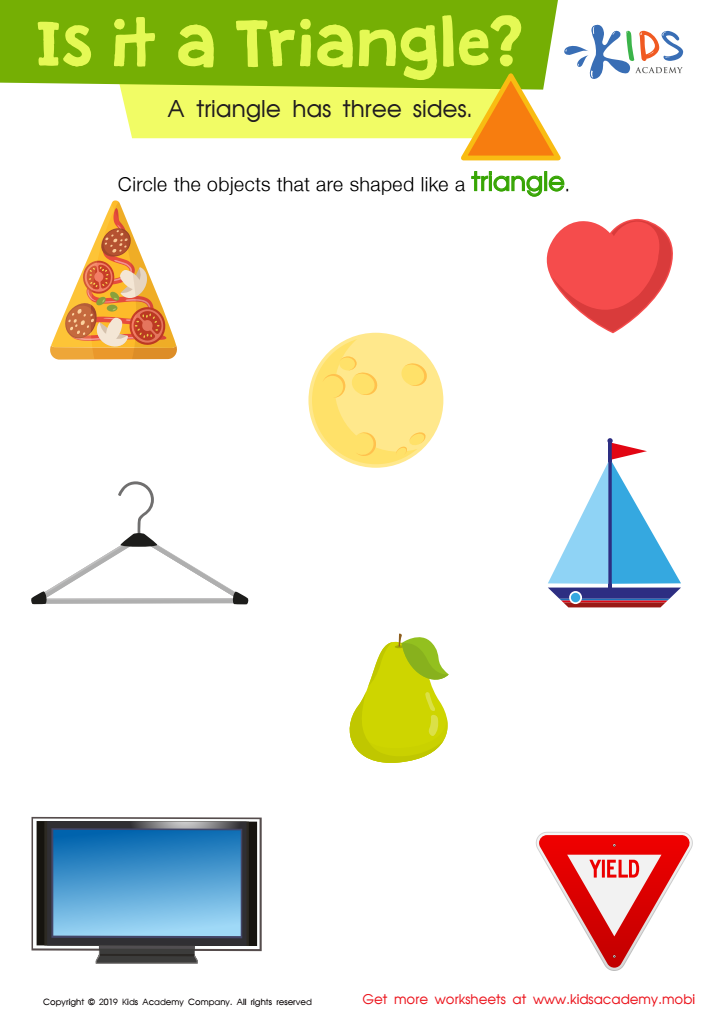
Is It a Triangle? Worksheet
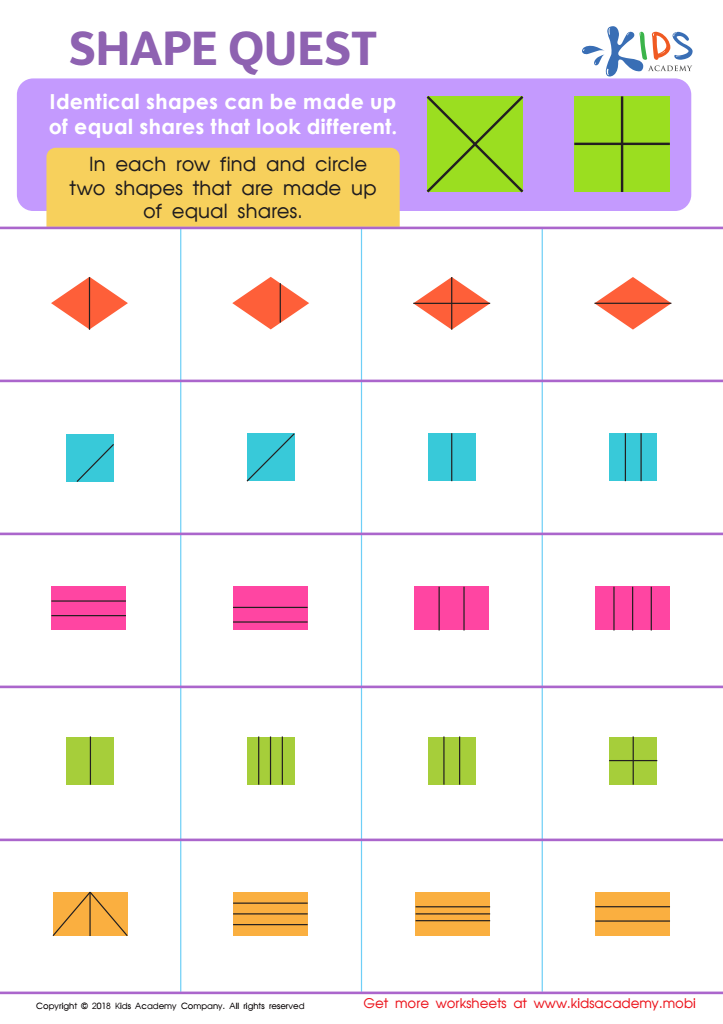
Shape Quest Worksheet
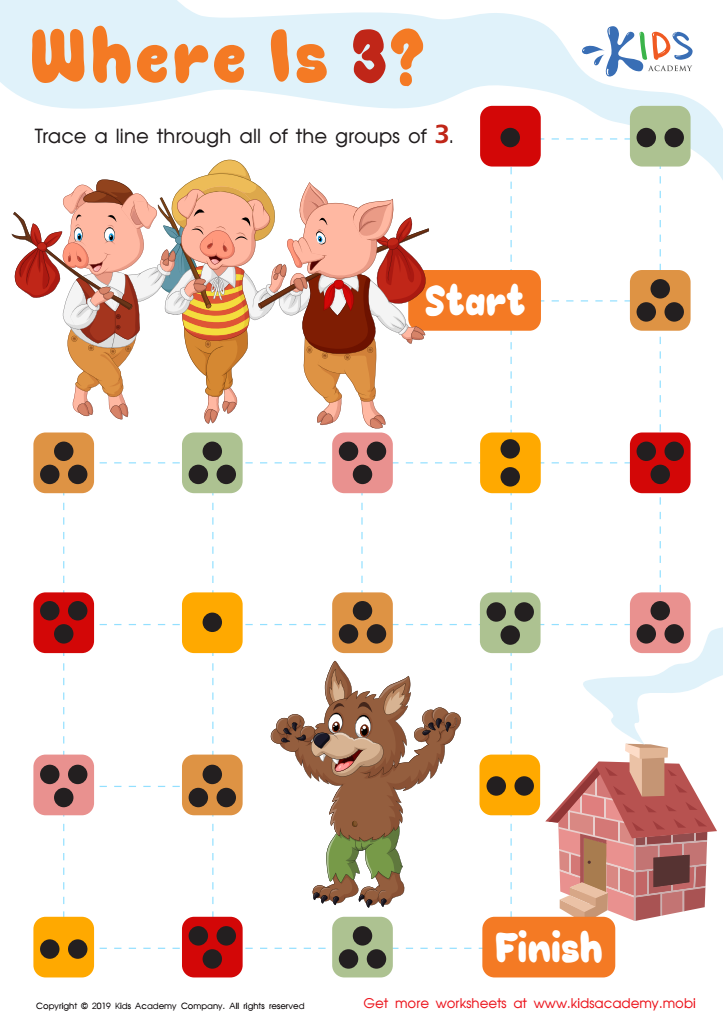
Where Is 3? Worksheet
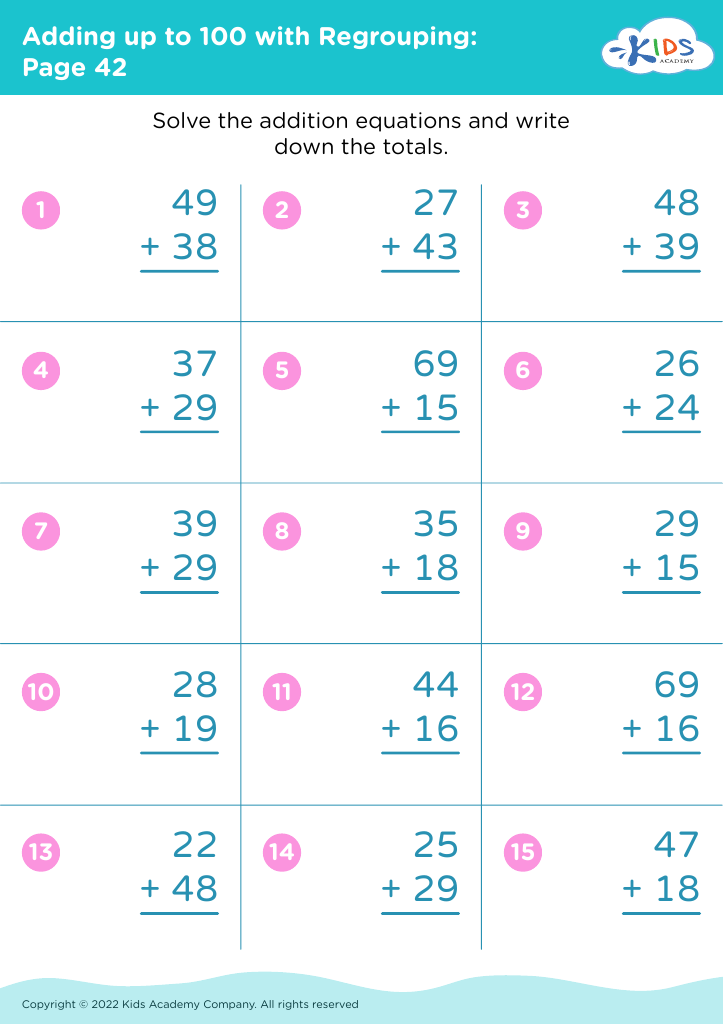
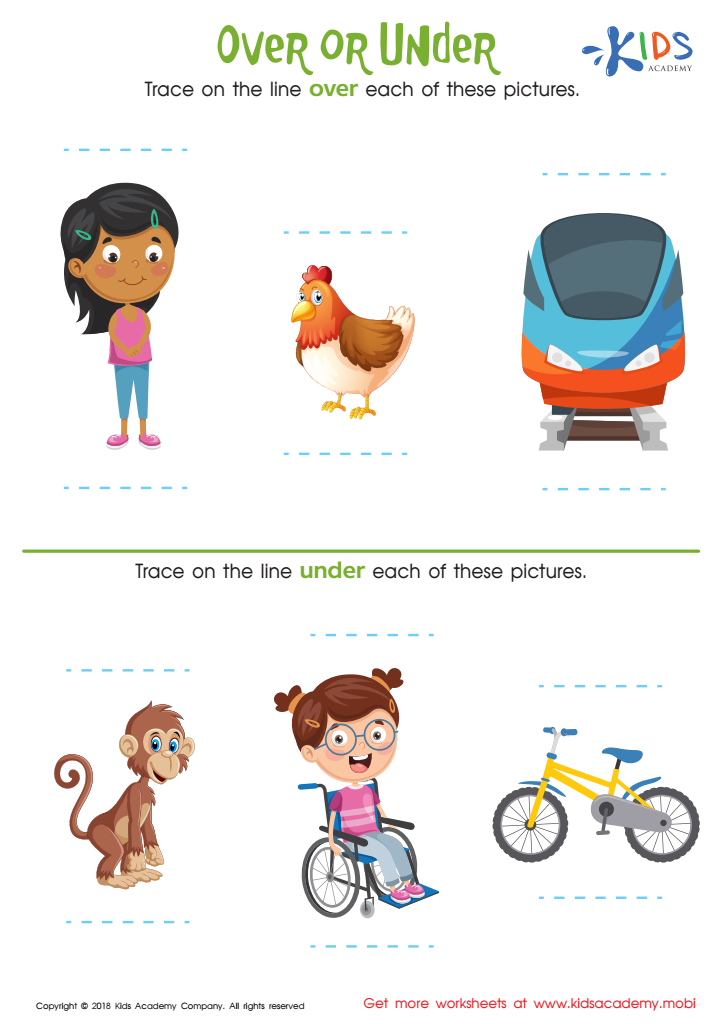
Over or Under Worksheet
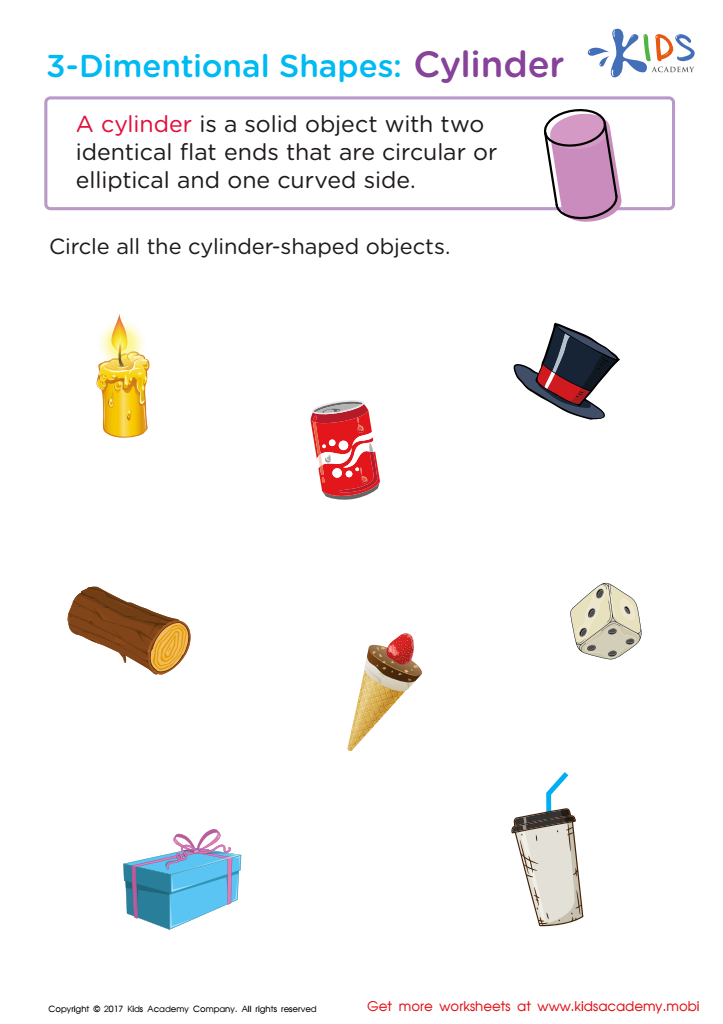
Three–Dimensional Shapes: Cylinder Worksheet
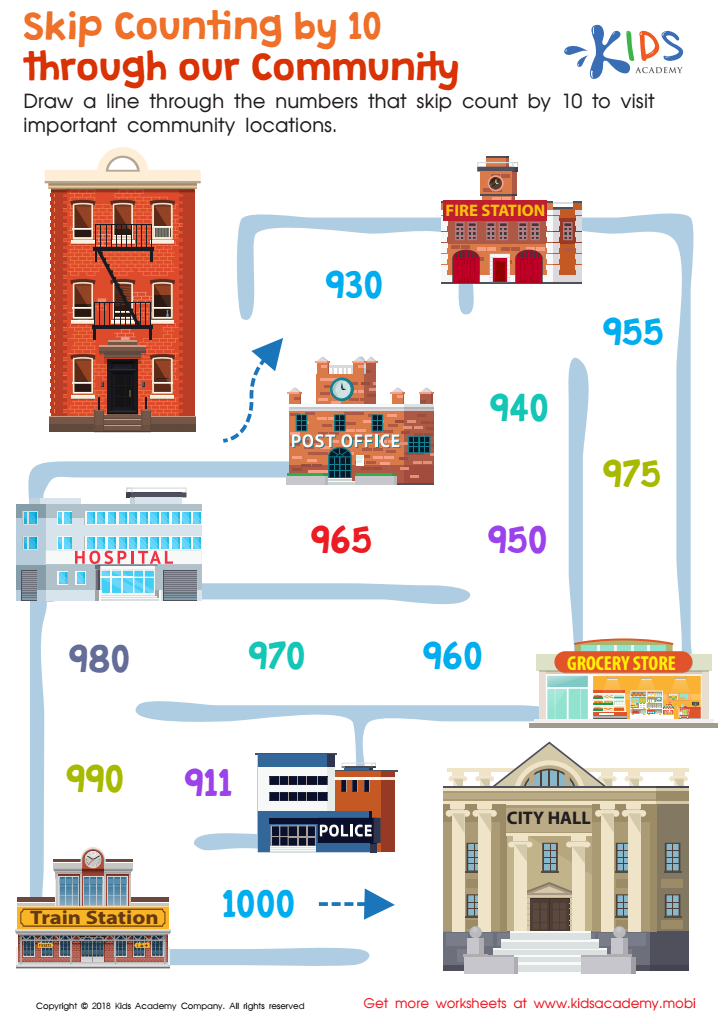
Skip Counting by 10 Through Our Community Worksheet
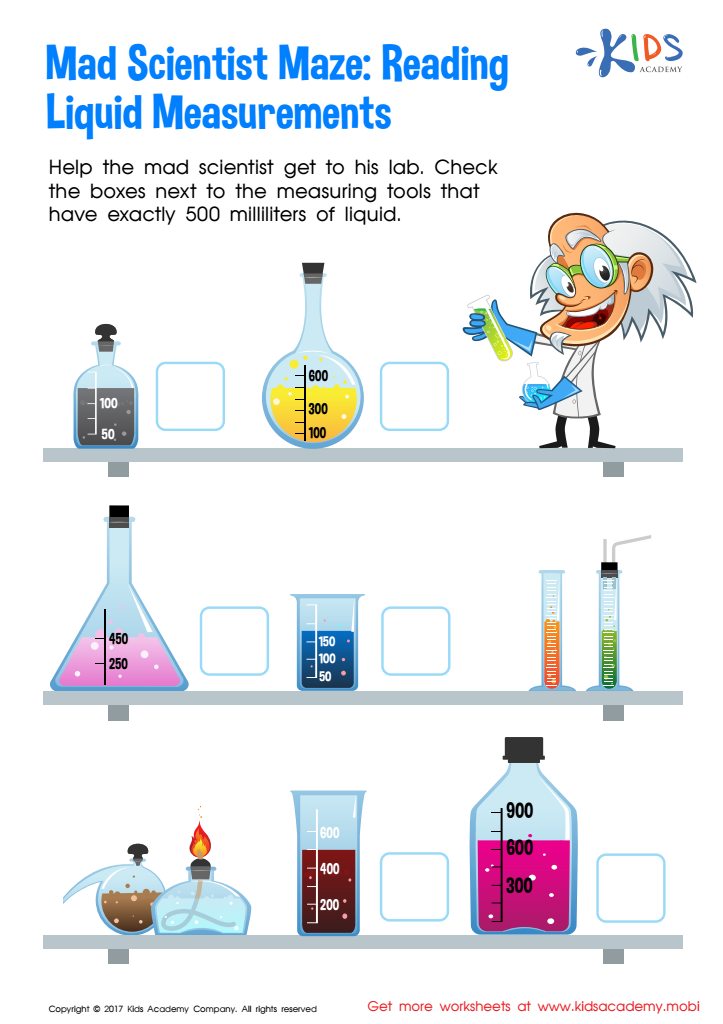
Reading Liquid Measurement Worksheet




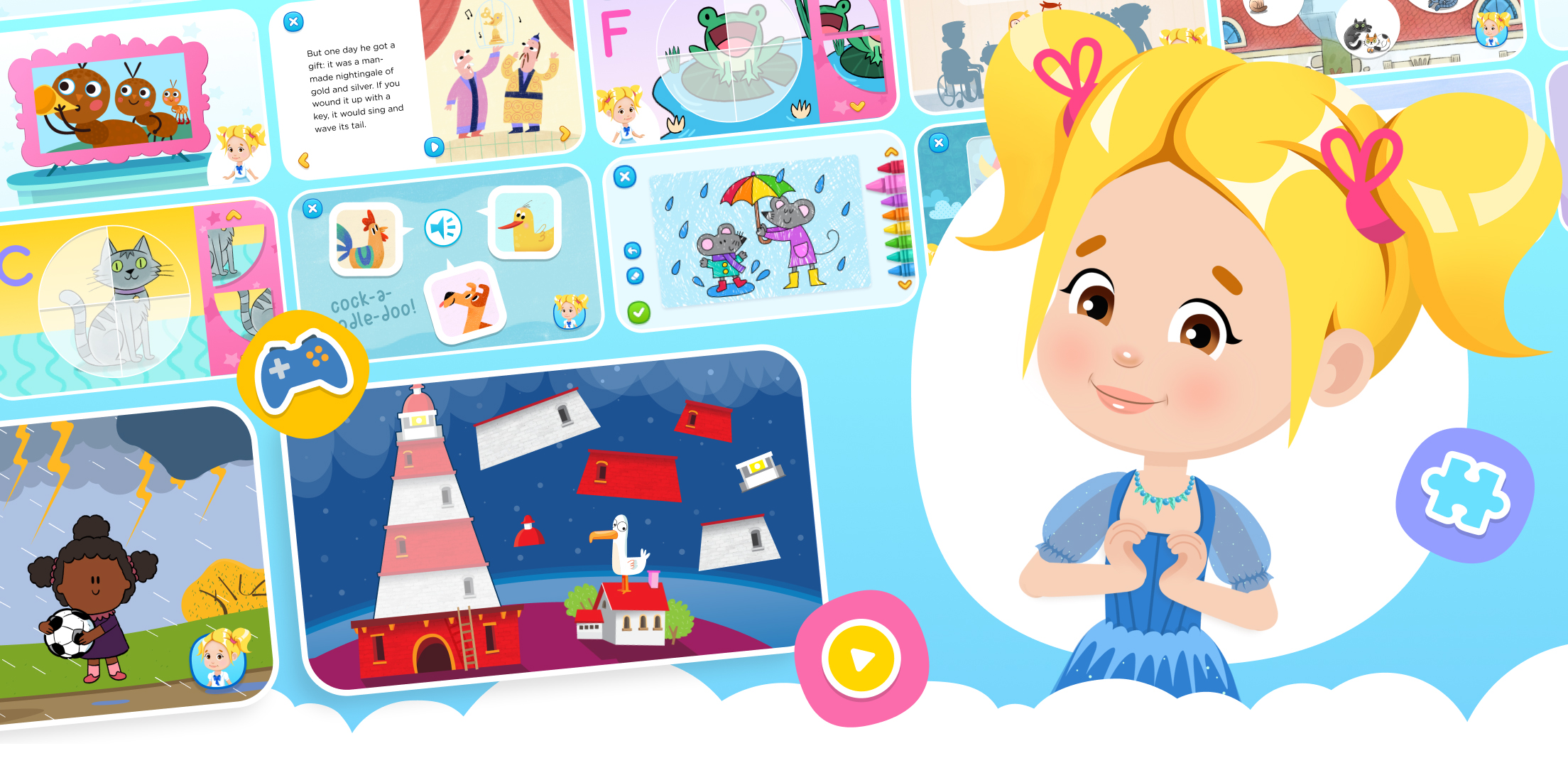



Spatial awareness math is essential for children aged 3-9 as it lays the groundwork for vital skills that extend beyond early education. Understanding spatial relationships helps children visualize objects, comprehend shapes, and manipulate them mentally, which is crucial for problem-solving and critical thinking.
Parents and teachers should care about this developmental aspect because spatial skills are linked to various academic subjects, particularly mathematics and science. Children with strong spatial awareness excel in geometry, measurement, and logical reasoning. Additionally, these skills enhance preschoolers' understanding of their surroundings, aiding them in navigation and physical coordination.
Moreover, promoting spatial awareness fosters creativity and innovation. Engaging children in activities such as building blocks, puzzles, or drawing reinforces these concepts, encouraging interactive learning and enabling them to approach problems from multiple perspectives.
Investing in spatial awareness during these formative years not only supports mathematical literacy but also nurtures a lifelong love for learning and exploration. This pivotal foundation gives children the confidence to tackle more complex tasks in school, preparing them well for future educational challenges. By prioritizing spatial awareness, parents and teachers empower children for success in both academic and everyday contexts.








