Problem-Solving Skills Matching Worksheets for Ages 3-9
8 filtered results
-
From - To
Discover our engaging Problem-Solving Skills Matching Worksheets designed for children aged 3-9! These interactive resources are perfect for fostering critical thinking and analytical abilities in young learners. Each worksheet features colorful visuals and relatable scenarios to help kids explore the art of problem-solving through matching activities. By connecting related items, children will enhance their reasoning skills while enjoying the learning process. Ideal for both home and classroom use, our worksheets promote independent thought and cognitive development. Support your child's journey to becoming a confident problem solver today with our fun and educational matching worksheets!
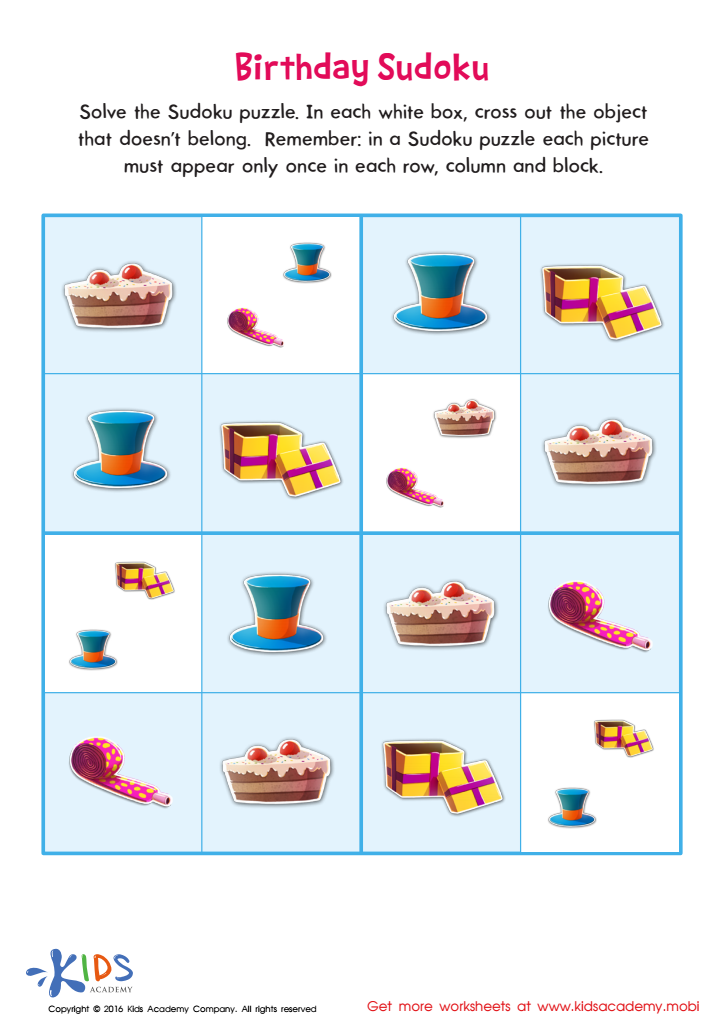
Birthday Sudoku Sorting Worksheet
 Assign to My Students
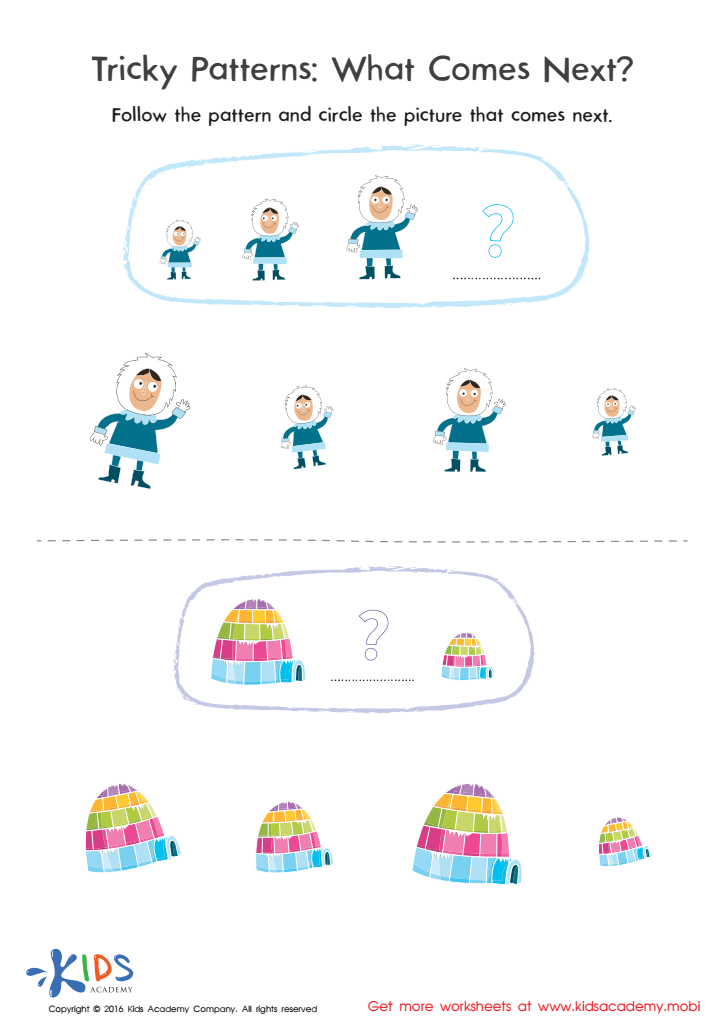
Tricky Patterns Size Worksheet
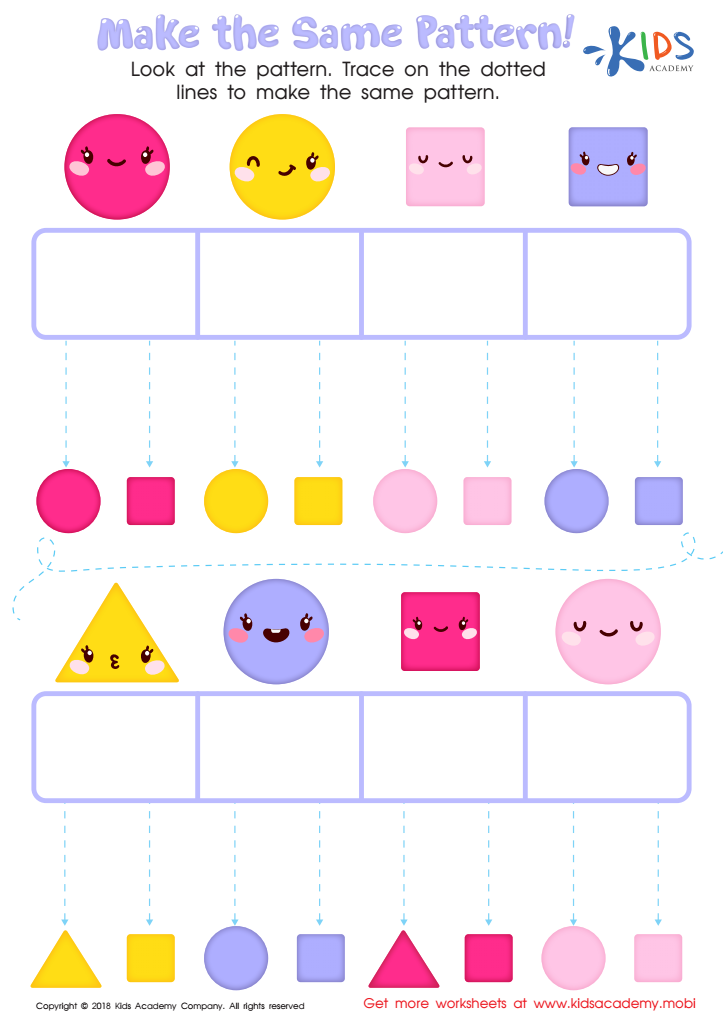
Make the Same Pattern Worksheet
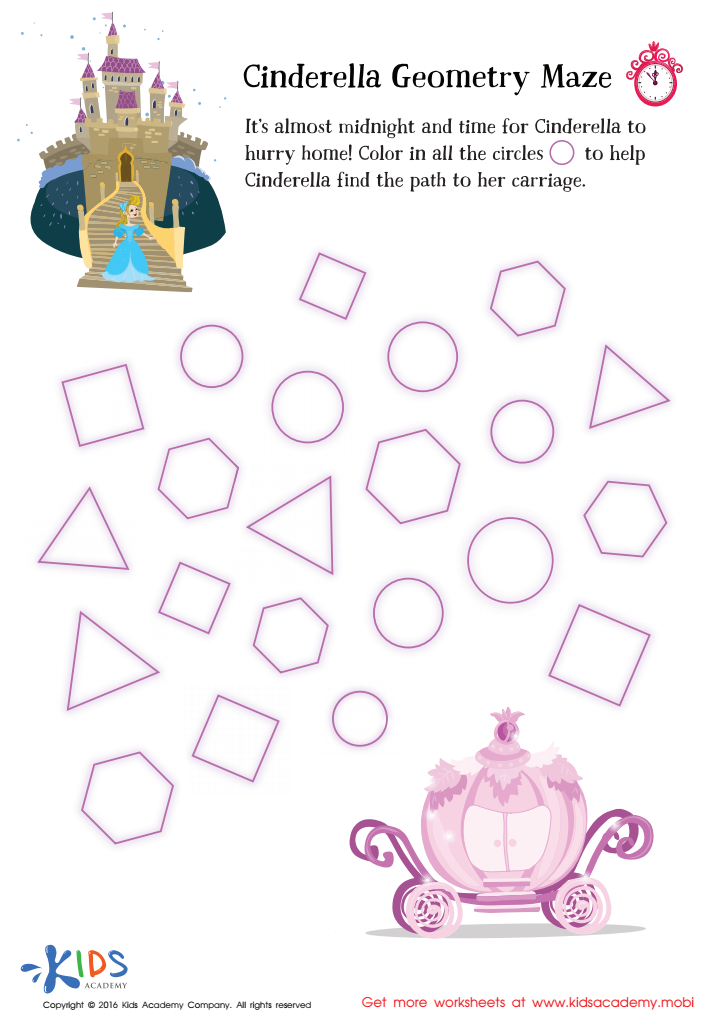
Cinderella Geometry Maze Worksheet
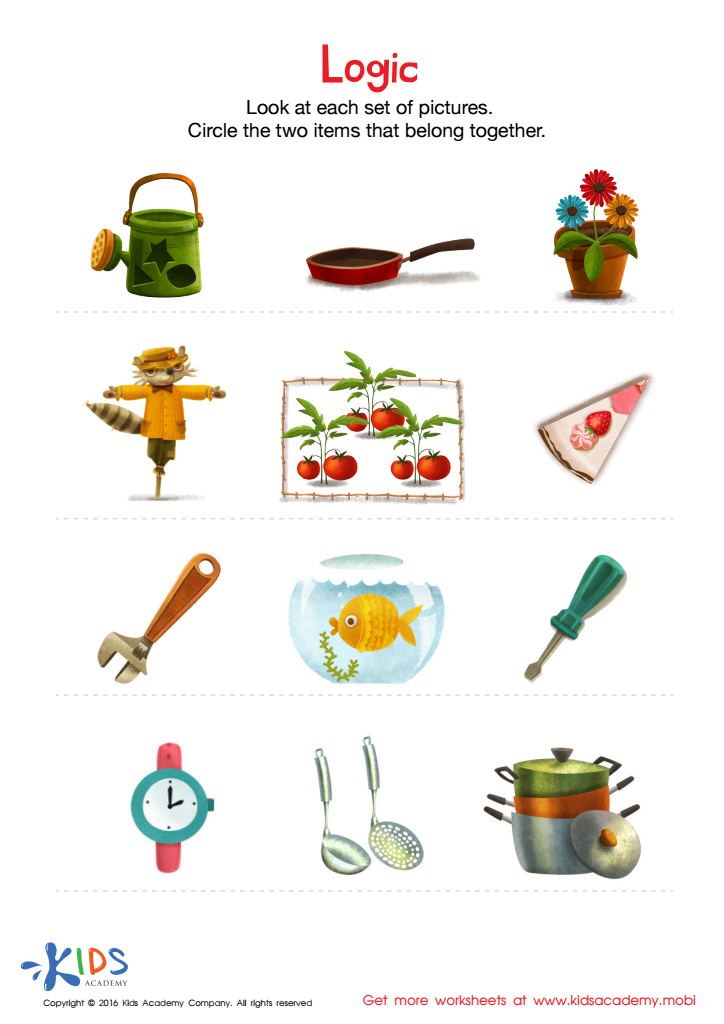
Logic Game Sorting Worksheet
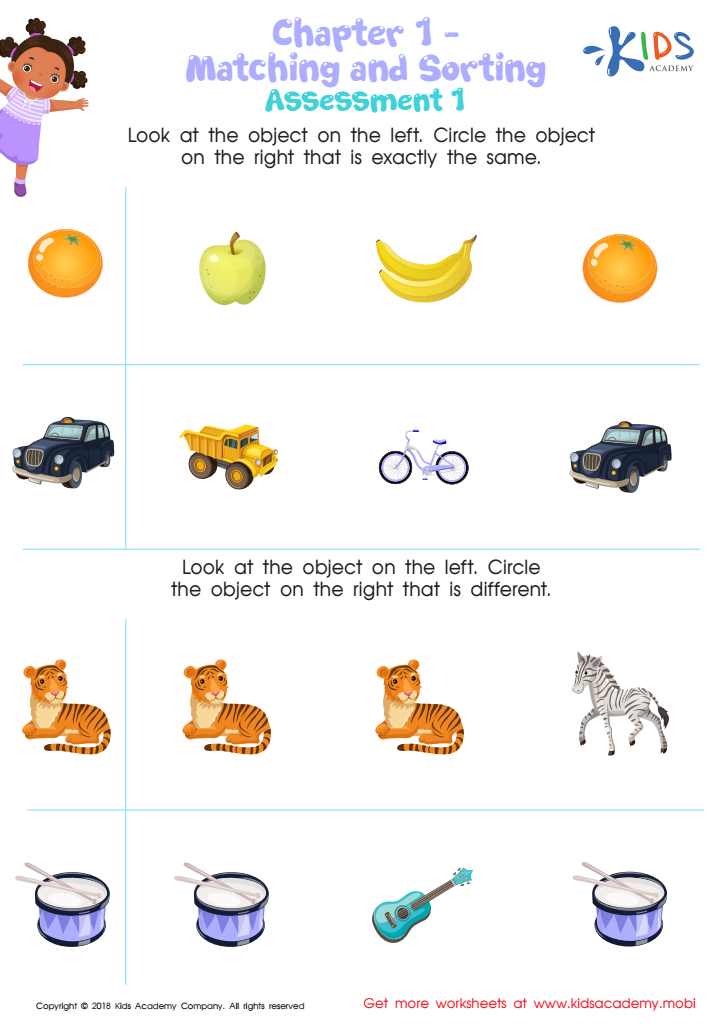
Matching and Sorting for Preschool: Assessment 1 Worksheet
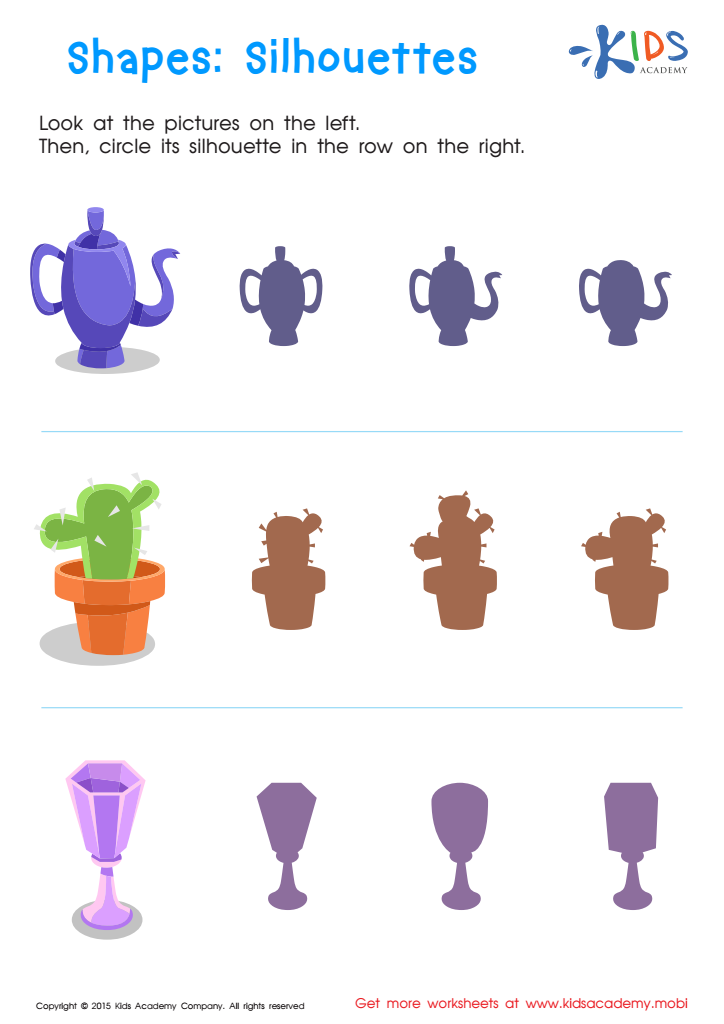
Silhouettes – Shapes Worksheet
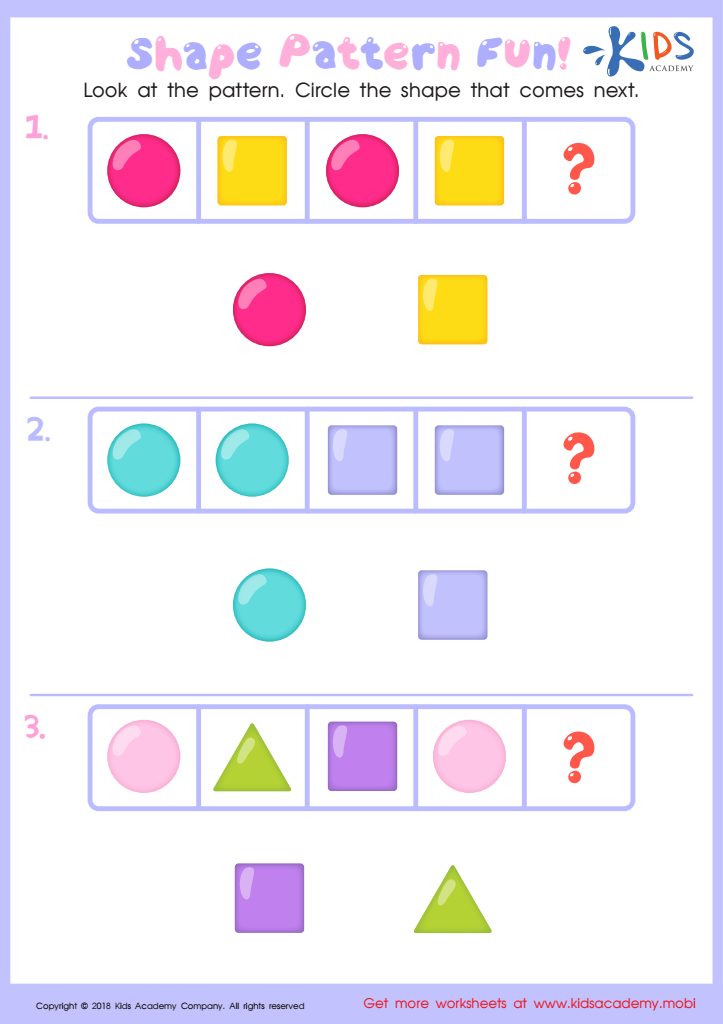
Shape Pattern Fun Worksheet





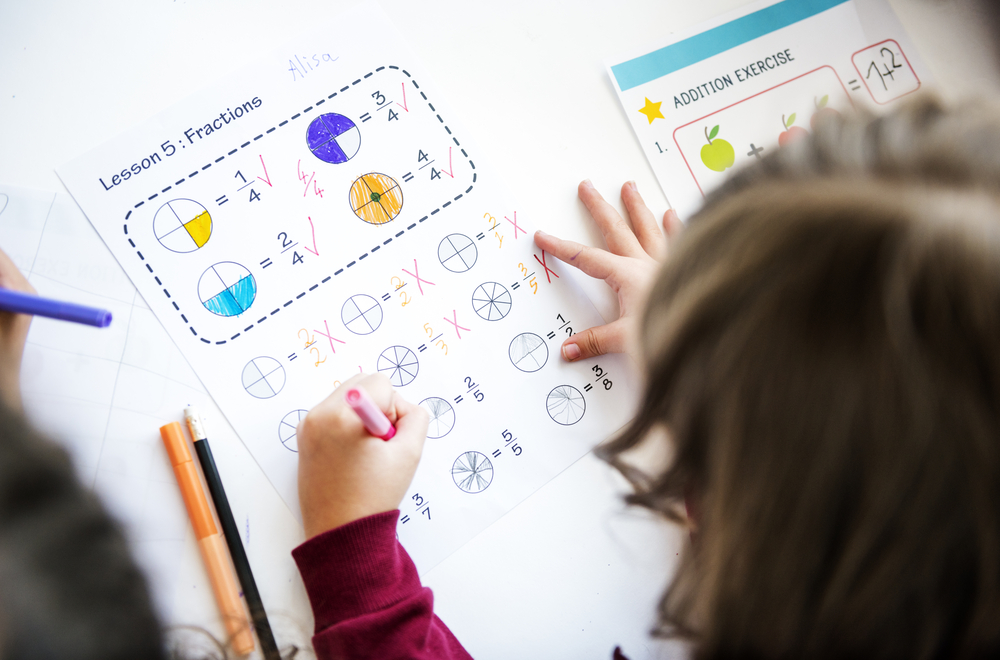


Parents and teachers play a vital role in a child's early development, particularly in cultivating problem-solving skills during the crucial ages of 3 to 9. These formative years are marked by significant cognitive and social growth, making it an ideal time to foster analytical thinking and resilience in young learners.
Problem-solving skills not only enable children to tackle challenges in their immediate environment but also lay a foundation for future academic success. By learning to approach problems systematically, children become more adept at critical thinking, which is essential as they progress in school and face more complex tasks.
Moreover, nurturing these skills promotes independence and creativity, empowering children to find innovative solutions to everyday challenges. This capability builds confidence, encouraging them to take risks and learn from failure—an essential component of personal growth.
Additionally, when parents and educators ensure that problem-solving activities correspond to a child's developmental level, they can create an engaging and supportive learning environment. This tailored approach prevents frustration and fosters a love for learning, thereby positively impacting a child's emotional well-being and social interactions. Ultimately, caring about problem-solving skills can significantly influence a child's overall development, leading to a more competent and confident individual.








