Multiplication Worksheets for Ages 3-9 - Page 5
104 filtered results
-
From - To
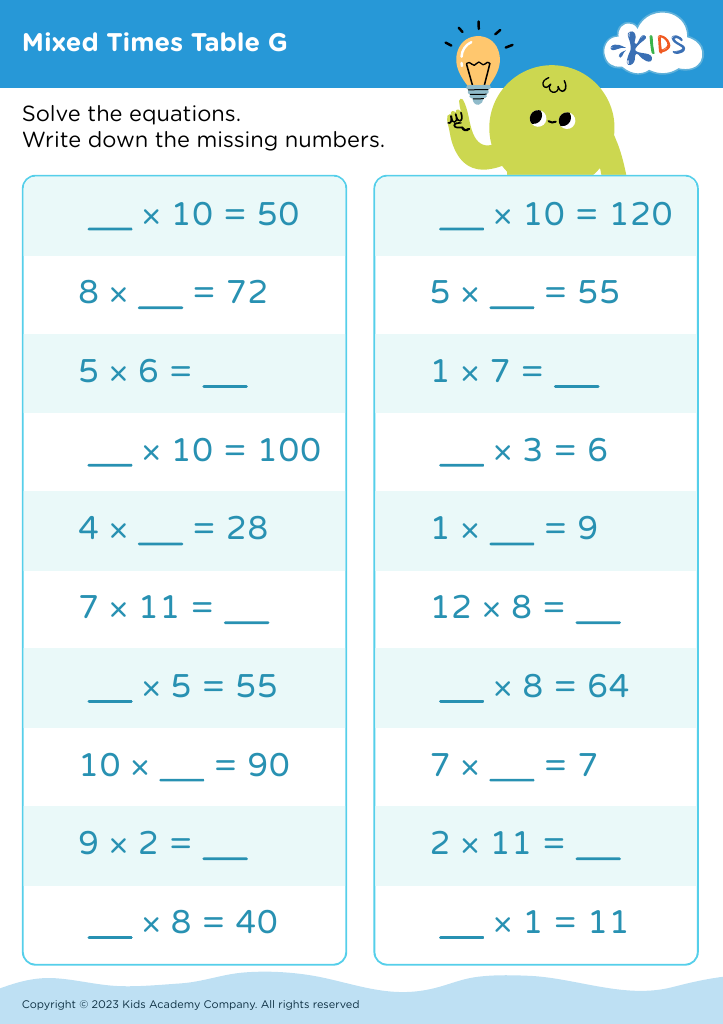
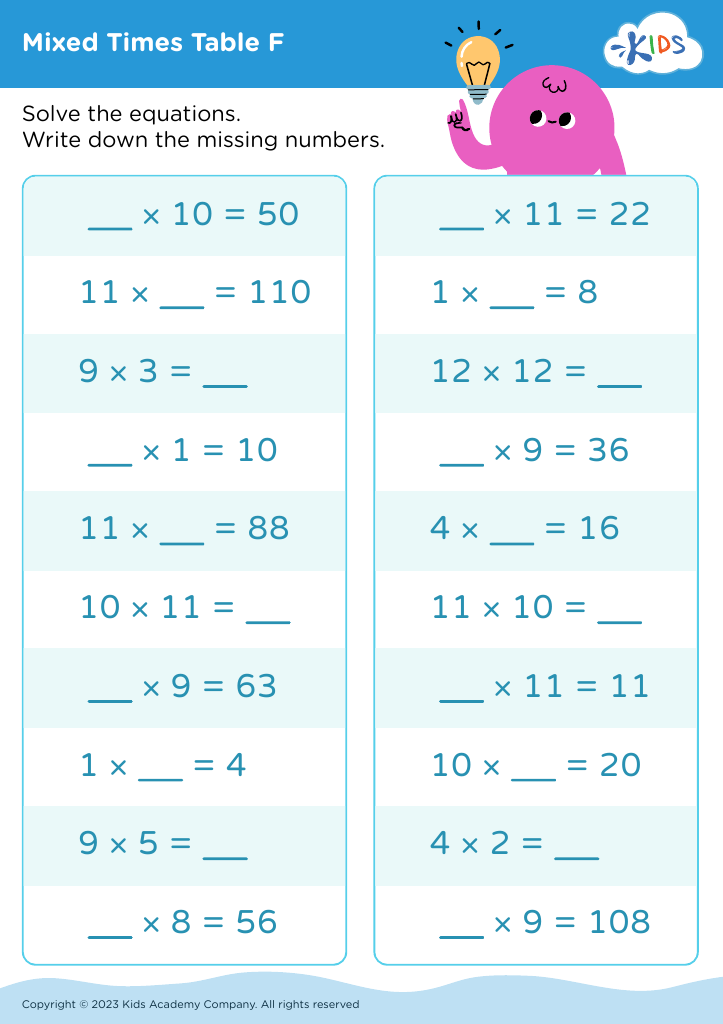
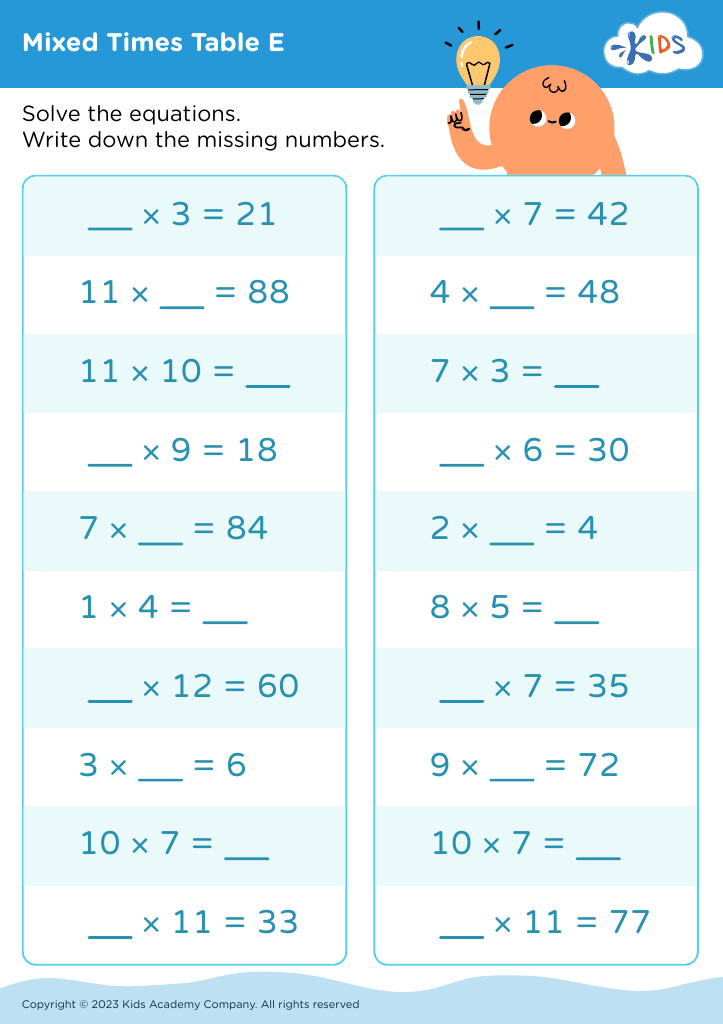
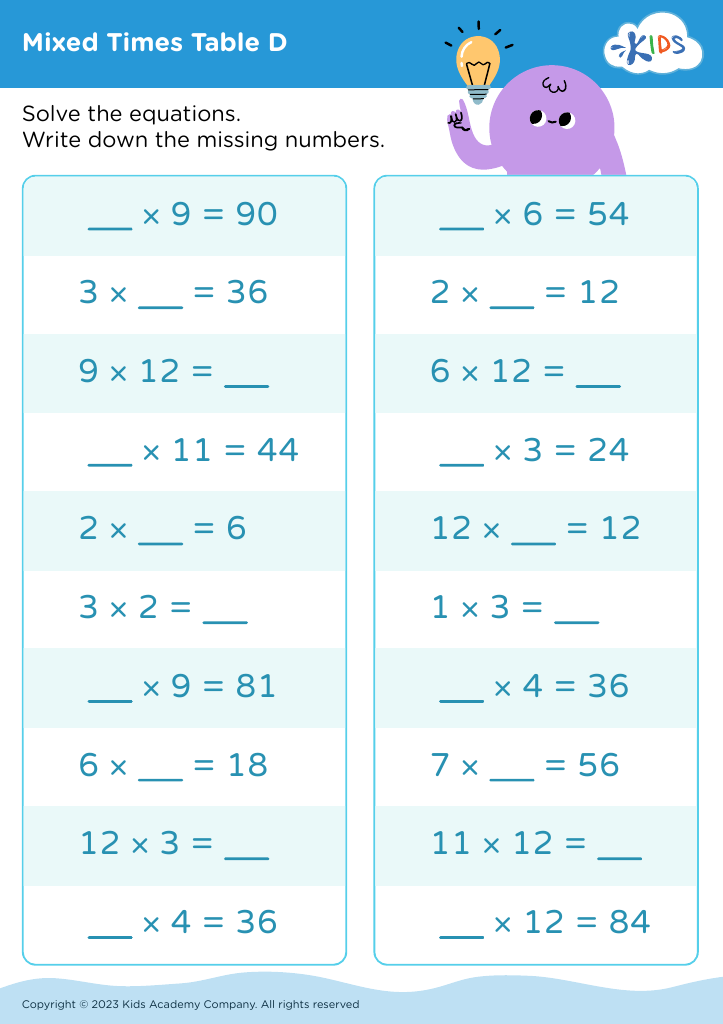
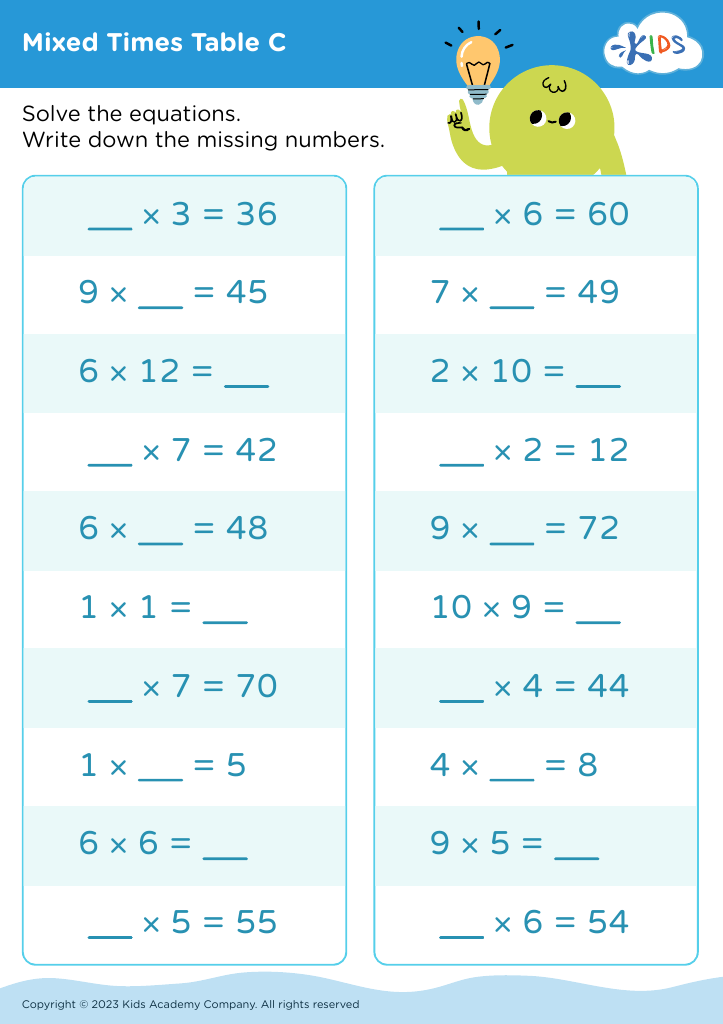
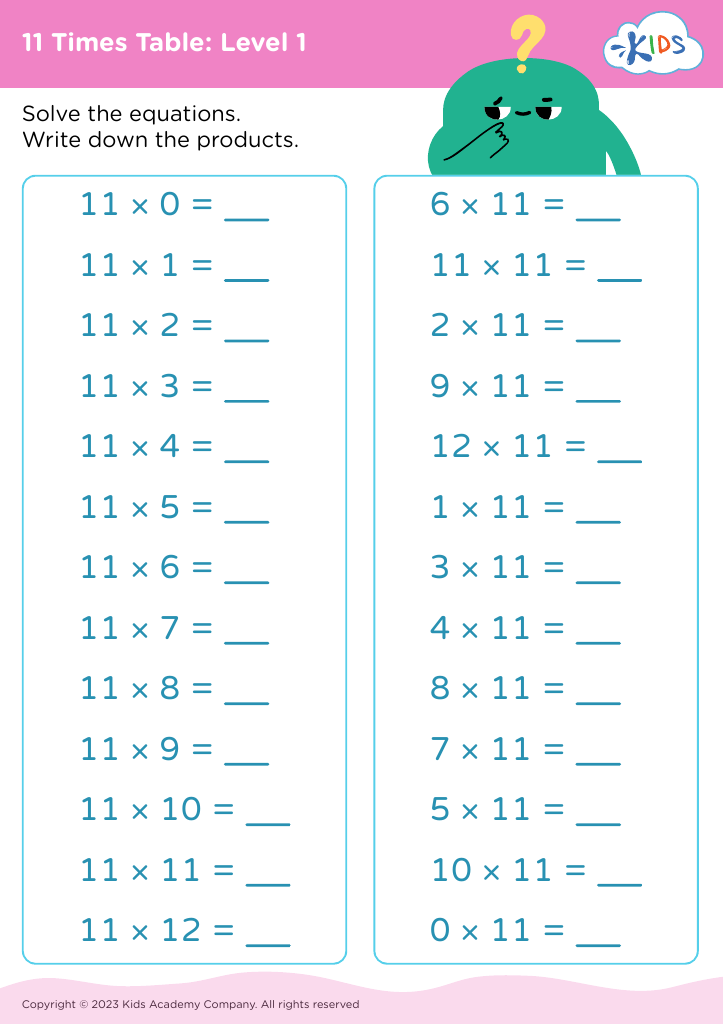
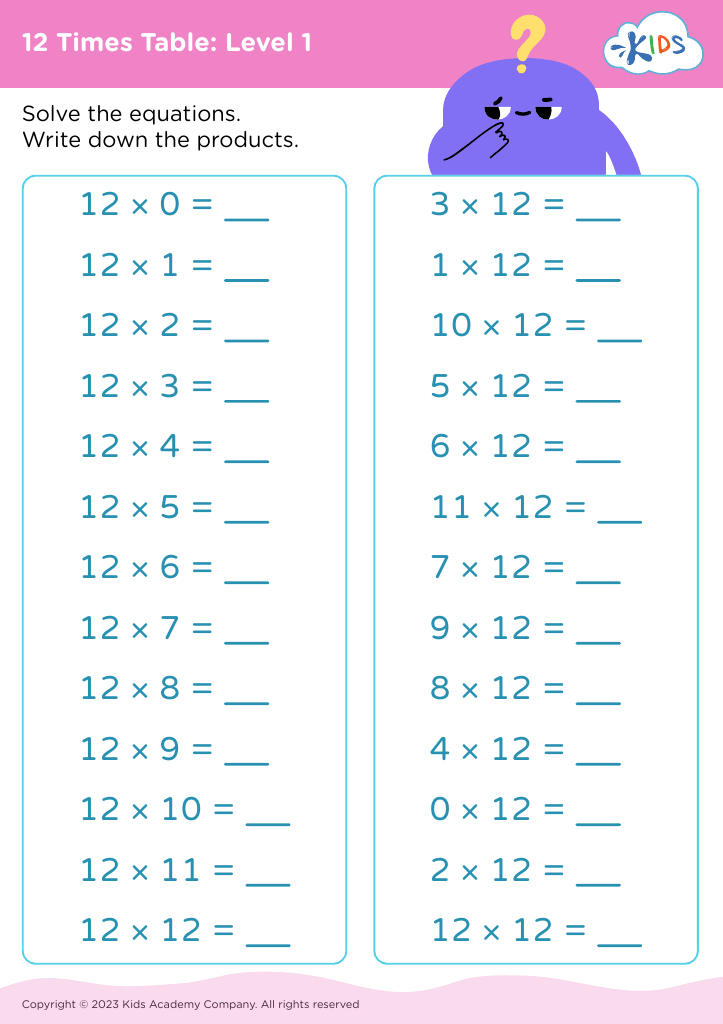
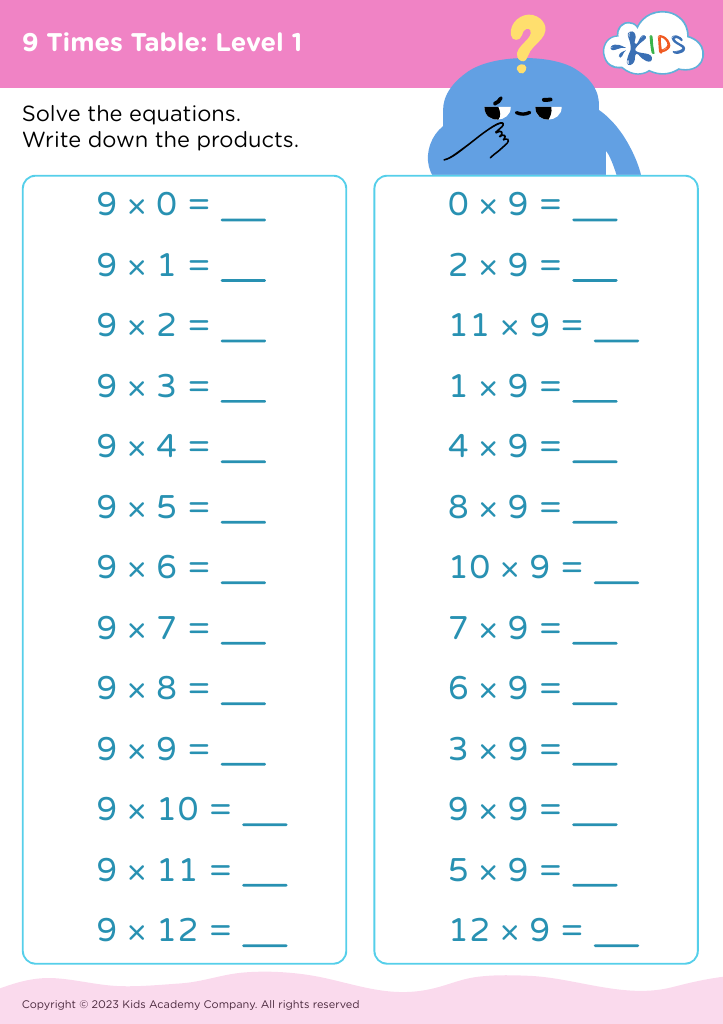







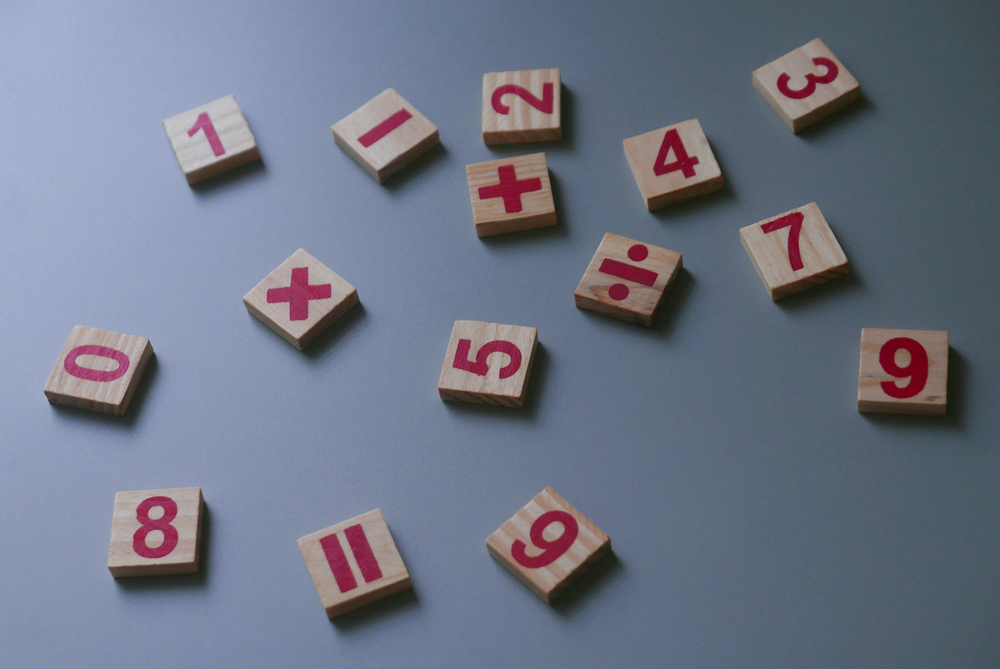
Understanding multiplication is essential for children ages 3-9 as it lays the foundation for critical thinking and problem-solving skills. Early exposure helps young learners grasp the concept of amounts and groupings, connecting it to everyday experiences like sharing snacks or counting toys. This foundational math skill reinforces number sense, which is crucial for more advanced arithmetic as they progress academically.
Moreover, multiplication encourages cognitive development. It helps children understand patterns, relationships, and the idea of repeated addition, which fosters analytical thinking. Parents and teachers can engage kids with fun and interactive activities, making math enjoyable. This can boost a child's confidence, reducing anxiety around numbers and encouraging a positive attitude towards learning.
Additionally, proficiency in multiplication can enhance overall academic performance across subjects, making it vital for later subjects in STEM. As children develop these skills early, they're better prepared to tackle more complex mathematical concepts in the future.
In summary, parents and teachers should prioritize early multiplication education to nurture cognitive skills, foster confidence, and ensure a solid mathematical foundation that supports lifelong learning and development. Together, they can create a positive, supportive environment for children to explore and master multiplication.








