Filters

478 filtered results

Clear all filters
Favorites
With answer key
Interactive

478 filtered results

Difficulty Level

Grade


Subject

    Check out this FREE Trial Lesson on Building Vocabulary for age 3-9!

    Sorting Objects into 3 Categories

    Favorites
    With answer key
    Interactive
    • 3-9
    • Building Vocabulary
    Grade 1 Sight Words: When
    Grade 1 Sight Words: When

    Grade 1 Sight Words: When

    Grade 1 Sight Words: When
    Worksheet
    Preschool Sight Words: Yellow
    Preschool Sight Words: Yellow

    Preschool Sight Words: Yellow

    Preschool Sight Words: Yellow
    Worksheet
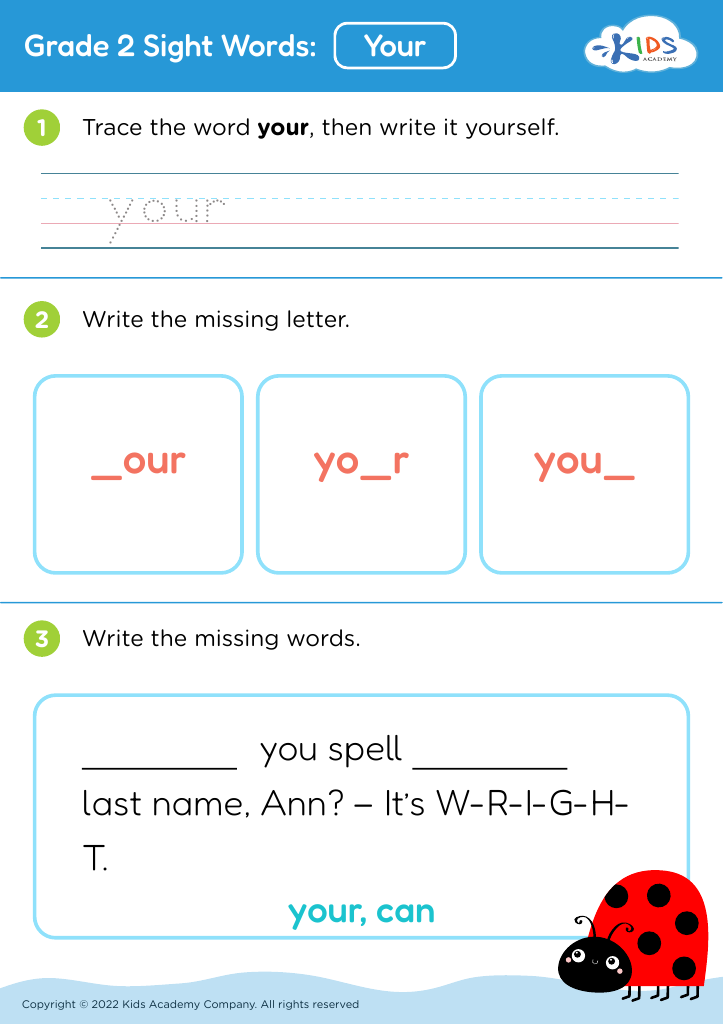
    Grade 2 Sight Words: Your
    Grade 2 Sight Words: Your

    Grade 2 Sight Words: Your

    Grade 2 Sight Words: Your
    Worksheet
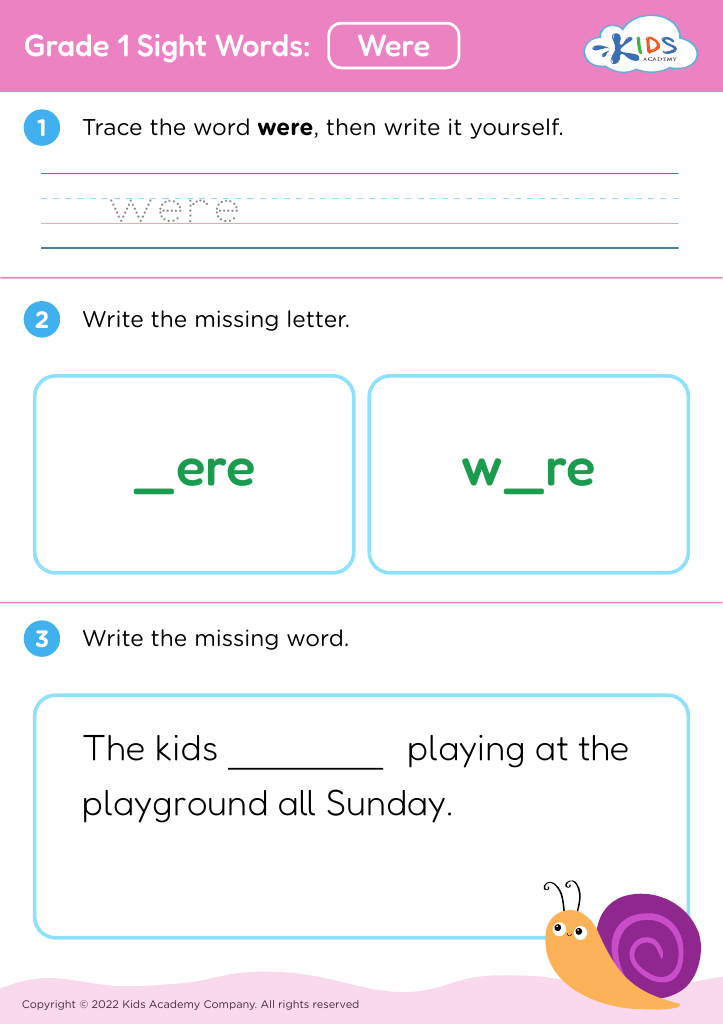
    Grade 1 Sight Words: Were
    Grade 1 Sight Words: Were

    Grade 1 Sight Words: Were

    Grade 1 Sight Words: Were
    Worksheet
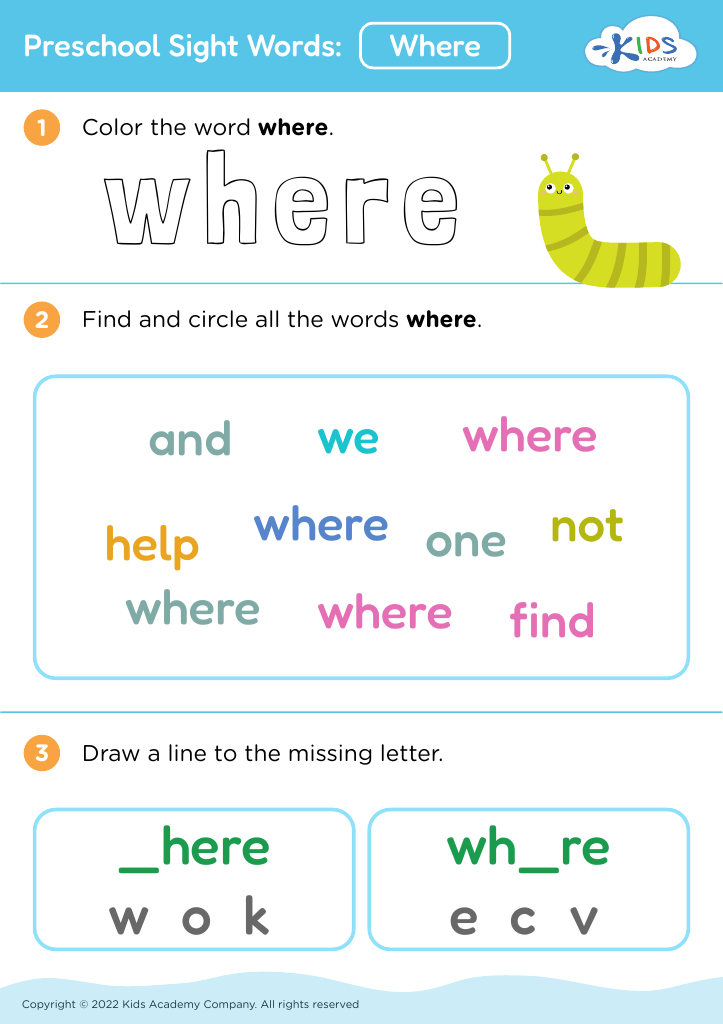
    Preschool Sight Words: Where
    Preschool Sight Words: Where

    Preschool Sight Words: Where

    Preschool Sight Words: Where
    Worksheet
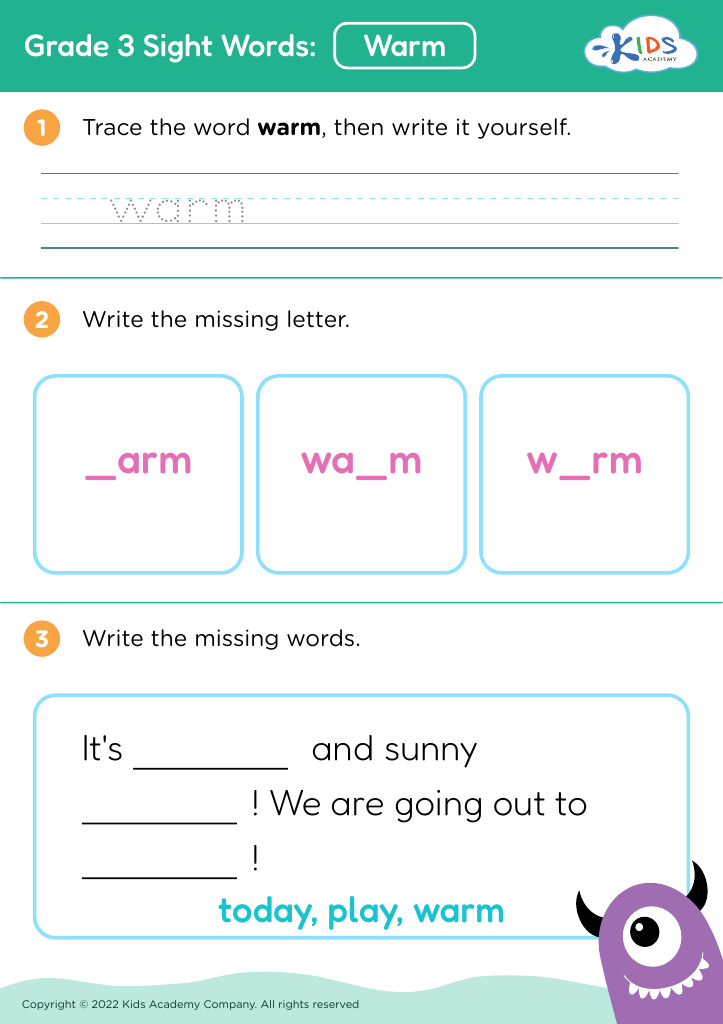
    Grade 3 Sight Words: Warm
    Grade 3 Sight Words: Warm

    Grade 3 Sight Words: Warm

    Grade 3 Sight Words: Warm
    Worksheet
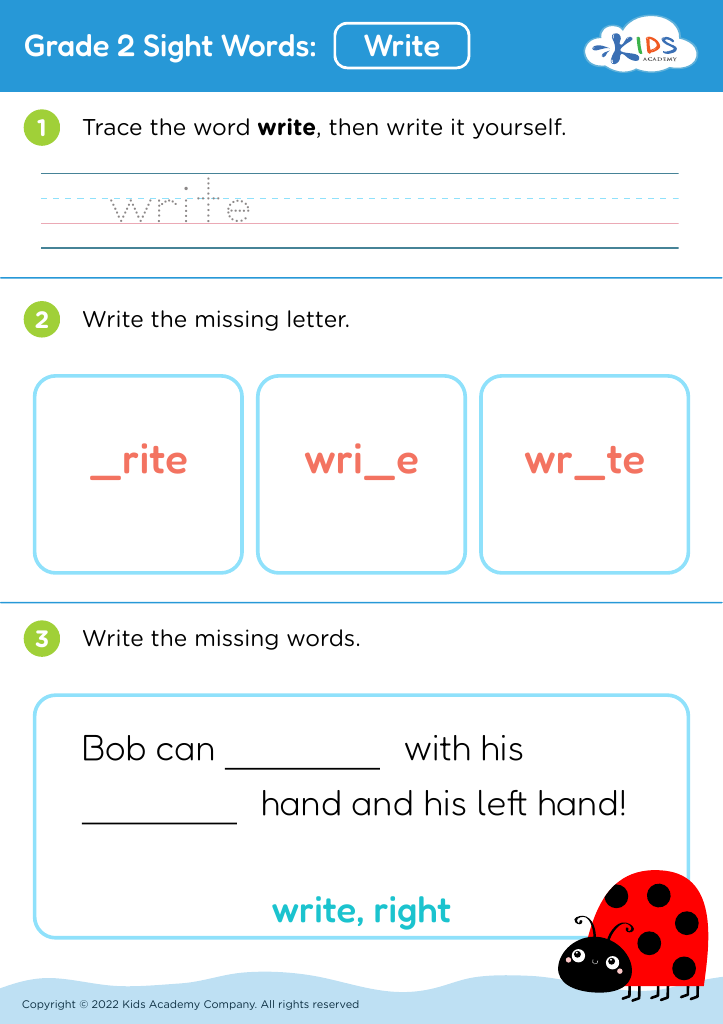
    Grade 2 Sight Words: Write
    Grade 2 Sight Words: Write

    Grade 2 Sight Words: Write

    Grade 2 Sight Words: Write
    Worksheet
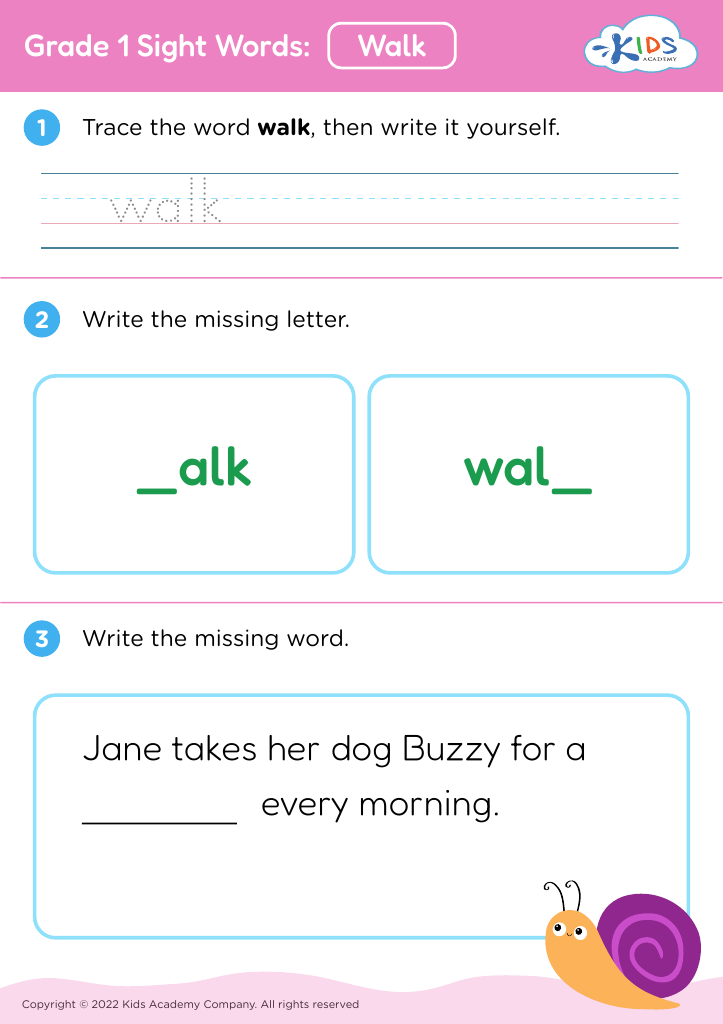
    Grade 1 Sight Words: Walk
    Grade 1 Sight Words: Walk

    Grade 1 Sight Words: Walk

    Grade 1 Sight Words: Walk
    Worksheet
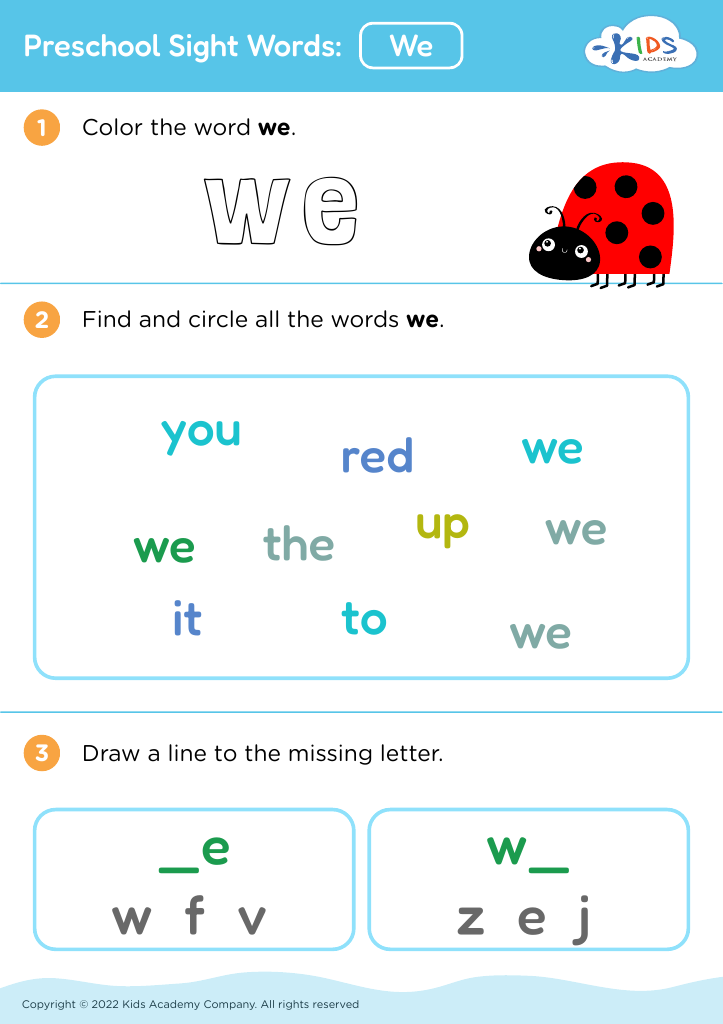
    Preschool Sight Words: We
    Preschool Sight Words: We

    Preschool Sight Words: We

    Preschool Sight Words: We
    Worksheet
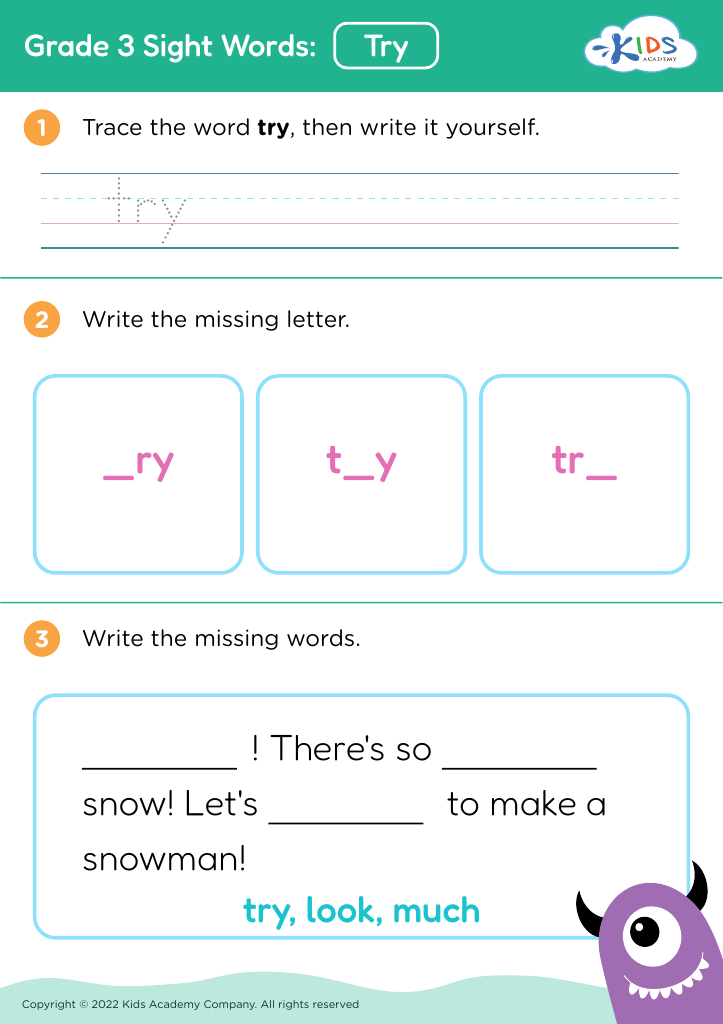
    Grade 3 Sight Words: Try
    Grade 3 Sight Words: Try

    Grade 3 Sight Words: Try

    Grade 3 Sight Words: Try
    Worksheet
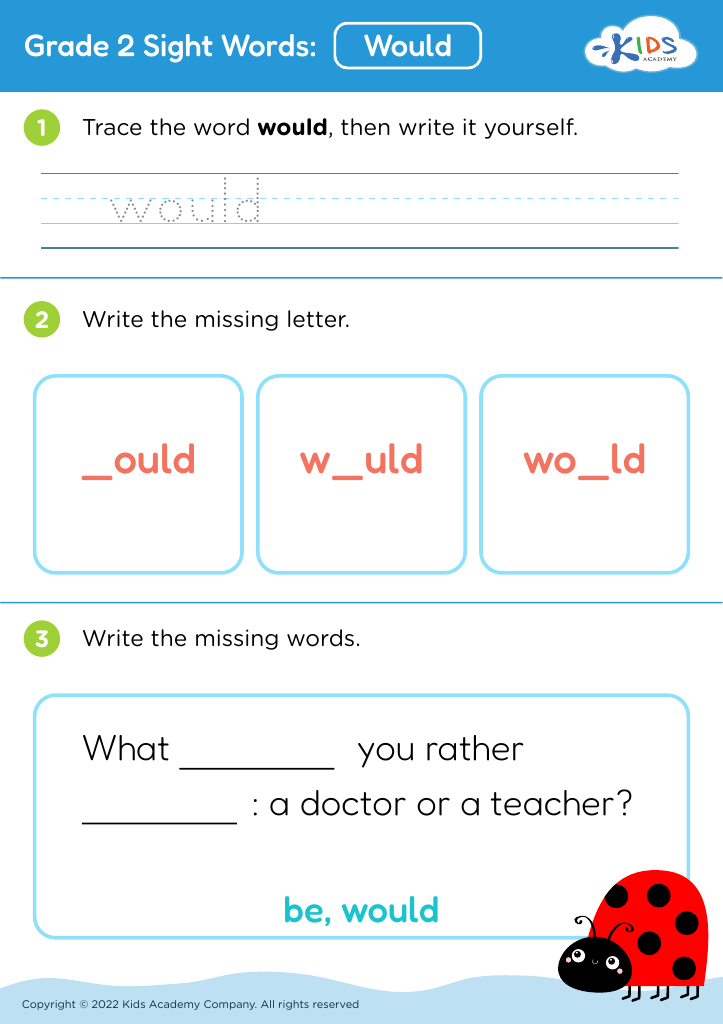
    Grade 2 Sight Words: Would
    Grade 2 Sight Words: Would

    Grade 2 Sight Words: Would

    Grade 2 Sight Words: Would
    Worksheet
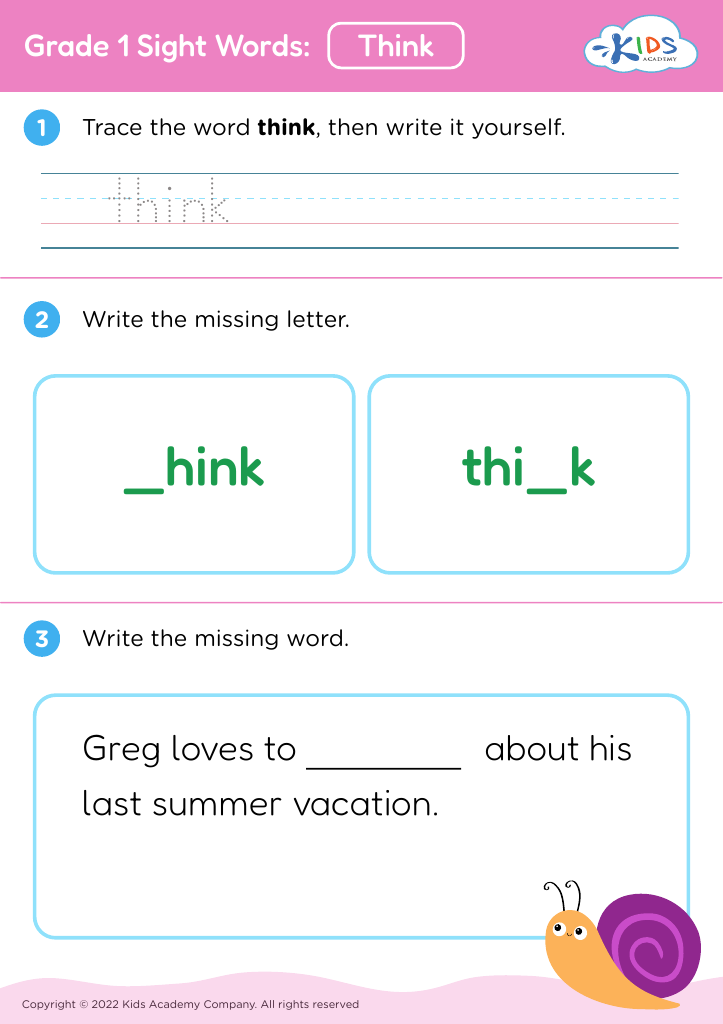
    Grade 1 Sight Words: Think
    Grade 1 Sight Words: Think

    Grade 1 Sight Words: Think

    Grade 1 Sight Words: Think
    Worksheet
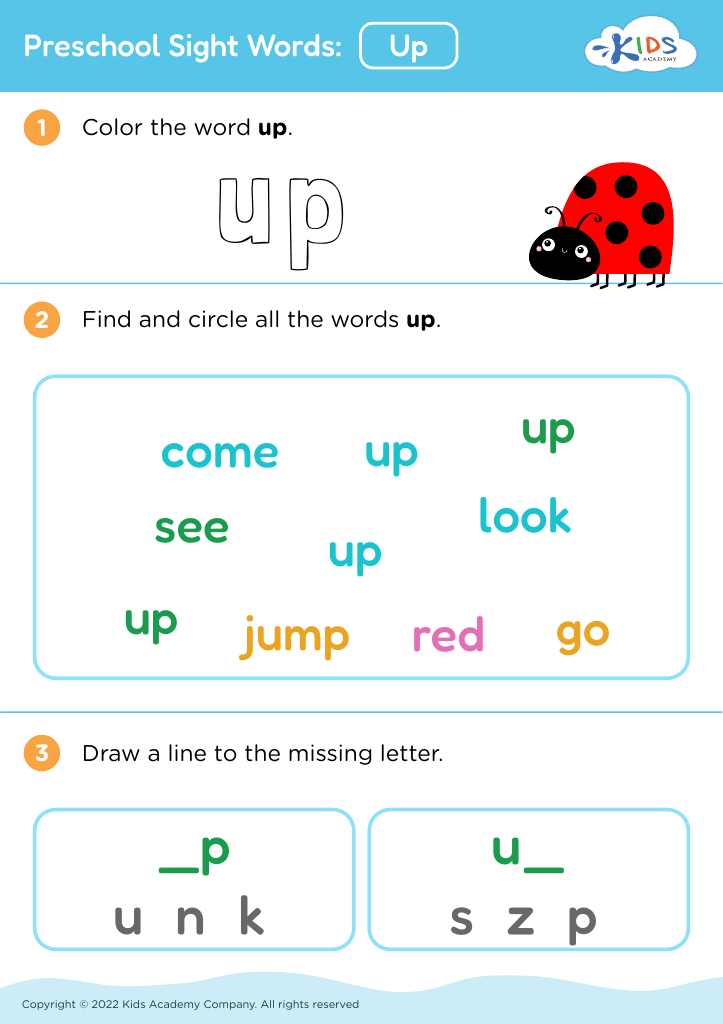
    Preschool Sight Words: Up
    Preschool Sight Words: Up

    Preschool Sight Words: Up

    Preschool Sight Words: Up
    Worksheet
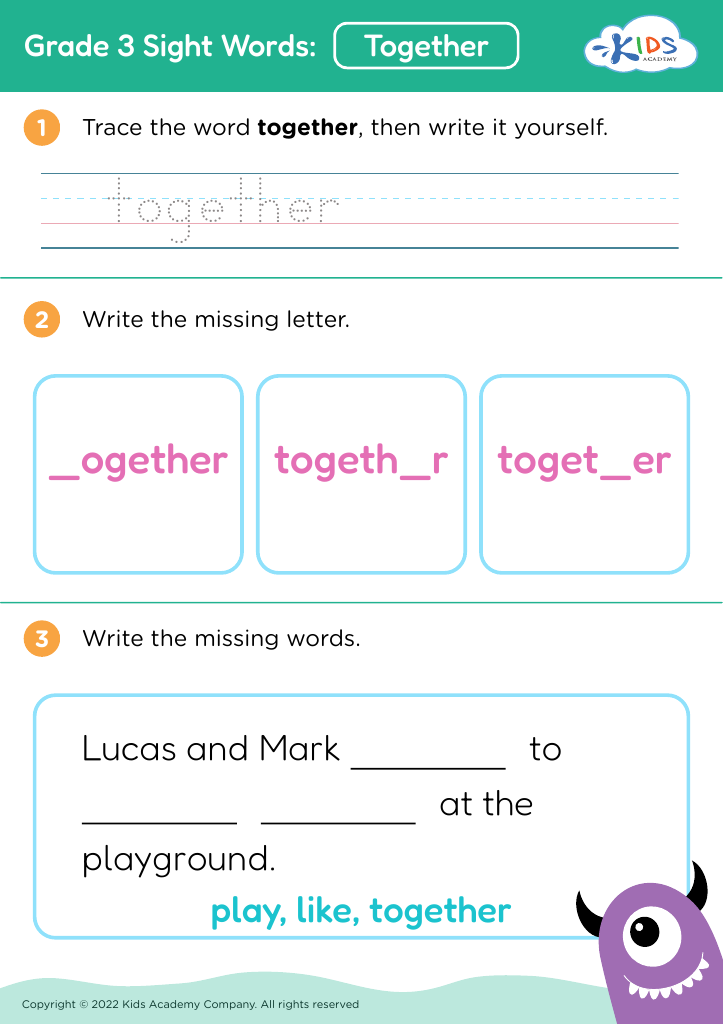
    Grade 3 Sight Words: Together
    Grade 3 Sight Words: Together

    Grade 3 Sight Words: Together

    Grade 3 Sight Words: Together
    Worksheet
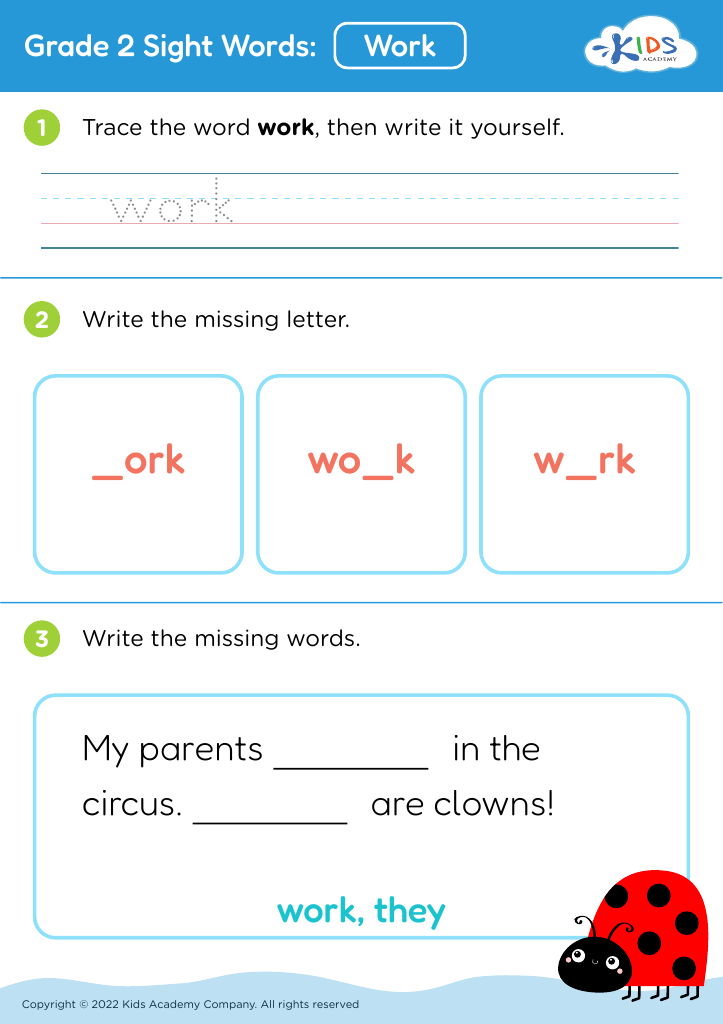
    Grade 2 Sight Words: Work
    Grade 2 Sight Words: Work

    Grade 2 Sight Words: Work

    Grade 2 Sight Words: Work
    Worksheet
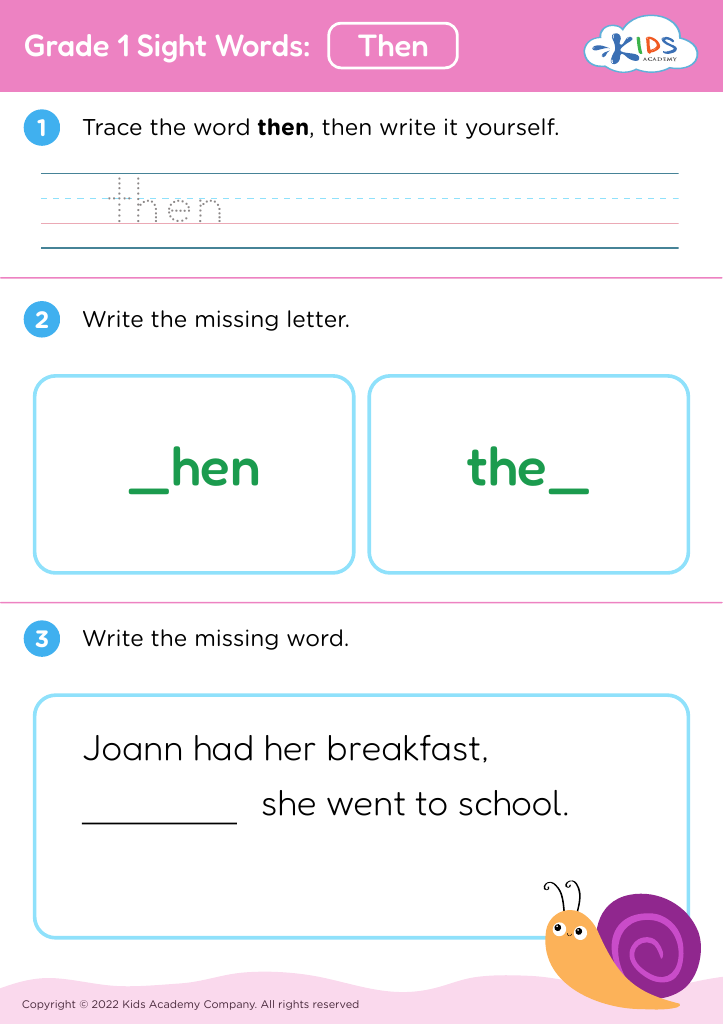
    Grade 1 Sight Words: Then
    Grade 1 Sight Words: Then

    Grade 1 Sight Words: Then

    Grade 1 Sight Words: Then
    Worksheet
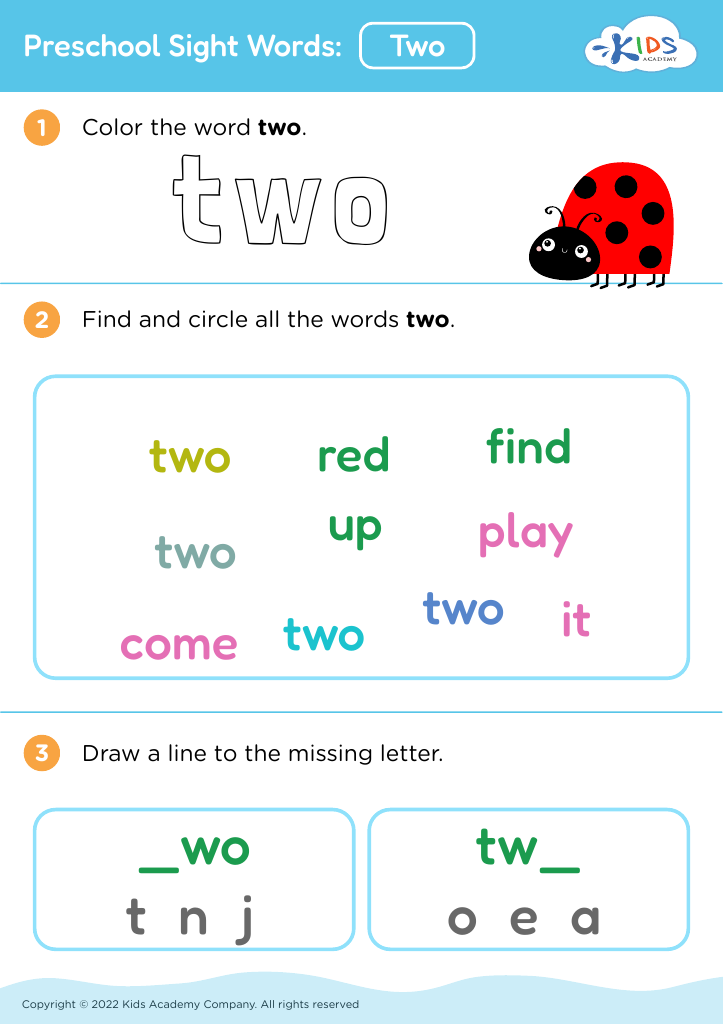
    Preschool Sight Words: Two
    Preschool Sight Words: Two

    Preschool Sight Words: Two

    Preschool Sight Words: Two
    Worksheet
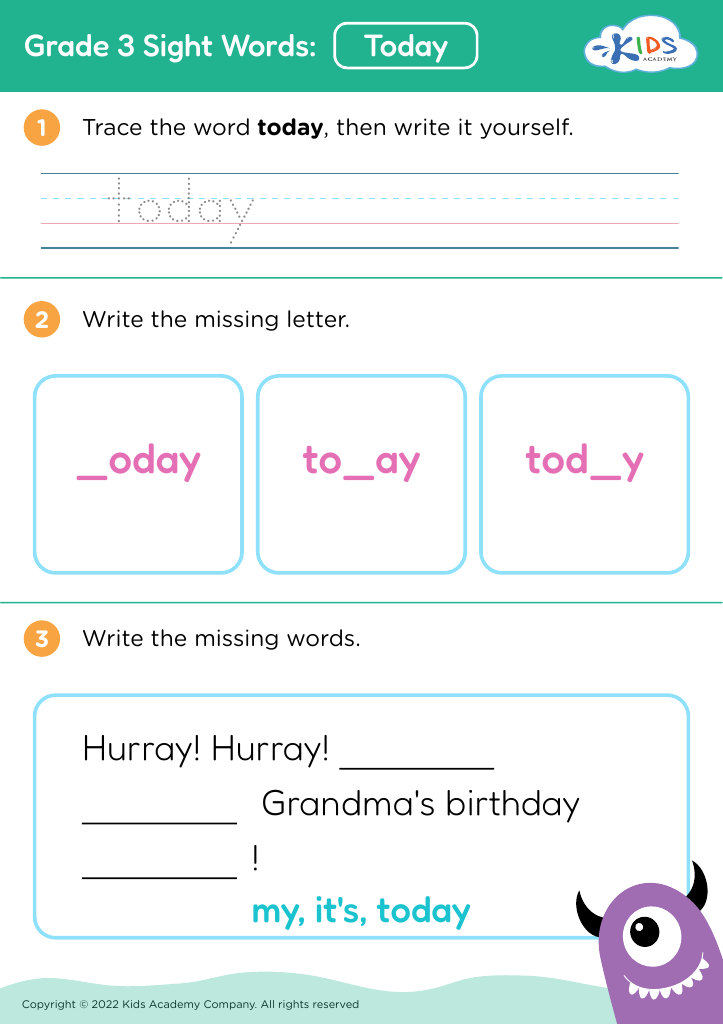
    Grade 3 Sight Words: Today
    Grade 3 Sight Words: Today

    Grade 3 Sight Words: Today

    Grade 3 Sight Words: Today
    Worksheet
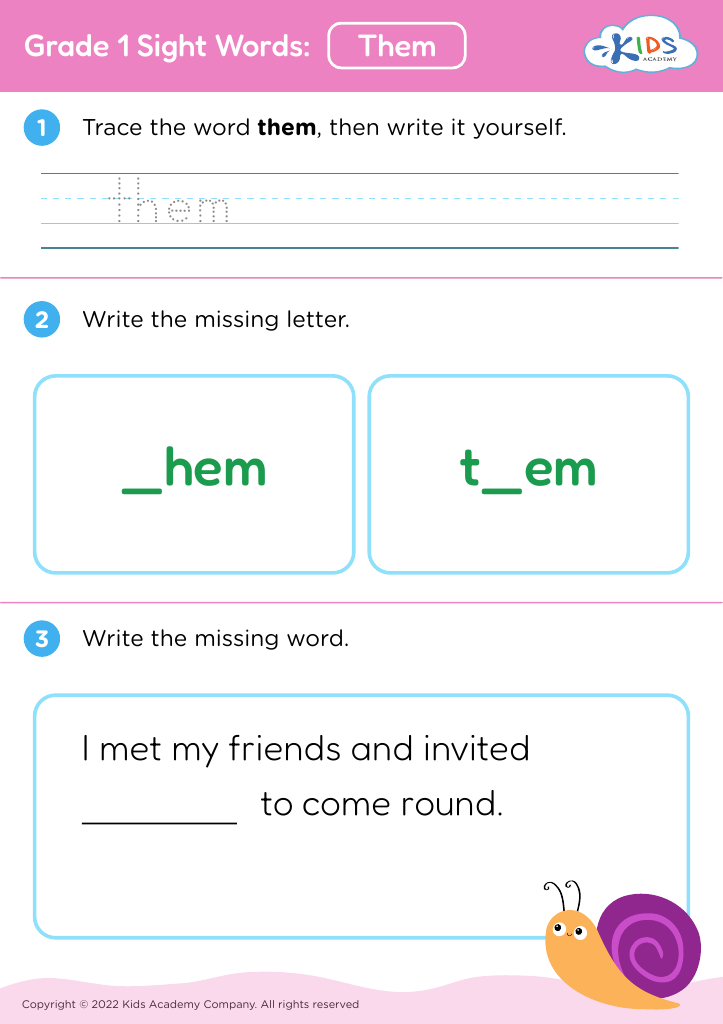
    Grade 1 Sight Words: Them
    Grade 1 Sight Words: Them

    Grade 1 Sight Words: Them

    Grade 1 Sight Words: Them
    Worksheet
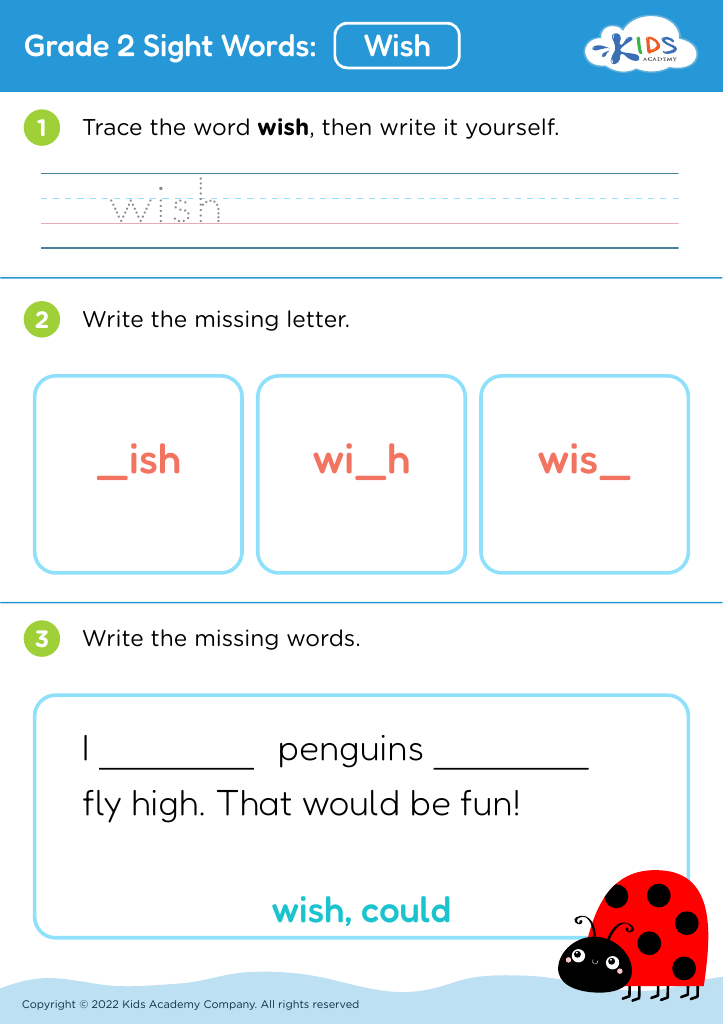
    Grade 2 Sight Words: Wish
    Grade 2 Sight Words: Wish

    Grade 2 Sight Words: Wish

    Grade 2 Sight Words: Wish
    Worksheet
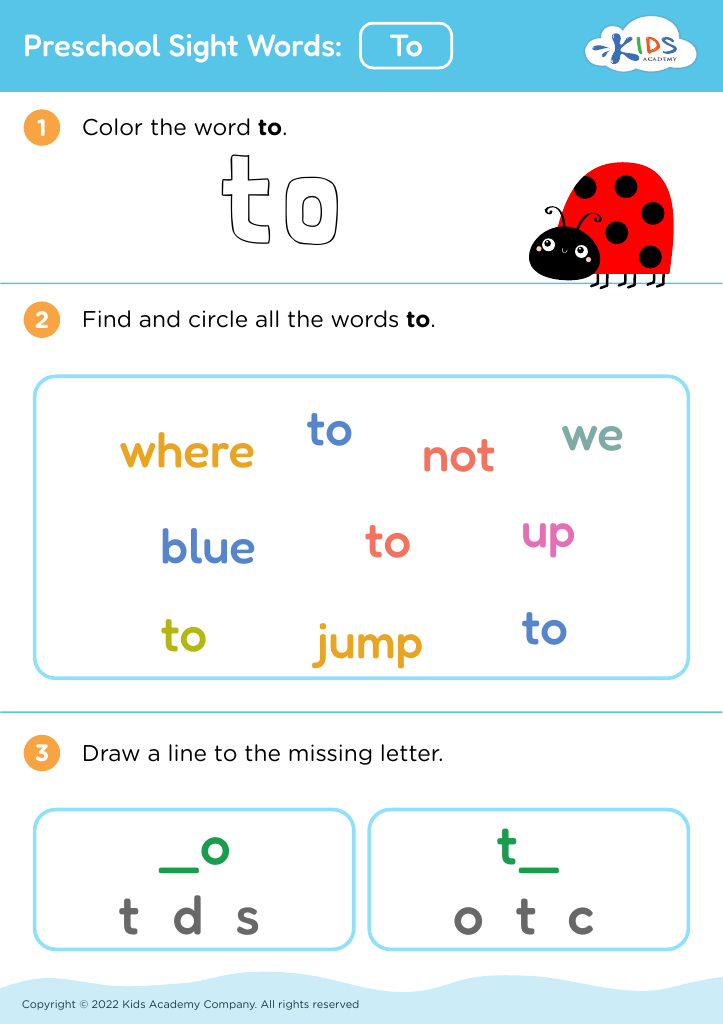
    Preschool Sight Words: To

    Preschool Sight Words: To

    Preschool Sight Words: To

    Preschool Sight Words: To
    Worksheet
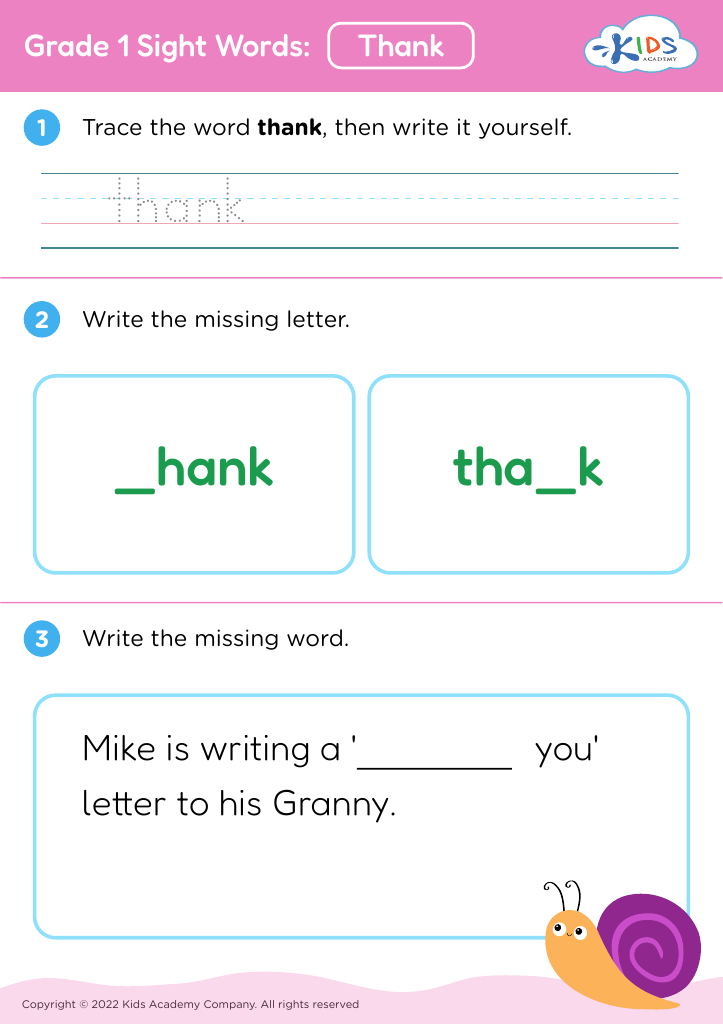
    Grade 1 Sight Words: Thank
    Grade 1 Sight Words: Thank

    Grade 1 Sight Words: Thank

    Grade 1 Sight Words: Thank
    Worksheet


    ... 19 20

    Building vocabulary for children aged 3-9 is crucial for several reasons. Firstly, a robust vocabulary forms the foundation for effective communication. At this formative age, children are rapidly acquiring language skills and expanding their ability to express thoughts, emotions, and observations. Introducing them to a wide range of words enriches their expressive and receptive language abilities, enabling them to articulate more complex ideas and engage in meaningful conversations.

    Secondly, vocabulary development is intrinsically linked to academic success. Research consistently shows that children with a rich vocabulary tend to perform better in reading and overall literacy. By age 3, children with larger vocabularies display more advanced phonological awareness—the ability to recognize and manipulate sound structures—essential for reading skills. As they advance through school, a well-developed vocabulary aids in comprehending more complex texts, understanding instructions, and engaging with content across subjects.

    Furthermore, a varied vocabulary boosts cognitive development. It enhances critical thinking and problem-solving skills, as knowing more words allows children to describe their world in greater detail and think more abstractly. It also promotes curiosity and a love of learning, as children become eager to learn new words and concepts.

    Parents and teachers play a vital role by reading to children regularly, engaging in conversations, and creating a language-rich environment. These efforts significantly impact a child's lifelong learning and success.