Vocabulary enhancement Building Vocabulary Worksheets for Ages 3-9 - Page 2
80 filtered results
-
From - To
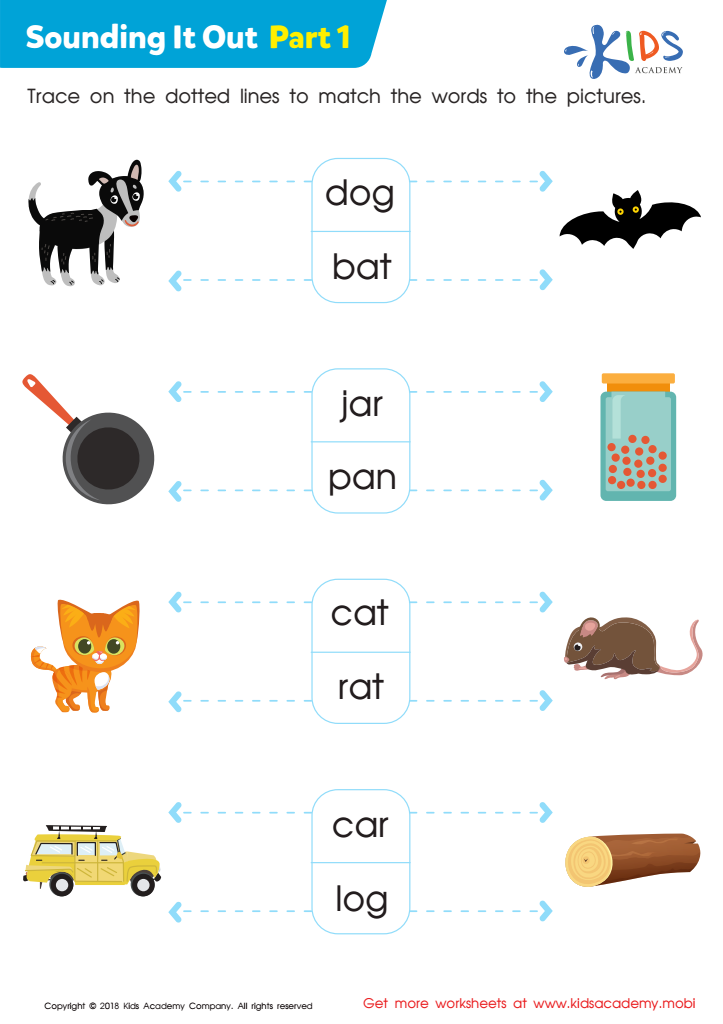
Sounding it Out: Part 1 Worksheet











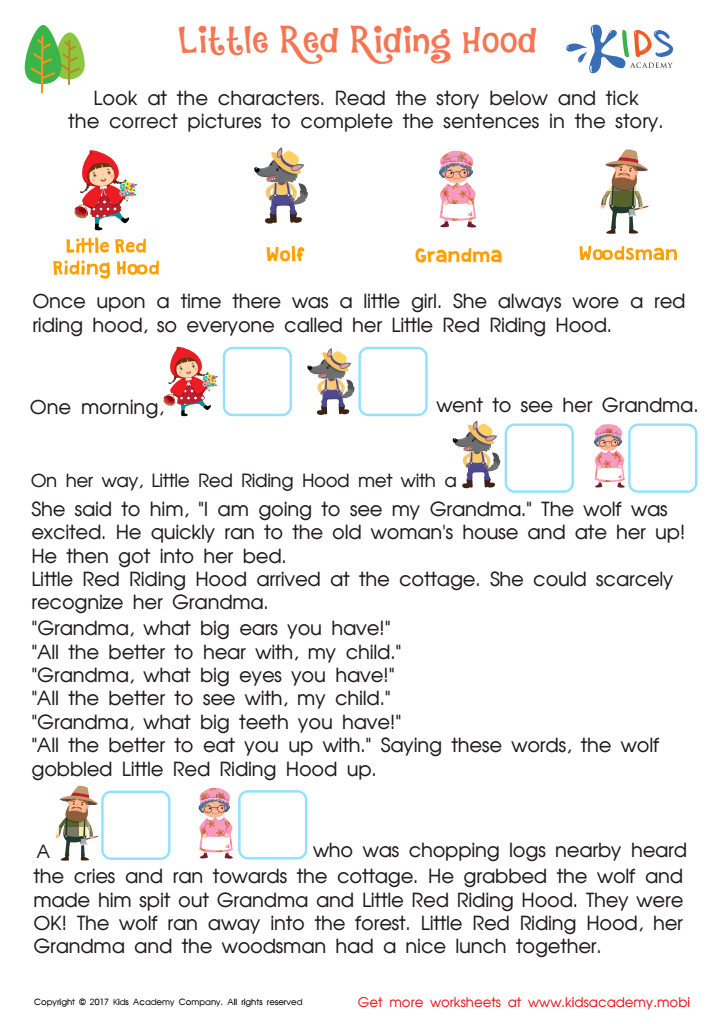
Little Red Riding Hood Printable
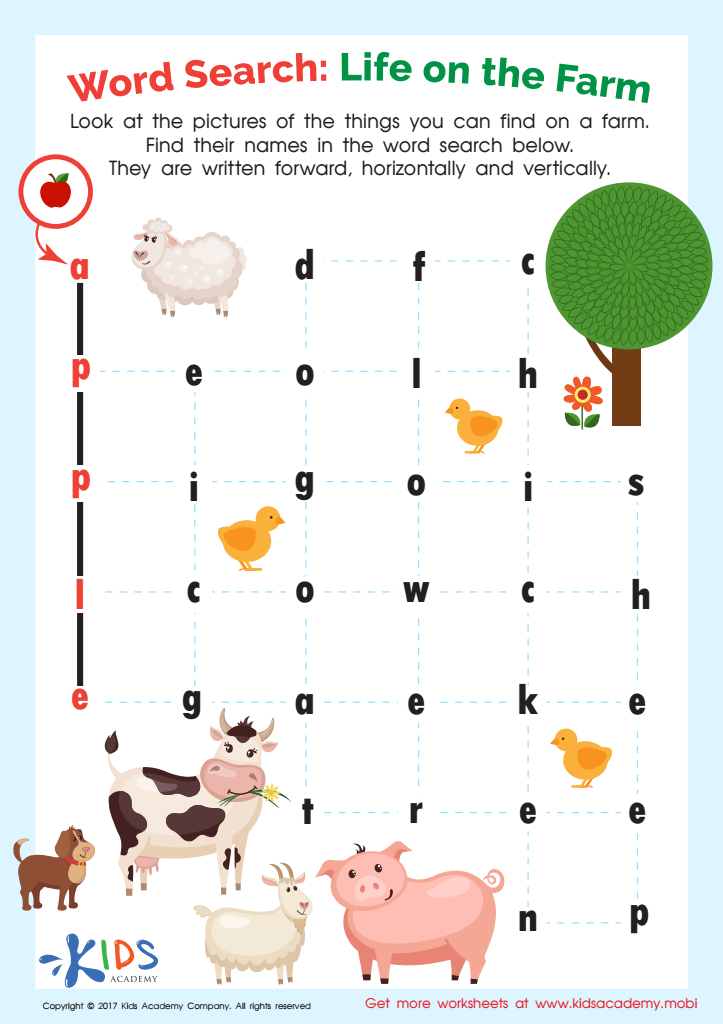
Word Search Puzzles Worksheet
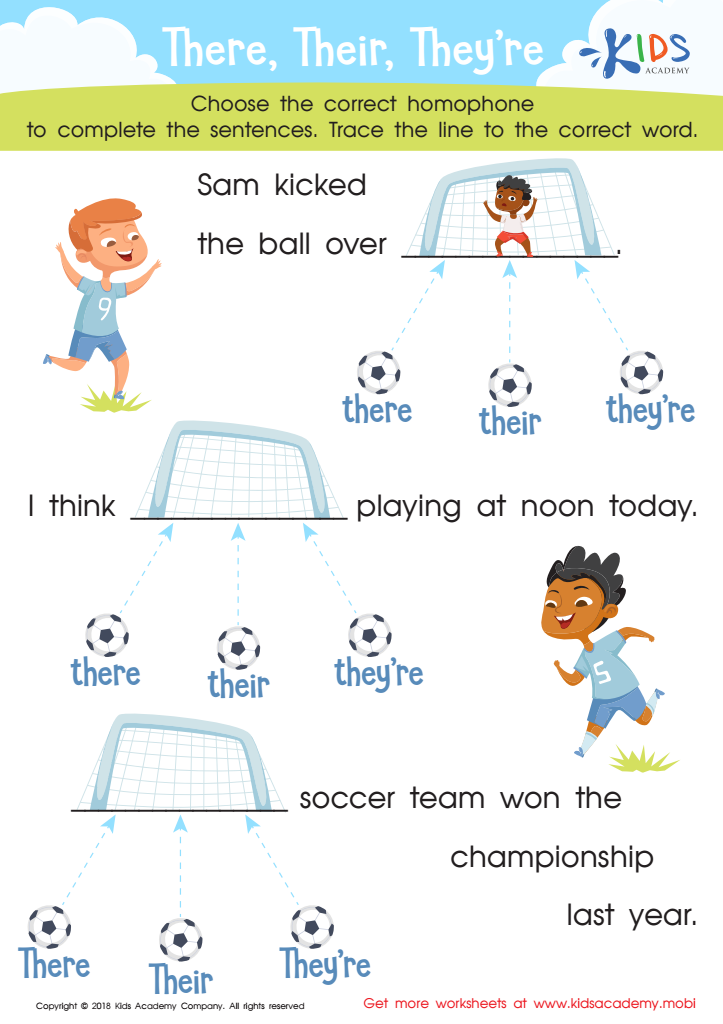
There, Their, They're Worksheet
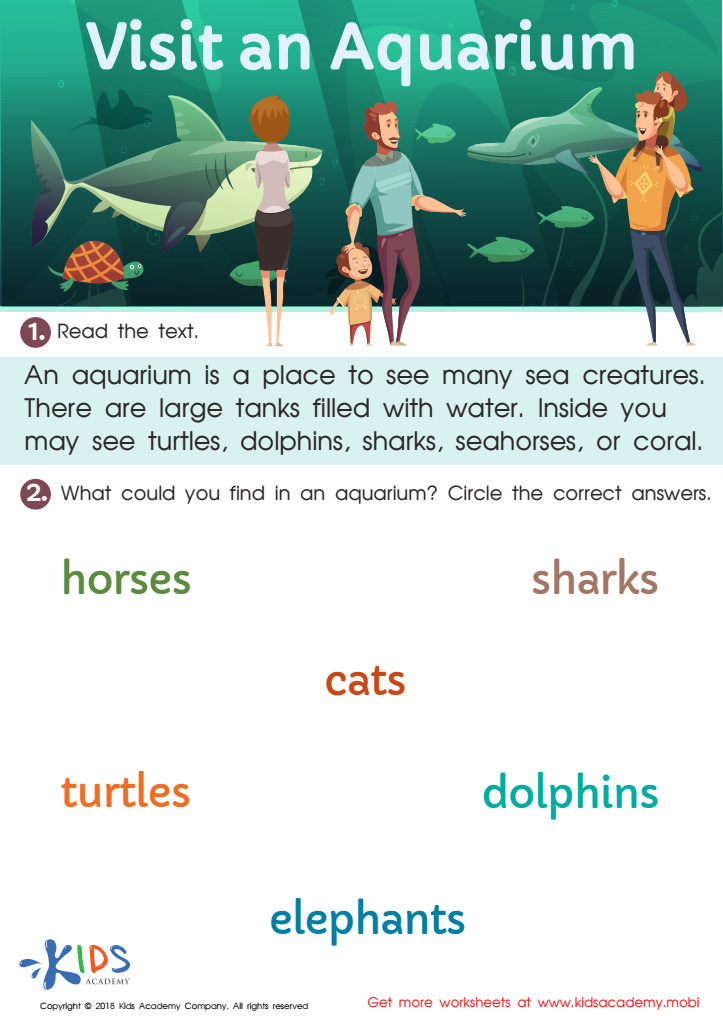
Visit an Aquarium Worksheet
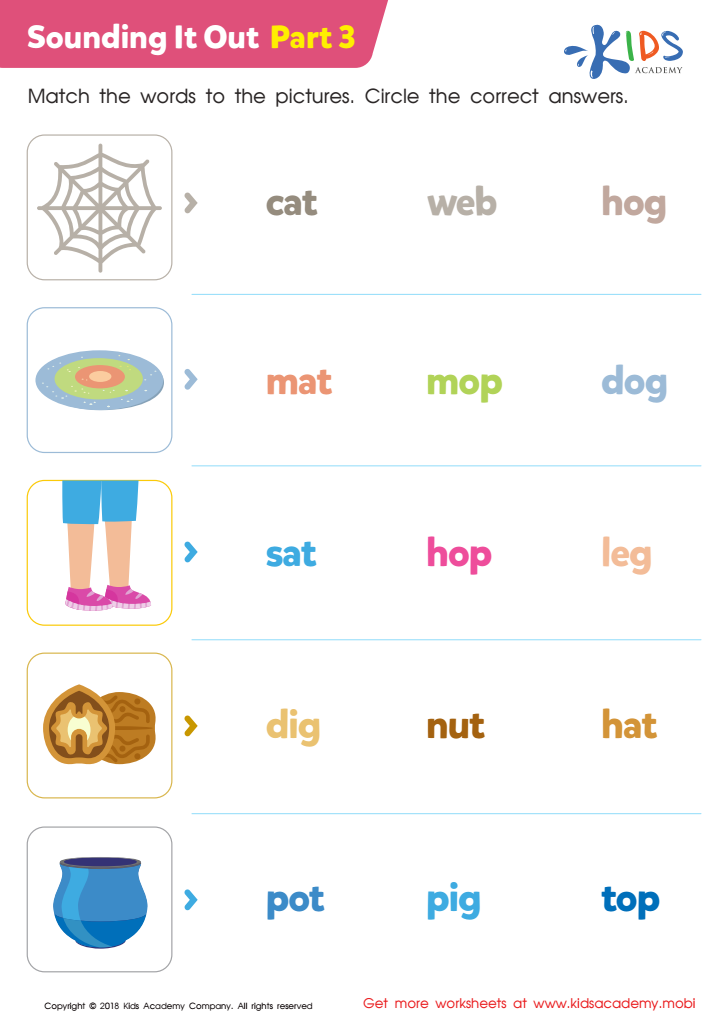
Sounding it Out: Part 3 Worksheet
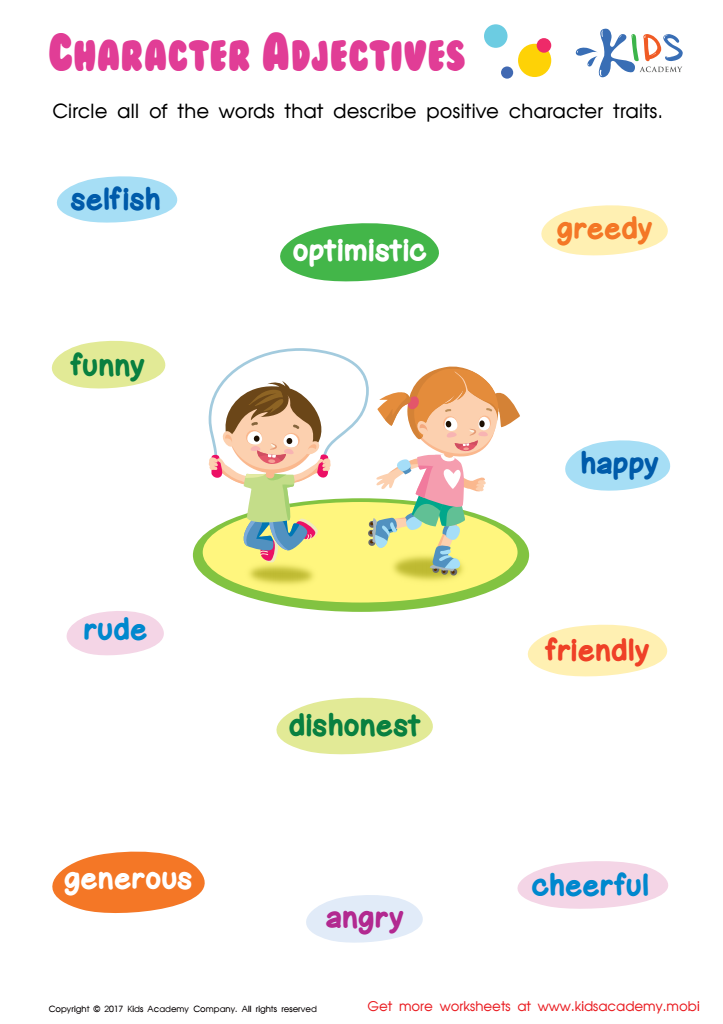
Character Adjectives Worksheet
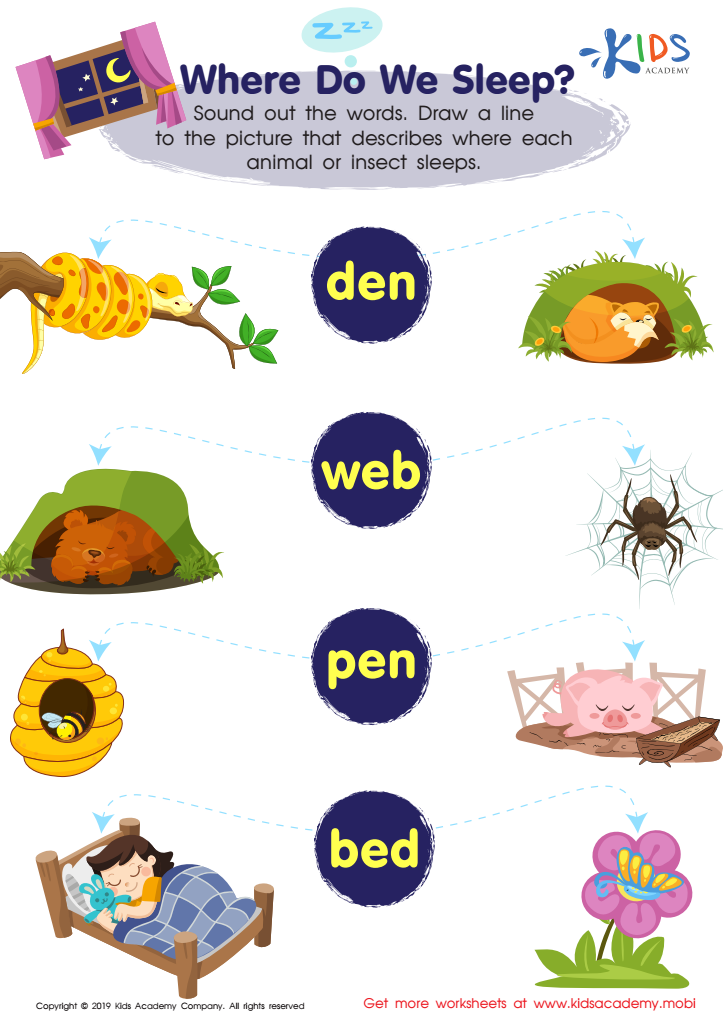
Where Do We Sleep Worksheet
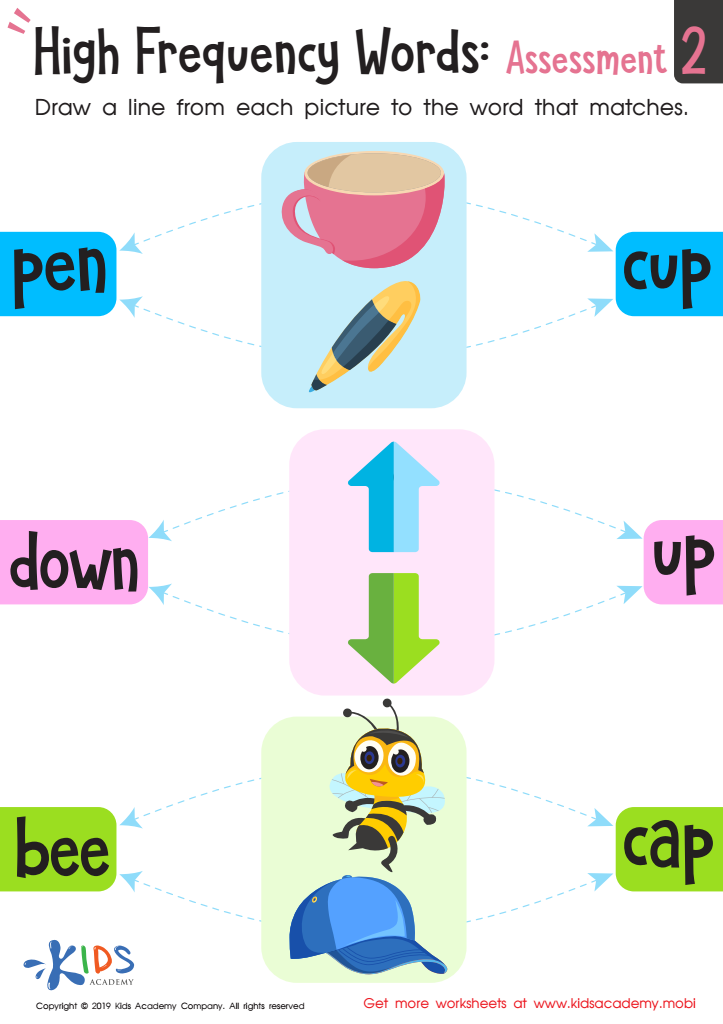
High Frequency Words: Assessment 2 Worksheet
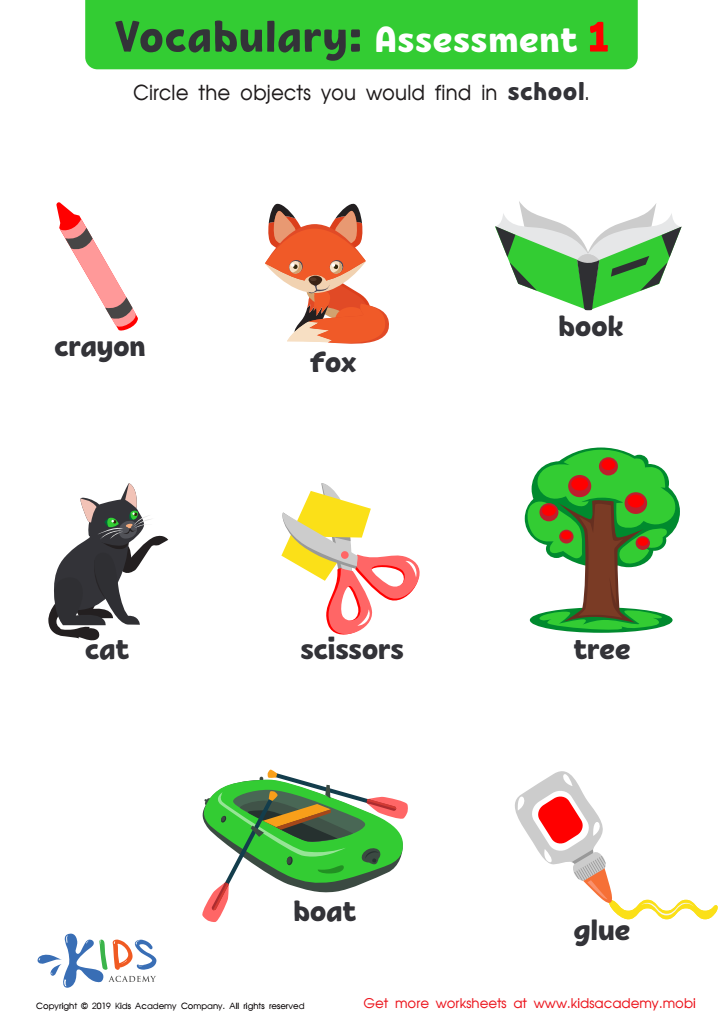
Vocabulary: Assessment 1 Worksheet
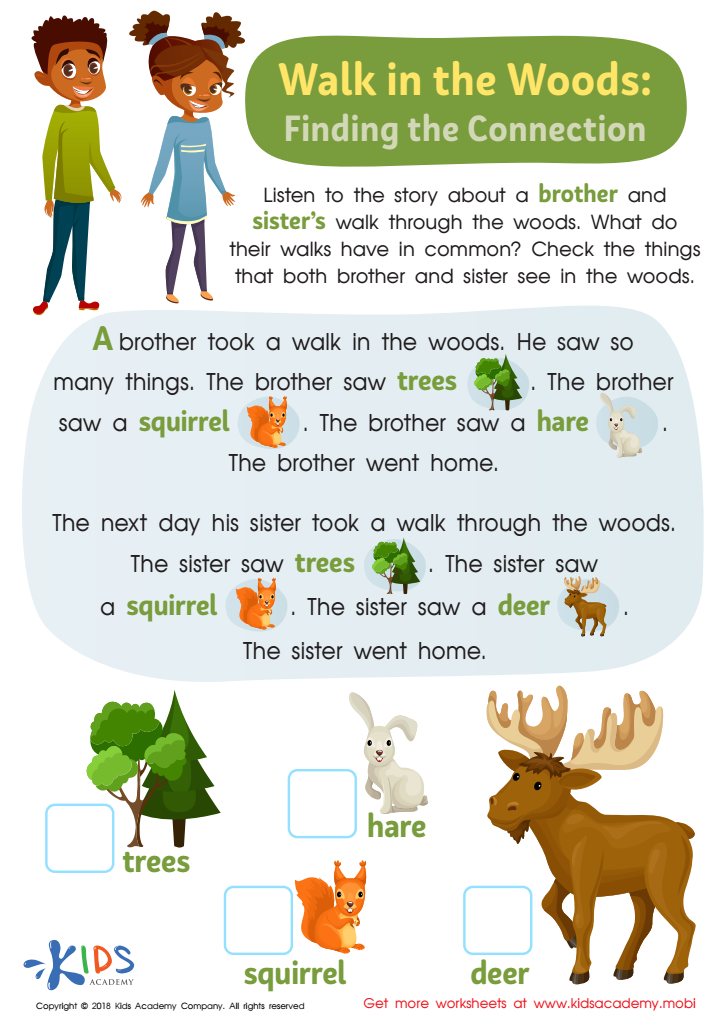
Walk In the Woods: Finding Connections Worksheet
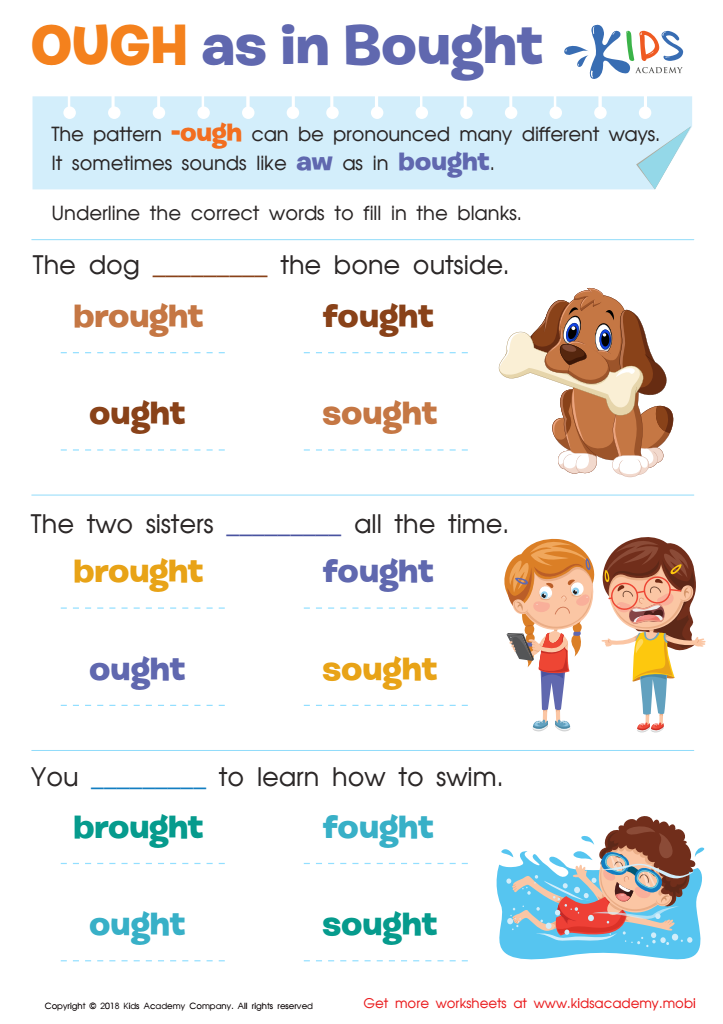
OUGH as in Bought Worksheet
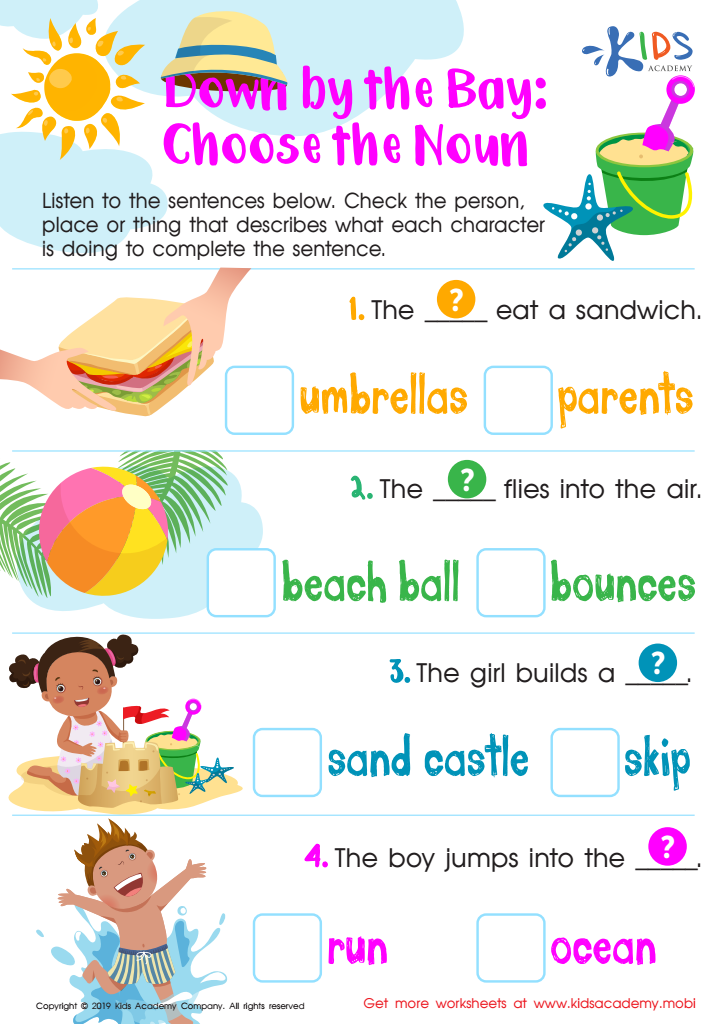
Down by the Bay: Choose the Noun Worksheet
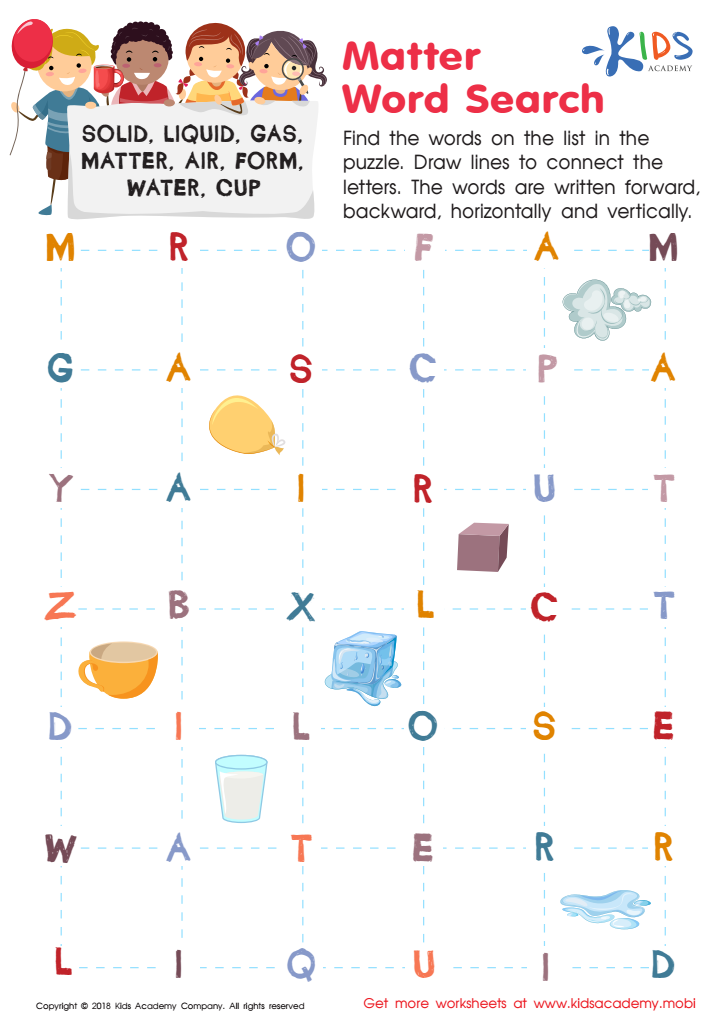
Matter Word Search Worksheet
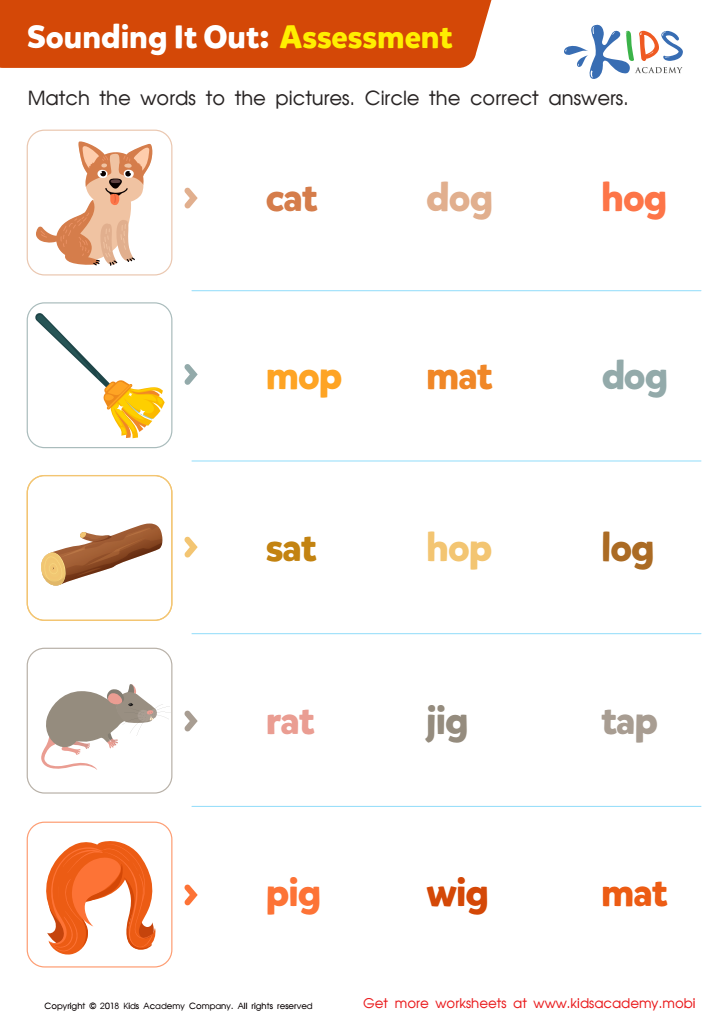
Sounding it Out: Assessment Worksheet
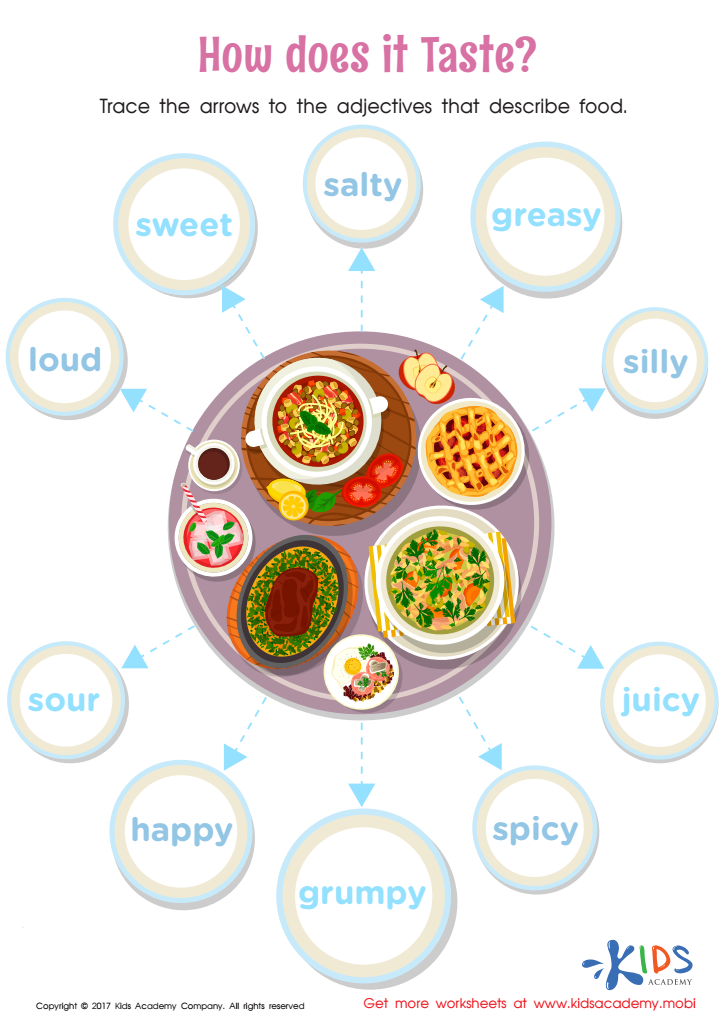
Food Adjectives Worksheet
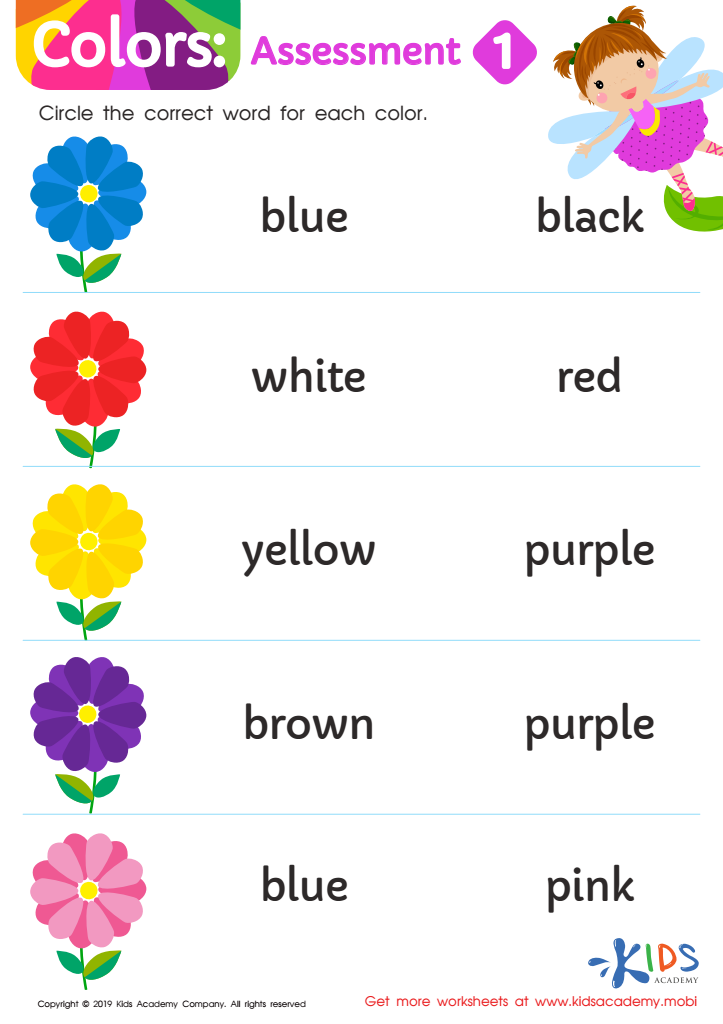
Colors: Assessment 1 Worksheet
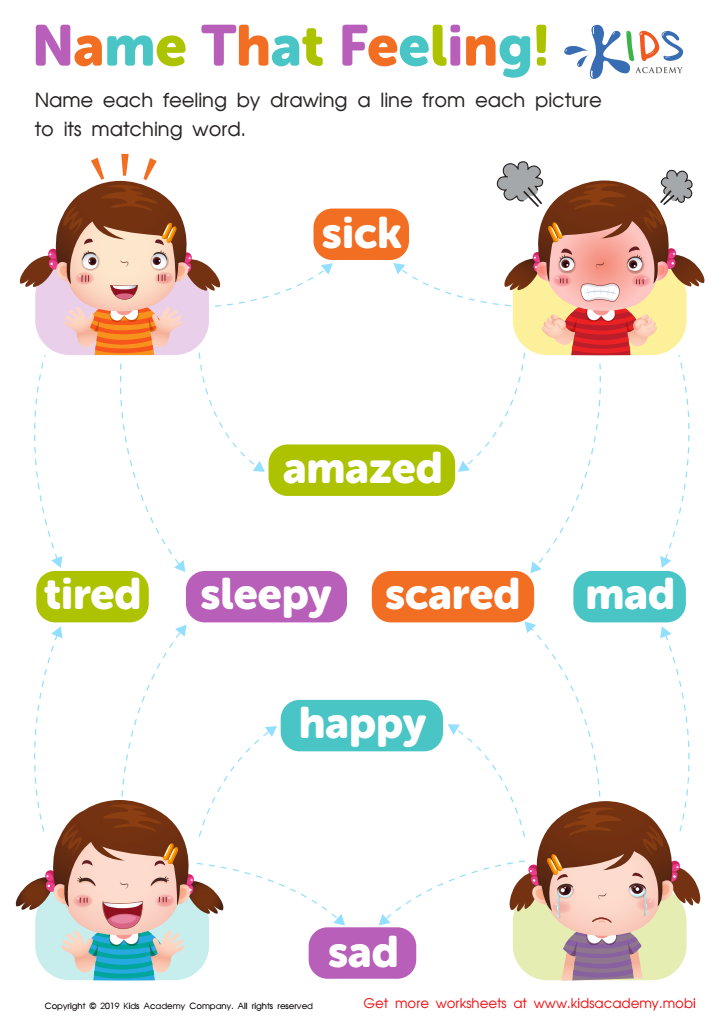
Name that Feeling Worksheet
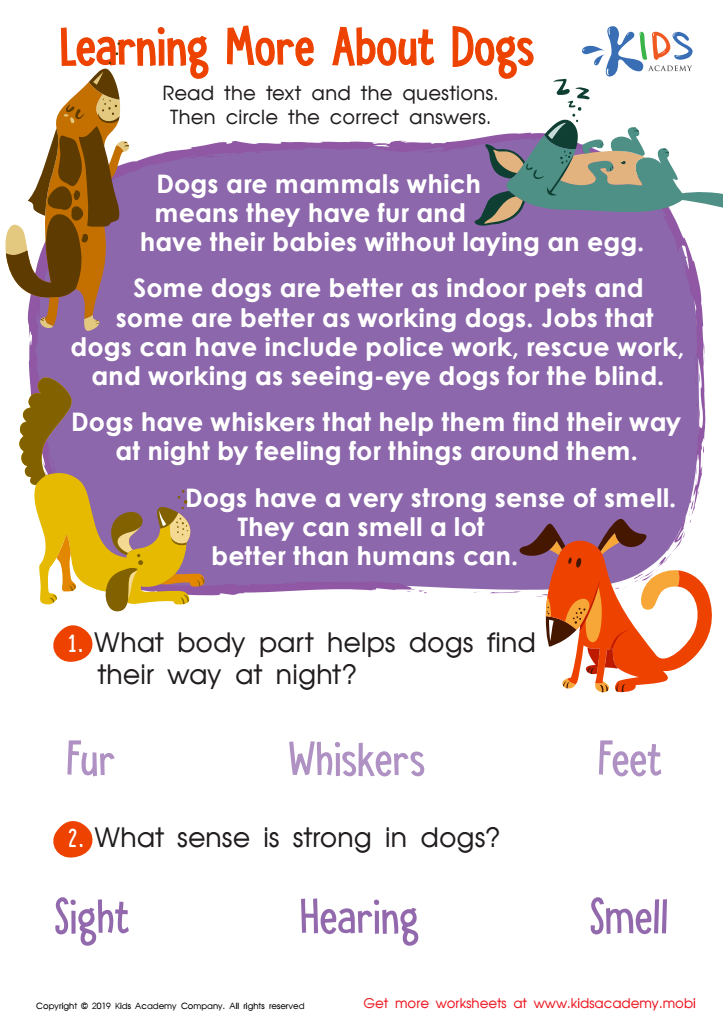
Learning More About Dogs Worksheet
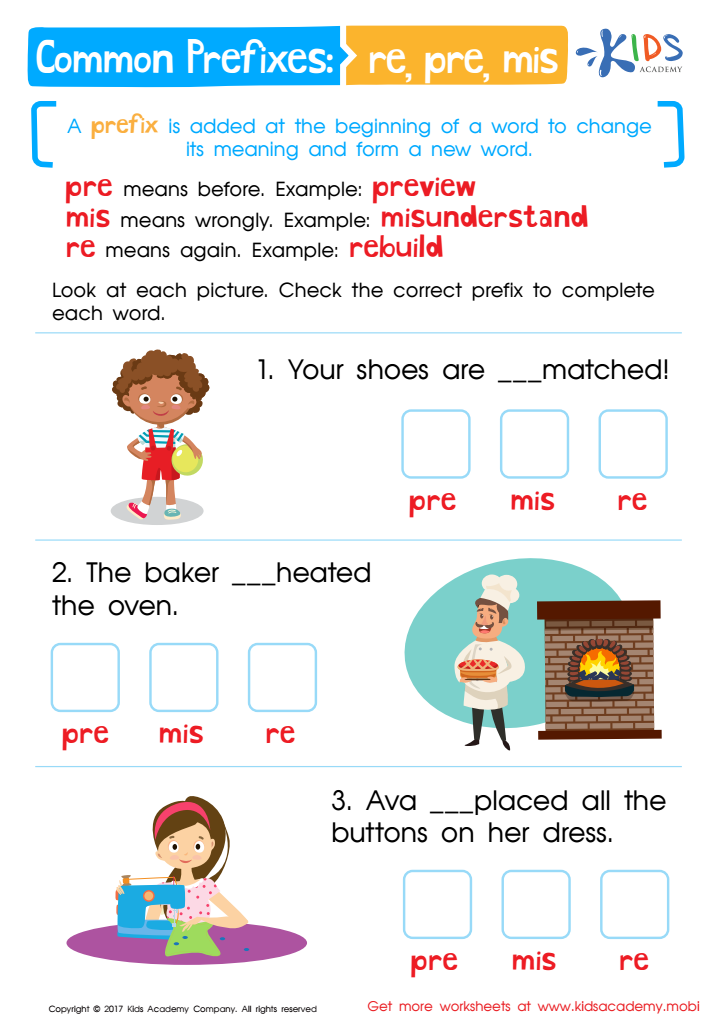
Common Prefixes Worksheet: RE, PRE, MIS
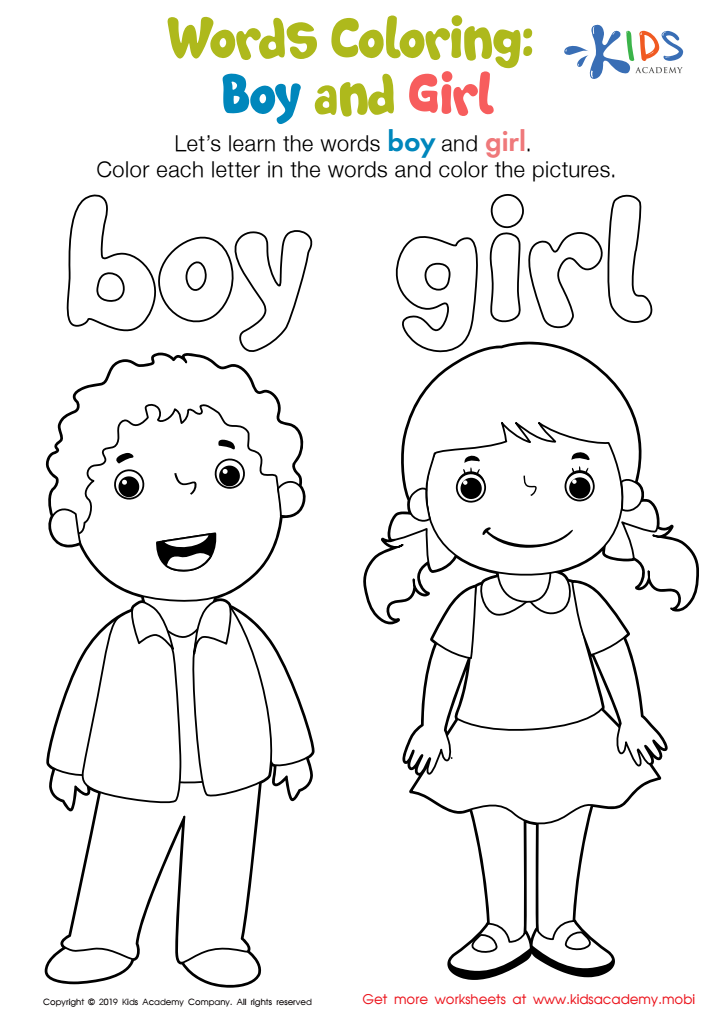
Boy and Girl Words Coloring Worksheet
 Assign to My Students
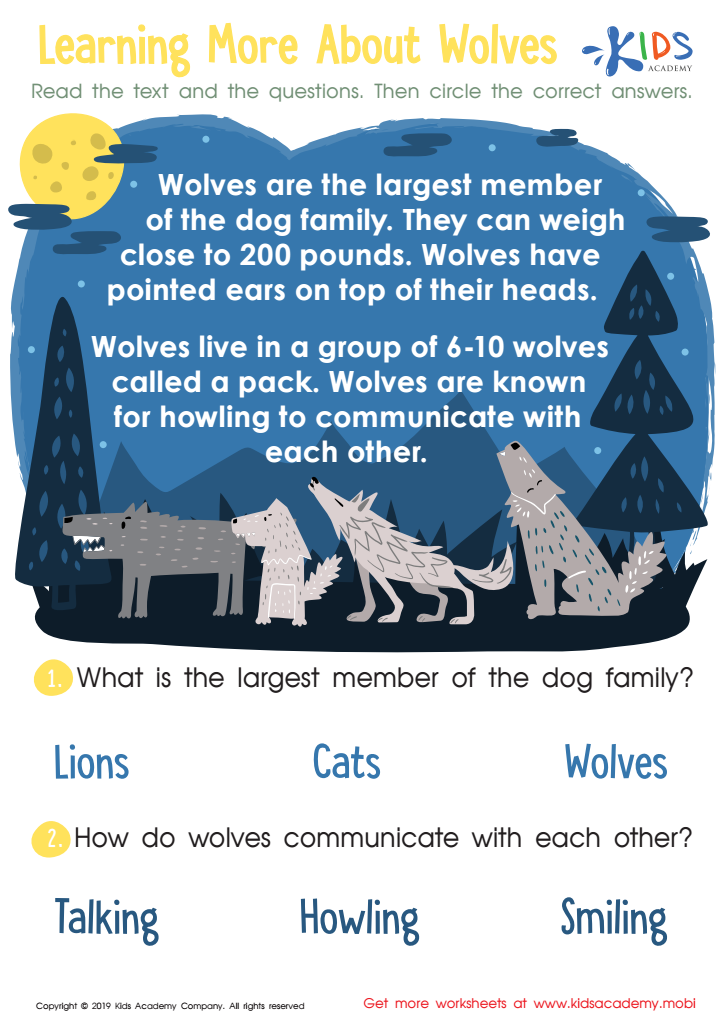
Learning More About Wolves Worksheet
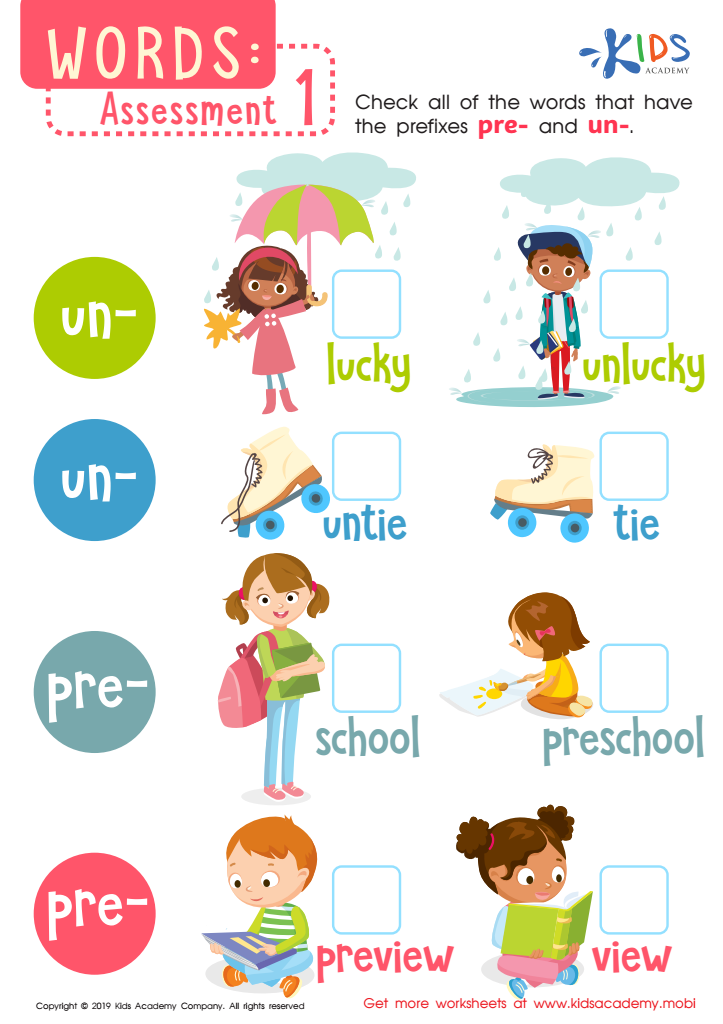
Words: Assessment 1 Worksheet
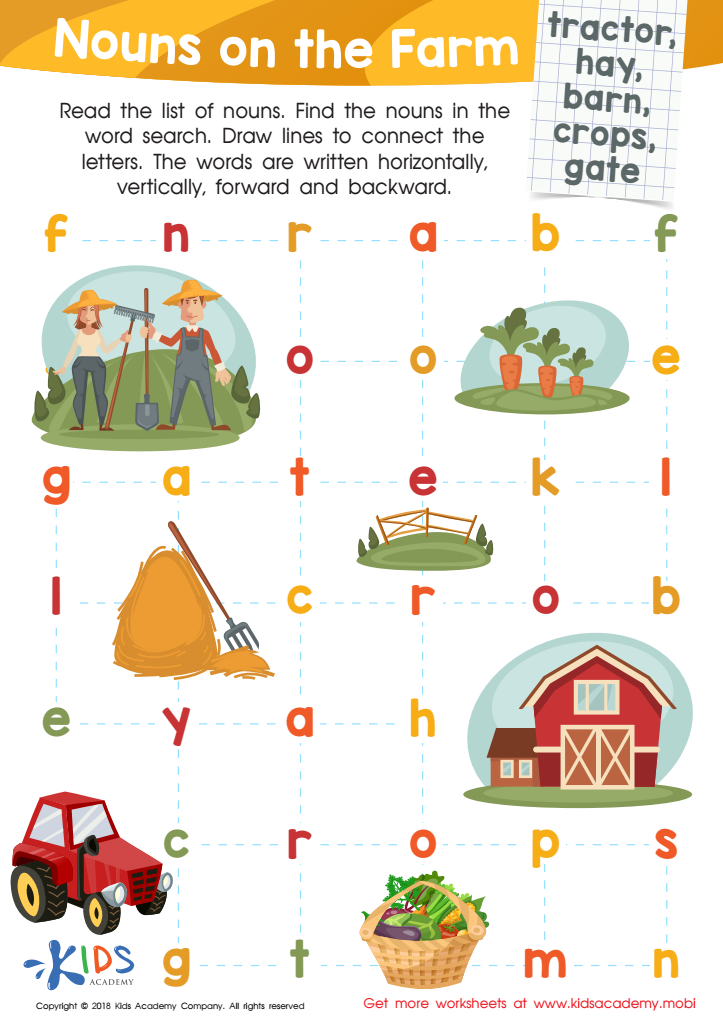
Nouns on the Farm Worksheet








Vocabulary enhancement in children aged 3-9 is critical for several reasons. At this developmental stage, the brain is highly receptive to new information, making it an optimal period for vocabulary building. A robust vocabulary serves as the foundation for effective communication, enabling children to clearly express their thoughts, needs, and emotions. This, in turn, improves their social interactions and fosters a sense of confidence and competence.
Additionally, a strong vocabulary is closely linked to academic success. It enhances comprehension skills, which are vital for reading and understanding complex texts across various subjects, including science, history, and mathematics. Children with a rich vocabulary are better equipped to grasp new concepts and follow instructions, leading to higher academic achievement.
Furthermore, vocabulary development supports cognitive skills such as critical thinking and problem-solving. Children who possess a wide range of words can articulate their thoughts more precisely, explore ideas in greater depth, and engage in meaningful conversations that stimulate intellectual growth.
Parents and teachers play a pivotal role in this aspect of education by creating a language-rich environment, encouraging reading, and engaging children in discussions. Investing time and effort in vocabulary enhancement during these formative years yields lifelong benefits, setting the stage for future academic and personal success.








