Problem-Solving Skills Reading Worksheets for Ages 3-9
47 filtered results
-
From - To
Enhance your child's critical thinking with our engaging Problem-Solving Skills Reading Worksheets, specially designed for ages 3-9. These worksheets encourage young learners to tackle fun challenges while improving their reading comprehension and analytical abilities. Each activity is crafted to stimulate curiosity and foster independent thinking through interactive puzzles and stories. Kids will enjoy developing essential skills that lay the foundation for future academic success. Ideal for classroom use or at-home learning, our printable resources provide a fun way for children to practice and reinforce key concepts. Empower your little ones to think creatively and solve problems with confidence!
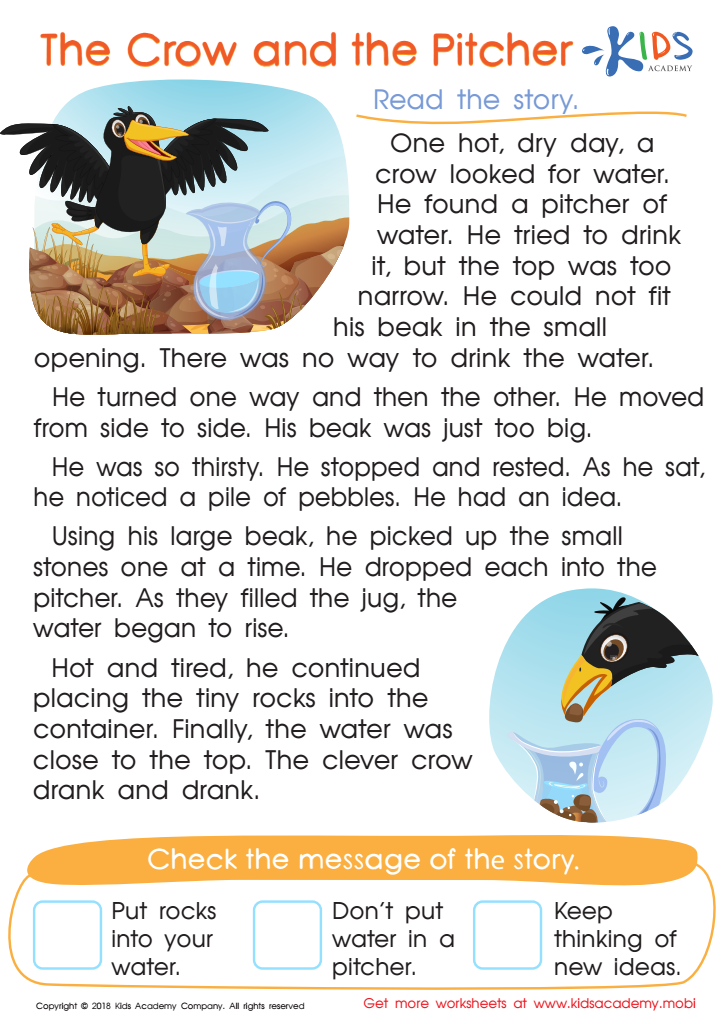
The Crow and the Pitcher Worksheet
 Assign to My Students
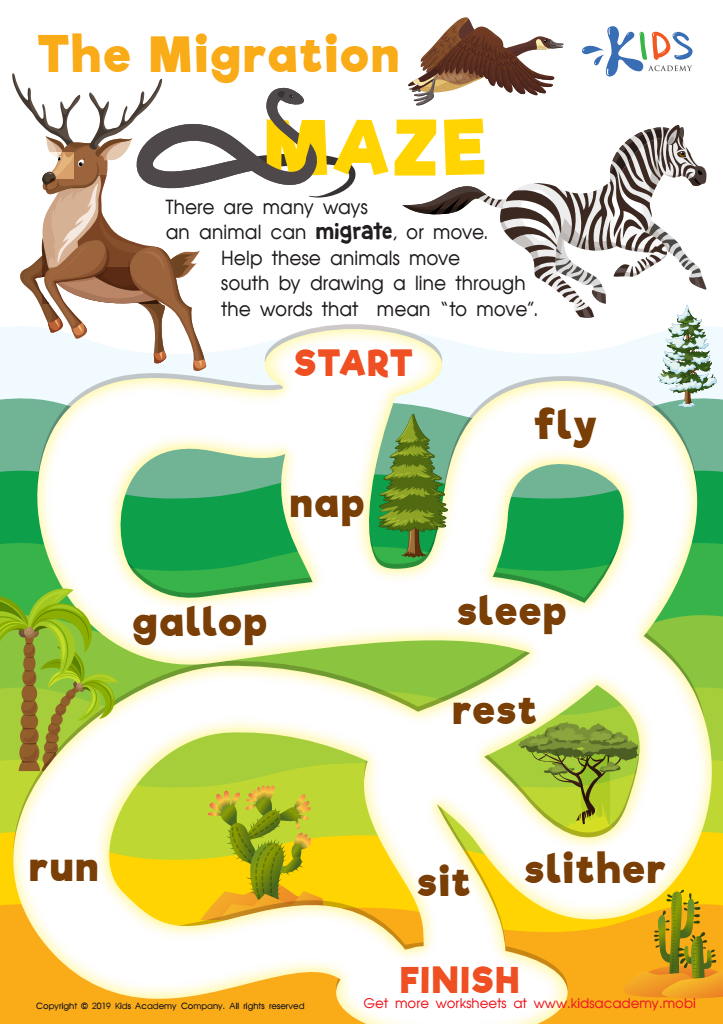
The Migration Maze Worksheet
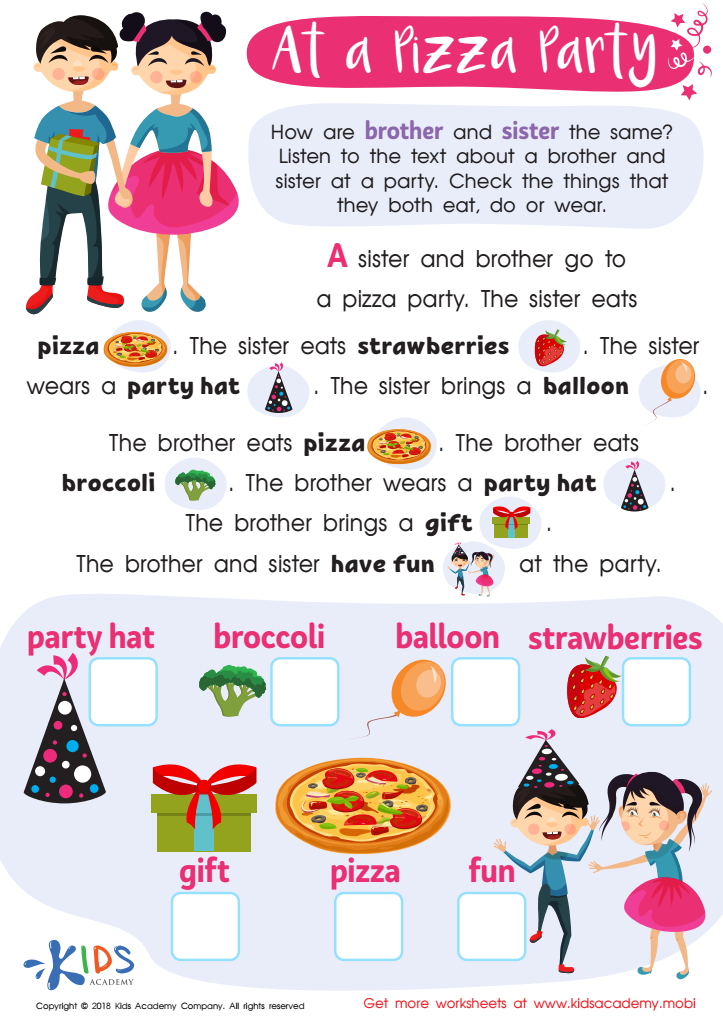
At a Pizza Party Worksheet
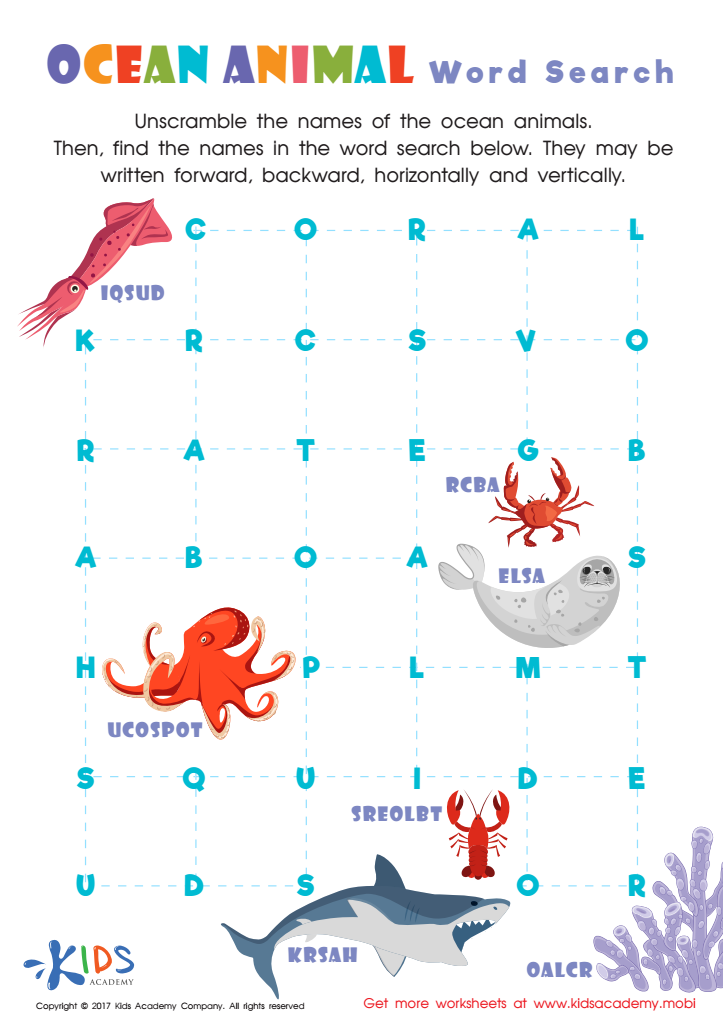
Ocean Animals Word Search Printable
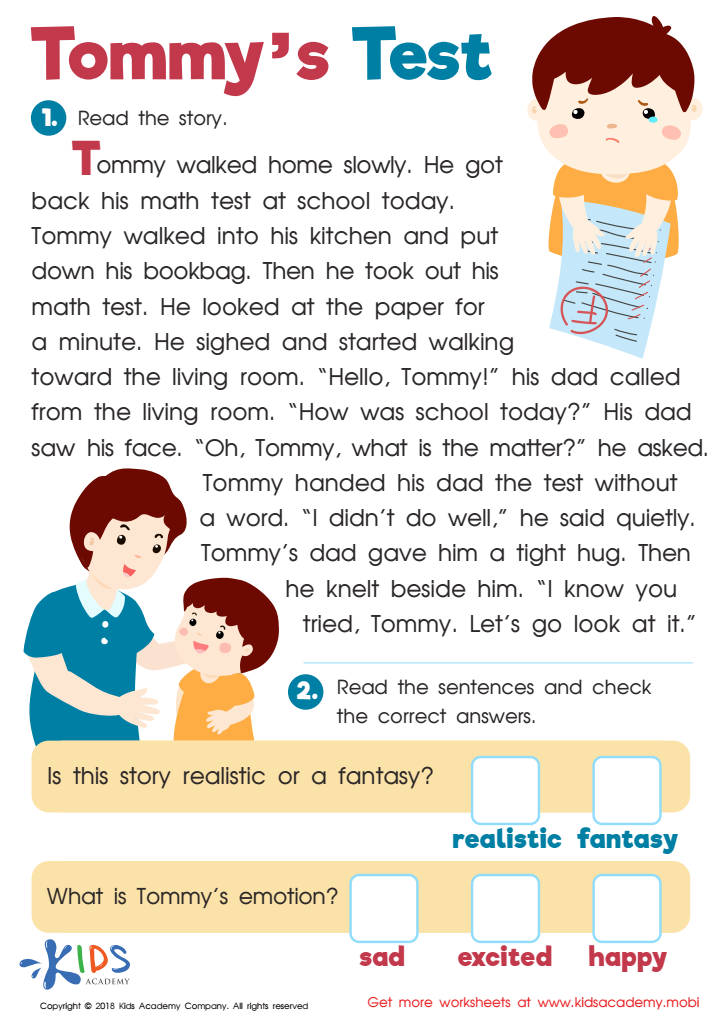
Tommys Test Worksheet
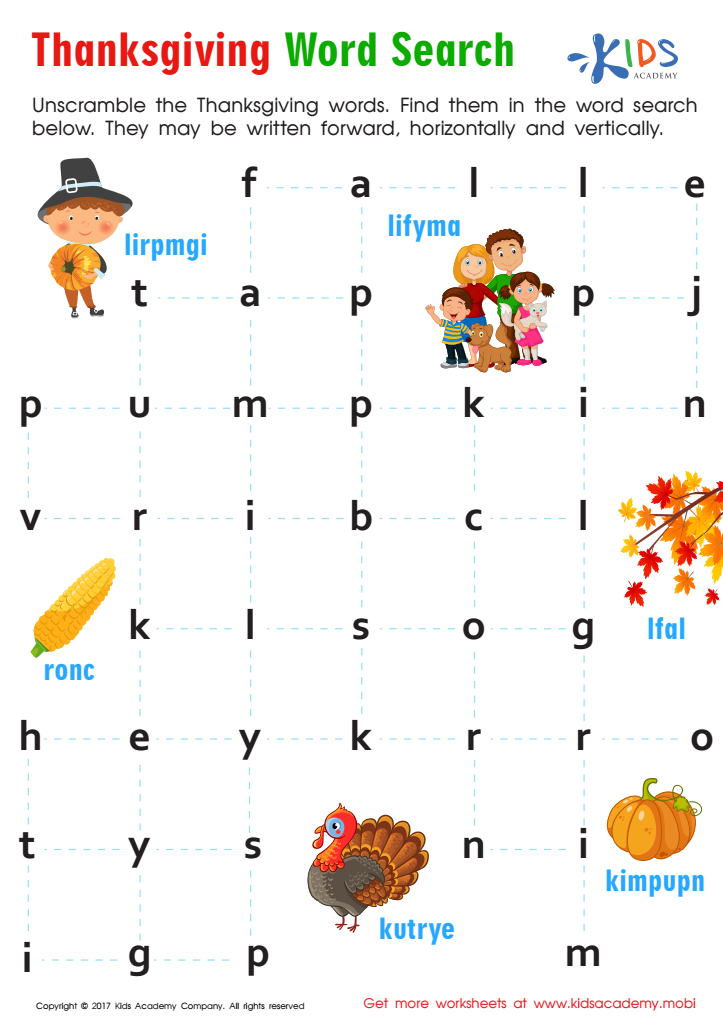
Thanksgiving Word Search Sight Words Worksheet
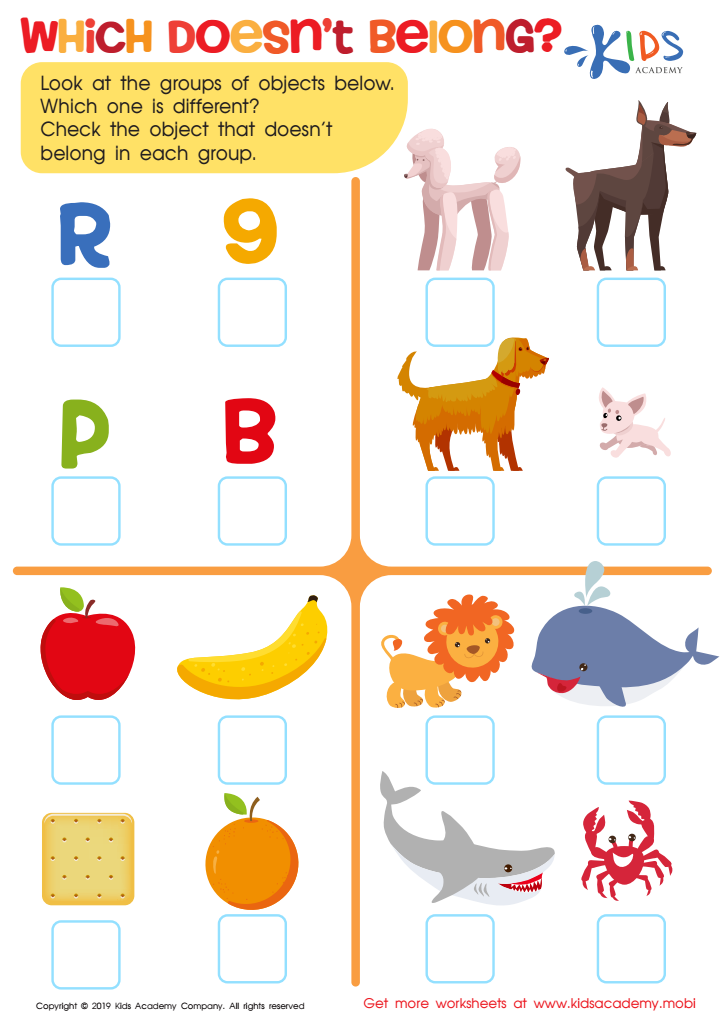
Which Doesn't Belong? Worksheet
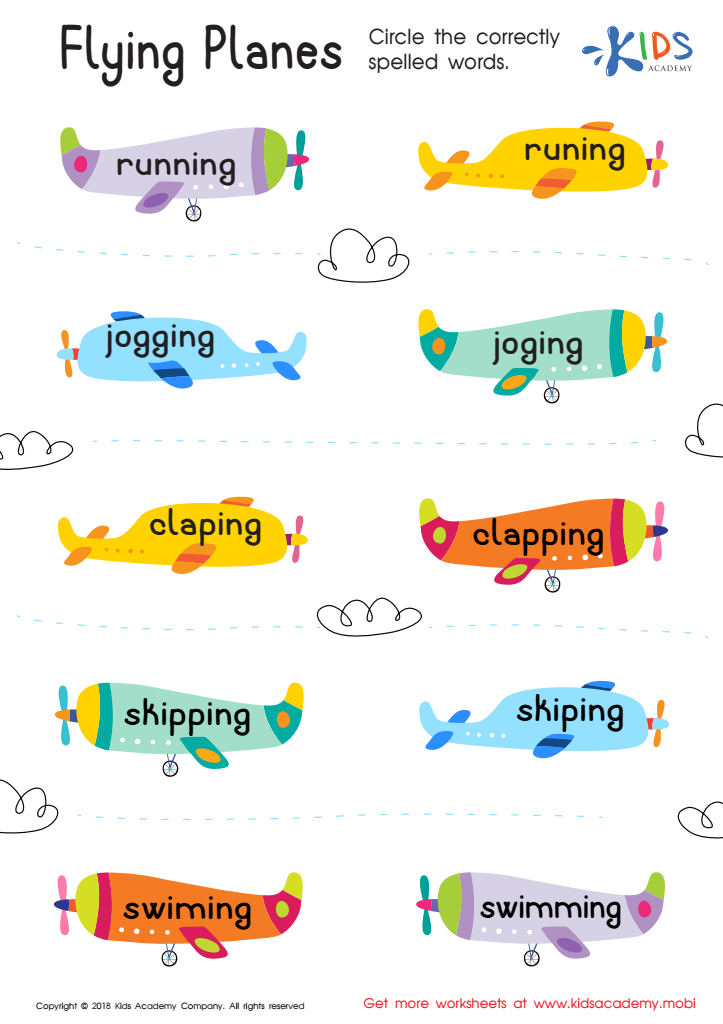
Flying Planes Worksheet
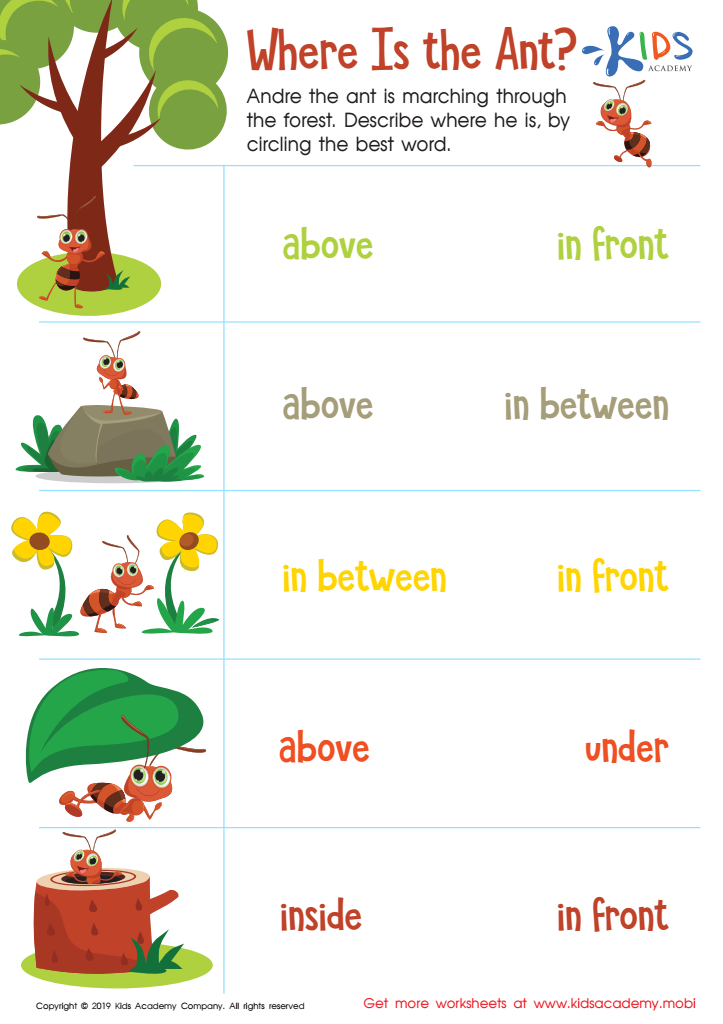
Where Is the Ant? Worksheet
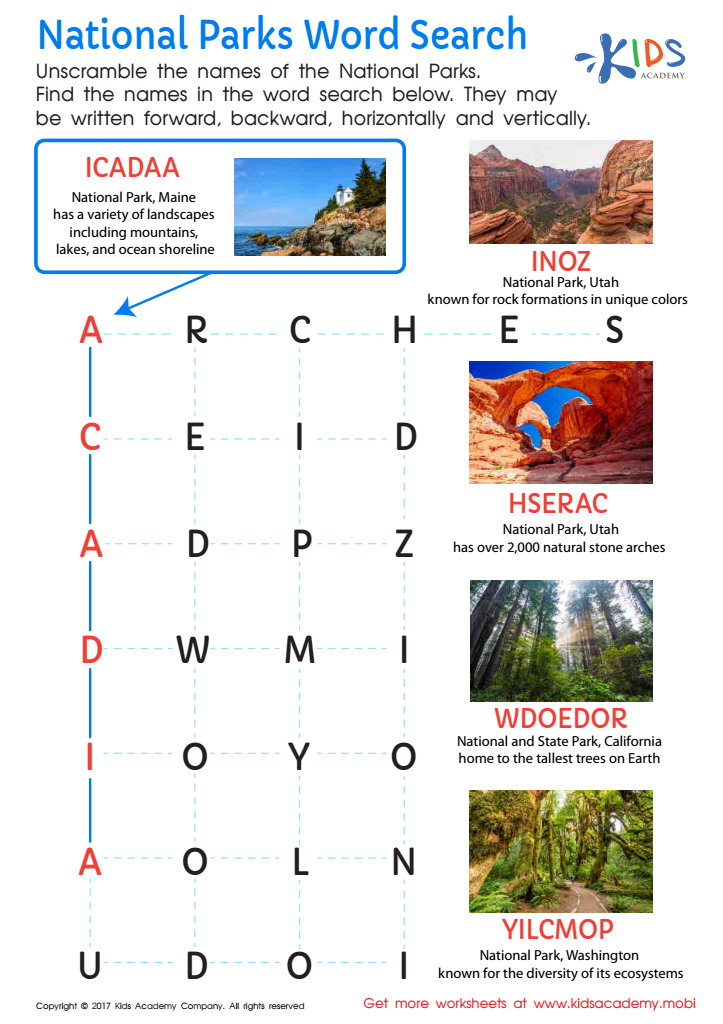
National Parks Word Search Worksheet
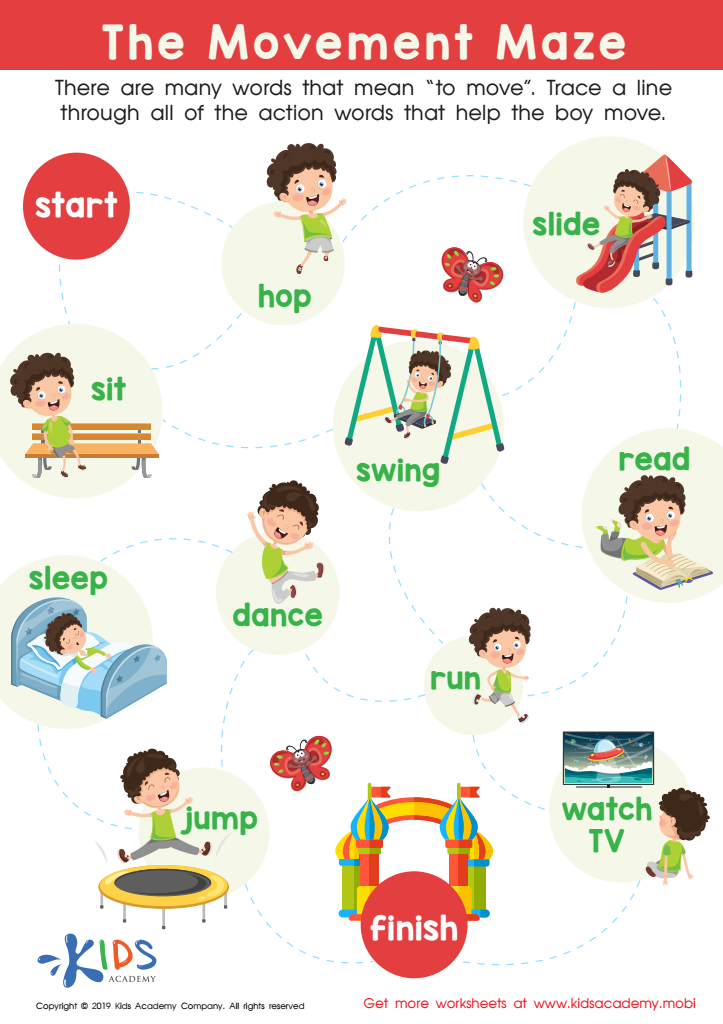
The Movement Maze Worksheet
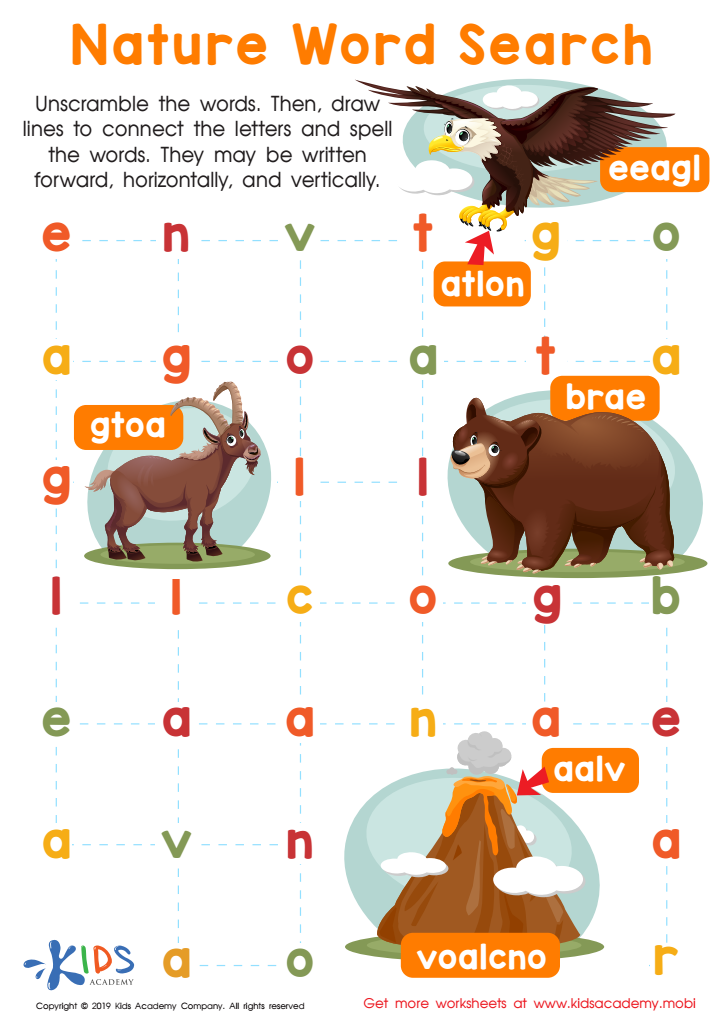
Nature Word Search Worksheet
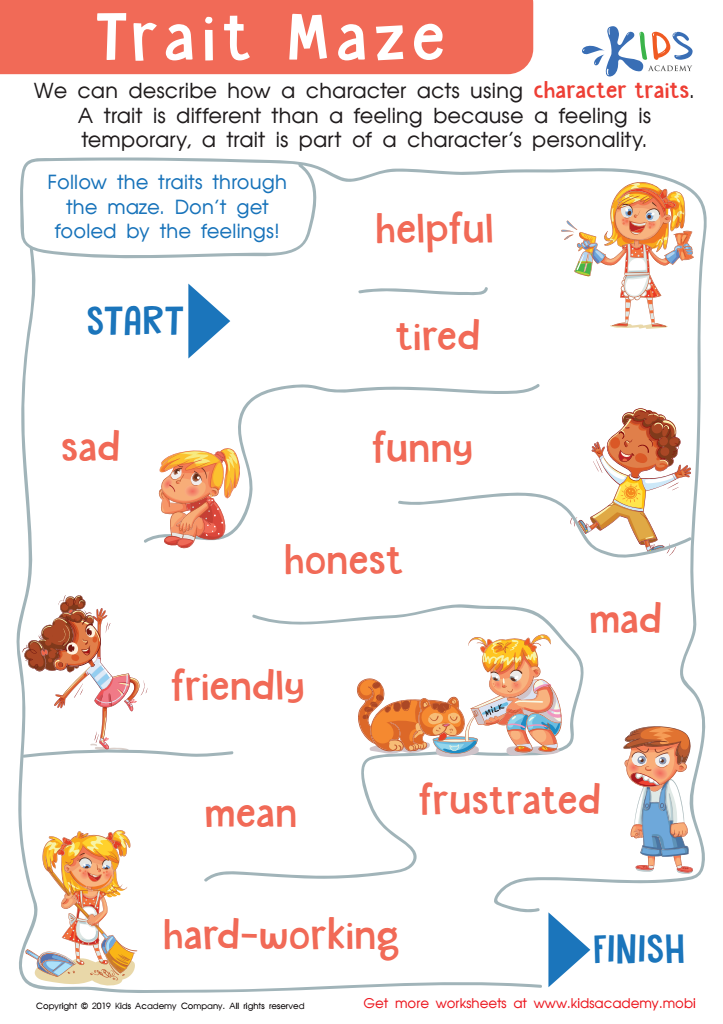
Trait Maze Worksheet
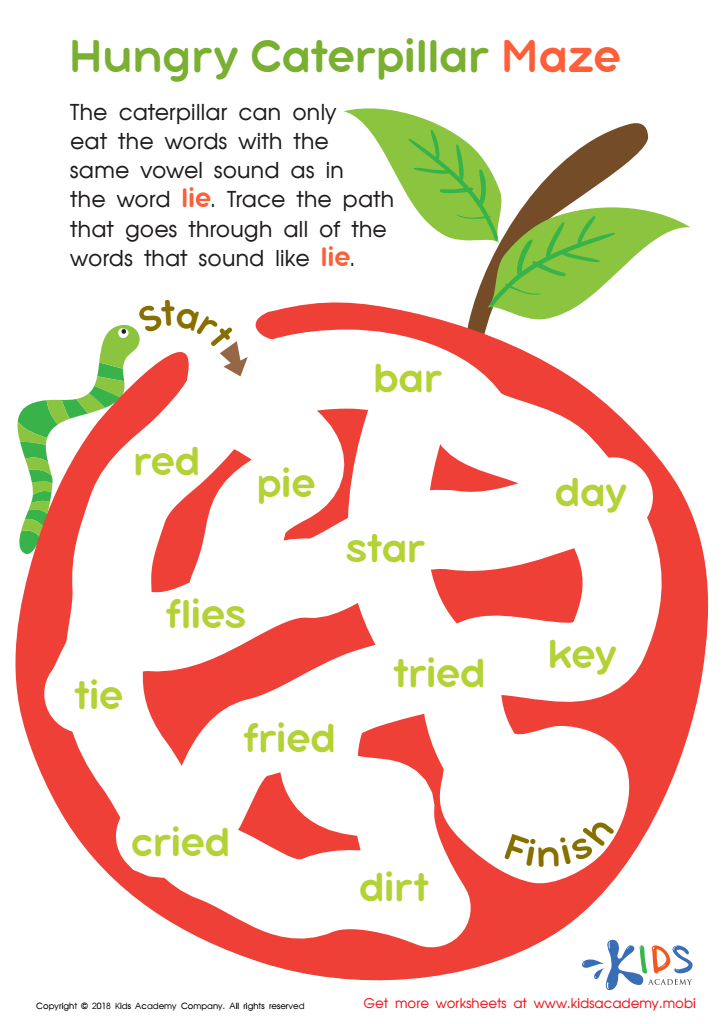
Hungry Caterpillar Maze Worksheet
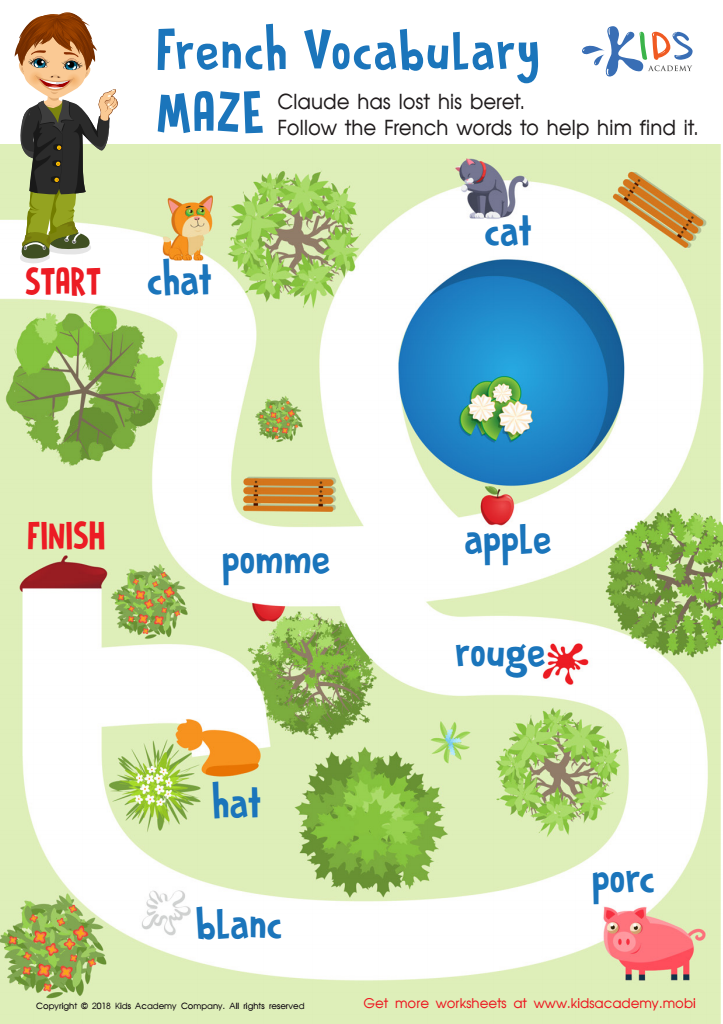
French Vocabulary Maze Worksheet
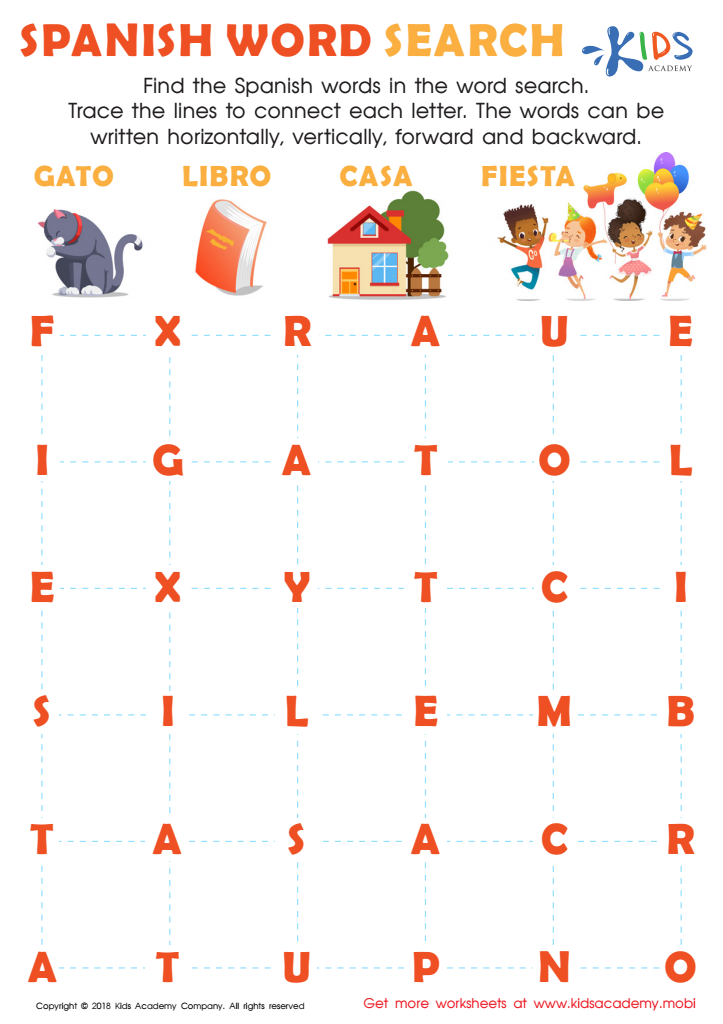
Spanish Word Search Worksheet
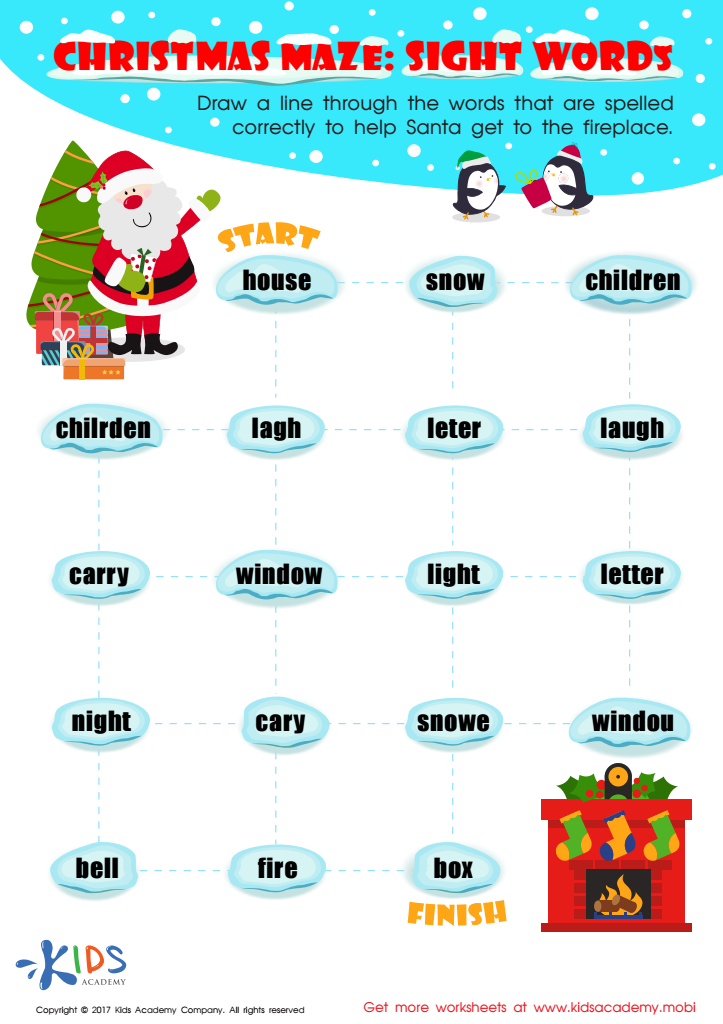
Sight Words Christmas Maze Printable
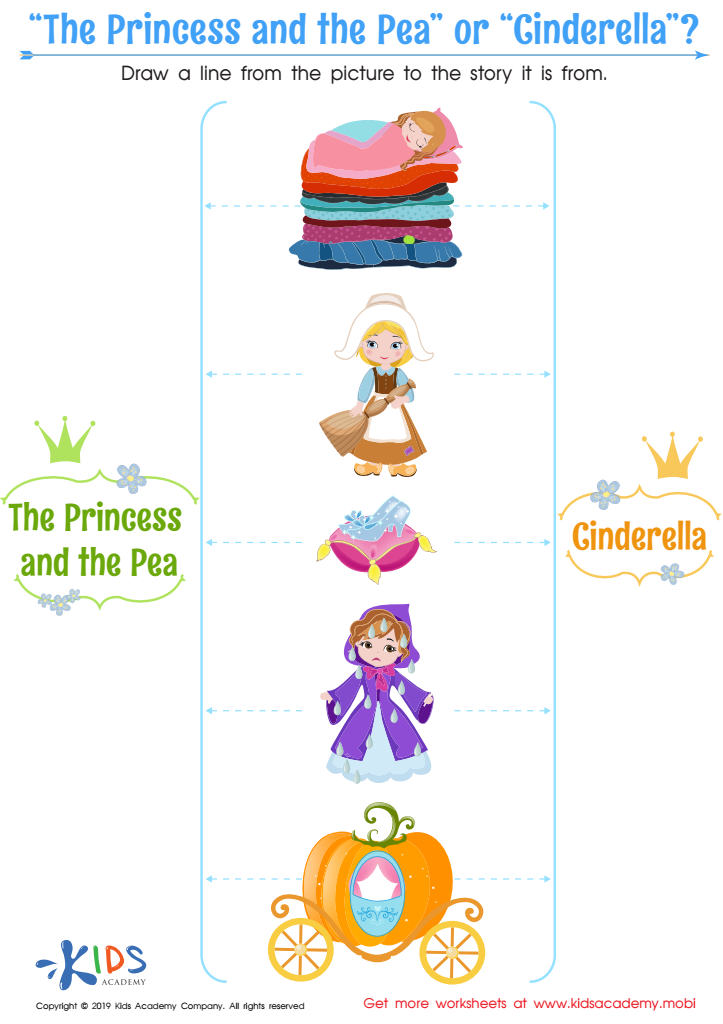
“The Princess and the Pea” or “Cinderella” Worksheet

Towns Worksheet
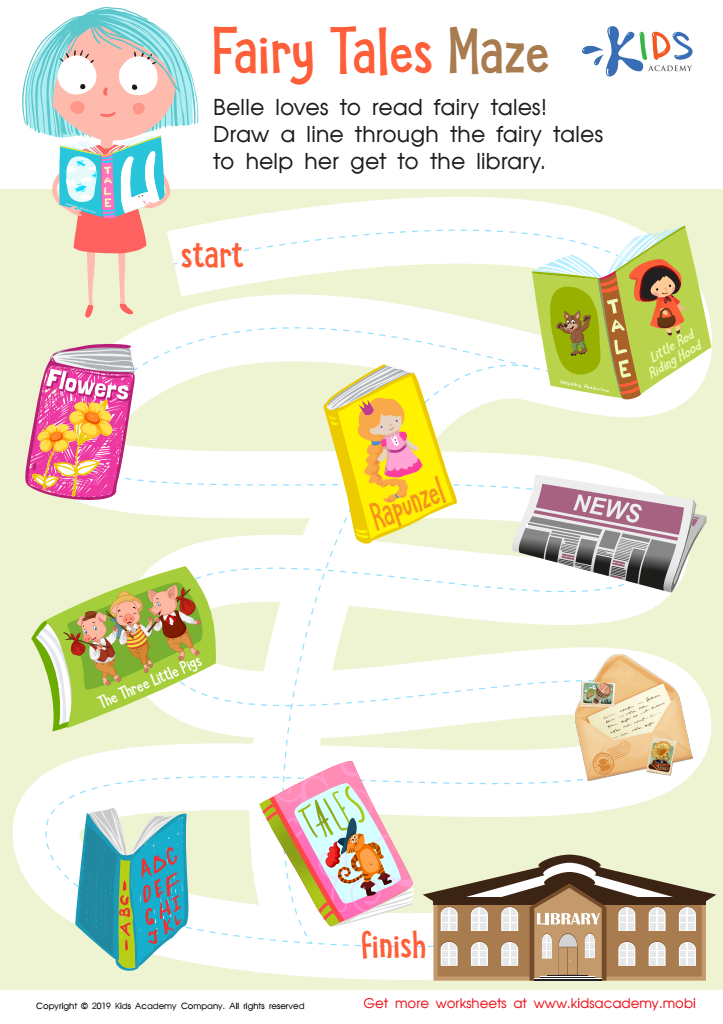
Fairy Tales Maze Worksheet
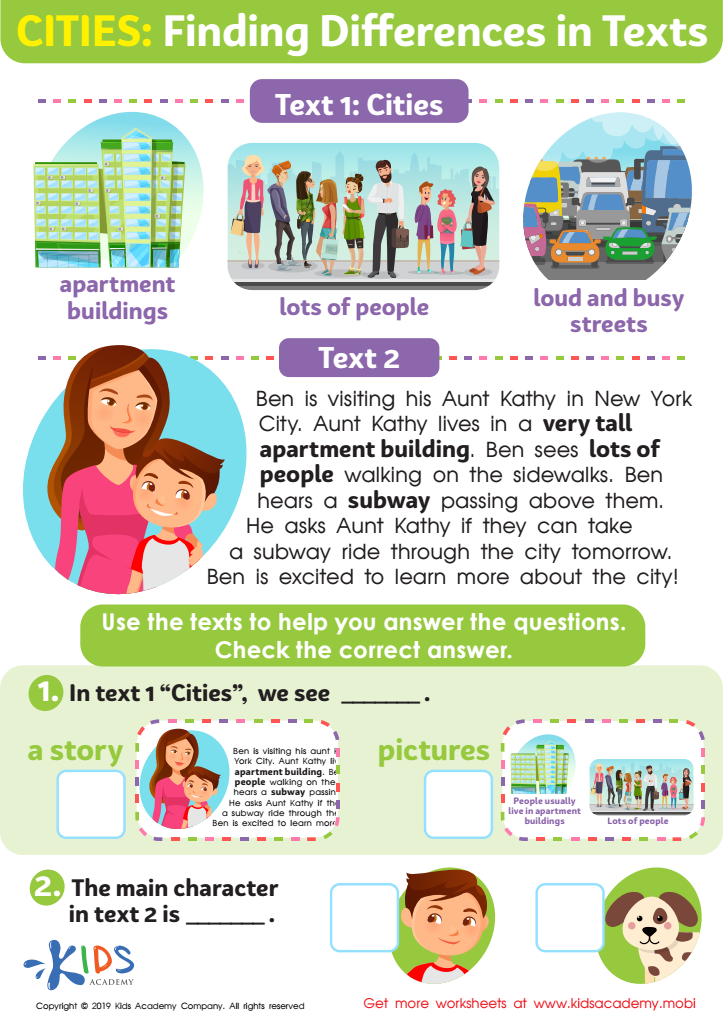
Cities: Finding Differences Worksheet
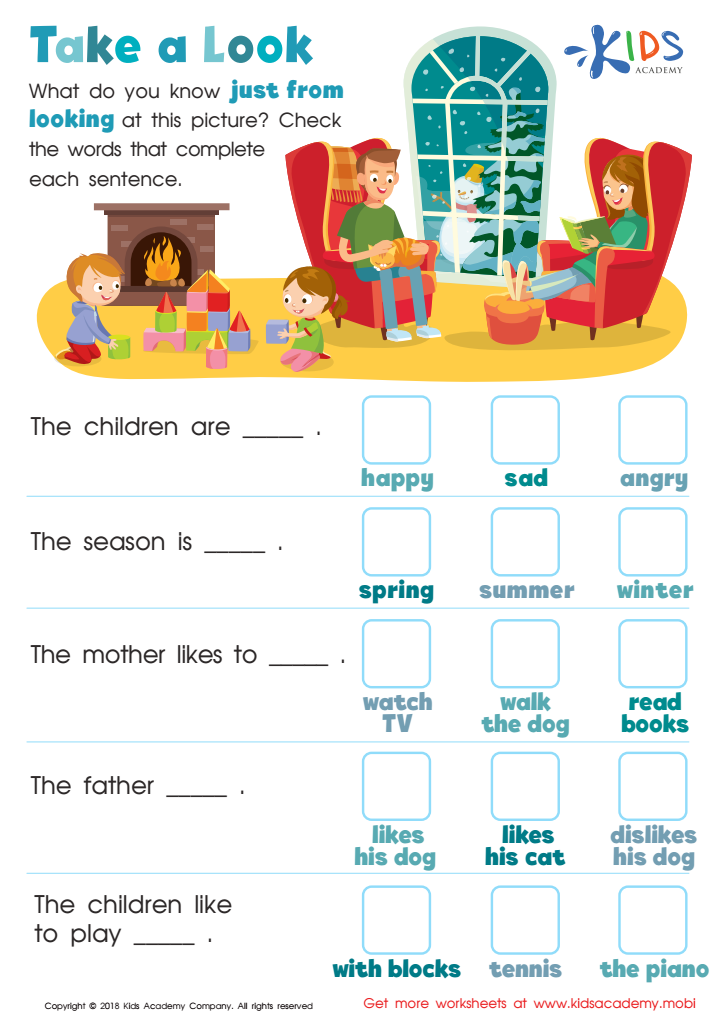
Take a Look - Part 1 Worksheet
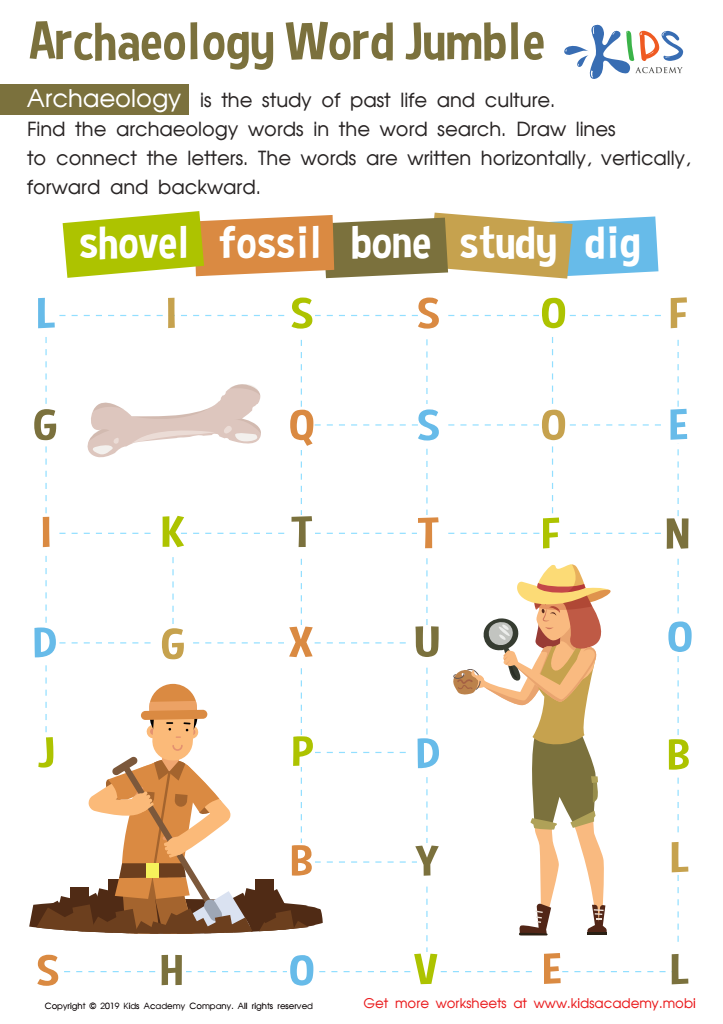
Archaeology Word Jumble Worksheet
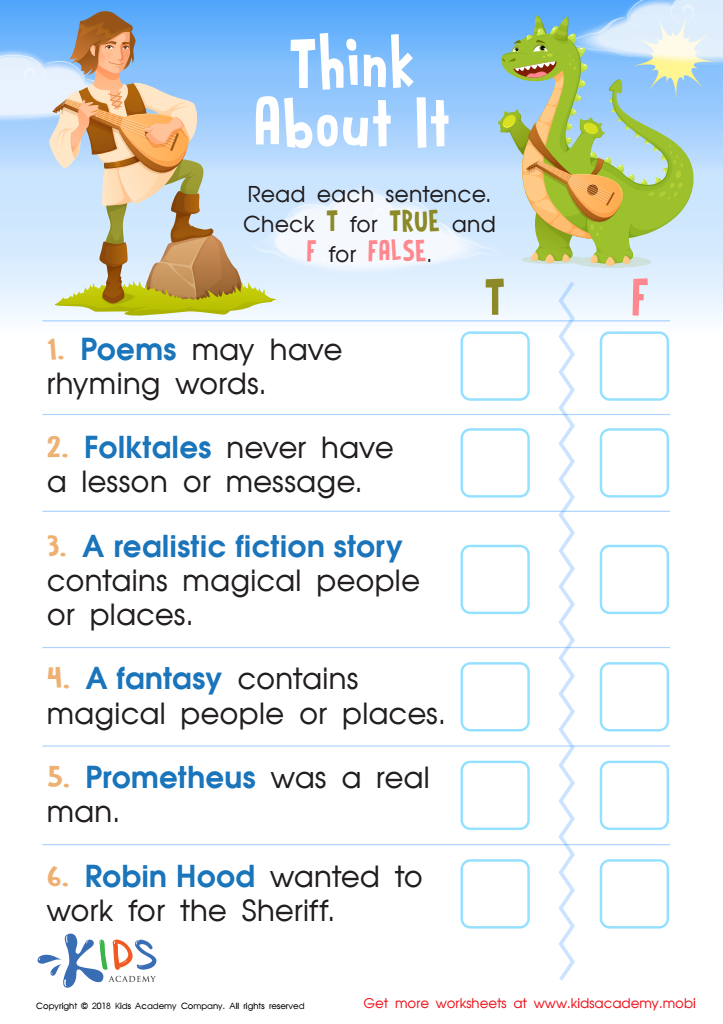
Think About It: Assessment Worksheet







Problem-solving skills are fundamental for children ages 3-9 as they lay the groundwork for critical thinking, adaptability, and decision-making—essential skills for lifelong learning. When parents and teachers prioritize problem-solving in reading, they empower children to engage actively with texts, enhancing comprehension and analytical abilities. This engagement fosters a love for reading, as children learn to navigate stories, predict outcomes, and make connections between ideas.
At this developmental stage, children are naturally curious and eager to explore. By incorporating problem-solving activities into reading experiences, educators and parents can nurture this curiosity, encouraging children to ask questions, explore alternatives, and consider various perspectives. Such skills are not only crucial for academic success but play a vital role in social interactions, as children learn to collaborate and resolve conflicts.
Furthermore, instilling strong problem-solving skills early fosters resilience. Children learn that challenges can be tackled through persistence and creativity, setting a foundation for overcoming obstacles in their future educational journeys and daily lives. In summary, prioritizing problem-solving in reading cultivates critical thinking and resilience, making it imperative for both parents and teachers to foster these skills in young learners.








