Analytical skills Science Worksheets for Ages 3-9
6 filtered results
-
From - To
Unlock your child's potential with our Analytical Skills Science Worksheets designed for ages 3-9! These engaging worksheets foster critical thinking and problem-solving abilities through fun, age-appropriate activities. Kids will explore concepts in science while enhancing their analytical skills through puzzles, experiments, and hands-on tasks that encourage exploration and inquiry. Perfect for home and classroom use, our printable resources ensure that learning is both educational and enjoyable. Equip your young learners with the tools they need to succeed in STEM fields and beyond. Download our worksheets today and watch your child thrive as they develop essential analytical thinking skills!
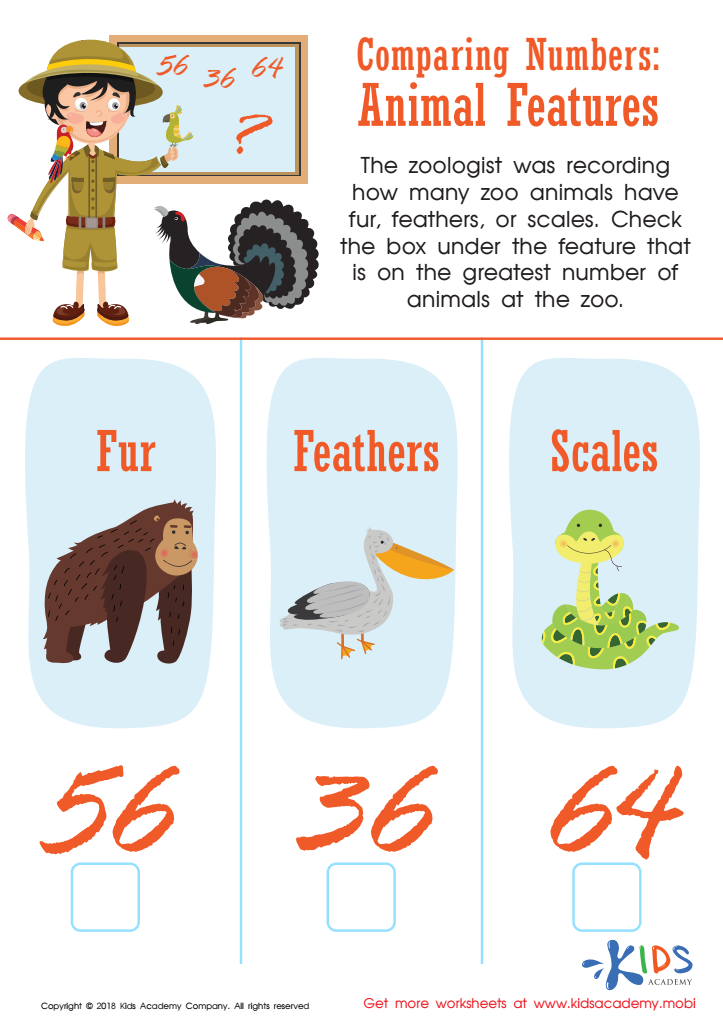
Animal Features Worksheet
 Assign to My Students
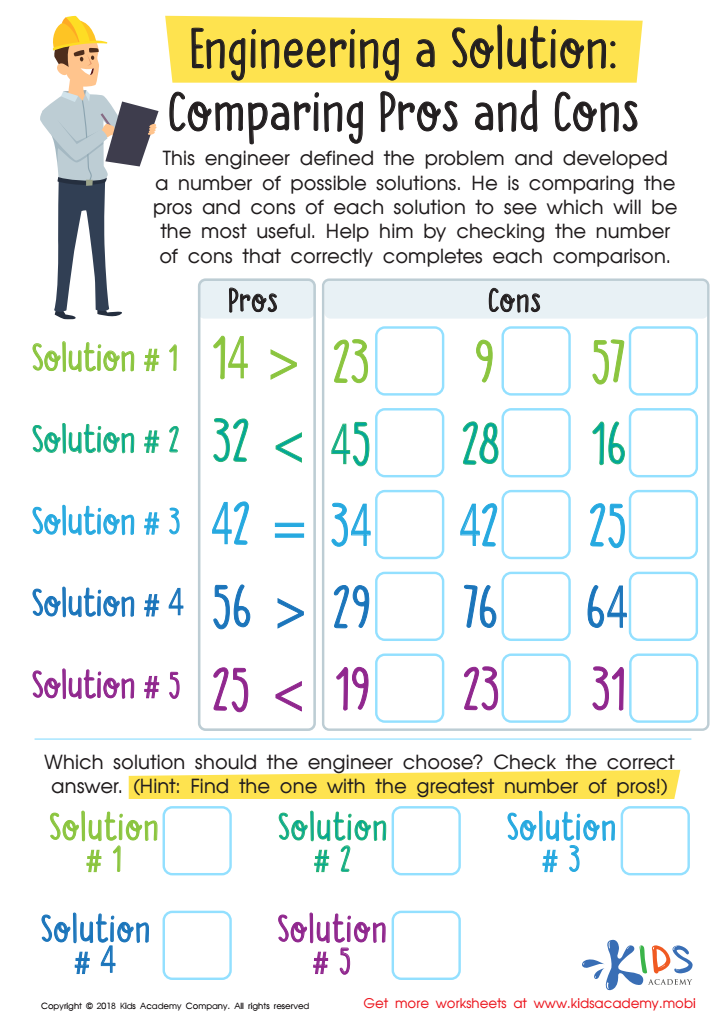
Engineering a Solution: Comparing Pros and Cons Worksheet

Identifying a Problem Worksheet
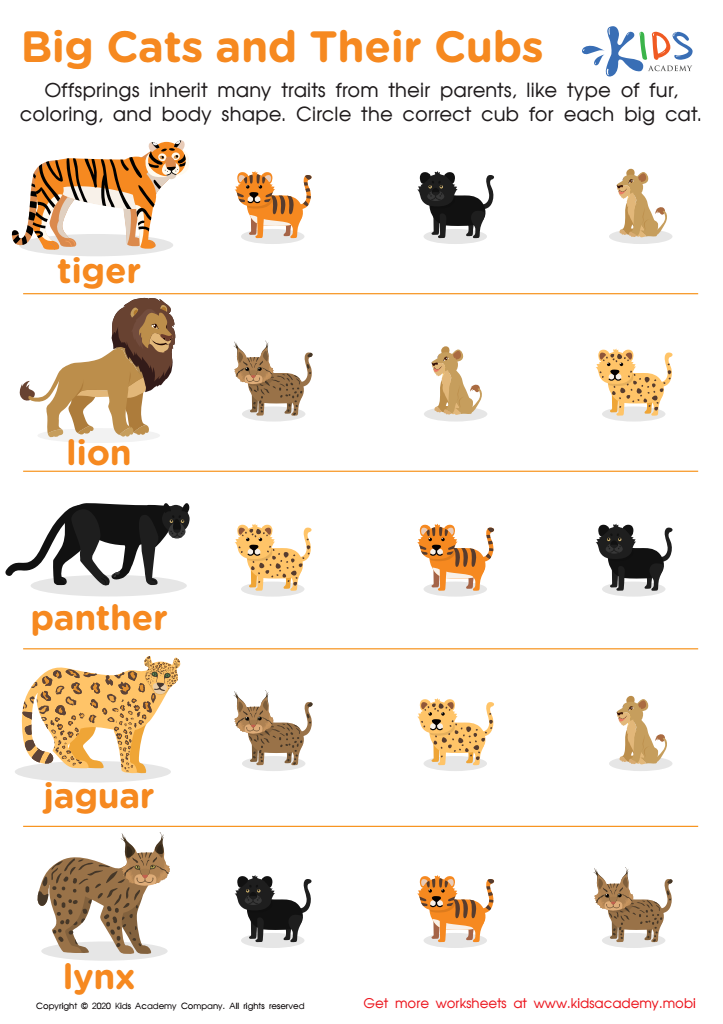
Big Cats and Their Cubs Worksheet
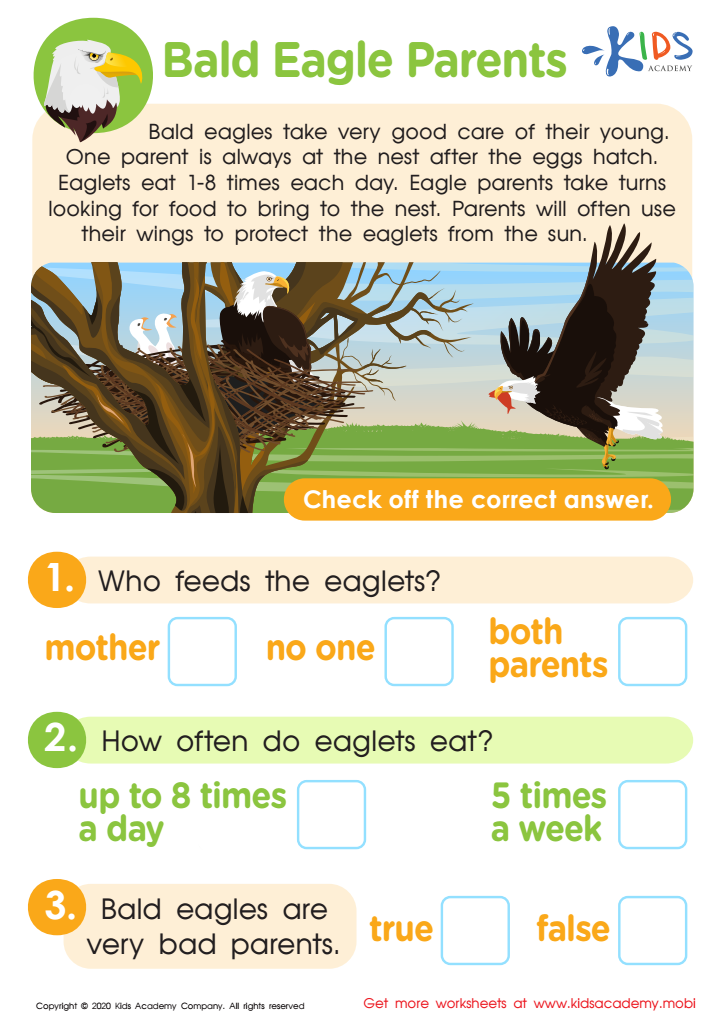
Bald Eagle Parents Worksheet
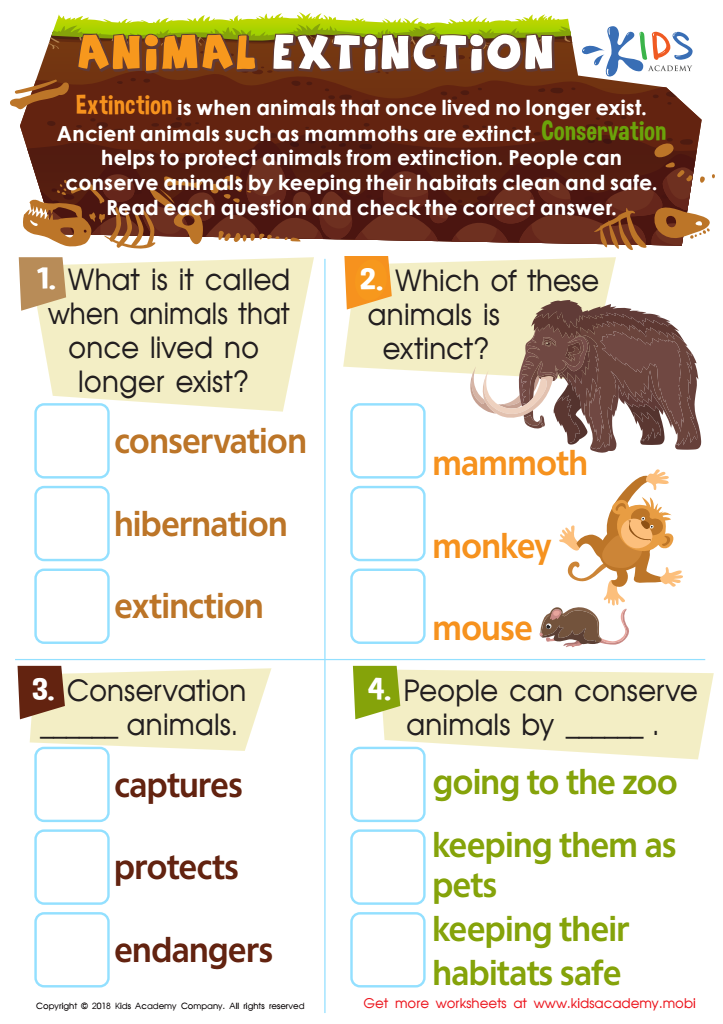
Animal Extinction Worksheet








Analytical skills are crucial for children's development, especially in the early years, as they lay the foundation for critical thinking, problem-solving, and decision-making. For children aged 3-9, science provides an engaging context through which analytical skills can flourish.
Parents and teachers should care about fostering these skills at this age because children are naturally curious about the world around them. By introducing scientific concepts, they learn to observe, ask questions, formulate hypotheses, and draw conclusions. These activities enhance cognitive development and encourage creativity. For instance, conducting simple experiments not only teaches scientific principles but also promotes patience and resilience when things don’t go as planned.
Moreover, strong analytical skills have long-term academic benefits. Children who can think critically are better equipped to tackle complex subjects later on. This ability will serve them well beyond the classroom, fostering capabilities that are vital in real-life scenarios and future careers.
Additionally, in a world increasingly driven by technology and data, nurturing analytical thinking can empower children to navigate challenges with confidence. Ultimately, engaging children in science prepares them to make informed decisions and enhances their overall educational experience, leading to well-rounded individuals ready for the future.







