Counting practice Science Worksheets for Ages 3-9
6 filtered results
-
From - To
Enhance your child’s counting skills with our engaging Science Worksheets designed for ages 3-9! Our resource features fun and interactive activities that not only promote numeracy but also spark an interest in science concepts. Through colorful illustrations and hands-on exercises, children will practice counting objects in nature, learn to track changes in the environment, and discover the wonders of the world around them. These worksheets provide a perfect blend of educational content and enjoyable learning experiences. Encourage your child's exploration of numbers and science simultaneously, setting the foundation for critical thinking and problem-solving skills. Start your adventure in learning today!
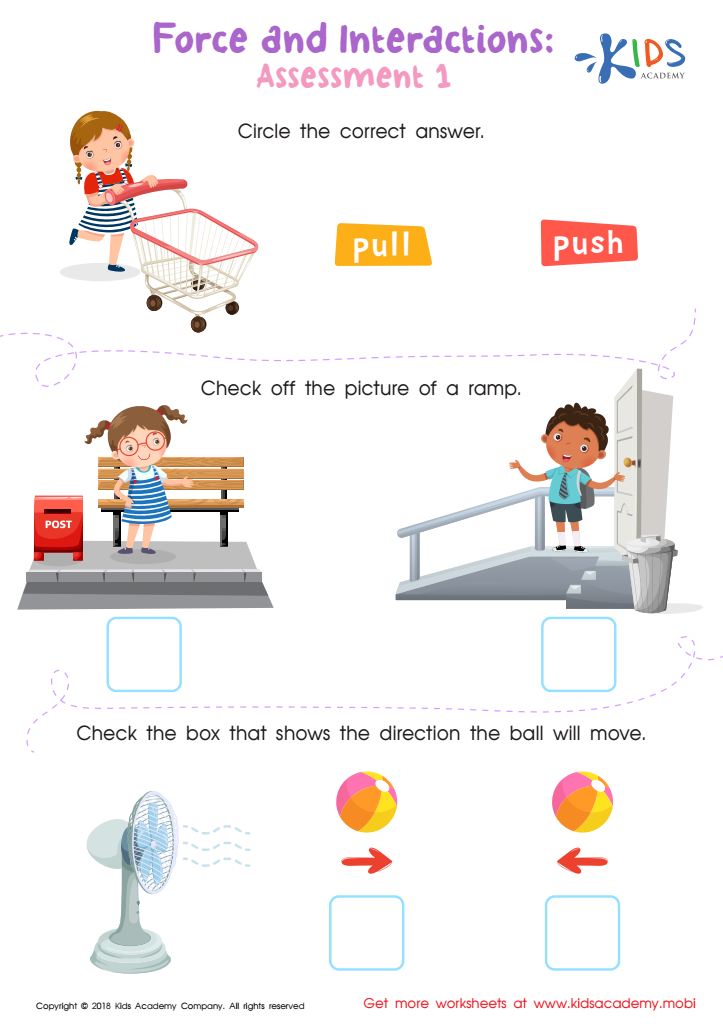
Force and Interactions: Assessment 1 Worksheet
 Assign to My Students
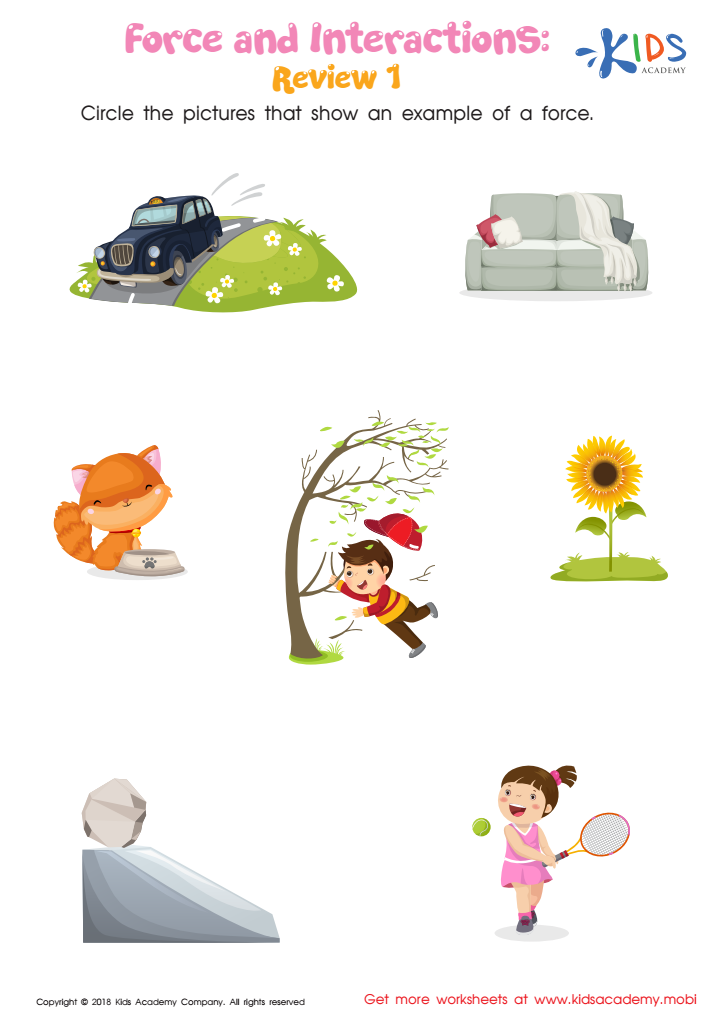
Force and Interactions: Review 1 Worksheet
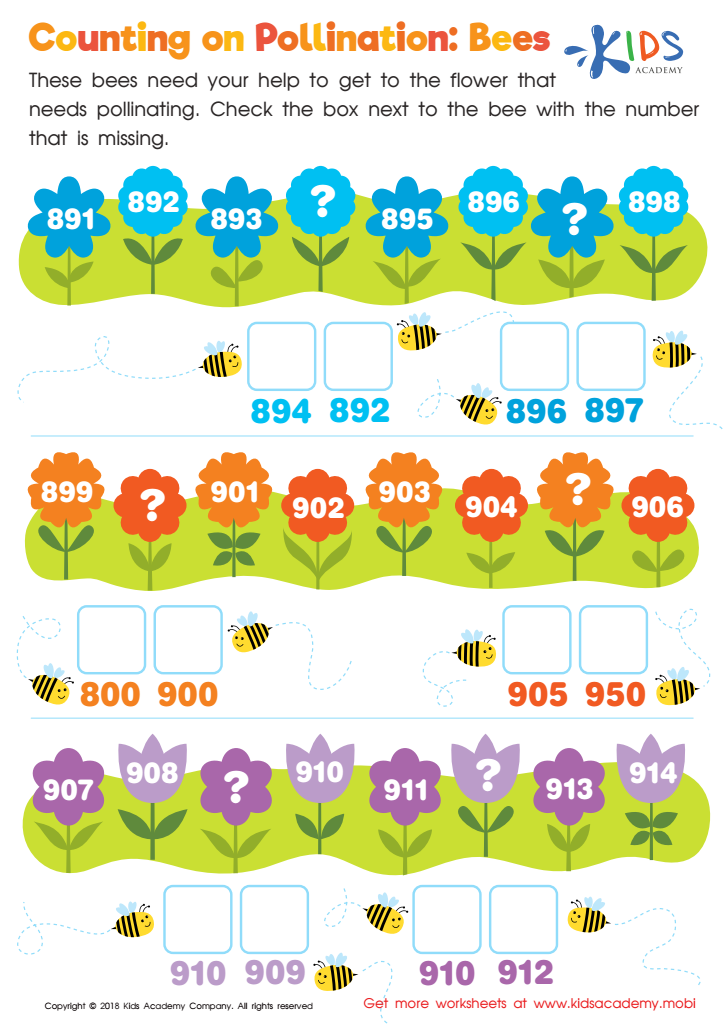
Counting on Pollination: Bees Worksheet
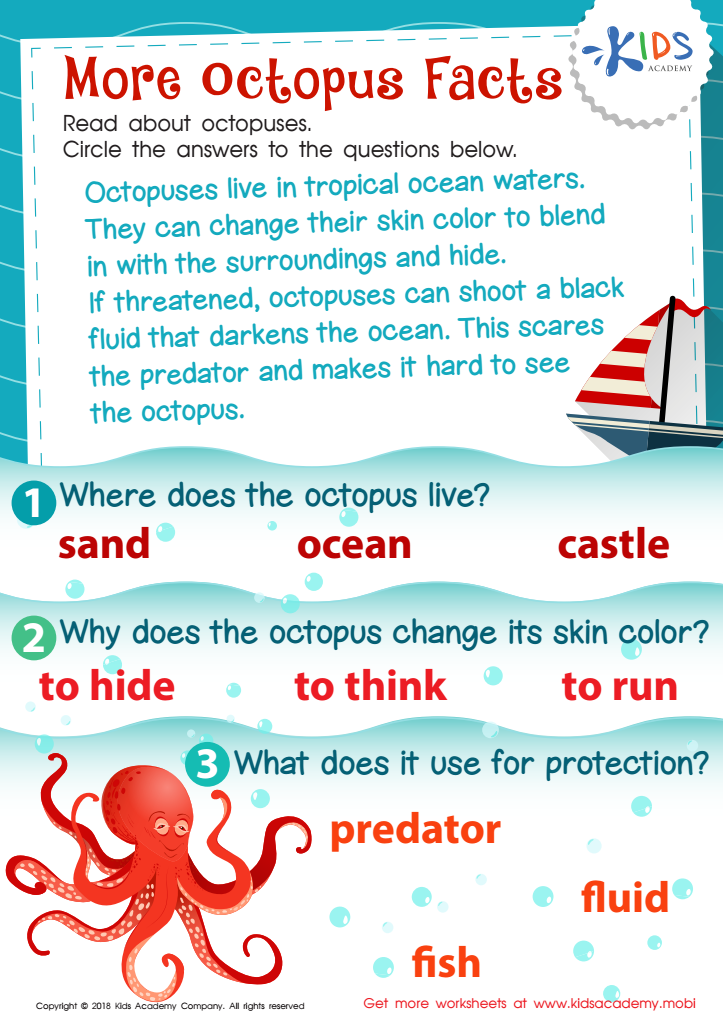
More Octopus Facts Worksheet
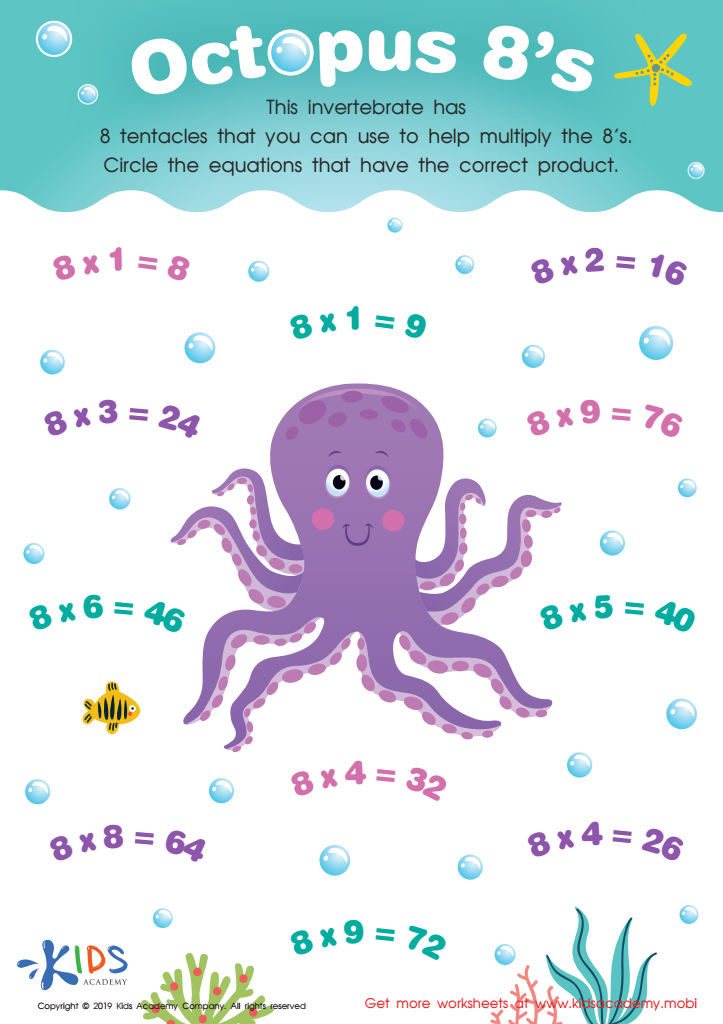
Octopus 8’s Worksheet



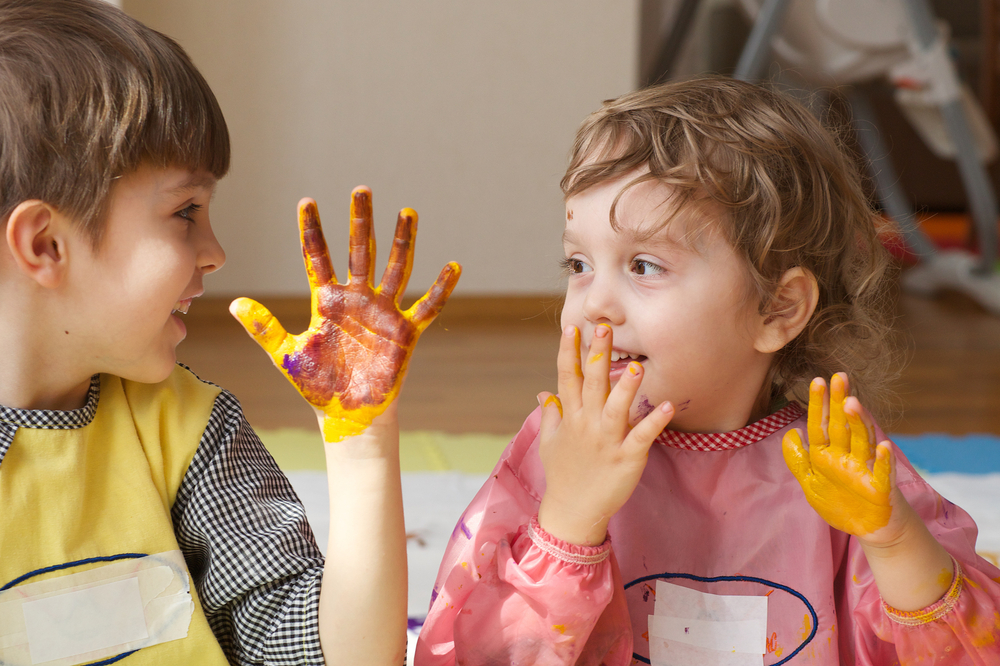




Counting practice is crucial in a child's early development, especially for ages 3-9, as it lays the foundation for mathematical understanding and critical thinking skills. For parents and teachers, engaging children in counting activities enhances cognitive development by introducing basic numerical concepts and encouraging fine motor skills through interactive play. Activities that promote counting can also foster social development, as children often work in groups, taking turns and sharing resources.
Moreover, using counting in a science context can ignite an early interest in STEM (science, technology, engineering, and mathematics). For instance, counting items in nature or measuring ingredients while cooking teaches children practical applications of math within scientific exploration. This integration of disciplines helps children make connections between concepts, enhancing their problem-solving abilities and curiosity.
Furthermore, establishing strong counting skills by age 9 prepares children for future academic success, as they will encounter increasingly complex mathematical problems and scientific concepts later on. In summary, for parents and teachers, emphasizing counting practice in a science context not only supports mathematical literacy but also promotes broader intellectual and social development, nurturing well-rounded learners prepared for future challenges.







