
Space knowledge Science Worksheets for Ages 3-9
5 filtered results
Difficulty Level
Grade
Age
-
From - To
Subject
Activity
Standards
Explore the wonders of the universe with our "Space Knowledge Science Worksheets for Ages 3-9"! Designed to captivate young minds, these engaging worksheets introduce children to the galaxy, planets, stars, and more through fun activities and colorful illustrations. Perfect for early learners, they reinforce essential skills such as critical thinking, creativity, and fine motor skills. Each worksheet promotes curiosity and learning about space, helping to instill a lasting fascination with science. Whether at home or in the classroom, these resources make learning about space an exciting adventure. Download and inspire your child's imagination today!
Favorites
With answer key
Interactive
 Assign to My Students
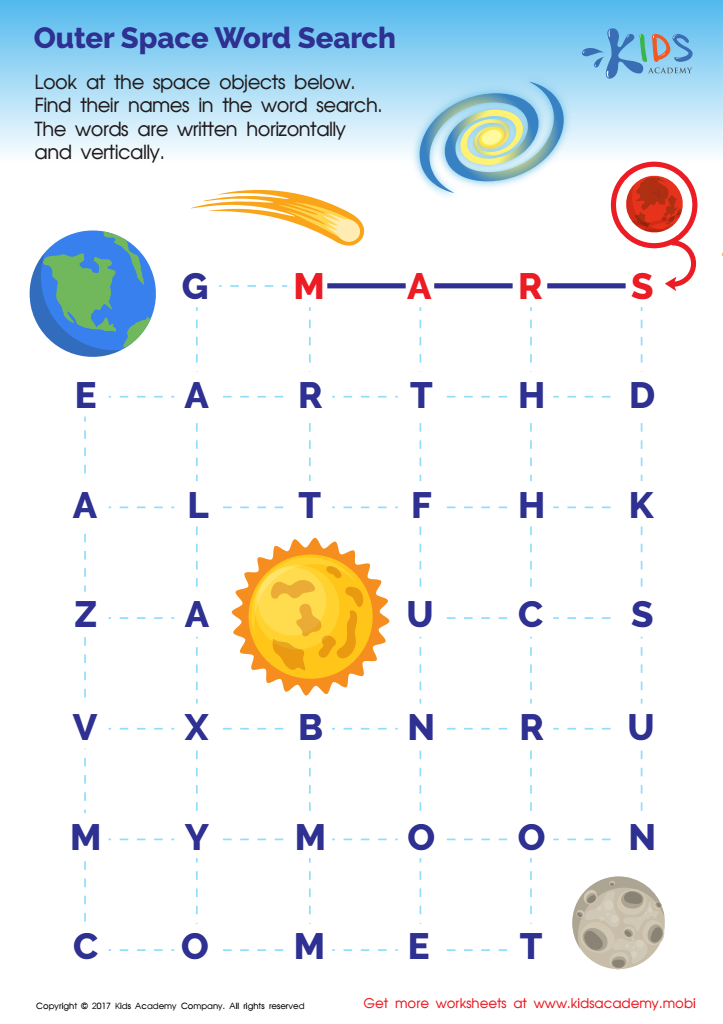
Outer Space Word Search Printable
Test your child's space knowledge with this fun outer space word search printable! With pictures as clues, they'll hardly realize they're learning and thinking hard. Let them have a blast finding each of the words!
Outer Space Word Search Printable
Worksheet
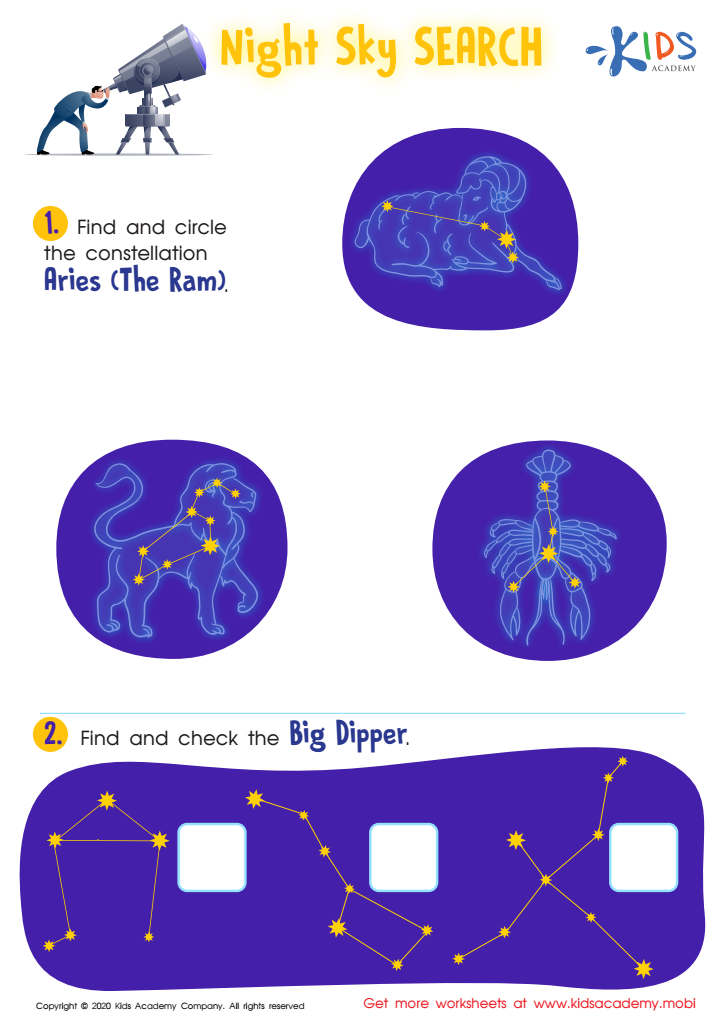
Night Sky Search Worksheet
Gaze up into the night sky and spot the stars! Your little astronomer can learn about Aries and Big Dipper constellations with this science worksheet. Simply find the ram for Aries and check the box for Big Dipper. Then, when the weather is right, go outside and look for them in the night sky!
Night Sky Search Worksheet
Worksheet
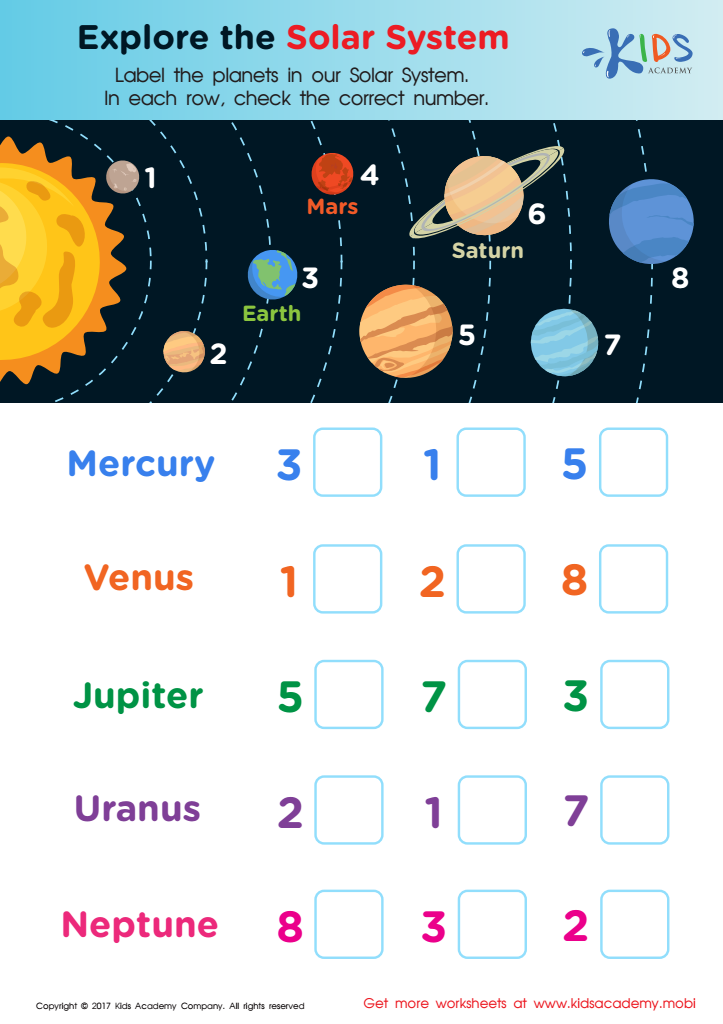
Solar System Planets Worksheet
Kids can explore outer space and learn the order of our solar system with this fun worksheet PDF! It features brilliantly colored illustrations to help them understand the third planet from the sun - Earth - and the rest. It's a great way to start learning about our galaxy!
Solar System Planets Worksheet
Worksheet
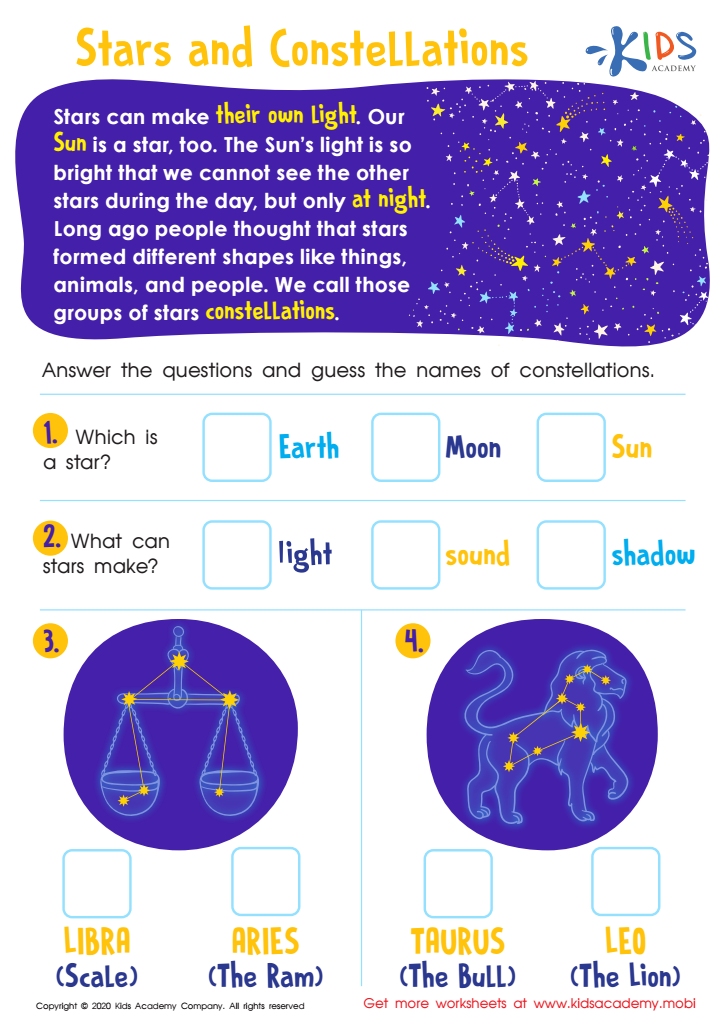
Stars and Constellations Worksheet
Learn about stars and constellations with this entertaining worksheet! Read the passage at the top of the page to gain an understanding of stars, then test your child's knowledge with the questions below. Check the right answers and finish this science worksheet with your child - they'll be amazed that stars can make their own light, just like the sun!
Stars and Constellations Worksheet
Worksheet
Join Kids Academy for Free
Who is primarily going to use this learning content?


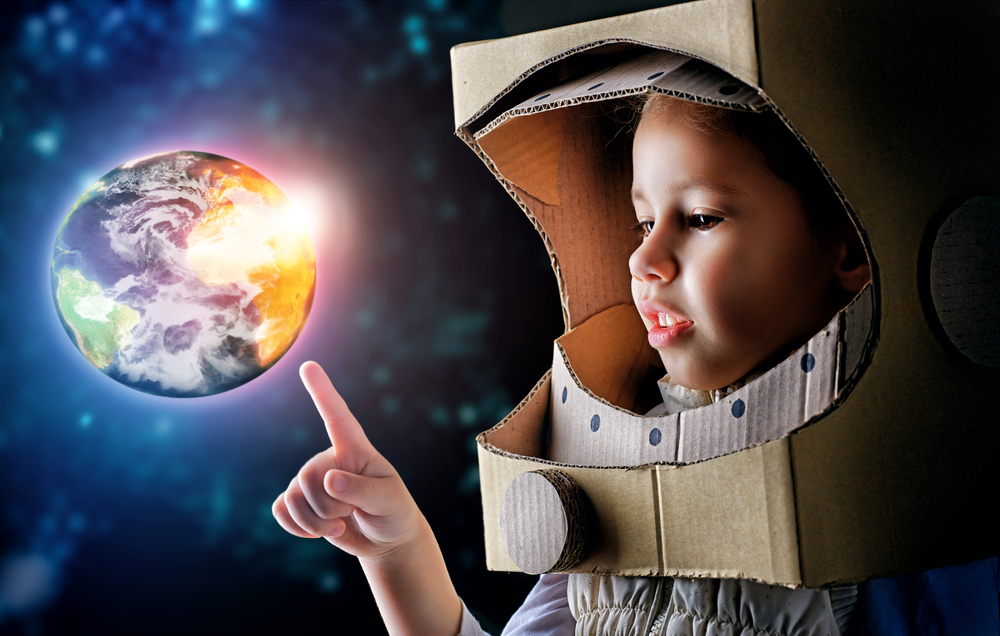



Understanding space science is crucial for children ages 3-9 as it sparks curiosity, creativity, and a sense of wonder about the universe. At this age, children are naturally inquisitive, and introducing them to space knowledge encourages exploratory learning and critical thinking. Learning about space, such as planets, stars, and galaxies, helps children develop a foundational understanding of Earth’s place in the cosmos.
Space knowledge also enhances literacy and cognitive skills. Activities around space can involve storytelling, art, and problem-solving that engage various learning styles. For instance, defining different planets can lead to exciting artistic projects or storytelling exercises, all of which contribute to holistic development.
Furthermore, instilling an interest in space can inspire future STEM (Science, Technology, Engineering, and Math) engagement. As the world increasingly relies on technology, integrating space education can foster early interests in these fields, preparing children for future educational paths and careers.
Ultimately, space science helps children cultivate an appreciation for the unknown, balancing imagination with scientific inquiry. By fostering curiosity about space, parents and teachers can ignite lifelong passions in their students, leading to informed individuals who might contribute to future discoveries in science and technology.







