Animal identification Plants and Animals Worksheets for Ages 3-9
5 filtered results
-
From - To
Discover fun and engaging Animal Identification Worksheets designed for children ages 3-9. These printable worksheets from Kids Academy are perfect for helping young learners recognize and identify different animals, enhancing their science skills. Each worksheet features colorful illustrations and interactive activities that make learning about animals both educational and enjoyable. Perfect for home or classroom use, your child can develop a love of animals while improving their observation and identification skills through playful exercises. Embark on a learning adventure as your child explores the wonderful world of animals with these expertly crafted resources.
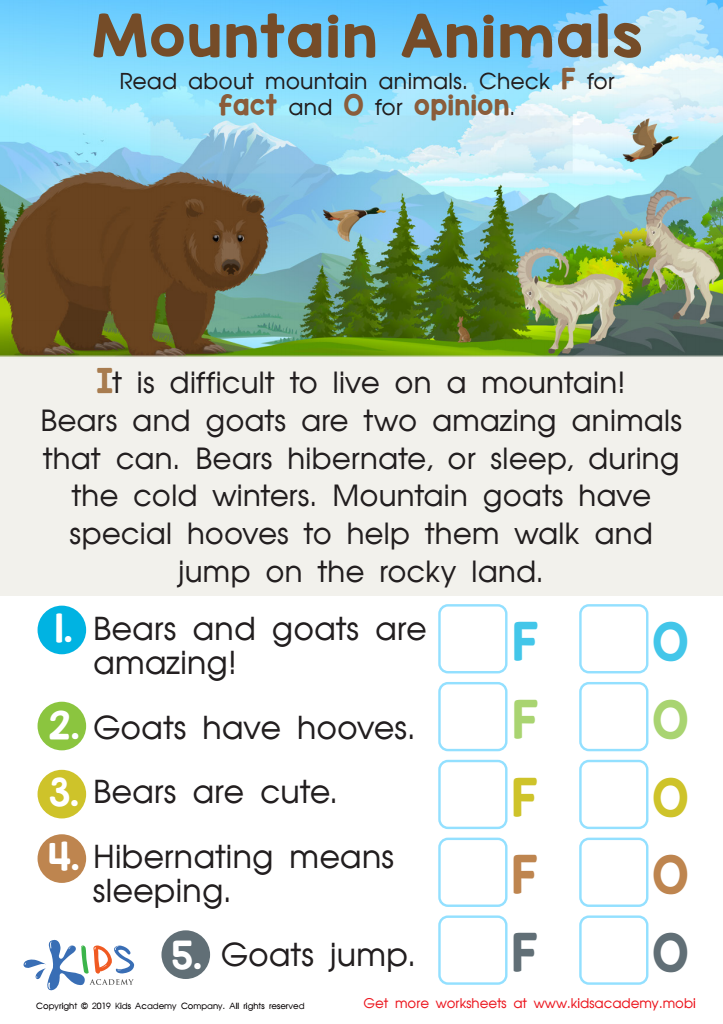
Mountain Animals Worksheet
 Assign to My Students











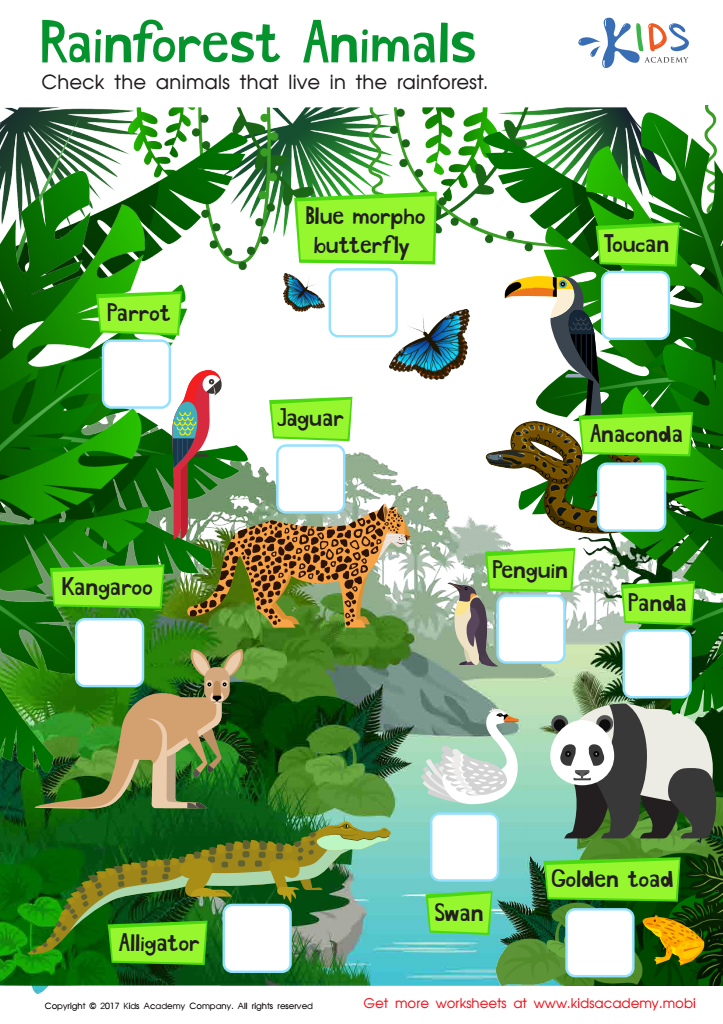
Rainforest Animals Worksheet
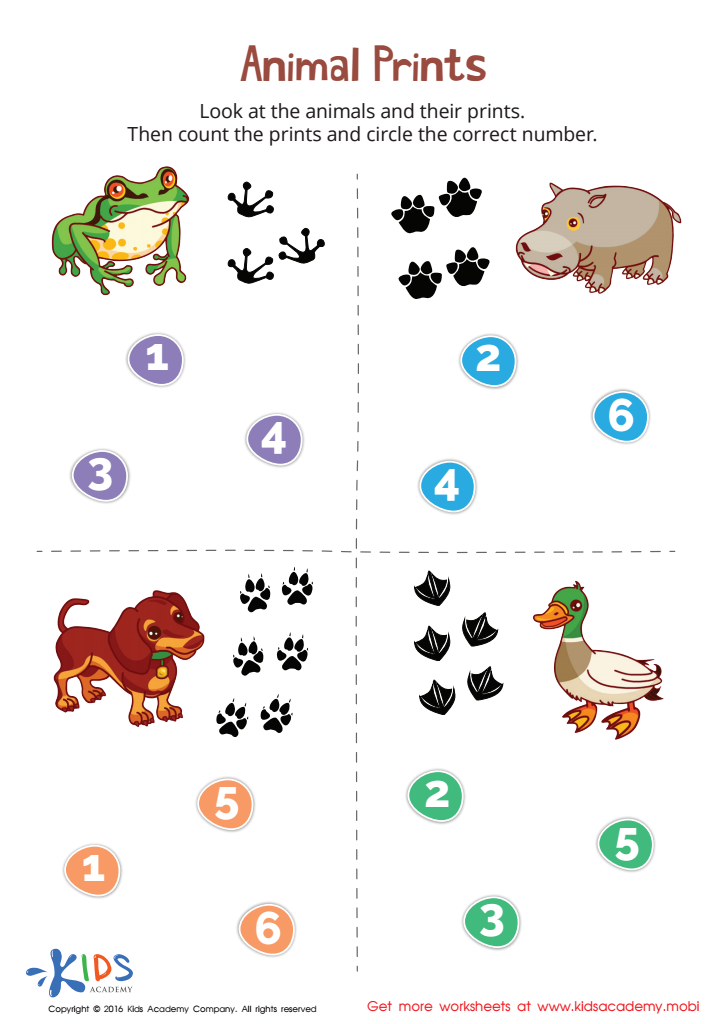
Animal Prints Match-Up Worksheet
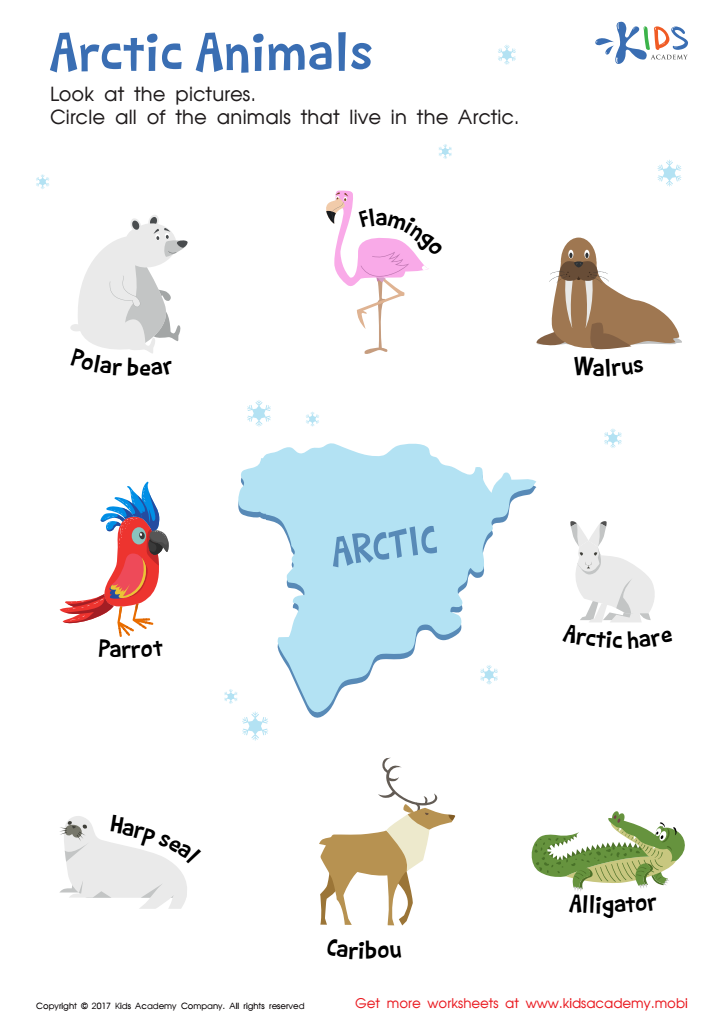
Arctic Animals Worksheet
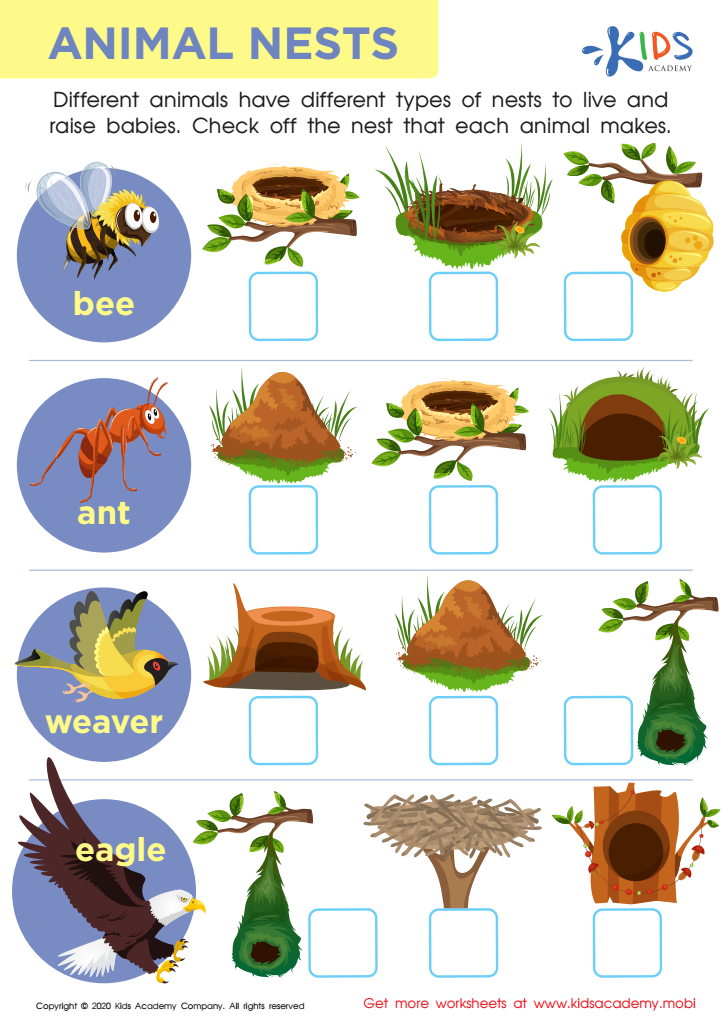
Animal Nests Worksheet








Parents and teachers should care deeply about introducing animal identification to children ages 3-9 because it serves multiple developmental and educational purposes. For young children, learning to identify animals fosters a sense of curiosity and wonder about the natural world. This early exposure helps them develop observational skills and enhances their cognitive development, including memory and attention to detail. Additionally, knowing about different animals and plants can teach children important concepts about biodiversity and ecosystems, fostering an early appreciation for environmental stewardship.
Furthermore, animal identification can seamlessly integrate into various subject areas such as science, language arts, and even mathematics. For example, discussing the habitats of different animals can enhance their understanding of geography, while describing the characteristics of animals improves vocabulary and language skills. Social-emotionally, learning about animals gives children the opportunity to develop empathy and a sense of responsibility, which are key components of their emotional intelligence. Finally, activities like nature walks and outdoor observations can also improve physical health by encouraging kids to spend time outside.
In summary, introducing animal identification for ages 3-9 supports holistic child development, fosters important lifelong skills, and cultivates an early love and respect for the natural world.








