Fine Motor Skills Plants and Animals Worksheets for Ages 3-9
5 filtered results
-
From - To
Explore our engaging Fine Motor Skills Worksheets tailored for children ages 3-9, designed to enhance their coordination and dexterity while learning about plants and animals. These printable activities encourage creativity and hands-on engagement, enabling young learners to trace, color, and cut various animal and plant-themed illustrations. Each worksheet is crafted to spark curiosity about the natural world while improving vital fine motor skills needed for writing and other daily tasks. Perfect for parents and educators alike, these resources foster a love for science, making learning fun and interactive. Download now to support your child's development!
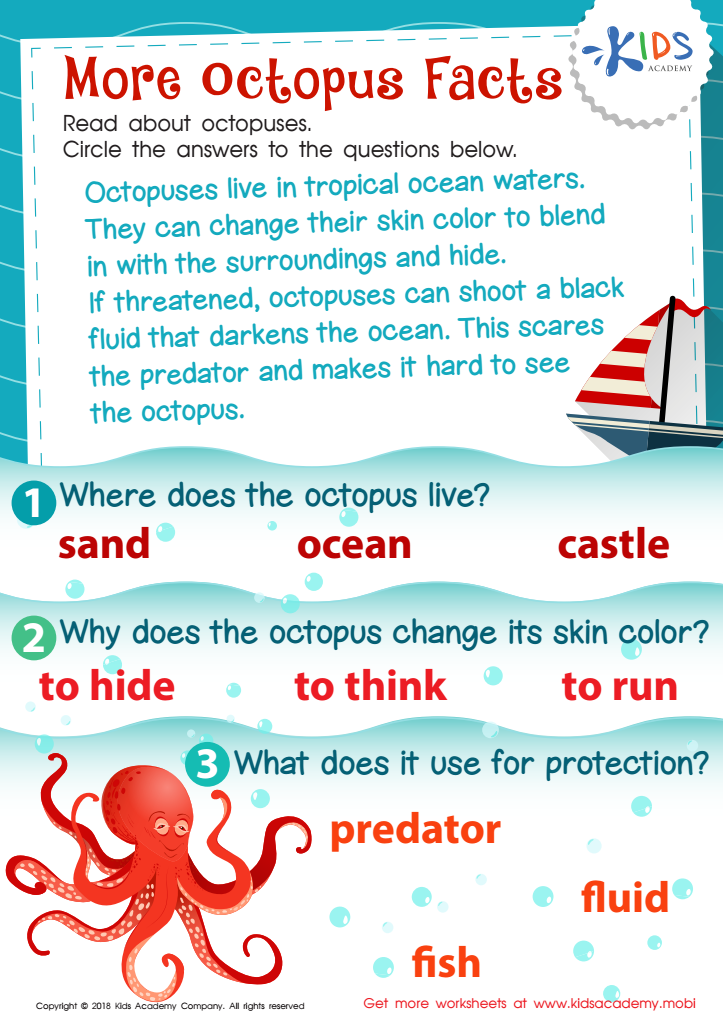
More Octopus Facts Worksheet
 Assign to My Students











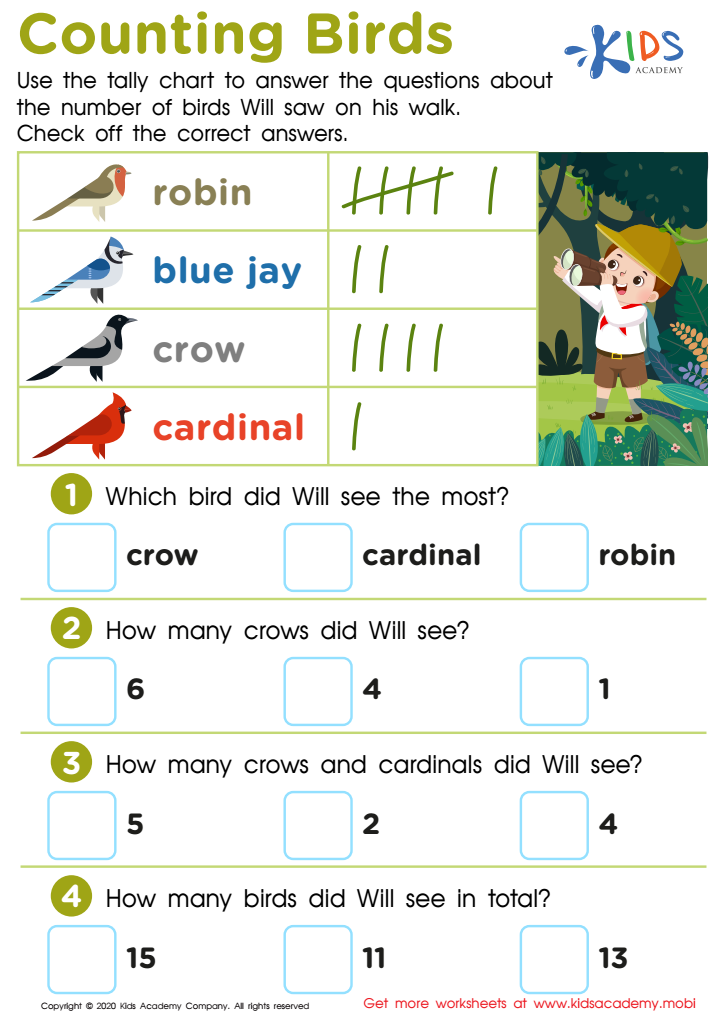
Counting Birds Worksheet
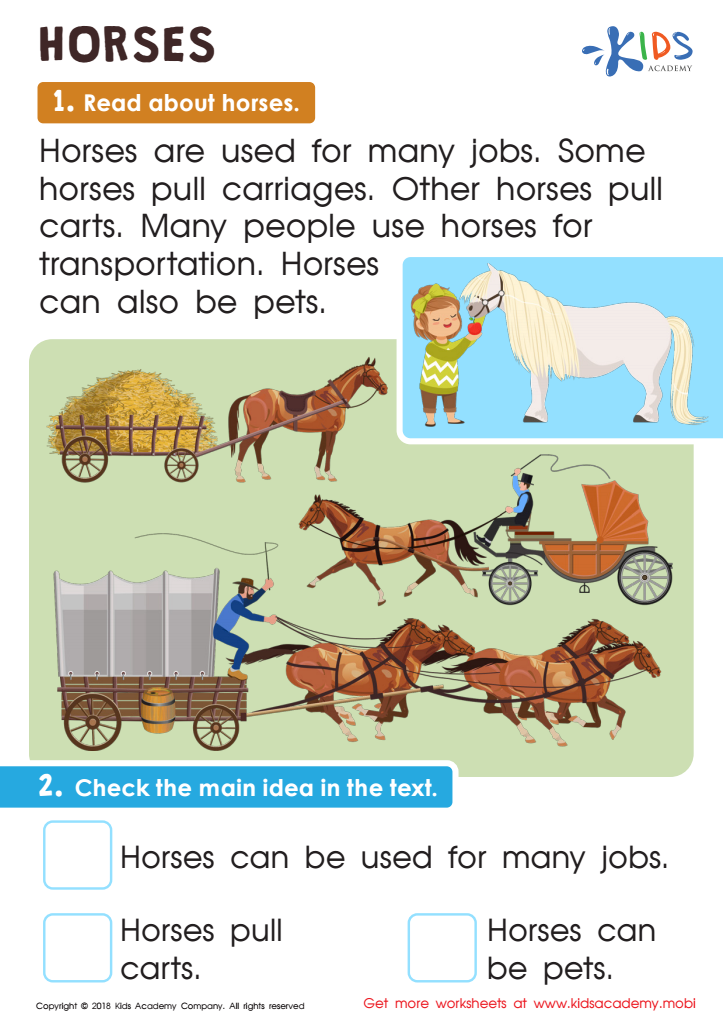
Horses Worksheet
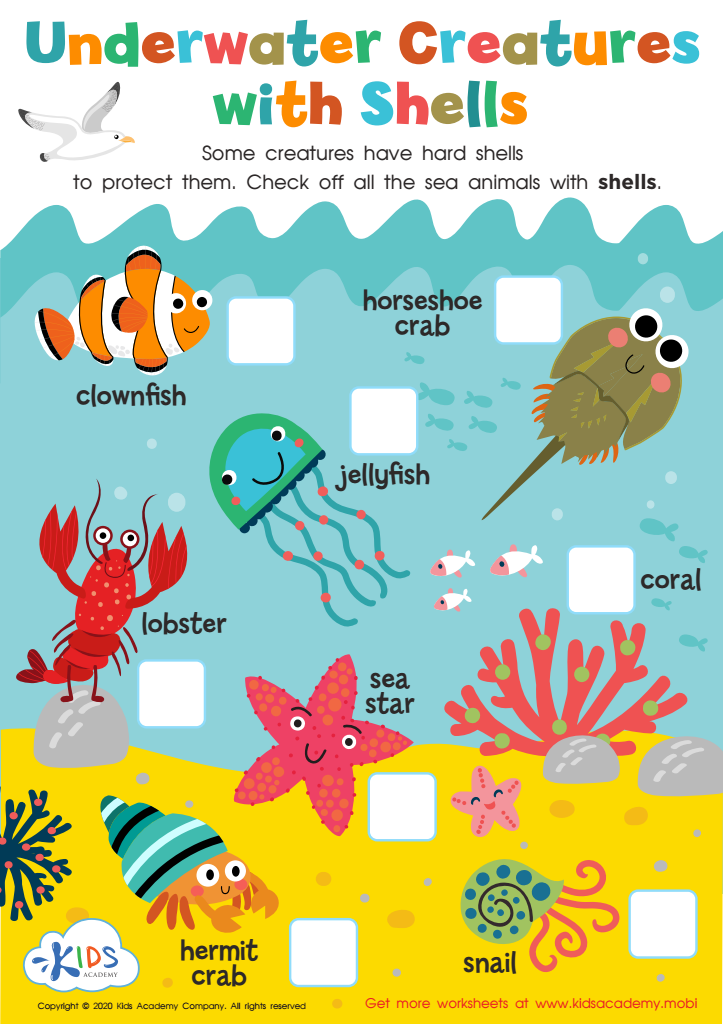
Underwater Creatures with Shells Worksheet
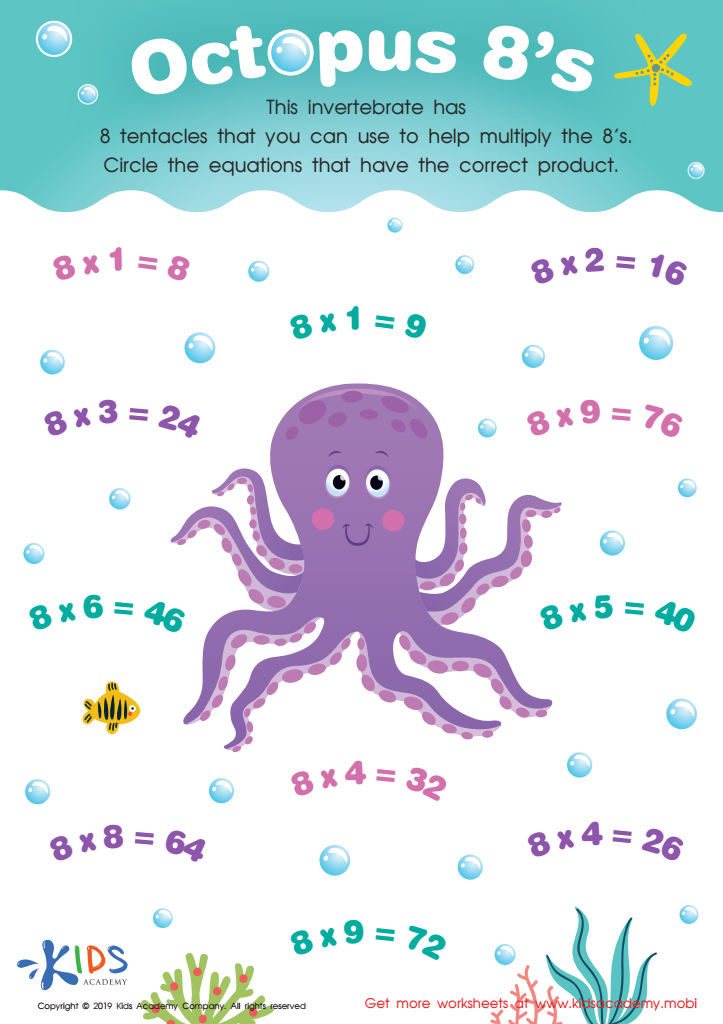
Octopus 8’s Worksheet





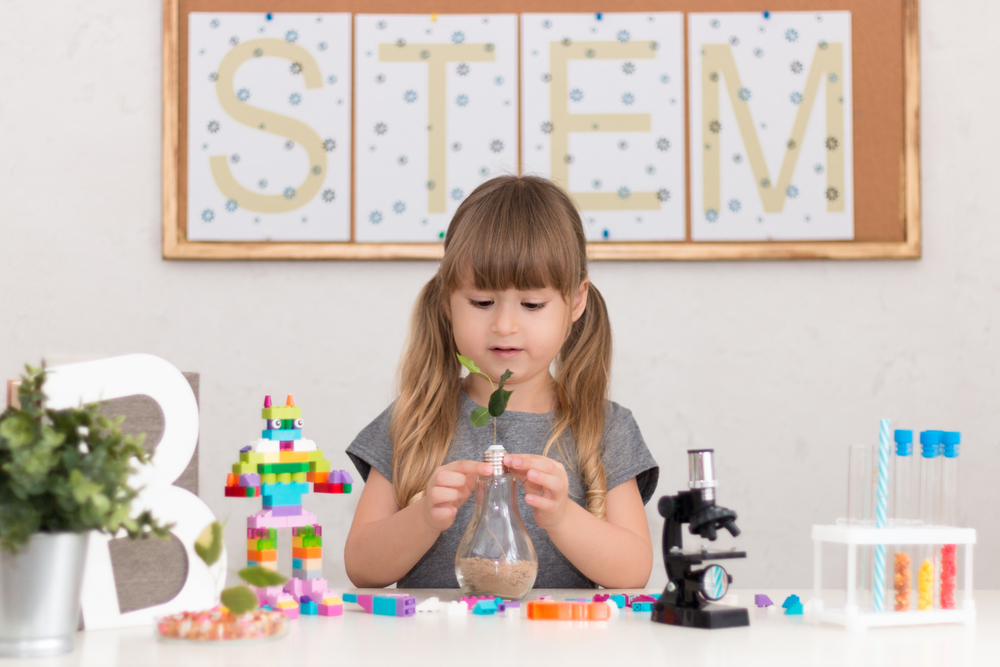


Fine motor skills are crucial for children aged 3-9 as they form the foundation for everyday tasks and academic success. These skills involve the coordination of small muscles in the hands and fingers, essential for activities such as writing, buttoning clothing, and using scissors. Engaging with plants and animals offers a unique opportunity to enhance these skills through enjoyable, hands-on experiences.
For example, activities such as gardening, planting seeds, or caring for animals require precise movements and careful coordination, improving dexterity and hand strength. Parents and teachers can incorporate these activities into play, creating a natural learning environment. Additionally, understanding plants and animals fosters curiosity and a sense of responsibility, which are vital for social-emotional development.
Importantly, learning about the natural world integrates science concepts with fine motor skill practice. Children can draw, label, or journal about their observations, merging creativity with learning. By nurturing fine motor skills through engaging with plants and animals, parents and teachers not only promote physical development but also inspire a lifelong love for nature and learning. This holistic approach encourages cognitive, emotional, and social growth, making it essential for children's overall development during these formative years.








