Vocabulary expansion History Worksheets for Ages 3-9
8 filtered results
-
From - To
Introducing our Vocabulary Expansion History Worksheets, specially designed for children aged 3-9! These engaging worksheets make learning new words fun and interactive while providing insights into historical events and figures. Each activity is tailored to expand young learners' vocabularies, enhance reading comprehension, and spark an interest in history through age-appropriate exercises. From simple matching tasks to more complex sentence construction, our worksheets cater to different skill levels. Perfect for parents and educators alike, these printable resources support early education by combining vocabulary development with thrilling historical adventures. Start expanding your child's vocabulary today through the fascinating world of history!
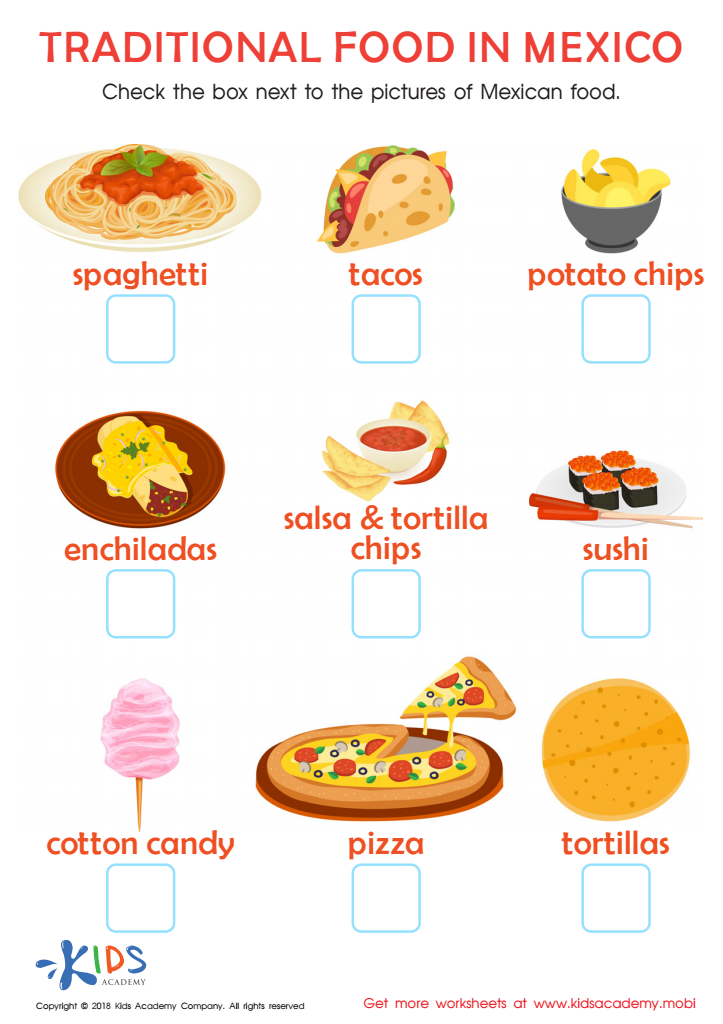
Traditional Food in Mexico Worksheet
 Assign to My Students
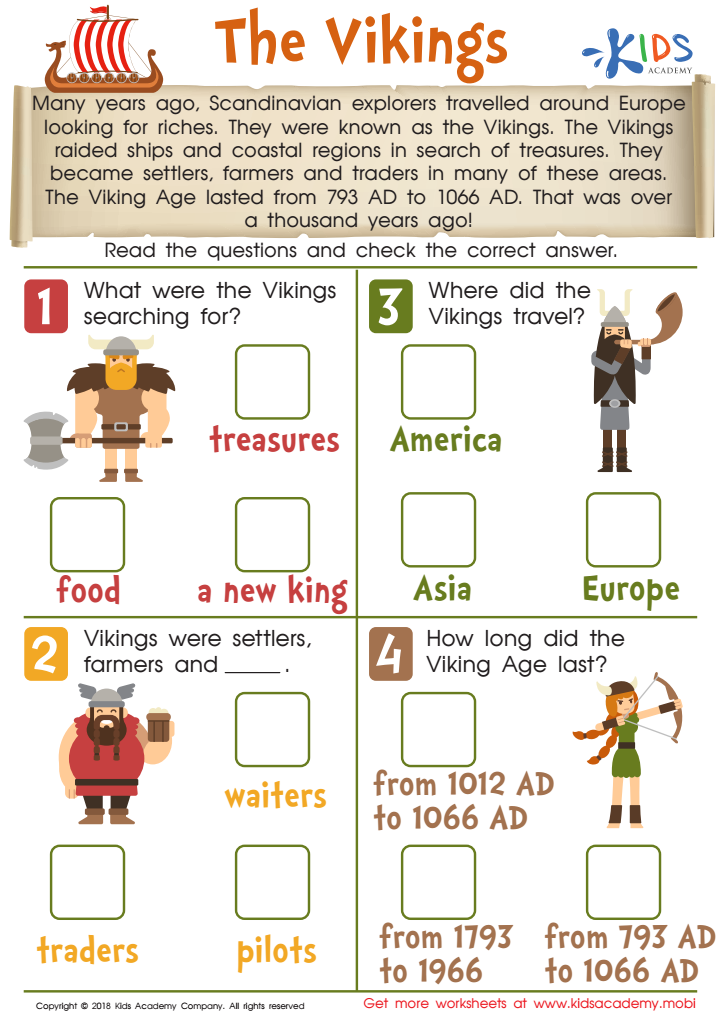
The Vikings Worksheet
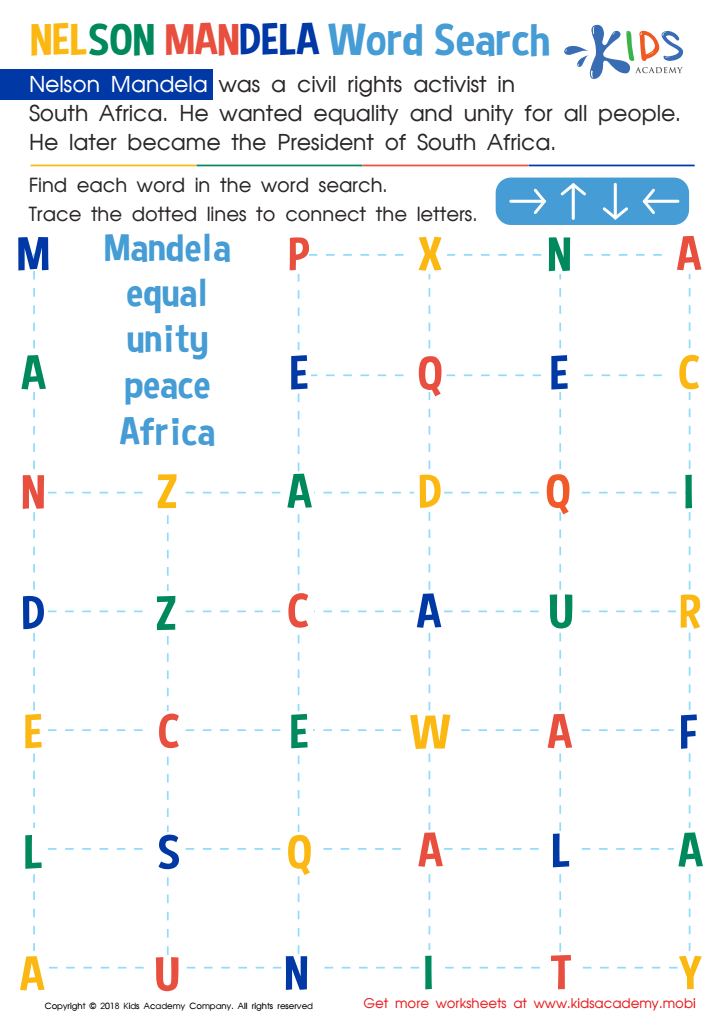
Nelson Mandela Word Search Worksheet
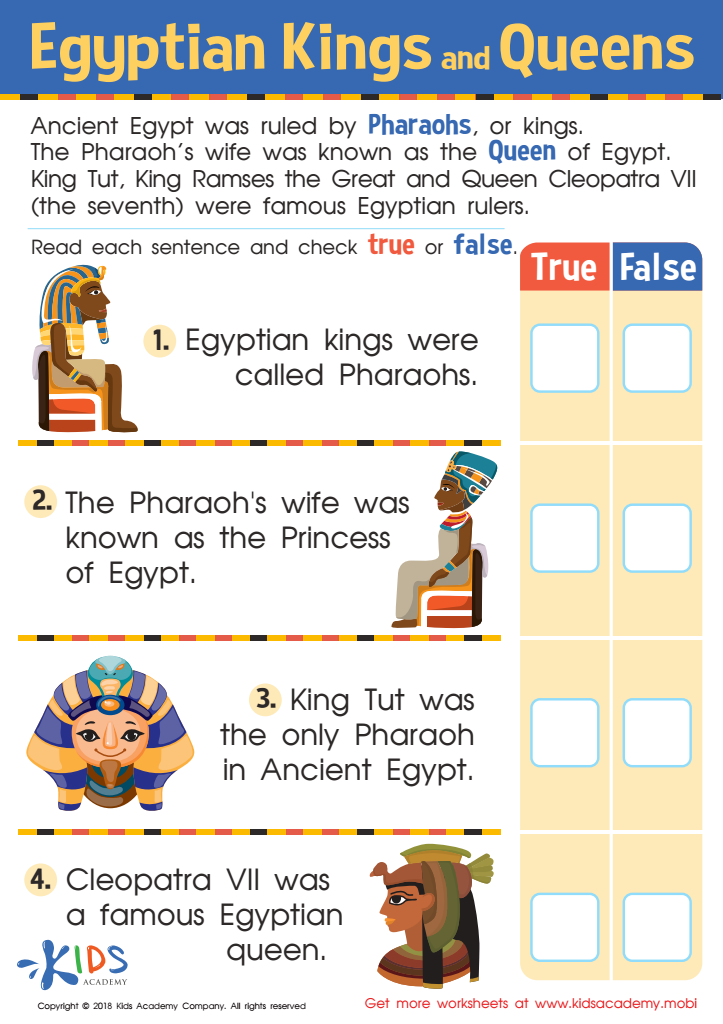
Egyptian Kings and Queens Worksheet
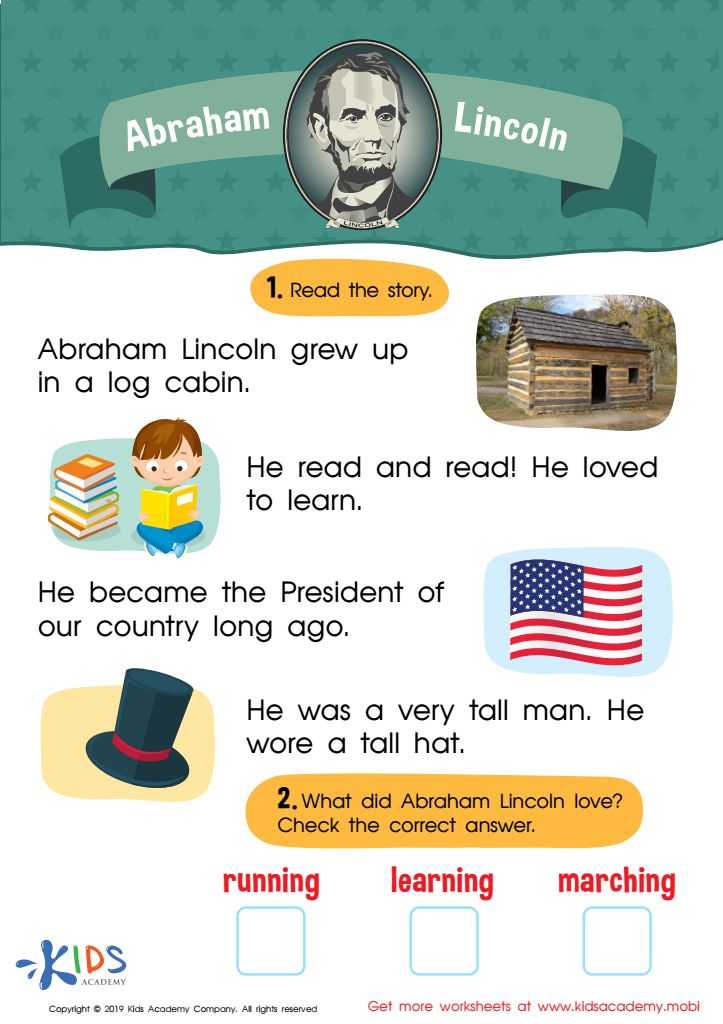
Abraham Lincoln Worksheet
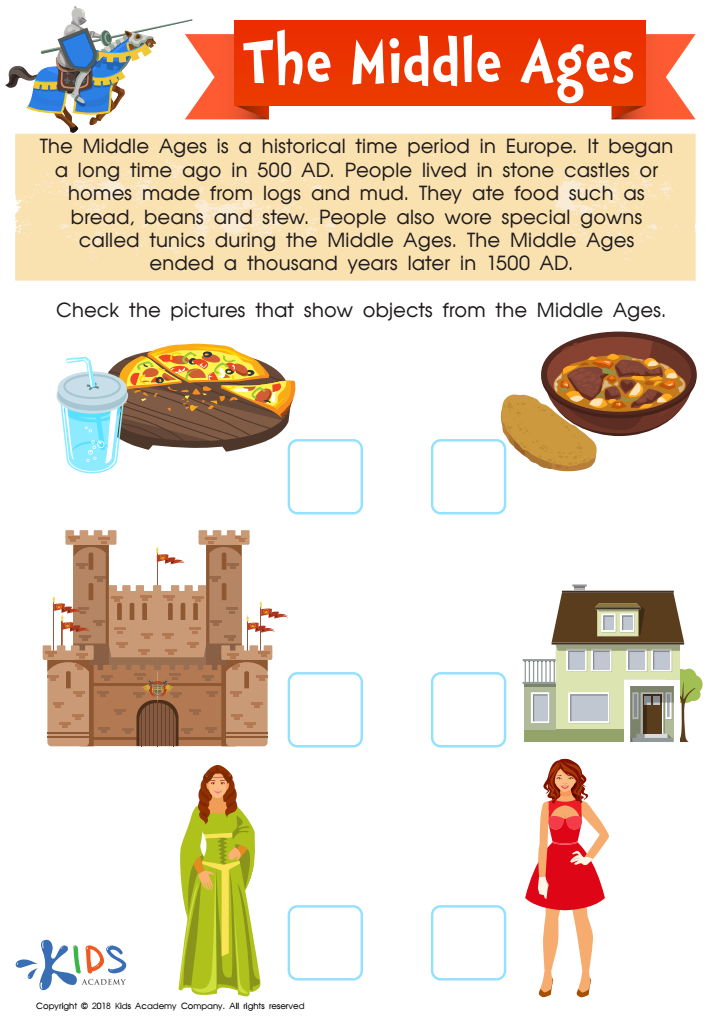
The Middle Ages Worksheet
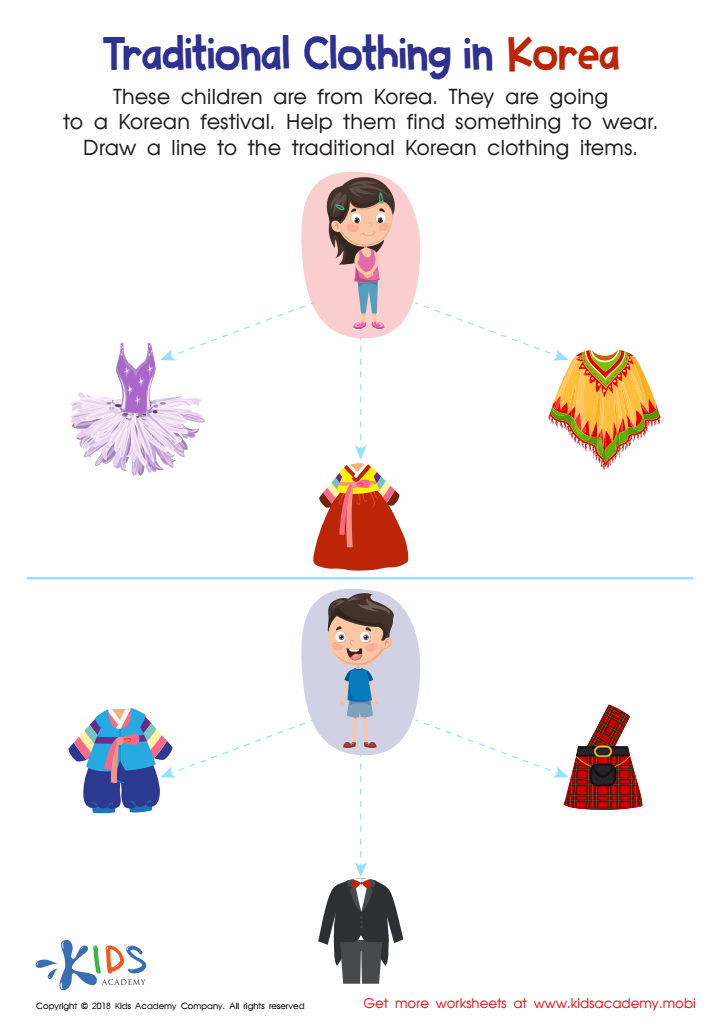
Traditional Clothing in Korea Worksheet
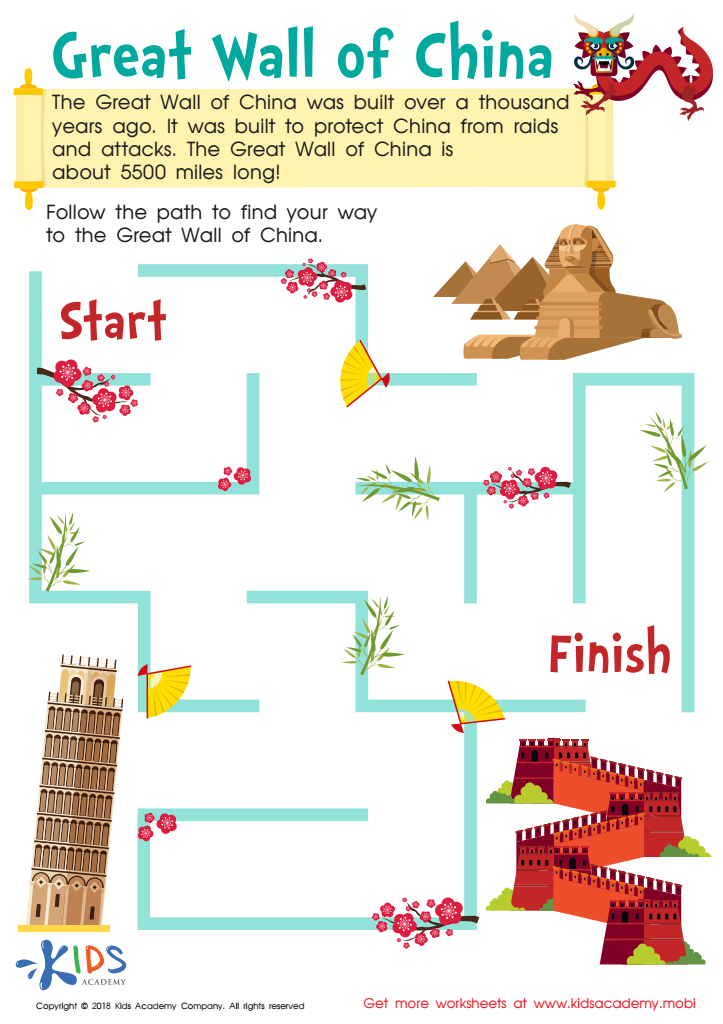
Great Wall of China Worksheet


.jpg)





Vocabulary expansion in young children, ages 3-9, is a critical aspect of early childhood education and development. Parents and teachers should care deeply about this because a strong vocabulary lays the foundation for effective communication, reading comprehension, and academic success later in life. When children are exposed to a wide range of words, they are better able to express themselves, understand others, and engage meaningfully with the world around them.
Vocabulary growth is closely linked to cognitive development. As children learn new words, they also acquire new concepts and knowledge, which stimulates their intellectual curiosity and strengthens their cognitive abilities. This period is often described as a "sensitive period" for language acquisition, meaning that children are biologically primed to absorb new words effortlessly. Missing this critical window can result in vocabulary gaps that may be difficult to bridge later.
Furthermore, a rich vocabulary improves children's social-emotional skills. The ability to name and describe feelings, events, and objects helps children develop empathy, problem-solving skills, and social competence. For all these reasons, investing time and effort in vocabulary expansion during the early years is crucial. Encouraging listening, reading, and conversation will provide children with the tools they need for lifelong learning and well-rounded development.