Number Recognition Social Studies Worksheets for Ages 3-9
4 filtered results
-
From - To
Explore our engaging Number Recognition Social Studies Worksheets, specially designed for children aged 3-9. These innovative worksheets combine the essential skill of number recognition with intriguing social studies content, creating a unique learning experience that captivates young minds. Children can enjoy fun activities that reinforce numerical concepts while exploring geography, history, community roles, and more. Perfect for classroom use or at-home learning, our worksheets build a strong educational foundation, blending mathematics and real-world knowledge seamlessly. Help your child or students develop confidence in numbers and social awareness, fostering a lifetime love for learning. Get started today!
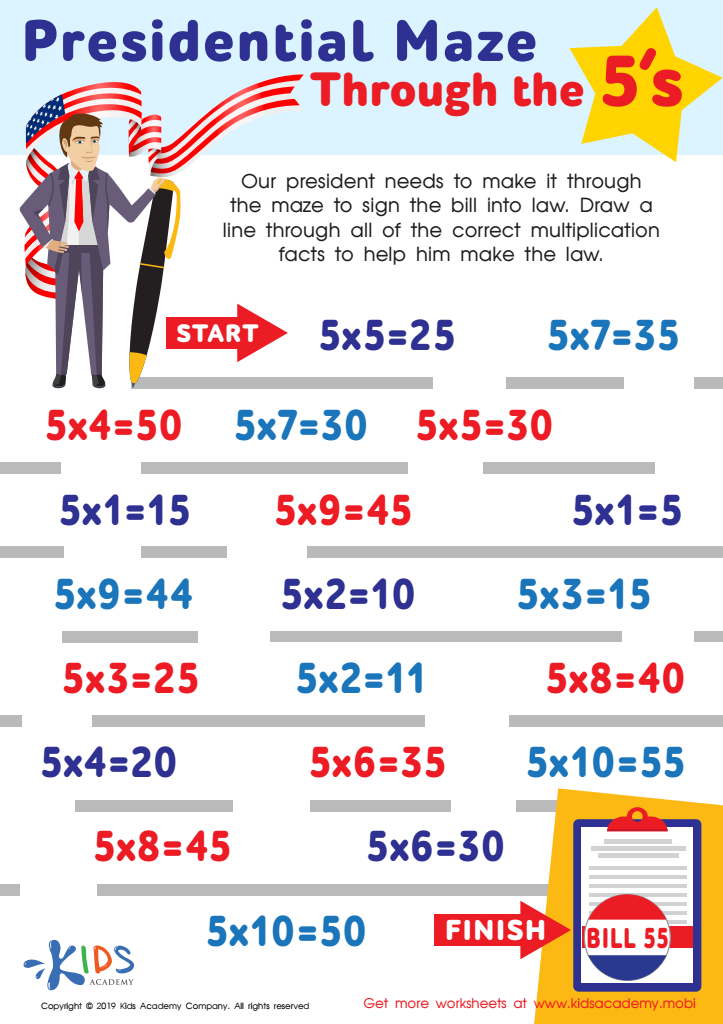
Presidential Maze Through the 5’s Worksheet
 Assign to My Students
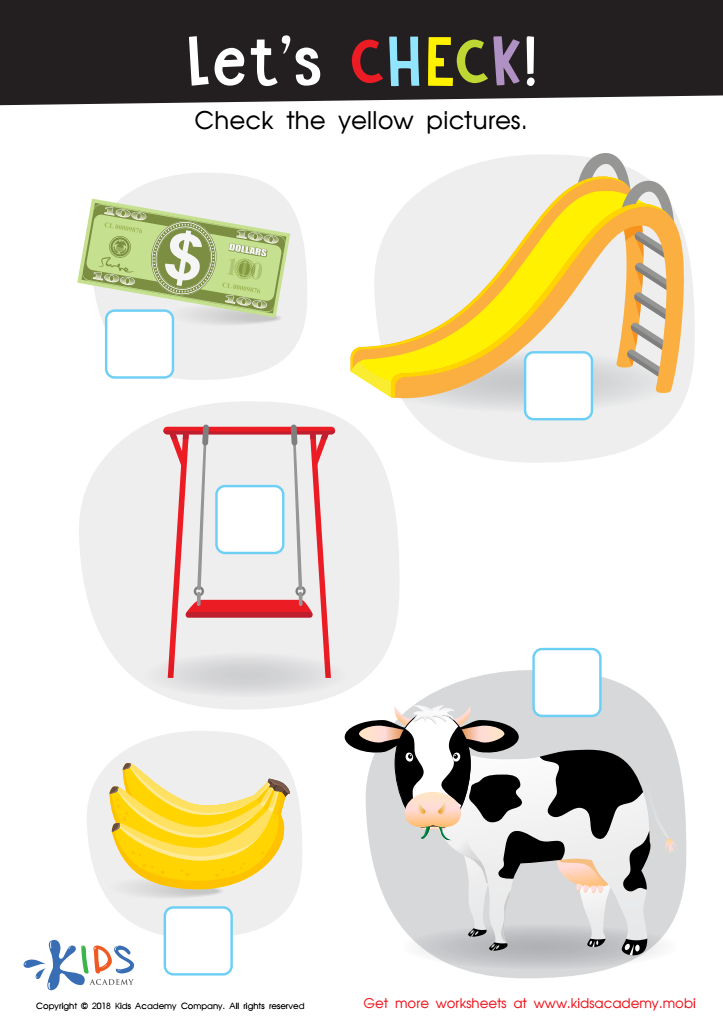
Let's Check! Worksheet
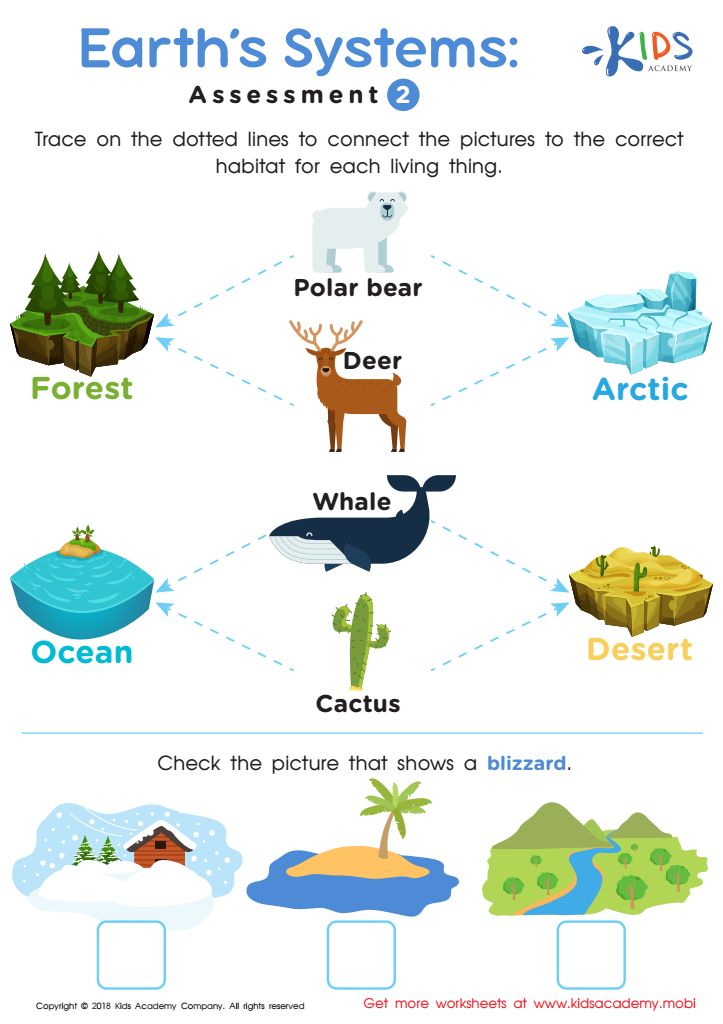
Earth's Systems: Assessment 2
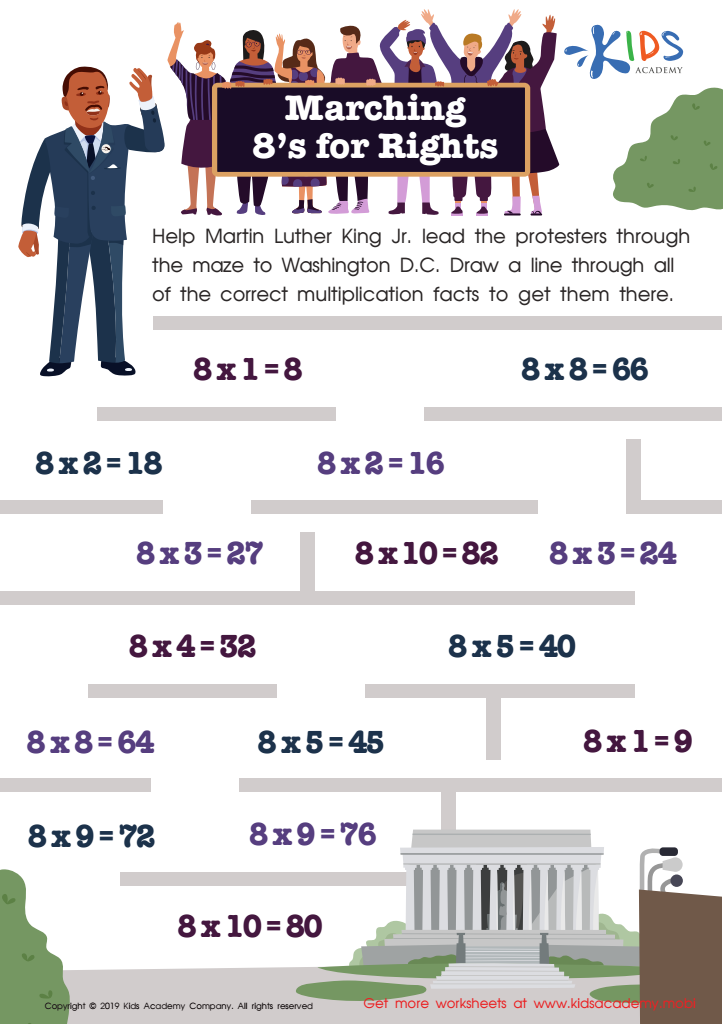
Marching 8’s for Rights Worksheet







Parents and teachers should prioritize number recognition in young children, as it is foundational for later academic success and daily life competencies. For age groups 3-9, recognizing and understanding numbers goes beyond mere memorization; it forms the bedrock of mathematical literacy. Early numerical skills help children develop problem-solving abilities, logical reasoning, and critical thinking skills vital across academic disciplines.
Incorporating number recognition into social studies makes learning more holistic and relevant. Social studies foster an understanding of communities, time, and geography—all intrinsically linked with numeracy. By learning numbers, children can grasp the concept of time (days, months, years), spatial awareness (distances, directions), and historical timelines, providing context to past and present events. This integration helps children relate numerical concepts to real-world situations, enhancing their cognitive and application skills.
Furthermore, early number recognition supports financial literacy, allowing children to understand money basics, budgeting, and value, fostering responsible economic behaviors. These skills cultivate independent, confident learners equipped to navigate diverse social contexts. Both in classrooms and at home, engagement with number recognition ensures comprehensive development, preparing children not only for school requirements but also for successful lifelong learning and informed citizenship.