Handwriting practice English for Beginners Worksheets for 3-Year-Olds - Page 2
43 filtered results
-
From - To
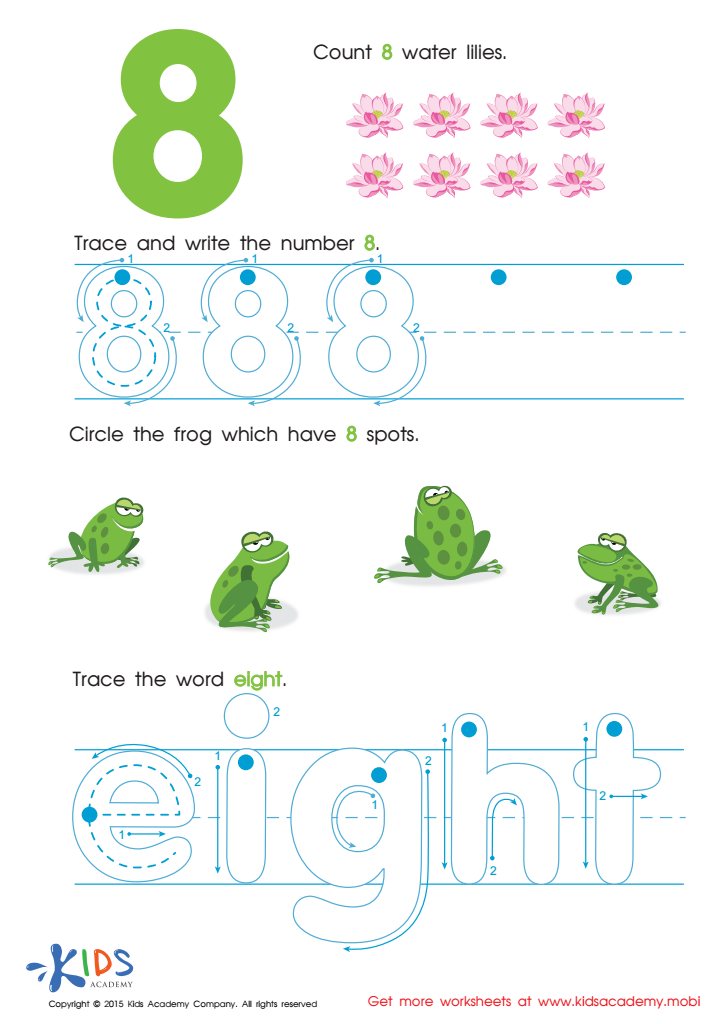
Learn Number 8 Easily Worksheet
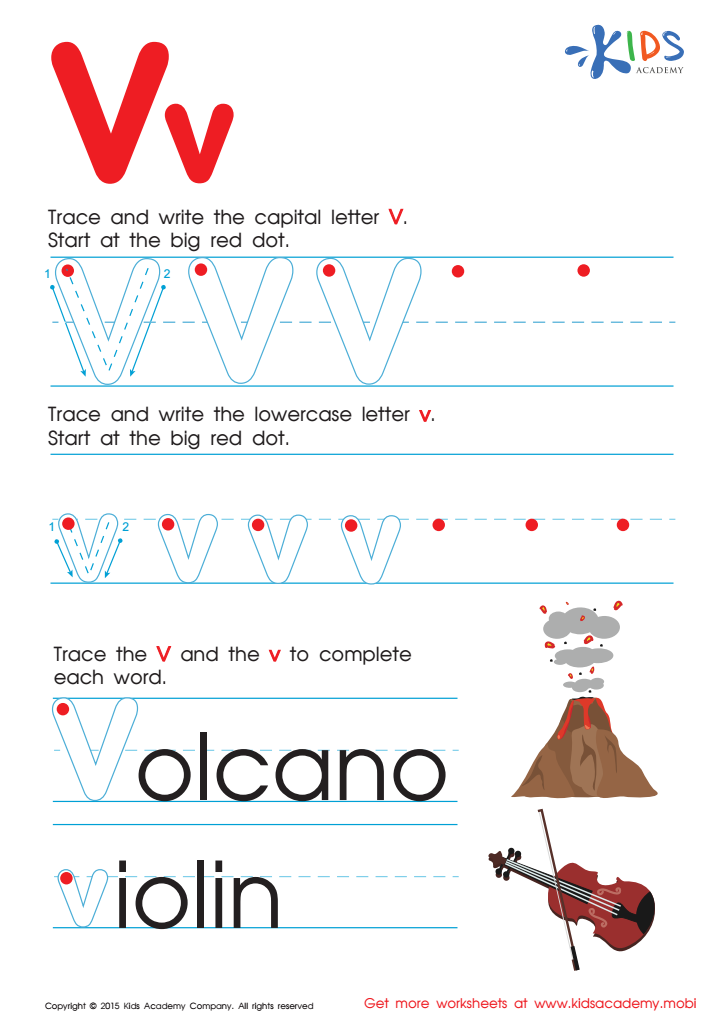
Letter V Tracing Page
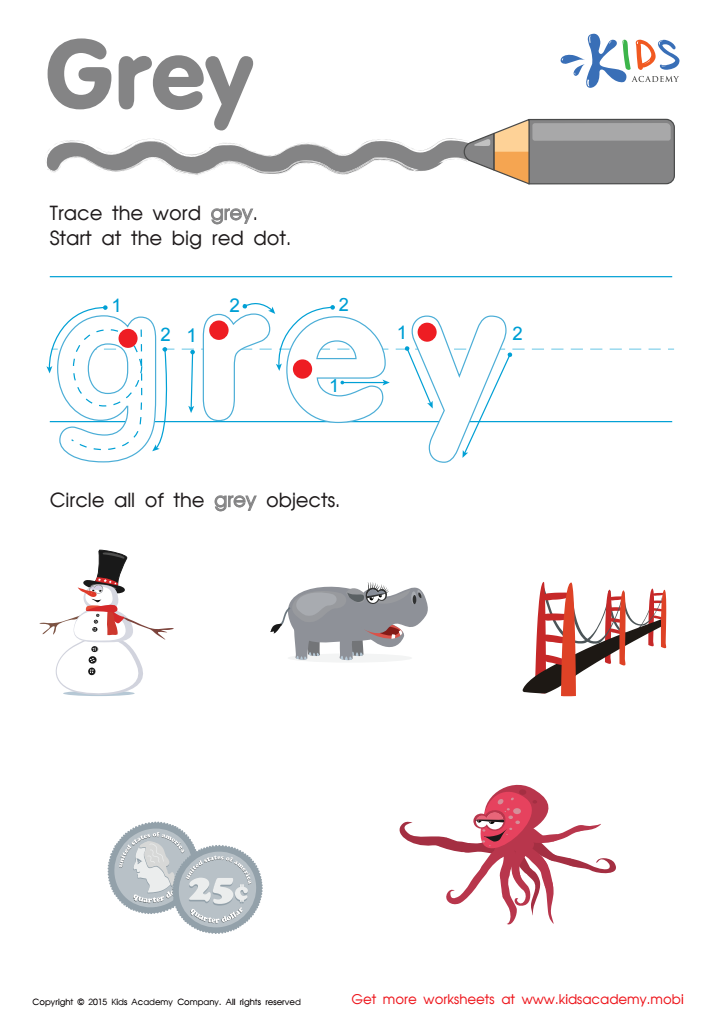
Grey Tracing Color Words Worksheet
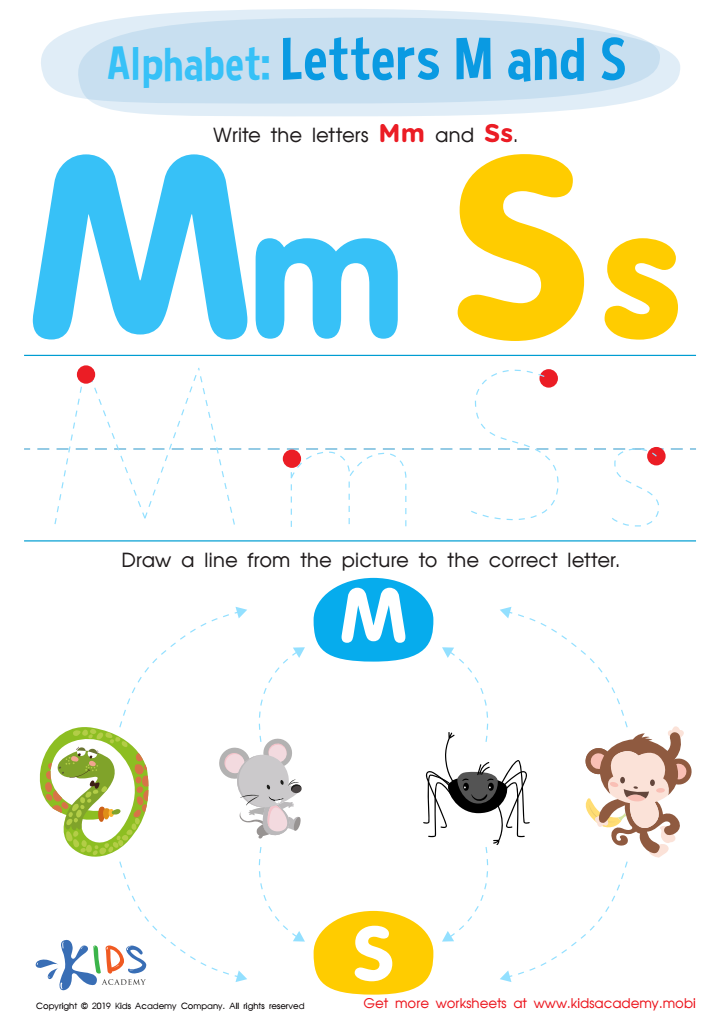
Letters M and S Tracing Worksheet
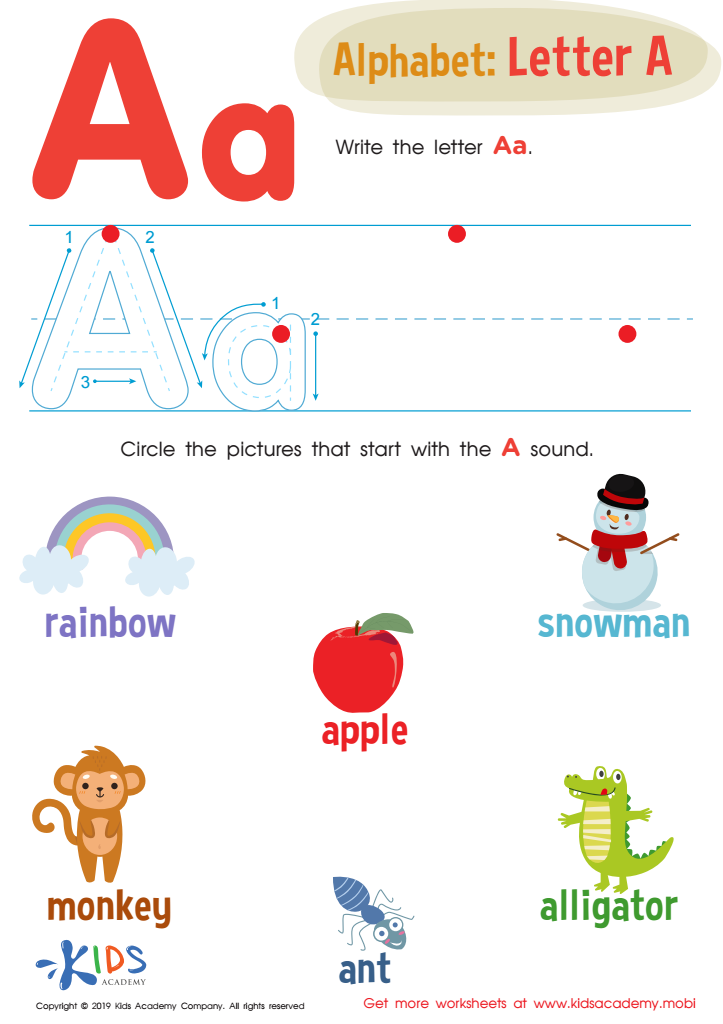
Letter A Tracing Worksheet
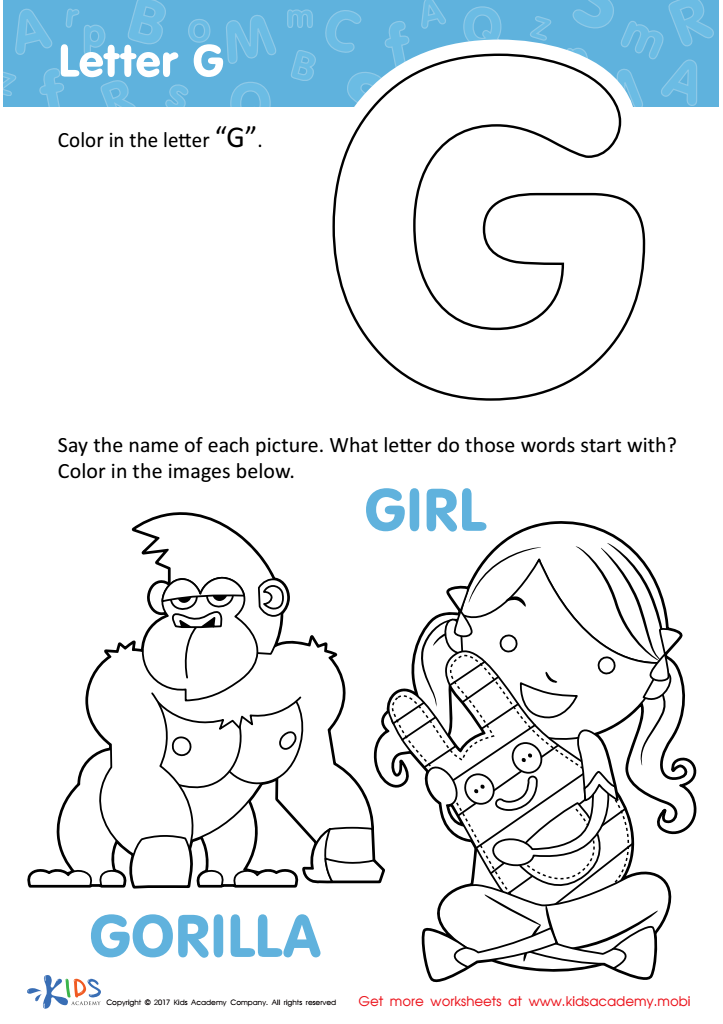
Letter G Coloring Sheet
 Assign to My Students
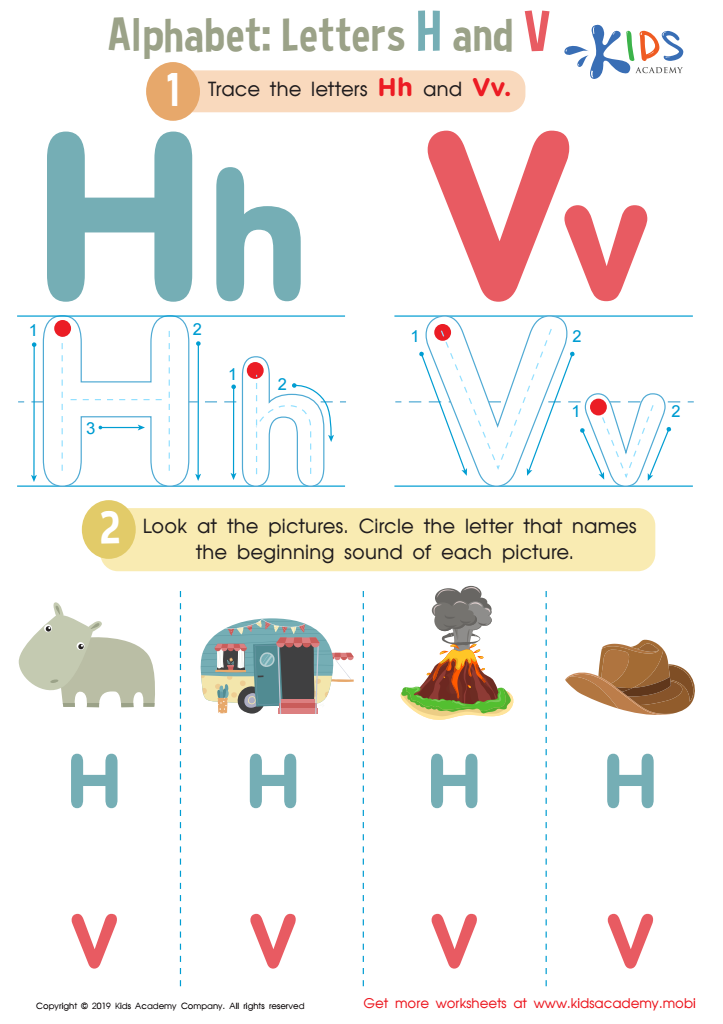
Letters H and V Tracing Worksheet
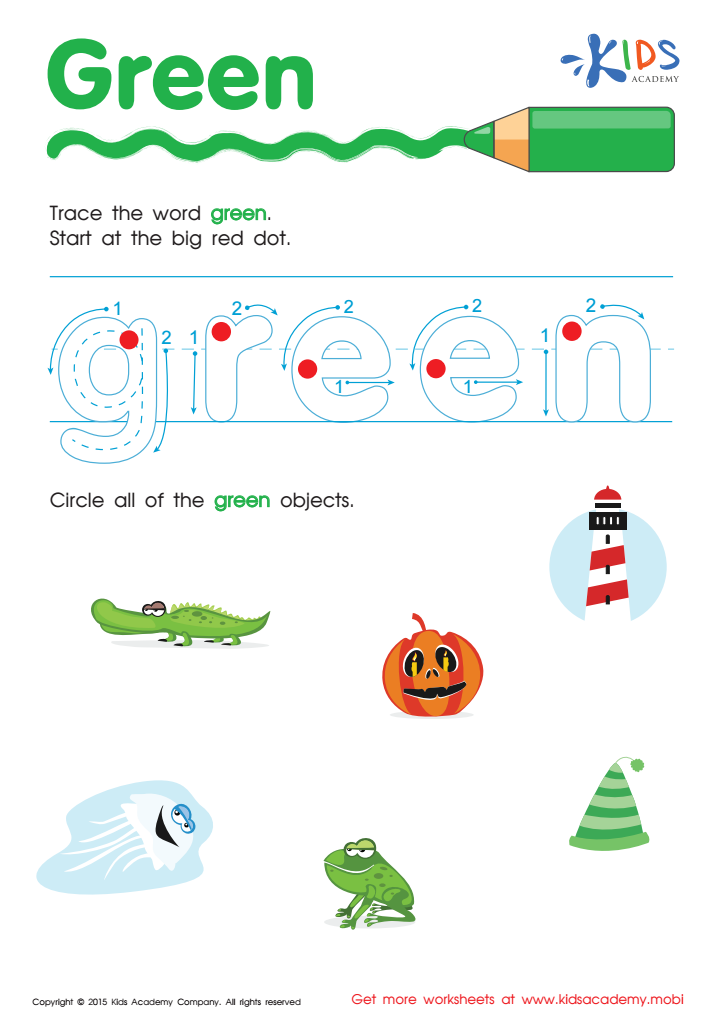
Green Tracing Color Words Worksheet
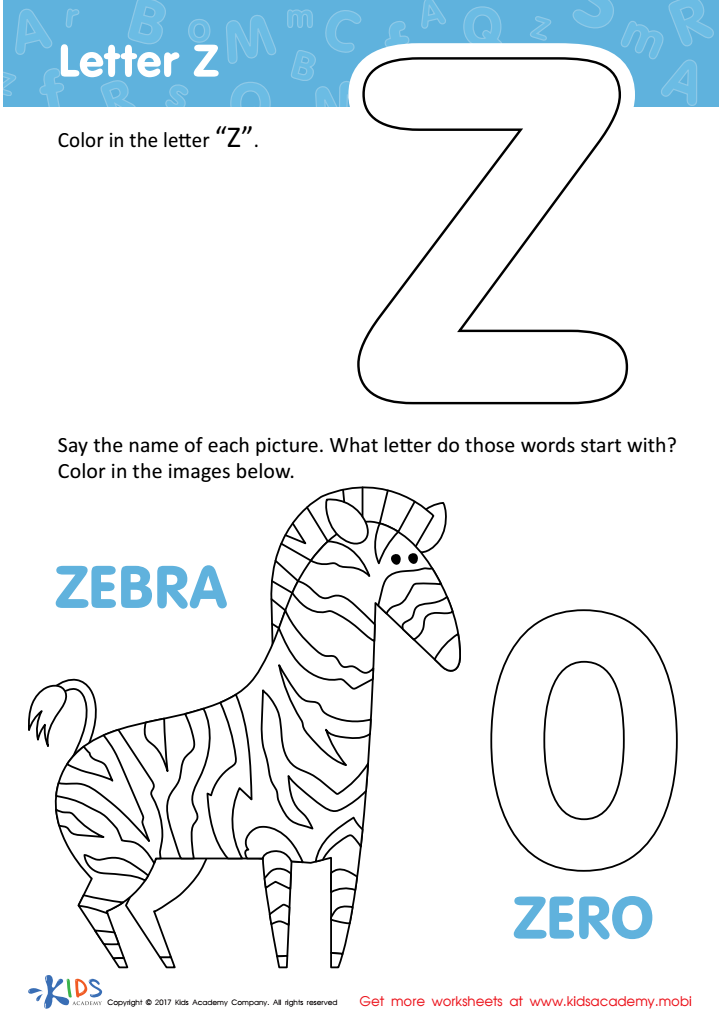
Letter Z Coloring Sheet
Assign to My Students
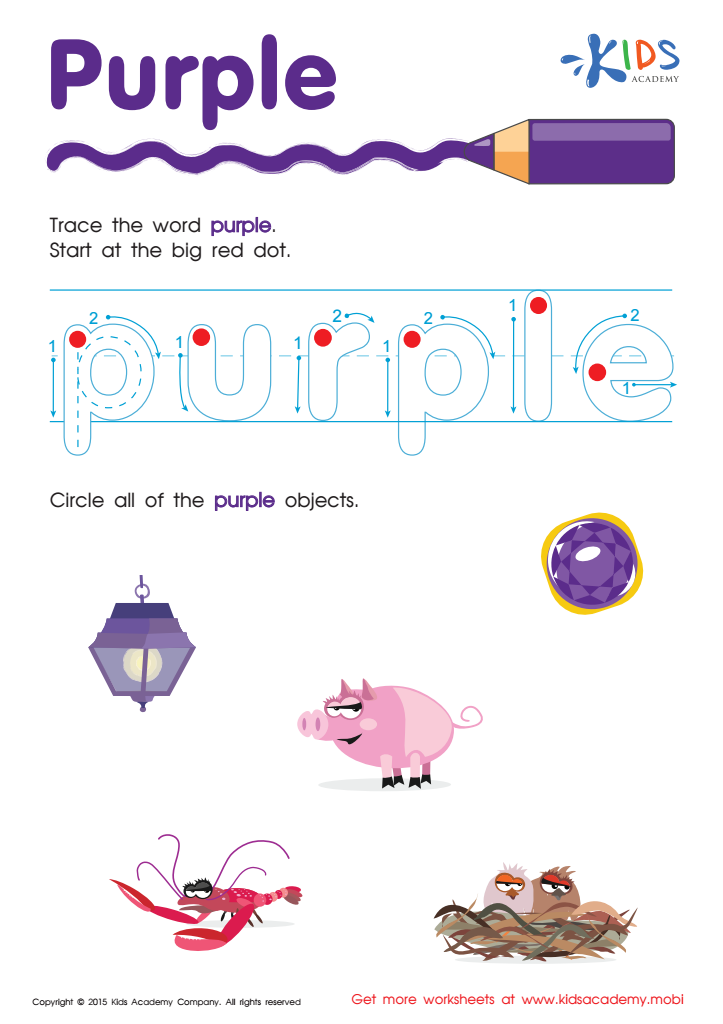
Purple Tracing Color Words Worksheet
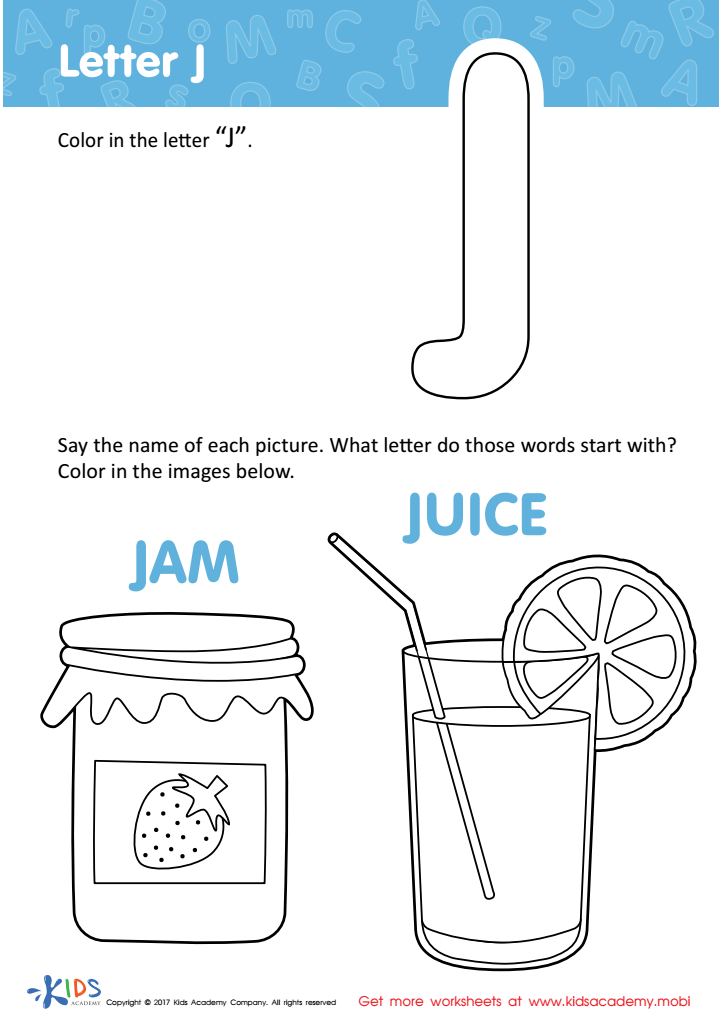
Letter J Coloring Sheet
Assign to My Students
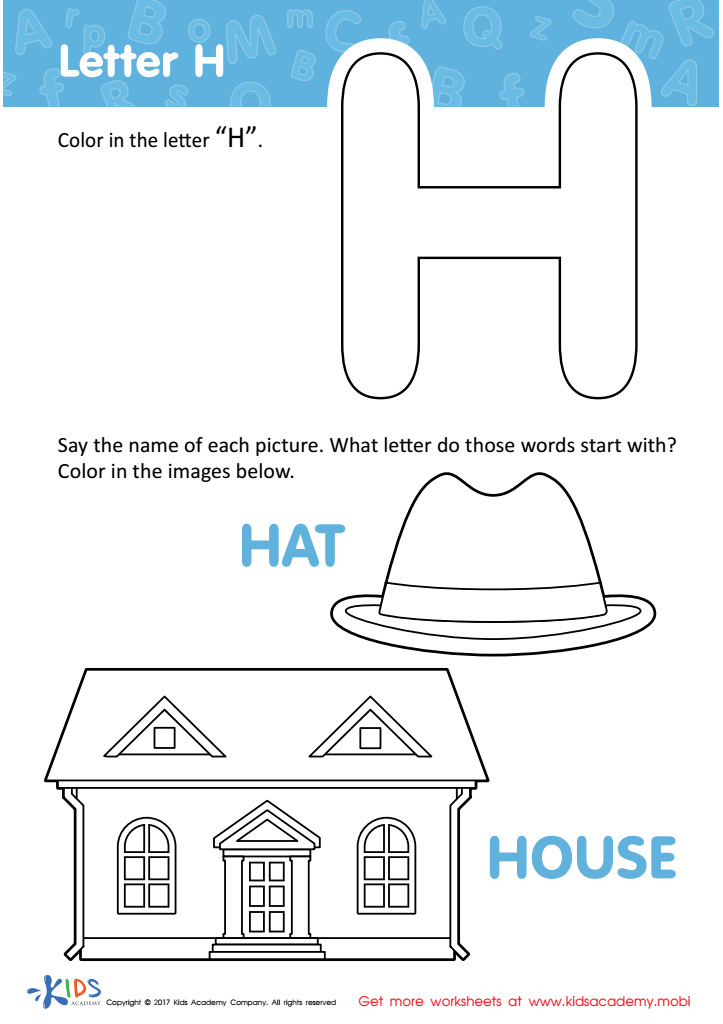
Letter H Coloring Sheet
Assign to My Students
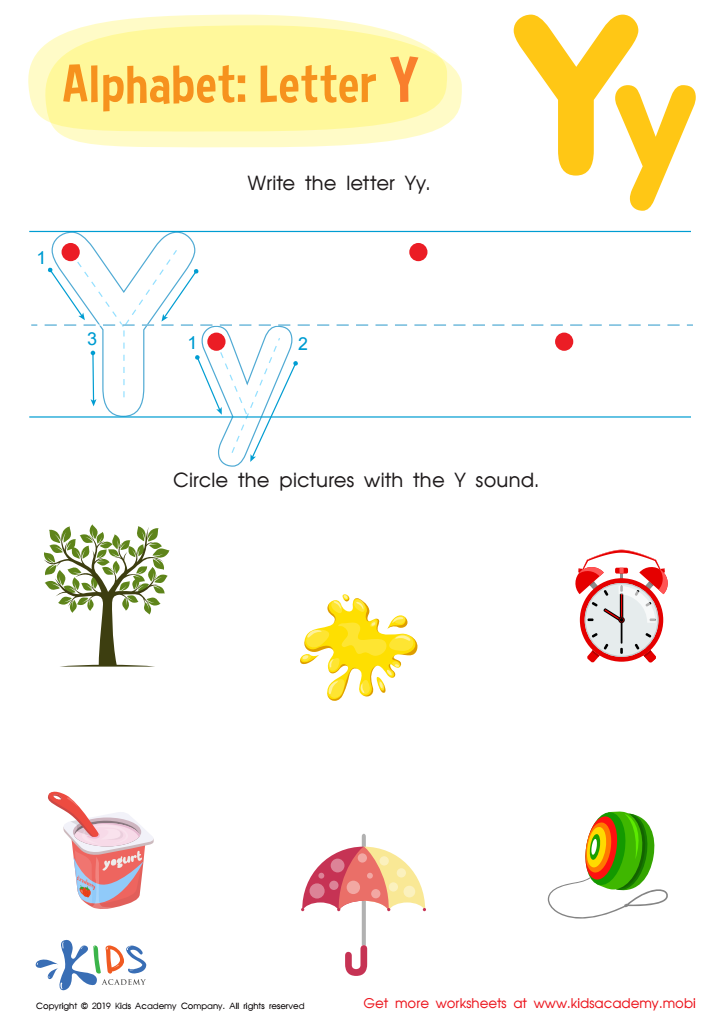
Letter Y Tracing Worksheet
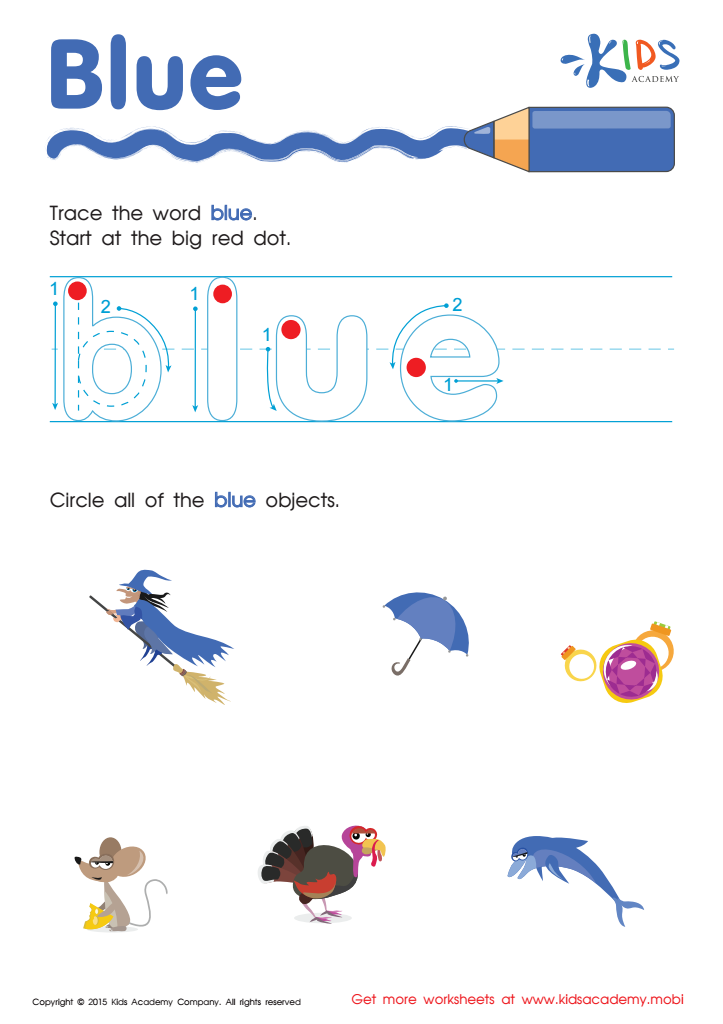
Blue Tracing Color Words Printable
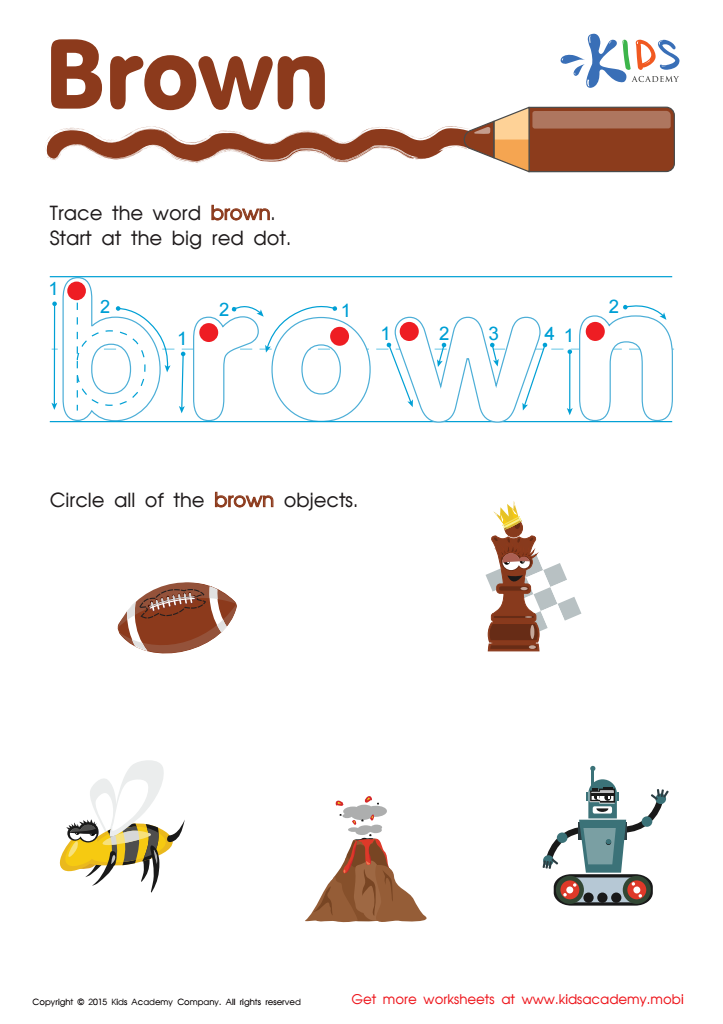
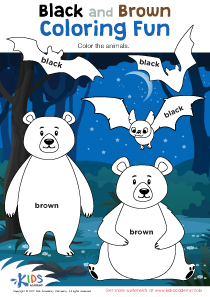
Brown Tracing Color Words Worksheet
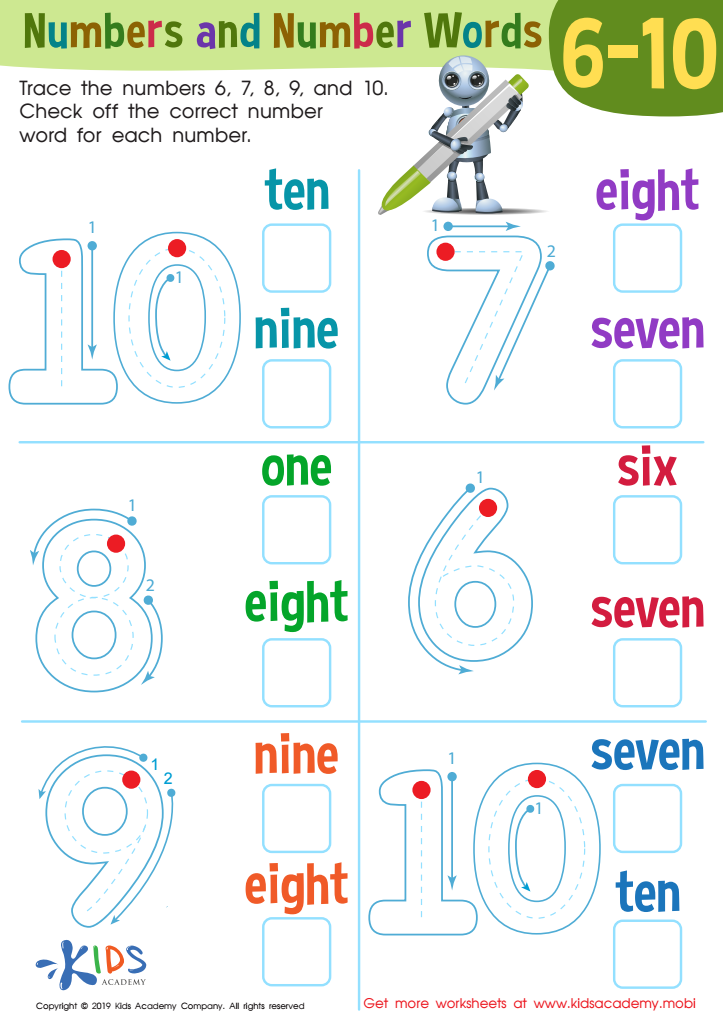
Numbers and Number Words 6–1 Worksheet
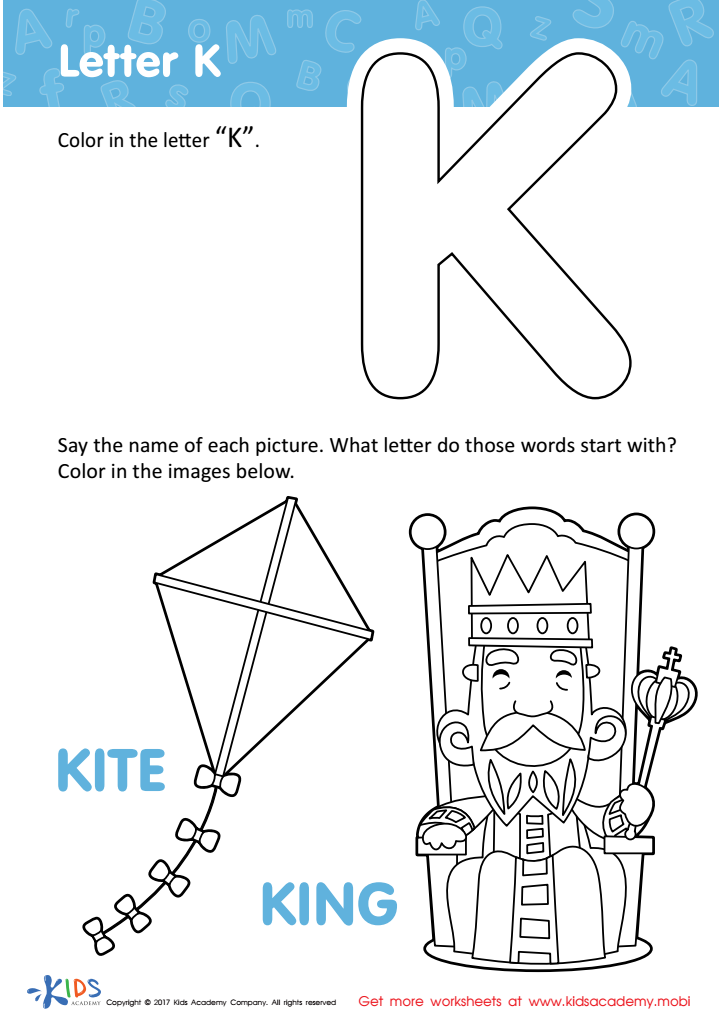
Letter K Coloring Sheet
Assign to My Students
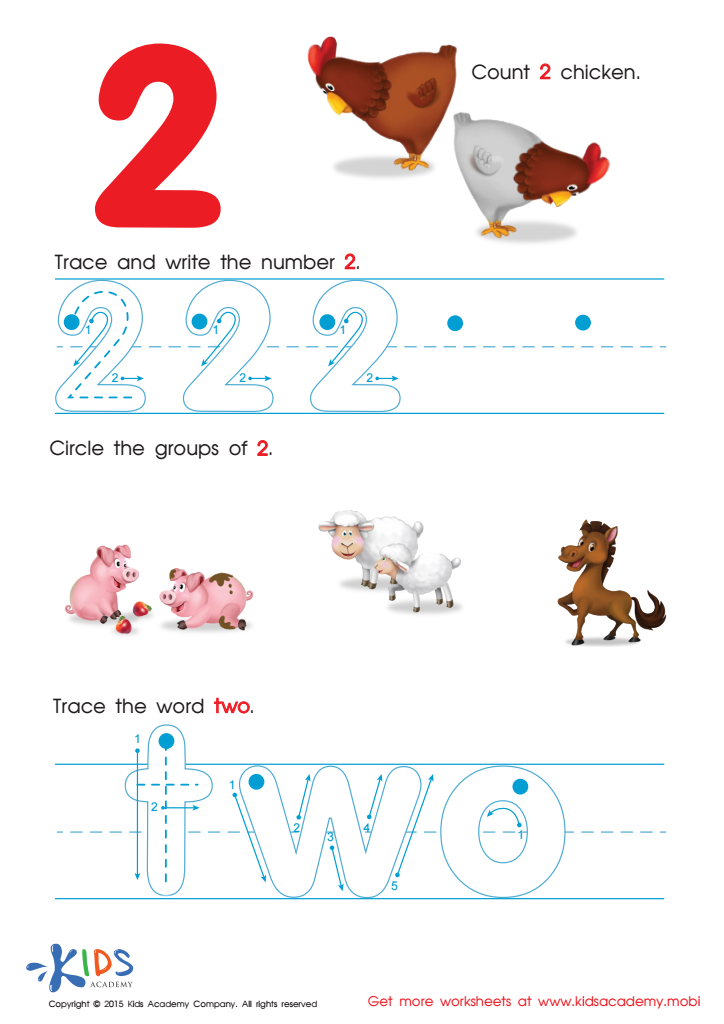
Learn to Write the Number 2 Worksheet
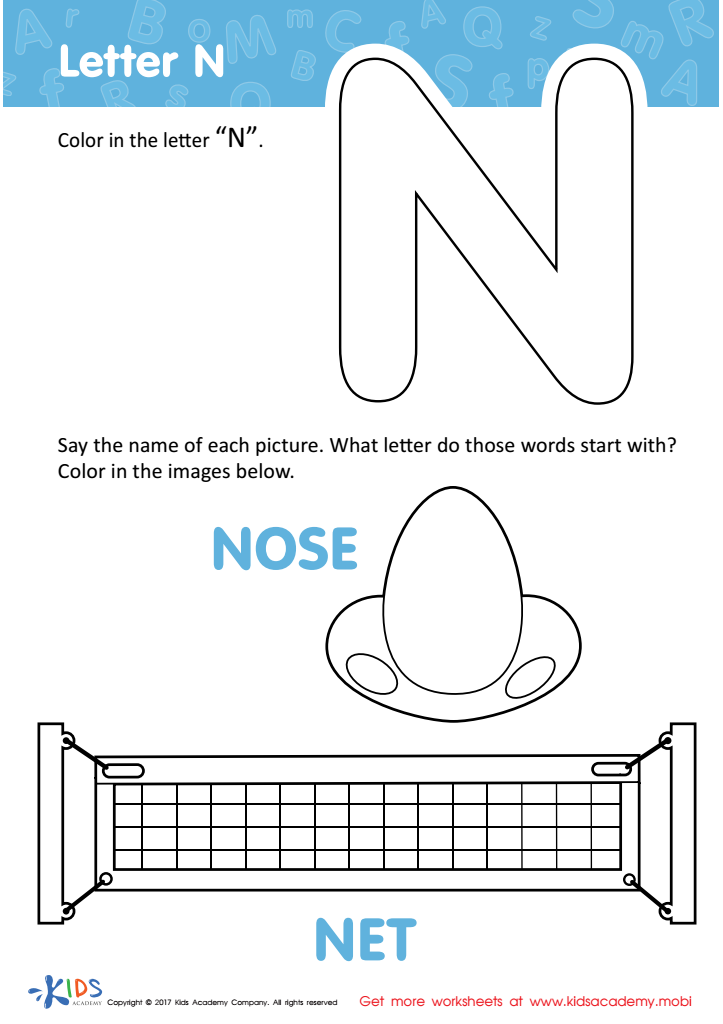
Letter N Coloring Sheet
Assign to My Students





Ensuring that 3-year-olds begin handwriting practice is vital for both parents and teachers due to its numerous developmental benefits. Early handwriting practice facilitates fine motor skill development, which is crucial for a child’s ability to perform everyday tasks. This includes activities such as buttoning clothes, using utensils, and, eventually, typing on a keyboard. Handwriting practice inherently strengthens hand muscles and improves coordination.
Furthermore, it lays the foundation for future academic success. Familiarity with writing promotes early literacy by helping children connect letters to their sounds, which is fundamental in learning to read. Writing letters also reinforces memory and aids in retaining the alphabet, both essential skills for academic advancement.
Engaging in handwriting practice enhances cognitive development as well. It encourages concentration, patience, and attention to detail, attributes necessary for all learning processes. Moreover, it provides a sense of accomplishment and boosts confidence as children witness their own progress.
Emphasizing handwriting at a young age also provides a meaningful alternative to screen time, enriching hands-on learning experiences. Engaging actively in physical writing prepares young learners better to manage classroom settings and paves the way for flourishing educational journeys. Therefore, incorporating handwriting practice into early education is indispensable for well-rounded child development.