Subtraction practice Worksheets for 3-Year-Olds
39 filtered results
-
From - To
Explore our engaging subtraction practice worksheets designed specifically for 3-year-olds! These fun and colorful printables offer young learners an enjoyable way to grasp the basics of subtraction. Through interactive activities, children will develop essential math skills while enhancing their problem-solving abilities. Each worksheet features simple, age-appropriate exercises that encourage critical thinking and make learning enjoyable. Our subtraction worksheets are perfect for parents and educators looking to support early math development in a playful manner. Download now and watch your little ones explore the exciting world of numbers as they take their first steps into subtraction!
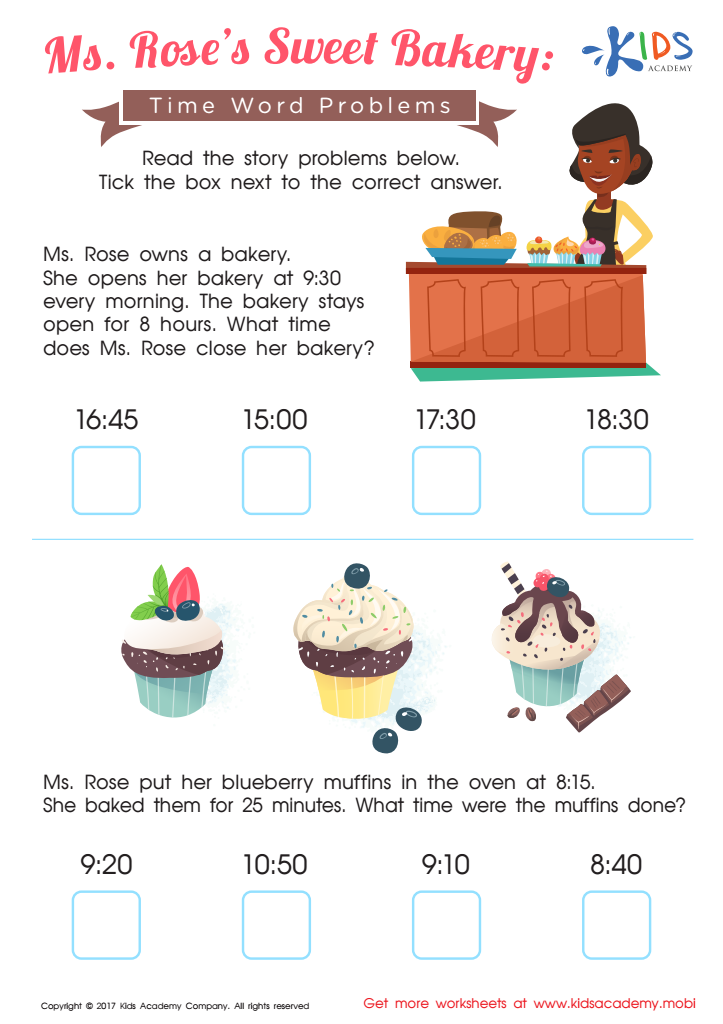
Ms. Roseв's Sweet Bakery Time Worksheet
 Assign to My Students
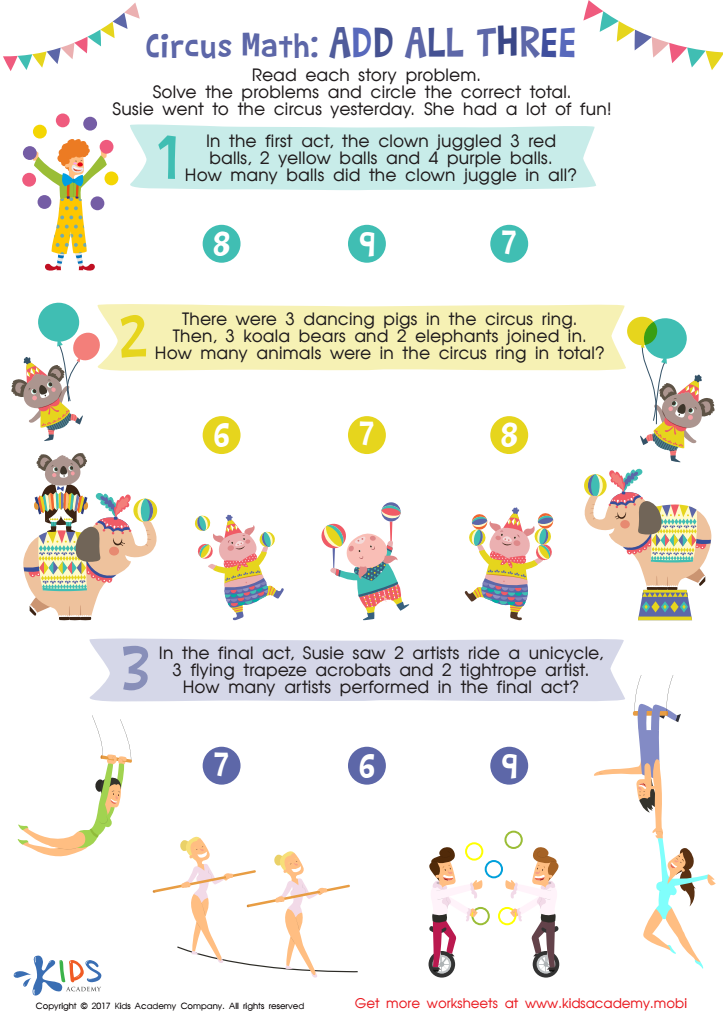
Circus Math Printable
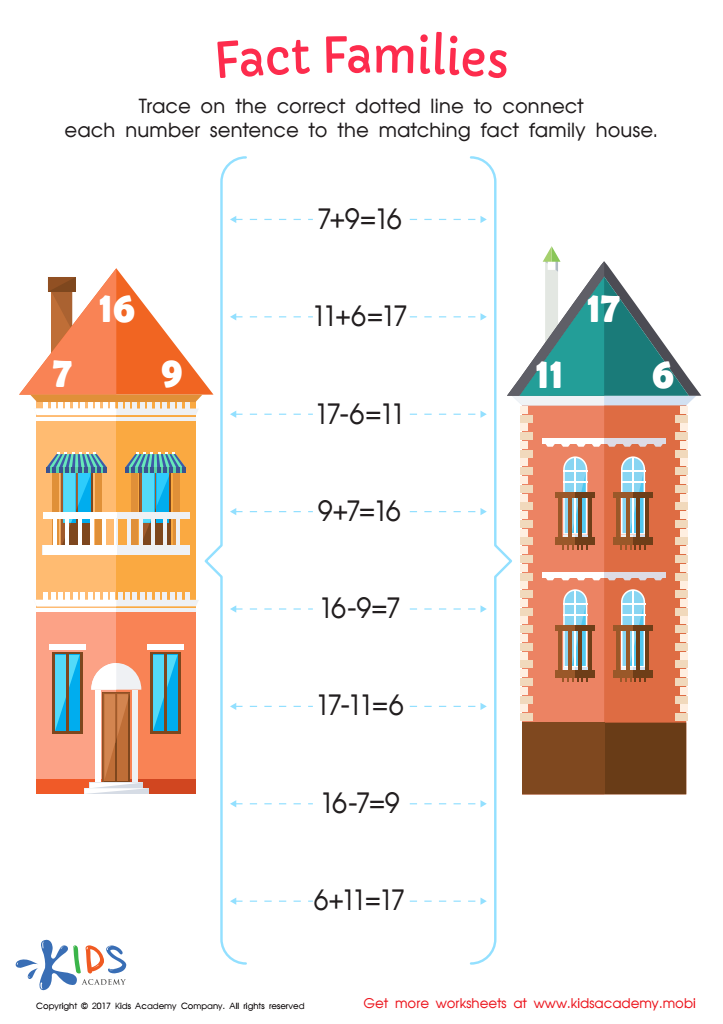
Fact Families — Add and Subtract Worksheet
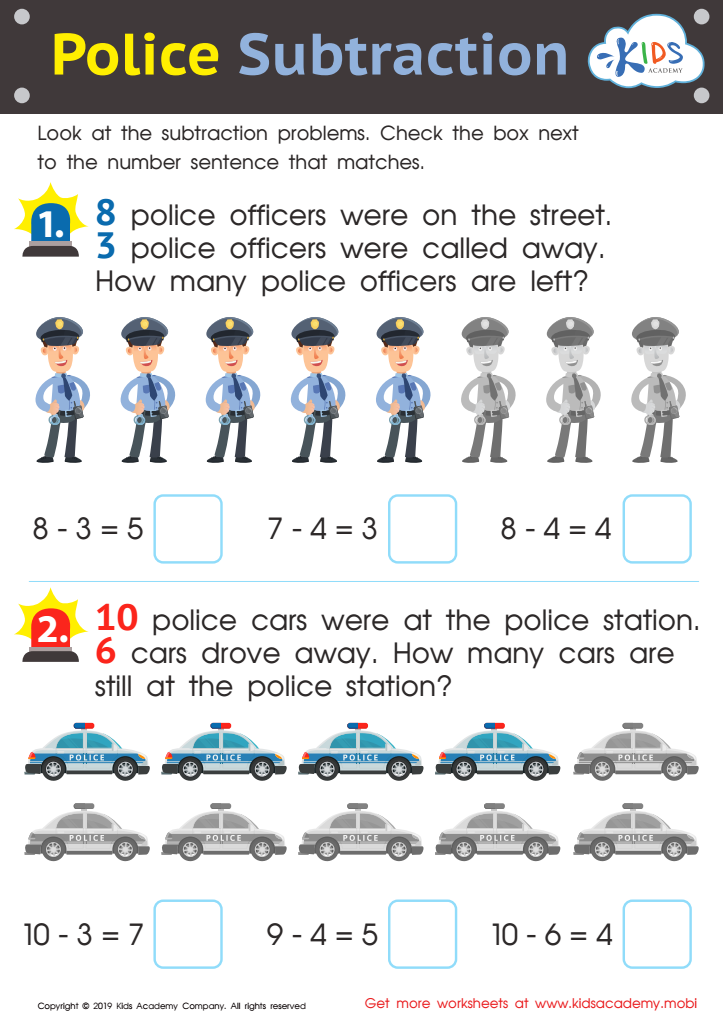
Police Subtraction Worksheet
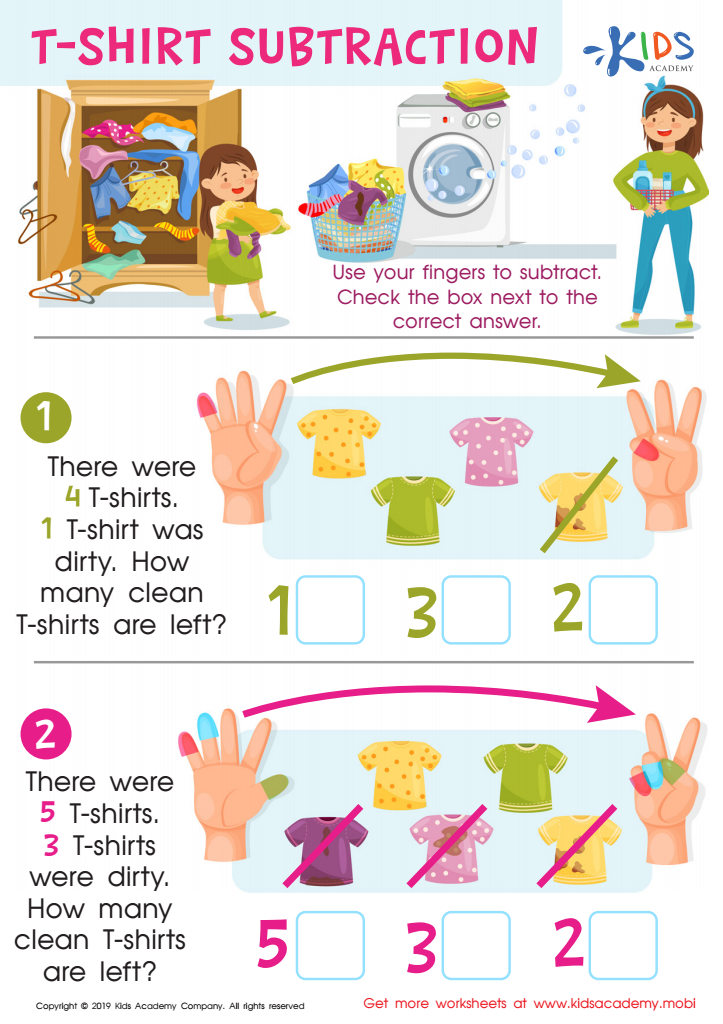
T-shirt Subtraction Worksheet
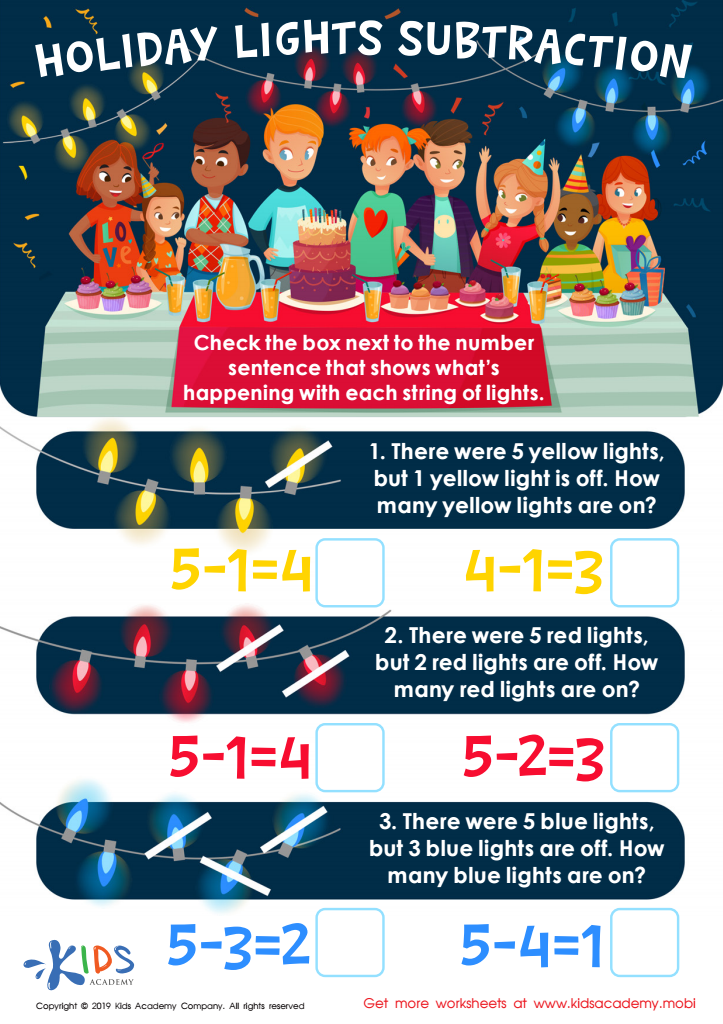
Holiday Lights Subtraction Worksheet

Find 9 Worksheet
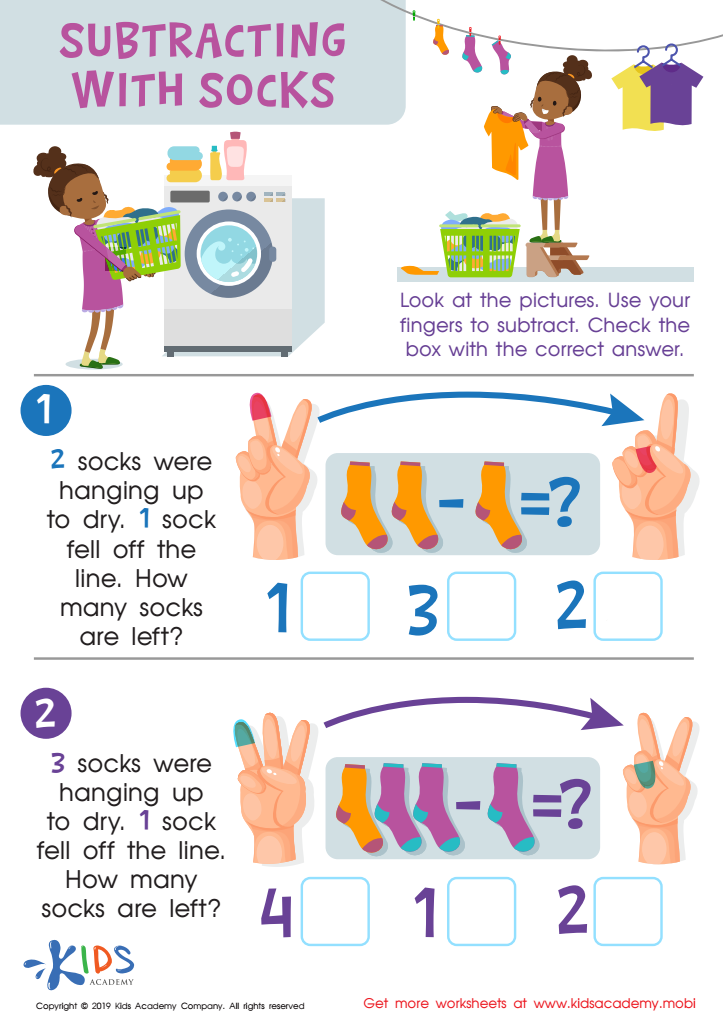
Subtracting Socks Worksheet
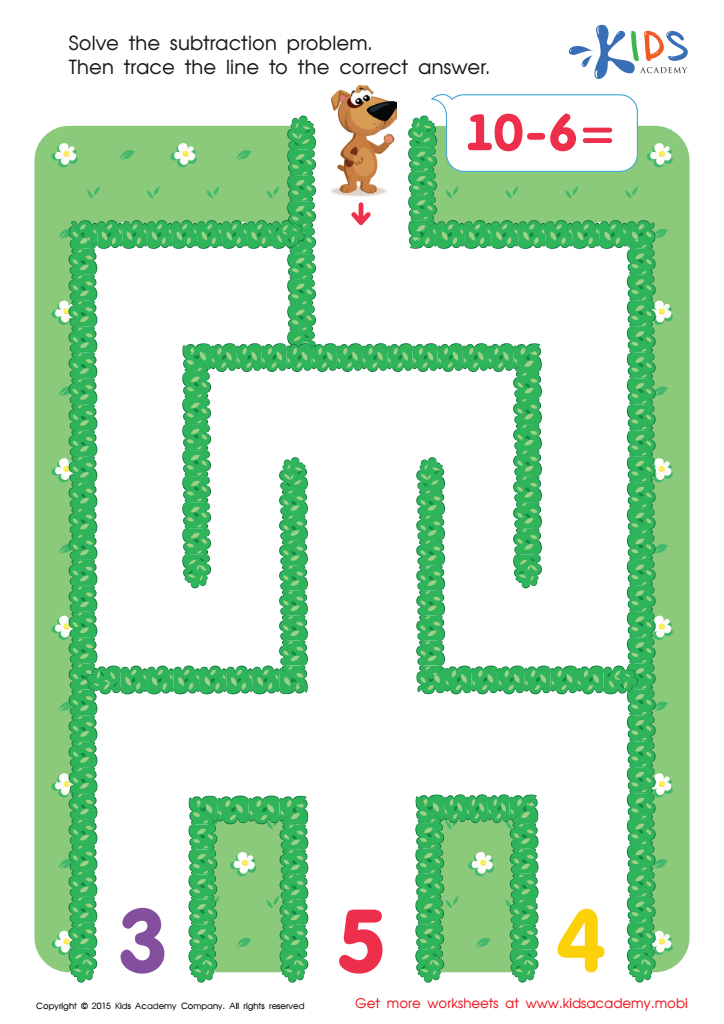
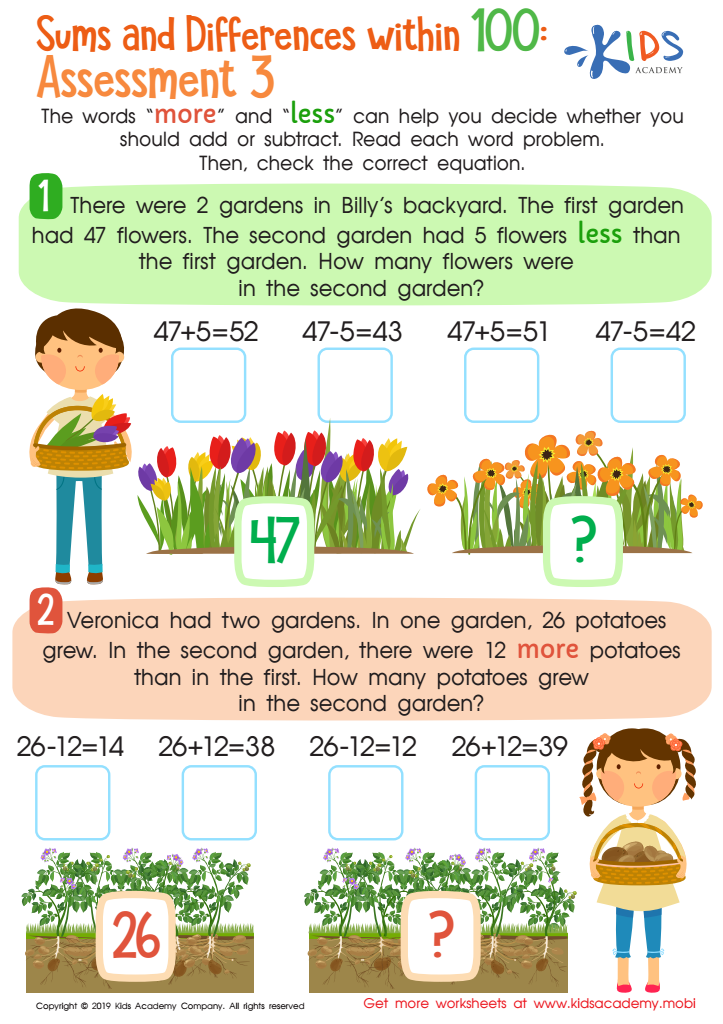
Sums and Differences Within 1 - Assessment 1 Worksheet
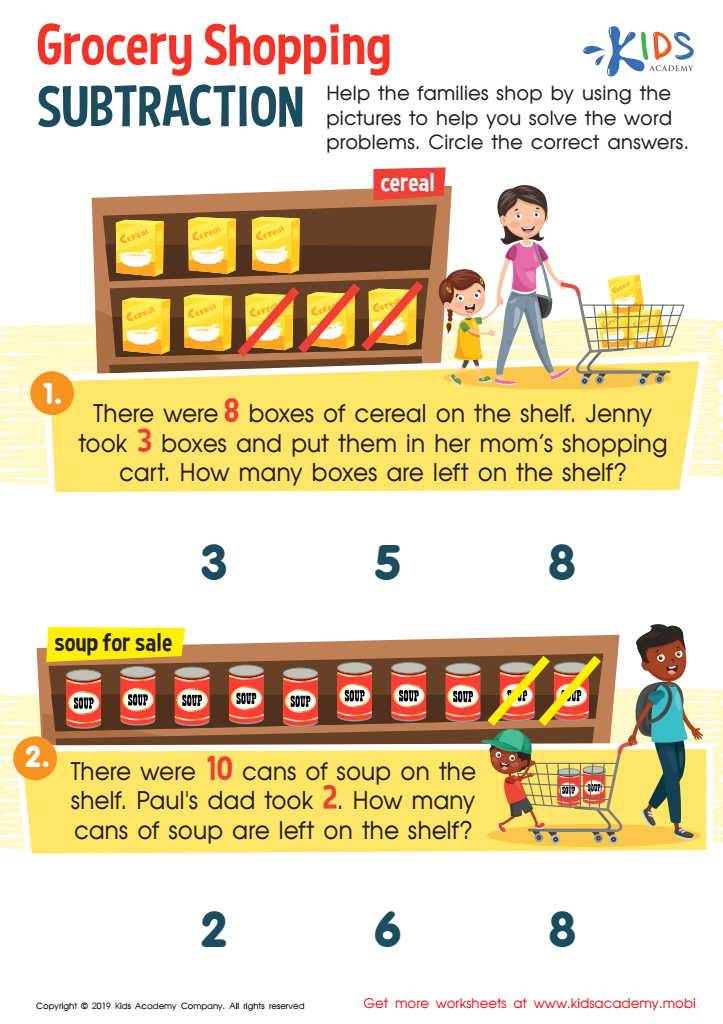
Grocery Shopping Subtraction Worksheet
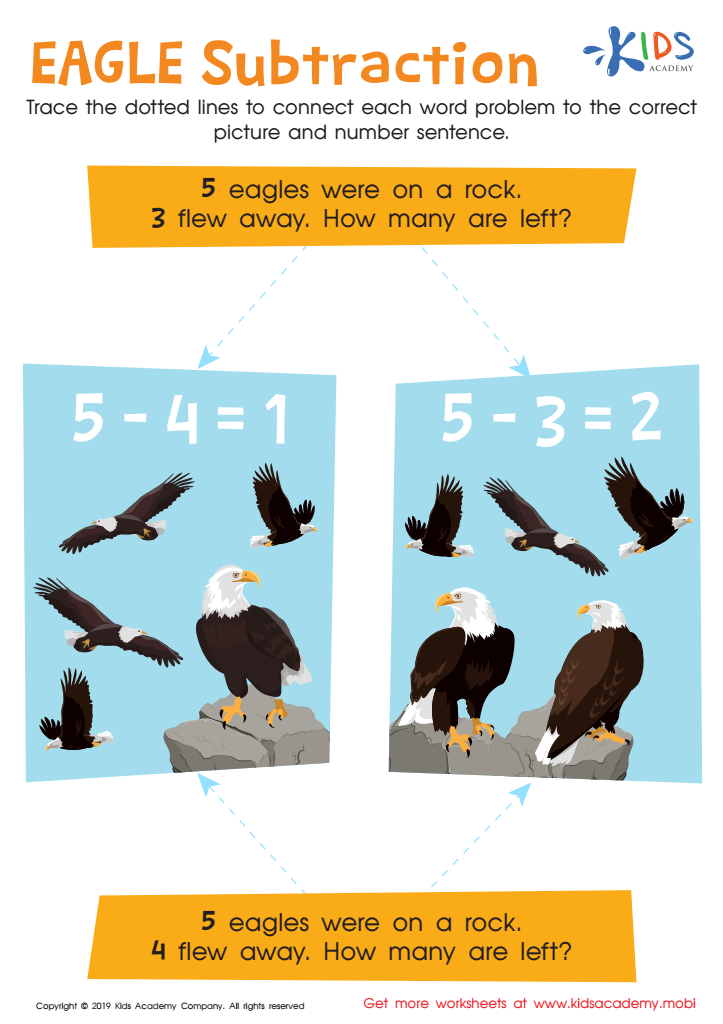
Eagle Subtraction Worksheet
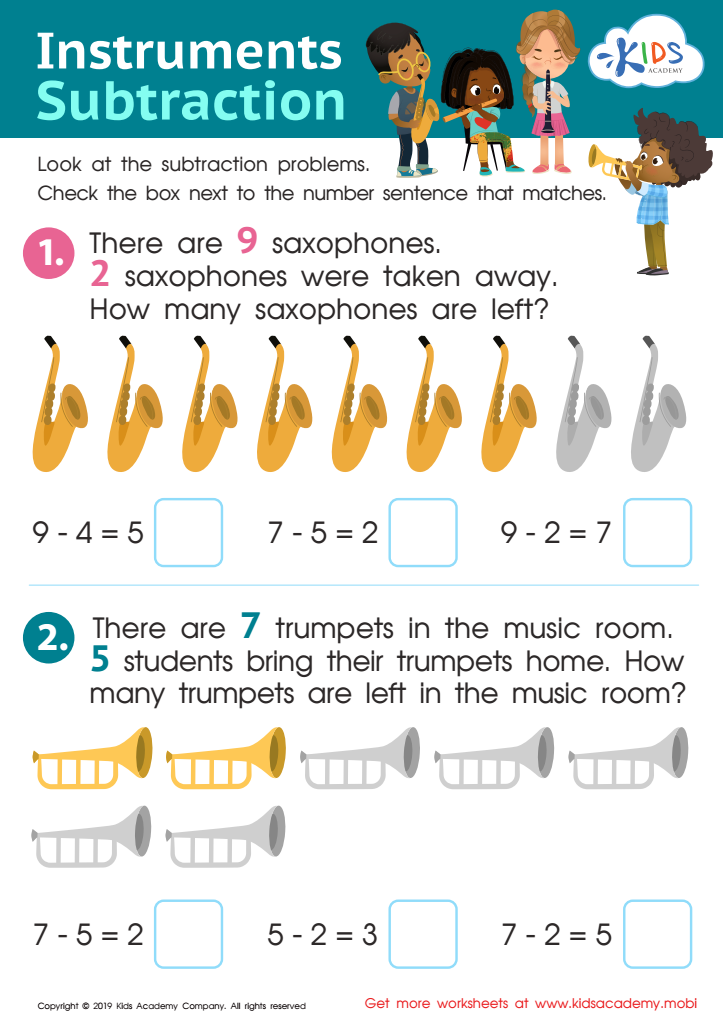
Instrument Subtraction Worksheet
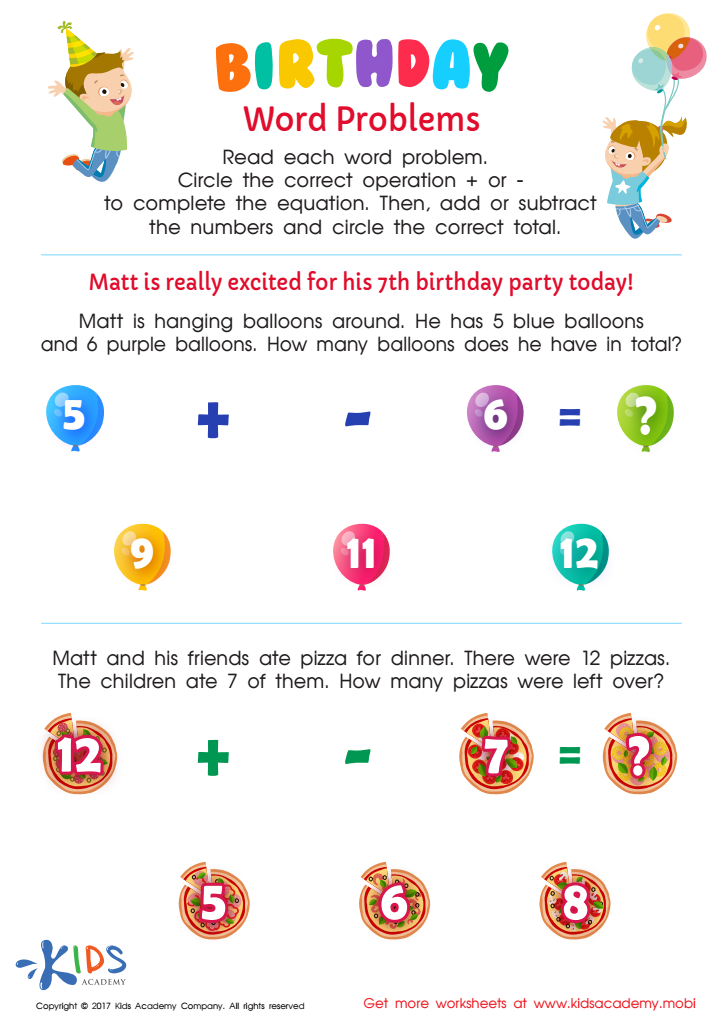
Birthday Word Problems Substraction Worksheet
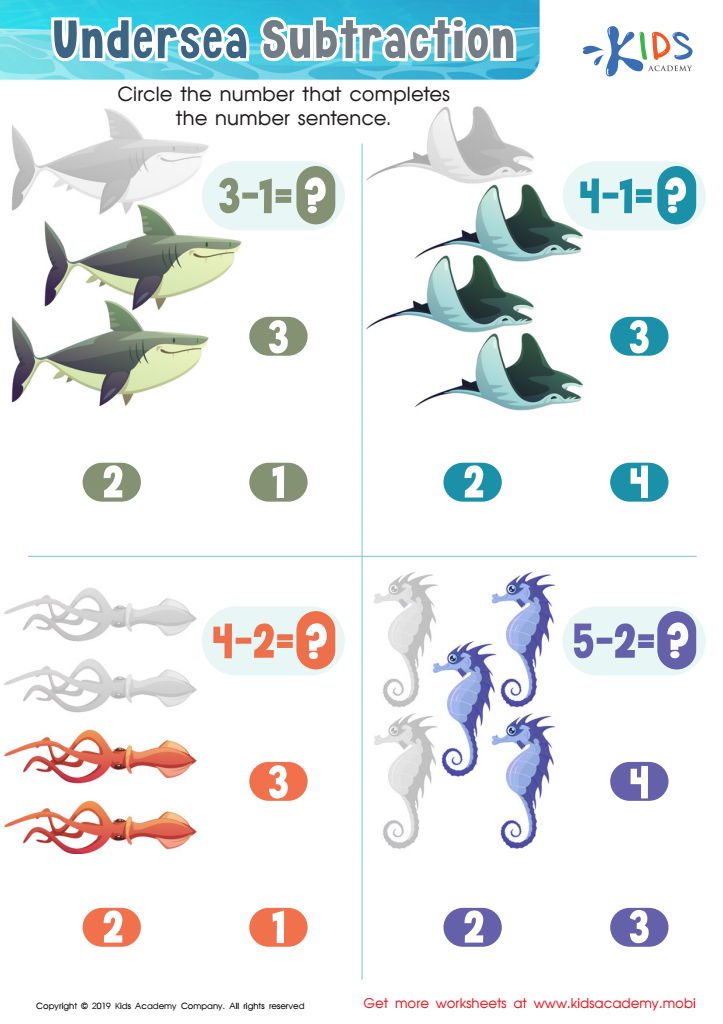
Undersea Subtraction Worksheet
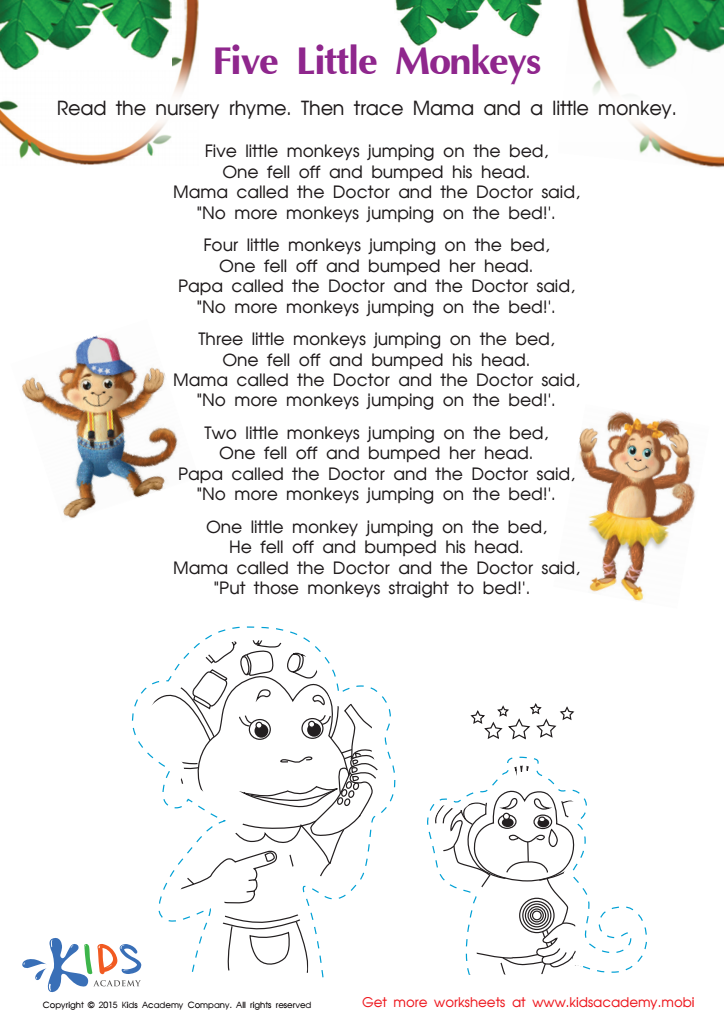
The Five Little Monkeys Nursery Rhyme Worksheet
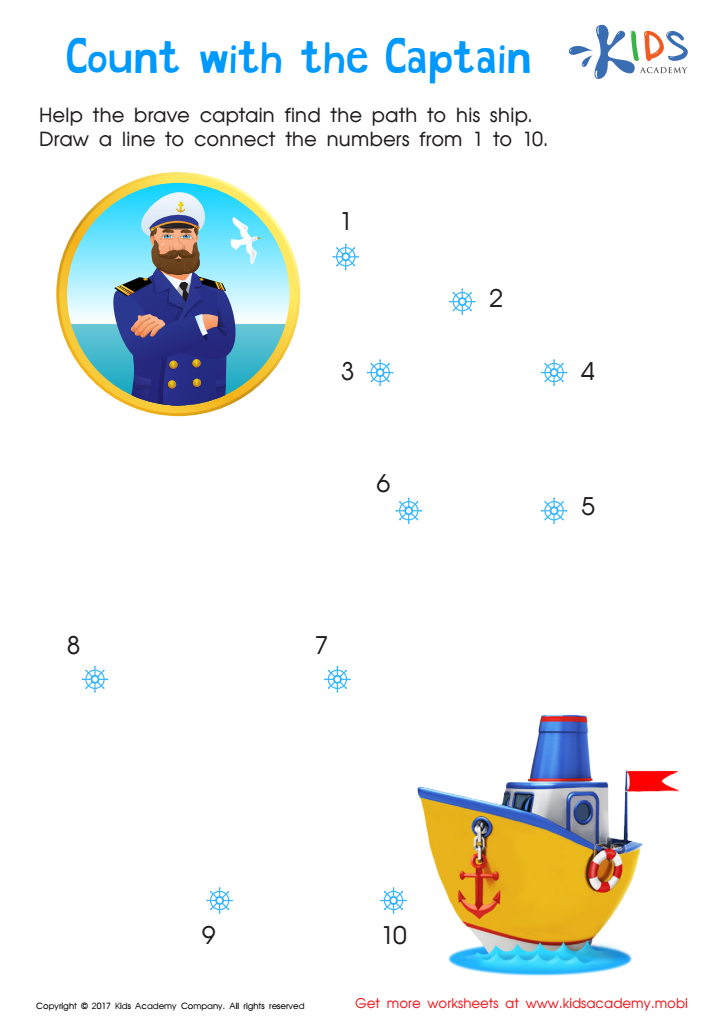
Count with the Captain Connect Dots Worksheet
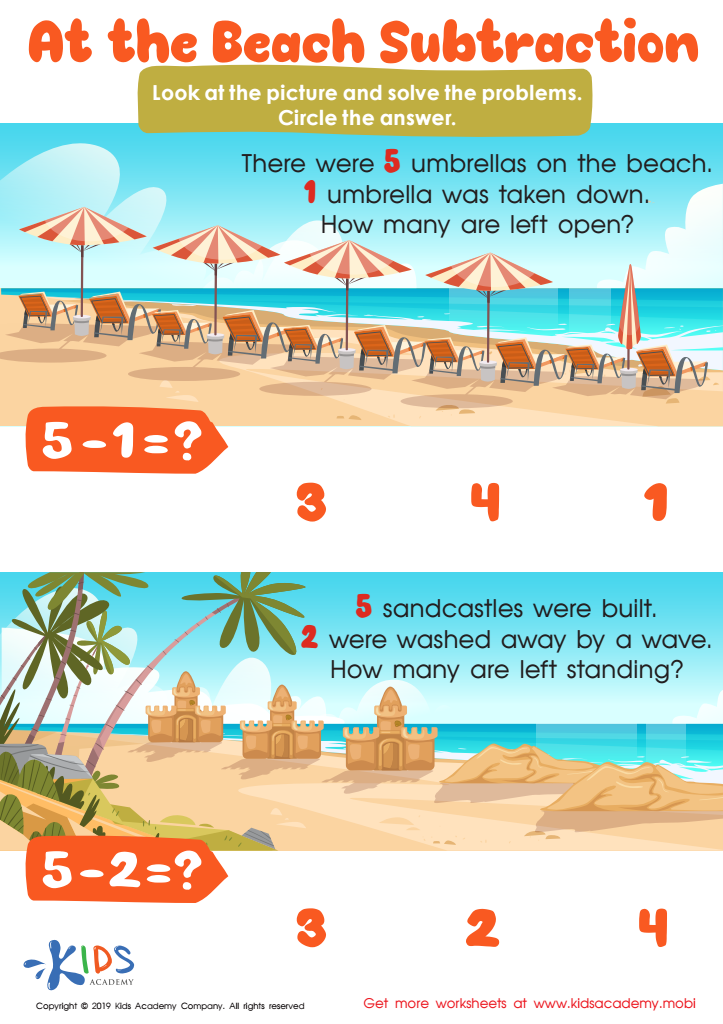
At the Beach Subtraction Worksheet
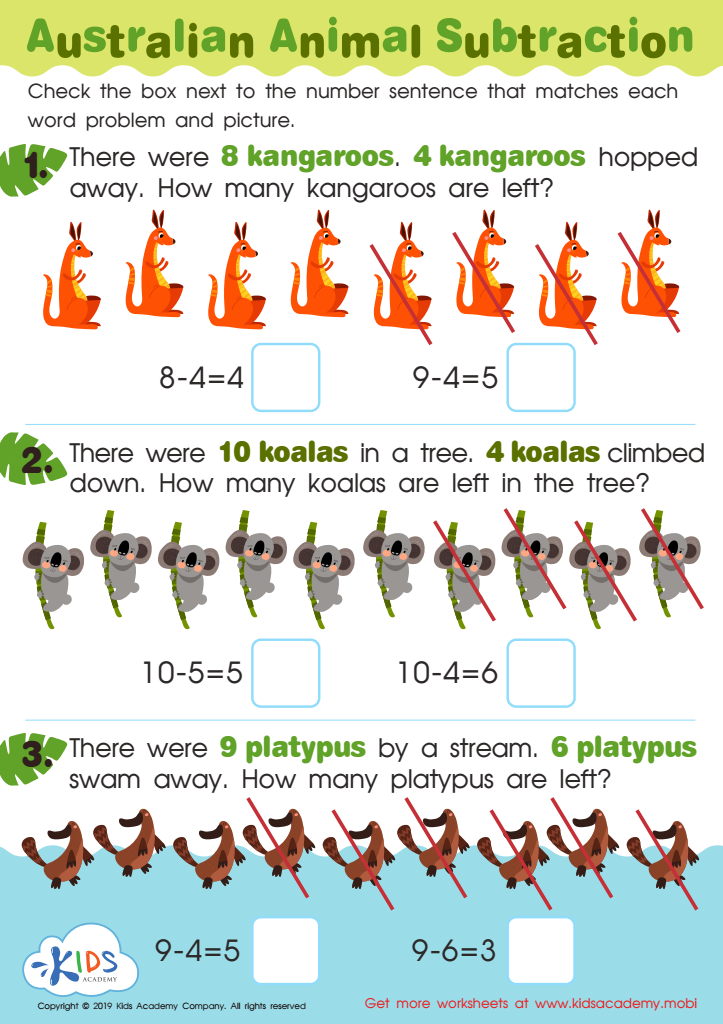
Australian Animal Subtraction Worksheet
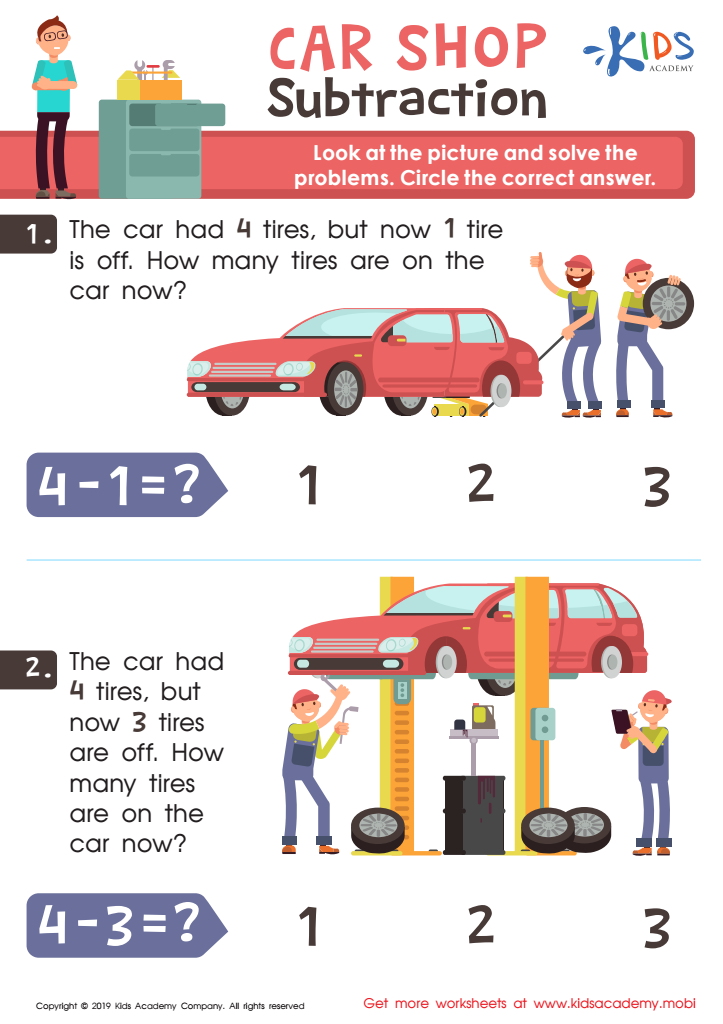
Car Shop Subtraction Worksheet
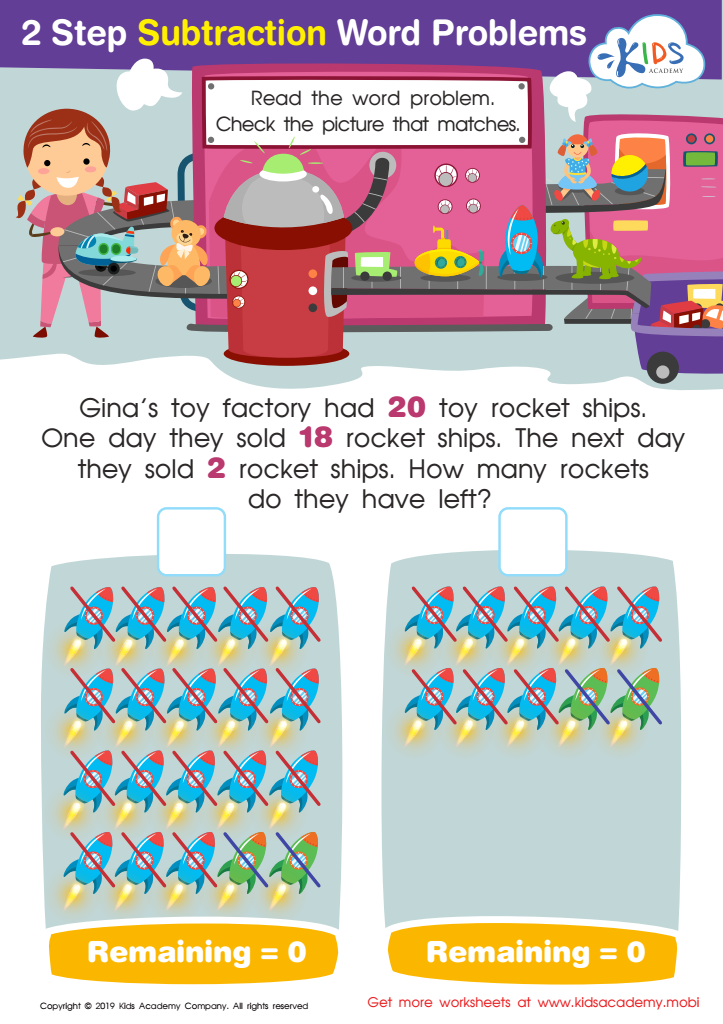
Step Subtraction Word Problems Worksheet
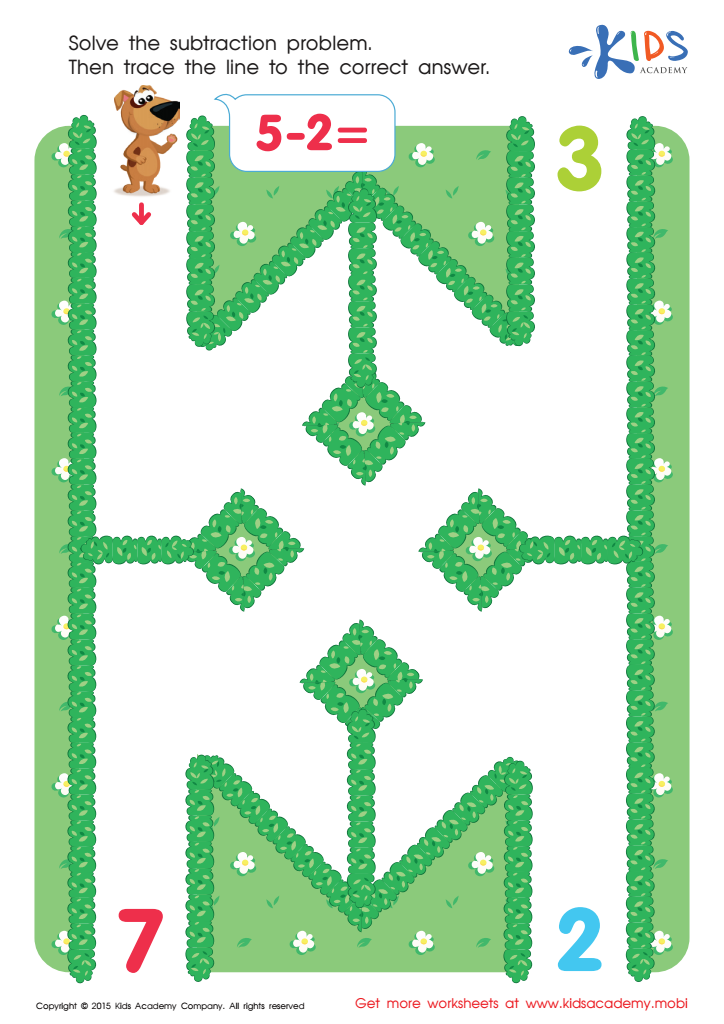
Five Minus Two Worksheet
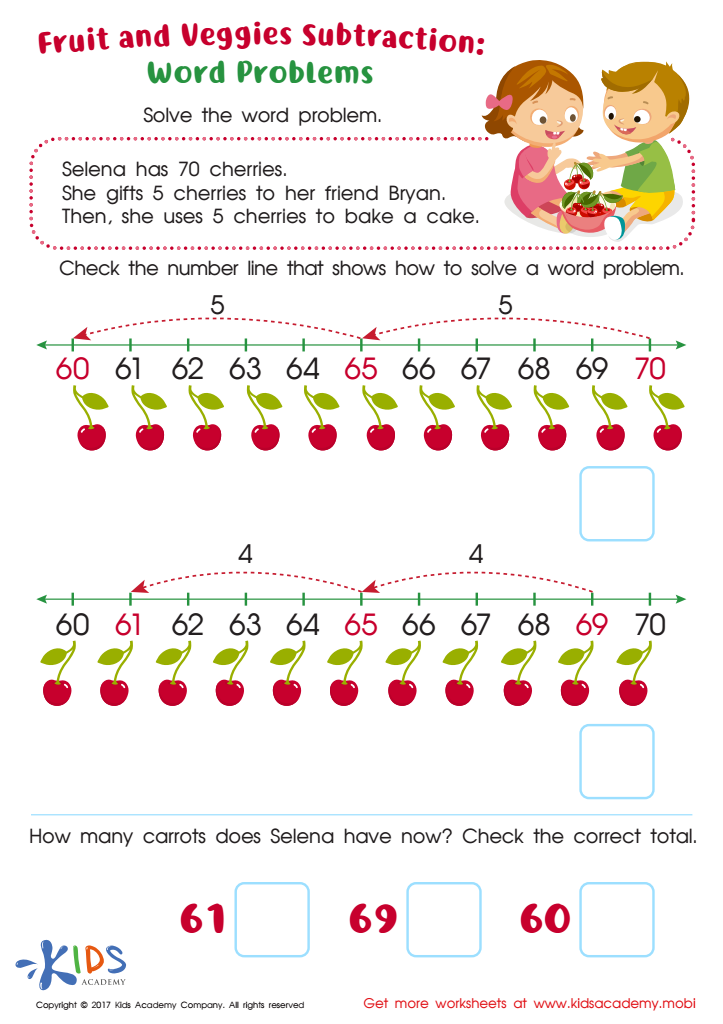
Subtraction Word Problems Free Printable
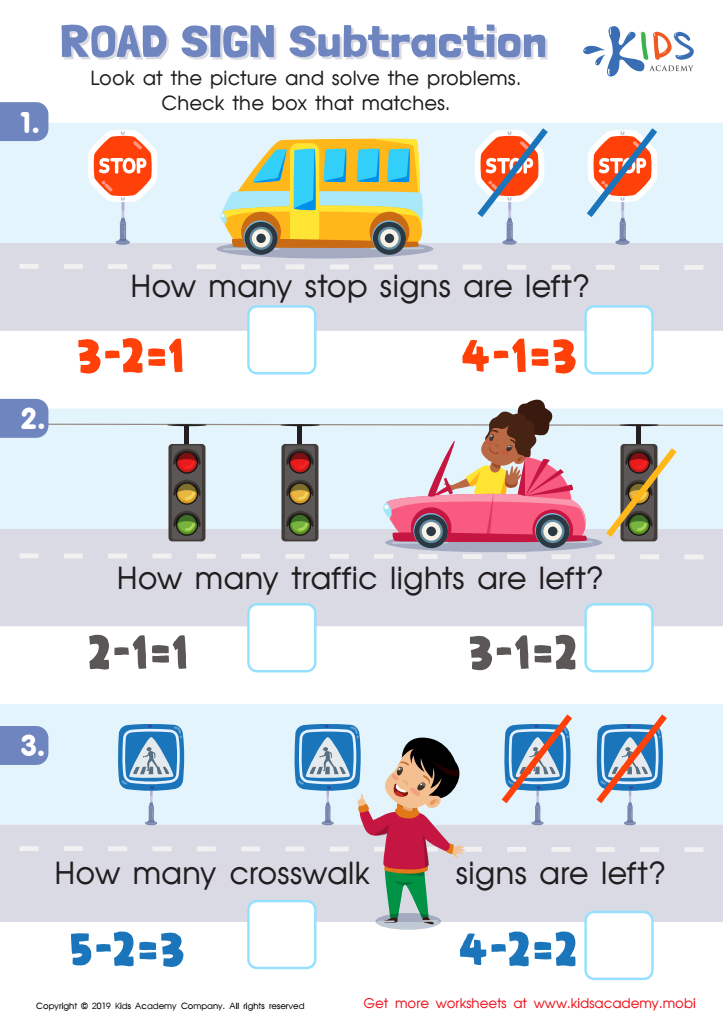
Road Sign Subtraction Worksheet








Subtraction practice for 3-year-olds is essential for several reasons. At this age, children are beginning to explore basic mathematical concepts, and subtraction introduces them to the concept of taking away, which helps build their understanding of numbers and quantities. Engaging in subtraction activities fosters critical thinking and problem-solving skills, as children learn to visualize the process of removing items from a set.
Furthermore, early subtraction practice enhances cognitive development. It promotes counting skills, helping children grasp the relationship between numbers and quantities. Simple subtraction games encourage social interaction, making learning fun and engaging while reinforcing cooperation and communication with peers.
In addition, early exposure to subtraction lays the groundwork for more advanced math skills later in life. As children become more comfortable with basic operations, they'll be better prepared for future challenges in mathematics and logical reasoning.
For parents and teachers, this early intervention not only nurtures a child's mathematical abilities but also boosts their confidence as learners. By providing opportunities for play-based subtraction practice, adults pave the way for a positive attitude towards math and problem-solving that can benefit children for years to come. Investing in these foundational skills sets the stage for academic success.








