Problem-Solving Skills Addition and Subtraction Word Problems Worksheets for 3-Year-Olds - Page 2
33 filtered results
-
From - To
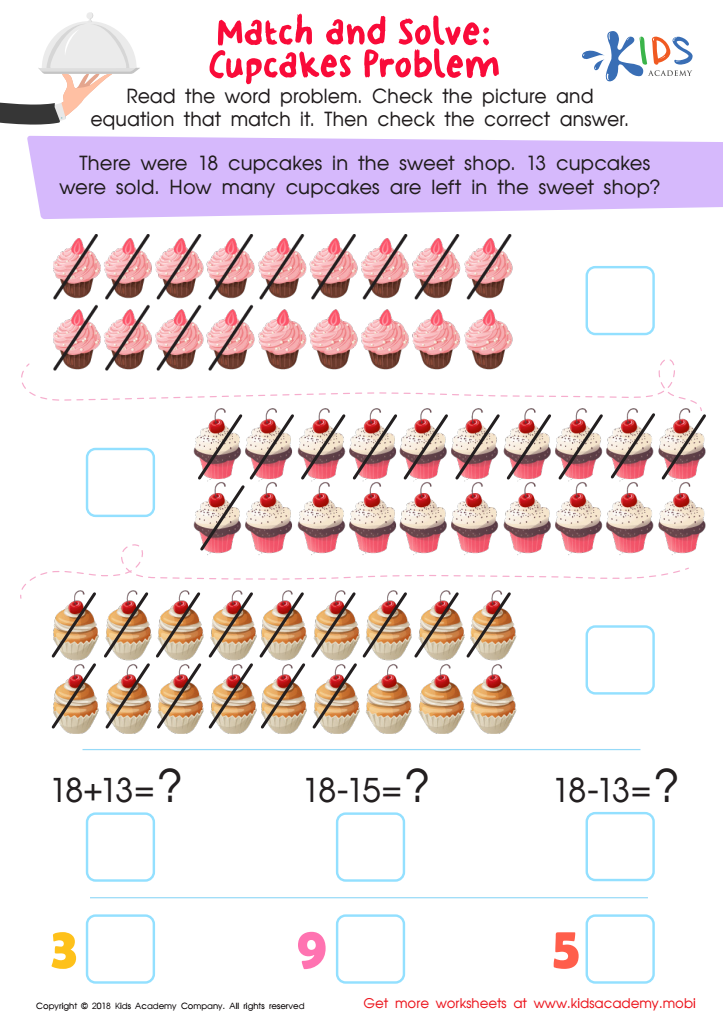
Match and Solve: Cupcakes Problem Worksheet
 Assign to My Students
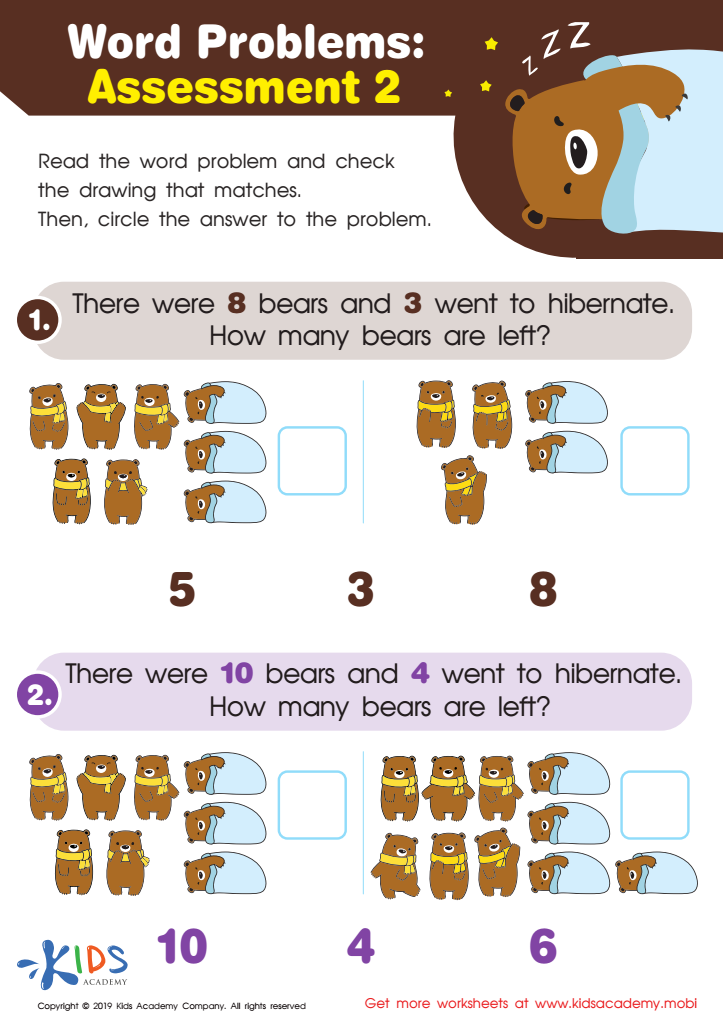
Word Problems: Assessment 2 Worksheet
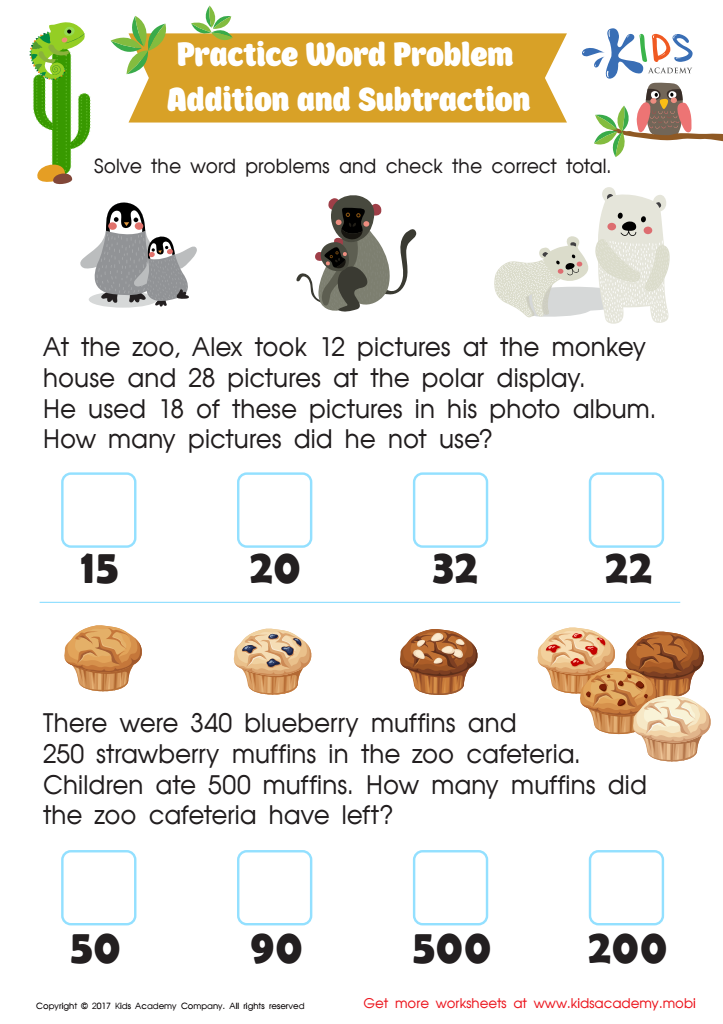
Addition and Subtraction: Word Problems Worksheet
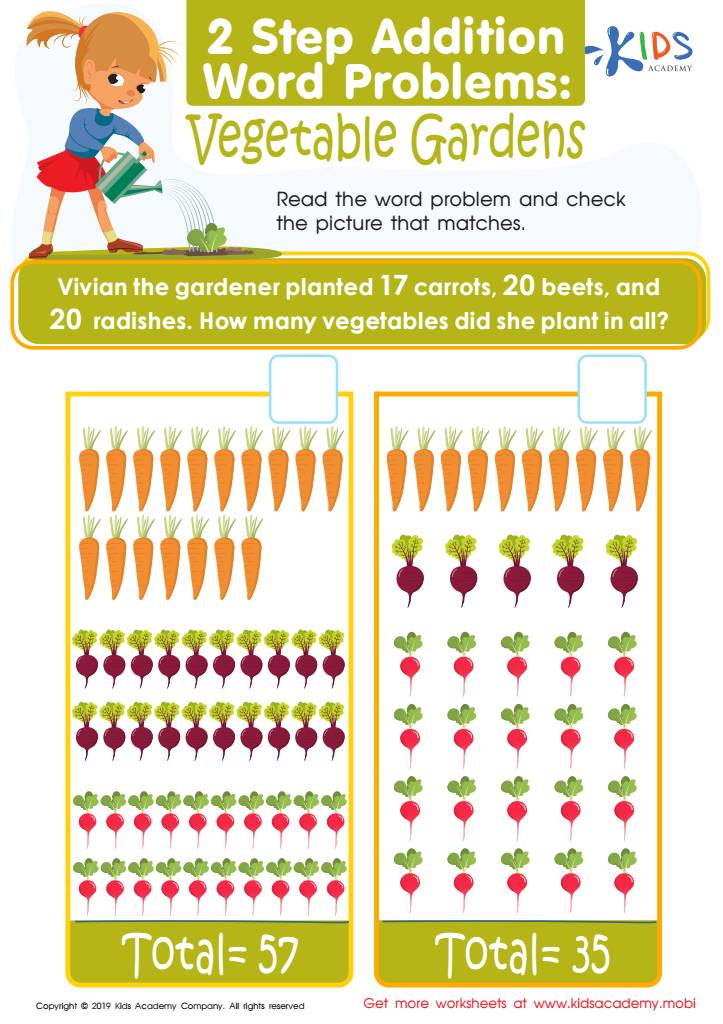
Vegetable Gardens Worksheet
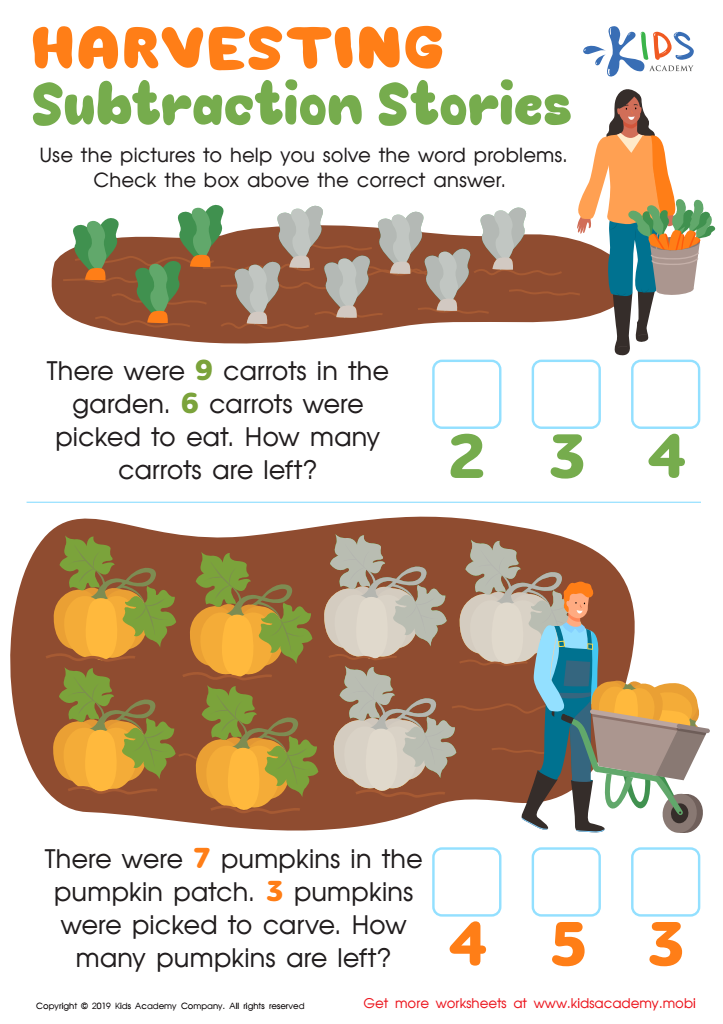
Harvesting Subtraction Stories Worksheet
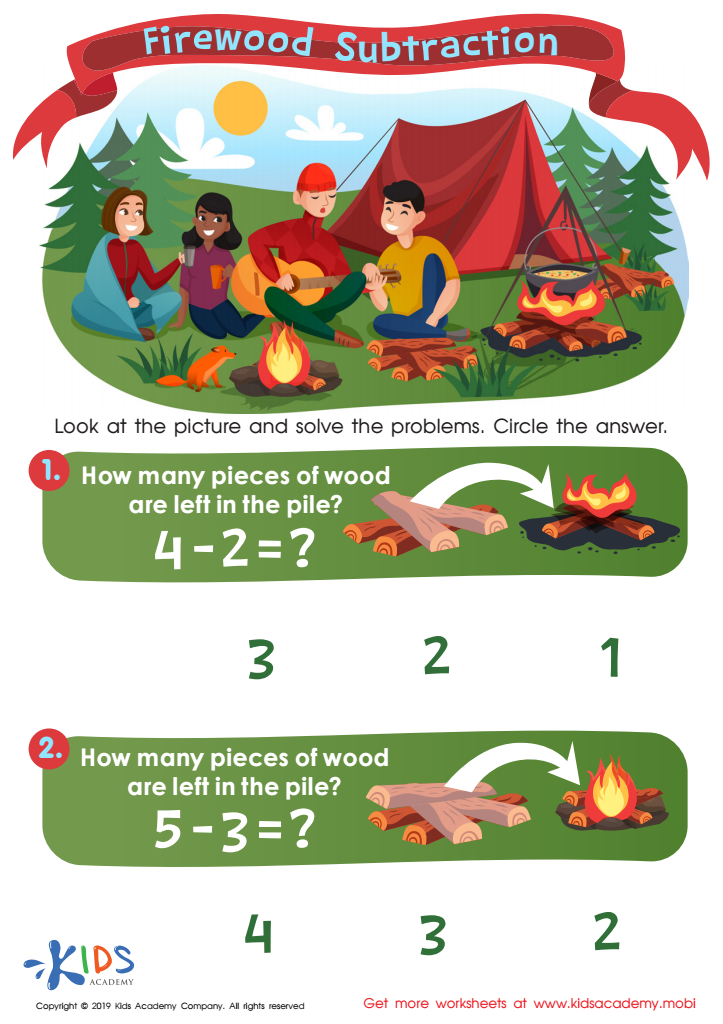
Firewood Subtraction Worksheet
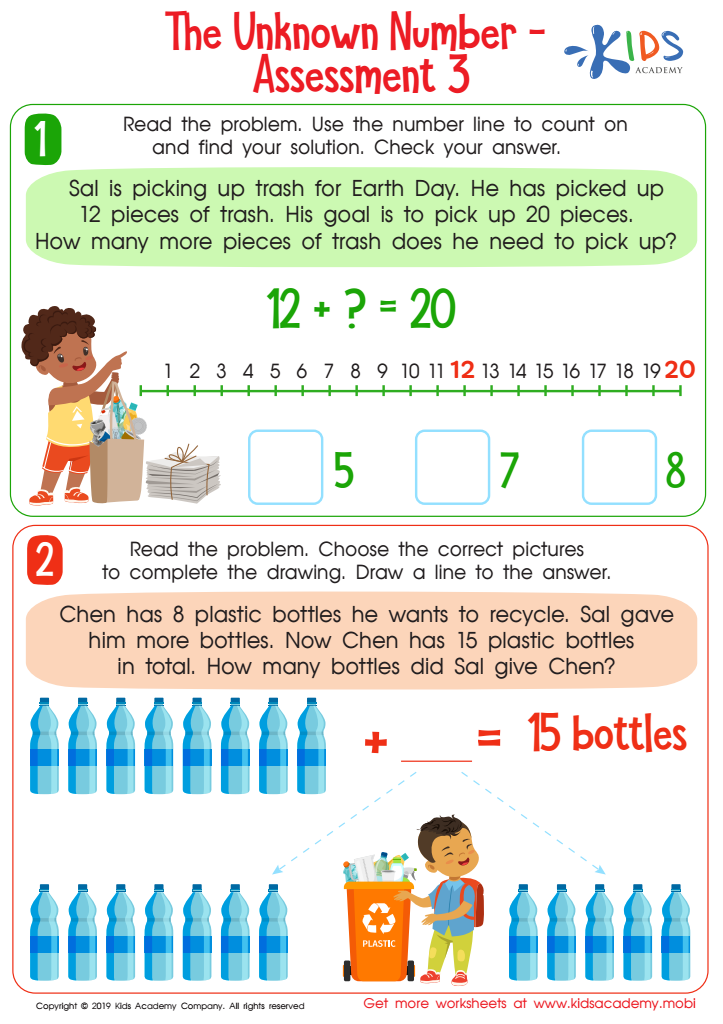
The Unknown Number - Assessment 3 Worksheet
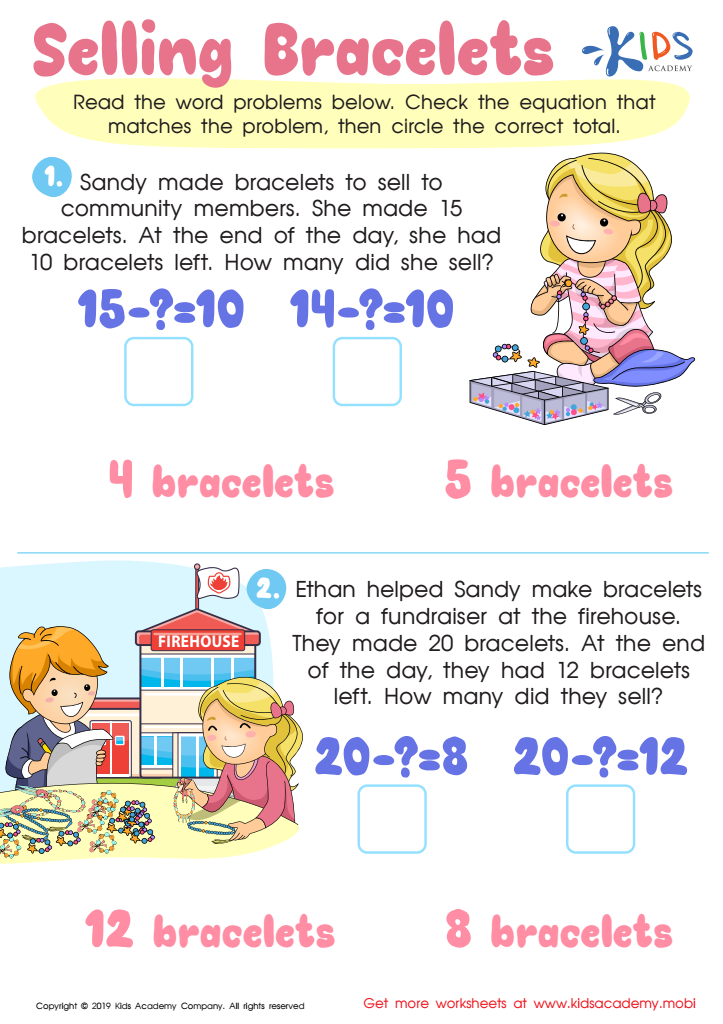
Selling the Bracelets Worksheet
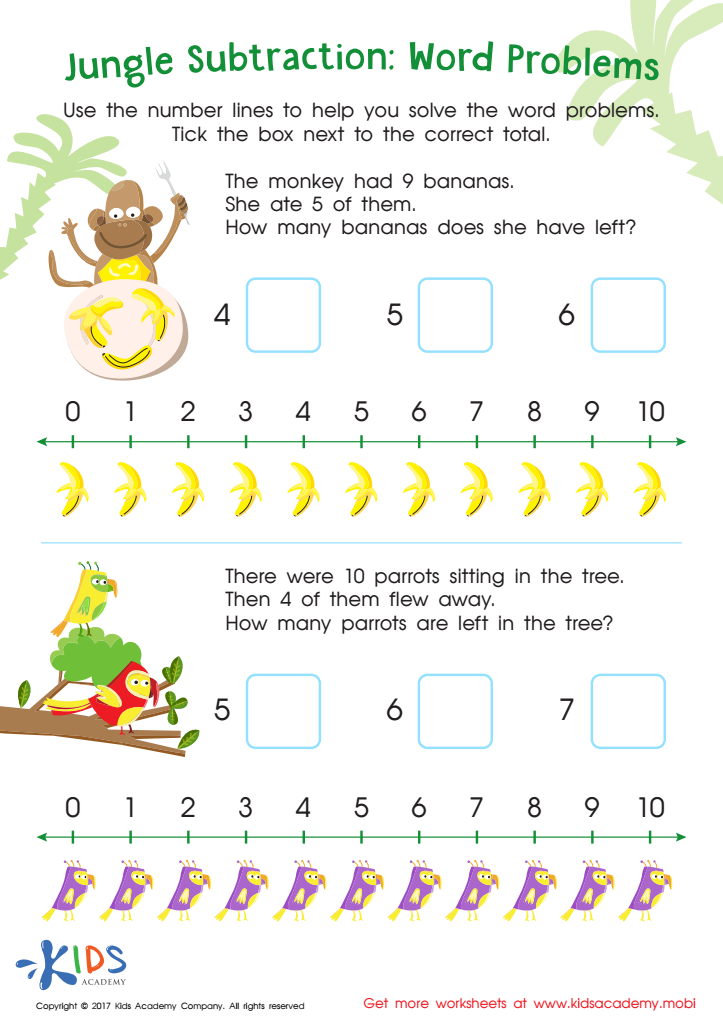
Jungle Subtraction Word Problems Substraction Worksheet








Problem-solving skills, specifically through addition and subtraction word problems, play a crucial role in a child's early development, even at the age of three. Engaging young learners in these activities fosters critical thinking and cognitive growth. When children encounter word problems, they learn to analyze situations, understand relationships, and develop strategies for finding solutions. This foundation is vital for more complex mathematical concepts they'll encounter in the future.
Furthermore, addressing these skills promotes language development as children learn to articulate their thoughts about numerical challenges. By listening and responding to word problems, children enhance their vocabulary and comprehension abilities, which are essential for all areas of learning. Additionally, involving parents and teachers in guided discussions about simple addition and subtraction scenarios creates a supportive learning environment, reinforcing the idea that math is everywhere in daily life.
Moreover, mastering problem-solving at this young age helps build confidence and resilience as children learn to tackle challenges independently. This early exposure sets the stage for positive attitudes toward math and learning, ultimately encouraging a lifelong love of education. Therefore, parents and teachers should prioritize problem-solving skills in young children, paving the way for their academic success and overall development.