Basic Addition Numbers Worksheets for 3-Year-Olds
24 filtered results
-
From - To
Introduce your little learner to the world of math with our "Basic Addition Numbers Worksheets for 3-Year-Olds". These engaging, age-appropriate worksheets focus on simple addition tasks that help develop your child's counting and number recognition skills. Each worksheet combines colorful illustrations with easy-to-follow instructions, making learning fun and enjoyable. Designed to give youngsters a strong mathematical foundation, these addition activities encourage curiosity and build confidence in their numerical abilities. Perfect for both preschool and at-home practice, our worksheets offer an excellent start to your child's educational journey in a playful and interactive way.
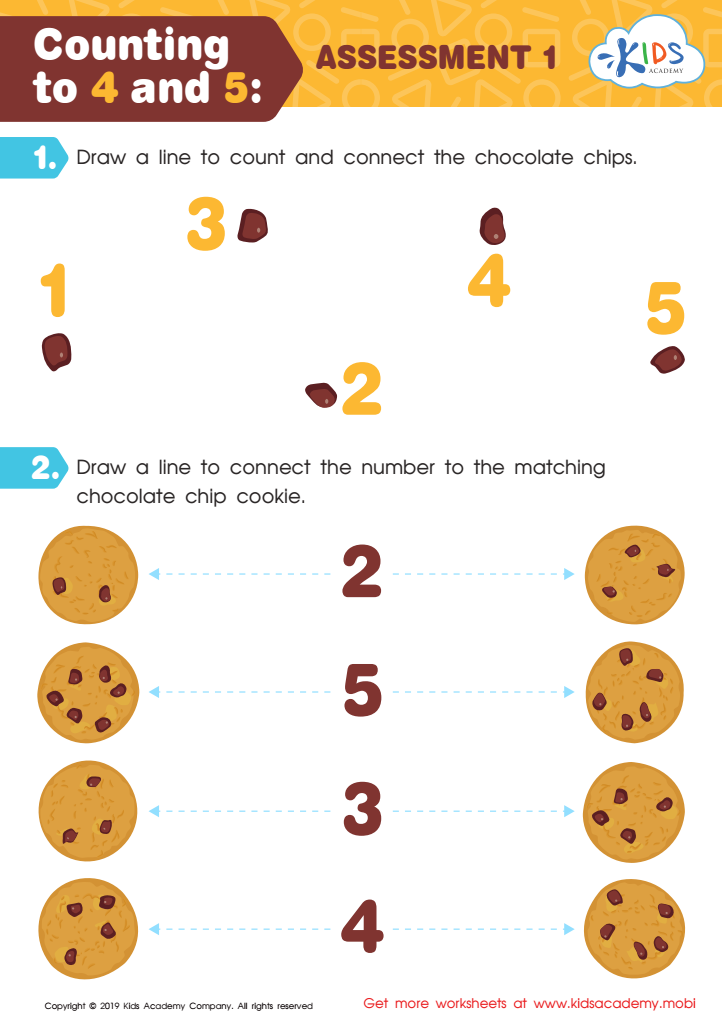
Counting to 4 and 5: Assessment 1 Worksheet
 Assign to My Students
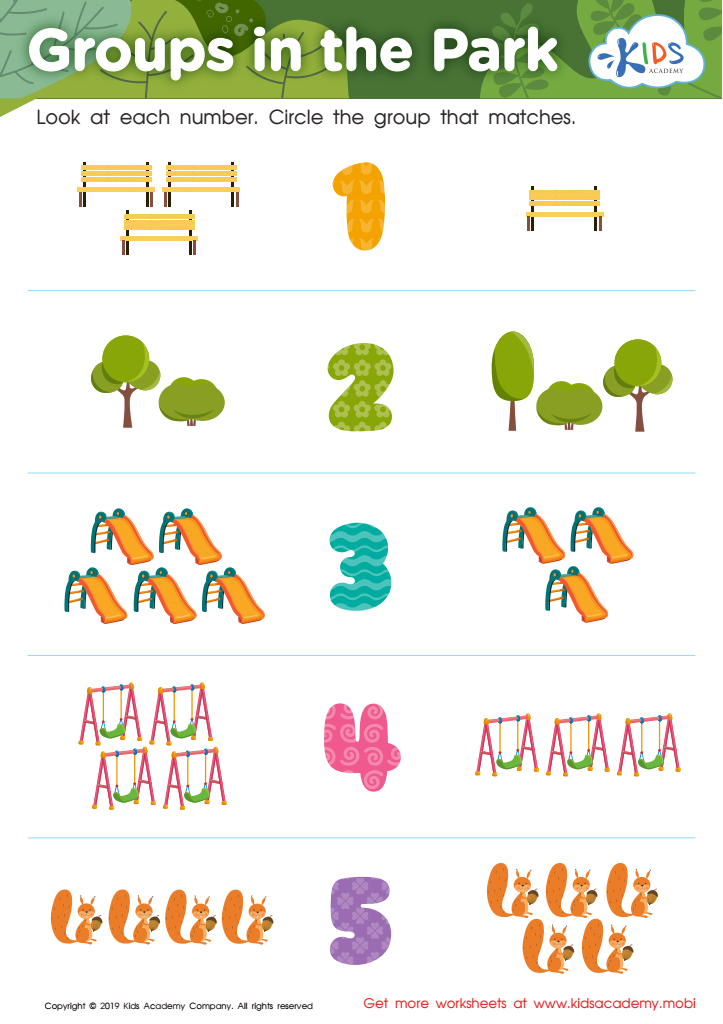
Groups in the Park Worksheet
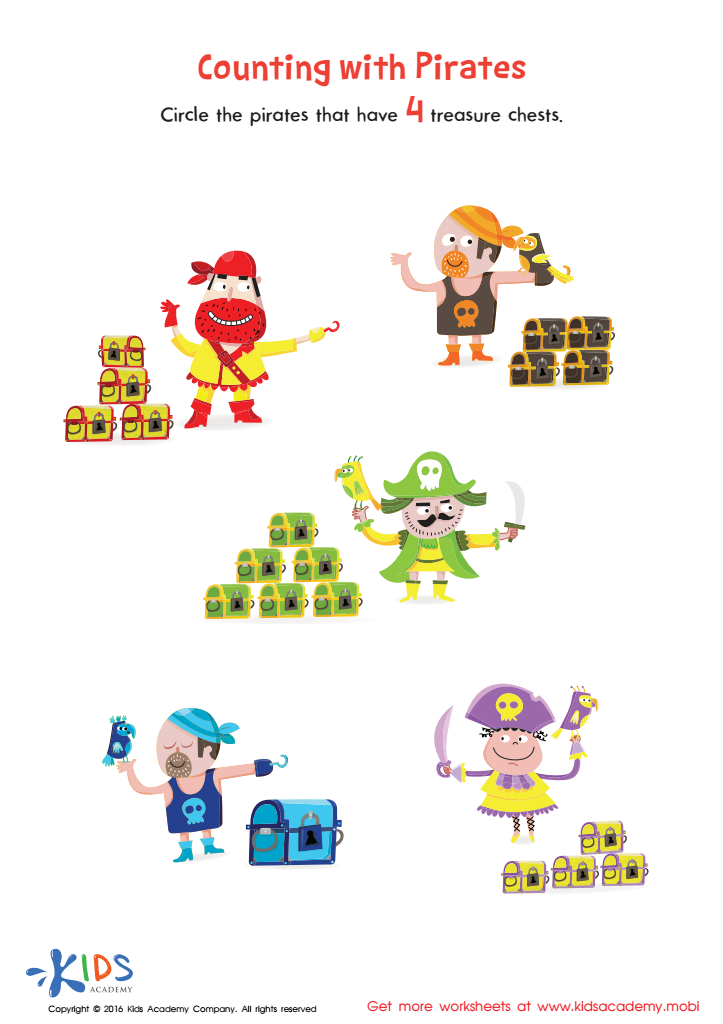
Counting With Pirates Worksheet
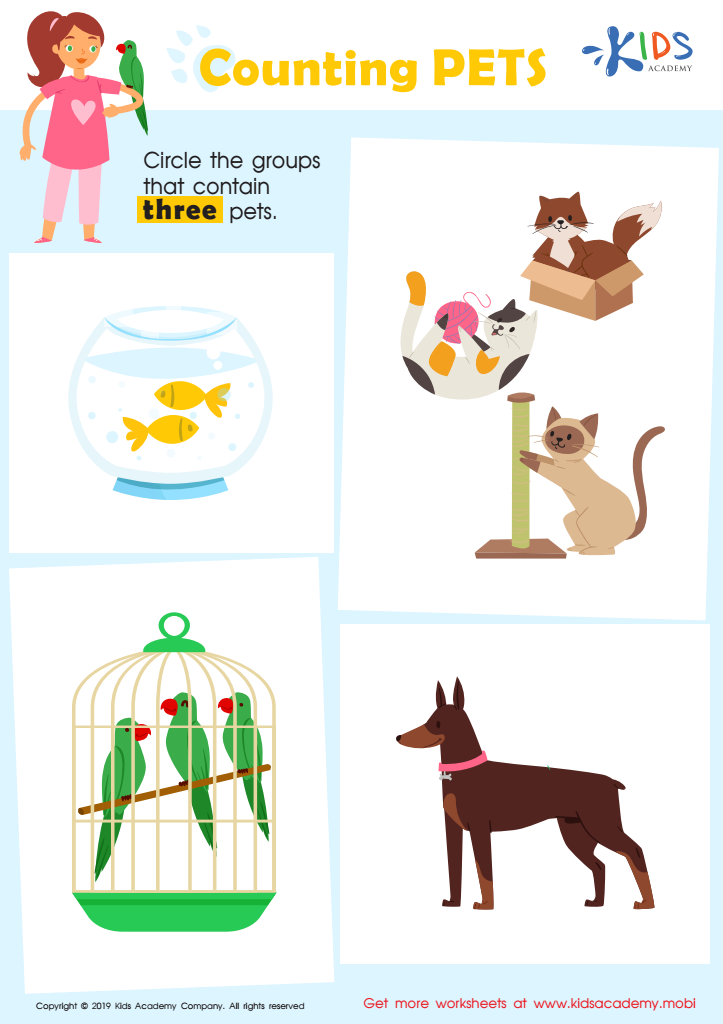
Counting Pets Worksheet
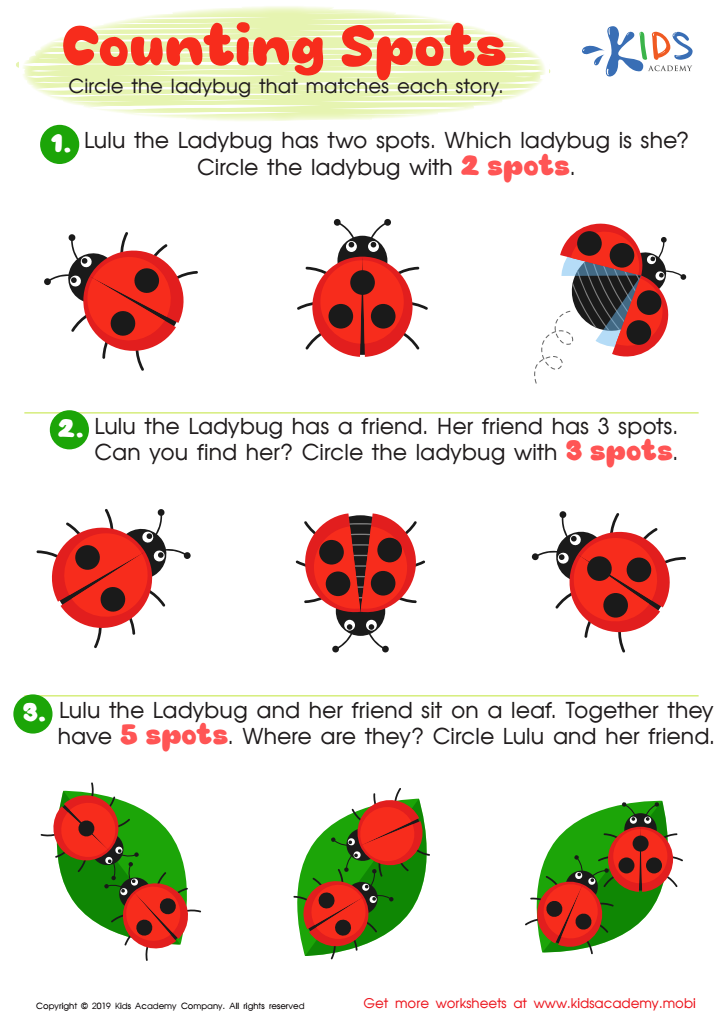
Counting Spots Worksheet
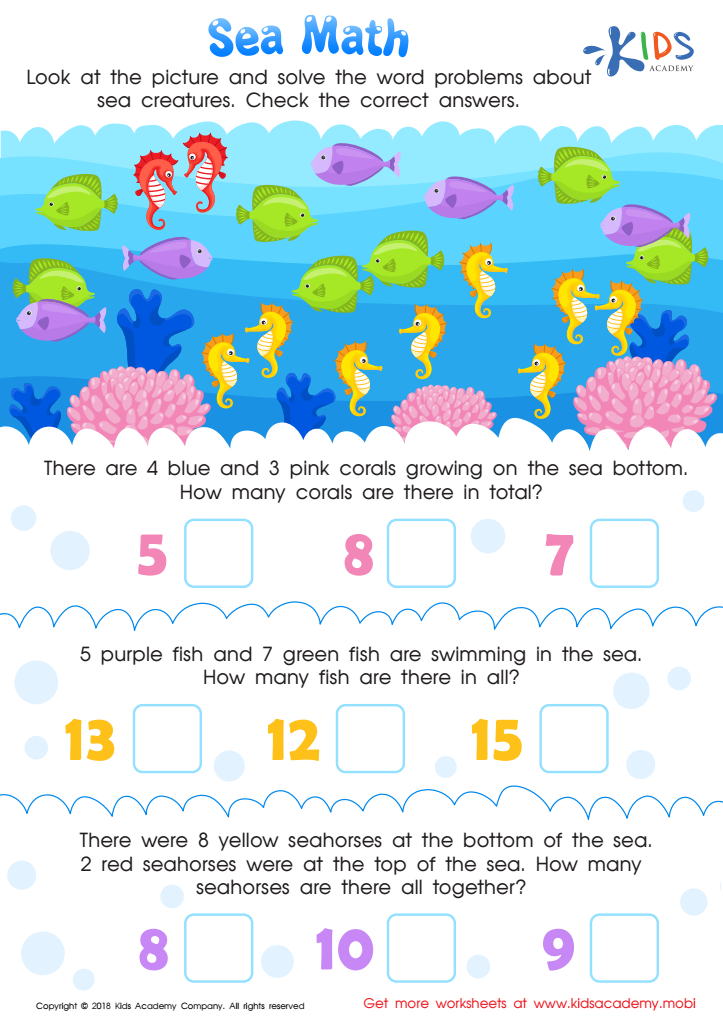
Sea Math Worksheet
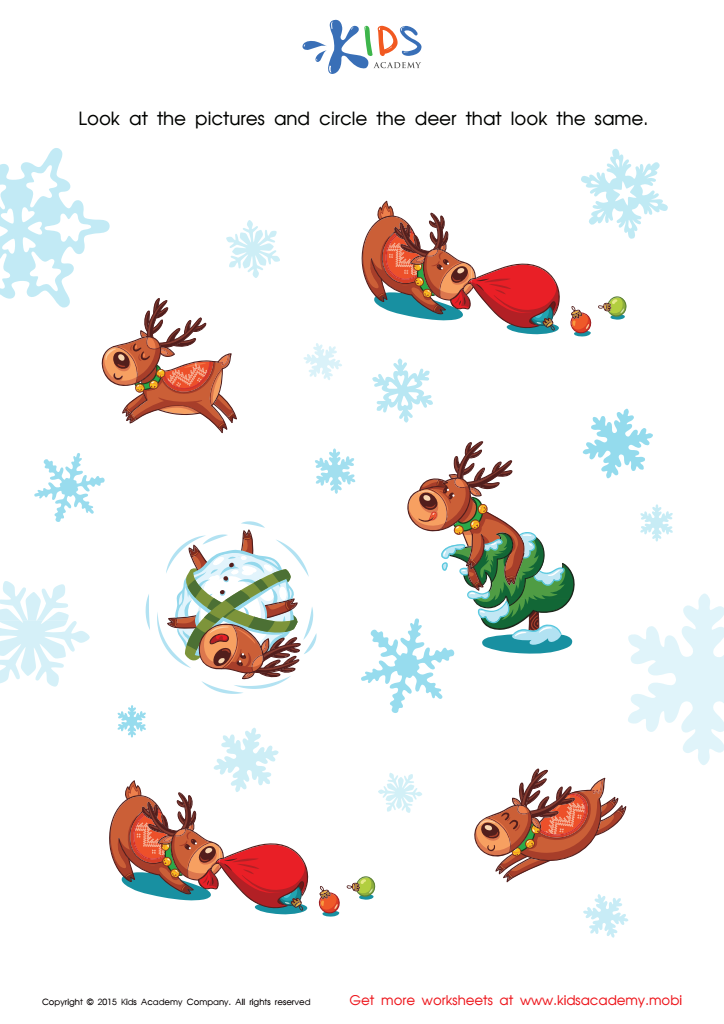
Count the Deer Worksheet
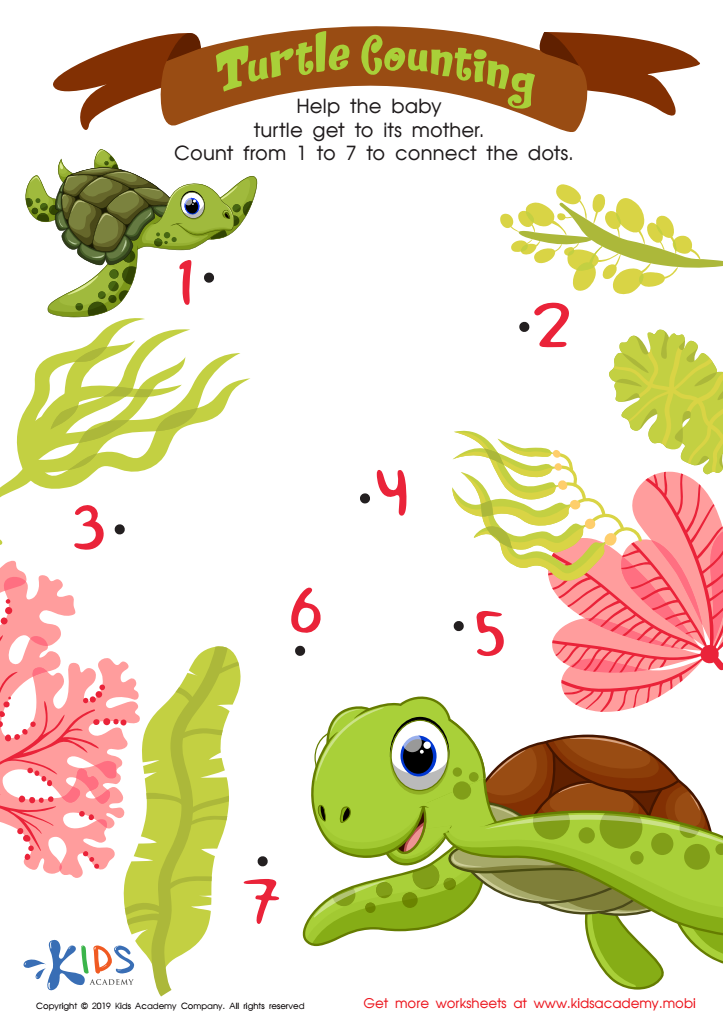
Turtle Counting Worksheet
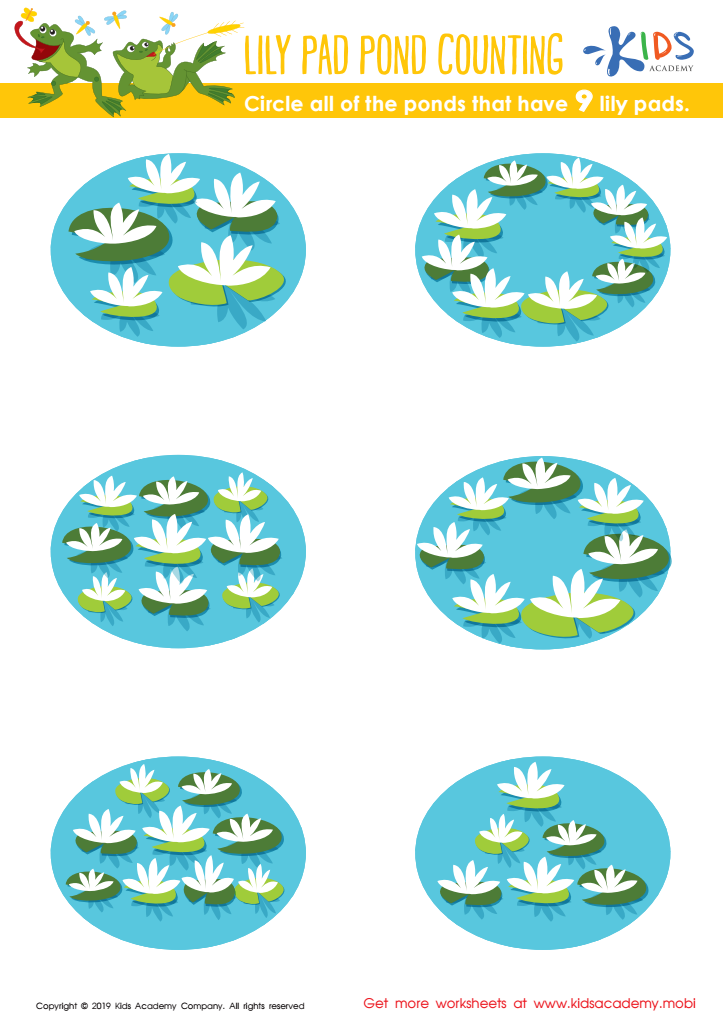
Lily Pad Pond Counting Worksheet
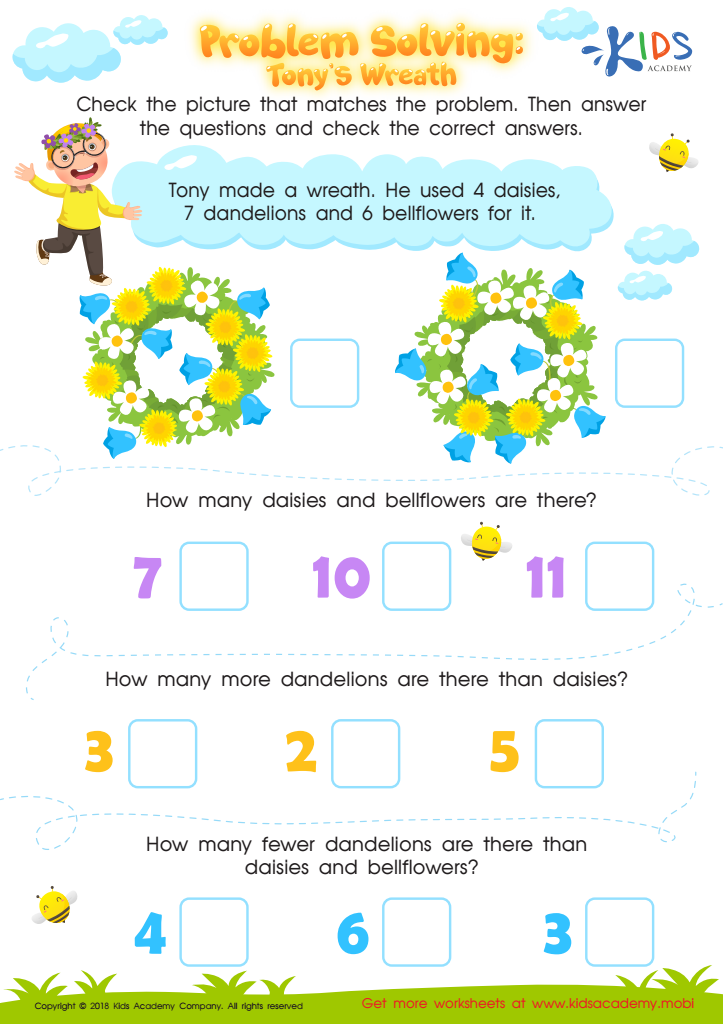
Problem Solving: Tony's Wreath Worksheet
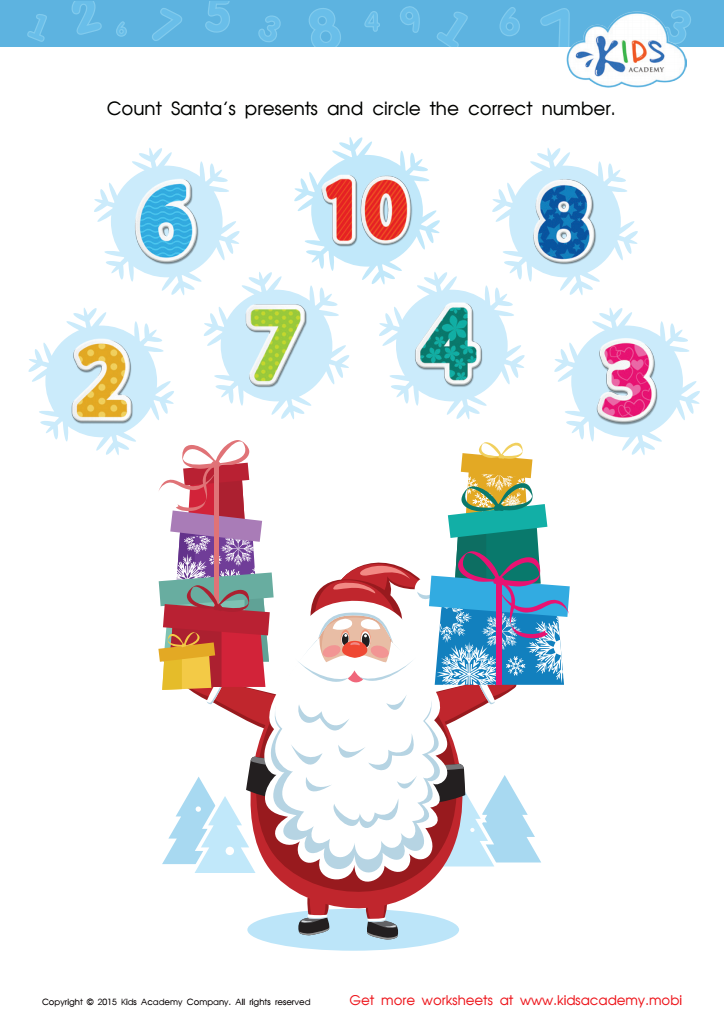
Count Santa's Presents Worksheet
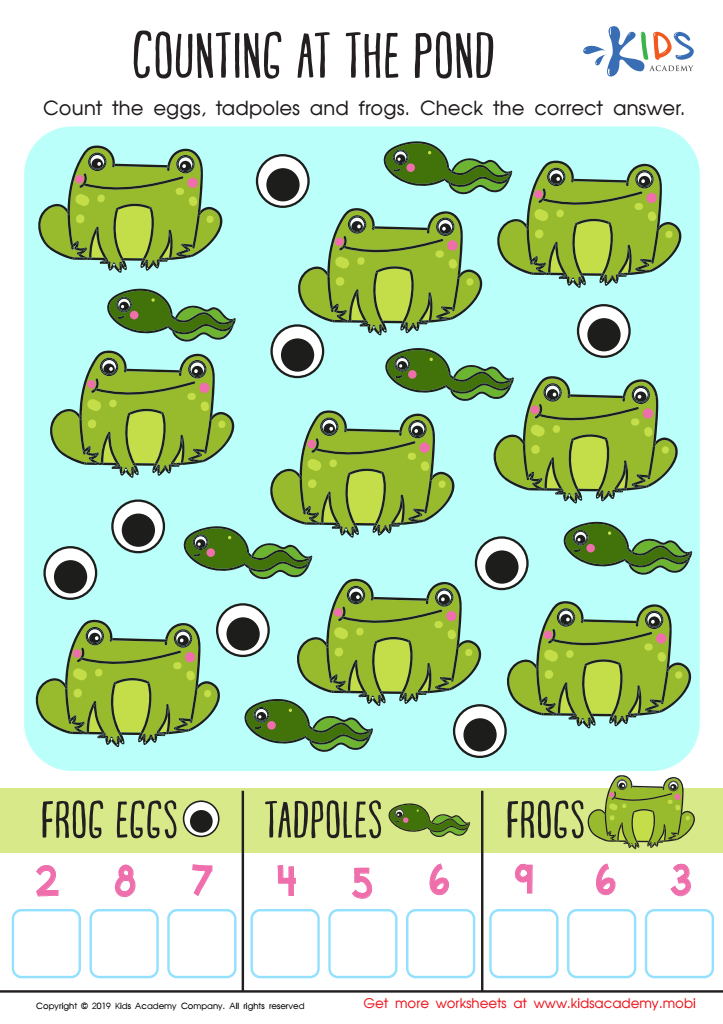
Counting at the Pond Worksheet
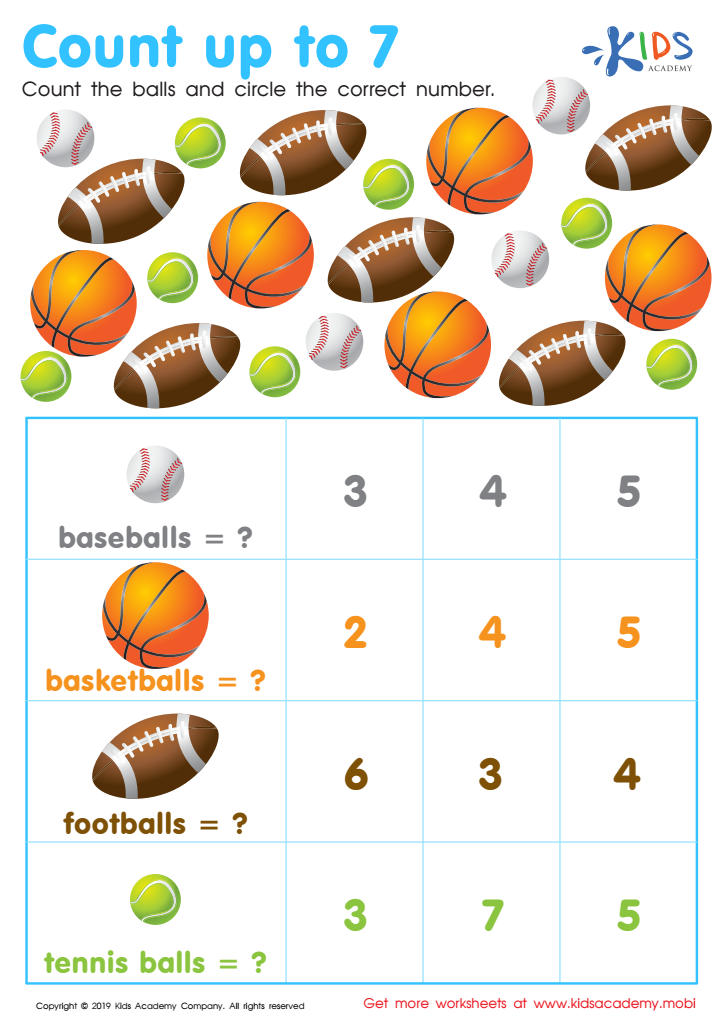
Count up to 7 Worksheet
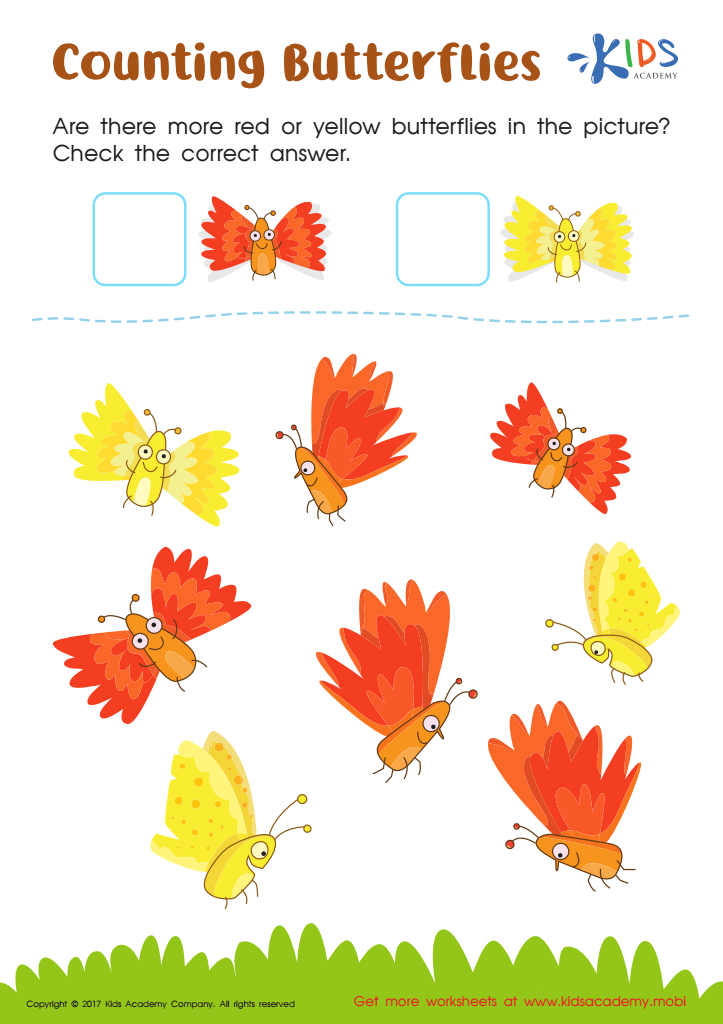
Counting Butterflies Worksheet
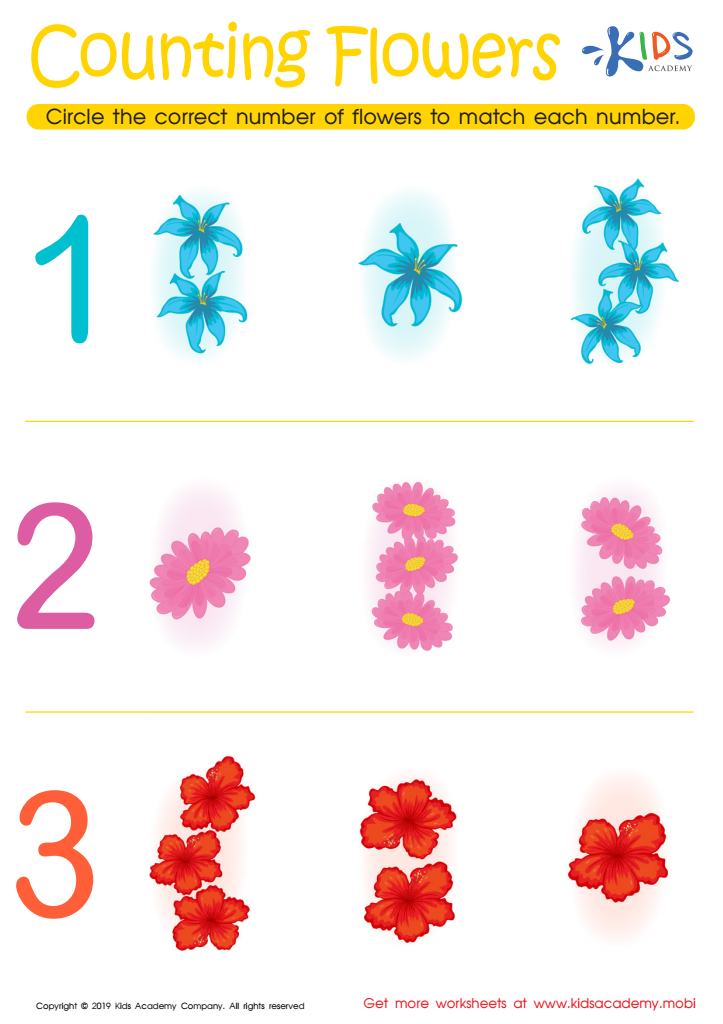
Counting Flowers Worksheet
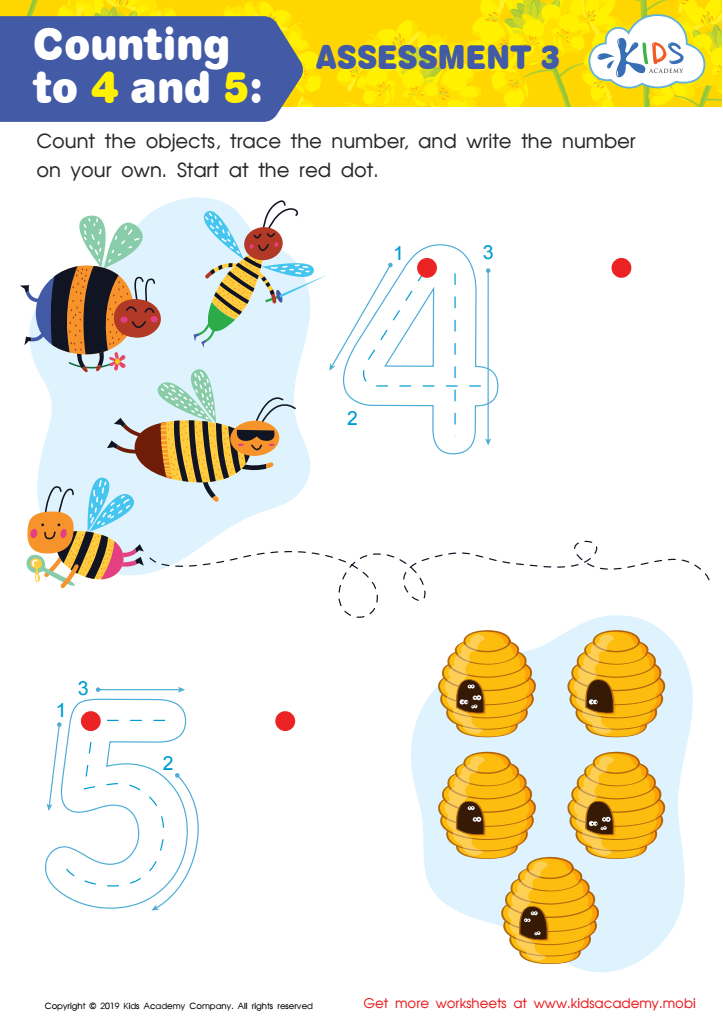
Counting to 4 and 5: Assessment 3 Worksheet
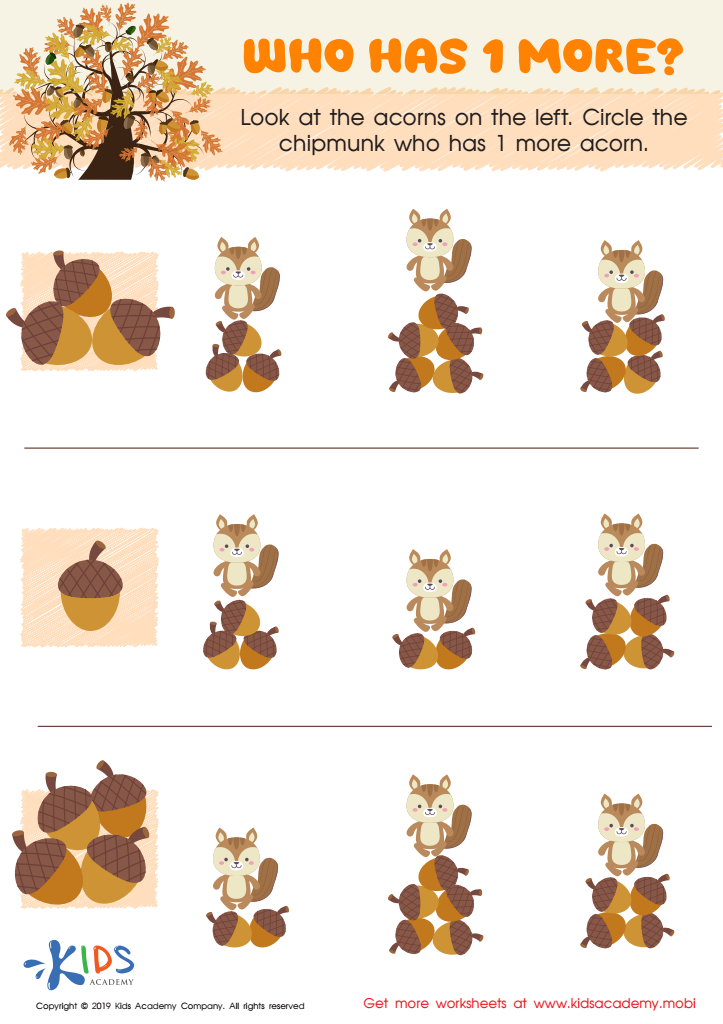
Who Has 1 More? Worksheet
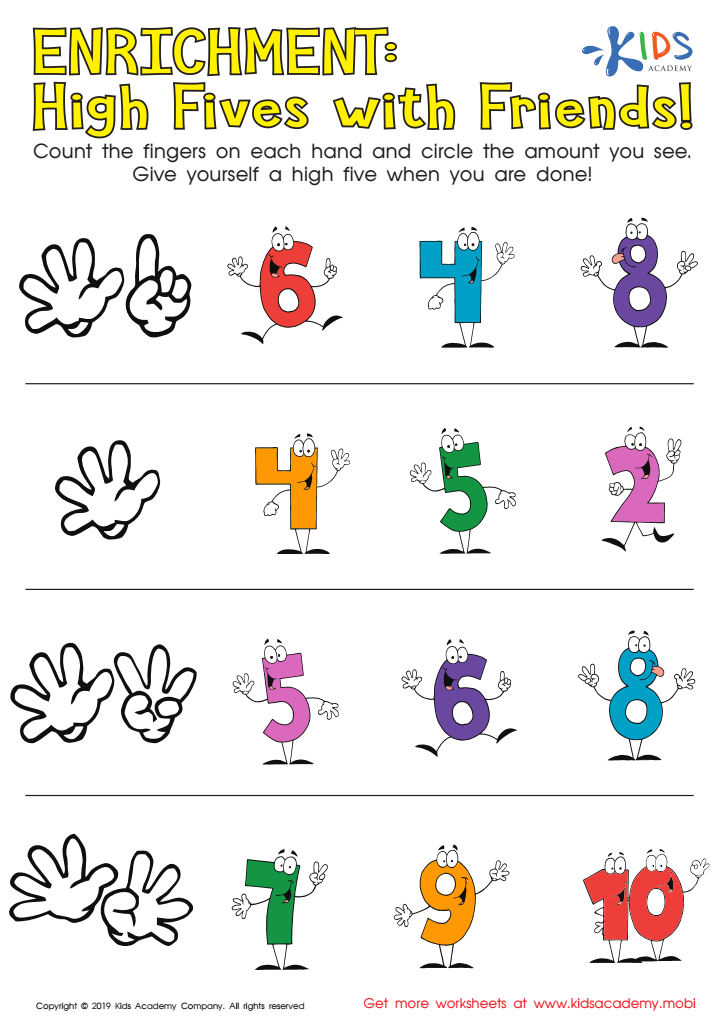
Enrichment: High Fives with Friends! Worksheet
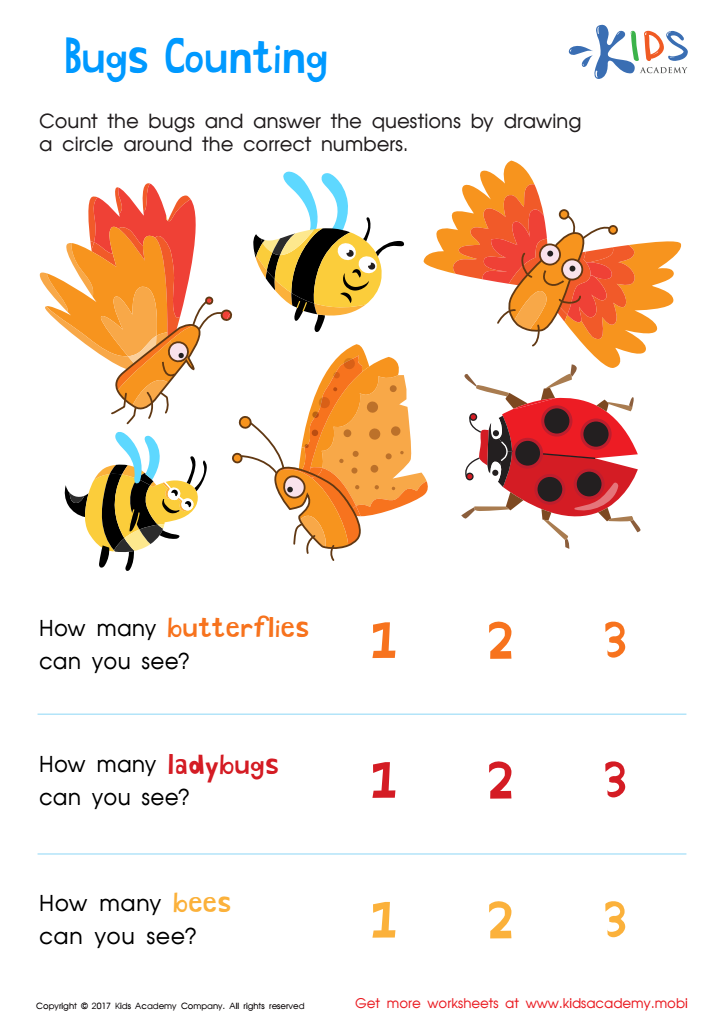
Bugs Counting Worksheet
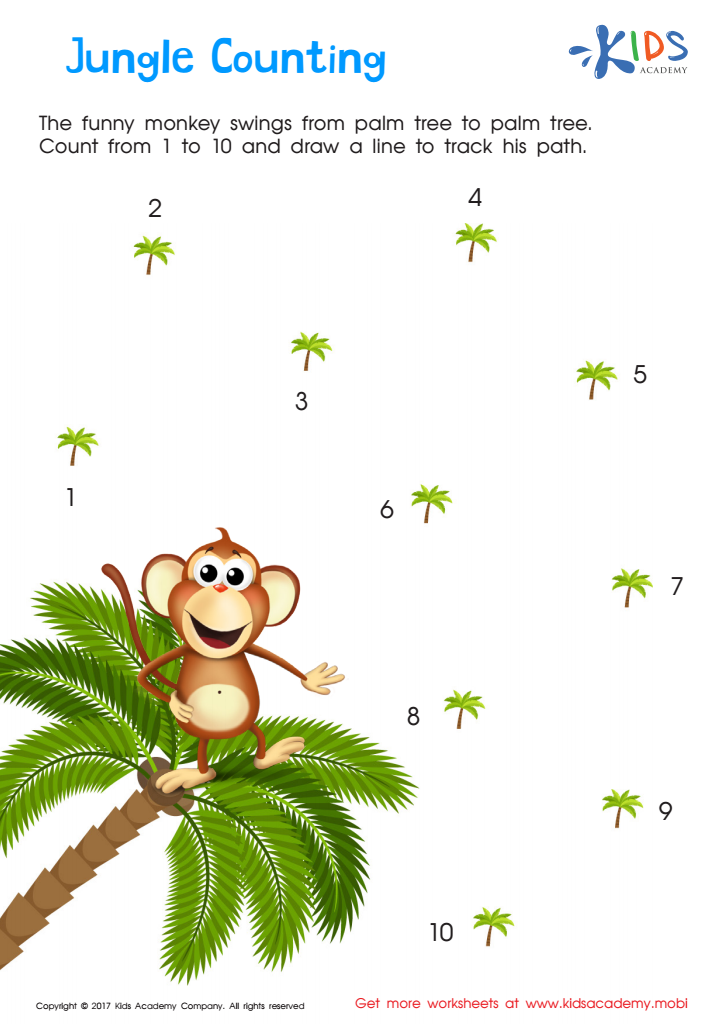
Jungle Counting Connect Dots Worksheet
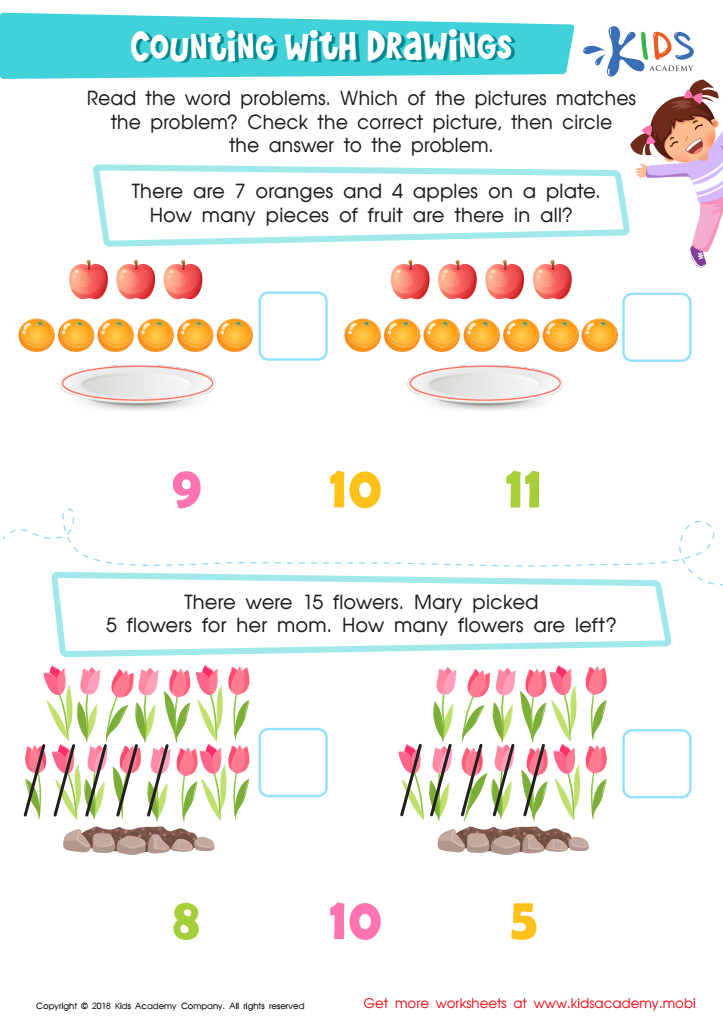
Counting with Drawings:Fruits & Flowers Worksheet
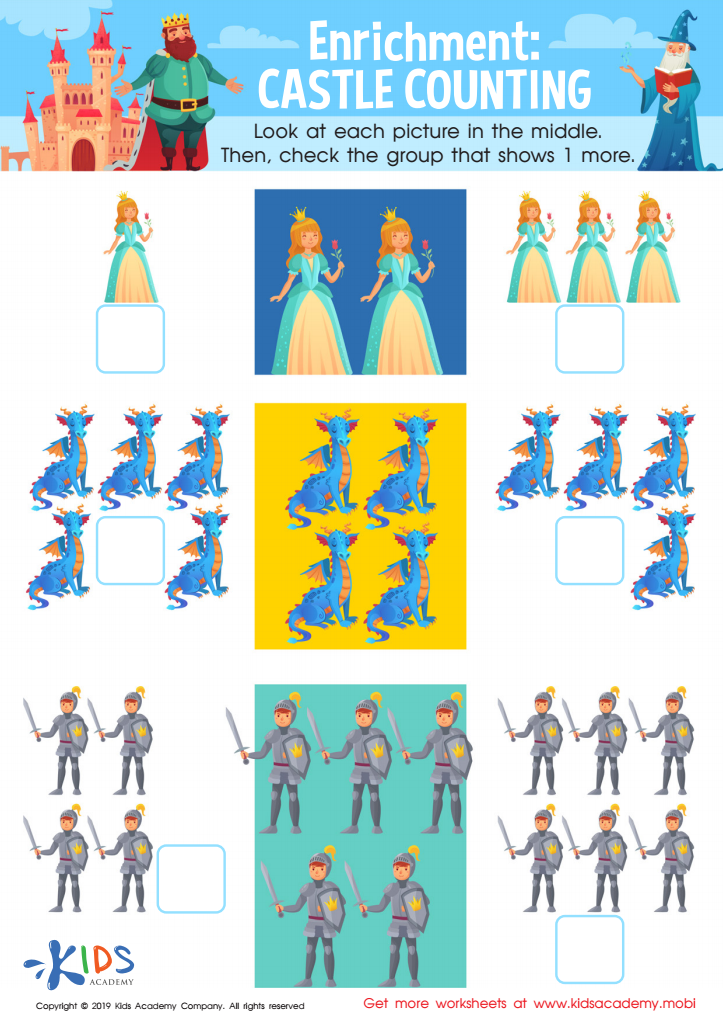
Enrichment: Castle Counting Worksheet
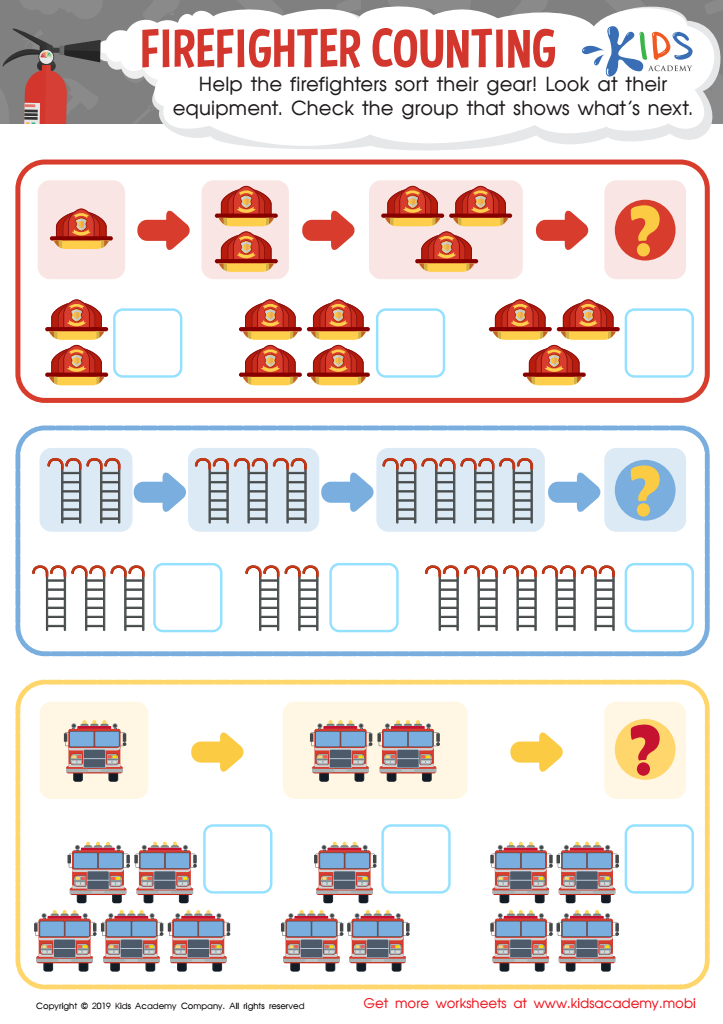
Firefighter Counting Worksheet
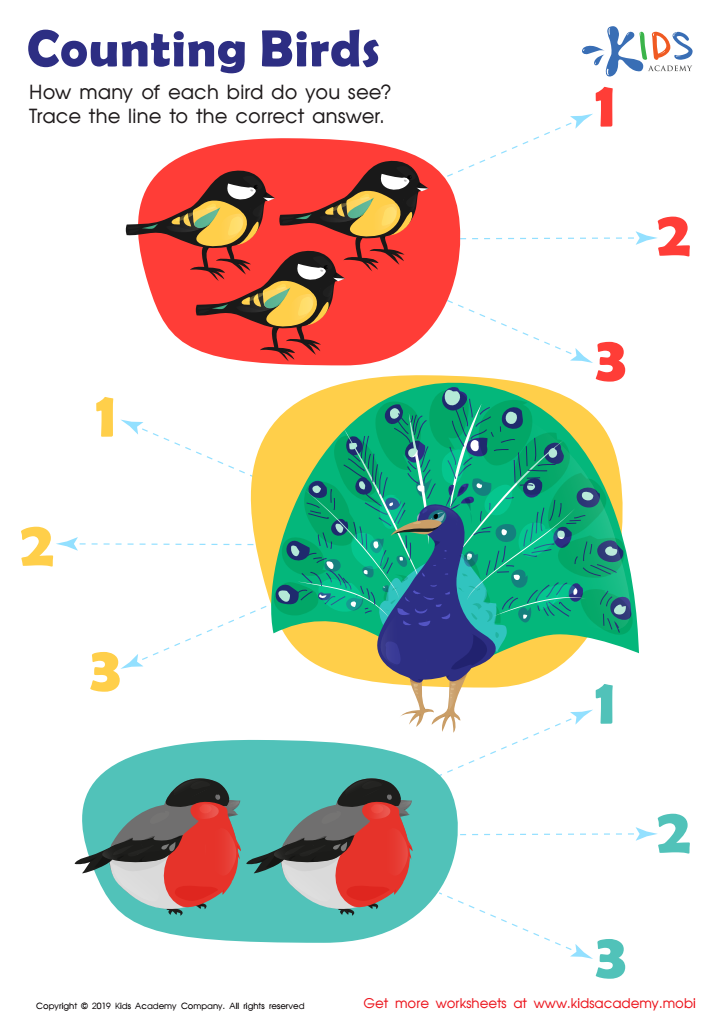
Counting Birds Worksheet






Early childhood education lays the foundation for later academic success, and basic addition skills are a crucial component of this foundational learning. For parents and teachers, focusing on basic addition for 3-year-olds offers numerous benefits.
First, early exposure to addition nurtures cognitive development. Numbers and arithmetic are fundamental to problem-solving and logical thinking—skills that children will use throughout their lives. By grasping basic addition early, children create mental connections that simplify more complex mathematical concepts later on.
Second, mastering basic addition fosters confidence. As children succeed in small, manageable tasks like adding single-digit numbers, they build self-assurance and a positive attitude toward learning in general. This early success can set the stage for a lifelong love of learning.
Third, math activities create opportunities for parents and teachers to engage with children meaningfully. Simple addition exercises using toys, games, or everyday objects turn abstract concepts into tangible learning experiences. It also allows adults to observe and support individual learning needs, ensuring each child progresses at their own pace.
In summary, teaching basic addition to 3-year-olds supports cognitive development, fosters confidence, and strengthens adult-child relationships, establishing a robust foundation for continued educational growth.








