Reading comprehension Matching Worksheets for 3-Year-Olds
7 filtered results
-
From - To
Our Reading Comprehension Matching Worksheets for 3-year-olds are designed to help young learners build crucial early reading skills. These engaging and educational worksheets combine vibrant illustrations with simple matching activities to enhance comprehension and cognitive abilities. As children match pictures with corresponding words or phrases, they develop critical thinking, concentration, and vocabulary. Perfect for parents and educators, our worksheets provide a fun and interactive way to support early literacy development. With a variety of themes and scenarios, these worksheets keep kids excited about learning while paving the way for academic success. Discover how our worksheets can make reading fun for your little learner!
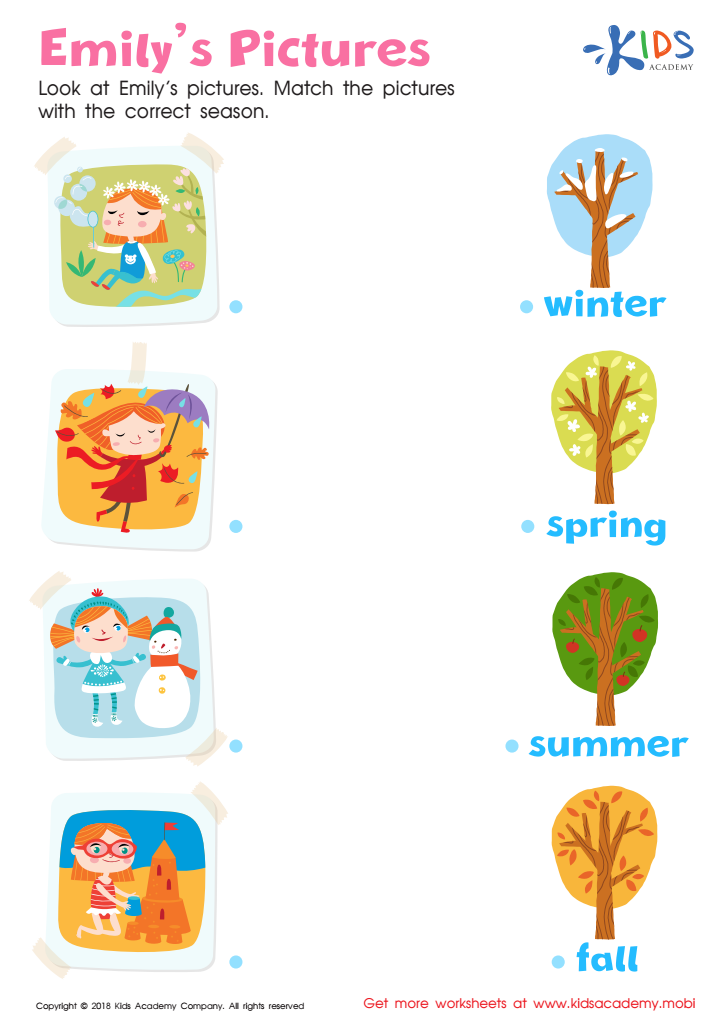
Emily's Pictures Worksheet
 Assign to My Students
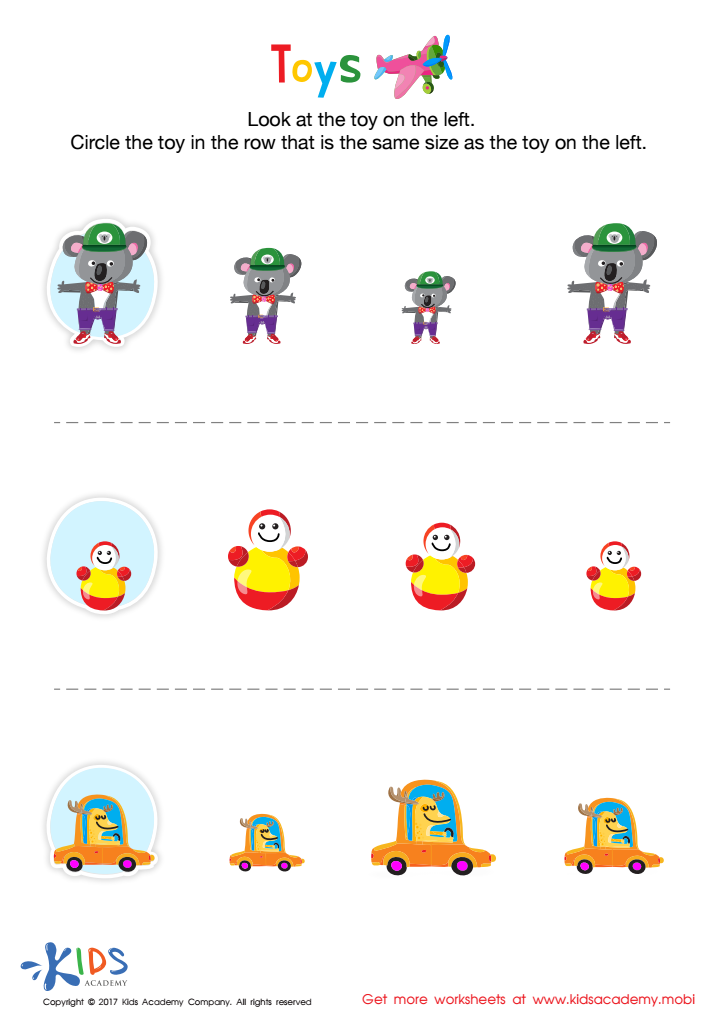
Matching: Classifying Toys by Size Worksheet
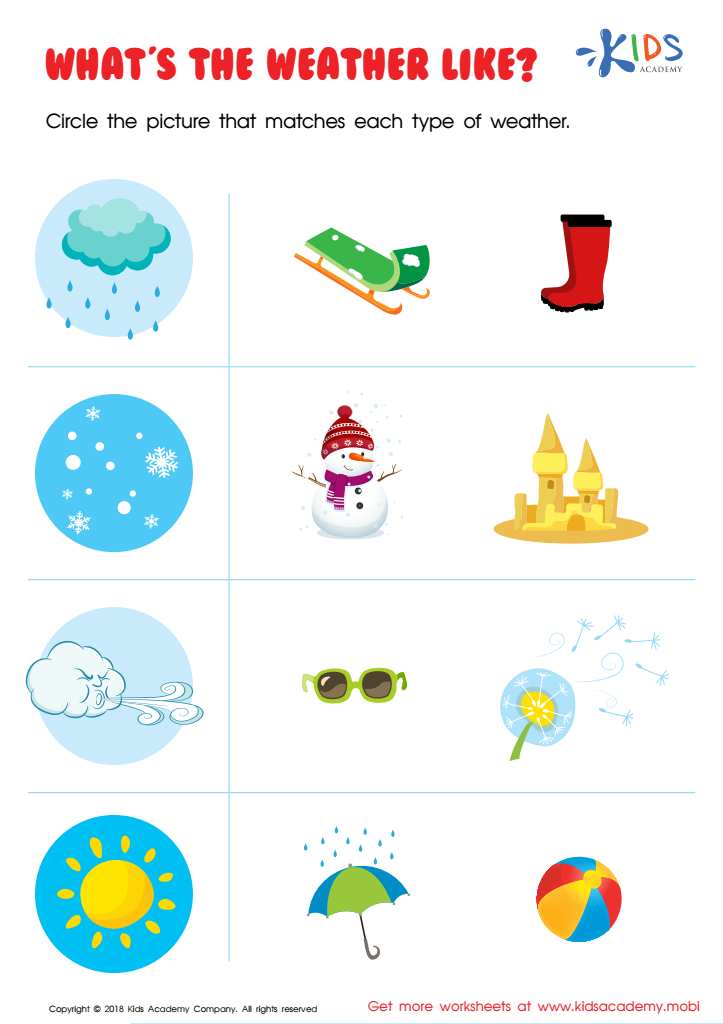
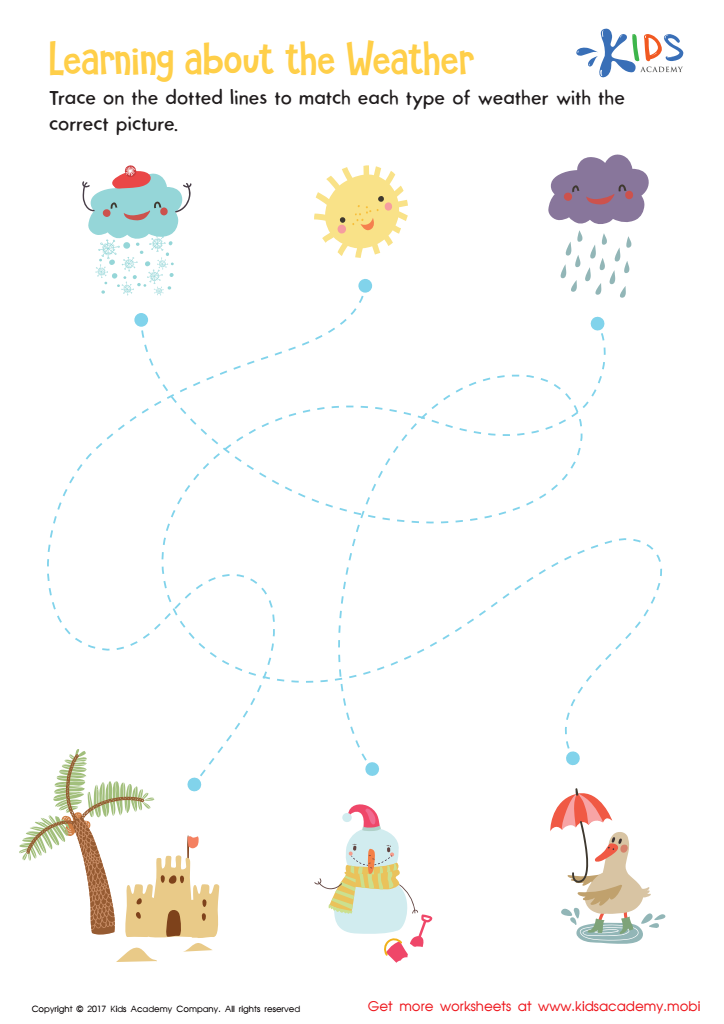
What's the Weather Like? Worksheet
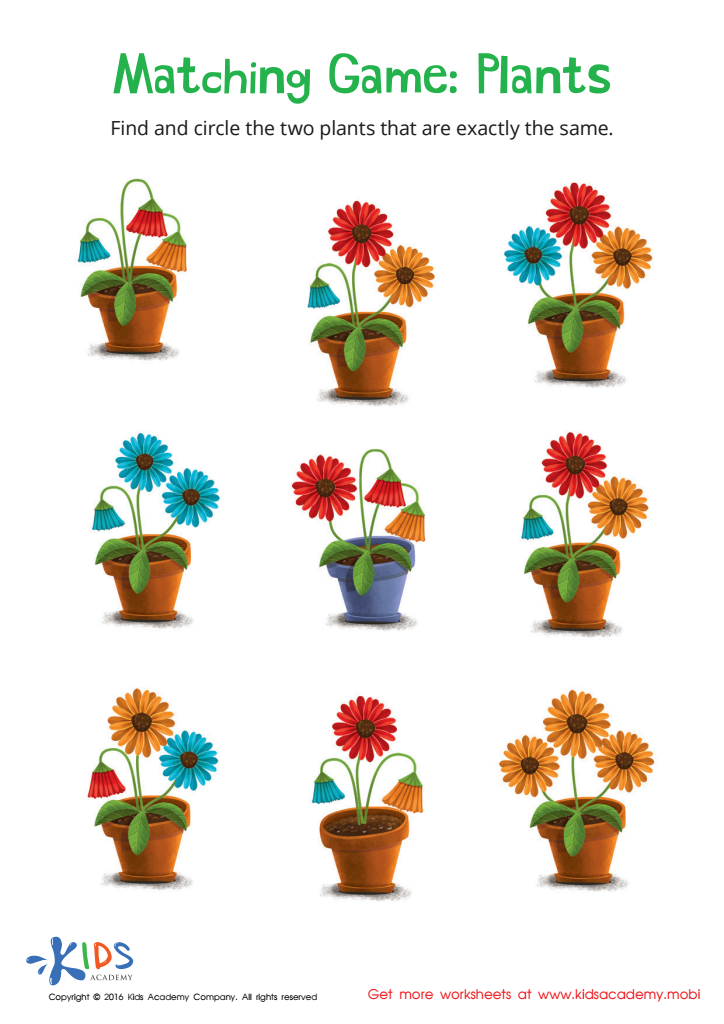
Matching: Plants Worksheet
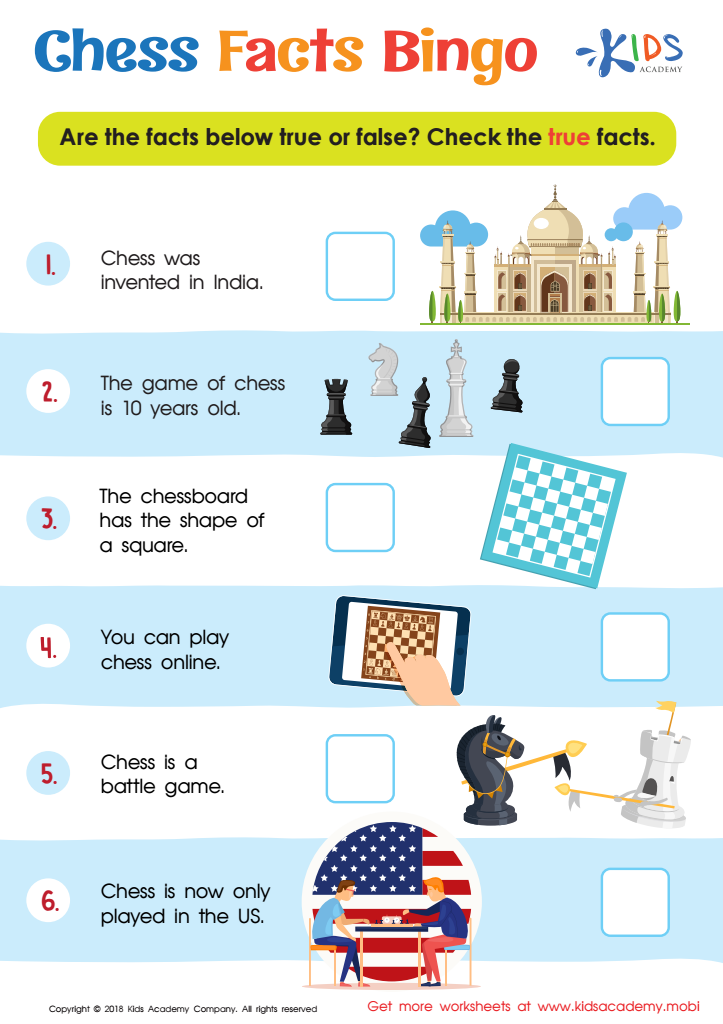
Chess Facts Bingo Worksheet
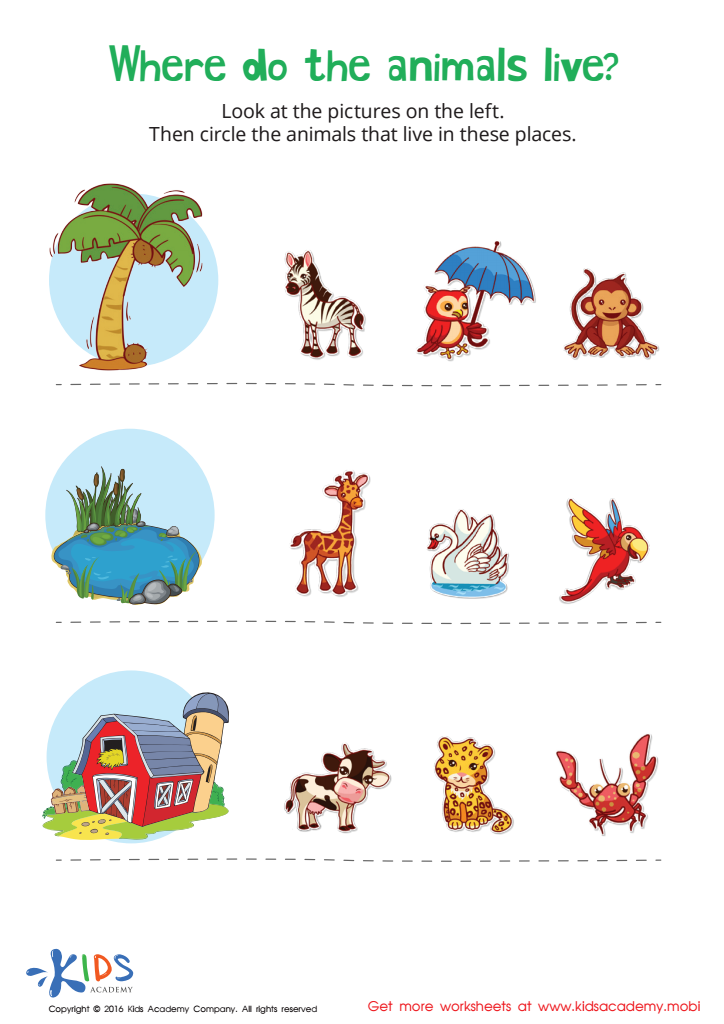
Where Animals Live Worksheet








Reading comprehension skills are fundamental for a child's overall academic success and cognitive development, and focusing on these skills as early as 3 years old can offer numerous benefits. Parents and teachers should care about reading comprehension matching for this age group because it lays a critical foundation for future learning.
Firstly, these exercises nurture a child’s ability to understand and process information, which is essential for later reading proficiency. Even at three, when children match pictures with words or simple sentences, they begin to make connections between visual cues and language, fostering early literacy skills.
Secondly, it boosts vocabulary development. Exposure to new words through reading activities rich in matching games enhances their linguistic repertoire, aiding in more effective communication.
Thirdly, reading comprehension matching supports cognitive skills like memory, concentration, and problem-solving. As children engage in these activities, they learn to recall information, focus on tasks, and make sense of various concepts.
Furthermore, it instills a love for reading early on. Fun and interactive matching activities make reading an enjoyable experience, encouraging lifelong positive reading habits.
Investing time in these early educational practices is crucial; they ensure a robust start, supporting children to become proficient readers, eager learners, and thoughtful individuals. Ultimately, early engagement helps prevent future learning difficulties, setting the stage for continuous, confident academic growth.








